Storia
Four centuries at the farm
The farm has belonged to the family for approximately 400 years. Its historic farmhouse dates from the 16th century, and the old farmhouse parlour remains part of family and hospitality life. The name Röck is connected with the Middle High German word Recke, meaning an adventurer, warrior or hero.
Konrad takes over and establishes independent bottling
Konrad assumed responsibility for the farm in 1988, when it was still operated as a mixed-cultivation holding. His enthusiasm for viticulture led him to plant and propagate more vines. Seeking the freedom to implement his own ideas, he began working independently and, in 1998, bottled the entire wine production himself for the first time.
The next generation
Hannes completed his training as a technician for viticulture and oenology in Weinsberg in 2017. He began cultivating one vineyard organically in 2019; the vines remained healthy and vigorous throughout that growing season. That year he also took a substantial role in both vineyard and cellar work for the first time and helped shape the 2019 vintage. The family harvested grapes for its first Pet Nat, a trial comprising 100 bottles.
In 2020 Hannes extended organic cultivation to all estate vineyards. That season also brought the first production of verjus from early-picked grapes. During the pandemic, the family ended its Törggelen season early.
The formal organic-certification conversion began in 2021. Carmen returned from Vienna to Alto Adige in time for harvest and rejoined life at the estate after approximately a decade spent between Vienna, Seoul and the Americas. That year Röck first bottled the skin-fermented Viel Anders and produced 1,500 bottles of Pet Nat. The family also introduced a slower form of Törggelen built around several small courses rather than an oversized meat platter.
The conversion continued through 2022 and 2023. In 2022 all wines were bottled unfiltered, closed with sugar-cane-based Nomacorc closures and presented without capsules. Frieda and Carmen also redesigned the small holiday apartment. In 2023 Souvignier Gris and Bronner were planted, and Röck participated in Raw Wine Berlin for the first time. Official organic certification followed in 2024, when the estate also made its first appearance at VinNatur.
The recent growing seasons
2017
An exceptionally warm March and first half of April encouraged early budbreak. A severe cold spell and frosty nights around 20 April caused a 30–40% loss in the vineyards. May and June were warmer than average; only June 2003 had been hotter. The warmth kept peronospora and mildew pressure low. The first half of August exceeded 37°C, while severe hailstorms damaged orchards elsewhere between Valle Isarco and the Unterland. Harvest across much of Alto Adige began 10–14 days earlier than usual. Röck was largely spared September rain and completed picking without further disruption.
2018
Cool weather in February and March delayed budbreak, but humid, unusually warm conditions in April and May accelerated flowering, which finished by early June. June and July were warmer and drier than average; August was hot, stormy and wet. Harvest began slightly early. Persistent warm, sunny September weather allowed the family to pick in the cool morning hours. Flowering was recorded on 4 June, veraison on 28 July and harvest began on 17 September.
2019
An exceptionally mild winter was followed by a wet, mild April and the coolest May since 1991. Flowering was delayed, then a pronounced heatwave arrived at the end of June. August was warmer than average with balanced rainfall, and September was slightly warmer than the long-term mean. A cold-weather incursion on 8 September reached the middle elevations and arrested potential rot. Röck began its principal harvest in mid-September, picking earlier than before to avoid overripe fruit. Flowering was recorded on 16 June, veraison on 31 July and harvest began on 13 September. This was also the first year of organic cultivation in one vineyard, Hannes’s first major contribution in vineyard and cellar, and the first 100-bottle Pet Nat trial.
2020
April was dry, warm and sunny, while May was slightly warmer and drier than average. Flowering proceeded smoothly, followed by a balanced summer with favourable temperatures and rainfall. Approximately 100 litres of rain fell over three days during the final weekend of August, sharply increasing fungal pressure. The family responded by beginning harvest early and completed picking within three weeks. Flowering was recorded on 1 June, veraison on 22 July, harvest began on 9 September and ended on 30 September. Organic farming was extended to every vineyard, and the first estate verjus was produced.
2021
The coolest spring in about 30 years delayed flowering. A dry, warm June was followed by a rainy July and stormy August, creating heavy fungal pressure. Careful vineyard work kept infection under control. Warm days, cool nights and clear skies arrived for harvest, allowing healthy grapes to be picked. As in 2020, harvesting began relatively early to preserve freshness and moderate alcohol. Late flowering occurred on 14 June, veraison on 8 August, harvest began on 17 September and finished on 12 October. This was the first formal year of organic conversion.
2022
A relatively late budbreak was followed by a hot, dry summer that accelerated the season. To preserve acidity and freshness, Röck began harvesting in August for the first time. The fruit was notably healthy. Flowering was recorded on 4 June; harvest ran from 27 August to 13 September. This was the second conversion year, and all wines moved to unfiltered bottling with sugar-cane-based closures and no capsules.
2023
A dry spring gave way to a wet summer with heatwaves. A balanced, warm autumn then supported even ripening. Flowering was recorded on 10 June, veraison on 27 July, harvest began on 6 September and finished on 2 October. The third conversion year also brought the planting of Bronner and Souvignier Gris.
2024
Frequent rain and cool temperatures delayed budbreak, while late frost damaged lower sites elsewhere; Röck’s vines escaped the frost. Wet flowering caused coulure, and the unusually rainy conditions through late July required intensive plant protection. Stable heat arrived in August and caused localised drought stress, but the estate avoided hail. Rain and uneven ripening made harvest difficult, requiring precise selection and careful manual work. Flowering was recorded on 8 June, veraison on 4 August, and harvest ran from 2 to 23 September. The year culminated in official organic certification.
Terroir
Estate setting
Röck’s 3 ha of vineyards lie at Villandro in Valle Isarco, between 550 and 700 m above sea level. They occupy steep, terraced, southeast-facing slopes. At sunrise the vines look toward the Ploseberg. The estate soils are described consistently as gravelly quartz phyllite.
The individual vineyard bands used across the range extend from approximately 550 to 700 m. More sheltered Grüner Veltliner vines occupy sites at 580–630 m, while Riesling comes from both the estate’s lowest and highest vineyards at 560–700 m. A mixed white block lies at 630–660 m, the Gewürztraminer and Sylvaner sites at 570–670 m, and the red-variety sites at 550–680 m.
Valle Isarco context
Valle Isarco is presented as Italy’s northernmost winegrowing area, a place where viticulture approaches its climatic limits. The wider area has about 400 ha under vine, ranging from 400 to 850 m on steep terraces, and 86% of its production is white wine. Its varietal balance changed markedly between 1961 and 2018: the earlier mix was recorded as 58% red and 44% white, including 4% Müller Thurgau, 0.2% Gewürztraminer and no Kerner; by 2018 it was 86% white and 14% red, including 19% Müller Thurgau, 15% Gewürztraminer and 17% Kerner.
The valley is cooler than the rest of Alto Adige and receives sufficient precipitation. The northern Alpine chain protects it from cold, rain-bearing air masses. Frequent northerly winds quickly dry the grape zone after wet weather, while pronounced differences between daytime and nighttime temperatures lengthen the growing season.
Geology
The wider valley contains slate, gneiss, granite and gravelly or sandy moraine deposits. Quartz porphyry occurs from Ponte Gardena / Waidbruck southward, while quartz phyllite extends from south of Bressanone / Brixen to below Chiusa / Klausen. This phyllite belongs to crystalline basement associated with a former continent and is approximately 350 million years old. About 280 million years ago, continental movement triggered intense volcanic activity, producing rocks now found as quartz porphyry; granite formed at the same time but crystallised at depth. Both quartz phyllite and porphyry were subsequently metamorphosed, and the Dolomites later formed above these older rocks.
Vinificazione
Röck treats soil as the vineyard’s most important asset and aims to maintain a living soil for the next generation. The family acknowledges viticulture as an intensive agricultural activity and seeks to work with natural processes, strengthening the vines so they can better withstand changes in conditions, including climate change.
Hannes trialled organic cultivation in one vineyard in 2019. After that vineyard remained healthy and vigorous throughout the growing season, he extended organic management to every estate vineyard in 2020. Formal certification conversion began in 2021, continued through 2023 and culminated in official organic certification in 2024.
Vineyard work is manual and sensory, drawing on knowledge accumulated over generations. Most vines use a wire-frame or Guyot training system, while the oldest Müller Thurgau block is terraced and pergola-trained. Grapes for the natural-wine range are harvested by hand. Picking time is based on fruit balance, with an emphasis on retaining freshness and achieving moderate alcohol rather than waiting for overripeness.
Earlier picking became an explicit strategy in 2019. It continued in 2020 and 2021, and the hot, dry conditions of 2022 led to the estate’s first August harvest. Difficult conditions in 2024 required intensive plant protection, precise selection and careful manual harvesting because of rain, uneven ripening and earlier wet-season disease pressure.
Organic grapes, hand harvesting, native vineyard and cellar yeasts, unblocked malolactic fermentation, an absence of processing additives, minimal sulfur and no or minimal filtration define the estate’s practical understanding of natural wine. Chemical-synthetic sprays and chemical fertilisers are rejected as harmful to the long-term life of the soil.
Low-intervention cellar work
The cellar approach is deliberately restrained, giving the wines time to develop without suppressing natural processes. Röck prefers the term “low intervention” because wine still depends on people to establish the conditions for ripening, harvest the fruit and guide it through fermentation.
Fruit is harvested by hand once it reaches the desired balance. White grapes receive skin contact to build tannin, structure and stability; every wine receives at least a short maceration, while Viel Anders has the longest skin contact. Red-wine work includes experiments with carbonic maceration as well as conventional skin fermentation, sometimes with a proportion of whole bunches.
Fermentations begin spontaneously with naturally occurring yeasts, without added cultured yeast or yeast nutrients. Malolactic fermentation is not blocked and is used as a natural means of stabilisation; all white wines undergo it. The wines receive extended maturation on full or fine lees. Depending on the cuvée, fermentation and élevage take place in stainless steel, neutral or used oak, used tonneaux, large oak vessels or large acacia casks.
No fining agents are used. Current bottlings are unfiltered, and the estate describes sulfur additions as very low. A general cellar figure is approximately 30 mg/L total SO₂, while current individual bottlings range from approximately 27 to 60 mg/L. Nothing else is added.
For the original Pet Nat method, fermenting Müller Thurgau must was transferred to sparkling-wine bottles, closed with crown caps and allowed to complete its single alcoholic fermentation in bottle. Carbon dioxide remained dissolved in the wine, and dead yeast settled at the bottom. After six months the bottles were disgorged by hand à la volée and topped with Pet Nat from other bottles. The current Conny sparkling rosé follows a related ancestral approach: a spontaneously fermented stainless-steel base wine undergoes a second bottle fermentation after fresh grape must is added, and the bottle is not disgorged.
Since 2022 the wines have been bottled without fining or filtration, using lightweight glass, no capsules and either natural corks or carbon-neutral Nomacorc closures made from sugar-cane-based plant biopolymer. The family accepts cloudiness as a normal possible feature of minimally filtered natural wine.
Filosofia
Röck’s guiding maxim is “less is more,” applied in the vineyard, cellar and daily life. The family seeks to bring people closer to honest wine through natural sensory experience, use resources carefully and encourage reflection.
Soil protection is central. The vineyards are understood as living systems that must be passed to the next generation in good condition. Rather than attempting to dominate natural processes, the family works to support resilient vines and accepts the annual differences created by sunshine, rain, wind and vine age.
The same principle governs the cellar. The goal is not to standardise each vintage or build wines around primary aromas, but to preserve vintage character, structure and tactile experience. The family wants drinkers to respond to how a wine feels rather than search for a prescribed list of aromas. Moderate alcohol, freshness, texture, drinkability and occasional light reduction are valued.
Although the family uses “natural wine,” it prefers “low intervention” because wine cannot exist without human decisions and labour. People create the conditions for ripening, harvest the grapes and guide fermentation, but intervention should remain minimal and should not falsify the wine.
The environmental outlook extends beyond farming: Röck advocates seasonal and regional food, reduced meat and plastic use, fair-trade or second-hand purchasing, lightweight bottles, capsule-free packaging, recyclable components and the return of reusable shipping boxes.
Vini
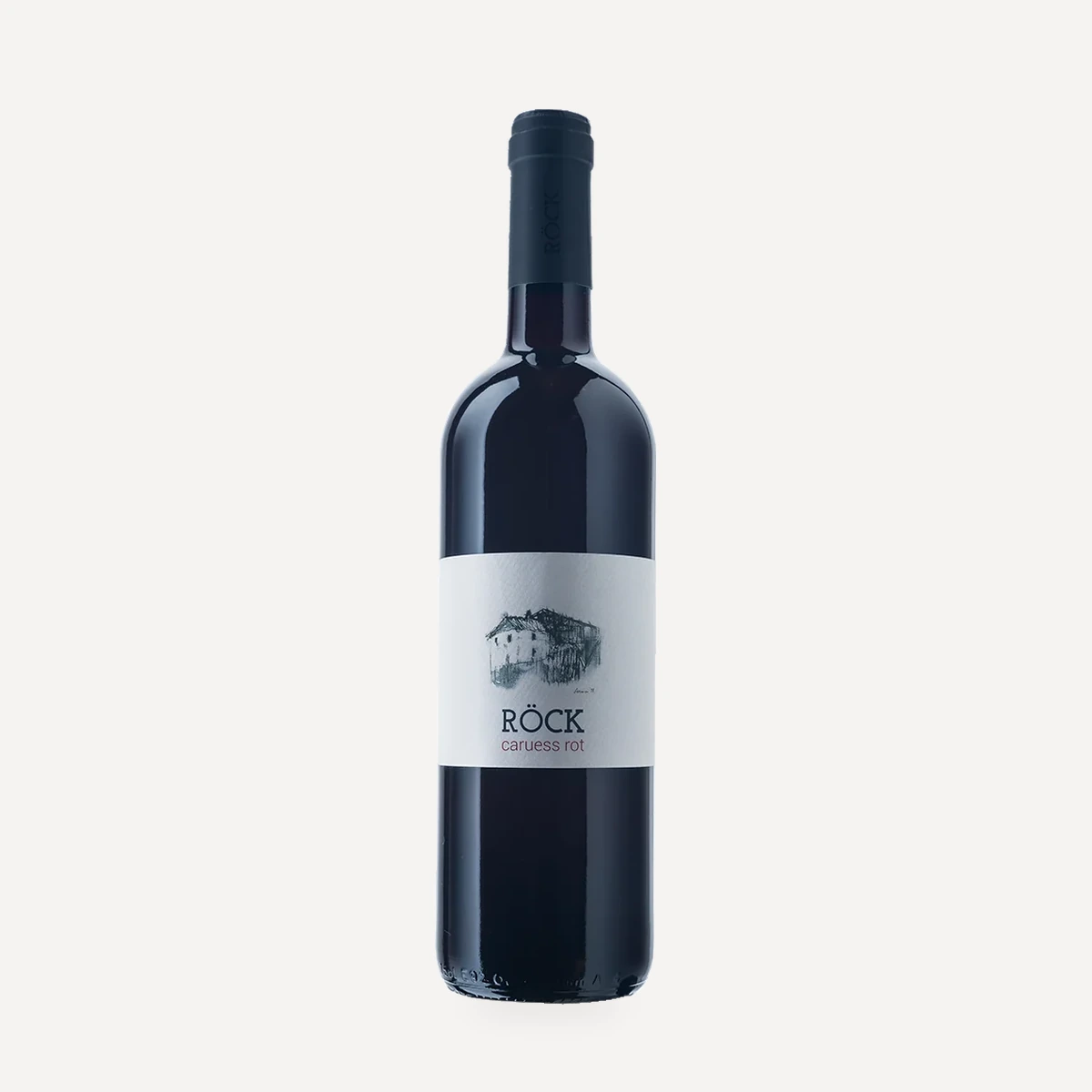
Caruess Rosso
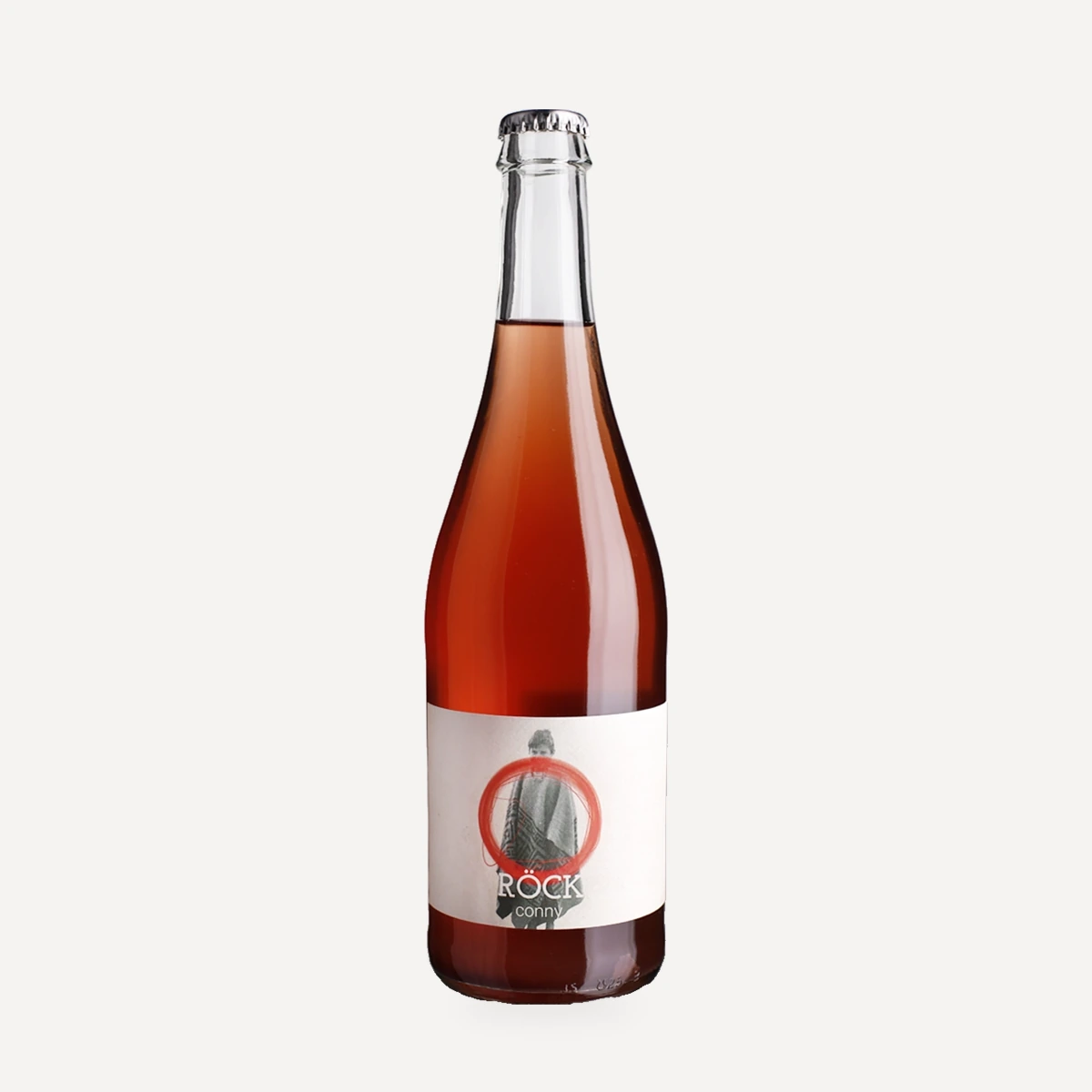
Conny Vino spumante
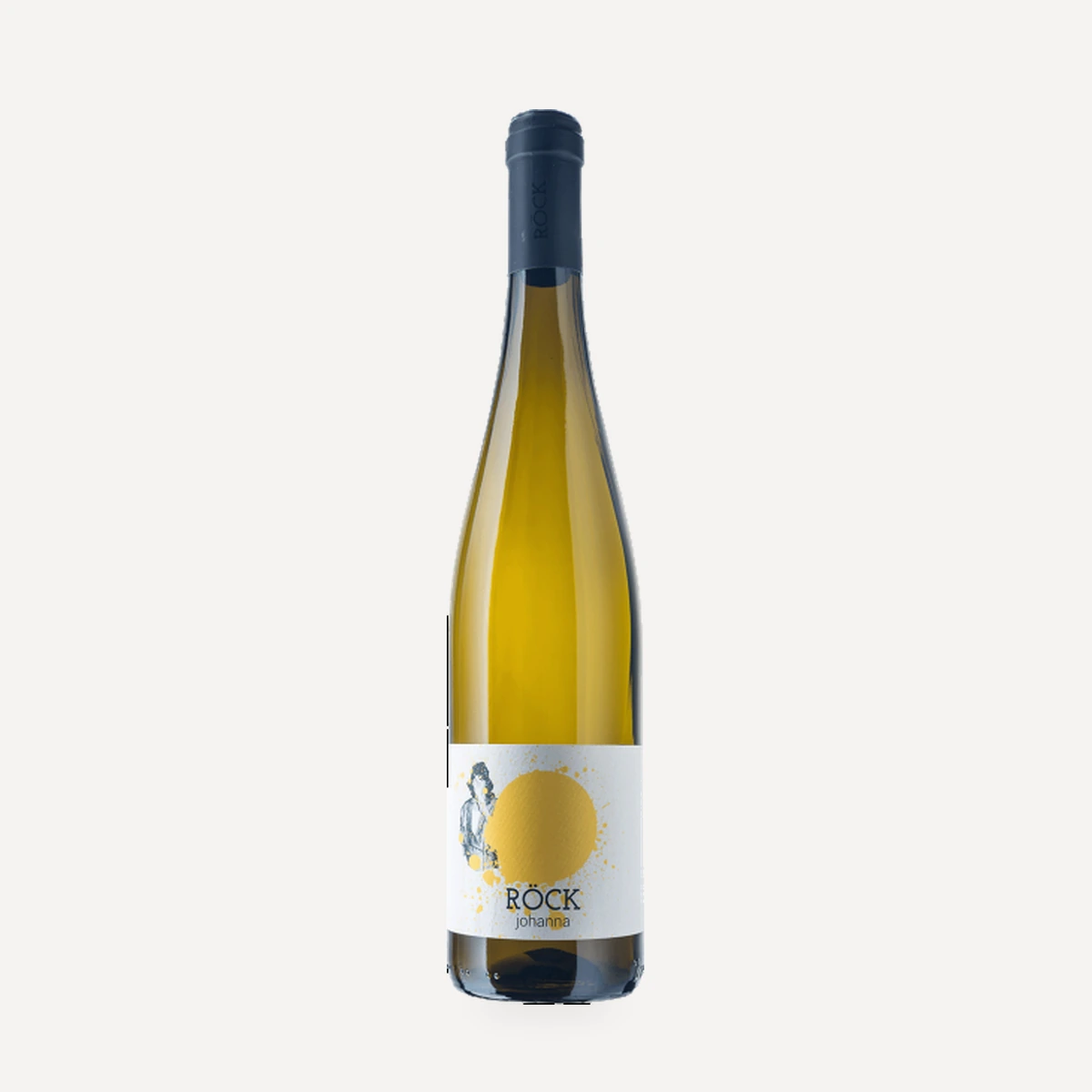
Johanna Grüner Veltliner
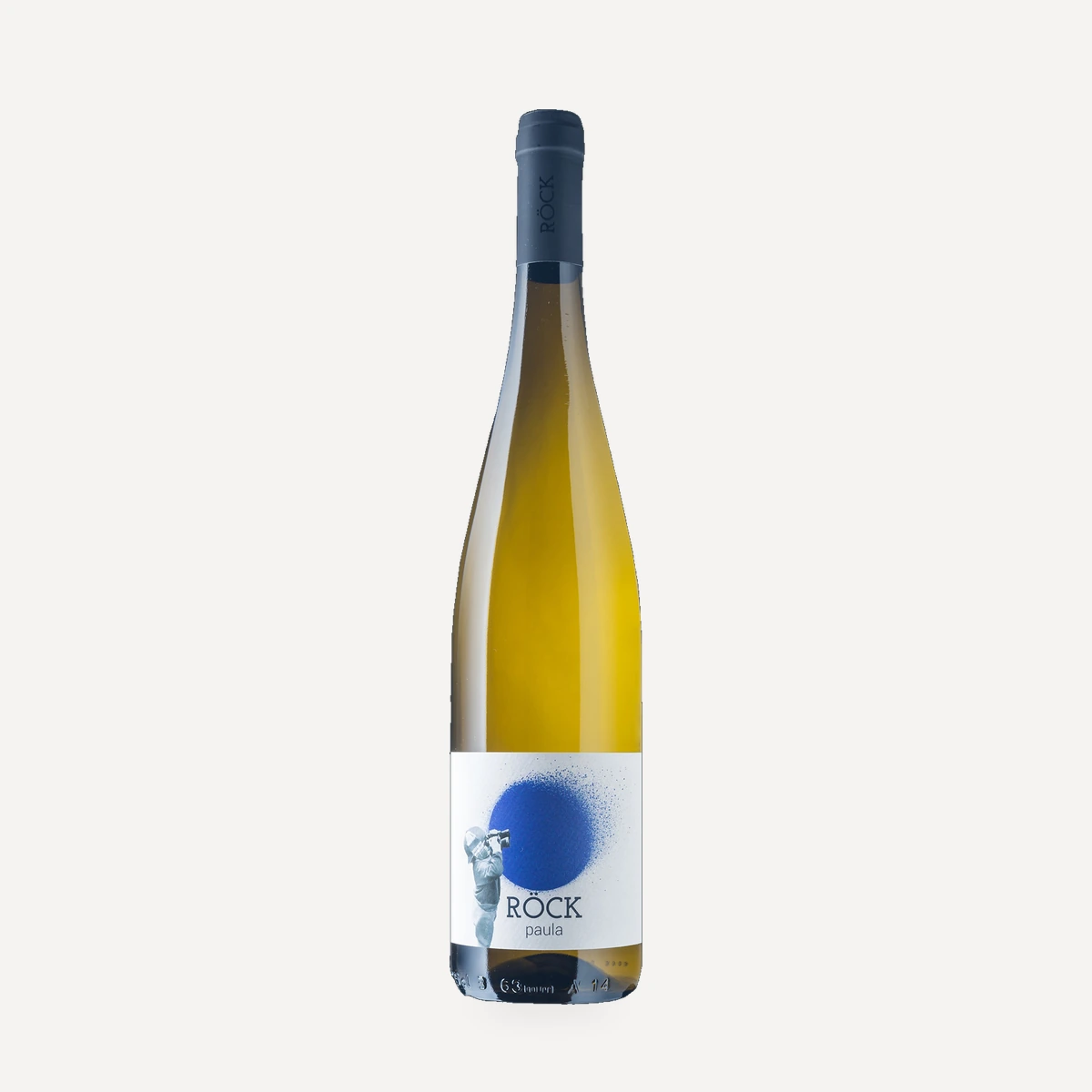
Paula Riesling
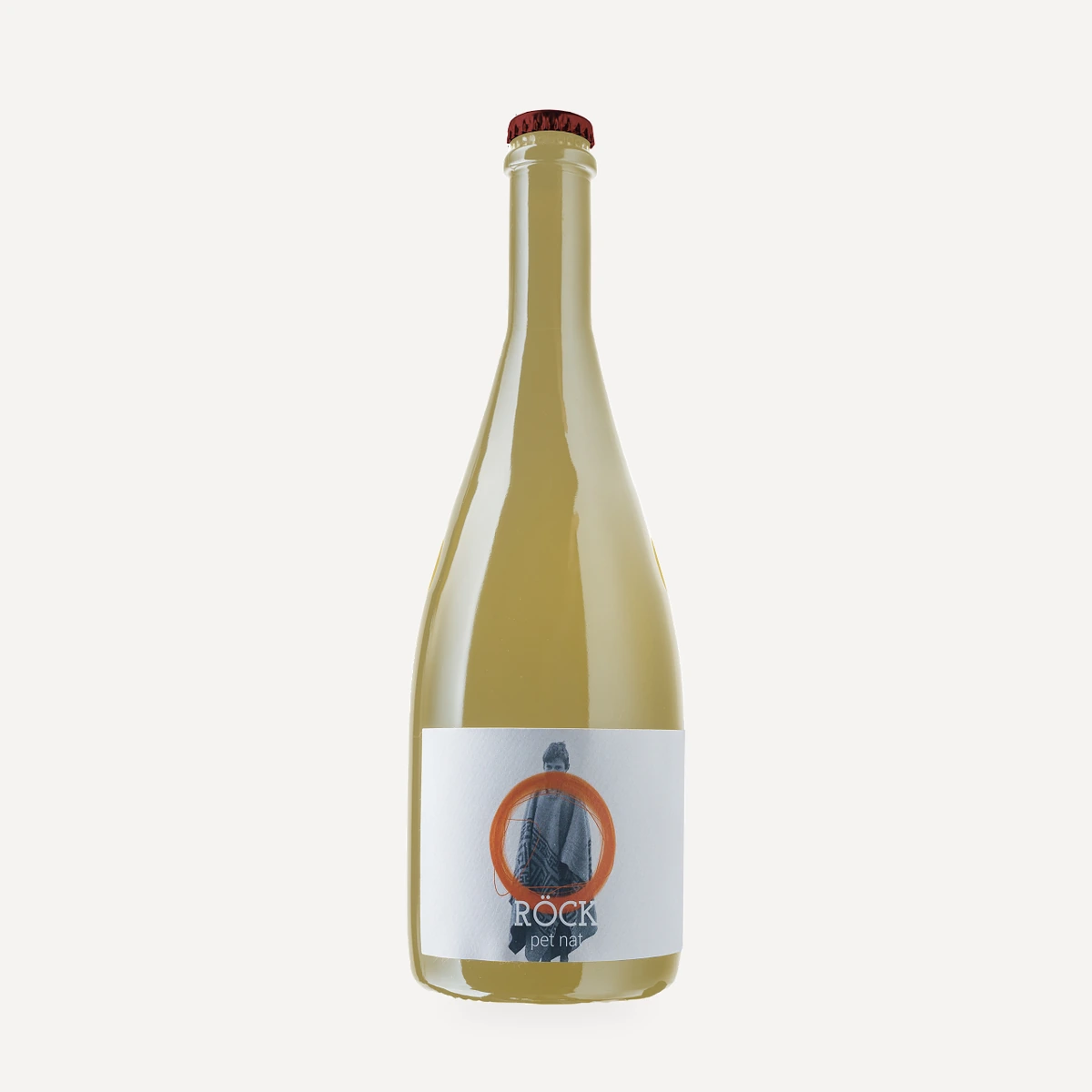
Pet Nat
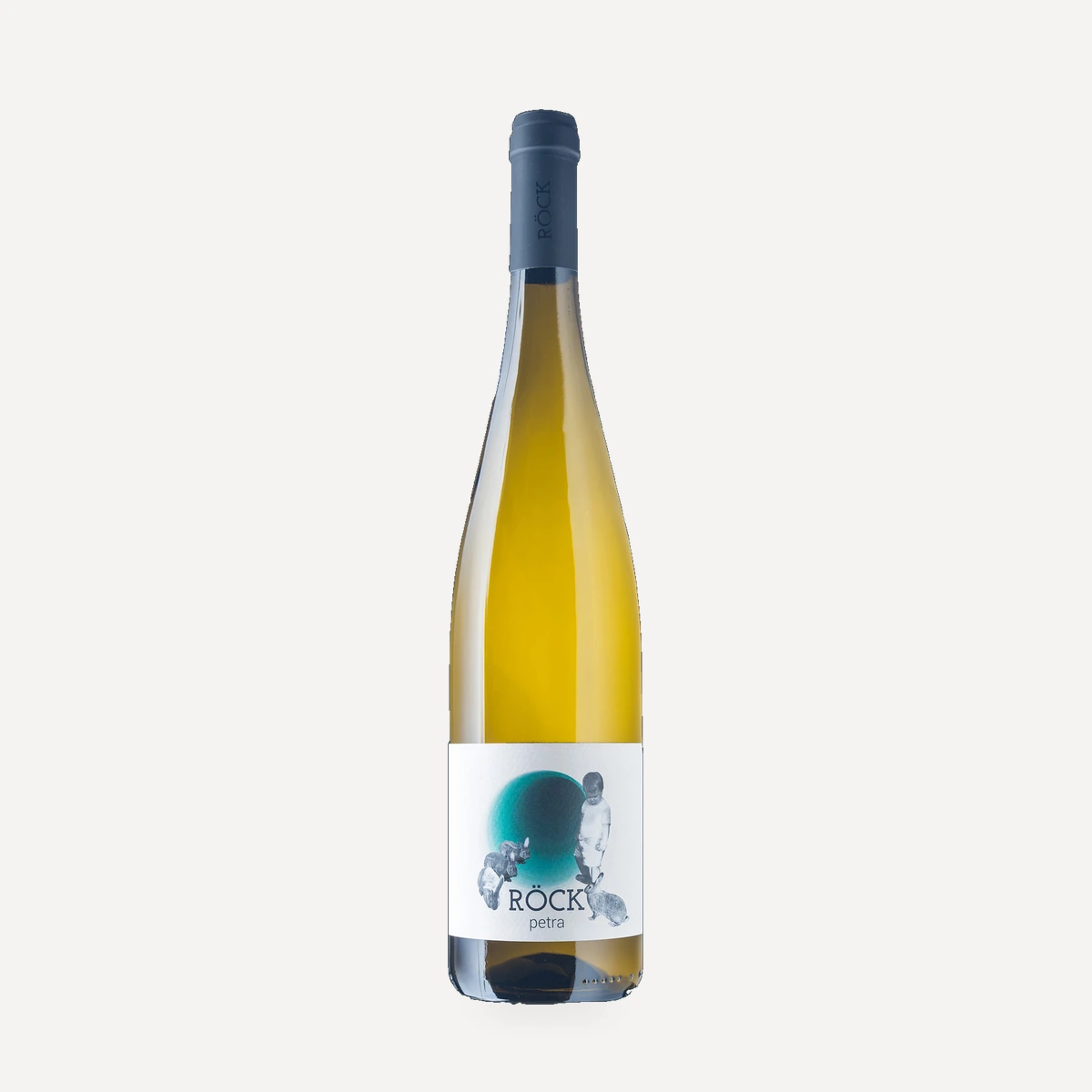
Petra Cuvée
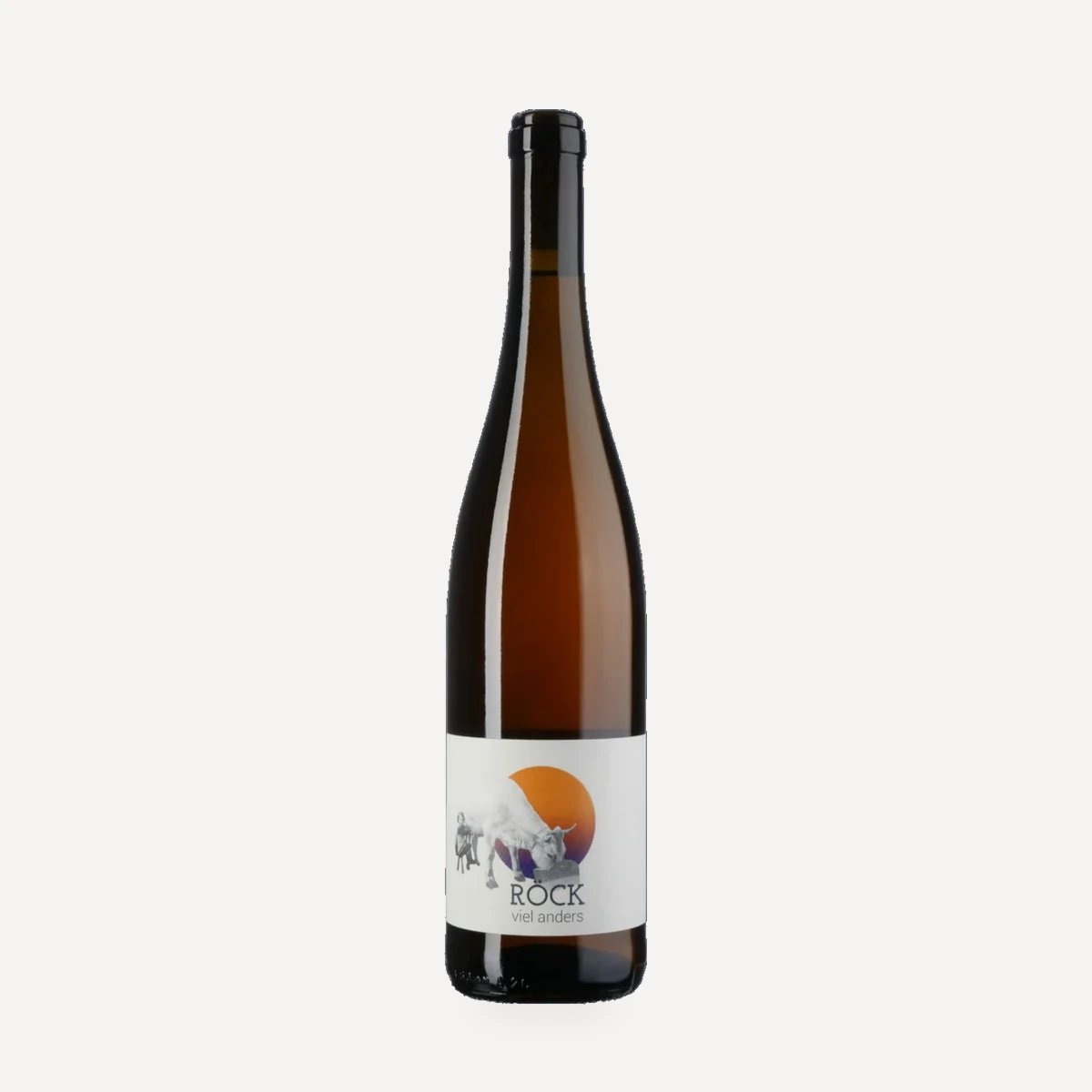
Viel Anders