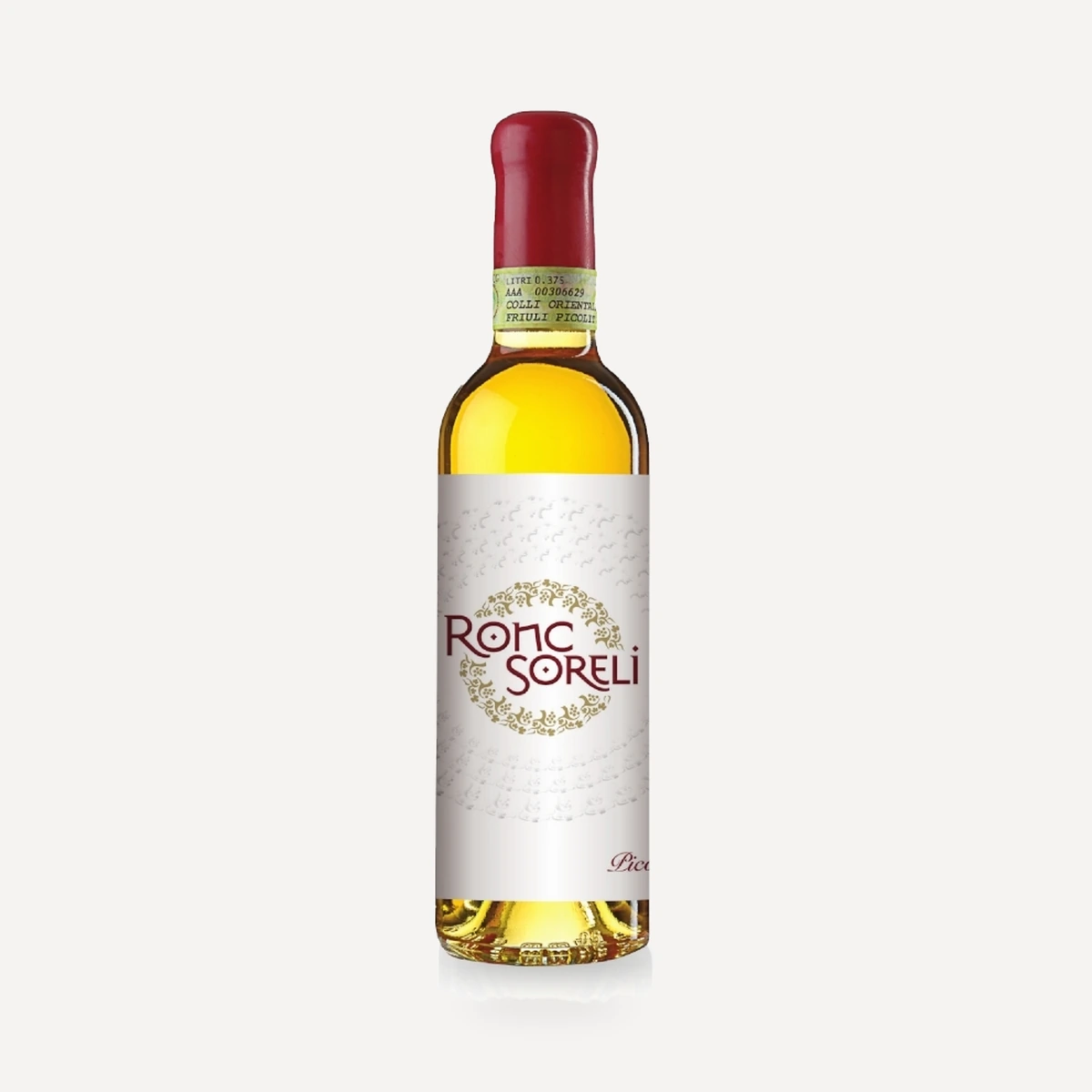
Storia
The estate before Ronc Soreli
The property encompasses the old hamlet of Novacuzzo, a country villa, an existing winery and a 72-hectare landscape of vineyards, woods, arable land and green areas. Its vineyards occupy a hill above the hamlet, between the Bosco Romagno nature reserve and the Judrio river.
A historically important Friulano vineyard was planted in 1968. Trained in the traditional Cappuccina system, it survived as one of the estate’s principal viticultural assets and later became central to Ronc Soreli’s identity.
Foundation in 2008
Friulan entrepreneur and wine enthusiast Flavio Schiratti established Ronc Soreli in 2008. He chose a name meaning “sunny hill” and began a long-term project intended to revive Novacuzzo through high-quality wine production. The project centred on developing a substantial winery open to hospitality while restoring historic vineyards and giving greater prominence to native varieties suited to the hill.
The 2008 growing season was also the first recorded vintage in Ronc Soreli’s history. Heavy harvest rain produced white wines with good acidity and clearly defined aromas, while red grapes reached full maturity only in the best-exposed sites and required severe selection.
Vineyard recovery and expansion
After the foundation, major agronomic work was undertaken to recover old vineyards and improve the regulation and drainage of water across the hill. The planted area increased from 33 to 42 hectares. The estate also developed what it identifies as the largest Schioppettino vineyard in Friuli Venezia Giulia, within the M.G.A. Schioppettino di Prepotto subzone.
The winery and cellars were renovated and enlarged. A new gravity-fed reception area, two modern presses, temperature-controlled stainless-steel tanks and restored concrete vats were introduced. A new cellar was also constructed to provide sufficient space and time for bottle ageing.
Hospitality and environmental development
The long-term programme included three tasting rooms, a presentation and retail area, spaces for meetings and tastings, and small guest apartments. In 2025, La Bottega del Borgo opened in one of the houses of Novacuzzo near the winery as an exhibition and retail space.
Environmental work progressed alongside the physical redevelopment. The estate retained the woods surrounding the vineyards, adopted annual organic fertilisation and integrated pest management, and organised vineyard protection around actual seasonal conditions. In 2016, conversion was completed on part of the vineyard area, which received organic certification under operator code IT BIO 006 E2702.
Terroir
Ronc Soreli occupies a sunlit hill in Novacuzzo, within the municipality of Prepotto in Friuli Venezia Giulia. Its 42 hectares of vineyards face predominantly east and southeast. At the summit they border the Bosco Romagno nature reserve, then descend towards the right bank of the Judrio river, the natural boundary with the Collio Goriziano area and Slovenia.
The hill is formed from Eocene deposits locally called ponca. The profile alternates marl—described as calcareous clay—with sandstone formed from mineral-rich sand. This geological structure is associated with body, savoury character and mineral expression in the resulting wines.
A light, persistent breeze moves through the valley, drying the grapes and reducing the need for treatments. The proximity of both the mountains and the sea creates pronounced day-to-night temperature changes during ripening. The surrounding river, nature reserve, woods and strong exposure to sunlight together shape the estate’s microclimate.
Individual vineyard sites range from approximately 150 to 350 metres above sea level. The historic Friulano vineyard occupies southeast-facing slopes at 200–300 metres, while Schioppettino sites associated with the Prepotto M.G.A. rise to approximately 250–350 metres.
Vinificazione
The guiding viticultural objective is to maintain balanced vines while respecting the surrounding environment. Vineyard work is handled by specialist field staff, with agronomists supervising grape selection.
The vineyards are treated as an ecosystem integrated with the woods, river and surrounding landscape. Soil fertility is renewed annually with organic fertilisation. Wooded areas are conserved as habitat for birds, insects and other wildlife, while medicinal plants, aromatic herbs and flowers grow spontaneously between the vine rows.
Low-impact integrated pest management is used, and interventions are timed according to seasonal and climatic conditions to prevent pathogen development. The valley’s constant ventilation helps dry the grapes and reduce treatments. In 2016, part of the vineyard area completed organic conversion and obtained certification under code IT BIO 006 E2702.
Hillside water management and drainage formed part of the estate’s post-2008 redevelopment. Old vineyards were recovered while the planted surface expanded from 33 to 42 ha.
Harvesting is strictly manual. Grapes are placed gently into small crates and taken immediately to the centrally located winery, limiting heat accumulation and oxidation. Harvest timing is adjusted to individual parcels, rows, varieties and ripeness levels. In warm conditions, picking may take place at dawn or during the coolest hours. Botrytised fruit from the historic Friulano vineyard may be gathered through several selective passes. After arrival, bunches undergo a further manual selection under agronomic supervision.
The winery stands at the centre of the estate, allowing hand-picked fruit to move rapidly from the vineyard to processing without excessive heating or oxidation.
Each vineyard is harvested, fermented and vinified separately, effectively treating every parcel as an individual cru. This preserves differences in site history, seasonal development and ripening. The separately processed lots are assembled only later.
Bunches are manually selected under the supervision of agronomists. The redesigned reception area uses gravity rather than mechanical handling, reducing impacts on the berries. Grapes descend into two modern presses; pressing is gentle, and one press can operate in a neutral environment.
Must is directed to temperature-controlled stainless-steel tanks for fermentation. The vinification hall also contains 18 large concrete tanks recovered from the former cellar and restored with modern materials. Stainless steel and concrete are used for white wines and fresh red wines; concrete provides a stable environment without exposure to electrostatic charges.
Long-ageing reds are fermented, processed and matured in wood, including large truncated-conical vats, tonneaux and barriques. After bottling, the wines receive further cellar ageing so that they can be released ready to drink. A purpose-built cellar provides the space required for this bottle maturation.
Filosofia
Ronc Soreli’s philosophy begins with the principle that good wine originates in healthy, balanced vines. Vineyard work therefore gives equal weight to grape quality and respect for the surrounding ecosystem.
The estate aims to express the distinctions between individual sites. Each vineyard is treated as a separate cru because plots may have different histories, seasonal development and ripening patterns. Separate harvesting and vinification preserve those differences until the final blending stage.
Native grapes and historic vineyards are central to the project. The recovery of old vines, the 1968 Friulano planting and the development of Schioppettino within the Prepotto M.G.A. are paired with a deliberately restricted selection of varieties considered well suited to the hill.
The production approach combines inherited assets with modern equipment: Cappuccina-trained old vines and restored concrete tanks are retained alongside gravity-fed reception, temperature control and modern presses. Mechanical stress, harvest heat and oxidation are deliberately limited.
Sustainability is framed as a responsibility to maintain the vineyard’s ecological processes and preserve its winegrowing potential for future generations. This includes conserving woods, supporting natural soil fertility, using integrated pest control and applying certified organic practices to part of the vineyard area.
Vini
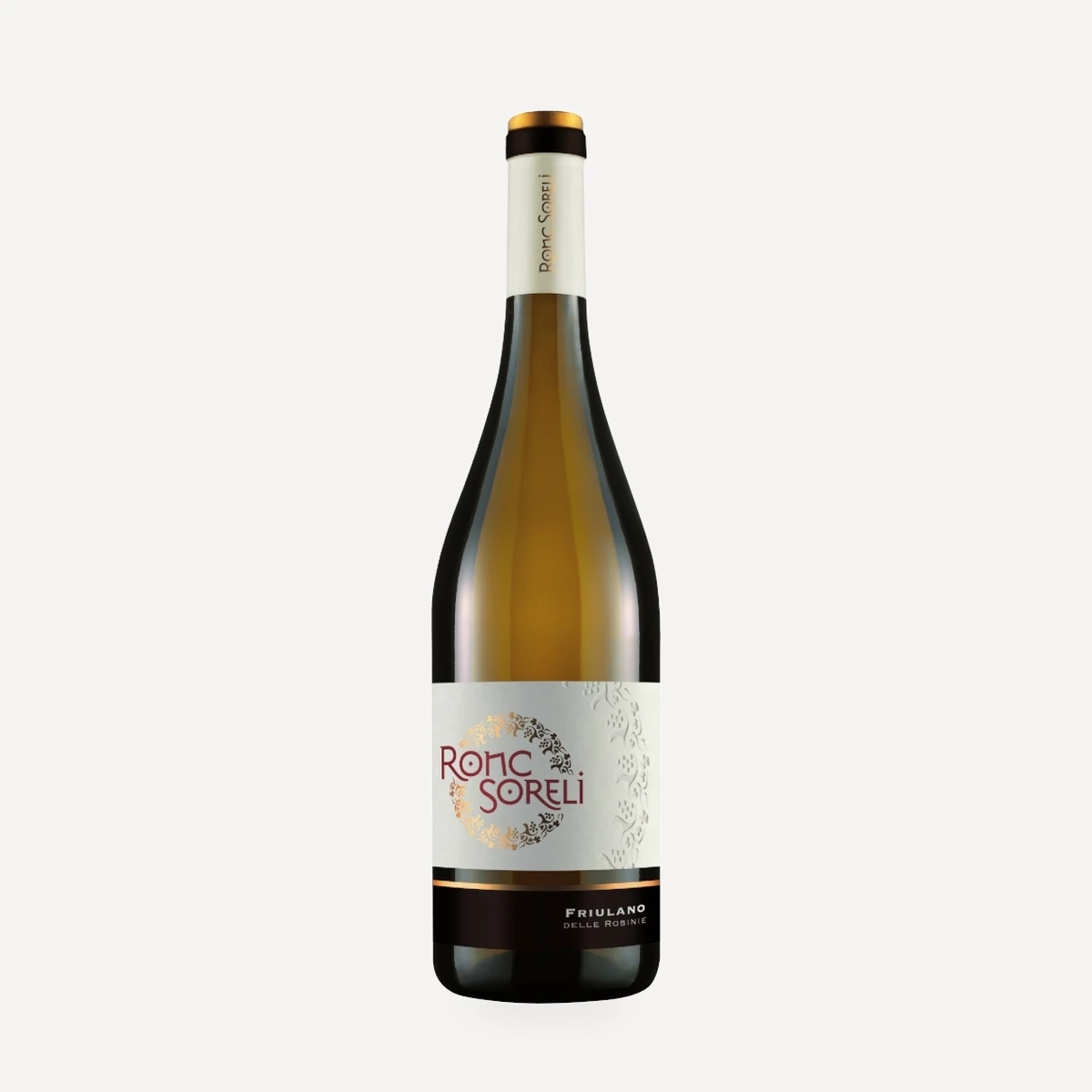
Friulano delle Robine D.O.C. Friuli Colli Orientali
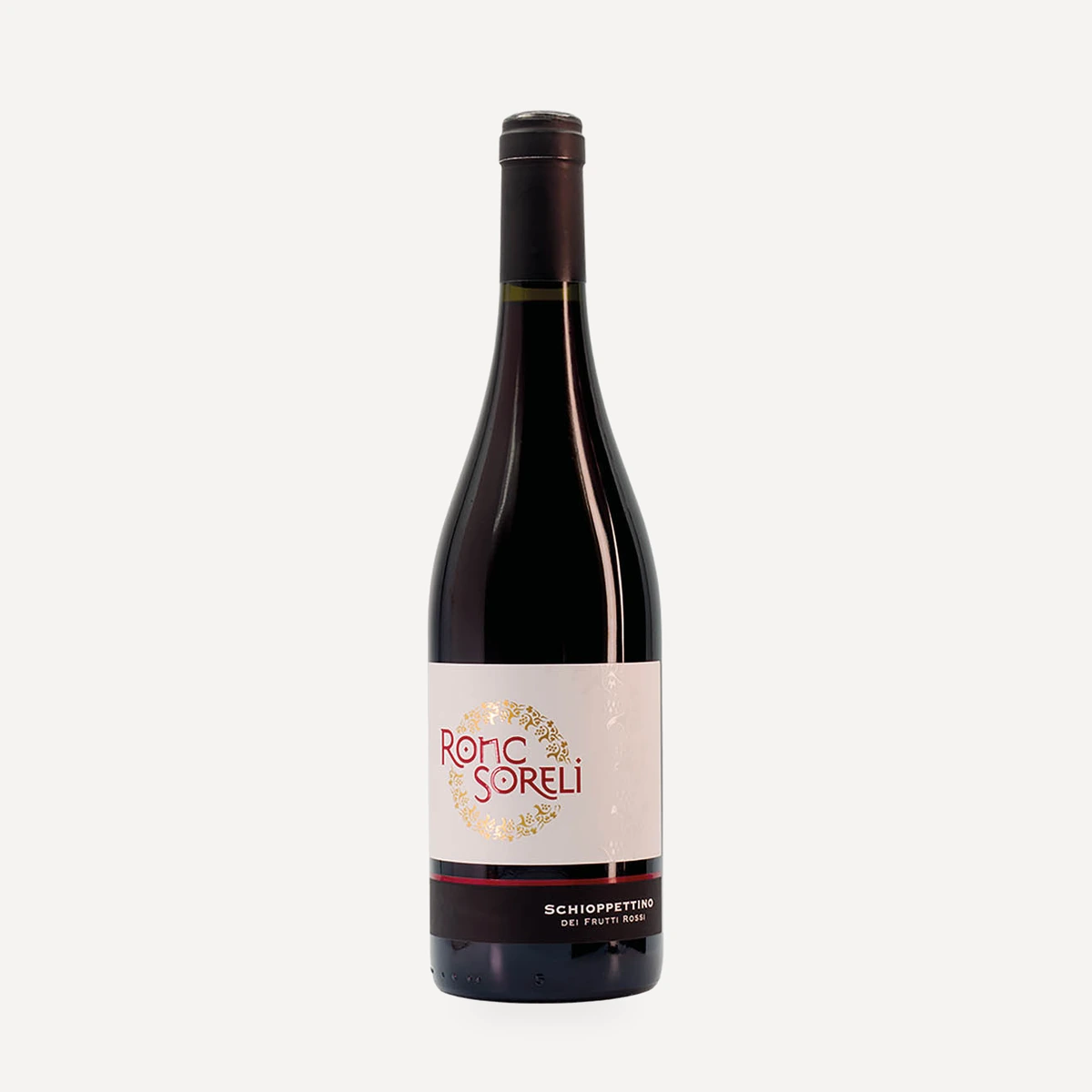
Schioppettino dei Frutti Rossi D.O.C. Friuli Colli Orientali - M.G.A. Schioppettino di Prepotto
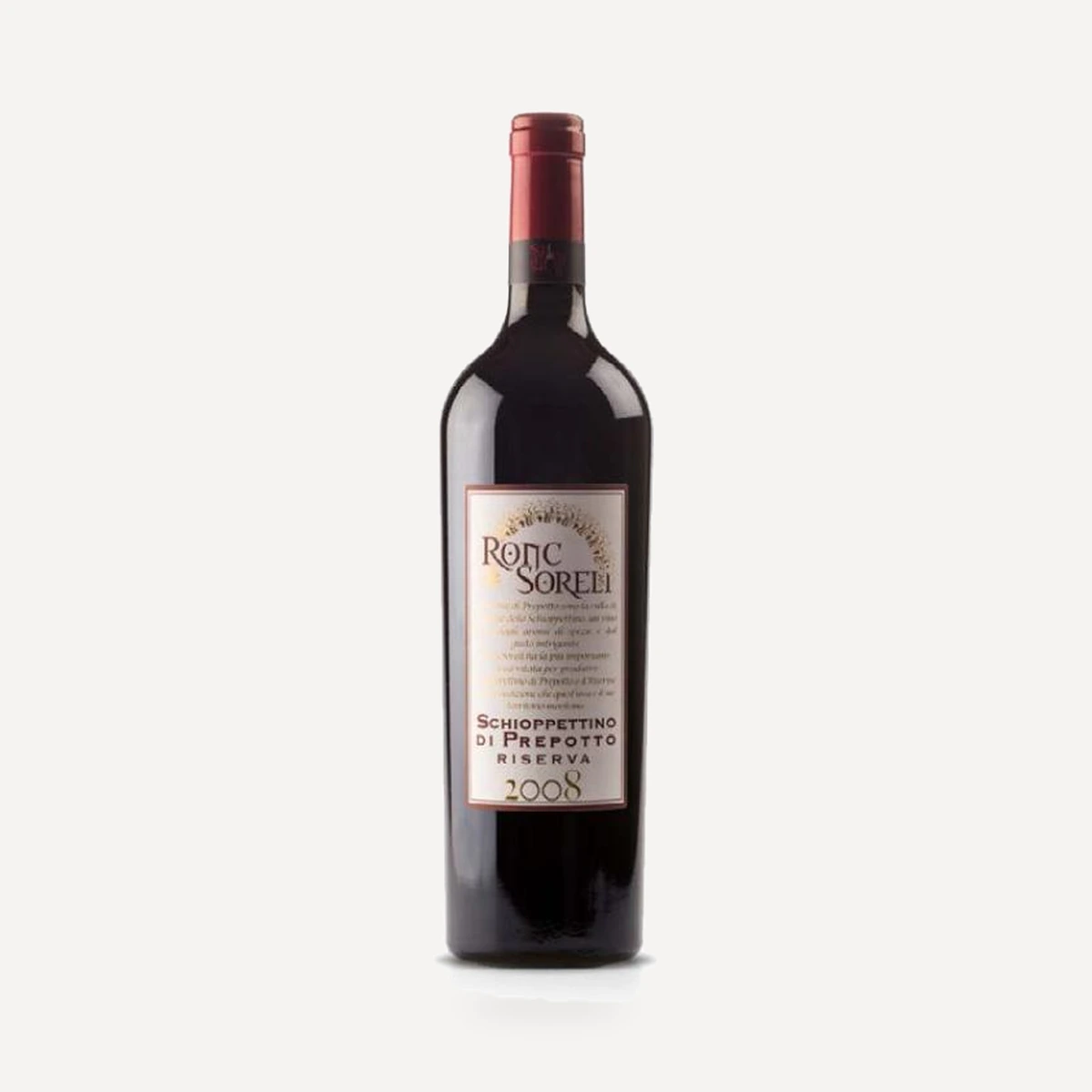
Schioppettino di Prepotto Riserva D.O.C. Friuli Colli Orientali - M.G.A. Schioppettino di Prepotto
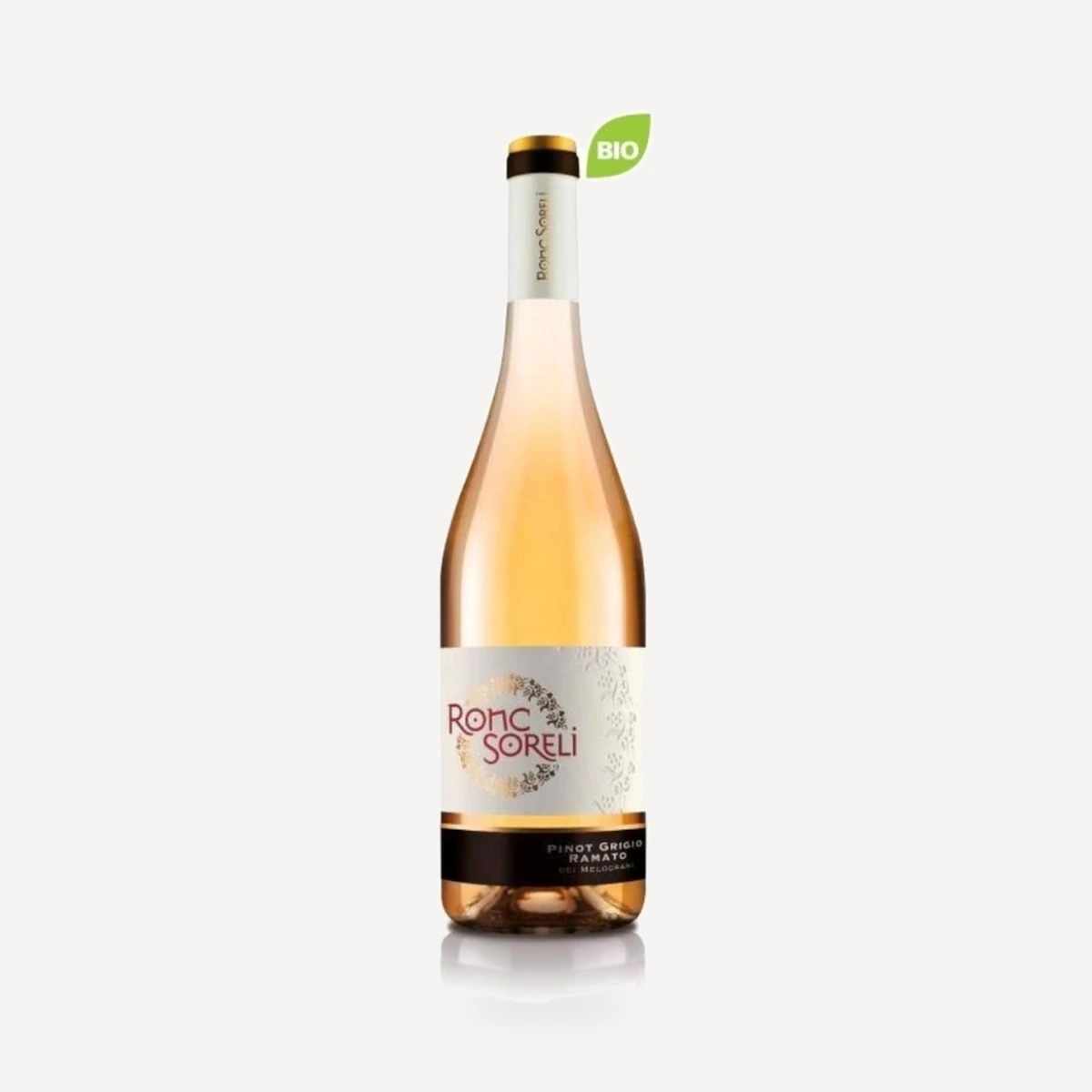
Pinot Grigio Ramato dei Melograni D.O.C. Friuli Colli Orientali
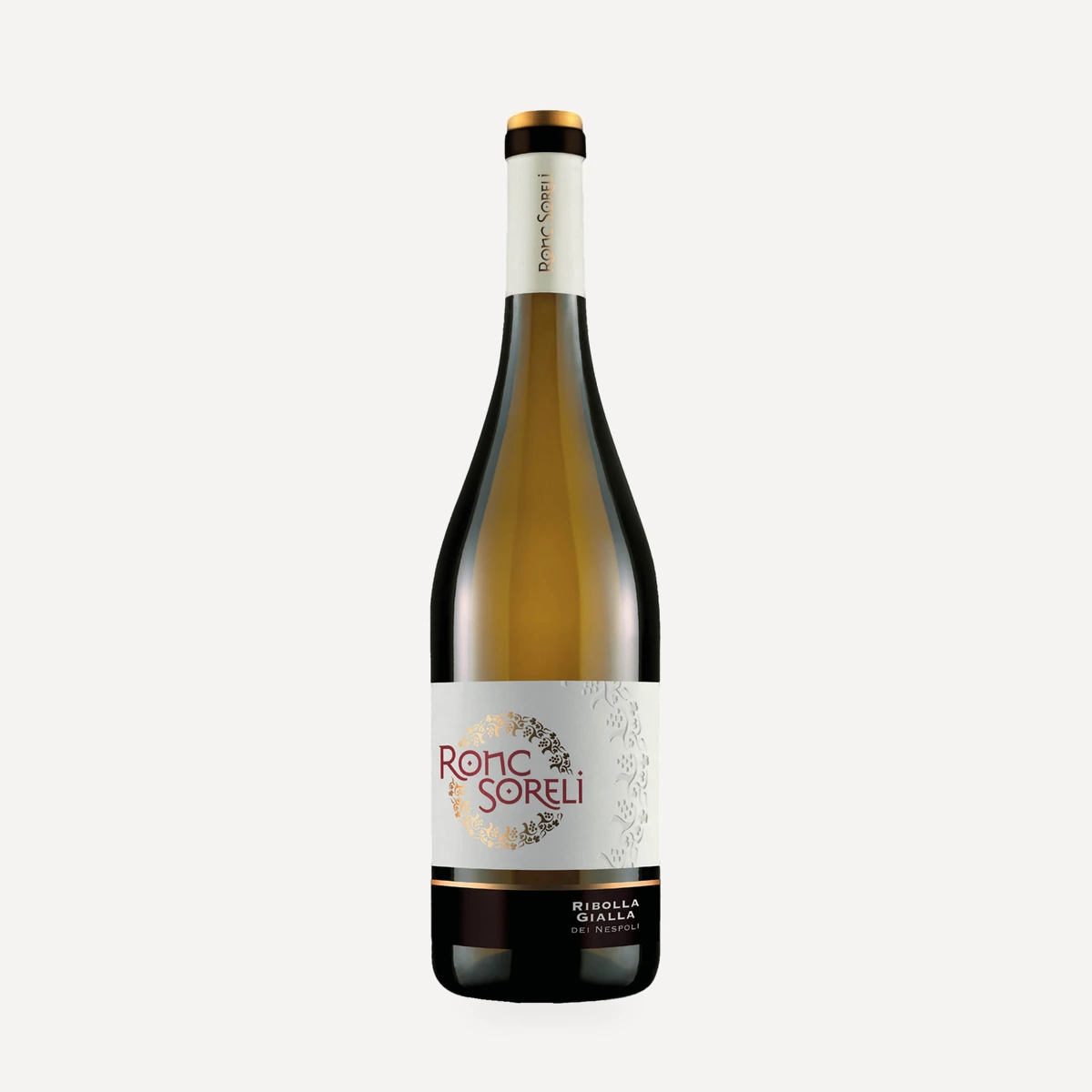
Ribolla Gialla dei Nespoli D.O.C. Friuli Colli Orientali
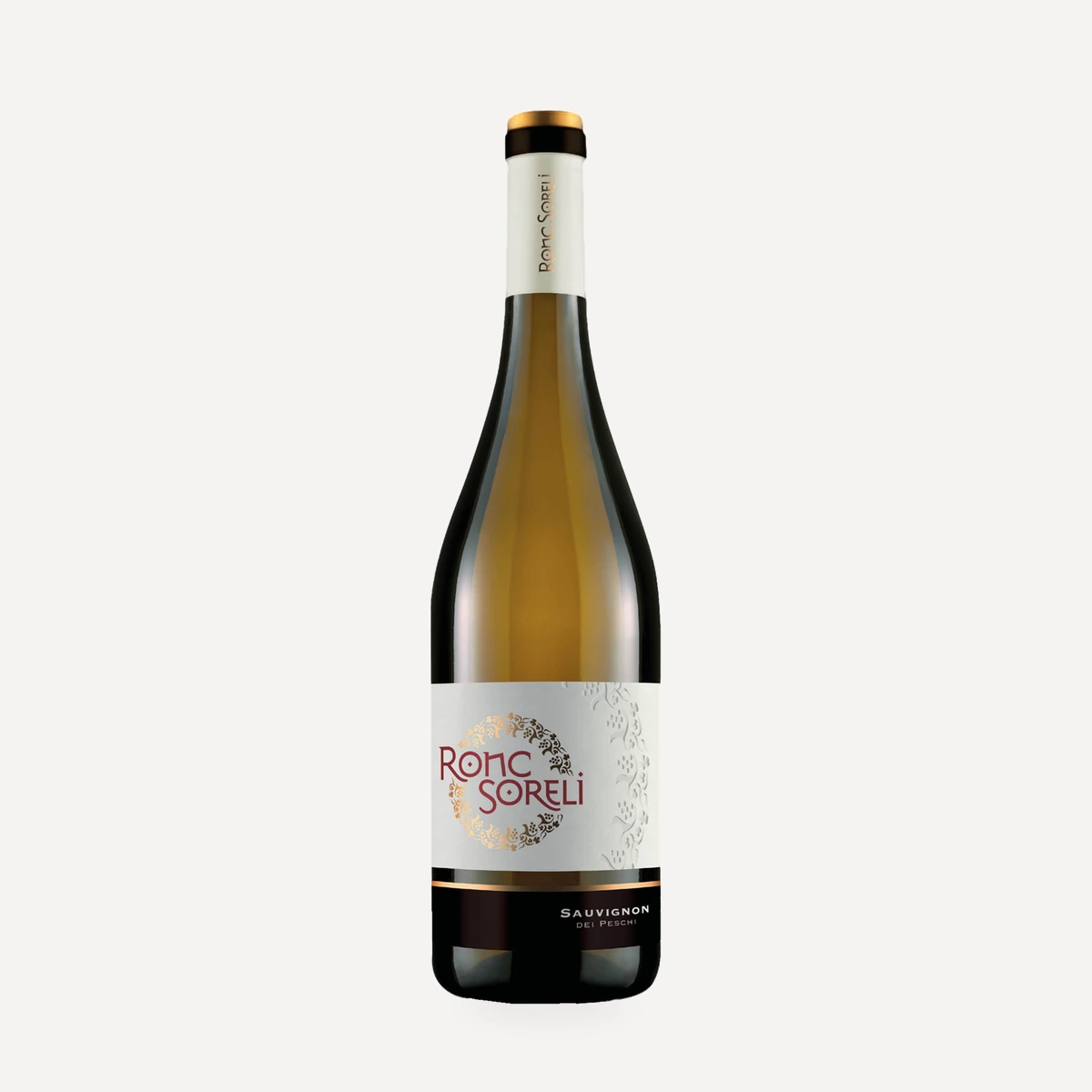
Sauvignon dei Peschi D.O.C. Friuli Colli Orientali