Storia
Earlier history of the land
The agricultural history attached to Ros predates the present enterprise. The Teresian cadastre of 1764 records the land now associated with the Monti Solivi vineyard as aratorio vitato—arable ground planted with vines. This parcel lies on a lateral slope of Monte del Fattore above Grole. Vines had therefore been part of the site for centuries before the modern planting.
A vineyard used by Ros at Castiglione delle Stiviere was planted in 1935 and trained by the doppio capovolto system. At Monti Solivi, approximately ten ash trees planted in 1946 survive alongside mulberries, almond trees, a large fig tree, sour cherries and basket willows inherited from earlier mixed, tree-supported vineyards.
Another supplying vineyard dates from 1968. A further vineyard was established in 1998 at Cavriana; the parcel is trained to spur-pruned cordon and includes the vines supplying Turbiana and Malvasia bianca from the southern side of the hill of the Pieve di Cavriana, in the Bosche locality.
Foundation and development
Azienda agricola Paolucci Daniele was established in 2015 at Grole di Castiglione delle Stiviere, a few kilometres from Lake Garda. Ros developed as both an agricultural and a collaborative human project, linking the work of Daniele Paolucci with the experience and practical help of friends and other contributors.
The Monti Solivi vineyard was replanted in 2016. Thirteen rows of Chardonnay occupy the centre of an approximately one-hectare holding enclosed on every side by centuries-old field hedges. Older trees from former tree-trained vineyards were retained among the new rows. This is the fund where the enterprise’s experience began.
Recent productions and collaborations
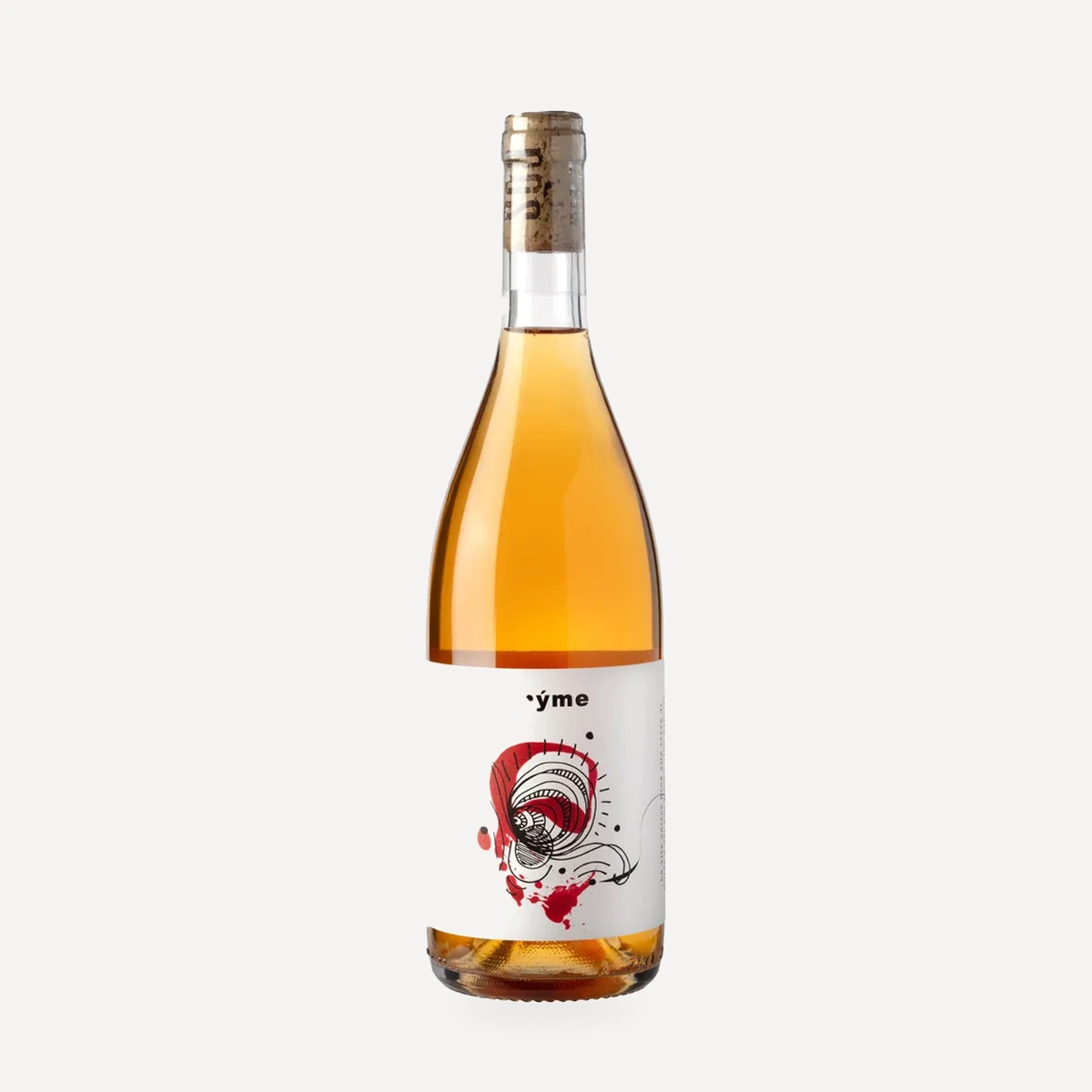
The 2022 harvest produced Thýme, a macerated Chardonnay dedicated to Daniele Paolucci’s grandmother Rina Signori. The grapes were picked by hand on 23 August, from dawn until sunset. The same year is attached to the limited Tràdere grappa: 97 bottles distilled with master distiller Florian Rabanser of Zu Plun from selected Ros pomace.
The 2024 productions documented for the estate include Gridonia, Monti Solivi and Zaffiro. Gridonia combined fruit from the 1935 Castiglione delle Stiviere vineyard and the 1998 Cavriana vineyard. Monti Solivi brought together Chardonnay from Grole with Turbiana and Malvasia bianca from Cavriana. Zaffiro came from approximately 30-year-old, south-facing vines on the last morainic hill before the plain.
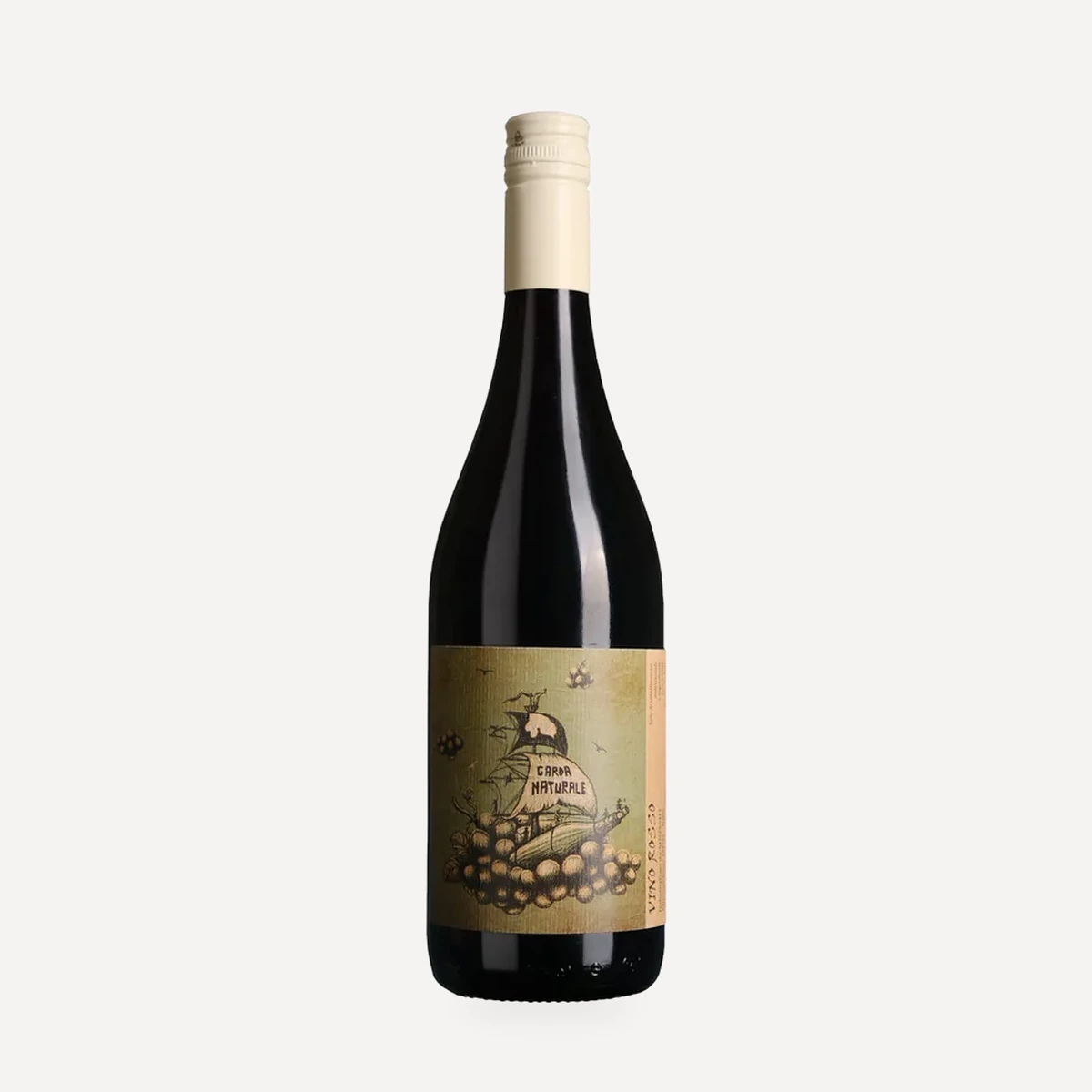
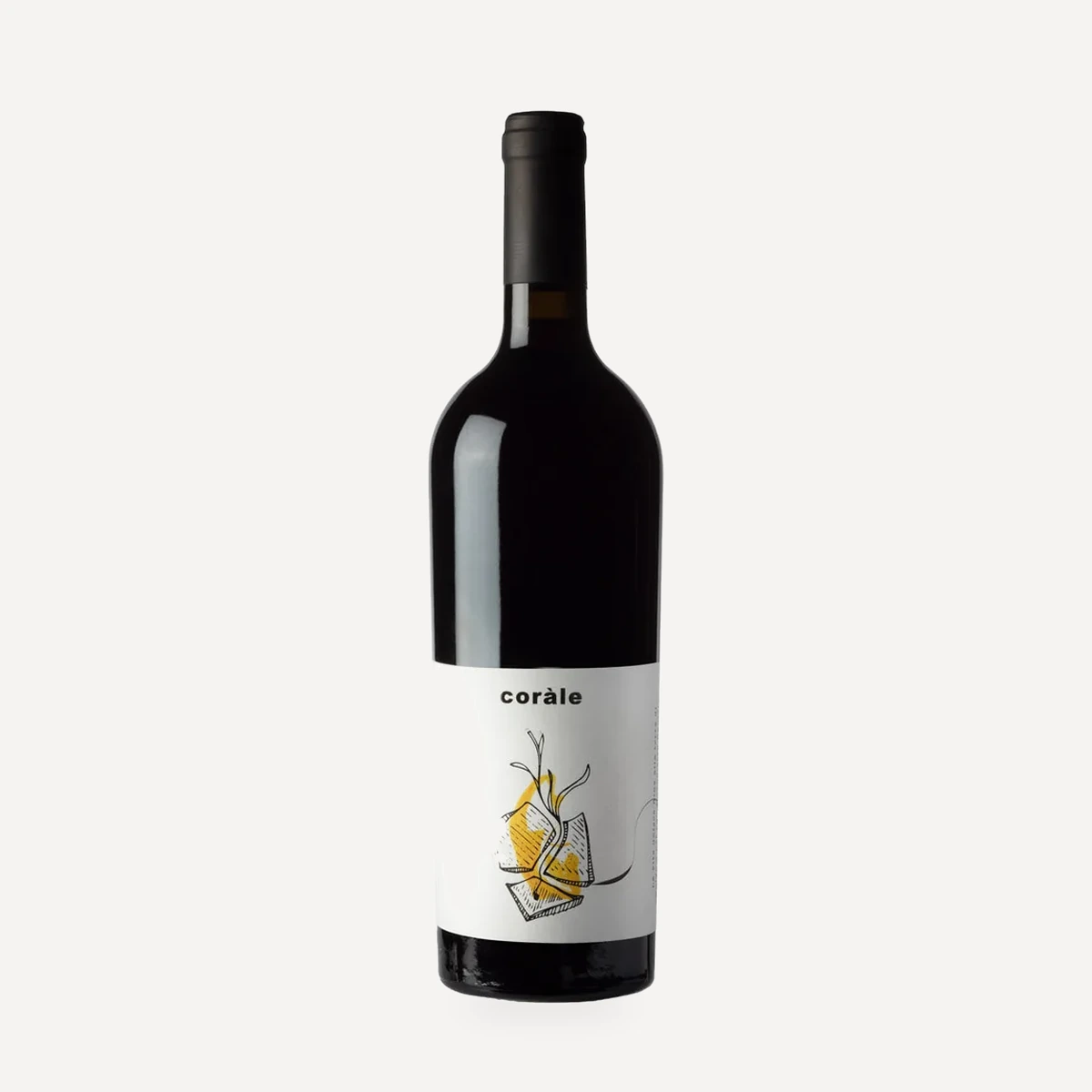
In 2025, Gridonia was made from Chardonnay sourced from the same 1935 and 1998 vineyards. Coràle drew on the 1968 vineyard and part of the 1998 planting. It commemorates Gabriele Ferronato, who contributed time, energy and enthusiasm to the project until his death in 2022. The collaborative Garda Naturale project also brought together grapes from several artisanal wineries of the lower Garda morainic hills for joint vinification.
Terroir
Ros is rooted at Grole di Castiglione delle Stiviere in the morainic hills of the Lake Garda hinterland, with vineyards also used at Castiglione delle Stiviere and Cavriana. The broader landscape links the Mantovano, Bresciano and Veronese sides of the lower Garda area.
The vineyards occupy sunny, stony slopes interspersed with coppiced woodland, permanent meadows and old field hedges. Their soils are generally free-draining, rocky and morainic. The Zaffiro vines stand on the last morainic hill before the broad plain, at approximately 130–150 metres above sea level, with southern exposure and strong access to sunlight and wind. Their soil is additionally described as siliceous.
Monti Solivi lies on a lateral slope of Monte del Fattore, part of a group formed with Monte Pelato and Monte Corna, also called Monte delle Scale, immediately above Grole. A nearby coppiced wood shades part of the vineyard early in the morning. Centuries-old hedges enclose the holding, and two permanent meadows lie beside it.
The Cavriana parcel occupies the southern side of the hill of the Pieve di Cavriana at Bosche. Its very poor, pale soil is exposed to sun and wind. The site is dry-farmed and gives very low yields of healthy, concentrated fruit.
Vinificazione
Intervention and machinery use are kept to what Ros considers the minimum necessary, both in the vineyards and cellar. Much of the production comes from old vines, and the work follows the conditions of each agricultural year rather than seeking to erase vintage differences.
Spontaneous vegetation is retained between the rows and periodically mown. This permanent or near-permanent cover is intended to reduce erosion on the slopes and return organic matter to the soil. In the more detailed Monti Solivi regime, an old plough opens the undervine strip at the beginning of spring; the ground around each vine is then hoed by hand, remaining vegetation is removed manually, and the soil is subsequently earthed up again. Grass is cut during summer. Manure is applied in alternate years.
Chemical herbicides are not used in the vineyards for which plant-protection practices are described. Systemic treatments are also excluded in the Monti Solivi and Coràle records, with contact products used instead. Mixtures of effective microorganisms have been used at Monti Solivi to reduce reliance on copper sulphate.
Irrigation is reserved for emergencies. Drip lines serve Monti Solivi and the vineyards described for Gridonia and Thýme; the 2024 Monti Solivi season required two emergency applications. Coràle’s sources combine a parcel receiving emergency surface irrigation twice during the season with another receiving none. The Cavriana/Bosche vineyard is not irrigated. Zaffiro receives emergency drip irrigation.
Harvesting is manual for Gridonia, Coràle, Thýme and Monti Solivi, using crates of approximately 20 kg. The 2022 Chardonnay for Thýme was gathered on 23 August from dawn until sunset. Gridonia fruit is picked very ripe in two separate harvests according to the maturity of the component vineyards.
Cellar approach
Ros works in small lots and produces still wines, skin-macerated whites and bottle-refermented wines. Machinery and intervention are reduced to the minimum considered necessary. Spontaneous fermentations with indigenous yeasts, concrete and stainless-steel vessels, manual processing and limited additions recur across the range.
Crushing, pressing and fermentation
Gridonia fruit is crushed by hand and pressed manually in a wooden basket press. Its vineyard components are vinified separately in concrete, racked separately and blended after a short period in stainless steel. Fermentation is spontaneous, and the only stated addition is a small quantity of sulphur dioxide.
For Thýme, approximately 5% of the intended crop was used to prepare a pied de cuve. Once active, it started the fermentation of the remaining Chardonnay in a 30 hl stainless-steel vessel. The unusually high 2022 temperatures and earlier-than-average harvest made temperature control necessary. The grapes were destemmed with a crusher-destemmer, fermented without stems and softly pressed. After alcoholic fermentation, the skins remained in the wine for 27 days. Malolactic fermentation occurred spontaneously.
Coràle ferments spontaneously with indigenous yeasts in open concrete vessels with 50% whole stems. Punch-downs are performed manually with a pole made by Angelo Beschi and preserved in the family. After two days of alcoholic fermentation, part of the liquid must is drawn off as a salasso and completes its development separately. Malolactic fermentation is spontaneous.
Zaffiro’s varieties are co-fermented, using approximately 60% of their stems. Vinification and initial maturation take place entirely in concrete.
Maturation, clarification and bottling
Zaffiro receives approximately six months in used barriques after concrete maturation. The purpose is to add roundness without allowing oak character to obscure the wine.
Gridonia receives a short stainless-steel maturation before the separately vinified components are blended. It is bottled without filtration. Coràle is handled only by racking and is also unfiltered.
Thýme is handled by racking and receives one coarse filtration immediately before bottling. The 2022 wine contained approximately 20 mg/l total sulphur dioxide and 7 mg/l free sulphur dioxide. It was closed with a one-piece natural cork from Sardinia.
Monti Solivi follows the ancestral method: it is bottled while the first fermentation is still under way, using indigenous yeasts, without added sugar and with low sulphite content. One version remains undisgorged on its lees until consumption; another is hand-disgorged à la volée after 14 months on the lees.
Filosofia
Ros defines itself as an agricultural and human project in which land, people and collaboration are inseparable. The work is deliberately communal: practical experience, friendship and many contributors’ hands are treated as part of each product rather than incidental help.
The estate’s farming and cellar philosophy is to limit intervention, machinery and additions to what is considered essential, leaving the wines free to express their place of origin. Old vines are important to the production, while each agricultural year is allowed to generate its own small lots according to its climate and particular conditions.
Care, respect and sharing frame the relationship with the morainic hills. Preserving old hedges, permanent meadows, mature trees and remnants of former tree-trained vineyards places viticulture within an existing agricultural landscape rather than treating the vineyard as an isolated monoculture.
The theme of transmission also runs through the project: inherited land records, old vines, family dedications and a hand-made punch-down pole remain part of present work. Tràdere expresses this principle through a name meaning to hand over, transmit or pass the baton. Coràle makes collaboration explicit, presenting farming as an activity that requires shared experience and collective effort.
Vini
Coràle vino rosso
Thýme vino bianco