Storia
1870: the beginning at Gaso
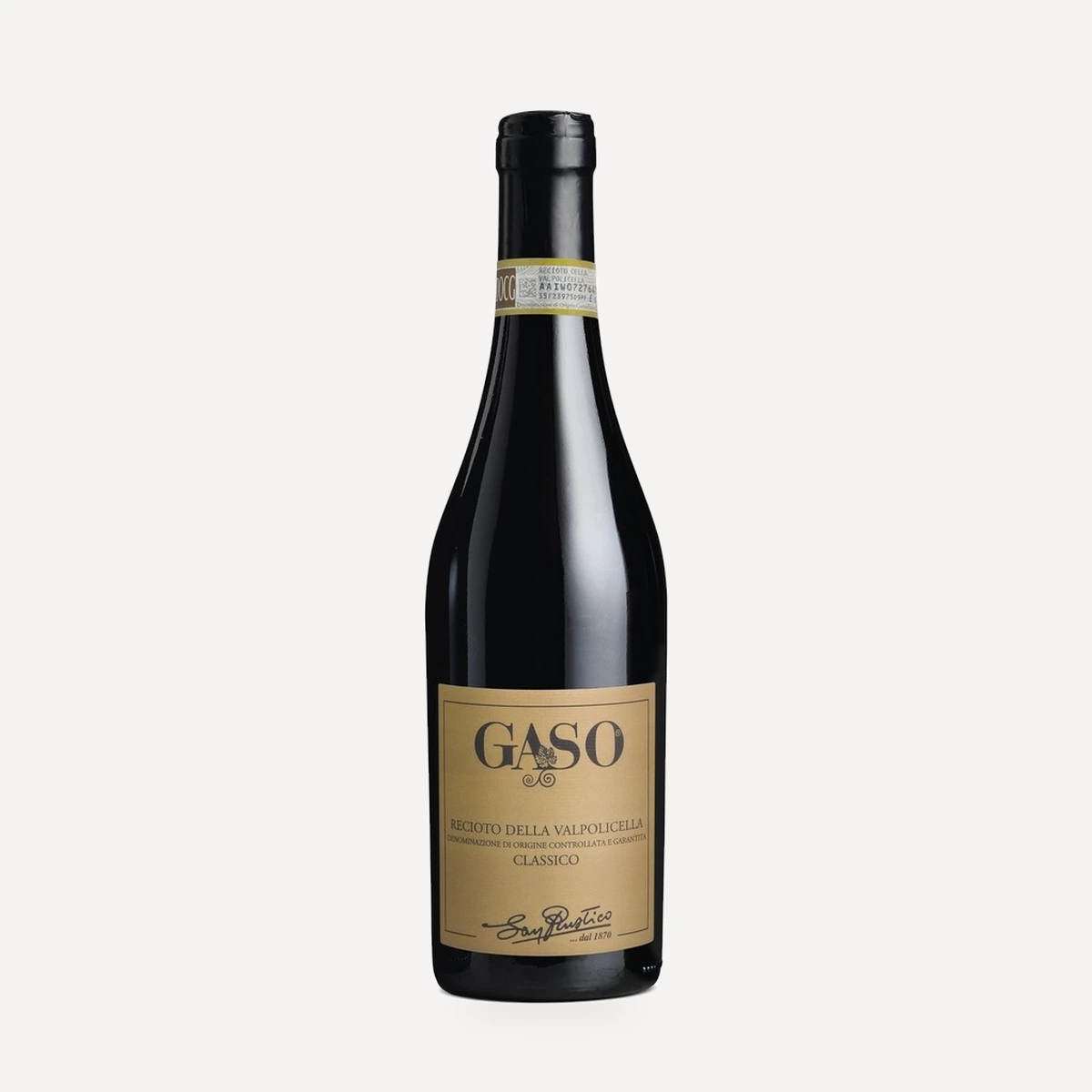
San Rustico’s family winegrowing tradition began in 1870 in Marano di Valpolicella. The first family vineyard was cultivated at the holding known as Gaso, high in the hills near Marano. Its terraced vineyard land has remained central to the identity of the estate and its Gaso selection.
Luigi and the international recognition of 1908
The activity passed through the family from father to son. Great-grandfather Luigi became associated with the family’s international presence, and in 1908 he received a gold medal from the Consulate in Copenhagen.
Danilo and the succession to Marco and Enrico
The enterprise continued through successive generations under the Campagnola family. Following the death of their father Danilo, brothers Marco and Enrico Campagnola assumed responsibility for the business. Marco is an oenologist and Enrico an agronomist. Together they oversee the complete chain from vineyard cultivation, grape selection and manual harvesting through traditional appassimento, vinification, maturation and bottling.
Their work continues the winemaking traditions of Valpolicella Classica. The family vineyards now cover 22 ha across the hills of Valgatara and Marano, while annual production is approximately 200,000 bottles.
2019–2020: the 150th anniversary
In anticipation of the estate’s 150th anniversary, San Rustico launched a wine-label project for the 2019–2020 period. The anniversary year was presented as the culmination of five generations of family activity and was marked by a new wine and a new label.
A public celebration was scheduled for 7 March 2020. Its programme included the opening of the cellar, a thanksgiving ceremony, presentation of the wine-label contest award and a tasting of the range, including the 2015 Amarone della Valpolicella DOCG Classico special edition created for the 150th anniversary. The event was subsequently postponed.
Terroir
San Rustico’s 22 ha of vineyards extend across the hills of Valgatara and Marano, within the Valpolicella Classica area.
The vineyards associated with the classic range occupy compact, calcareous Eocene soils. Red soil over Eocene limestone is described as rich in calcium and iron. The slopes are arranged in terraces supported by traditional dry-stone walls known as marogne.
The Gaso vineyard area lies at approximately 400 m above sea level. Its compact, red, terraced soils receive strong solar exposure. The Gaso terraces have been cultivated since 1870.
Vinificazione
All 22 ha are trained to pergola veronese and planted with the traditional Valpolicella varieties Corvina/Corvinone, Rondinella and Molinara.
Marco and Enrico Campagnola personally supervise vineyard cultivation and grape selection. Harvesting is manual and selective. Grapes intended for appassimento are picked at the beginning of October, with the best bunches chosen for drying.
The hillside vineyards retain their traditional dry-stone marogne, including the terraces associated with Gaso that have been cultivated since 1870.
Marco and Enrico Campagnola oversee production from vineyard cultivation to bottling.
Harvest and appassimento
Grapes are selected and harvested by hand. Fruit intended for Amarone and Recioto undergoes traditional appassimento for approximately three months, from the end of September or beginning of October until late December. The bunches rest either on traditional racks called arele or in open drying crates inside a ventilated, humidity-controlled fruttaio. During drying, the bunches lose approximately 30% of their weight.
Fermentation and maceration
Dried grapes are softly pressed in January with attention to preserving skin integrity. Red-wine fermentation is conducted at controlled temperature with extended skin maceration. The Ripasso method includes a second fermentation in February on the recently fermented Amarone pomace; one technical sheet specifies ten days of post-fermentation contact with the skins before this traditional refermentation.
Maturation
The maturation cellar principally uses large Slavonian and Allier oak casks ranging from 20 to 50 hl. The cellar also employs 500-litre tonneaux and 225-litre French-oak barriques, with wood from Allier, Tronçais and Nevers. Stainless-steel tanks are used for wines intended to retain a fresher profile.
Maturation periods vary by wine and vintage. The broader cellar repertoire includes approximately 12 months in large oak for Valpolicella Classico Superiore; around 24 months in 20–50 hl Slavonian and Allier casks for Ripasso; and extended programmes for Amarone involving large casks or medium-toast barriques followed by bottle maturation.
Filosofia
San Rustico defines its approach through continuity with the winemaking traditions of Valpolicella Classica and direct family control of every stage of production.
Marco and Enrico Campagnola combine specialised roles—oenology and agronomy—with shared oversight from vineyard to bottle. Their stated priorities are dedication to the family activity, manual grape selection, traditional appassimento and the continued use of established local practices such as pergola veronese training, arele drying racks, marogne terraces and large oak casks.
The Gaso selection expresses the estate’s connection to its first vineyard holding, cultivated since 1870, and is based on selected fruit from its best-exposed high hillside vineyards.
Vini
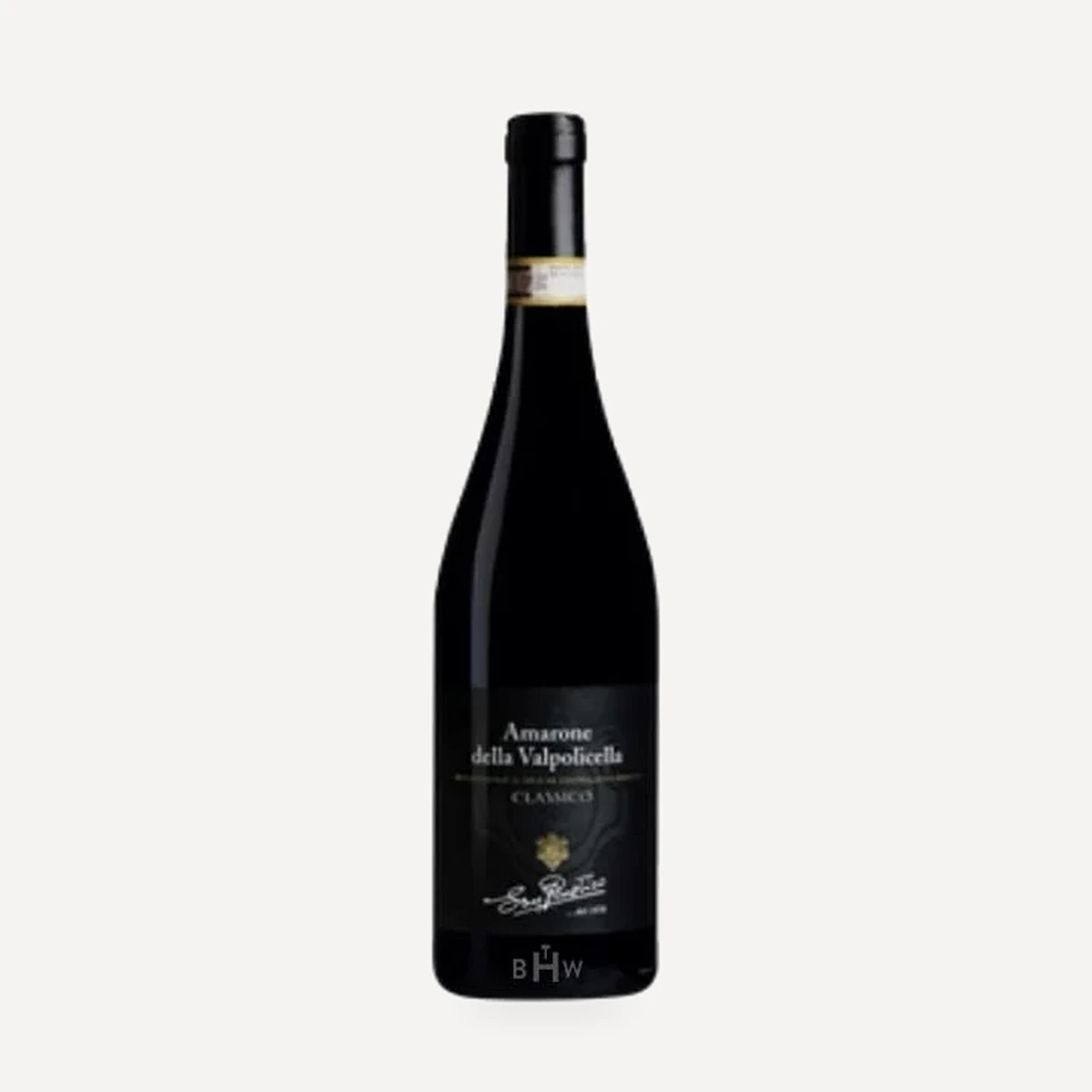
Amarone della Valpolicella DOCG Classico
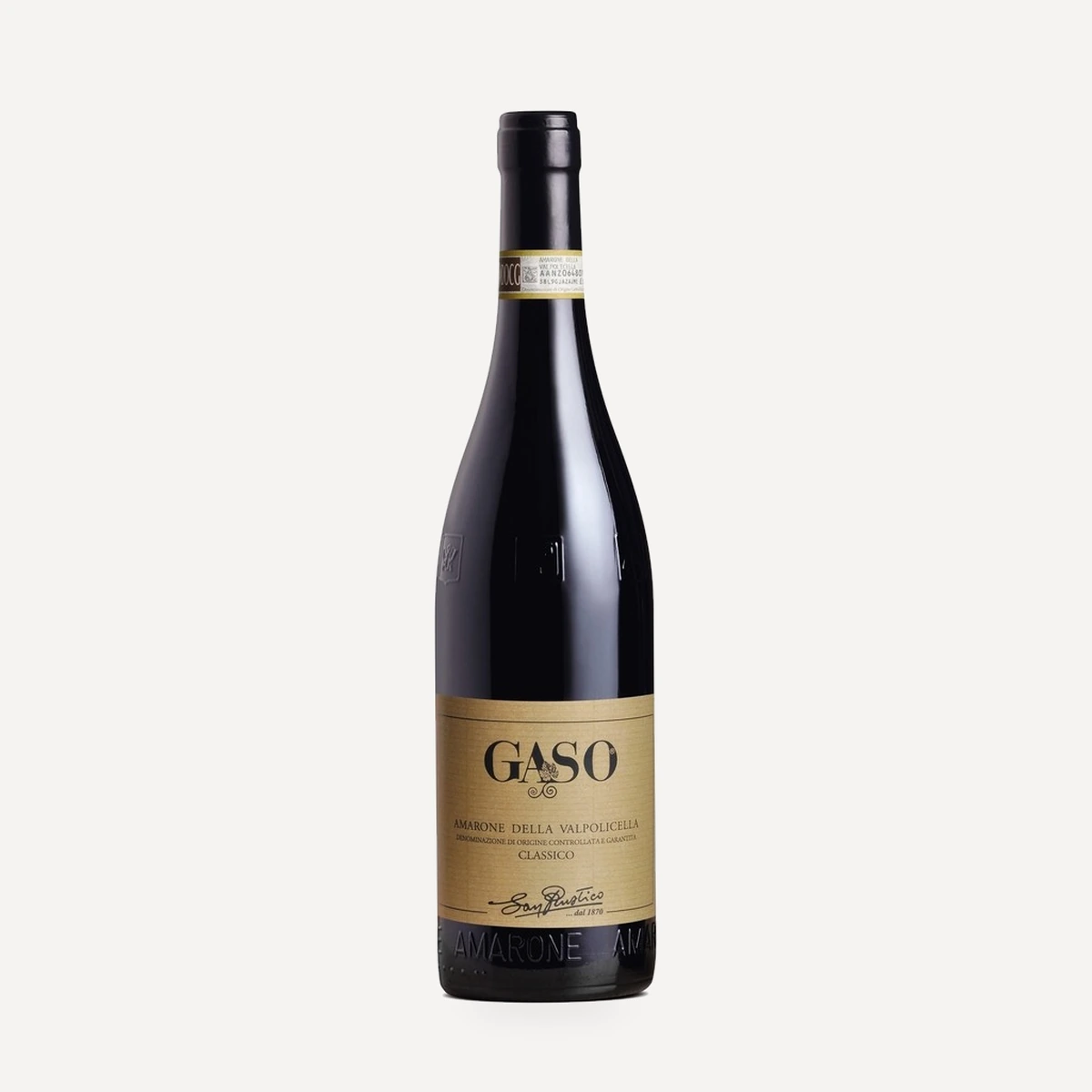
Amarone della Valpolicella DOCG Classico Gaso
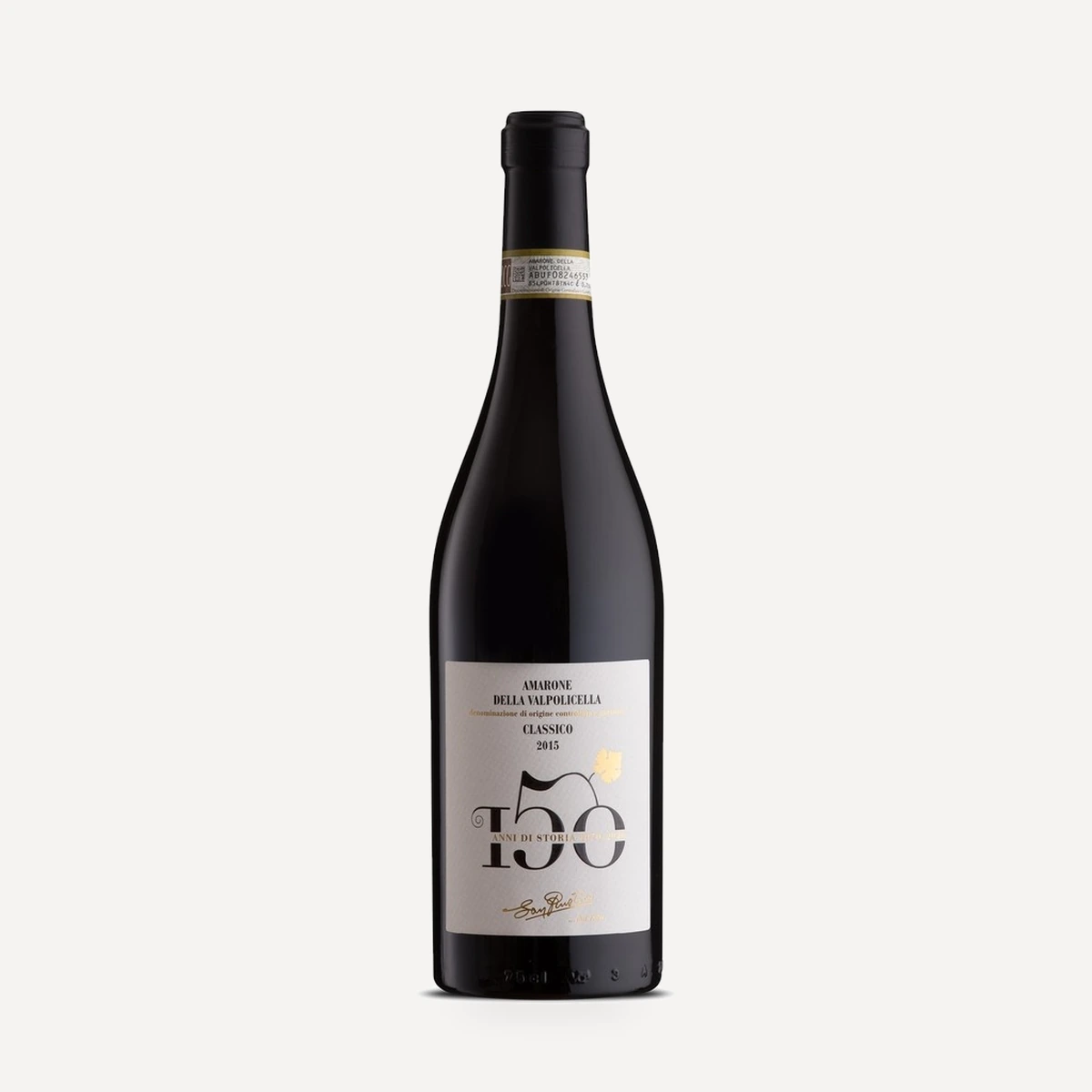
Amarone della Valpolicella DOCG Classico “150°”
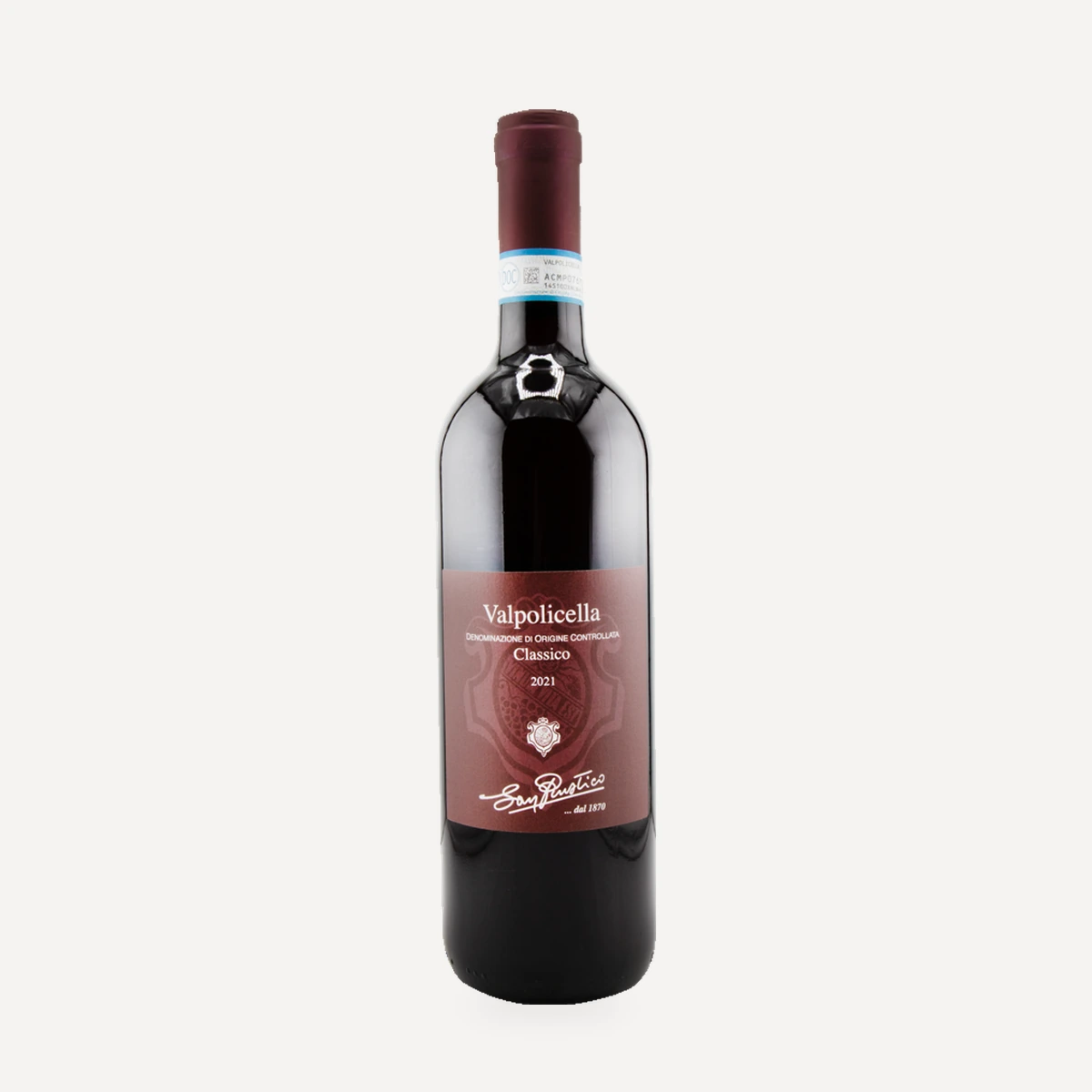
Valpolicella DOC Classico
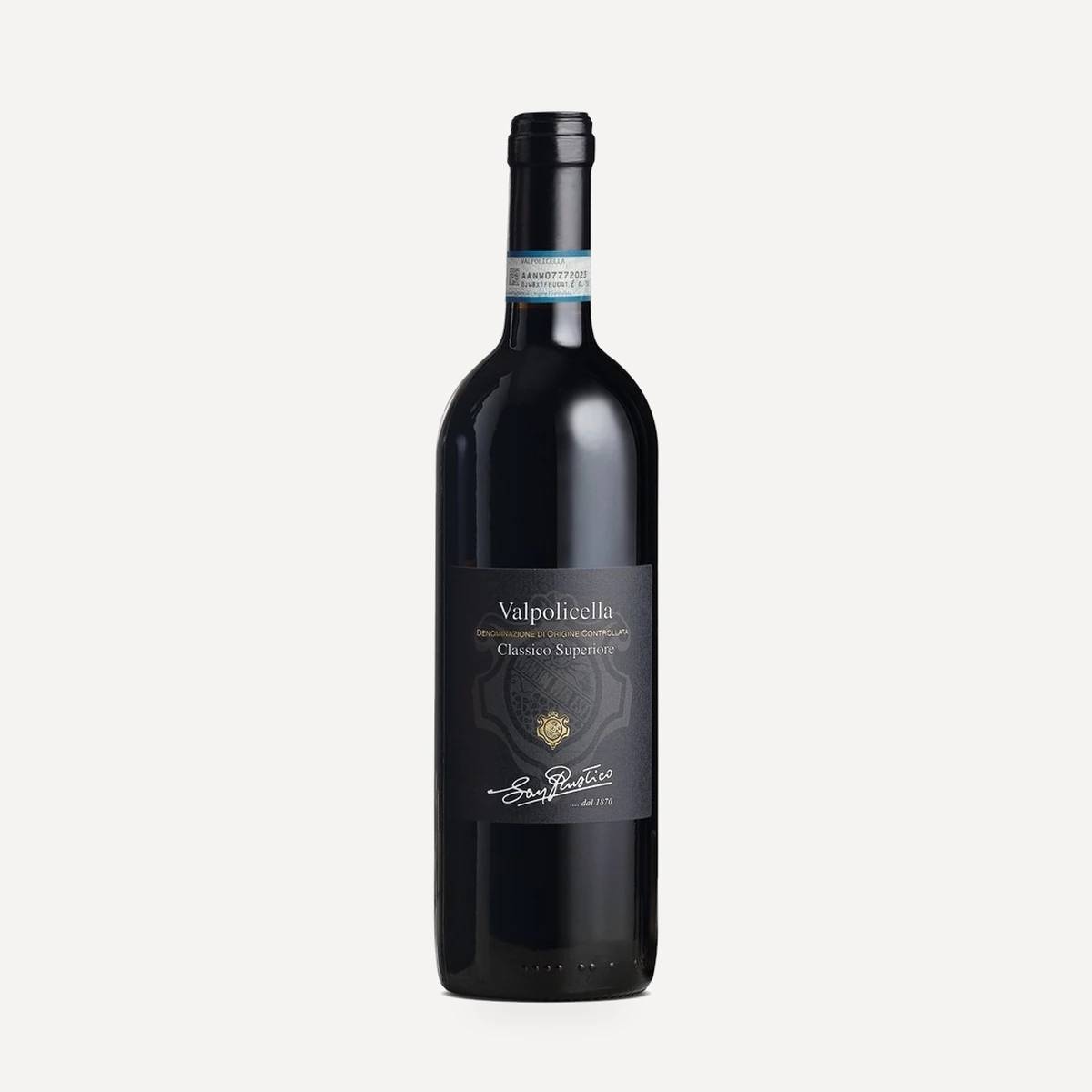
Valpolicella DOC Classico Superiore
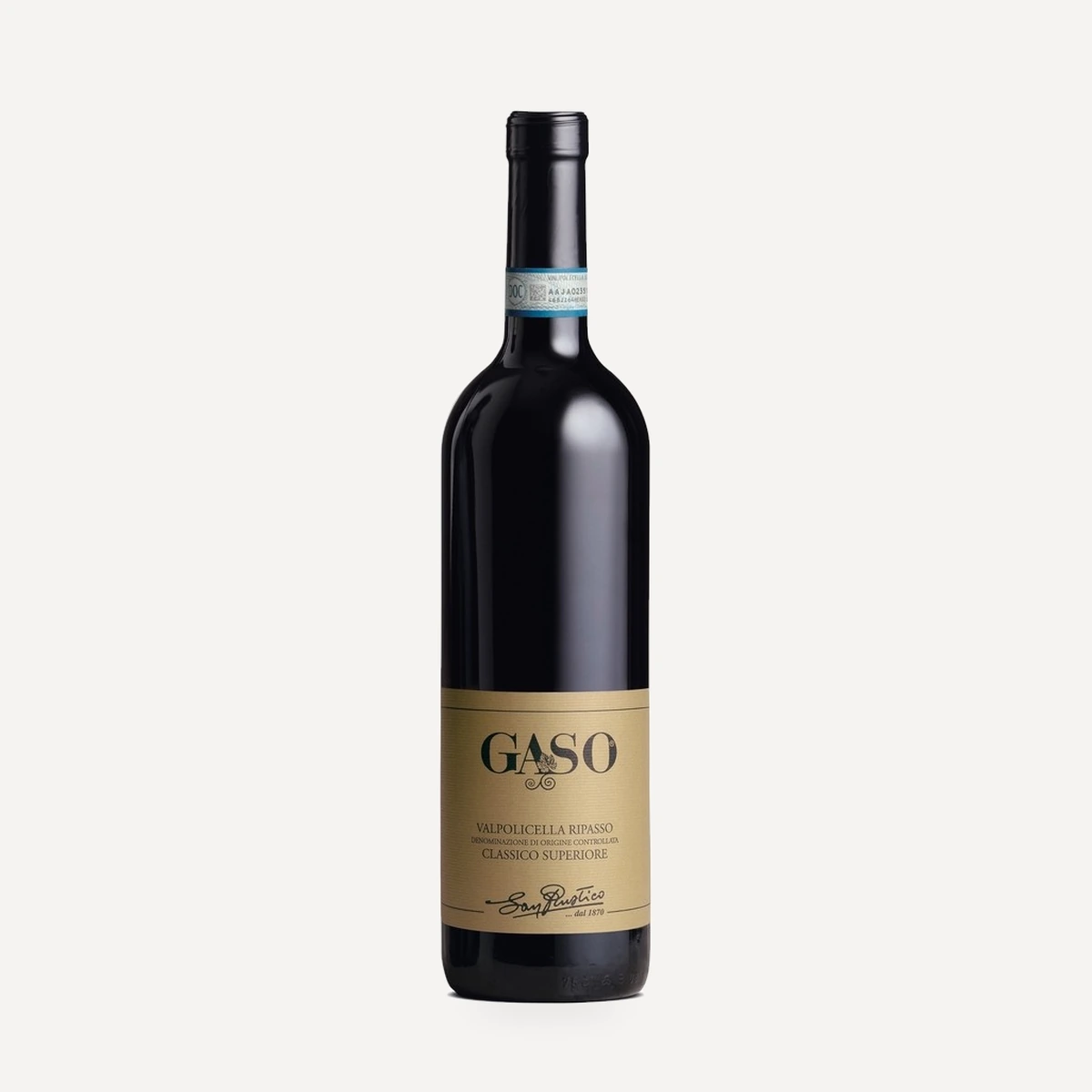
Valpolicella Ripasso DOC Classico Superiore Gaso
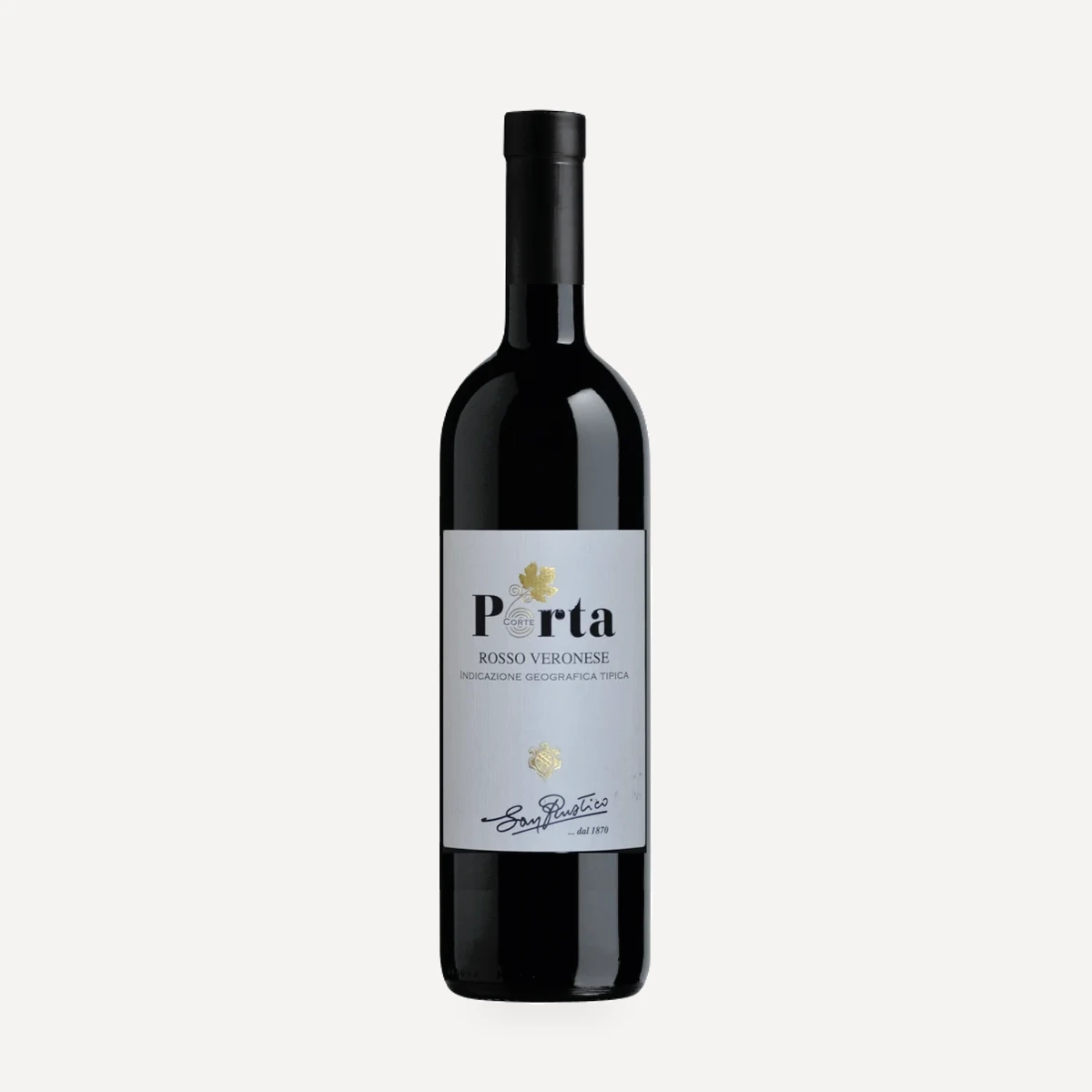
Corte Porta Rosso Veronese IGT
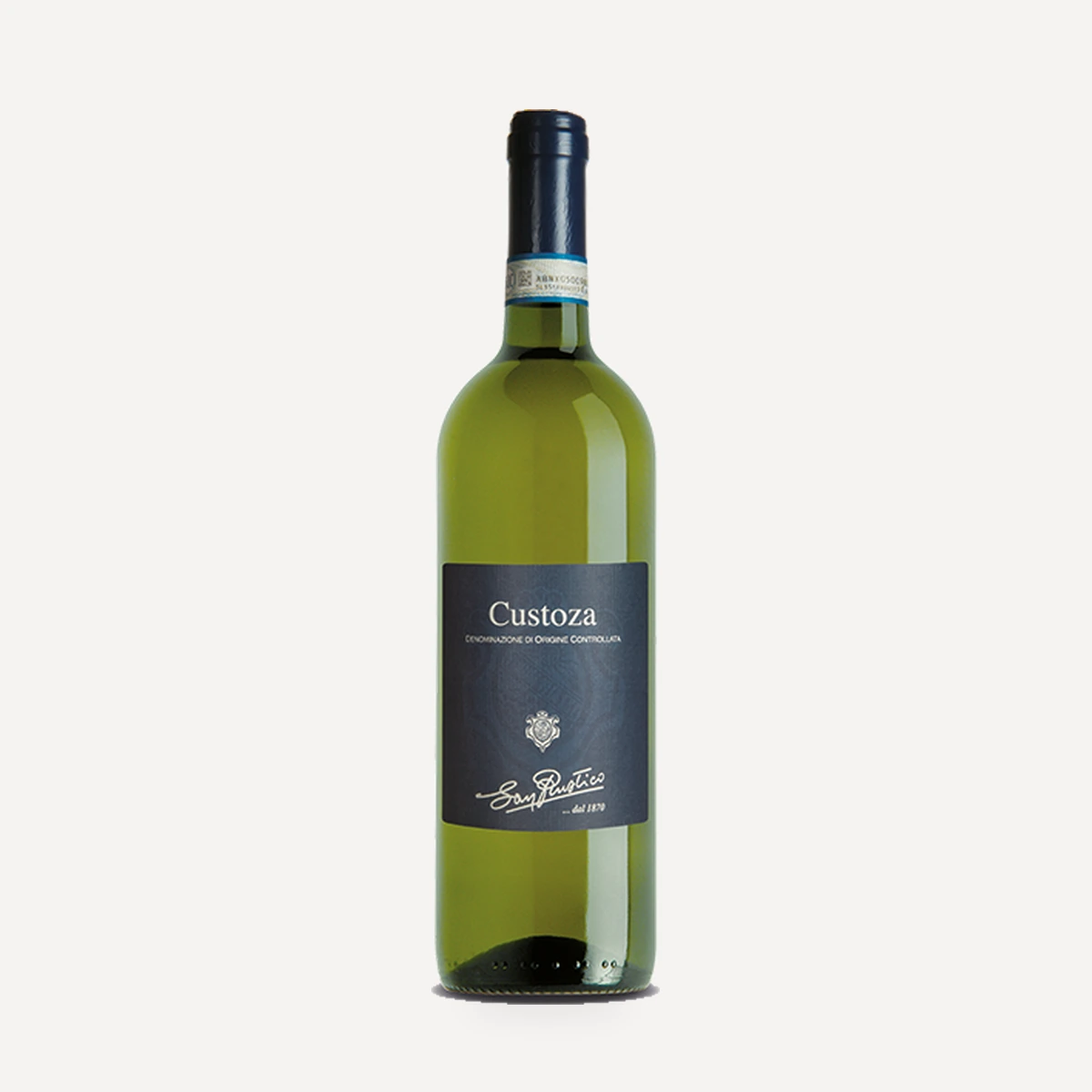
Custoza DOC