Storia
Family land and childhood attachment
Andrea Kihlgren came to wine through land that his mother had inherited from his grandfather. During his childhood, the estate was the destination of annual summer journeys from Genoa. He remembers open spaces, the people who cultivated the land and kept animals, intense rural scents, old tools and elementary forms of agricultural work. These experiences established his familiarity with the property and its farming culture well before he assumed responsibility for it.
The 1970s: responsibility for a disappearing rural world
In the 1970s, Kihlgren unexpectedly faced the responsibility of deciding how the old agricultural world of his childhood might be given a new life as it was beginning to disappear. He did not immediately become a full-time farmer: his interests first led him toward the study of philosophy, and many years passed before he made a sustained commitment to agriculture.
The 1990s: becoming a farmer and rebuilding the vineyards
Kihlgren’s decisive agricultural commitment began in the 1990s. From that period onward, he sought to become a farmer who made wine and, when natural conditions permitted, olive oil.
Replanting and varietal preservation became central to this work. Merlot had once been widespread in old vineyards around Sarzana, where Kihlgren found numerous surviving vines. One of his first replanted vineyards was therefore devoted entirely to Merlot, on loose, strongly stony soil at Ghiarétolo. The holding now contains two Merlot plots planted in 1996 and 2004.
The Giuncàro vineyard was planted in 1997 on an east-facing gravelly alluvial terrace. Its Tocai Friulano continues a small Sarzana tradition remembered locally as approximately a century old. Santa Caterina had possessed two small, deteriorating Tocai vineyards that had to be grubbed up in the late 1990s, but the variety’s local presence was deliberately preserved through new planting.
Replanting in the 2000s
The Canaiolo and Sangiovese components associated with Vignachiusa were replanted in two separate bodies in 2002 and 2004. The Canaiolo grows on Ghiarétolo’s gravelly alluvial plain, while the Sangiovese occupies the red alluvial clay of the Santa Caterina hill. A separate east-facing Canaiolo block at Ghiarétolo, used for dried-grape production in favourable years, was planted in 2004.
During the same broader renewal, Santa Caterina identified an old-vine Albarola biotype on the property. Unlike more commonly encountered Albarola, it has a thicker skin and a looser bunch. The estate worked to propagate this material, maintaining a grape with a longstanding presence in Liguria and Lunigiana.
2020: Granaccia at Ghiarétolo
Granaccia was planted at Ghiarétolo in 2020 on markedly stony ground. Unlike the estate’s other varieties, it had no established history in these vineyards. Its introduction was conceived in relation to the variety’s presence in other maritime territories and as a trial of its adaptability to Santa Caterina’s soil and climate.
Terroir
Santa Caterina lies in Lunigiana, a historically agricultural area between Liguria and Tuscany. The landscape moves from broad alluvial terraces on the plain toward higher hills, where vineyards alternate with olive-covered slopes and woodland. Market gardens traditionally occupy the lower river plain, while vines and olives are associated with the hillsides.
The Santa Caterina holding is a distinct hill formation of approximately 8 ha immediately outside Sarzana, at about 40 metres above sea level. The hill is alluvial in origin, arranged in terraces and slopes, and characterized by red clay soil. Vermentino, Albarola and Sangiovese grow here.
Closer to the sea are Ghiarétolo and Giuncàro. These holdings occupy gravelly and pebbly alluvial terraces. Ghiarétolo has loose, markedly stony and gravelly soils with east-facing vineyard areas; it carries Merlot, Canaiolo, Ciliegiolo and Granaccia. Giuncàro is an east-facing gravelly alluvial terrace planted with Tocai Friulano and Sauvignon Blanc, with a small olive grove beside the vineyard.
Proximity to the sea is considered decisive for the character of the grapes. It is particularly associated with the mineral expression of Vermentino and with the way Tocai Friulano retains its aromatic identity while taking on the influence of the local climate. Across the three holdings, vineyards cover approximately 7 ha.
Vinificazione
Work in the vineyards is based on close observation of the soil, plants, grasses and climate as parts of a connected living system. The agricultural approach seeks to interact with the particular tendencies of each soil rather than treating natural events simply as obstacles. It accepts that cultivation changes the paths a soil would otherwise follow under climatic influence and therefore requires attention, practical knowledge and sensitivity.
Biodynamics provides an explicit horizon for this work: mineral, plant and animal life are understood through their relationships within a larger whole. This is presented as a perspective and working orientation rather than as a declared certification. The approach emphasizes humility, perseverance, careful observation and a willingness to accept a more demanding or costly course when it appears agriculturally preferable.
Vines are allowed to develop without forced growth. For Vermentino, harvest is associated with full ripeness, when the grapes become crisp and golden; proximity to the sea is considered important to the resulting expression. Decisions around harvest timing remain closely tied to weather, with particular concern for avoiding both premature and excessively late picking. Rigorous vineyard work is treated as the necessary foundation for non-invasive work in the cellar.
Winemaking is conceived as the accompaniment of fermentation rather than the imposition of a predetermined style. Grapes are generally destemmed, and fermentation begins spontaneously. Skin contact is an important part of the cellar’s work: depending on the intended expression, it may be brief or continue through a longer maceration. Some lots move by gravity into open vats or gres jars. Punch-downs, cap wetting and pump-overs are used during skin fermentation, while the timing of drawing off and pressing is adapted to the character of each vintage.
Gres jars and steel are the principal stated maturation vessels. Some wines mature in their natural turbidity, while longer-macerated lots may remain in gres through late spring, be separated from settled lees and skins, and then return to the jars until the following harvest. Other lots spend approximately a year in gres, steel or a combination of the two. The estate’s cellar work therefore includes both shorter and extended skin contact, spontaneous fermentation, vintage-dependent pressing decisions and extended maturation without a standardized corrective formula.
The guiding premise is that the wine ultimately forms through its own fermentative transformation. Close attention continues after the grapes enter the cellar, but interventions intended to erase vintage character or redesign the identity of the grapes and territory are rejected. Quality is understood in terms of wholesomeness, finesse and subtle aromatic and tactile expression rather than force, systematic correction or aromas associated with heavy preservative use.
Filosofia
Santa Caterina treats wine as both an agricultural and artisanal product. Its stated aspiration is to make wine “according to nature”: alive, rooted in its grapes and territory, and capable of preserving the particular character of each vintage. This entails confidence in the grape’s fermentative transformation and a refusal to impose an abstract idea of quality through systematic correction.
The approach is deliberately non-invasive. Rigorous work before the grapes reach the cellar is essential, but once fermentation begins, the task becomes one of observation, care and trust. Andrea Kihlgren describes learning that, although accompanying and safeguarding the process requires experience, the wine ultimately makes itself. Uncertainty is accepted without automatically becoming a reason for corrective intervention.
Quality is defined through wholesomeness and finesse. The desired aromas and flavours should invite attention rather than overwhelm, and they should arise from grapes ripened without forcing and from vinification that does not obscure them with heavy preservatives or manipulation.
The same outlook extends to farming. Physical strength is paired with sensitivity, practical action with imagination, and attention to the whole farm with close observation of its details. A biodynamic perspective frames soil, plants, animals, minerals and less visible forms of life as interdependent. Natural adversity is approached through perseverance and coexistence rather than immediate eradication, even when the resulting path requires more work or expense.
Vini
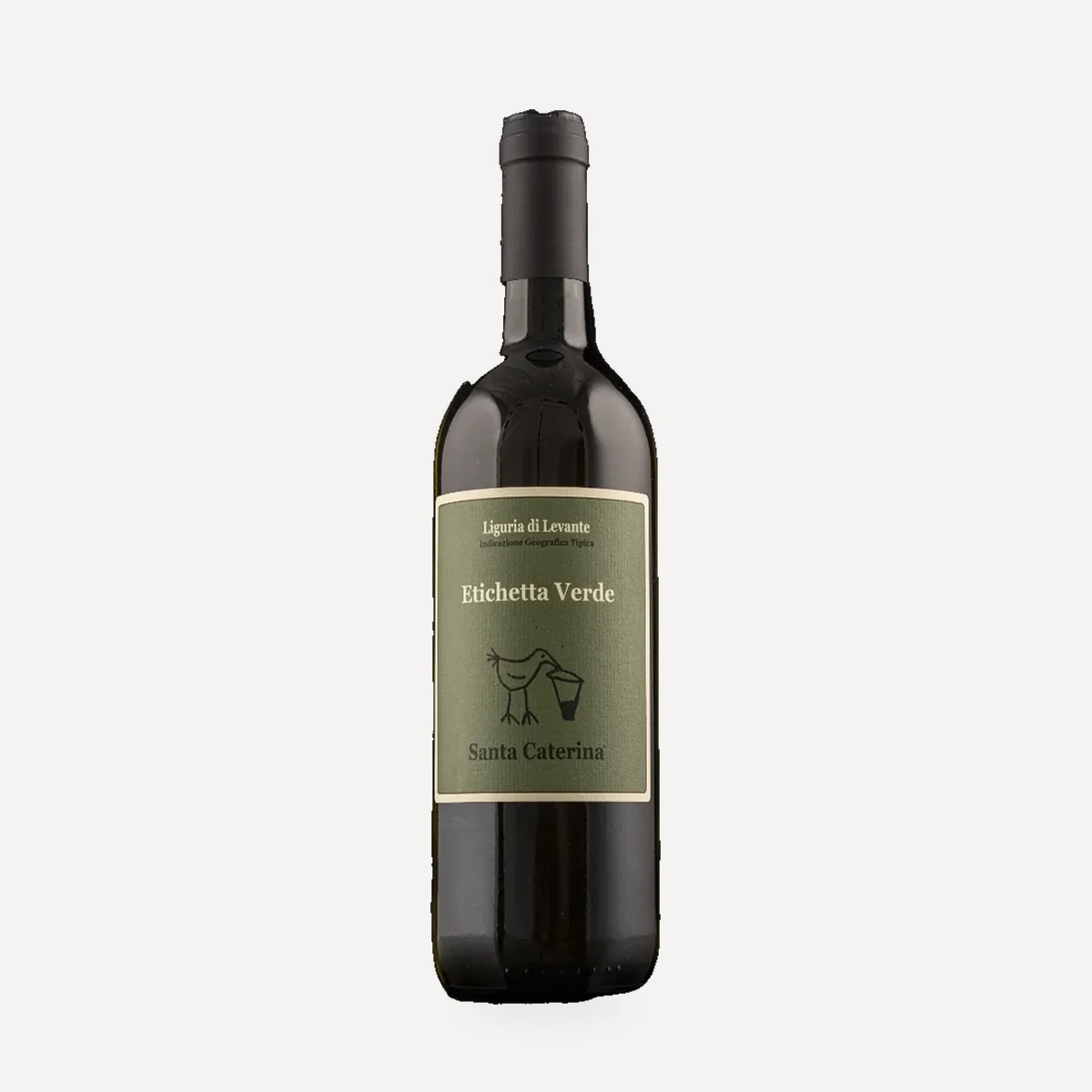
Etichetta Verde
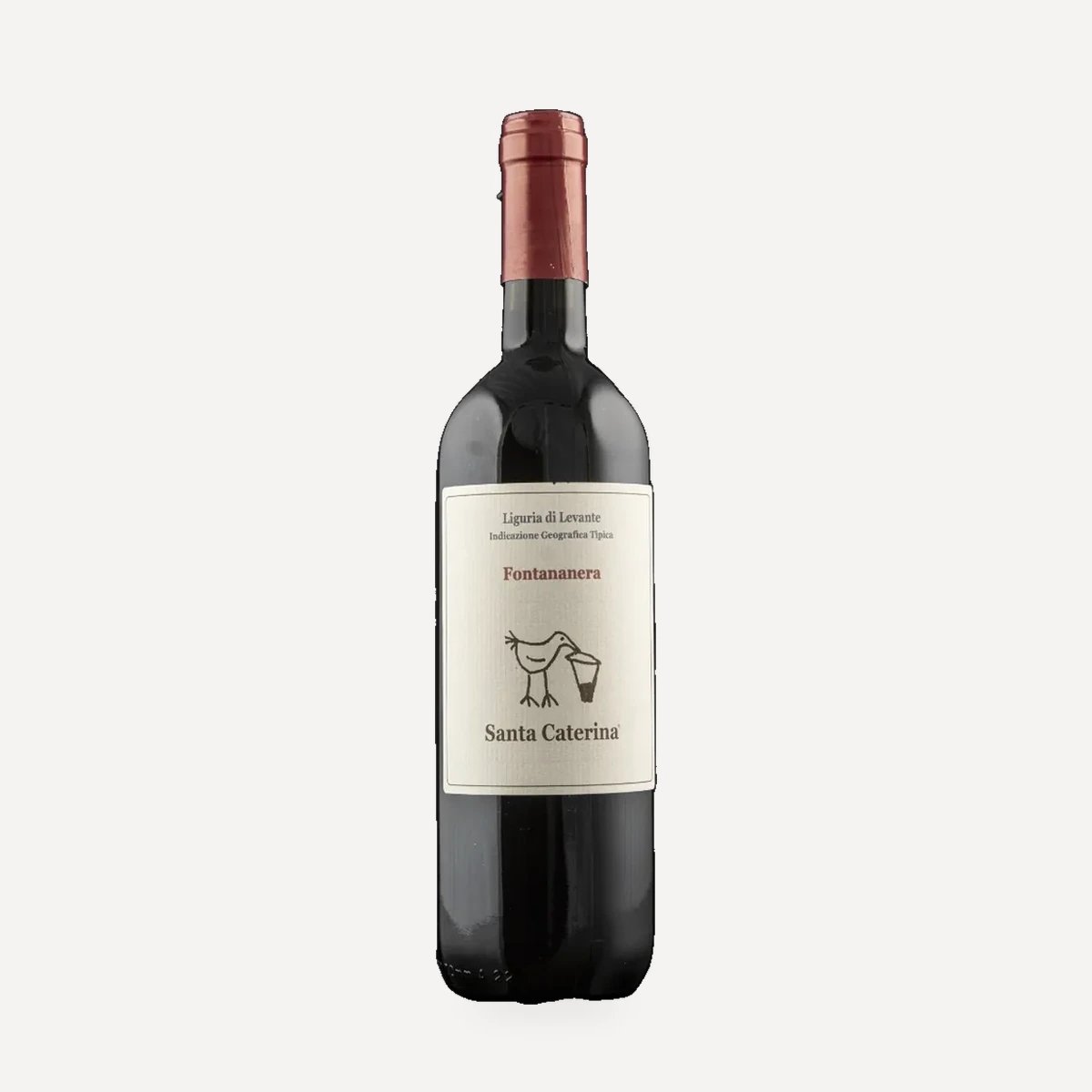
Fontananera
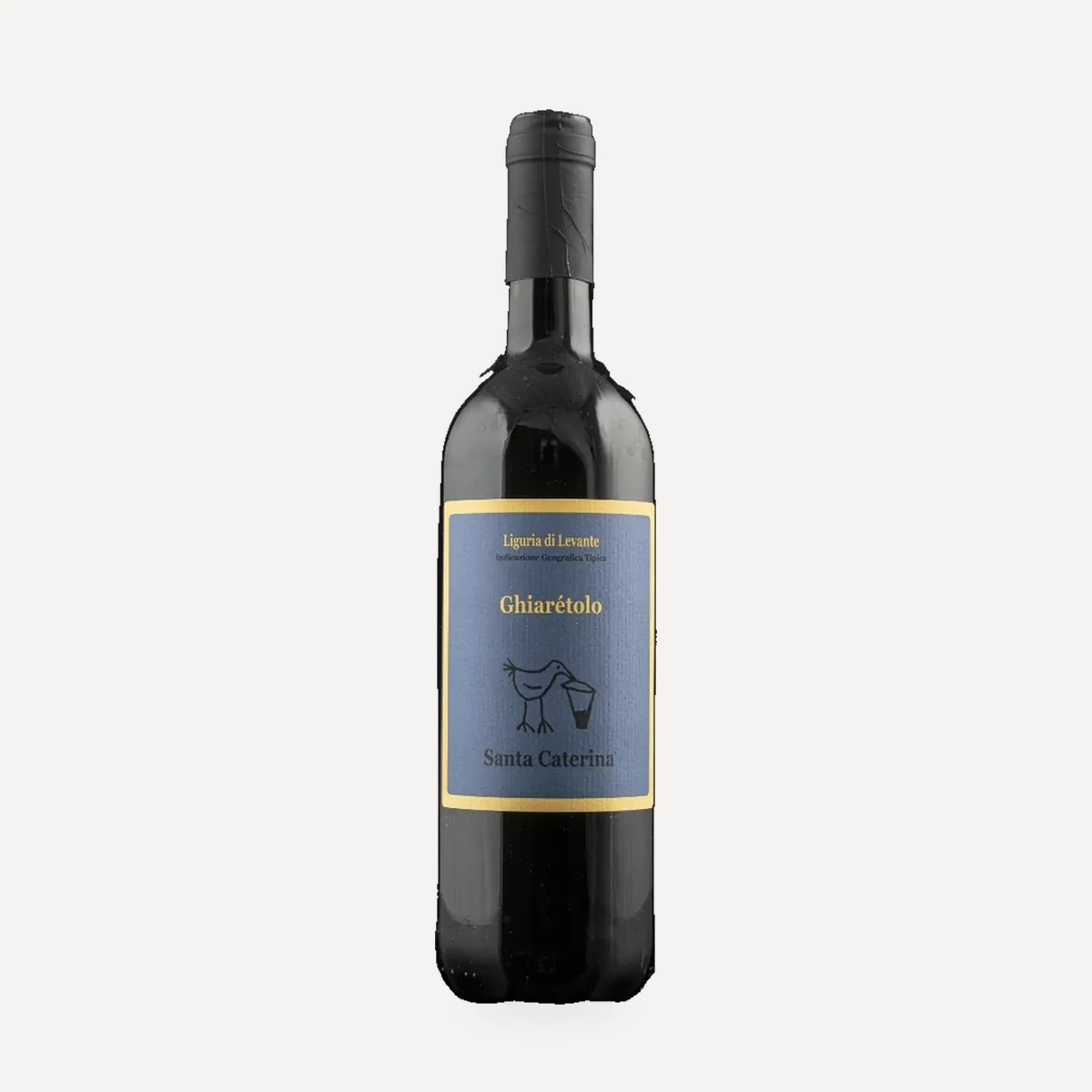
Ghiarétolo
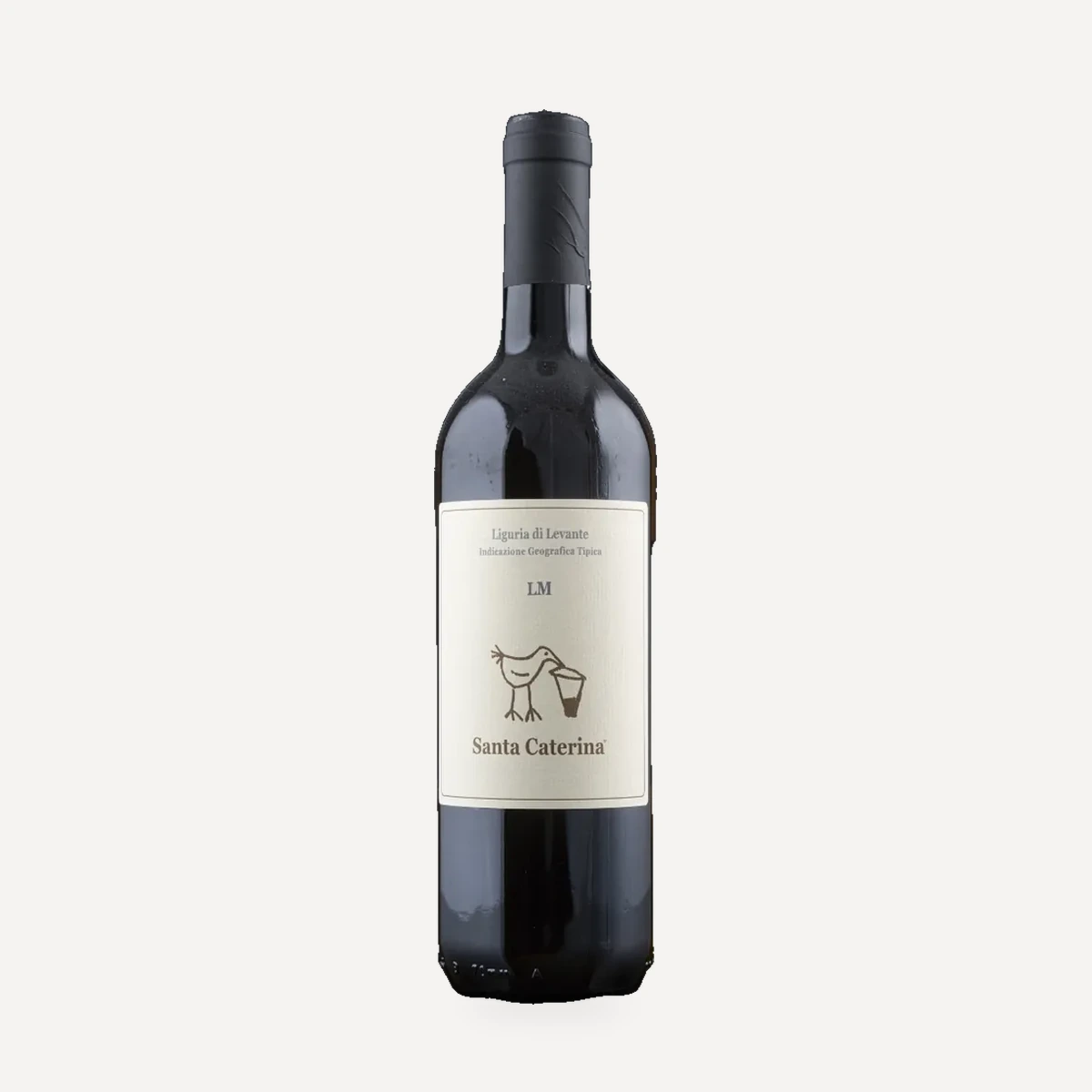
LM
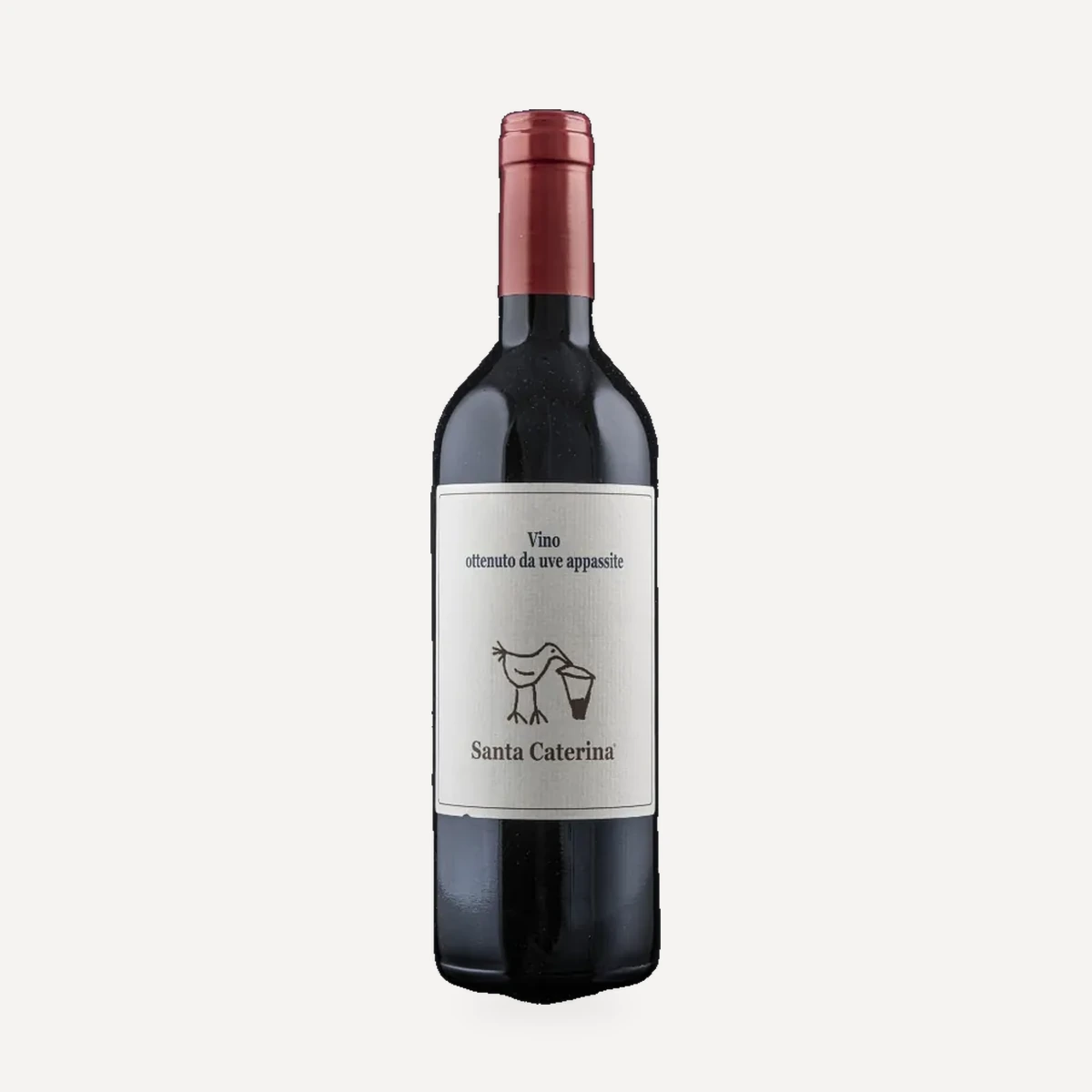
Passito
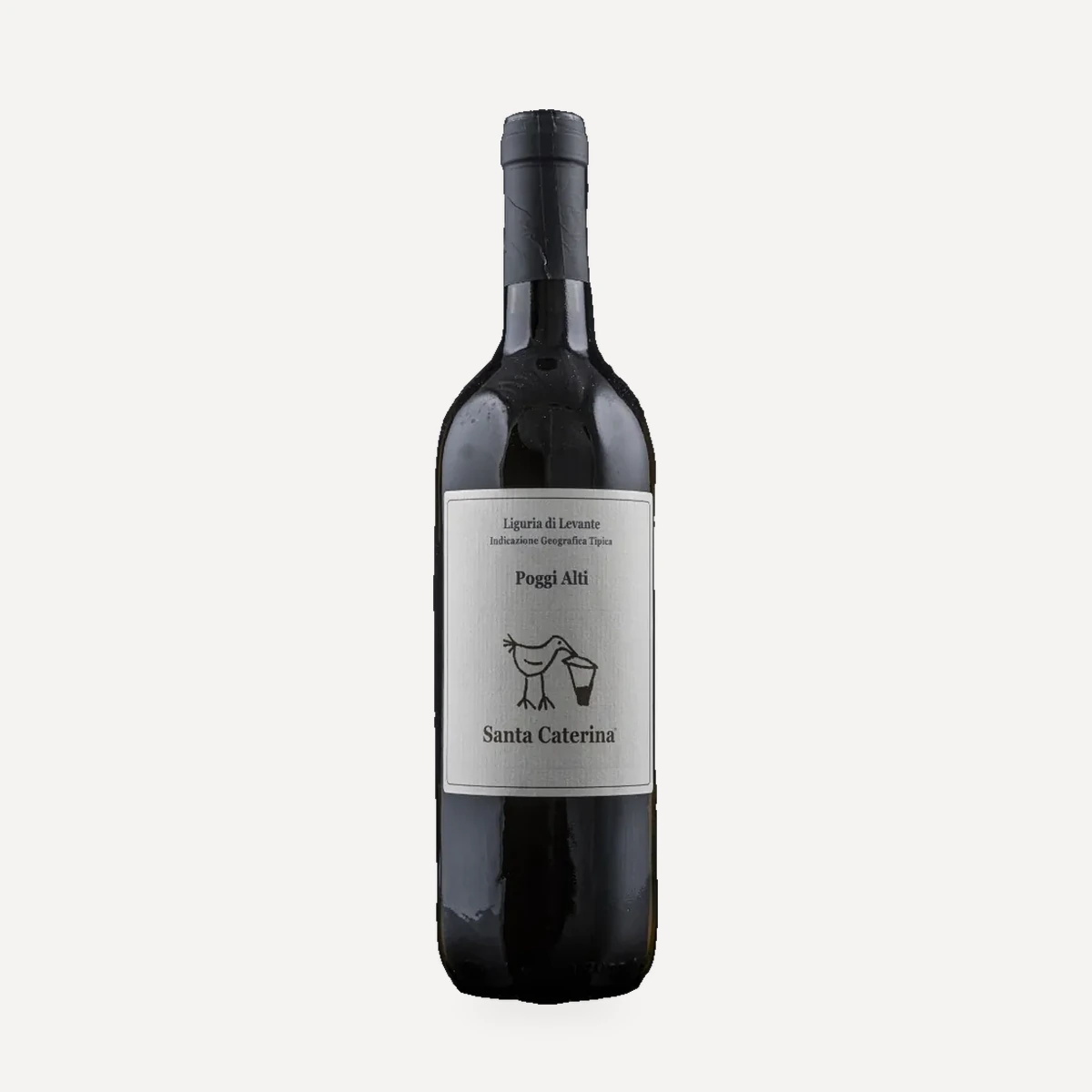
Poggi Alti
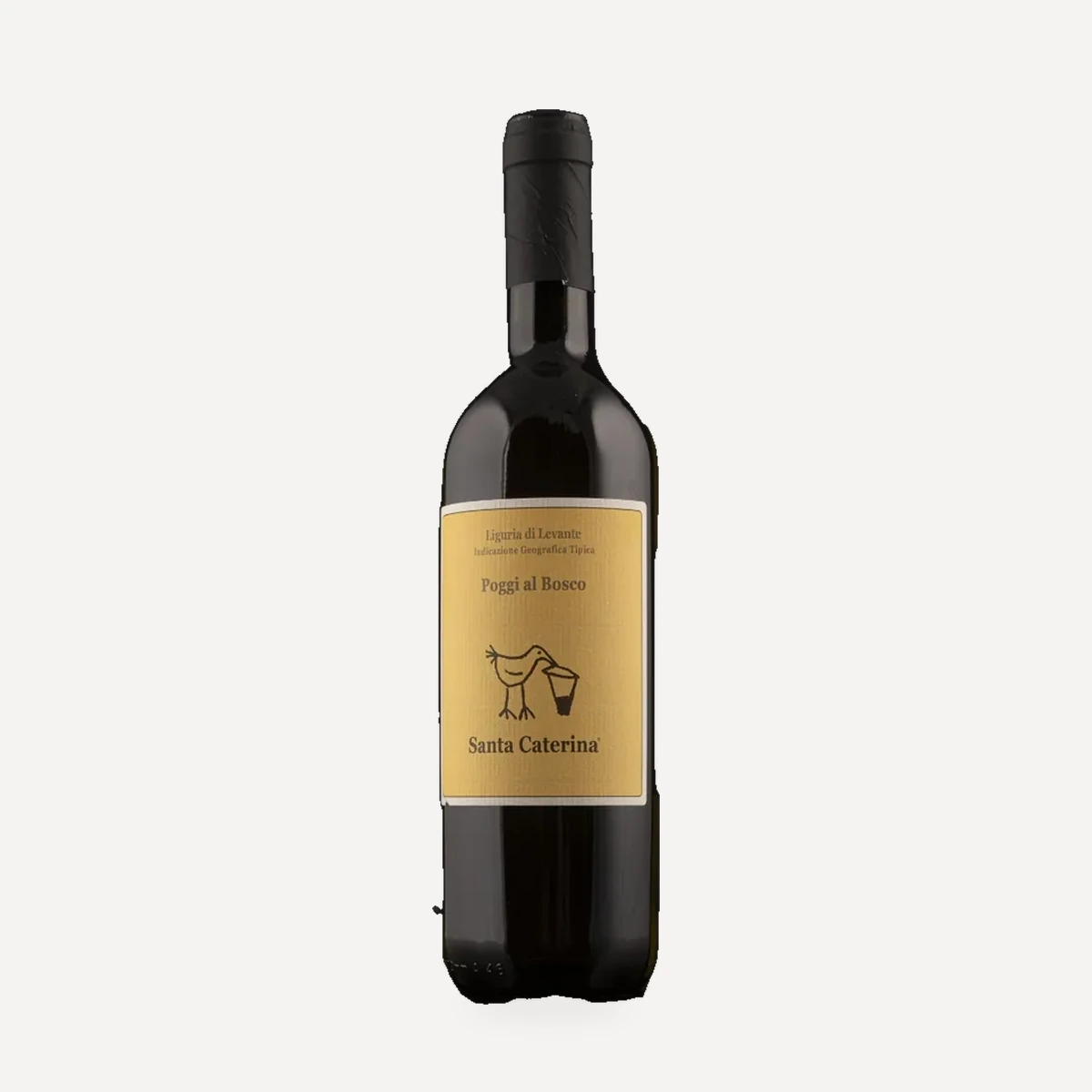
Poggi al Bosco