Storia
A deliberately chosen estate
Sassocorno began with a decision to establish a wine estate in a particular territory. Its growers neither inherited the land nor grew up there: they chose it after developing a strong attachment to the place. Subsequent decisions—from favoring native grape varieties to defining the work performed in the cellar—followed the same deliberate approach, centered on sustainable agriculture and wines intended to express their terroir.
Vineyards planted across a century
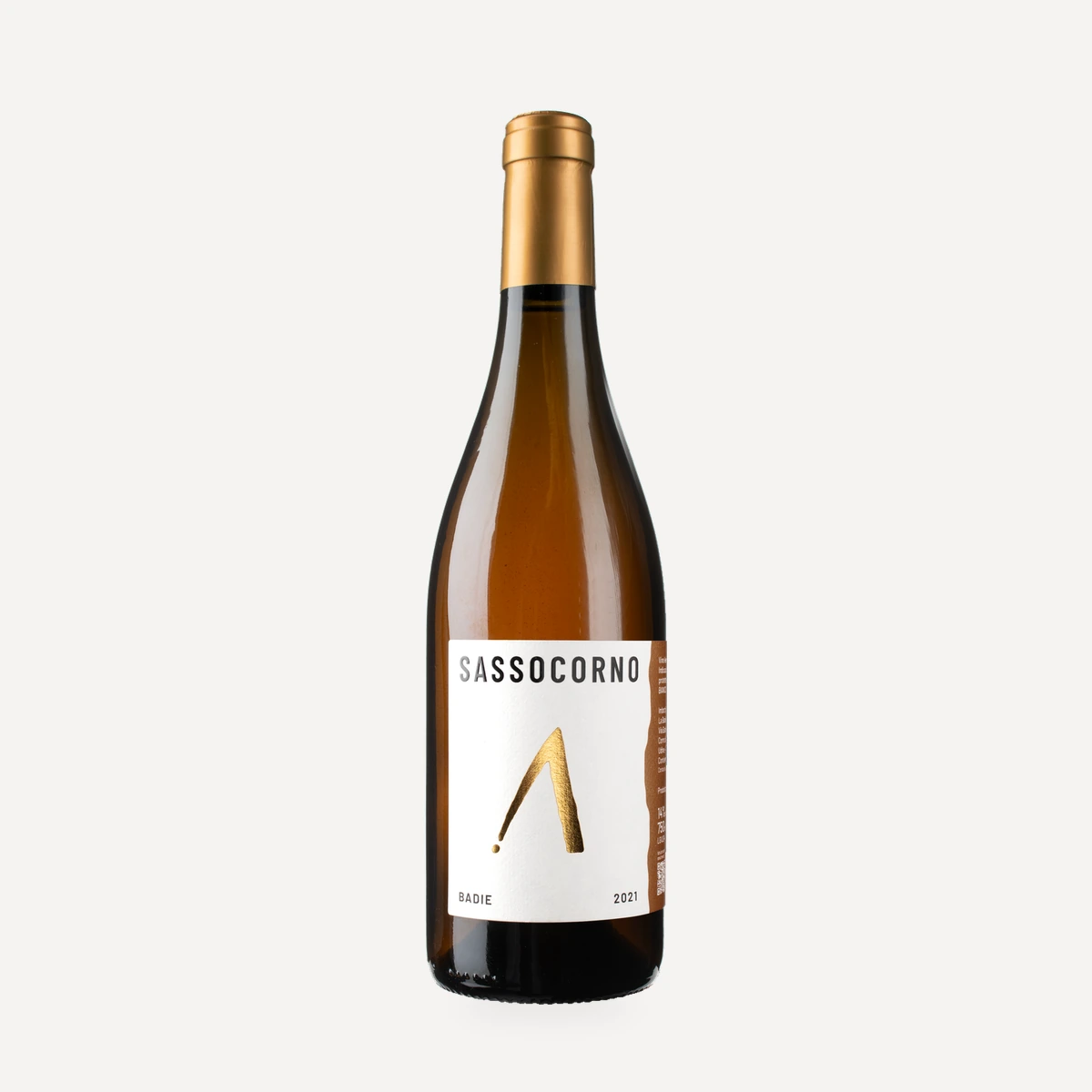
The oldest identified hillside plantings date from the 1920s, 1930s and 1940s. These old vines form the source of Badie and include vines described as centenarian.
A mixed sub-hill vineyard was planted in 1970. It preserves the older practice of growing several varieties together and now supplies Cuar. Other mixed plantings from 1970 contribute to Ilneri and Blancut.
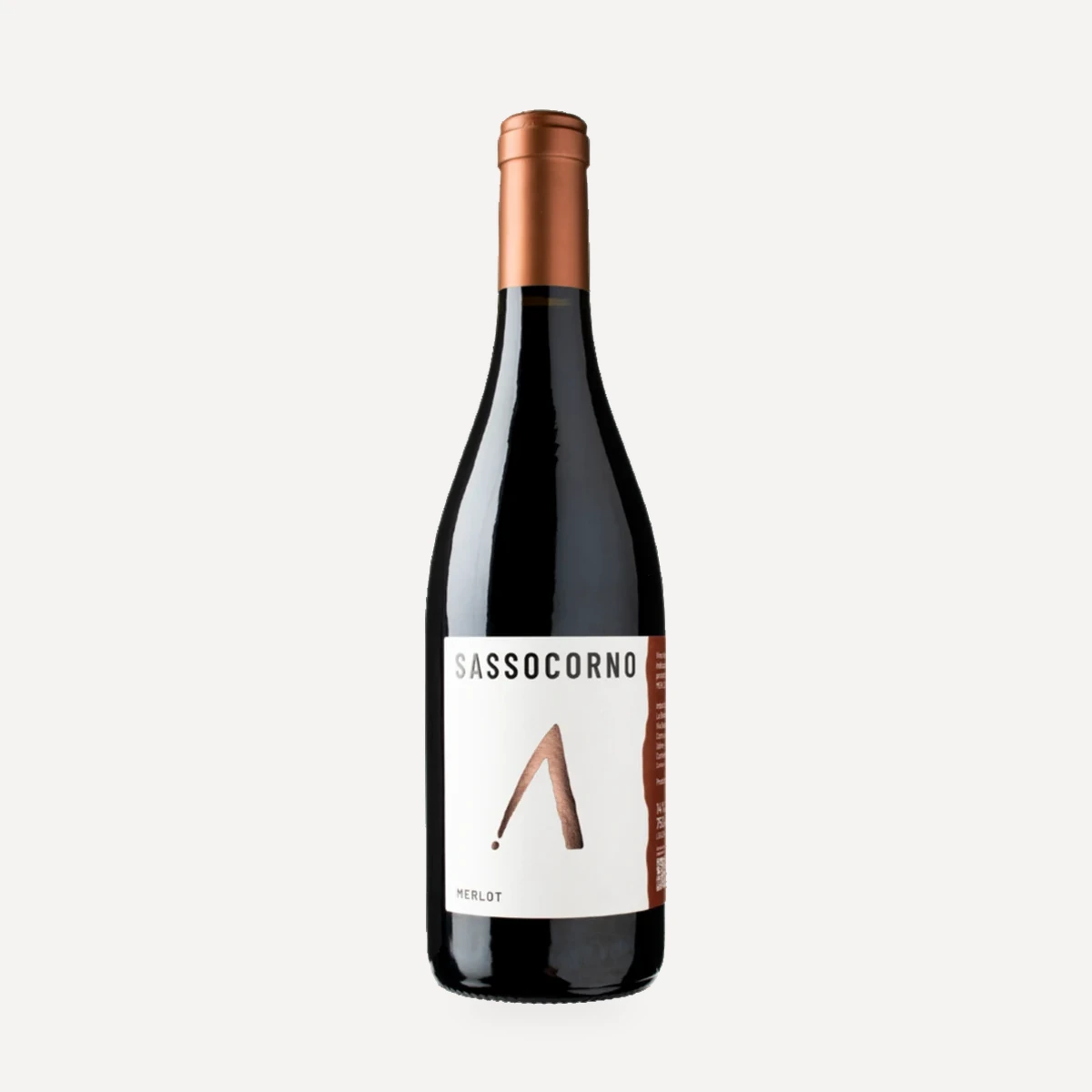
Several hillside vineyards were established in 1973. These include the blocks associated with Roche, Verduzzo and Merlot. The Verduzzo block is supplemented by scattered rows in other vineyards.
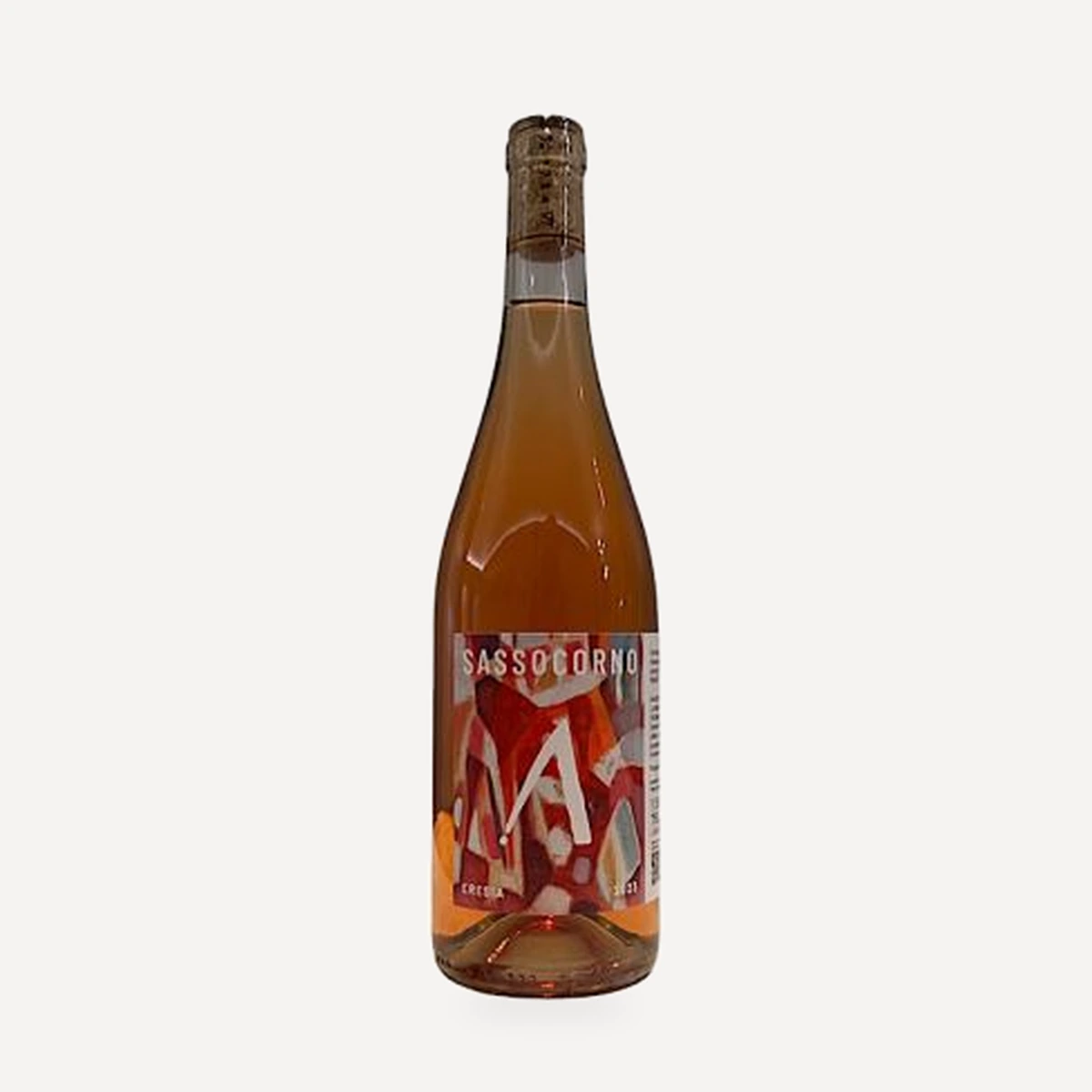
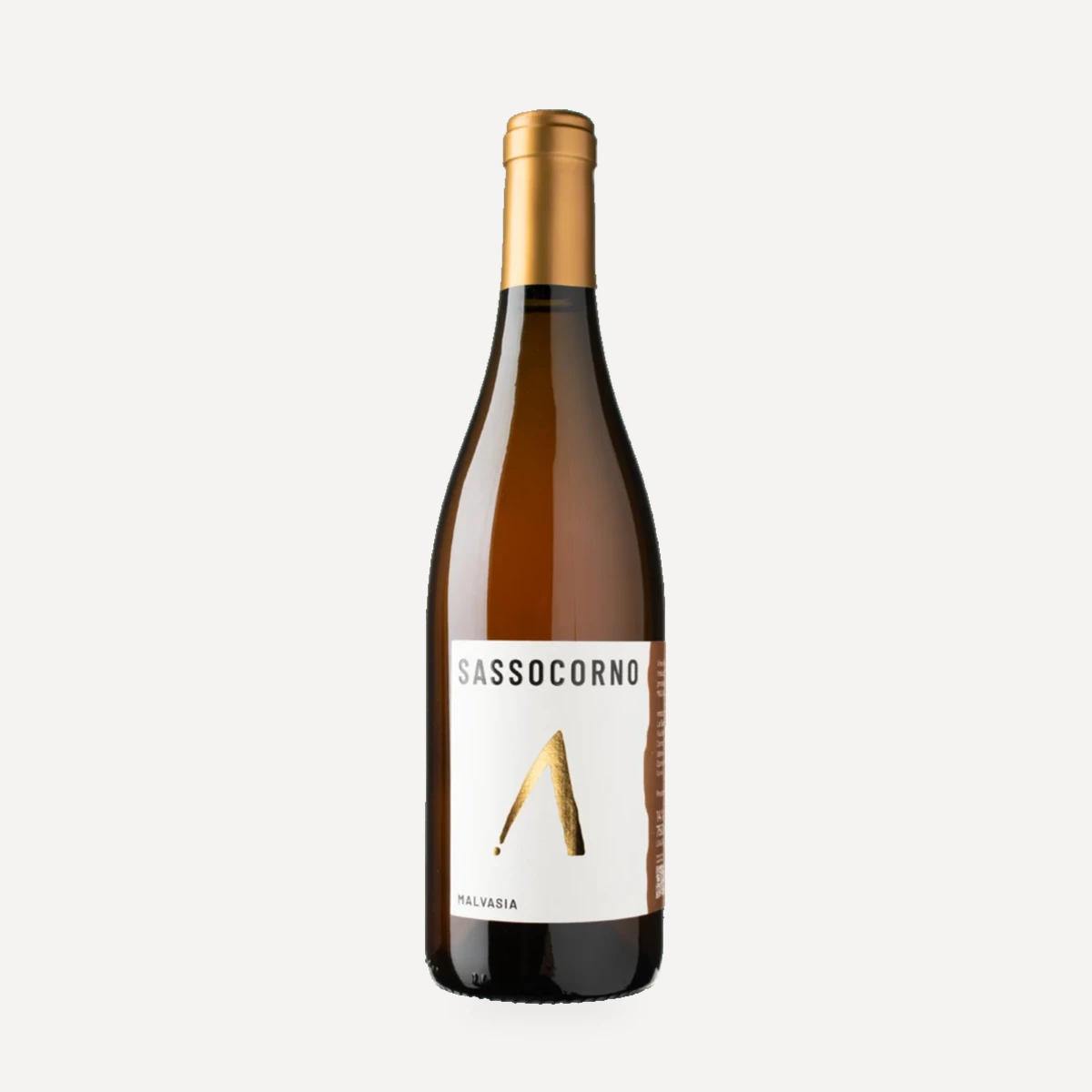
Further vineyard plantings followed in 1993, 2018 and 2021. The 2018 development included sub-hill blocks associated with Malvasia Istriana, Refosco and the Refosco-led rosé Eresia, as well as younger vines contributing to Ilneri and Blancut. Blancut draws on mixed vineyards planted in 1970, 1993, 2018 and 2021 at Corno and Rocca Bernarda.
Winery and rural-property investment
Within the PSR FVG 2014–20 programme, a project supported the establishment of a young female agricultural entrepreneur and investments in the purchase, renovation and energy-efficiency improvement of the winery. The programme also supported equipment for processing and primary production within quality and organic wine production. A separate intervention supported building work to recover, redevelop and reuse rural property.
Terroir
Sassocorno is based at Corno di Rosazzo in Friuli’s Colli Orientali. Its setting is a biodiverse mosaic of woodland, meadows, vineyards and arable fields that also provides habitat for wild fauna. Some hillside vines lie among surrounding woods; the Merlot vineyard is specifically associated with shaded woodland.
Two principal geological settings are identified. On the hills, the vines grow on ponca: predominantly calcareous marl and sandstone belonging to the Flysch di Cormons. These Eocene formations date from approximately 35–55 million years ago and originated as a seabed. The soils contain fossils and a substantial mineral component but little organic matter, conditions associated with concentrated grapes and musts and very low yields.
The sub-hill sites contain predominantly calcareous debris eroded from the surrounding hills. These soils combine silt and sand with abundant coarse stones, providing strong drainage and a marked mineral component. The mixed vineyards used for Blancut span both settings: hill-derived debris at Corno and Eocene marl and sandstone at Rocca Bernarda.
Vinificazione
Sassocorno follows certified-organic principles and describes its broader approach as sustainable agriculture. Vineyard protection uses very low quantities of copper, sulfur and essential oils.
Green manure is practiced by sowing plant species selected to support soil health and biodiversity and allowing them to grow among the vines. Soil management is directed toward maintaining organic matter. Severe pruning is used to restrict yields and concentrate quality. Suckering and shoot selection are performed manually, while canopy arrangement, mowing and under-row cultivation are undertaken either by hand or mechanically.
The estate favors native varieties, protects spontaneous flora and encourages beneficial insects. Bees have been introduced to assist pollination and increase biodiversity, while the surrounding mosaic of woods, meadows, vineyards and arable land is managed with the preservation of wild fauna in mind.
Harvesting is manual and conducted plot by plot. The technical protocols specify 20 kg crates and picking dates determined by the intended level of maturity. Depending on the block, fruit is gathered at technological or physiological ripeness or left to become overripe; some late-picked fruit includes berries raisined on the vine or affected by noble rot. Reported yields range from approximately 10–15 q/ha in the lowest-yielding Verduzzo block to 40–60 q/ha in several younger or mixed vineyards. Training systems include unilateral and very short bilateral Guyot as well as doppio capovolto.
Sassocorno works with spontaneous fermentations driven by indigenous yeasts from the grapes. The general protocol calls for hand-picked bunches to be destemmed without crushing. For the macerated whites and reds, the intact destemmed berries remain with their skins throughout spontaneous fermentation, normally for two to three weeks depending on the vintage. Fermentation takes place in stainless steel or concrete without selected yeast, enzymes, sulfites or other enological additives.
There are distinct approaches for particular lots. Blancut is made by gentle pressing of whole bunches followed by spontaneous fermentation in steel and concrete. Eresia is directly pressed after destemming and undergoes spontaneous fermentation with indigenous yeasts. Ilneri begins fermentation in stainless steel after destemming without crushing; it is pressed and racked shortly after the midpoint of alcoholic fermentation, then completes fermentation in concrete.
Under the general maceration protocol, separation of wine from the solids takes place only after fermentation has finished. A very brief settling period removes the coarser lees before the new wine is transferred to the aging cellar.
Aging vessels include predominantly used oak and acacia wood, stainless steel and concrete. The principal wooden containers hold 5–15 hl, while some lots use oak or acacia tonneaux; the longest-aged Verduzzo lot uses predominantly used 225–500 litre oak and acacia barrels. Concrete vessels range from 4 to 20 hl in the documented protocols. The cellar also experiments with amphorae and concrete eggs.
Bâtonnage is practiced during the first months of maturation, resuspending the fine lees to add body and antioxidant protection without additives. Maturation varies substantially by lot: concrete aging may last approximately eight months; other wines spend around 12–15 months, two years or four years in wood and/or concrete. Many wood-aged lots are subsequently blended and finished in stainless steel for six months, while Malvasia receives a further three to six months in steel.
Wines are bottled only when considered ready, sometimes several years after harvest. The approach excludes fining and invasive filtration. No enological additives are used as a rule; in rare, carefully selected cases, a very small addition of sulfur dioxide may be made immediately before bottling.
Filosofia
Sassocorno defines its work through three linked ideas: a respectful human hand accompanies the process, spontaneous transformation elevates it, and patient waiting refines it. Its guiding expression—“pure expression of land that was once sea”—connects the wines to the marine origin of the hillside geology.
The estate presents its establishment in the area as a conscious choice rather than an inheritance. Respect for nature, enhancement of the territory and preference for native varieties shape both vineyard and cellar decisions. Seasonal rhythms and local biodiversity guide the work outside, while spontaneous fermentation and extended maturation are intended to preserve the identity of the place inside the cellar.
The desired wines are authentic and concentrated expressions of their origin and of the growers’ work. Intervention is restrained, but not absent: manual and mechanical vineyard operations, careful harvest timing, vessel selection, bâtonnage and long maturation are used to accompany the fruit until each lot is considered ready for bottling.
Vini
Eresia
Malvasia
Merlot
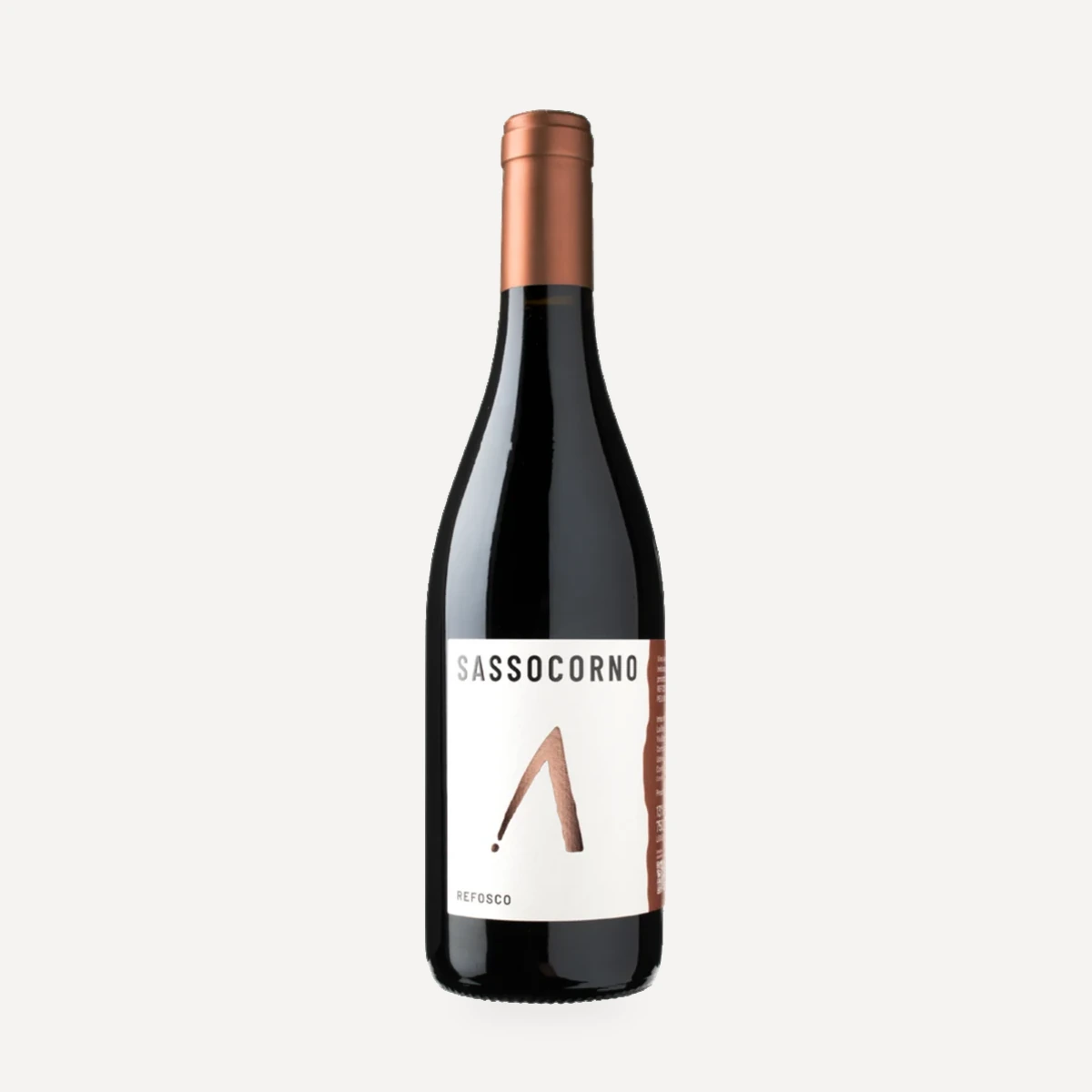
Refosco
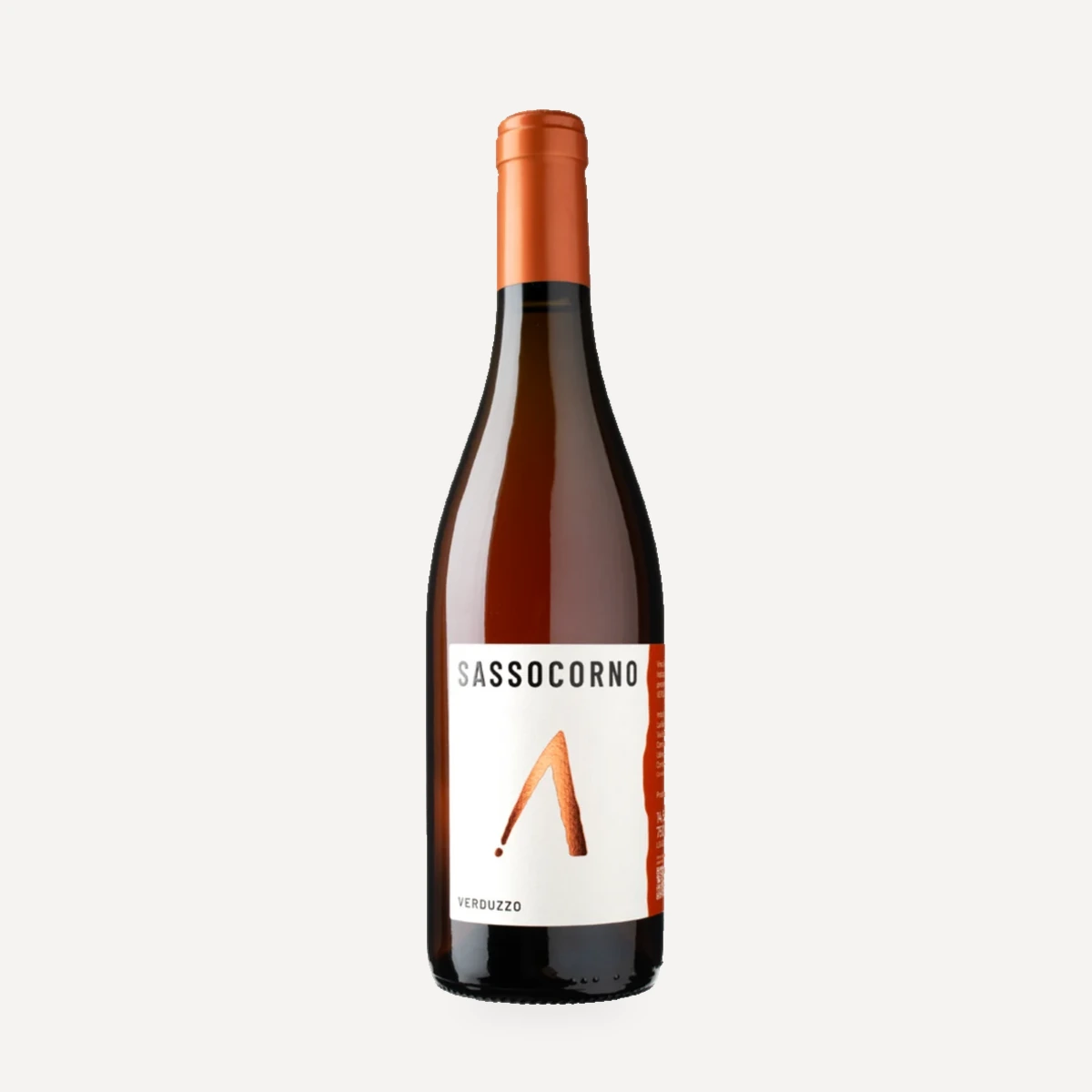
Verduzzo