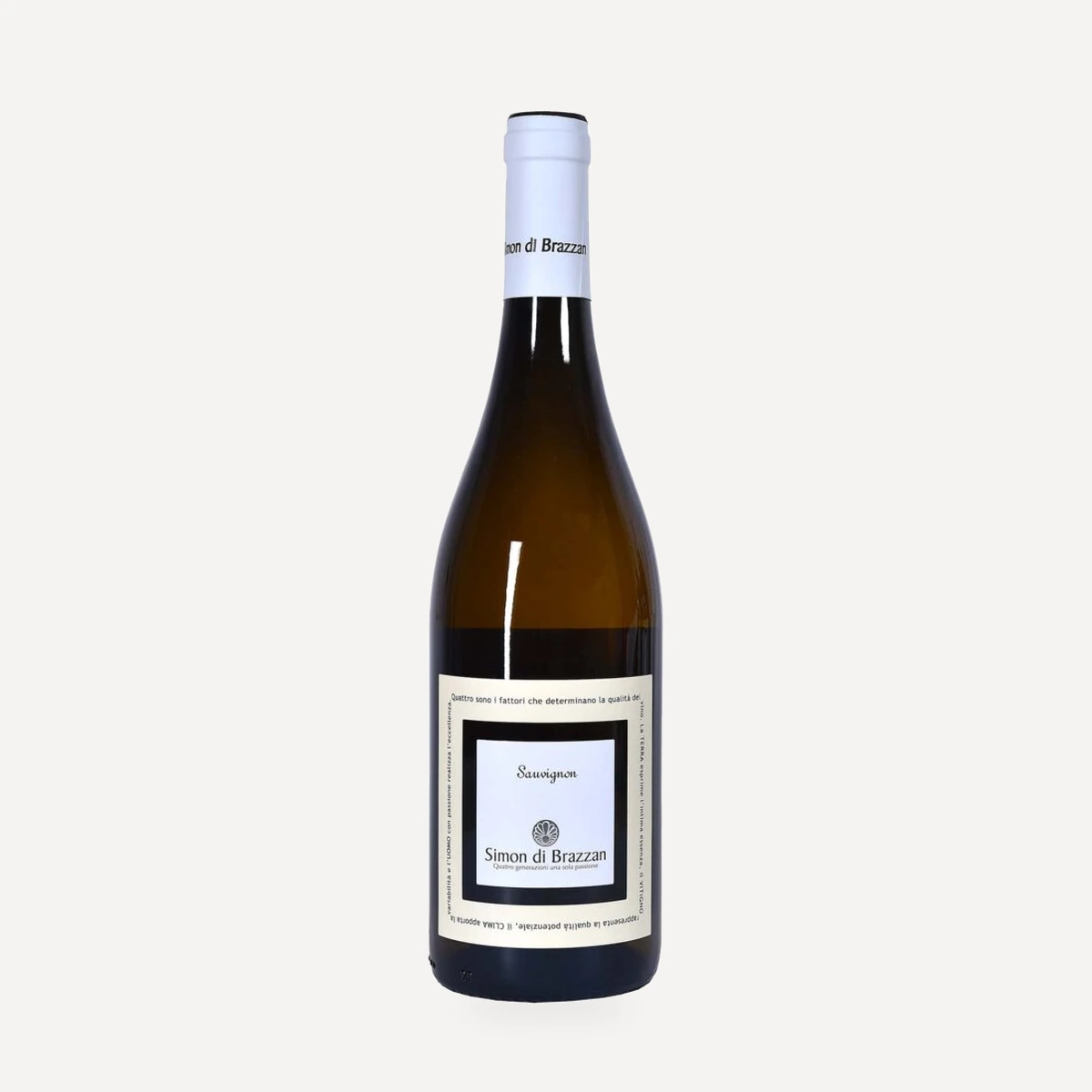
Storia
The family’s early connection with Brazzano
The family initially worked land at Brazzano under sharecropping rather than ownership. Its first generation in the area is symbolically dated to 1913, when Daniele Drius’s great-grandparents began purchasing part of the land cultivated today.
The agricultural enterprise gives 1956 as its year of foundation.
The second and third generations
During the 1960s, Daniele’s grandparents Enrico Veliscig and Rina assumed responsibility for the farm as its second generation. It was then a diversified traditional holding: alongside vines and wine, the family raised dairy cattle, pigs and farmyard animals.
Around the 1980s, under the third generation, the livestock barn closed. Its closure made room for an expansion of both the vineyard area and the winery.
Daniele Drius and the move into bottled wine
Daniele Drius grew up within the family farm and trained as an agricultural surveyor. After completing his studies, he joined his grandparents. About twenty years ago he made a decisive change by beginning to bottle part of the production. Until then, the wine had been sold exclusively in bulk around Brazzano di Cormons and neighbouring areas.
Over the following years, Daniele radically revised the vine-training systems. High-volume traditional systems were replaced by methods intended to improve grape quality, including spurred cordon and single or double Guyot. He has now directed the agricultural estate for roughly three decades.
Organic and biodynamic development
Chemical treatments were abandoned more than twenty-five years ago in favour of natural practices and products. Biodynamic methods were subsequently adopted, with vineyard and cellar work coordinated through calendars based on lunar, planetary and stellar cycles.
The vineyards entered management under European organic rules in 2013. From the 2016 harvest, the wines and vineyards carried organic certification, with CEVIQ srl identified as the certifying body.
Fourth-generation continuity
Daniele managed the estate together with his maternal grandfather Enrico Veliscig until Enrico’s death in 2021, at the age of 103. Daniele now represents the fourth generation and is supported by his mother Marisa and Eloise. Oenologist Natale Favretto, who has worked beside Daniele for approximately nineteen years, oversees the cellar with an approach aligned with the natural practices used in the vineyards.
Terroir
A hilly border landscape
Simon di Brazzan is based at Brazzano di Cormons in the province of Gorizia. Its hilly area covers 17 ha between Collio and Isonzo and extends across the border between Italy and Slovenia. It lies between the Isonzo and Iudrio rivers, with the Friulian plain to the south, the settlements of Mernico, Cobaler and Lasizze to the north, and the Natisone valleys along its northern side.
Soils and geological origins
The soils fall into two broad groups. Autochthonous soils formed in place over millennia under local environmental conditions. Allochthonous soils originated elsewhere, were transported by water and were deposited in new locations. The latter are particularly rich in clay, some of it derived from moraine hills, and bear the influence of recent alluvial processes.
Variations in parent rock and soil stratification affect water absorption and the supply of mineral elements to the vines. The estate associates these differences with the individual character of its vineyard sites. Marl is also identified as part of the habitat in which the indigenous varieties Friulano and Istrian Malvasia grow.
Climate and winds
The Alps shelter the sunny hills, while their southern opening admits maritime influence and the warm, humid Sirocco. From the east comes the cooler, dry Bora. The elevation of the hilly land also contributes to local growing conditions. The interaction among alpine protection, maritime air, contrasting winds, soils and geographic position changes with each season and vintage.
Vinificazione
Organic and biodynamic management
Chemical treatments were abandoned more than twenty-five years ago. Vineyard protection now relies on natural practices and products including Bordeaux mixture and sulfur. Integrated control includes mating disruption, while the only organic insecticides identified are natural pyrethrum and Bacillus thuringiensis.
Biodynamic methods have guided work on the land for thirteen years. Sowing and work calendars follow lunar, planetary and stellar movements. The purpose is to maintain a balanced agricultural system by enlivening the soil through rotations, intercrops, green manure, protection methods considered safe for living organisms, respect for wildlife and a renewed role for livestock.
The vineyards have been managed under European organic rules since 2013 and have carried organic certification from the 2016 harvest. Certification is associated with CEVIQ srl. European Regulations 203/2012 and EC 848/18 are cited as governing organic management from vineyard to bottle.
Soil fertility and biodiversity
Fertilization favours compost made from cow manure, grape marc and other manure, supplemented by natural algae-based foliar feeds. In autumn, alternate rows are cultivated, compost is distributed and green-manure species are sown. Around mid-May, the resulting vegetation is mown and incorporated into the soil. This cycle is intended to feed soil microorganisms, improve fertility, strengthen the vines and increase the soil’s ability to retain water and release it when needed.
The estate also employs Ecomethod, a foliar-nutrition system that uses the leaf’s cation-exchange capacity to absorb nutrients. By reducing fertilizer applications to the soil, the method is intended to lower associated CO₂ emissions while maintaining production volume and quality.
Canopy, crop and harvest decisions
Green operations include targeted bunch thinning and leaf removal around the bunches. These measures balance fruit load against vegetative growth, protect bunch health and seek better levels of sugars, acids and polyphenols.
Harvest timing is determined in part by seed maturity, assessed through the colour of the grape seed. Picking is exclusively manual, with selection of the grapes; imperfections are removed before destemming. The emphasis on fully healthy and very ripe fruit is also essential to the cellar’s extended-maceration methods and low use of sulfur dioxide.
Cellar scale and approach
Current cellar output is approximately 80,000 bottles per year, while the agricultural profile also records production of 1,000 hl. Time in the cellar is treated as a necessary part of allowing each wine to develop its potential. Oenologist Natale Favretto works alongside Daniele Drius and applies the same natural orientation followed in the vineyards.
Two approaches to white-wine vinification
Fresh whites combine two distinct vinifications. One portion undergoes complete skin maceration for about 25 days in 25 hl truncated-conical vats. The other receives a short, overnight maceration in the press at 10°C, followed by fermentation in steel or wood. The two portions are blended in March in a ratio of one part wood to two parts steel. The objective is to retain varietal and territorial character while adding aromatic and textural complexity.
White wines aged in wood undergo spontaneous malolactic fermentation.
Traditional extended maceration
The estate’s traditional macerated Friulano and Pinot Grigio are fermented with their skins in truncated-conical vats. Maceration continues for roughly 25 days, until the sugars are exhausted. Highly concentrated, partially raisined berries are considered particularly suitable because yeast activity and the resulting alcohol increase extraction from the skins.
The macerated Friulano is matured for 30 months in wooden vats. The macerated Pinot Grigio is matured for 14 months in 7.5 hl barrels.
Low sulfur and biodynamic timing
Sulfur-dioxide use is kept very low throughout the range, supported by the selection of healthy, fully ripe grapes. The biodynamic calendar determines the timing of wine handling, racking and bottling.
Filosofia
Simon di Brazzan defines cultivation as an act of protection. Its central principle is that respect for nature and attentive care of the vine are prerequisites for wine that expresses its place of origin.
The approach treats the farm as a connected biological system. Soil microorganisms must be nourished so that they can support plant nutrition; rotations, green manure, livestock, wildlife and safer forms of plant protection are intended to restore natural balance. Strong, properly nourished vines are expected to respond more effectively to climatic stress, while biologically active soils retain and supply water more efficiently.
Organic certification is regarded as confirmation of a long-standing working philosophy rather than an endpoint. Biodynamic calendars connect vineyard and cellar decisions to seasonal, lunar, planetary and stellar rhythms. In the cellar, extended maceration, long maturation, low sulfur use and patient timing seek greater individuality and complexity without abandoning typicality.
Family continuity is equally important: Daniele Drius presents the present enterprise as the fourth chapter of a relationship with the land that began under sharecropping and developed through ownership, mixed farming, estate bottling and organic viticulture.
Vini
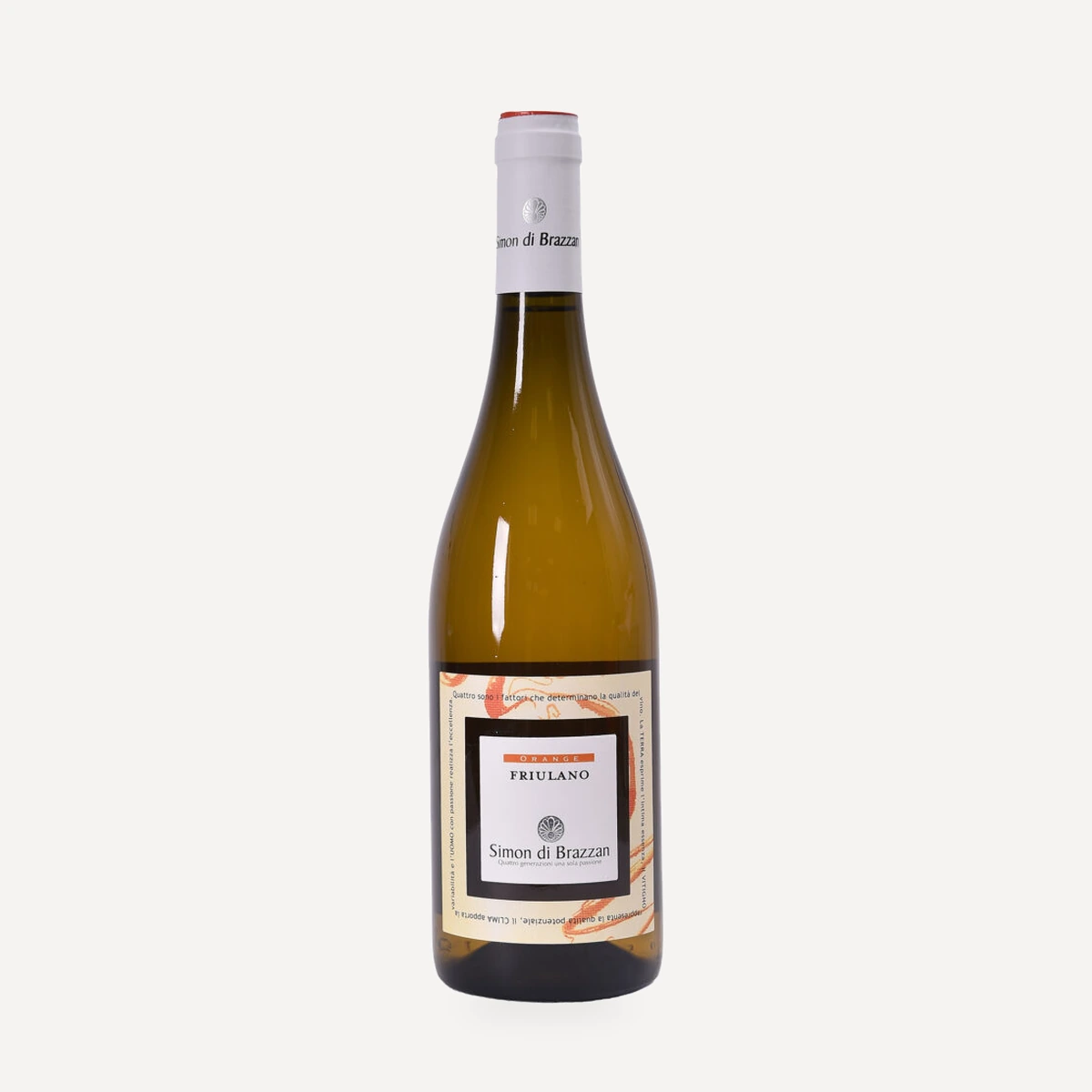
Friulano Orange
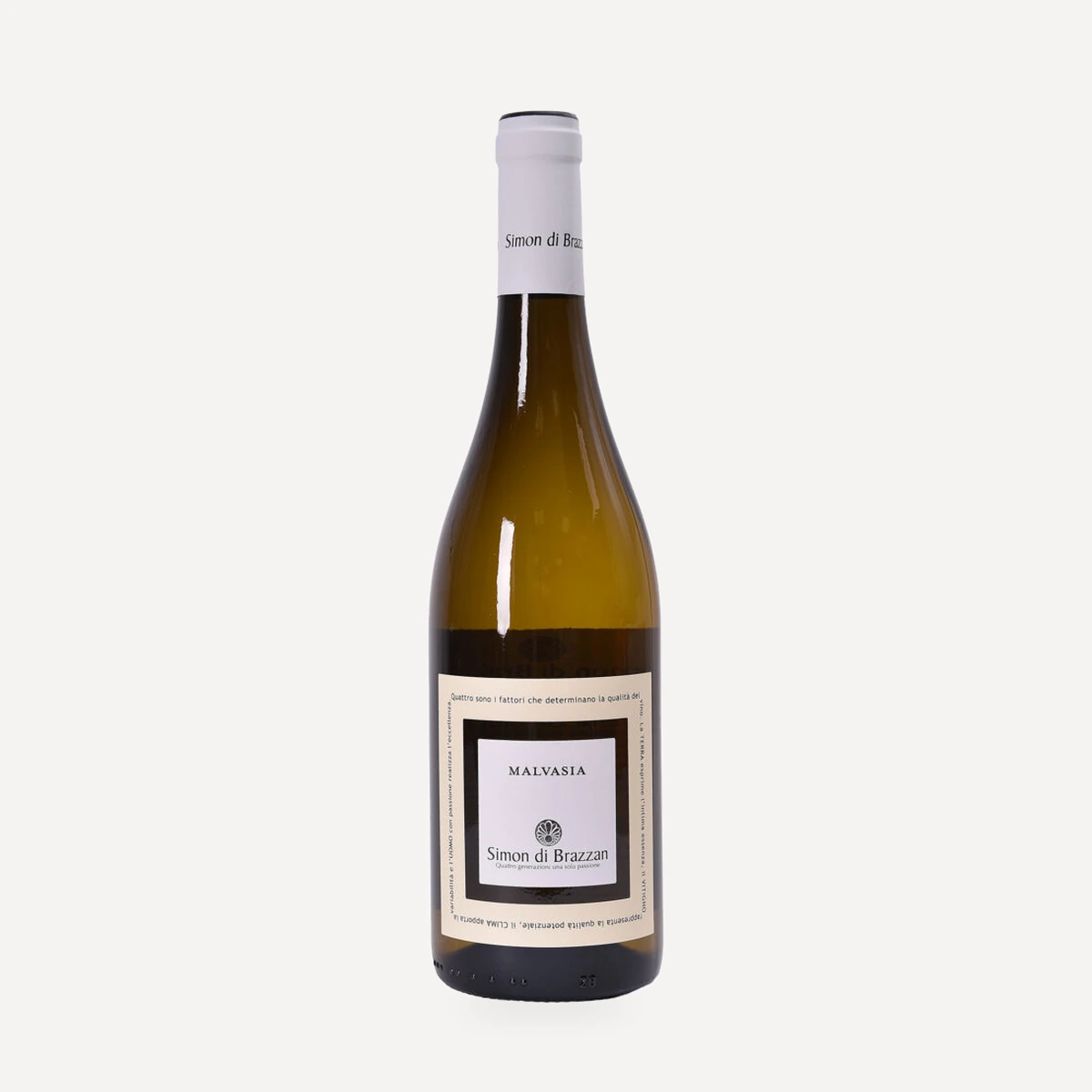
Malvasia
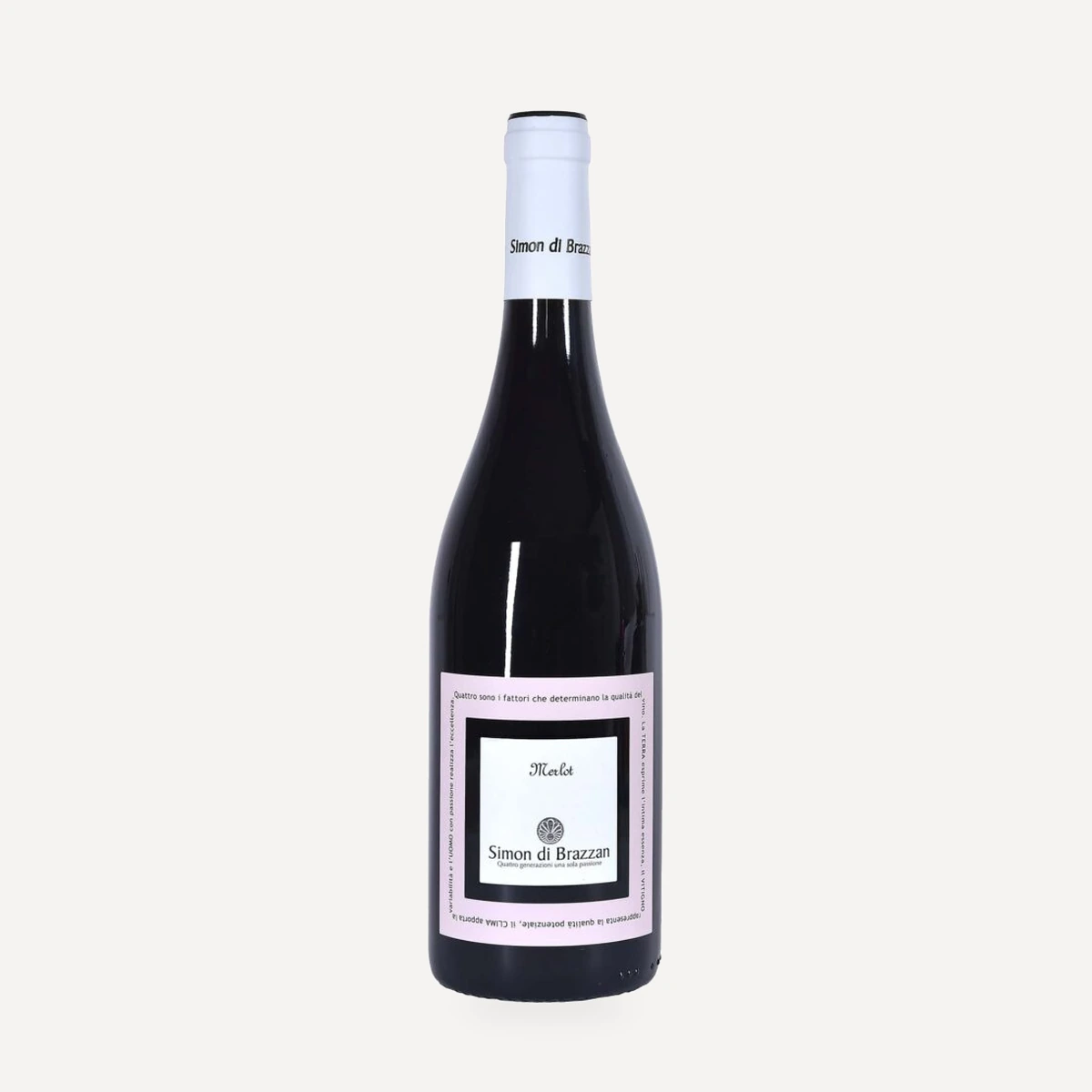
Merlot Riserva
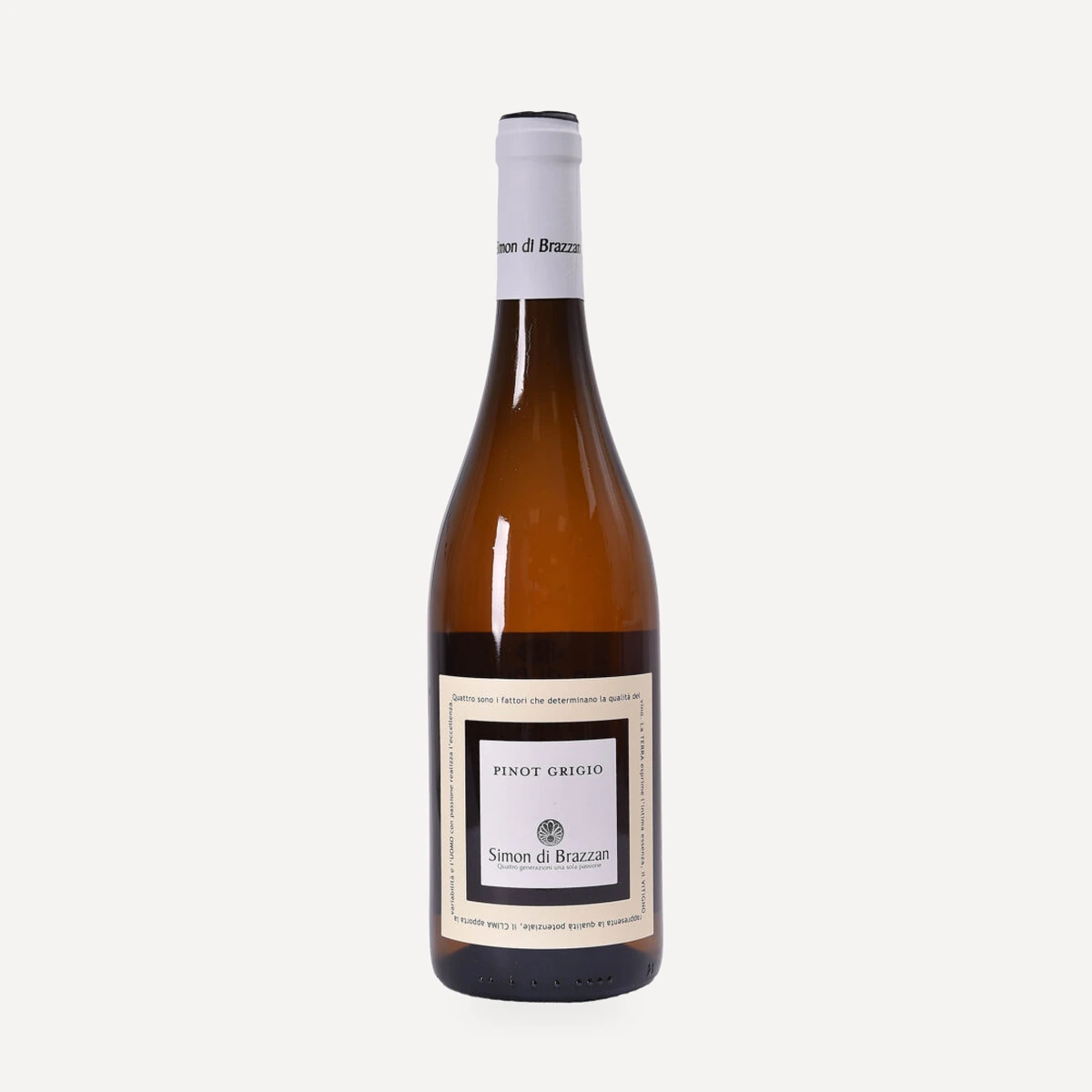
Pinot Grigio
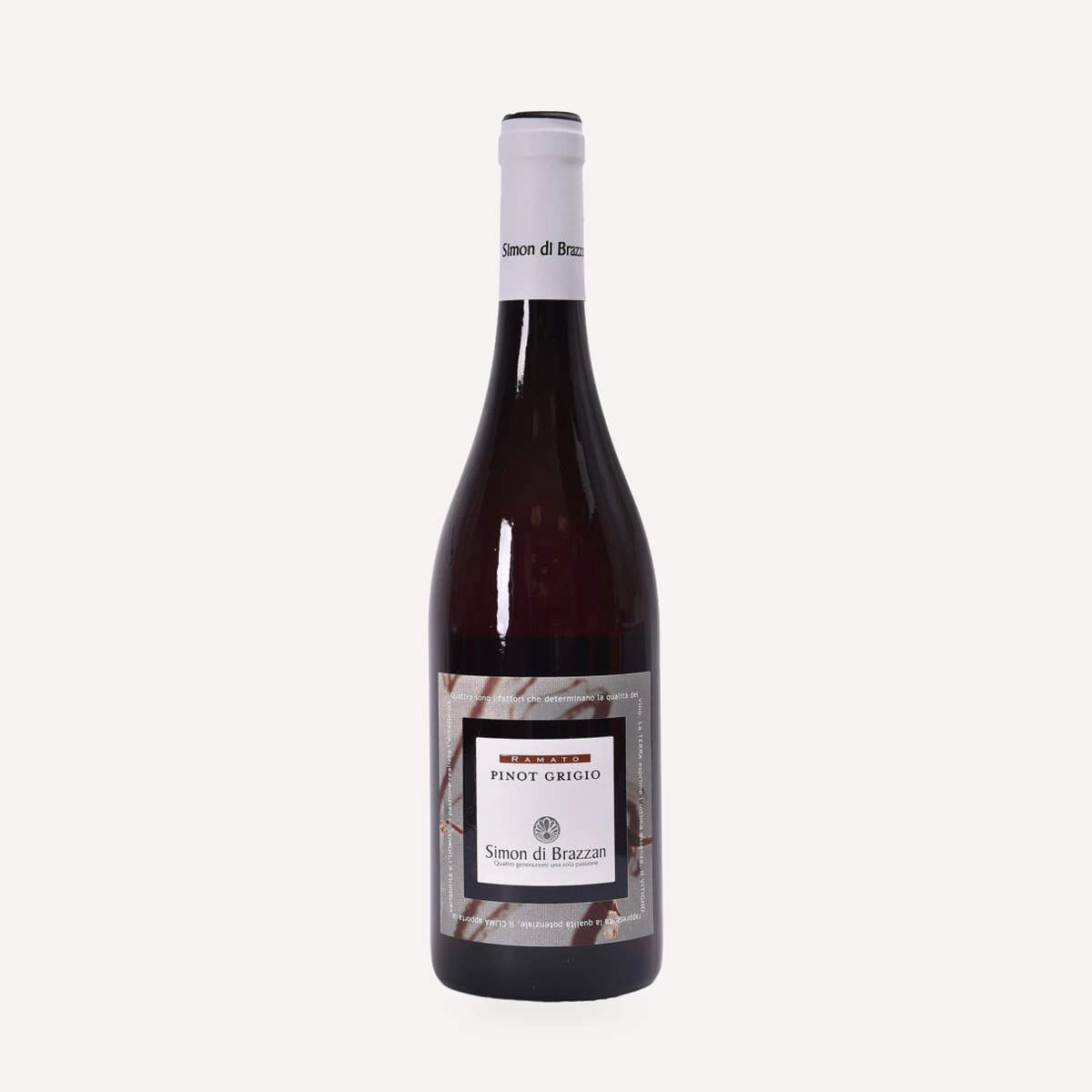
Pinot Grigio Ramato
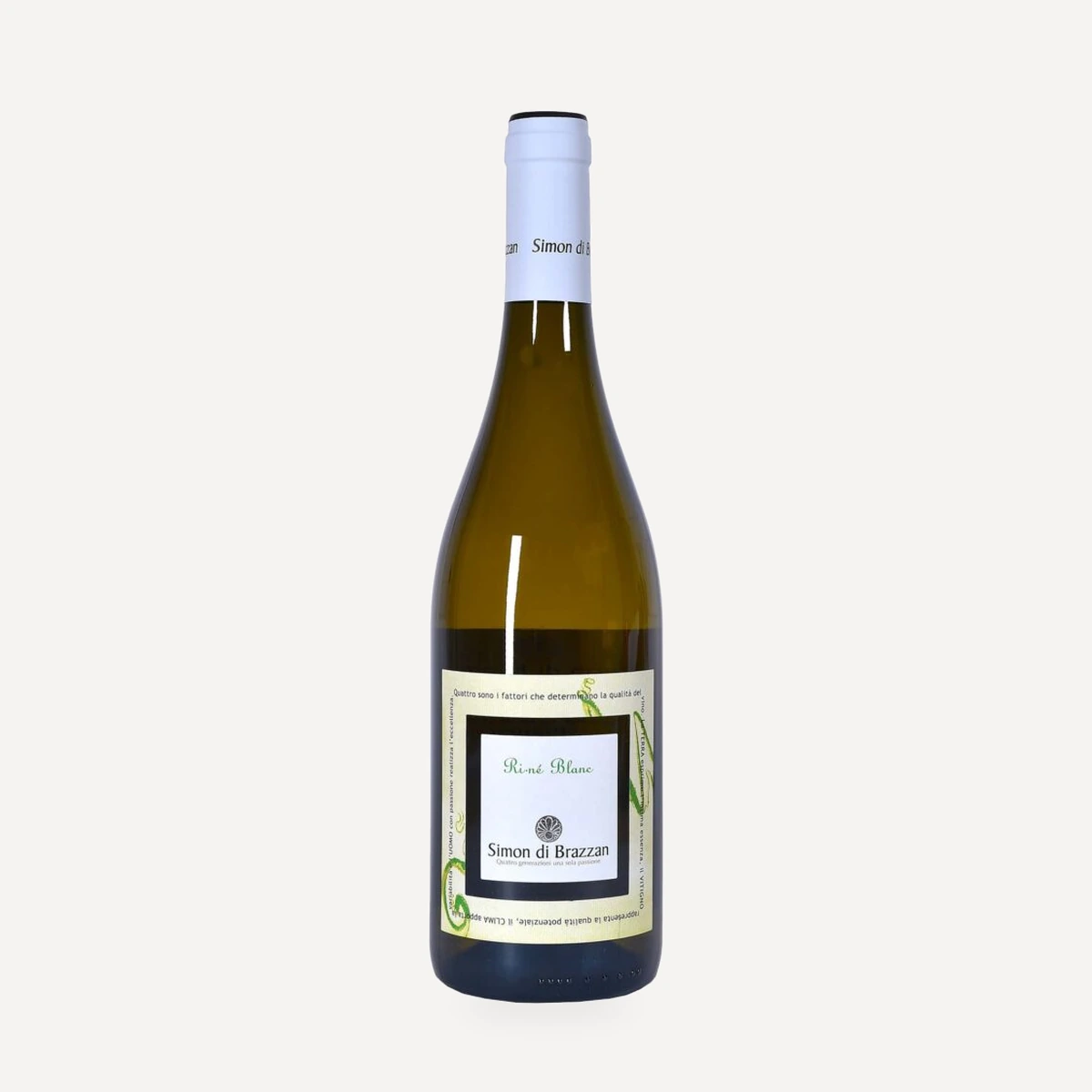
Ri-né Blanc