Storia
Agricultural roots
The Klanjscek family’s livelihood was originally based on a traditional mixed-farming economy and the direct sale of its produce. Federico Klanjscek, known within the family as Mirko, laid the foundations for its wine production. Remembered as a steadfast farmer who remained devoted to the vineyard throughout his life, he passed on both the agricultural holding and a set of values that the family continues to associate with its work.
The 1970s: the “Privada della Maestra”
During the 1970s, the family home beside the present agriturismo was known as the “Privada della Maestra.” This seasonal family osteria took its name from Mirko’s wife, Hedvika—also called Edvige—who was well known as a primary-school teacher in San Floriano. She also grew vegetables of sufficient local reputation to sell them at Gorizia’s covered market. The family’s hill at Oslavia was already a gathering place for relatives, friends, local residents and visitors.
1978: the oldest surviving vines
In 1978, Mirko planted the vines that are now the estate’s oldest. They include 0.5 ha of Riesling Italico, preserved as an increasingly uncommon historic variety within the local vineyard landscape.
From family farm to Wine & Stay
Successive members of the large, extended Klanjscek family transformed the former farm economy into a contemporary agriturismo combining vineyards, wine, a restaurant and accommodation. The project retains the material and personal legacy of Mirko and Hedvika at its centre.
The family adopted natural vineyard practices from the beginning of its wine-growing project. The estate obtained organic certification in 2016.
The 2017 production cycle
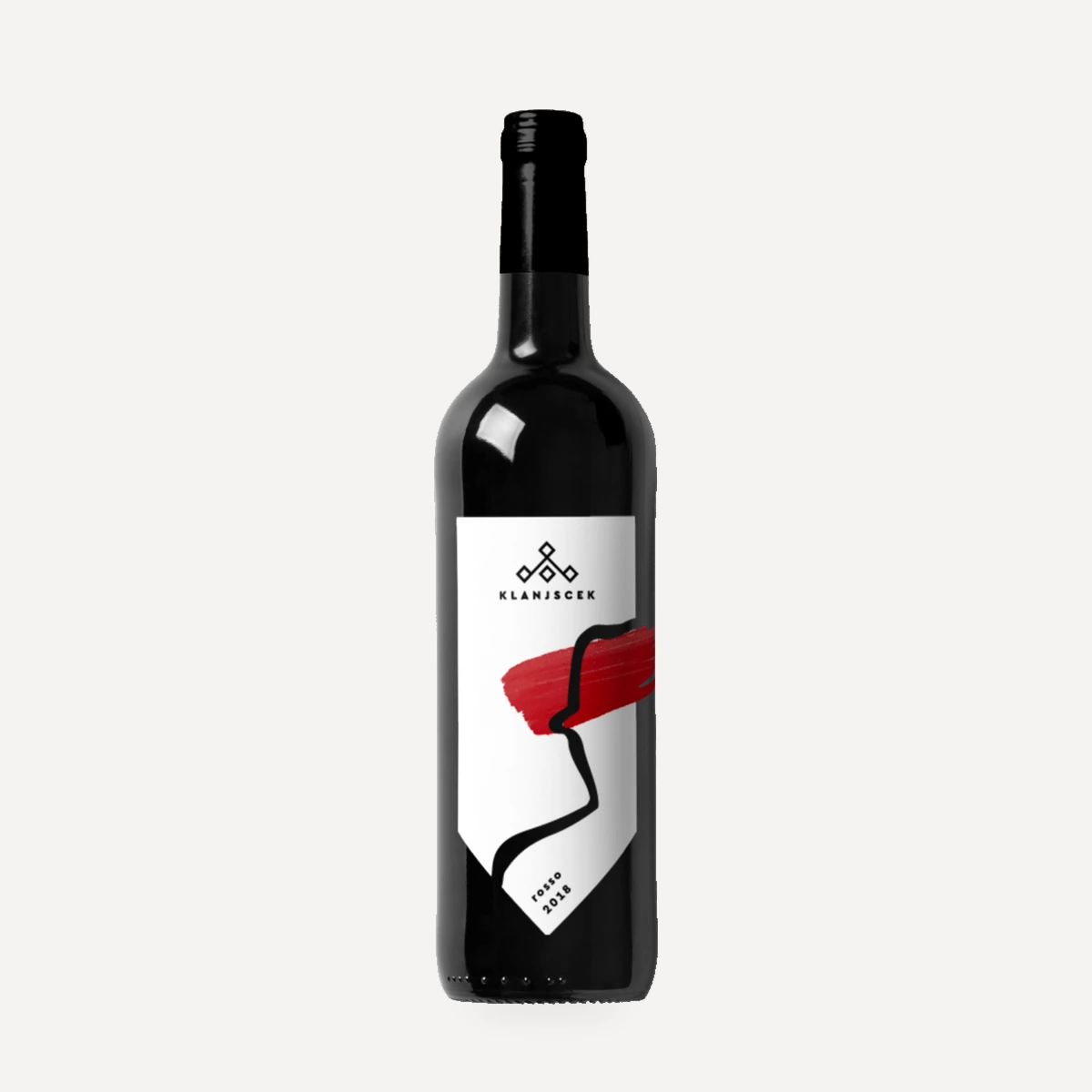
The 2017 white wines—Riesling Italico, Pinot Grigio and Ribolla Gialla—received five days of skin contact. This approach enabled the family to keep sulphur use to a minimum. The wines subsequently continued their maturation before bottling.
Terroir
The 3.5 ha of family-owned vineyards occupy hillsides at Oslavia, in the heart of the Collio Goriziano. The vines, family homes and agriturismo share the same hill, immediately below the Sacrario Militare di Oslavia and only a few minutes from central Gorizia.
The vineyard soil is described as ponka and clay. The estate cultivates Riesling Italico, Ribolla Gialla, Sauvignon, Pinot Grigio, Merlot and Cabernet Sauvignon on this terrain.
Vinificazione
The estate has followed natural farming practices from the beginning and has held organic certification since 2016. Its 3.5 ha of vines are cultivated on family-owned hillsides at Oslavia.
Harvesting is performed manually into crates. The documented picking calendar runs from mid-September for Pinot Grigio and the sparkling-wine varieties, through late September for Ribolla Gialla, October for Riesling Italico, and mid-October for the red varieties.
The 2017 white wines—Riesling Italico, Pinot Grigio and Ribolla Gialla—macerated on their skins for five days. The resulting extraction allowed sulphur use to be reduced to a minimum.
Fermentation takes place with the skins in open 22 hl vats, without temperature control, selected yeasts, enzymes or clarification. After fermentation, the wines undergo one month of settling in stainless-steel tanks, followed by at least one year in 12 hl oak casks. Bottle maturation lasts approximately five months or longer.
The range also includes a Brut made by the Charmat method.
Filosofia
The family links its contemporary wine and hospitality project to the agricultural inheritance of Mirko and Hedvika. Its stated aim is to carry forward not only the physical farm but also the values attached to an earlier rural economy based on cultivation, direct sales and personal hospitality.
In the vineyard, this continuity is expressed through natural practices and certified organic farming. In the cellar, the approach favours skin contact, native fermentation without selected yeasts, the omission of enzymes and clarification, and minimal sulphur use. The preservation of Mirko’s 1978 Riesling Italico vines also reflects the family’s attachment to a historic variety that has become uncommon.
Wine, food and accommodation are treated as connected expressions of the family’s Oslavia home rather than separate activities. The estate’s visual identity likewise ties the family to its hill, its houses and the surrounding history.
Vini
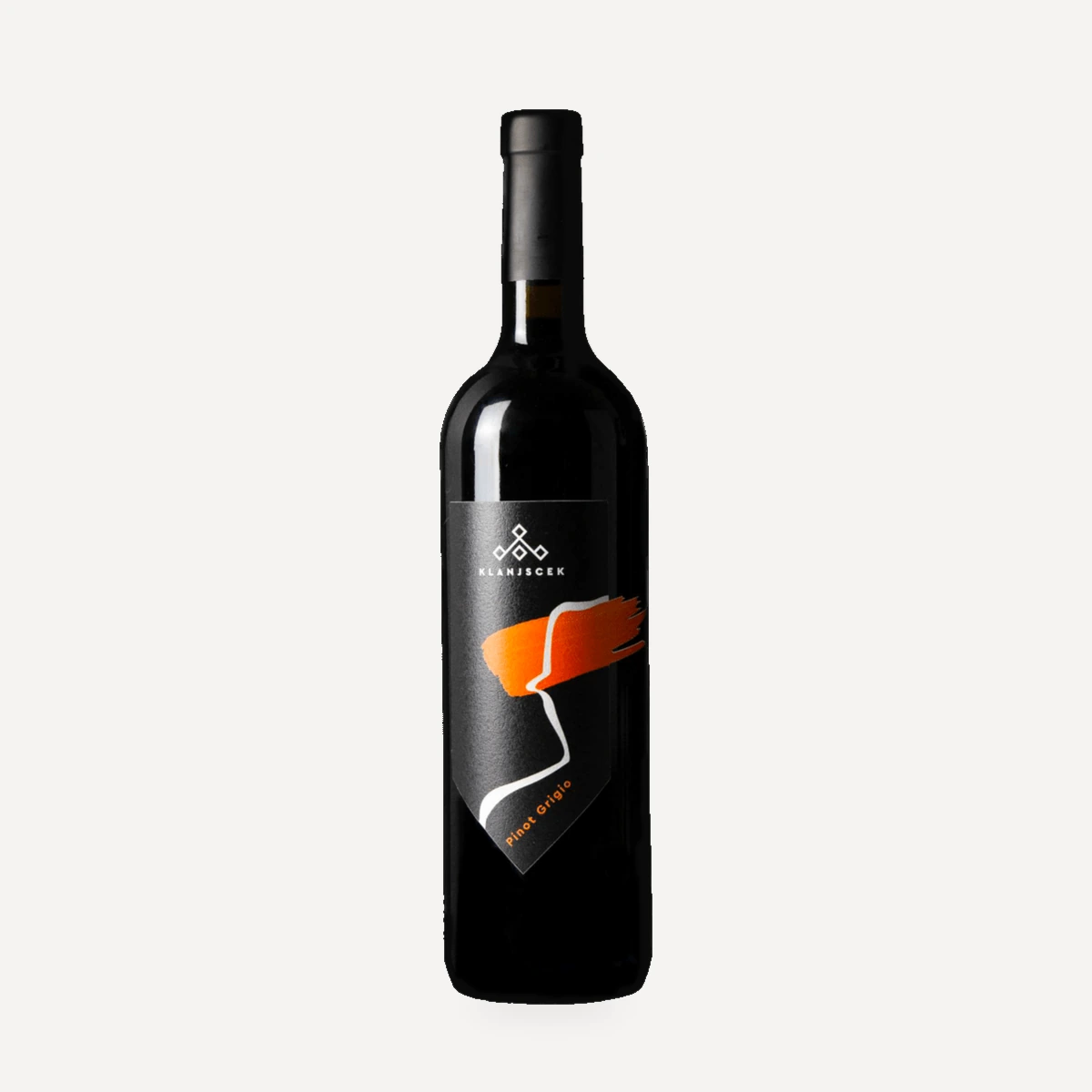
Pinot Grigio
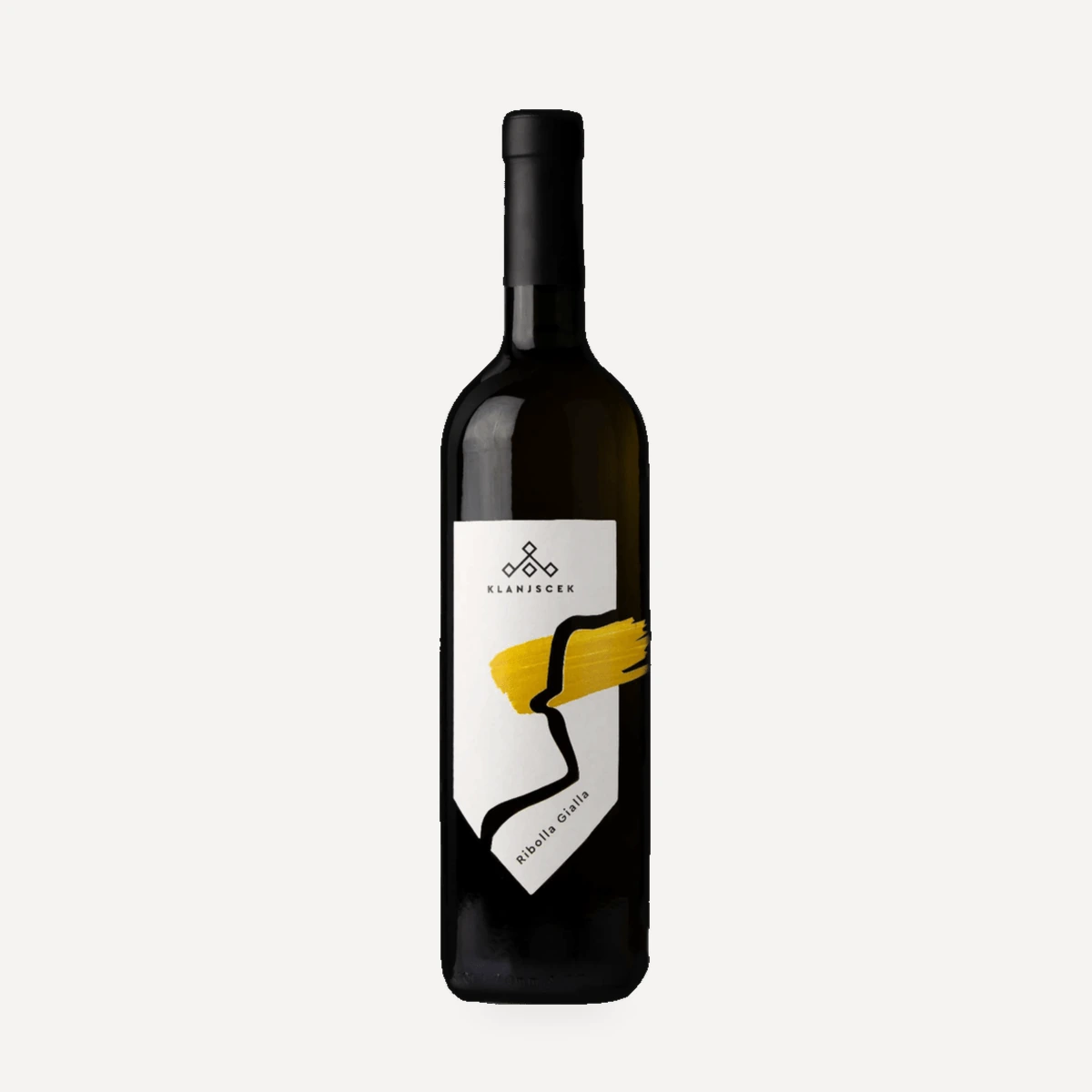
Ribolla Gialla
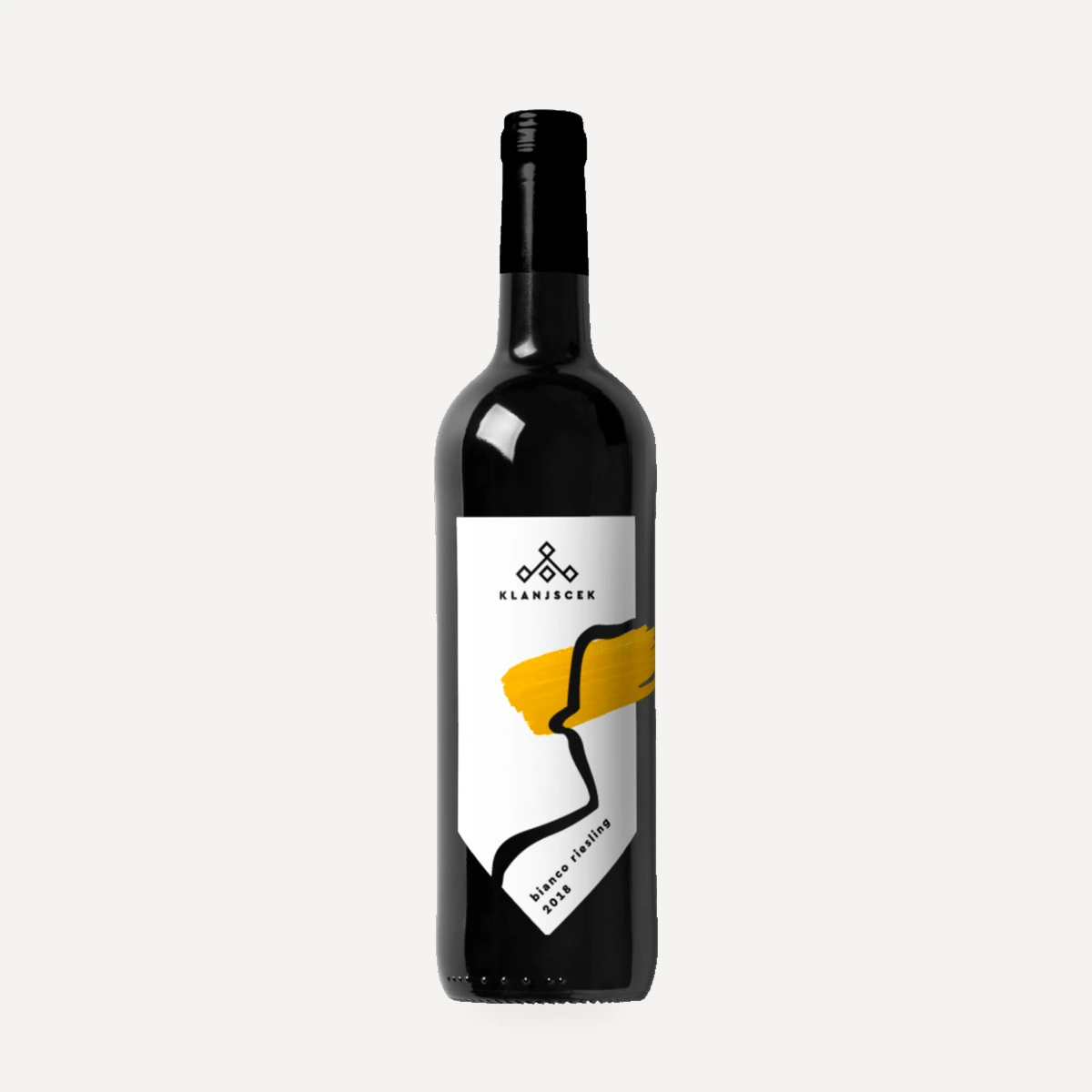
Riesling Italico