Storia
From sommeliers to winegrowers
Michele and Matteo spent many years working as sommeliers in Michelin-starred restaurants in Italy and the United Kingdom. As their knowledge of wine developed, so did their ambition to make wine themselves. Their particular goal was to work in Carema, a historic Nebbiolo territory and the place associated with their preferred grape.
2019: the Carema project begins
In 2019, word of mouth led the brothers to an abandoned vineyard in Carema. They began the demanding recovery of its steep mountain terraces and imposing, neglected stone walls. The work brought buried vines and historic vineyard structures back into cultivation and established a restoration project that remains ongoing.
The transition from restaurant sommeliers to heroic winegrowers also renewed their relationship with their father, Oreste, who joined the undertaking. The family presents this moment as a shared decision to leave familiar professional lives behind, confront the physical difficulty of Carema viticulture, and pursue a common ambition.
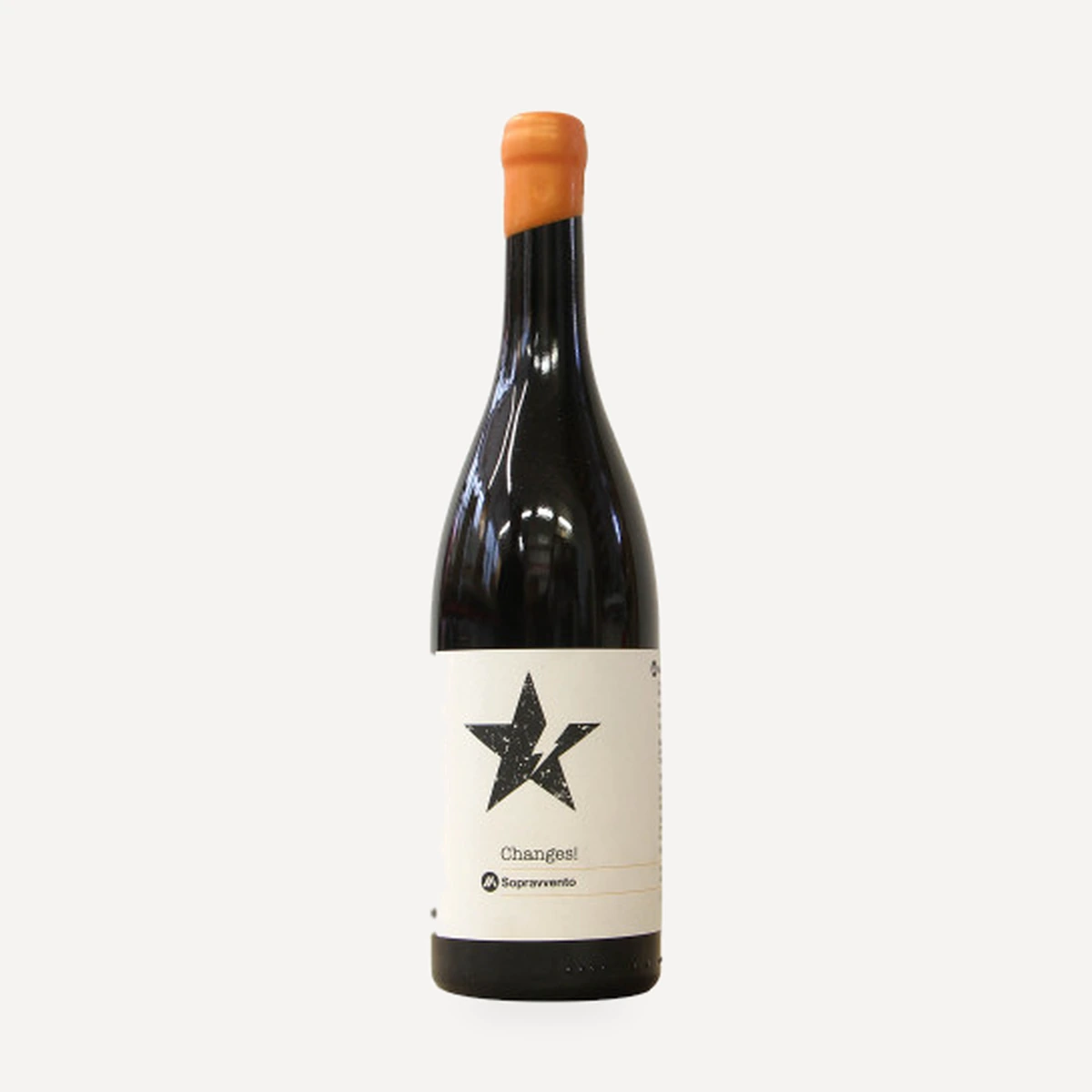
The first wine, Changes!, was conceived and vinified in 2019 from indigenous white grapes. Its name and story connect the estate's professional and personal transformation with Michele's experience of the 2013 David Bowie exhibition at London's V&A Museum.
2020: the second Changes! vintage
The 2020 Changes! was the second vintage. It was bottled in 2021, largely without added sulfites, and placed in a historic Balmetto cellar for maturation. Release was planned for March 2022.
2021–2023: Rebel Rebel and the origin of Help!
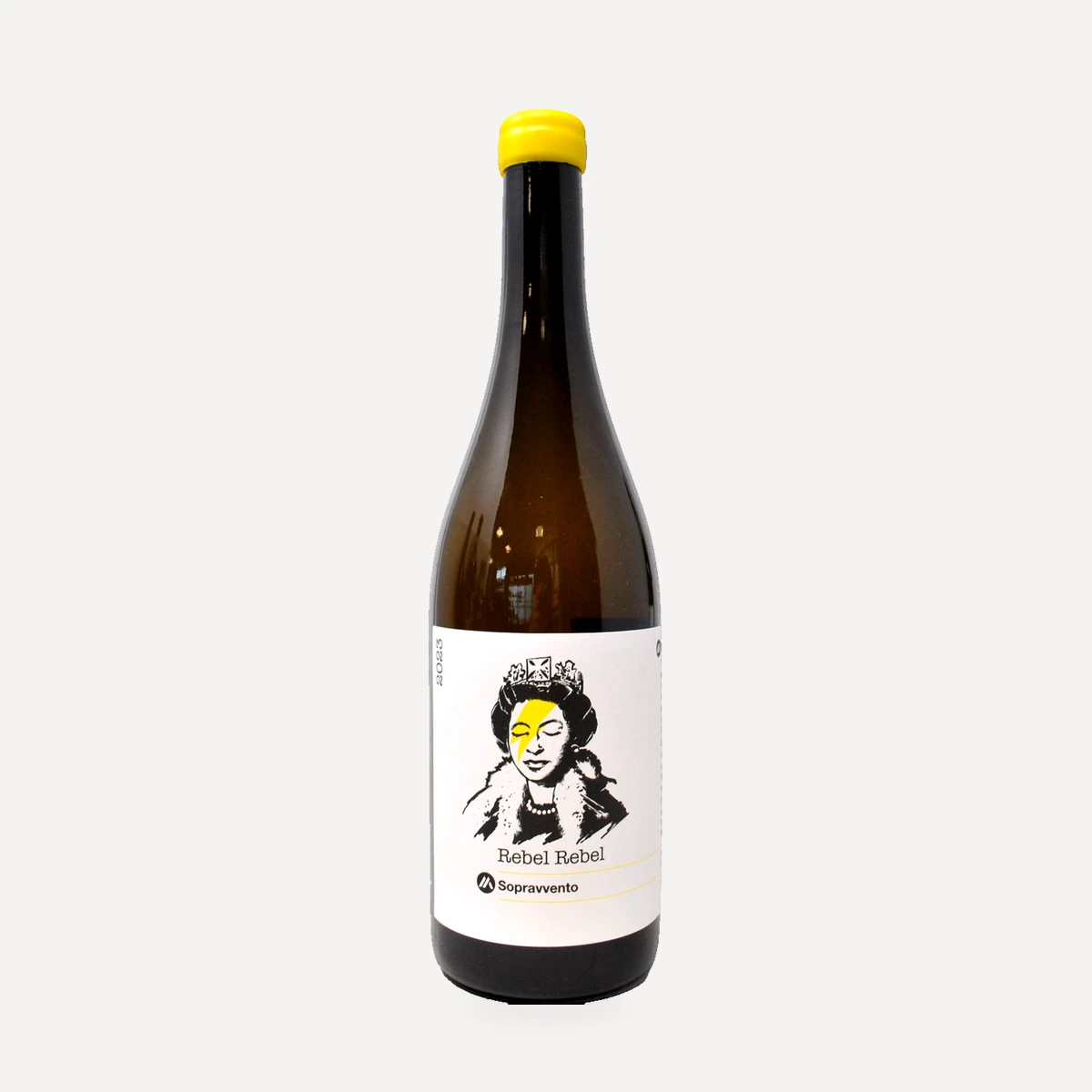
Rebel Rebel, a more classically vinified white in which skin contact is kept very brief, was first produced in 2021.
In November 2021, the third intended vintage of Changes! suffered a sharp increase in volatile acidity as its skin maceration was ending, leaving the principal lot unusable. A small barrel had separately been vinified as a white component intended to contribute acidity to the blend. When that barrel proved successful on its own, it became Help!, a limited wine born from the difficult vintage. The account of its allocation was dated 21 March 2023. The rescued lot produced 280 bottles.
The first Carema DOC
The Nebbiolo project developed from the vineyard-restoration work begun in 2019. After restoring the abandoned site and working through a five-year period of recovery and waiting, the family brought its Carema DOC, Heroes!, to fruition. The first vintage was vinified in 2022, filling only two barriques and yielding 567 bottles. It marked the completion of the family's initial ambition to make a wine from its own Carema Nebbiolo vineyard, while restoration and maintenance of the terraces continued.
Terroir
Sopravvento works in the heart of Carema, in a mountain landscape of steep, difficult slopes organized into stone-walled terraces. The incline and physical configuration prevent mechanization, making vineyard work entirely manual. The soils are described as sandy and are amended with manure.
The recovered vineyard had been abandoned when Michele and Matteo found it in 2019. Its restoration involves both the vines and the imposing historic stone walls that sustain the terraces. Sopravvento treats this built vineyard landscape as part of Carema's viticultural patrimony rather than merely as production infrastructure.
Carema is the setting for the estate's Nebbiolo, locally called Picotendro. The seasonal conditions vary sufficiently from year to year that the family allows physiological ripeness to determine the harvest date rather than following a fixed calendar.
Maturation also makes use of the area's historic cellar environments. White wines rest in Balmetti at the foot of the mountain near Borgofranco d'Ivrea. Natural geo-environmental phenomena maintain stable temperature and humidity throughout the year. The estate also uses an old maturation cellar in Carema for its Carema DOC.
Vinificazione
Sopravvento describes its work as heroic viticulture because Carema's steep mountain terraces rule out mechanization. All vineyard operations are therefore manual, including harvest and grape selection. Harvest timing changes with the vintage and follows the physiological ripeness of the grapes.
The farming program is centered on biodiversity and the creation of a healthy, biologically active environment. Natural fertilizers are used, with manure serving both as fertilizer and as an amendment for the sandy soils. Pesticides and herbicides are excluded from the management of every terrace, as are systemic products that circulate through the plant's sap. Sulfur and copper may be applied preventively, but only when considered necessary.
Restoration is a continuing part of vineyard management. Since 2019, the family has recovered abandoned terraces, rebuilt or maintained their large stone retaining walls, and brought neglected vines back into cultivation. This work is treated as both viticulture and preservation of Carema's historic landscape.
Grapes are harvested and selected by hand when they reach the desired physiological maturity, so picking dates vary by vintage. Fermentations begin spontaneously with indigenous yeasts. Sopravvento does not correct its wines and avoids chemical additives apart from very small additions of SO₂, with the total amount declared on each back label.
The general cellar approach rejects invasive filtration. The individual production descriptions also specify that the wines are not clarified or filtered. The family accepts vintage variation rather than attempting to standardize each year's fruit or wine.
The cellar uses stainless-steel tanks and wooden vessels according to the intended expression. These include exhausted acacia barrels, partly new acacia wood, exhausted French-oak barrels, and small used oak barrels. Methods represented across the range include extended skin contact, partial whole-cluster maceration, brief skin contact, periodic bâtonnage, malolactic fermentation in wood, and maturation on the lees.
After barrel maturation, white wines may continue resting in historic Balmetti, whose naturally stable temperature and humidity provide a consistent environment until the desired maturity is reached. The estate identifies cellars dating from 1805 and 1885 in individual production accounts, while its general presentation describes the Balmetto used for white-wine maturation as dating from around 1800. The Carema DOC rests after bottling in the family's old maturation cellar in Carema.
Filosofia
Sopravvento frames quality as something that begins in the land and depends on careful attention to every element of production. Its guiding principle is to work with excellent raw materials and transform them as naturally and non-invasively as possible.
The family deliberately positions the project against intensive production, speed, and standardization. It seeks wines shaped by each season's distinct climatic conditions, accepting that different years produce different fruit and different wines. Nature is intended to determine the rhythm of production without forced correction in the cellar.
Biodiversity is treated as the starting point for healthy farming. The rejection of herbicides, pesticides, and systemic products, together with restrained preventive use of sulfur and copper, reflects this principle. Restoring abandoned terraces and stone walls extends the philosophy beyond grape production to the care of Carema's historic vineyard landscape.
The name Sopravvento is tied to the family's phrase that passion and recklessness “took over.” It expresses their decision to leave sommelier careers, accept the difficulty of mountain viticulture, and make wines guided by personal taste, culture, and experience.
Vini
Changes!