Storia
Foundation and vineyard recovery — 2008
Tenuta Ca’ Sciampagne was established in 2008 through the recovery of more than three hectares of old vineyards and the planting of a further five hectares. The estate took its name from the cadastral locality in which most of its vineyards are planted.
The family’s first harvest also involved the owner’s children, Simone and Alessandro, who began helping while still young. Their names were later combined to form the name Simandro.
Development of the estate
The project developed around estate-grown grapes, certified-organic farming and the preservation of local agricultural and cellar traditions. Its plantings combine Biancame, Sangiovese, Aleatico and Alicante with Chardonnay and Sauvignon Blanc.
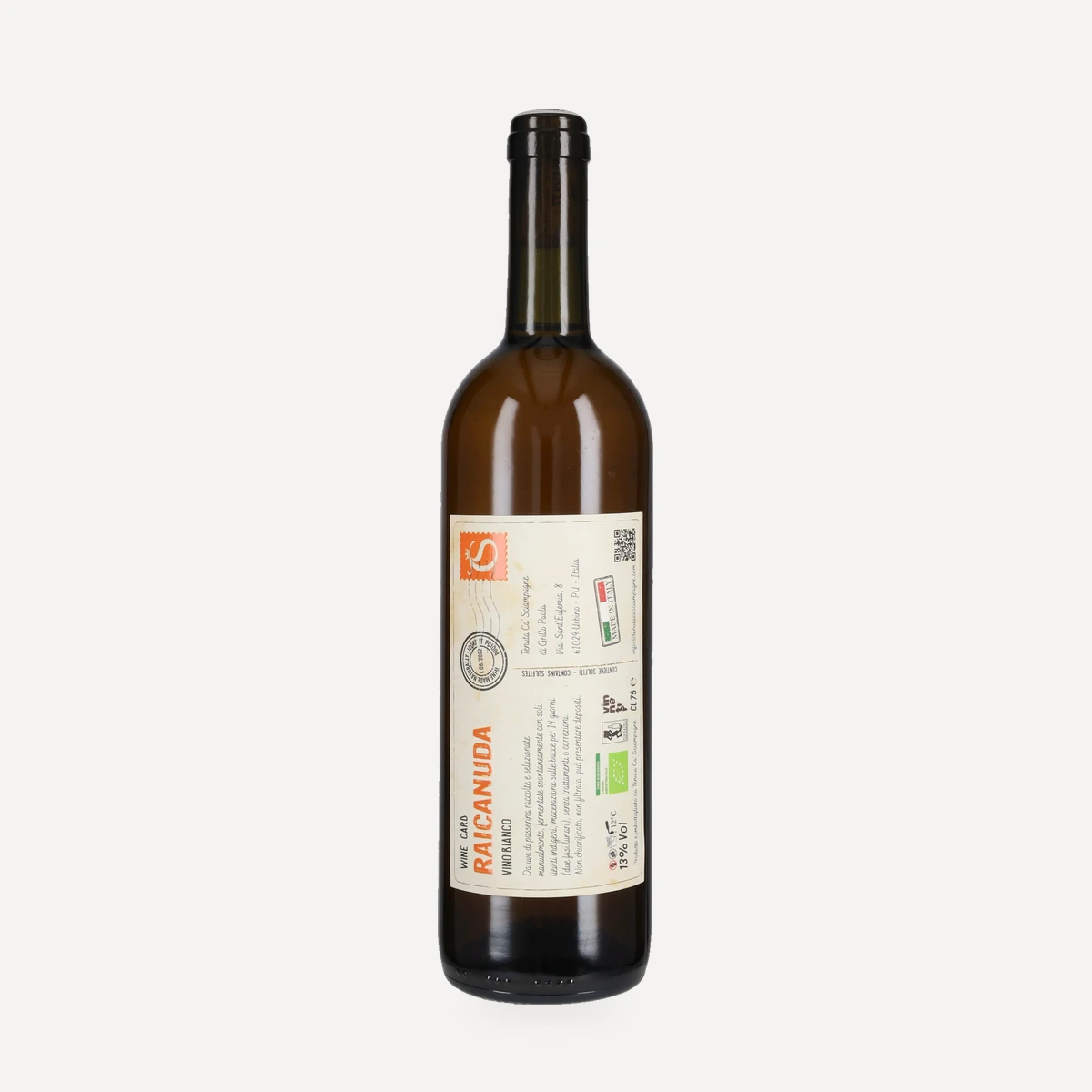
The cellar adopted a deliberately artisanal model: manual harvesting and selection, spontaneous fermentation with indigenous yeasts, no fining, no filtration and manual bottling. The range came to encompass white and orange wines, ancestral and refermented wines, reds, and sweet or contemplative passito wines. Family and local practices handed down between generations remain the basis of both vineyard work and production.
Terroir
The estate lies immediately outside Urbino, 3 km from the city, within the Monti delle Cesane Natural Park and in the Montefeltro area. The vineyards occupy the foothills of the Monti delle Cesane at an average elevation of approximately 380 m above sea level, with a predominantly southern exposure.
The Monti delle Cesane rise to 640 m, while the vineyards face the Apennine chain and Monte Catria at 1,702 m, Monte Nerone at 1,525 m and Monte Pietralata at 889 m. Alternating air currents move through this setting and help keep the vineyards largely free from the diseases that most commonly affect vines.
The soils are clayey, calcareous and rich in minerals. Together with the day-to-night temperature variations, these conditions contribute fragrance, aroma and mineral character to the grapes.
The estate understands terroir as the interaction of climate, geology, topography and soil: a living, complex system that nourishes the vines and enables them to concentrate the aromas and flavours of their surroundings. Human work in the vineyard and cellar is treated as part of that system, joining inherited practices with innovation.
Vinificazione
The vineyards are managed under a certified-organic system, and the cellar processes only grapes grown by the estate. Herbicides and synthetic chemical treatments are excluded. Vineyard protection is limited to rare applications of copper and sulfur at very low doses.
Alternating air currents across the vineyards provide natural assistance against common vine diseases. Harvesting and grape selection are performed manually. The work is guided by family and local agricultural traditions, with the grower’s role understood as an active part of the terroir rather than separate from it.
Production is based exclusively on estate-grown grapes and traditional, artisanal cellar methods.
Grapes are harvested and selected manually, then destemmed and crushed. Depending on the intended style, the fruit undergoes white vinification or skin maceration; skin contact is employed for both white and red wines. Fermentations begin spontaneously with indigenous yeasts. Processing aids are not added, and the wines are neither fined nor filtered.
Bottling is carried out manually. Added sulfur is used only rarely and in minimal quantities; potassium metabisulfite is reserved for cases of strict necessity.
Passito production follows a distinct process. Grapes are late-harvested and dried in the fruit loft for between three and six months. The slow dehydration increases their glycerin concentration. Passito wines mature in barrels and small caratelli made from locally used woods, including mulberry, oak, black locust, cherry and ash.
In the broader range, wooden vessels are otherwise reserved for a single red wine, Sacradebucce. The estate produces white and orange wines, ancestral and refermented styles, reds, and sweet or contemplative wines.
Filosofia
Tradition is the guiding principle of the estate’s work. Its approach draws on family knowledge and rural customs transmitted between generations, including practices that survive through oral and practical experience rather than formal manuals.
The estate uses “natural” as an informal description of its working method while acknowledging that the term has no formal oenological definition. In practice, this means certified-organic farming, complete artisanal production, spontaneous fermentation, no processing aids, no fining, no filtration and manual bottling. Added sulfur is kept to rare, minimal interventions.
The stated aim is to allow grapes and time to determine the identity of the wines. Respect for the land applies both to growing the fruit and transforming it in the cellar. The labels are conceived as parts of a journey through wine and as stories intended to be shared.
Vini
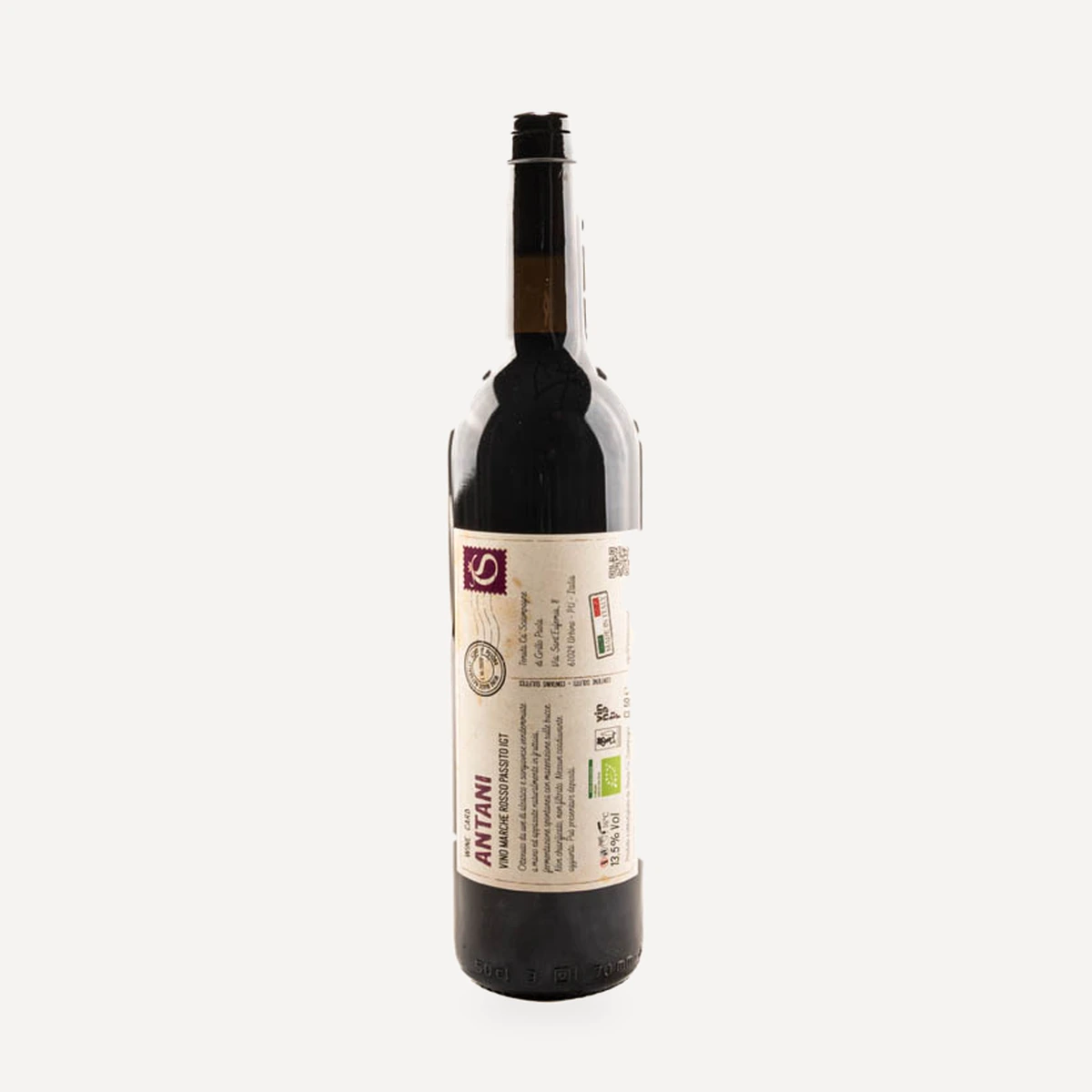
Antani
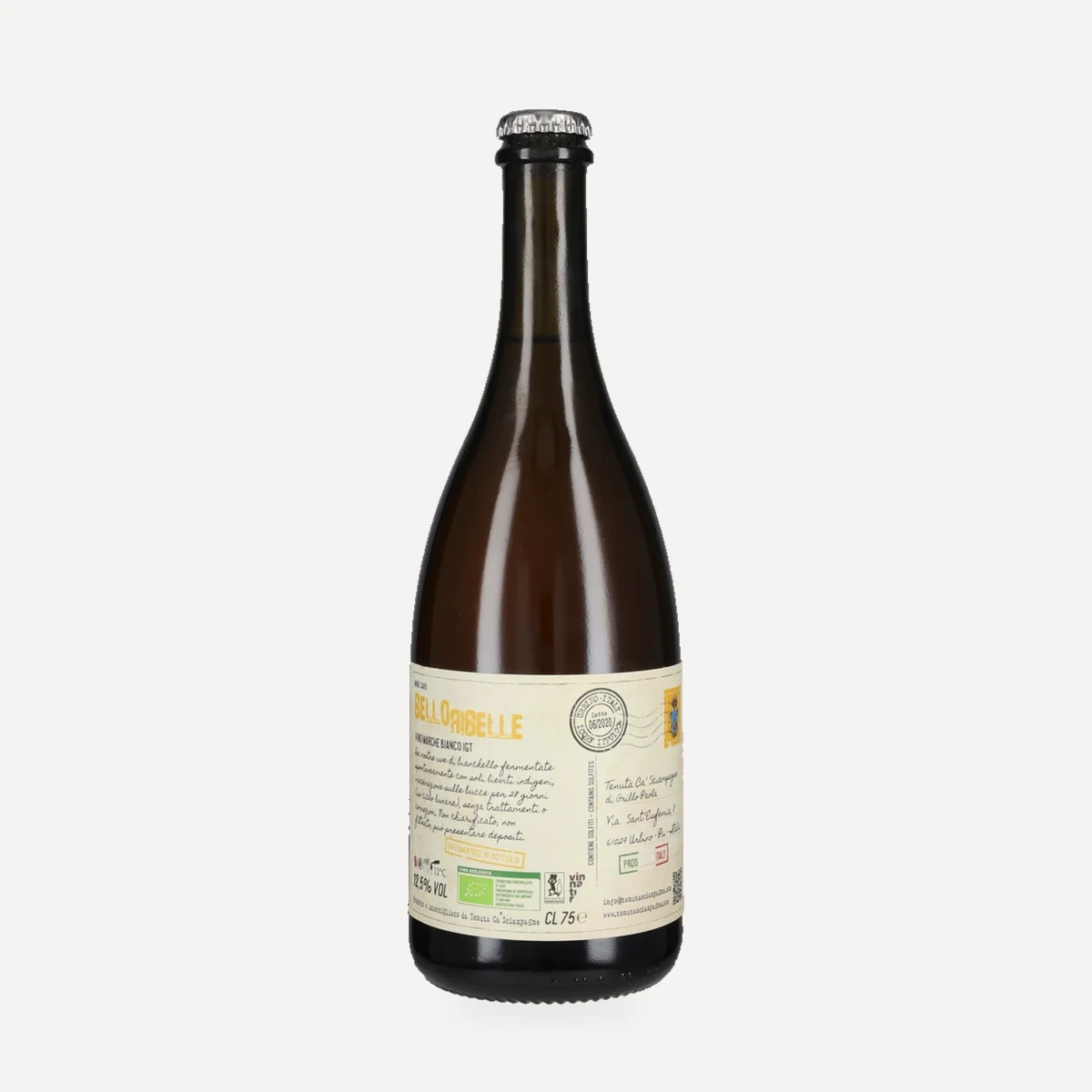
BelloRibelle
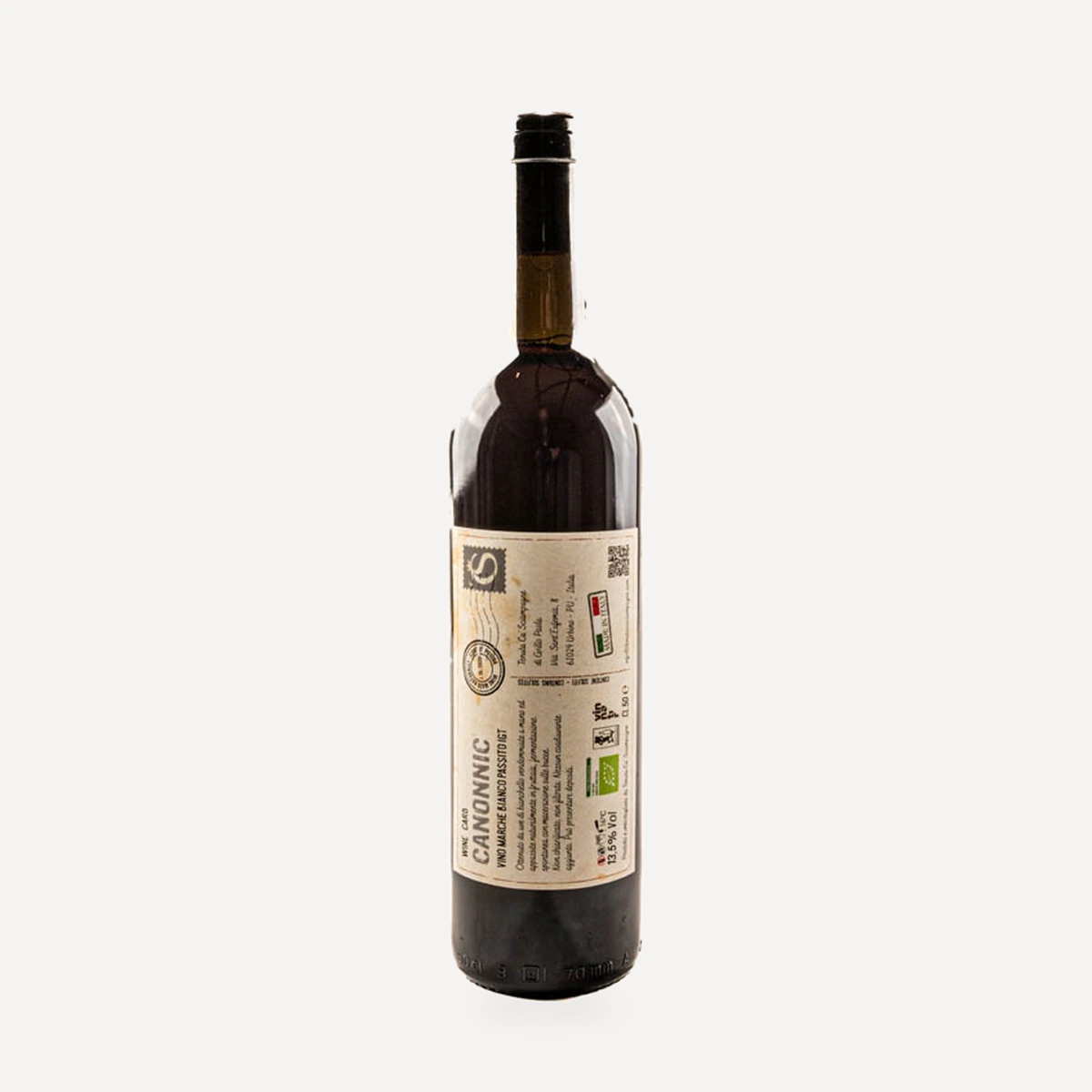
Canonnic
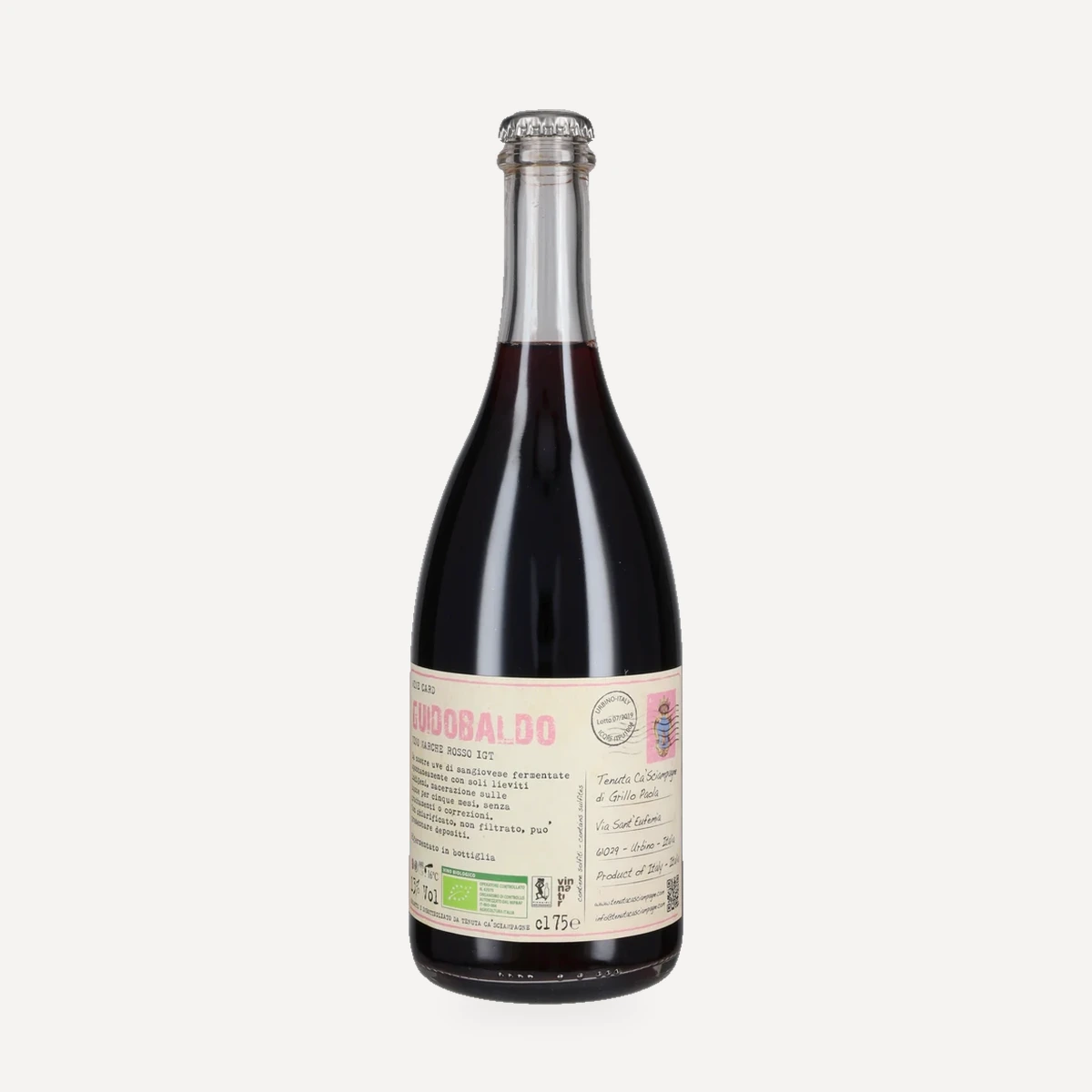
Guidobaldo
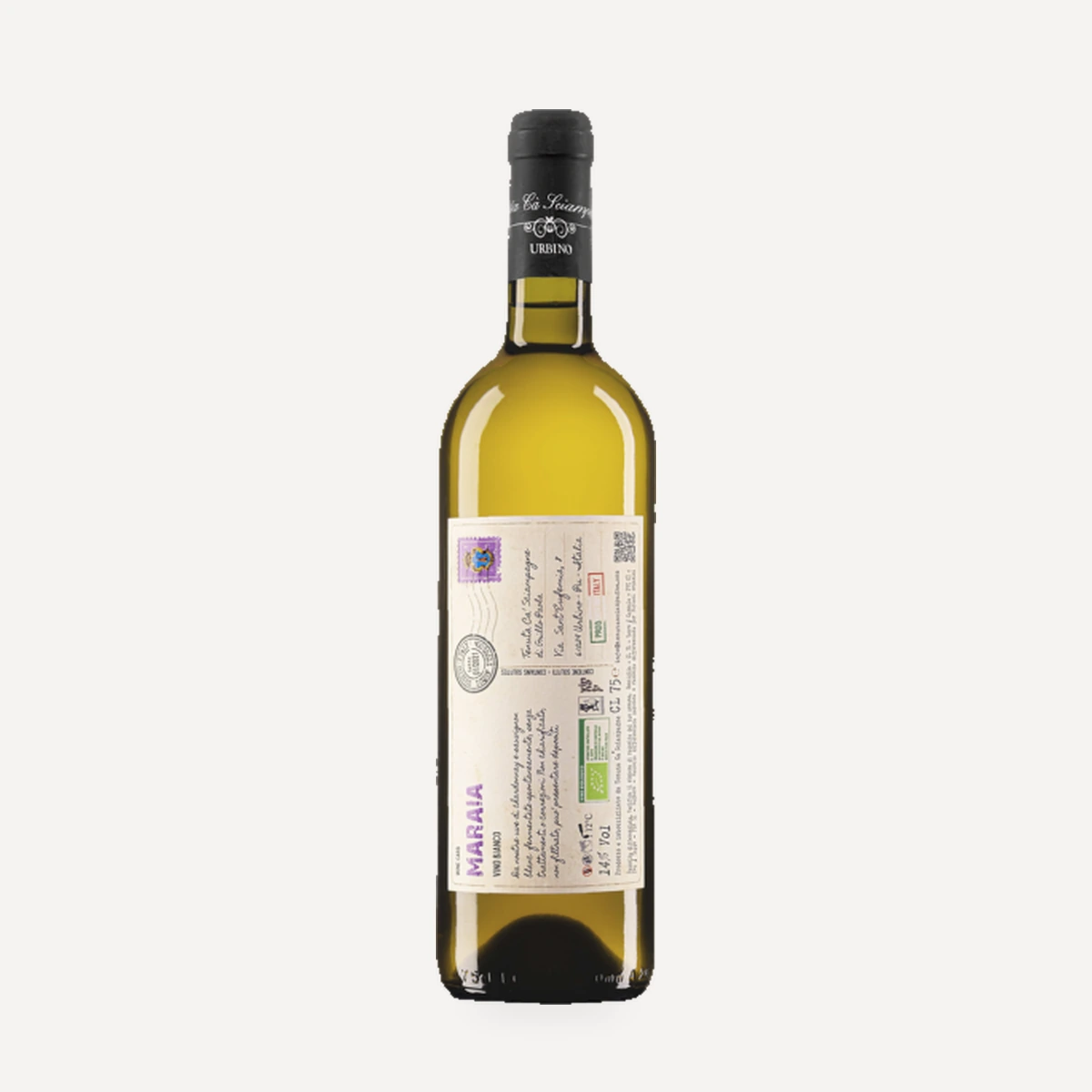
Maraia
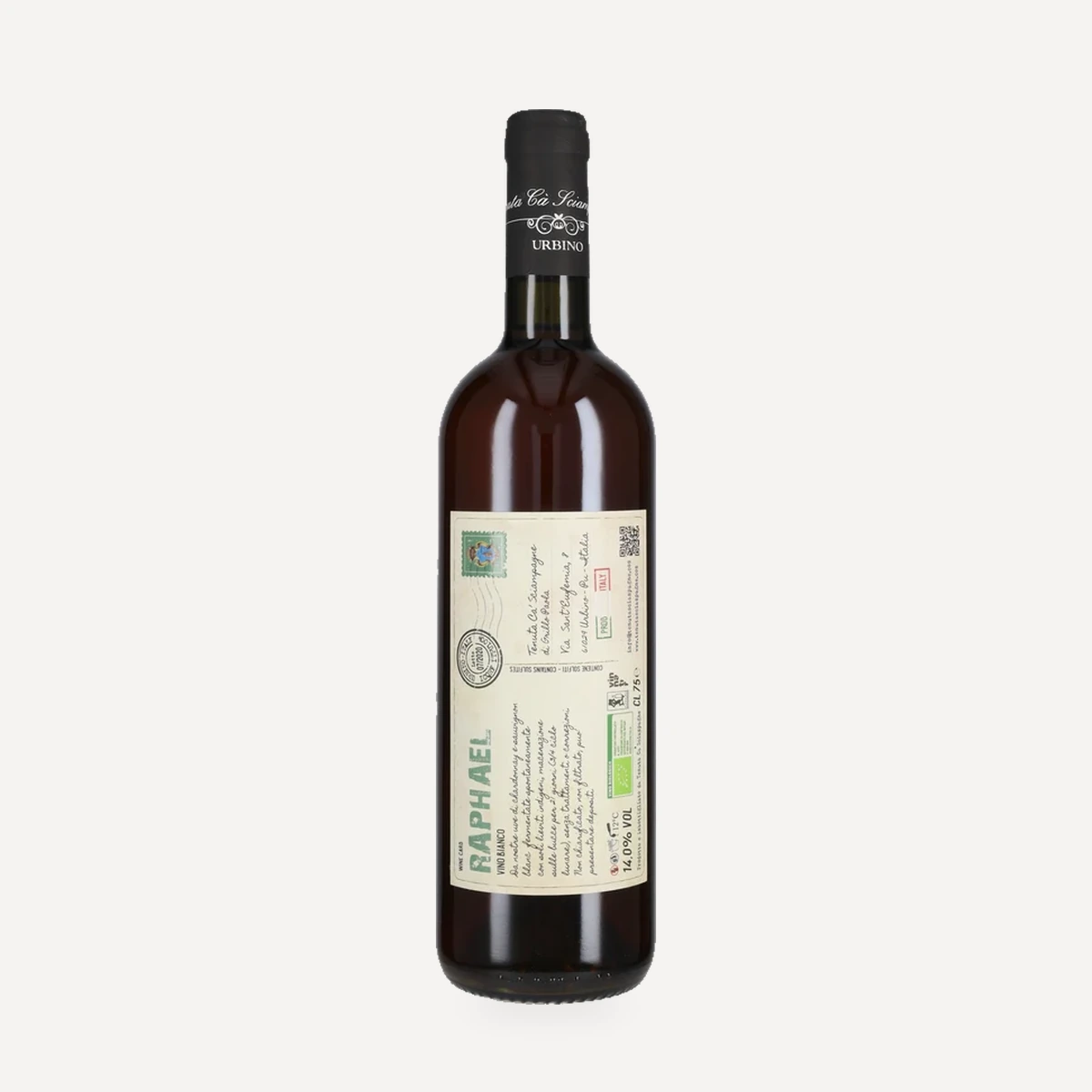
Raphael
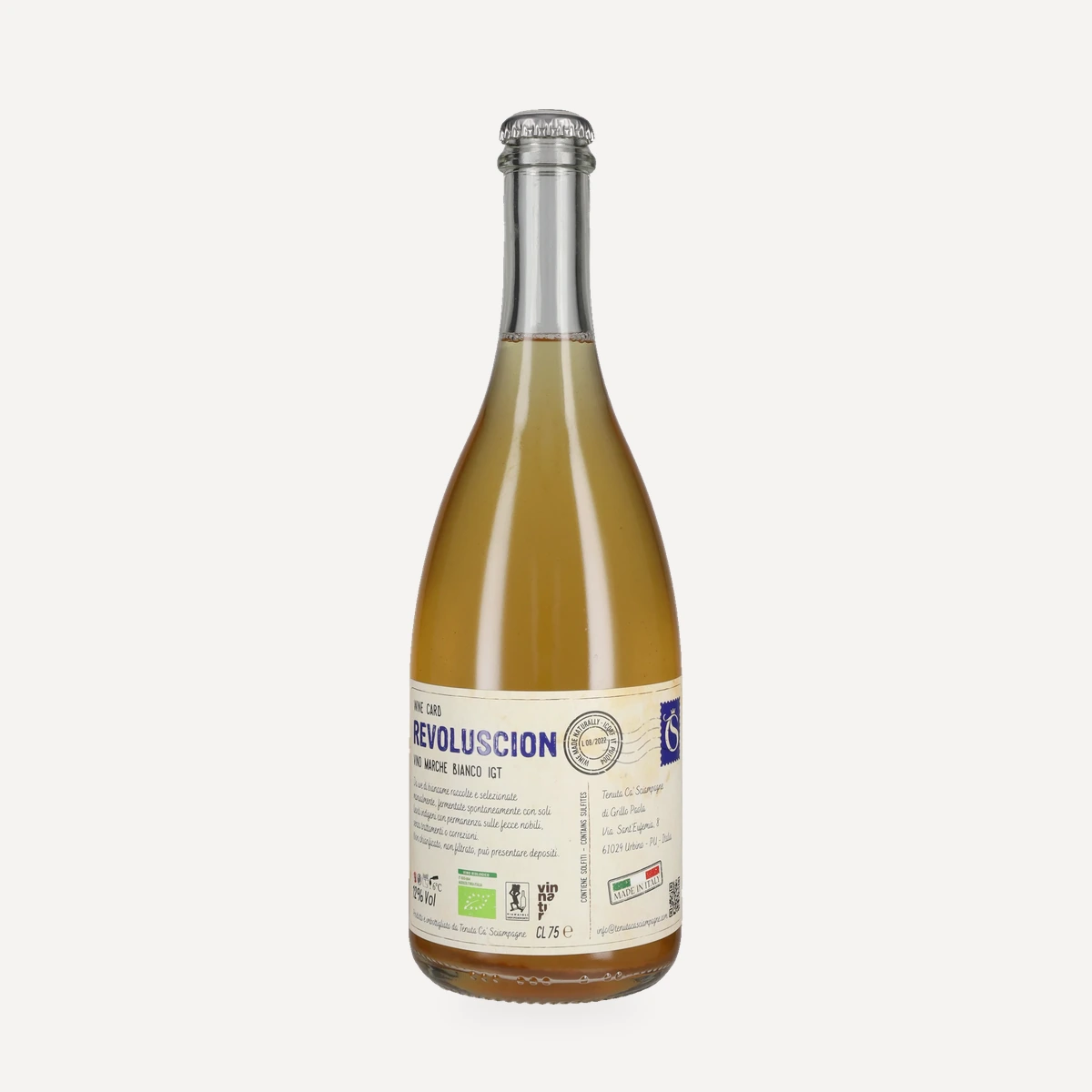
Revoluscion
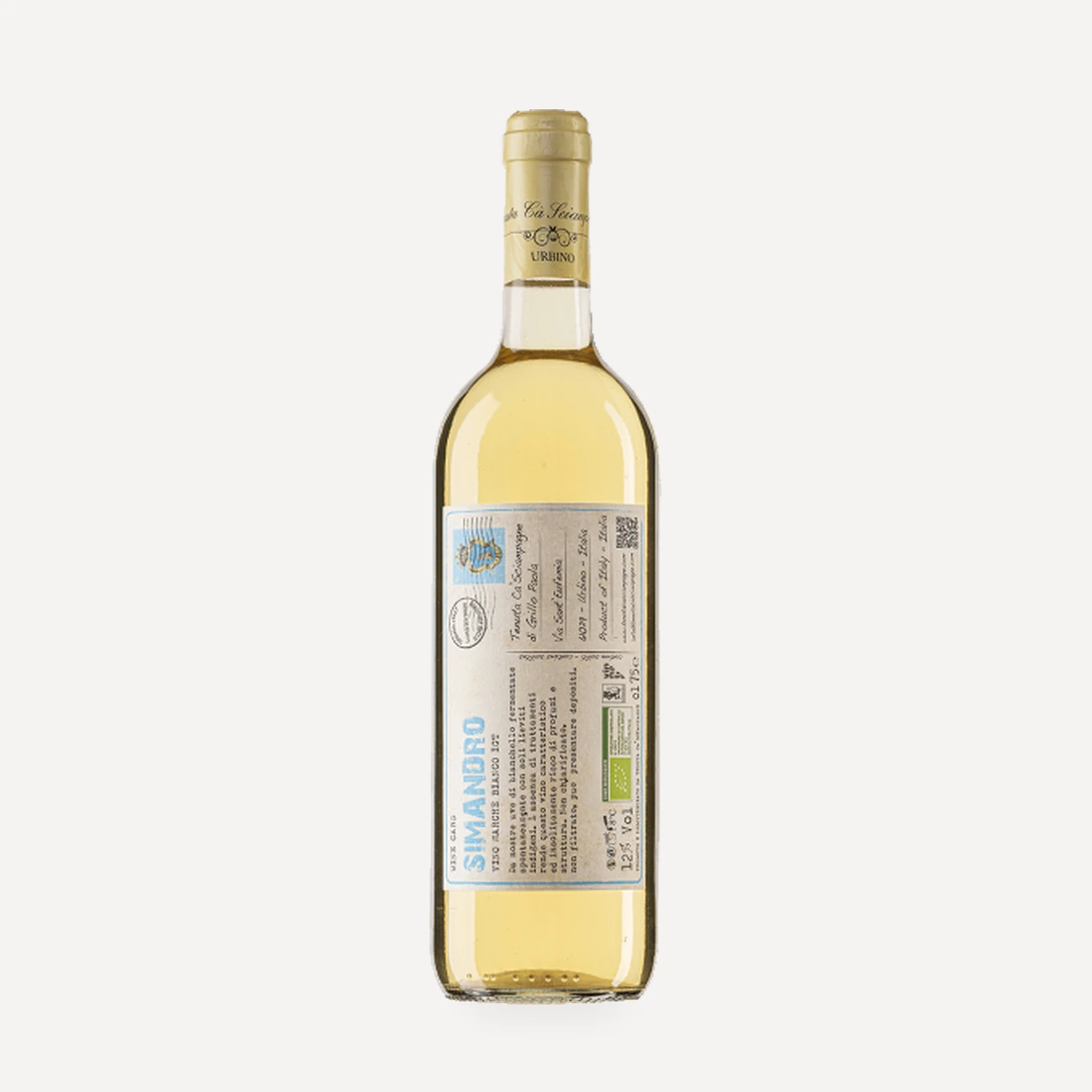
Simandro
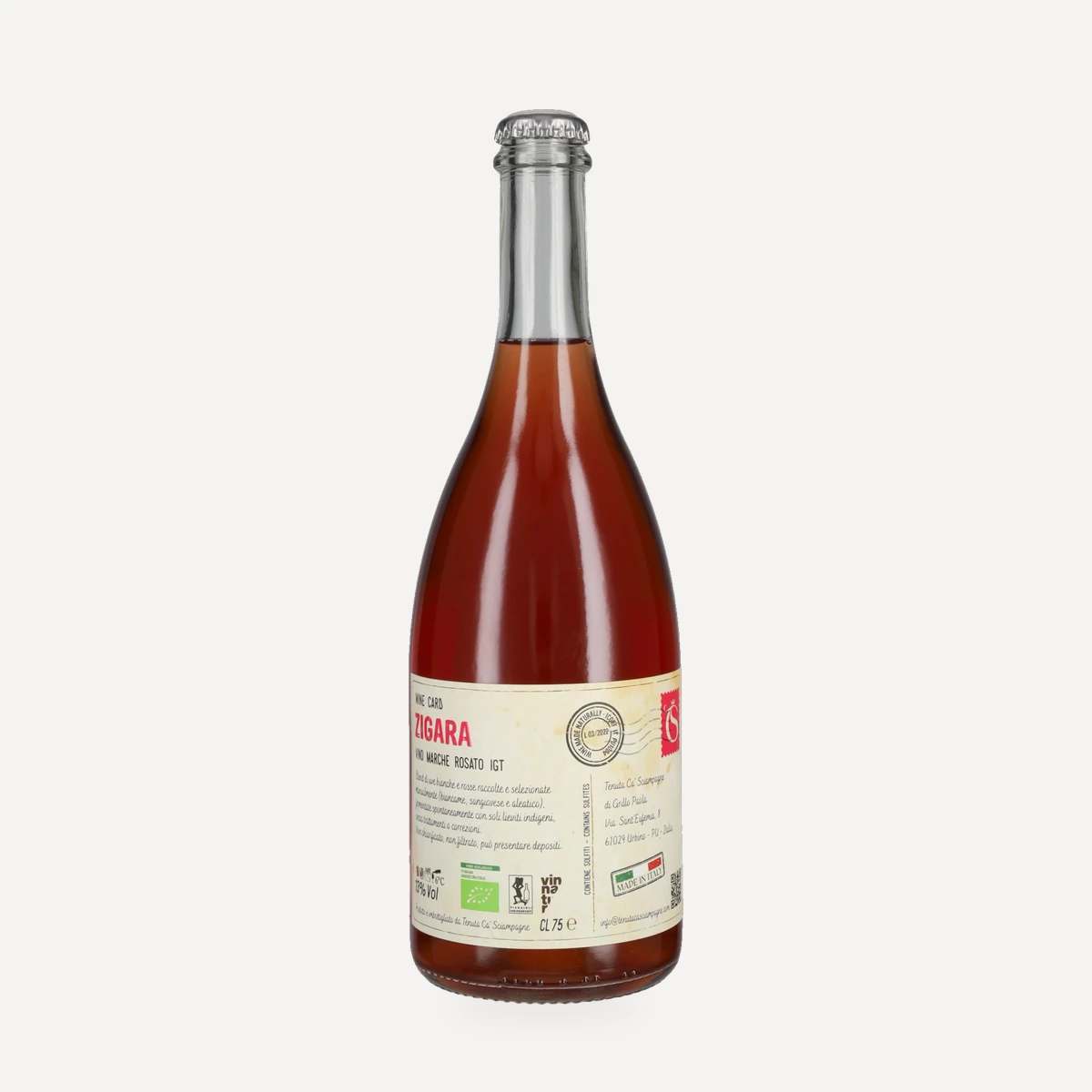
Zigara