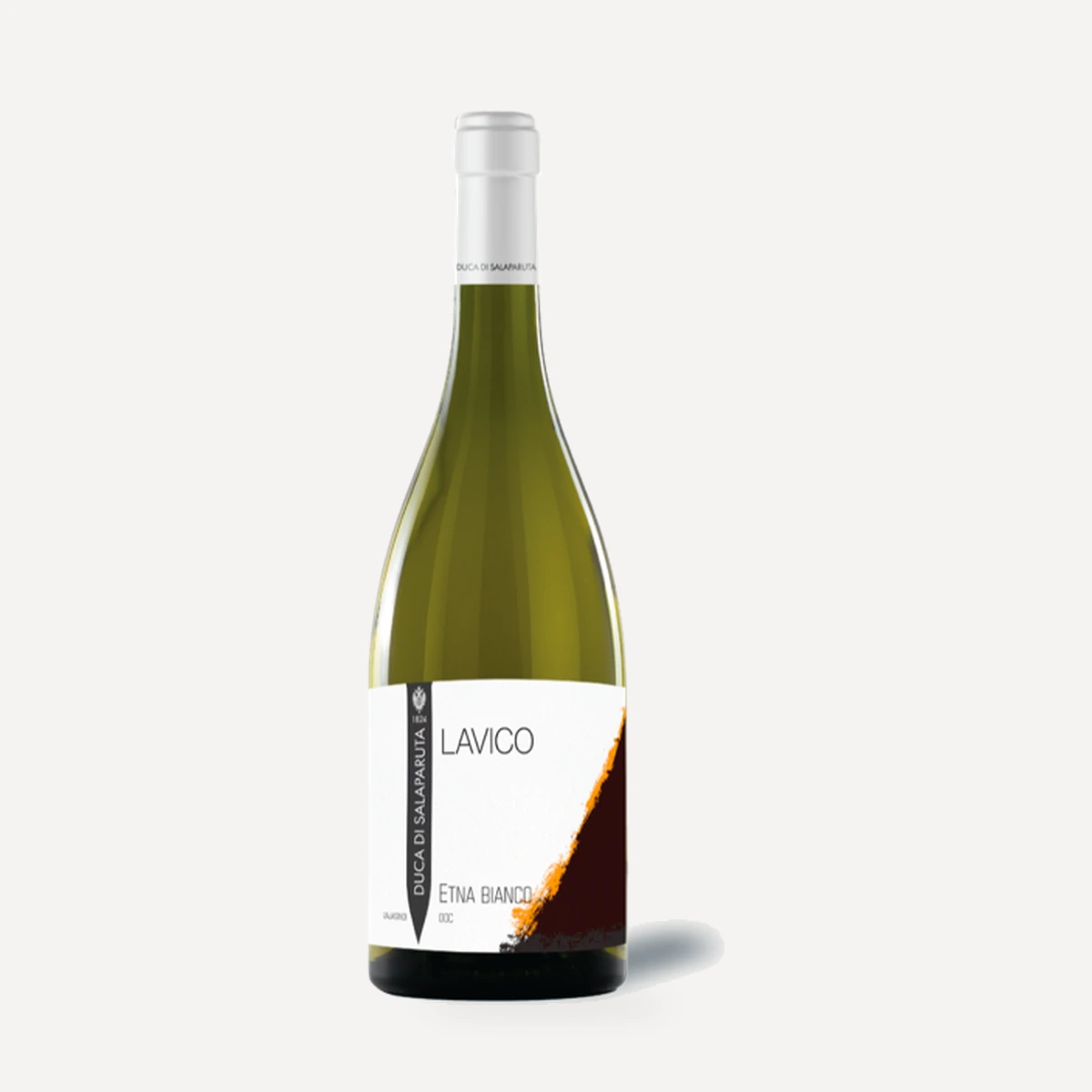
Questo vino
Vineyard and terroir
Carricante is grown at Tenuta Vajasindi on Etna, where its roots penetrate lava-derived volcanic soil. The site’s mineral character is reflected in the wine’s iodine-like, savoury profile.
Grapes
Carricante.
Vinification
The 2023 grapes were selected and picked by hand into crates on 15 October, then transported with small carts. At the winery the crates were unloaded manually and the bunches destemmed. The skins macerated for at least four hours before gentle crushing. Static settling separated the must from the solids, after which the clarified must fermented at a controlled 14–16 °C.
Ageing
The wine remained on its lysed yeasts for at least three months and then matured in bottle for at least one month before release.
Technical data
The 2023 has 13% alcohol, total acidity of 6.3 g/L and a pH of 3.21. The published format is 75 cl.
Tasting profile
Pale straw yellow with pronounced green reflections. The rich, intense bouquet shows tropical fruit, white peach and Mediterranean scrub, while the broader description adds iodine-like and occasionally spicy nuances. The palate is intense and balanced, combining marked freshness, savouriness and volcanic minerality with structure and a long, elegant persistence.
Serving and pairing
Suitable for seafood starters and flavourful Mediterranean first courses, as well as white meat, grilled vegetables and baked fish.
Vintage notes
Low rainfall in autumn and winter was followed by a cool, persistently rainy spring through June 2023. June and early July remained mild before temperatures rose steadily from early July until harvest. Picking was later than in previous years. Despite the agronomic challenges, the grapes achieved sound technological and phenological ripeness, giving the wine notable aromatic and palate complexity.