Questo vino
Vineyard and terroir
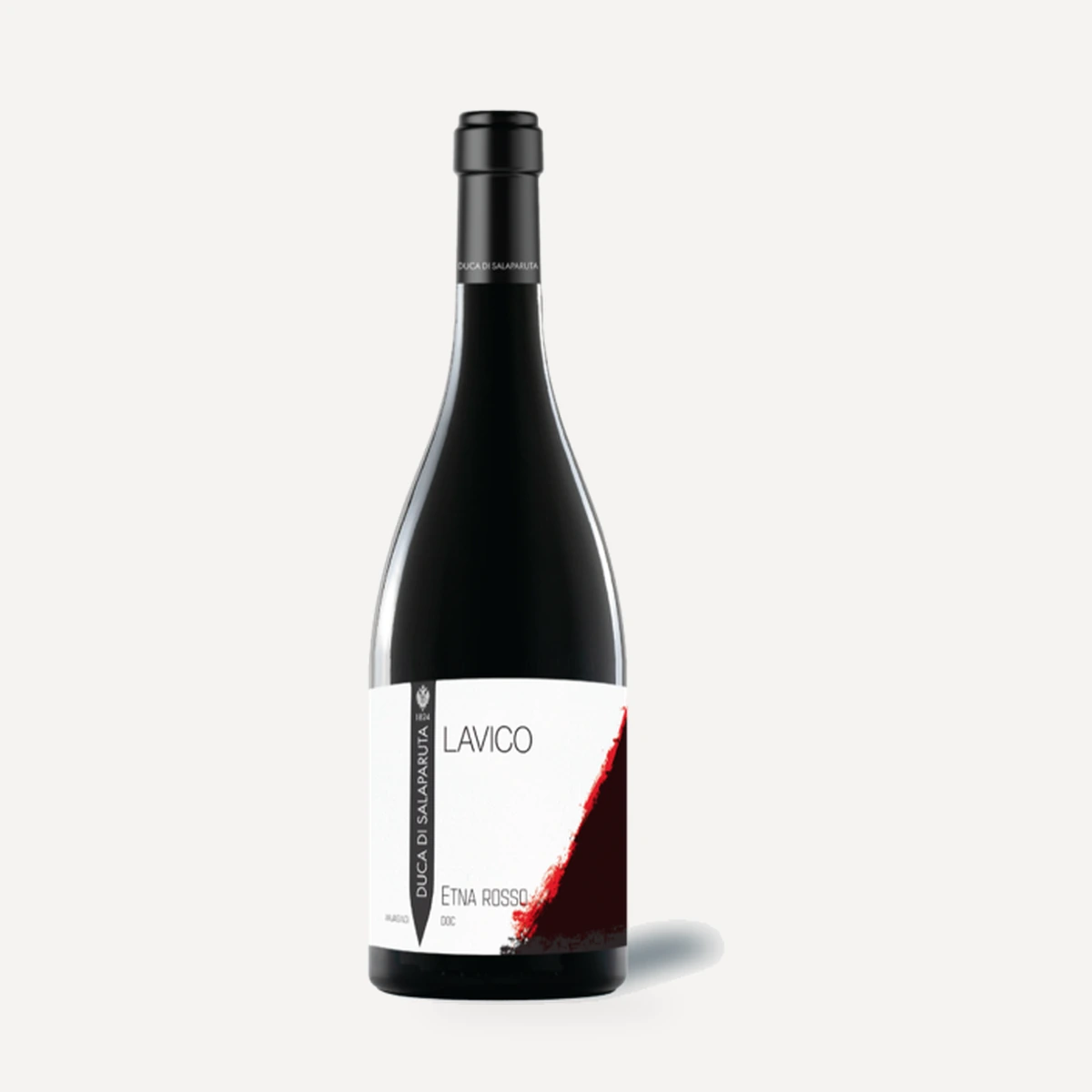
Lavico Etna Rosso comes from 5 hectares in contrada Piano dei Daini at Solicchiata, on the northern side of Etna. The vineyards stand between 622 and 652 metres above sea level. Their east–west rows have a western exposure.
The sandy volcanic soil derives from lava flows. It has a neutral pH, little active limestone and a good supply of organic matter. Average planting density is 4,800 vines per hectare, with yields of approximately 50–60 quintals per hectare. The vines are trained on vertical trellises and spur-pruned cordons, retaining four spurs with two buds on each spur.
Grapes
Nerello Mascalese.
Vinification
The bunches are destemmed before the grapes are loaded into the fermentation vat. Alcoholic fermentation lasts approximately two weeks. Movement of the skins begins after several days to encourage the extraction of polyphenols and anthocyanins. At the end of fermentation, the wine remains with the skins for at least another five days.
Following the initial racking, malolactic fermentation develops naturally in concrete tanks.
Ageing
After further rackings off the lees, the wine matures for at least one year, partly in concrete and partly in new and second-use French oak barriques. Bottle ageing continues for at least two months before release.
Technical data
- Classification: Etna Denominazione di Origine Controllata
- Alcohol: 13.5% vol.
- Total acidity: 6.4 g/L
- pH: 3.4
- Formats: 75 cl and 150 cl
- First vintage: 2020
- Cellaring potential: more than 10 years
Tasting profile
The color is a pale, luminous red. Red berries lead the aroma, joined by balsamic and mineral sensations and nuances of vanilla and spice. The palate is structured and elegant, with approachable freshness, a delicate saline note and mature, balanced tannins. The finish is persistent.
Serving and pairing
Serve at 14–16 °C. Pair with grilled or braised red meats, game, medium-aged or mature cheeses, and richly flavored meat dishes. Served somewhat cooler, it can also accompany savory fish preparations.
Vintage notes
The 2022 growing season followed a rainy winter and dry spring. The principal phenological stages were slightly earlier than the recent average. A very warm start to summer gave way to more moderate temperatures toward its end. Grapes were selected and harvested by hand on 28 September, placed in crates and taken to the winery using small carts and tractors.