Storia
The Etna project
Tenuta di Vajasindi developed as Duca di Salaparuta's estate on the northern slope of Mount Etna. Its defining historical project began in 2003, when oenologist Giacomo Tachis arrived on Etna and chose to investigate the potential of Pinot Nero. The project placed a complex international variety in a then-emerging Etna wine territory, alongside the estate's native Nerello Mascalese and Carricante.
Establishing the Pinot Nero vineyards
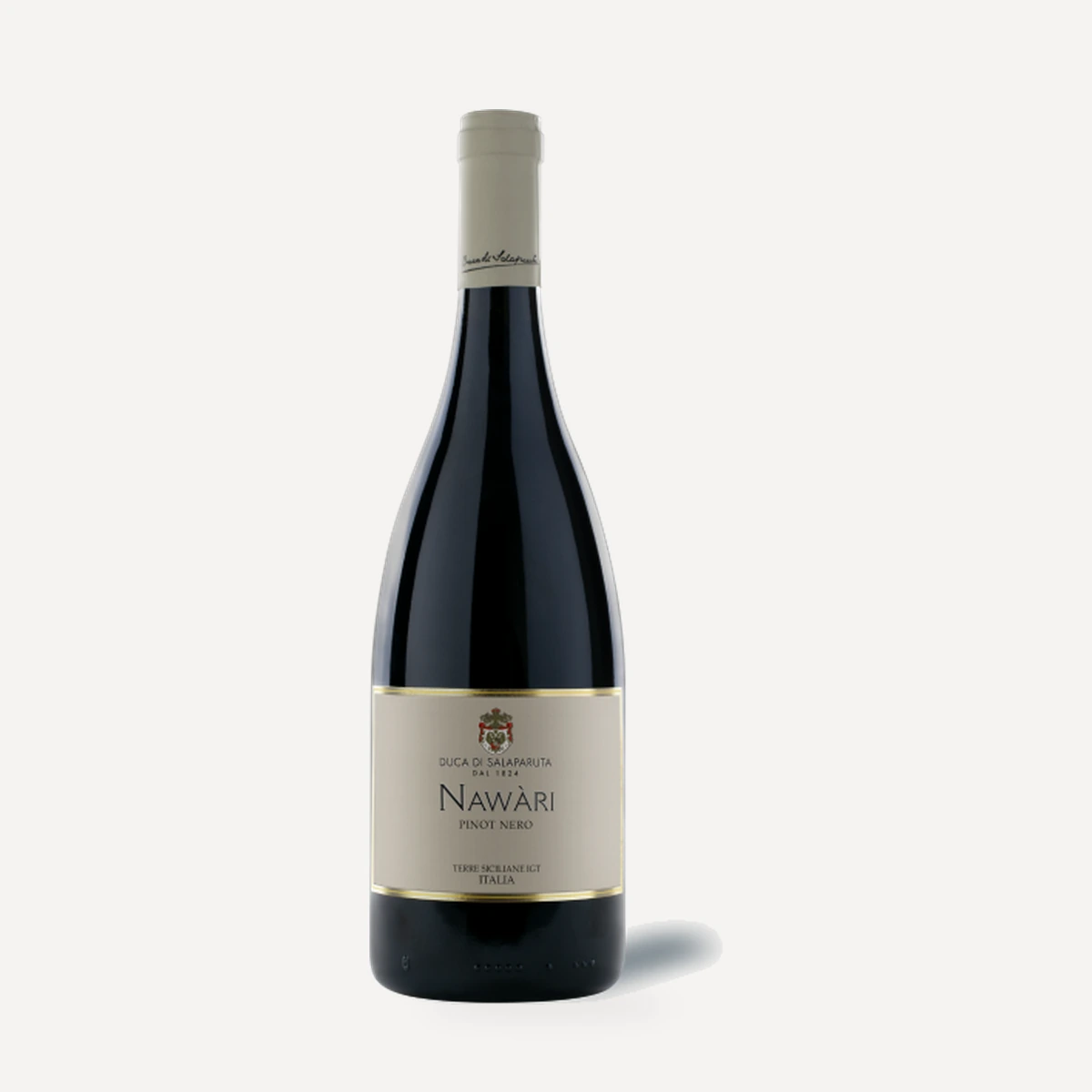
The Pinot Nero vineyards associated with Nawàri were planted in 2004 at Passopisciaro. They occupy two levels between 830 and 860 metres above sea level. This high-altitude planting became the basis of the estate's continuing Pinot Nero work, subsequently expressed through both still and sparkling winemaking projects.
Expansion of the Etna range
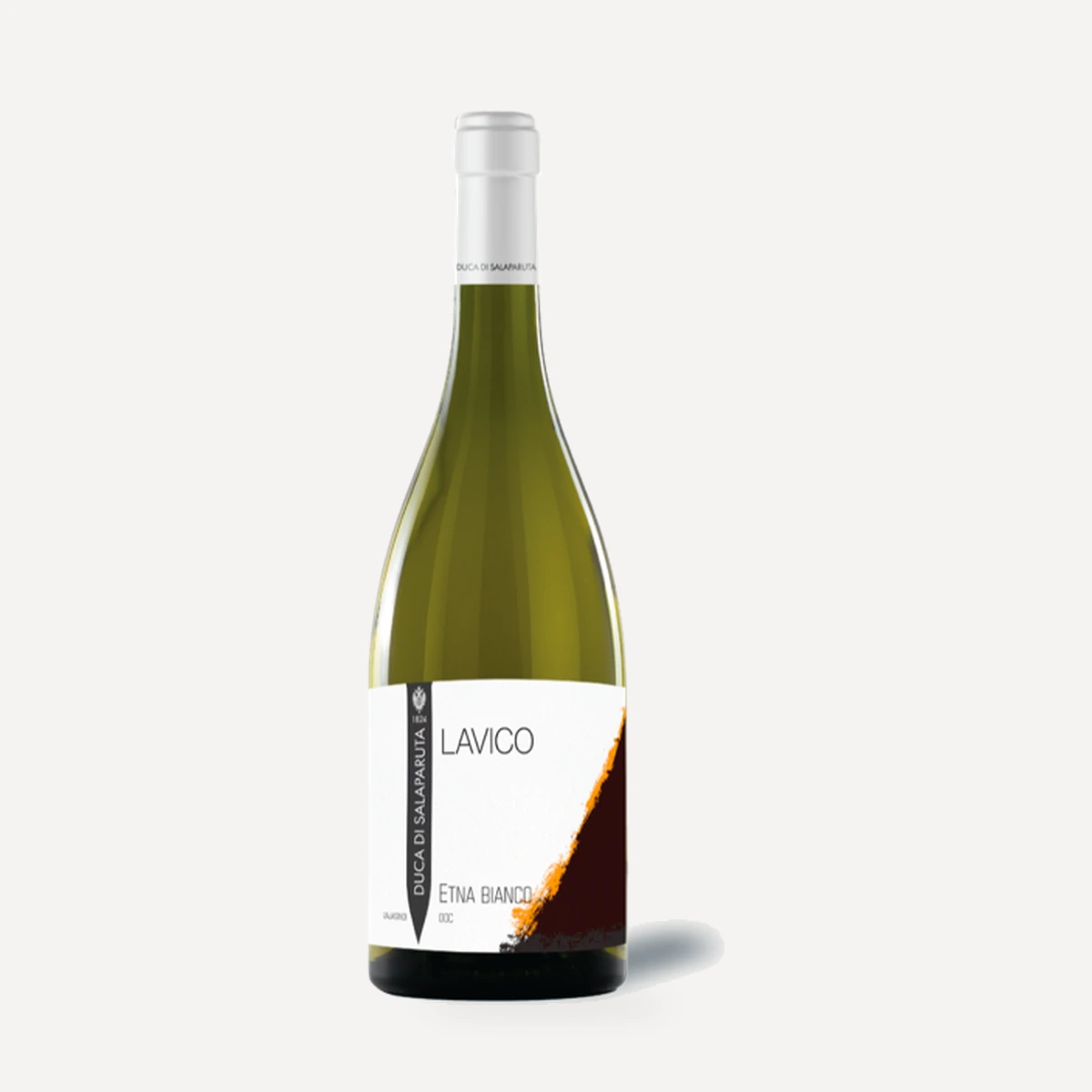
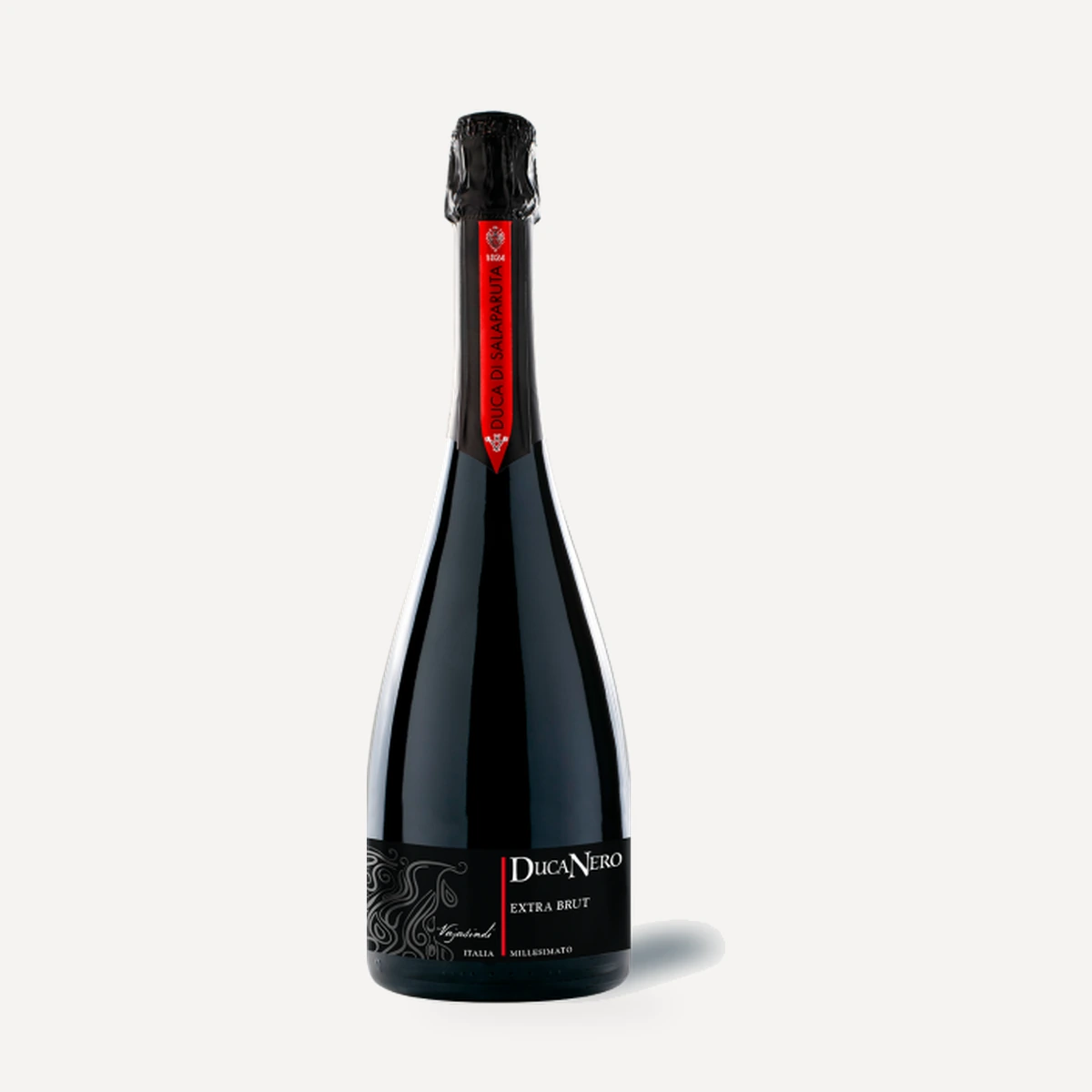
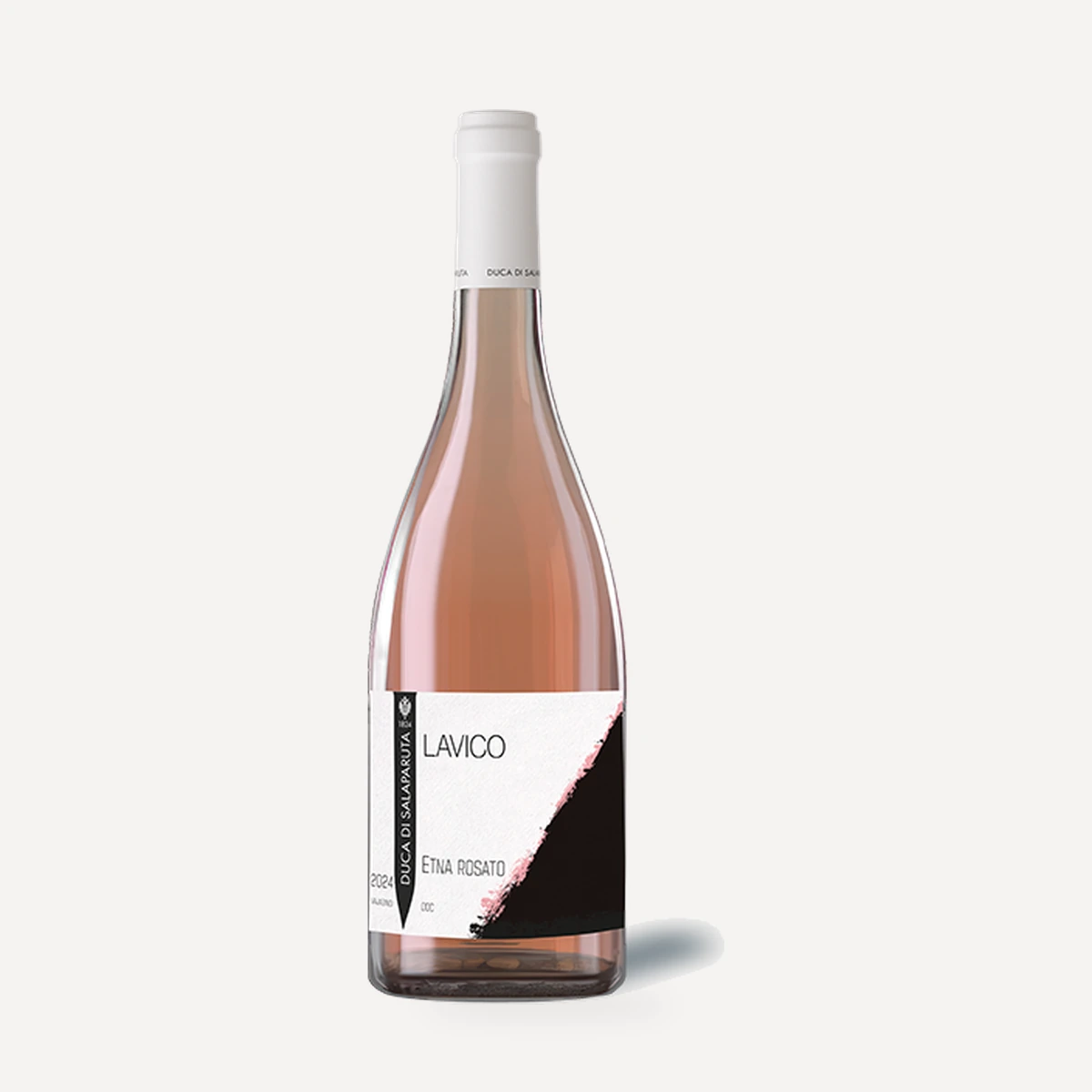
The first vintage of the Charmat-method Pinot Nero project Duca Nero was produced in 2019. The estate subsequently introduced Etna DOC expressions from native varieties: the first Lavico Rosso vintage, based on Nerello Mascalese, was 2020, followed by the first Lavico Bianco vintage, based on Carricante, in 2021. Lavico Rosato, also from Nerello Mascalese, later joined the Etna range.
Terroir
Setting
Tenuta di Vajasindi lies on the northern slope of Mount Etna. Its principal address is in the Passopisciaro district of Castiglione di Sicilia, while vineyard documentation also identifies Solicchiata and contrada Piano or Piana dei Daini. Current material for the Carricante production area extends the estate's geographical description across the municipalities of Castiglione di Sicilia and Randazzo. Some vineyard blocks face the Alcantara Valley.
The estate covers 21 hectares. Its principal vineyards are described as occupying three terraces bounded by dry-stone walls: one at approximately 700 metres and two at approximately 620 metres above sea level. More detailed vineyard records document a broader altitude range. Nerello Mascalese blocks at Solicchiata lie between 622 and 652 metres, an earlier Carricante record gives 600–800 metres, and the high-altitude Pinot Nero vineyards at Passopisciaro reach 830–860 metres.
Relief and exposure
The Passopisciaro site is predominantly level. Vineyard orientations there are divided between northwest–southeast and northeast–southwest. The high Pinot Nero vineyards face north; their documented row bearings are 53° northwest on the lower terrace and 100° northwest on the upper terrace.
At Solicchiata, the dominant orientations are northeast–southwest, with some north–south rows. A documented Nerello Mascalese block in contrada Piano dei Daini has east–west rows and a western exposure.
Climate
Winters are cold and snowy, springs are cool and summers are dry. The area is ventilated while retaining sufficient humidity. The principal climate panel gives reference temperatures of 10°C and 21°C.
The high Passopisciaro vineyards also experience marked day–night temperature variation. Their summers are described as dry and mild. In the 2020 season, late spring rain created a useful soil-water reserve; high daytime summer temperatures were moderated by ventilation, dry conditions and the diurnal range.
Geology and soils
The soils are volcanic, formed through the disintegration and erosion of lava flows of different ages together with eruptive materials including lapilli, ash and sand. The documented Passopisciaro and Solicchiata blocks have predominantly sandy volcanic soils with a neutral pH, little active limestone and a good supply of organic matter.
The Nerello Mascalese site between 622 and 652 metres is further described as having deep, sandy soils rich in organic matter, created by erosion of lava flows on Etna's northern slope.
Vinificazione
The estate's prevailing system is vertical-trellis training with spur-cordon pruning. The general specification is four spurs per vine and two buds per spur, an average density of 4,800 vines/ha, and yields of approximately 50–60 quintals/ha. Individual blocks differ: the high-altitude Pinot Nero vineyards yield 30–40 or 40–50 quintals/ha, while the documented Nerello Mascalese rosato block yields 60–70 quintals/ha. An earlier Carricante specification records Guyot rather than spur-cordon training.
Harvest protocols documented across Pinot Nero, Nerello Mascalese and Carricante rely on manual picking and selection. Pinot Nero has been collected in small 3 kg crates, with an additional conveyor-belt selection after the crates are unloaded; fruit for Nawàri was transported to the cellar in a refrigerated truck. Carricante has been selected manually into crates during harvest. Nerello Mascalese has been picked and selected by hand, with small carts and tractors used to transport crates from the vineyard. For the 2024 rosato harvest, bunches were selected directly on the vine to preserve fruit integrity.
Filosofia
The estate's defining approach is one of viticultural and oenological exploration. The Pinot Nero project begun in 2003 deliberately tested a demanding variety in a new Etna setting, while subsequent work with Nerello Mascalese and Carricante developed estate expressions rooted in the volcanic soils and microclimates of Etna's northern slope.
The resulting direction combines international and native varieties rather than treating them as opposing paths: Pinot Nero represents the experimental challenge, while Nerello Mascalese and Carricante connect the estate directly with its Etna environment.
Vini
Nawàri
Duca Nero
Lavico Rosato
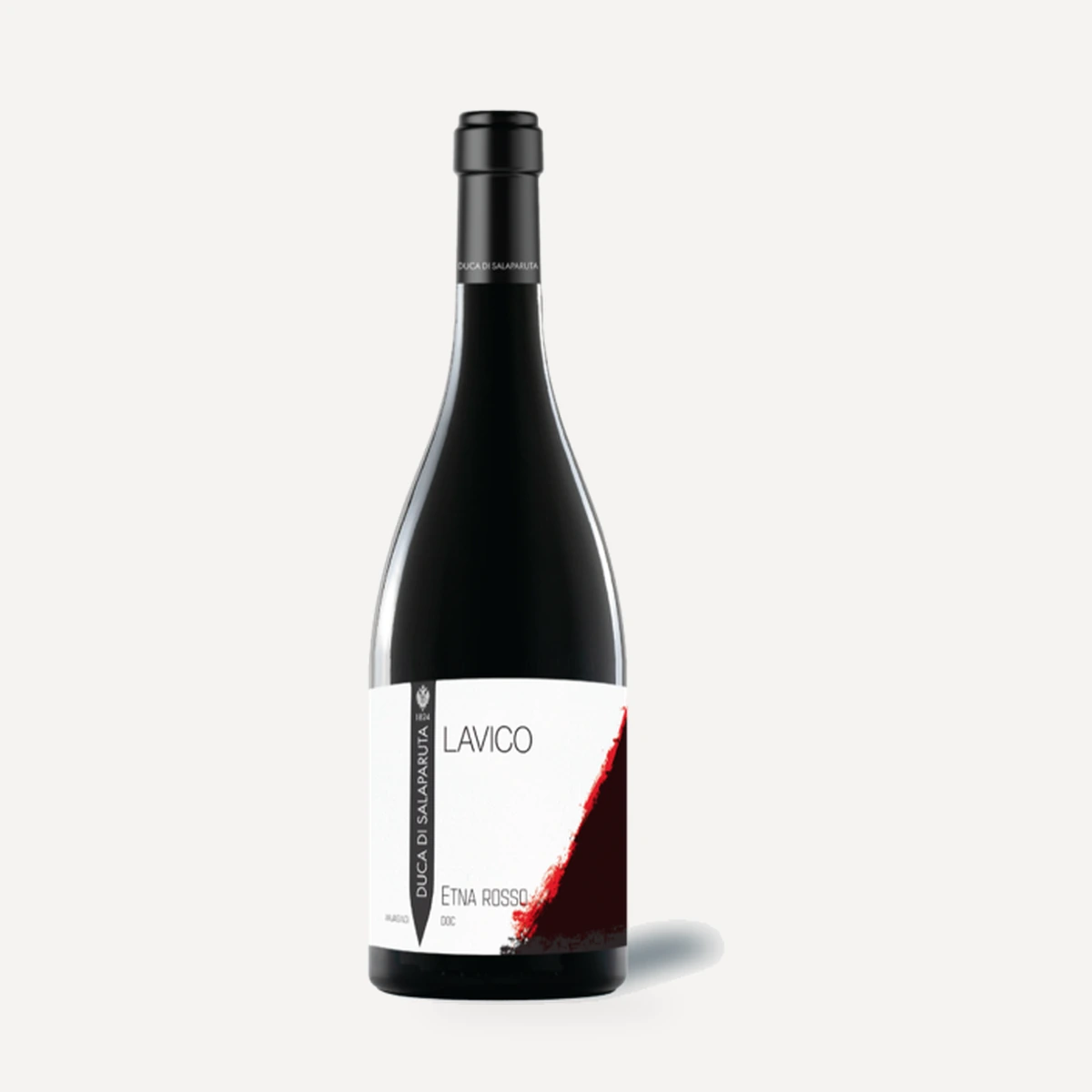
Lavico Etna Rosso