Storia
Origins
Tère Rüse began as the project of two wine enthusiasts seeking a change in their quality of life. Their approach joined viticulture and cellar work with hospitality, food and direct contact with customers through the estate’s agrivineria.
Development of the cellar approach
From the project’s beginning, the partners pursued both conventional stainless-steel fermentation and an experimental approach based on terracotta amphorae. After trials, they adopted amphorae for the fermentation and maturation of selected wines and began working with Tuscan artisan Leonardo Parisi of Artenova.
The cellar subsequently developed two complementary maturation paths. Selected wines undergo very long skin macerations—sometimes lasting several months—followed by maturation on fine lees in amphora. Wines intended for extended ageing follow a Piedmontese model based on large oak casks. For this programme, Tère Rüse selected Gamba vessels made from strictly untoasted French oak, intended to preserve varietal and wine character during maturation.
Agrivineria and direct hospitality
The agrivineria was created to combine the partners’ interest in wine with a direct relationship with guests. It serves home-style Piedmontese cooking, uses seasonal produce from the estate’s own vegetable garden and orchard, and works with small local farmers, preferably organic producers, when its own harvest is insufficient. Products served with aperitifs come from local agricultural charcuteries and dairies; some are matured in a dedicated cellar at the estate.
Terroir
The vineyards lie at approximately 240 metres above sea level in the Mombaruzzo area of Piemonte. One specifically described site is the estate’s oldest Barbera vineyard, rooted in tenacious red clay. This soil and the terracotta used for vinification provide the two “terre”—or lands—behind the name El Do Tère.
The estate also grows Pinot Nero vines with an average age of approximately 50 years. The Pinot Nero is described as the only international variety cultivated by Tère Rüse. No vineyard-by-vineyard account of exposure, rainfall, temperature range or underlying geology is given.
Vinificazione
Tère Rüse cultivates its vineyards according to an organic method and gives priority to manual work, keeping mechanised intervention to a minimum.
Biodiversity measures include maintaining boundary hedges and buffer strips, installing artificial nesting boxes and sowing mixed green-manure cover crops. These mixtures are intended to nourish the soil rather than directly fertilise the vines, encourage beneficial insects, increase soil microbial activity and build humus.
Grapes are harvested and selected by hand. Bunches are placed in crates to preserve freshness and organoleptic qualities until crushing. For the traditional-method rosé, harvesting takes place at an earlier stage of ripeness.
Grape reception and fermentation
After harvest, the grapes are destemmed and crushed. Alcoholic fermentation follows, converting the must’s sugars into alcohol, and malolactic fermentation forms part of the subsequent maturation process. The cellar relies exclusively on indigenous yeast populations found on the grape skins and within the winery.
Tère Rüse characterises its work as artisanal and minimally invasive. It avoids enological treatments designed to alter the harvested fruit or resulting wine: there is no filtration, clarification or addition of processing aids. Sulphur dioxide is used only in reduced quantities at selected stages, including bottling.
Stainless steel and terracotta
Stainless-steel tanks are used for fermentation, while selected wines ferment and mature in terracotta amphorae. The first vessels chosen were made from Terracotta di Impruneta. Their porosity is intended to allow gases to move outward and to maintain a lower temperature than steel, supporting slower development while retaining aromatic delicacy.
Some amphora wines remain in contact with their skins for very long periods, extending to several months, and then continue to mature in amphora on fine lees. The estate adopted this method after experimental trials and works with Leonardo Parisi of Artenova in Tuscany.
Pressing, maturation and bottling
Following fermentation and pressing, the wine rests. Younger wines are bottled during the following spring, while wines intended for longer development move to the ageing cellar.
The long-ageing programme draws on the Piedmontese tradition of large oak casks. Tère Rüse uses Gamba vessels made from strictly untoasted French oak so that maturation does not mask primary varietal or wine character. Individual lots may also mature in 500-litre tonneaux.
All bottling is carried out without filtration. The estate uses dark-glass bottles to protect wines during ageing. Its closures are made with natural plant-derived polymers, are recyclable and TCA-free, and are presented as suitable for ageing fine wines for as long as 25 years.
Filosofia
Tère Rüse’s guiding image is wine as the earth’s song to the sky, shaped through human hands. In practice, this means a deliberately low-intervention approach in both vineyard and cellar.
The project seeks to make wine principally from grapes and manual work rather than treating wine as an industrial drink assembled from multiple ingredients. Indigenous fermentations, the rejection of filtration and clarification, limited sulphur use and the selection of neutral maturation vessels all serve the stated aim of retaining the qualities of the harvested grapes.
Its cellar philosophy deliberately combines innovation and tradition. Terracotta amphorae support experimentation with prolonged maceration and fine-lees ageing, while large, untoasted oak casks continue the Piedmontese tradition for wines requiring extended maturation.
The same values extend beyond wine. The agrivineria is intended to create a direct relationship with customers, while its kitchen favours estate-grown produce, nearby farms and organic suppliers that share its approach to agriculture and food.
Vini
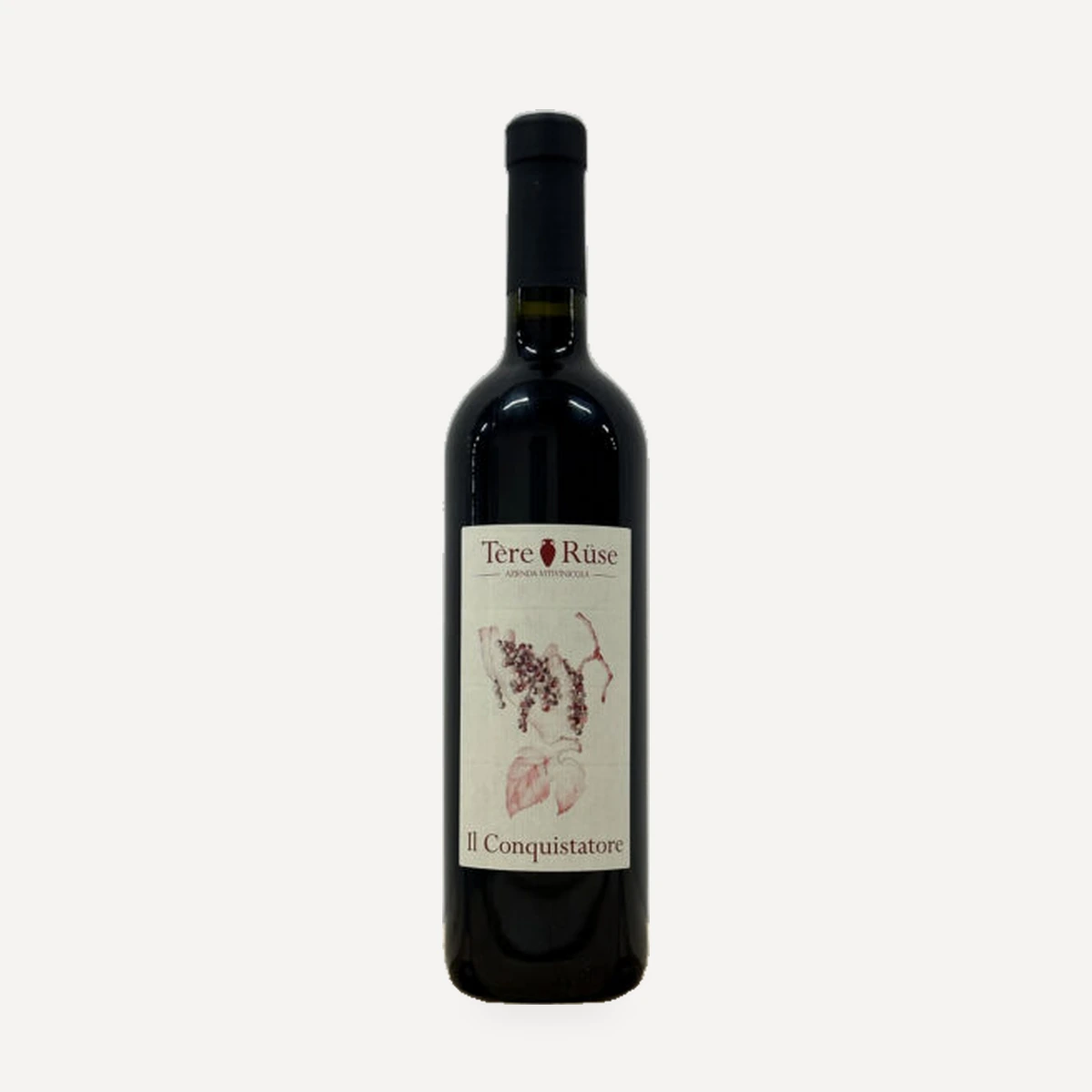
Il Conquistatore: vino rosso
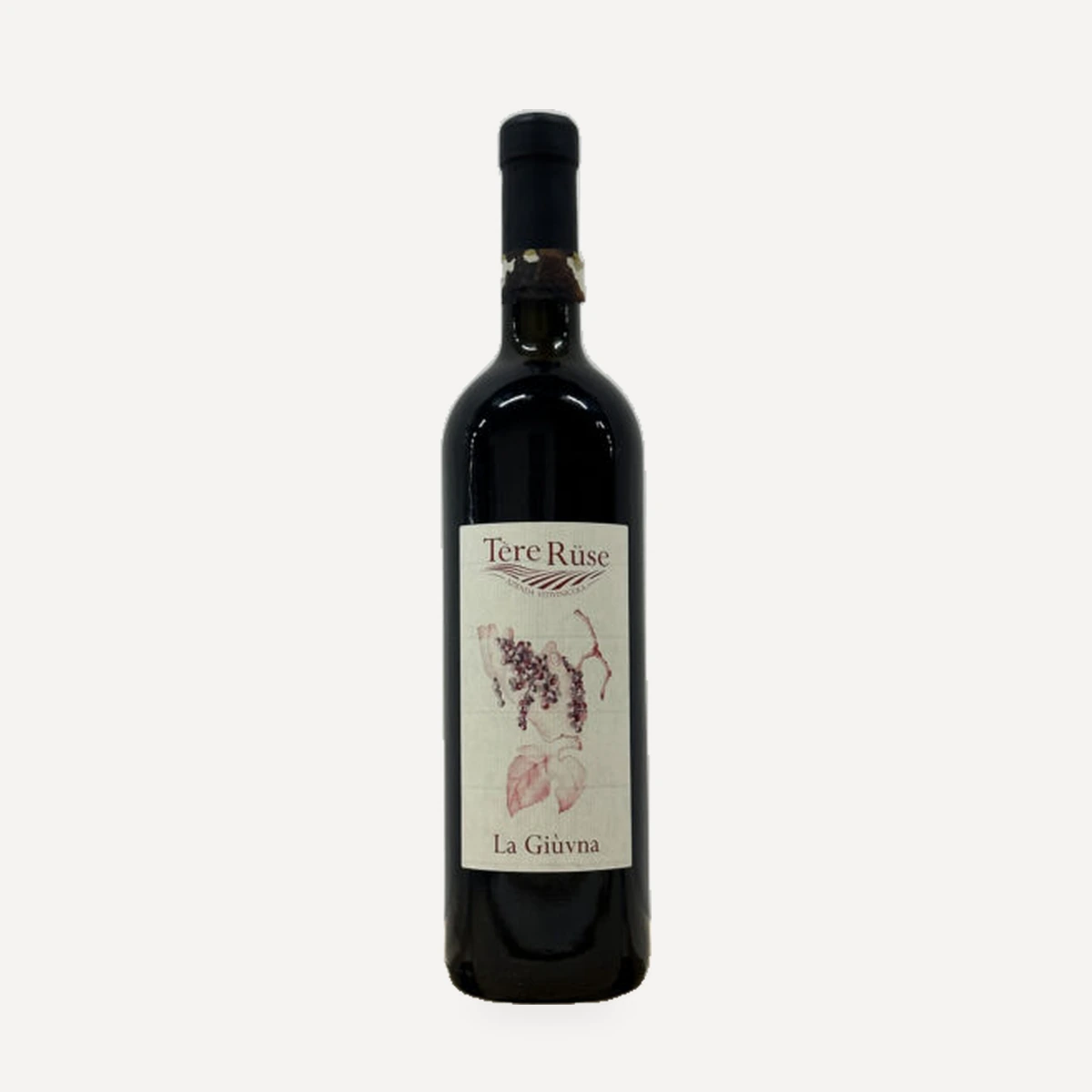
La Giùvna: vino rosso
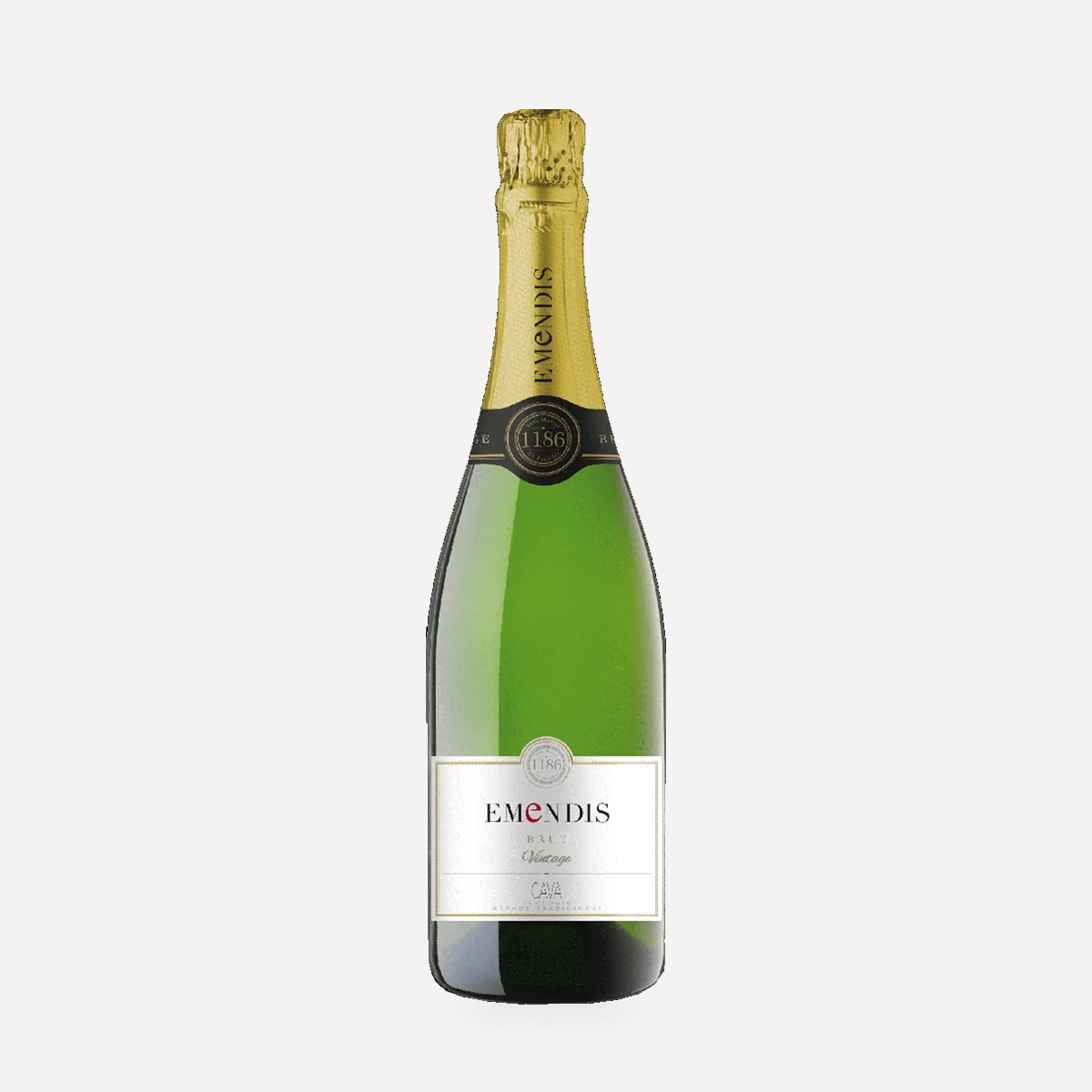
Fèstegè: metodo classico Rosato
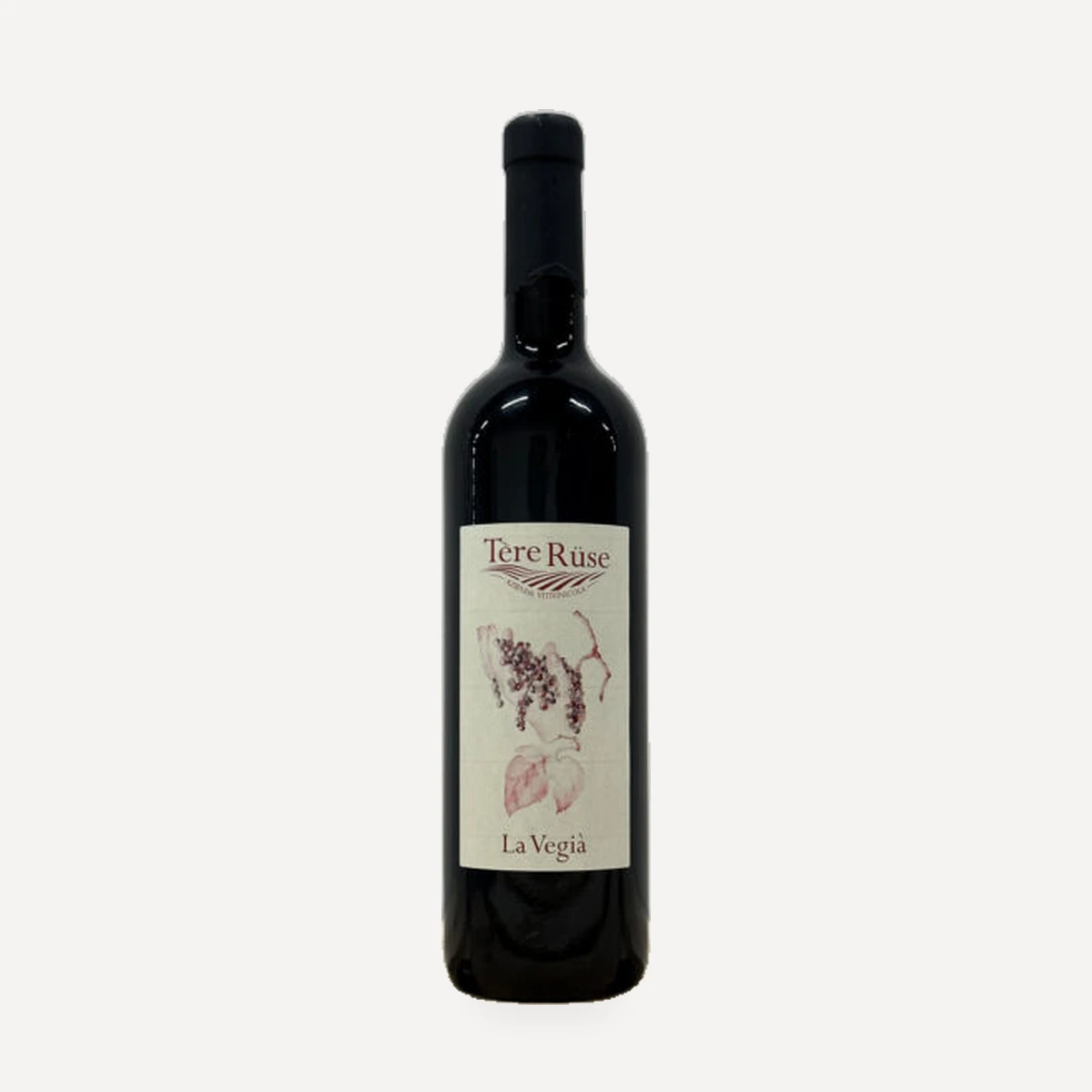
La Vegià