Storia
Early vineyards
The oldest documented plantings predate the winery itself. A pergola-trained Trebbiano vineyard associated with Mario’s was planted in 1971, while the first vineyards within the property are reported as having been established in 1972.
Organic conversion and establishment
Terraviva adopted certified-organic farming in 1998, with certification controlled by Suolo e Salute. The winery business was established in Tortoreto in 2008. It developed as a family enterprise led by Pietro Topi and Pina Marano, working exclusively with estate-grown fruit and focusing on Montepulciano, Trebbiano, Pecorino and Passerina.
The next family generation
In 2016, after returning from university, Federica Topi joined her parents at the estate. The same year brought the family its first Tre Bicchieri recognition, awarded to Luì. Federica subsequently became part of Terraviva’s management alongside Pietro and Pina; her brother Francesco is also identified with the family estate.
Biodynamic practices and sustainability
Terraviva began incorporating biodynamic agriculture in 2020, building on more than two decades of certified-organic farming. Slow Food awarded the estate its Premio per la Viticoltura Sostenibile in 2021, highlighting the family’s vineyard-centred approach, protection of the surrounding ecosystem and adaptation of training systems to the conditions of individual parcels.
Terroir
Terraviva lies in the hills of Tortoreto in the Province of Teramo, within the Colline Teramane DOCG area. The vineyards form a single 22-hectare holding arranged in a sun-facing arc with views toward the Adriatic Sea.
The site is framed by the Adriatic in front and the Gran Sasso behind it. Marine breezes meet cooler air flowing from the mountain, while the surrounding hills shelter the vines from stronger currents. Day-to-night temperature variation slows ripening and allows the grapes to mature gradually.
Most soils are calcareous clay. Their structure encourages roots to penetrate deeply, while the estate associates the soils with a marked mineral component in its wines. Woodland and a nearby lake add further habitats around the vineyard and contribute to the property’s biodiversity.
Individual documented sites differ in elevation and exposure. An old east-facing Trebbiano vineyard stands at approximately 100 metres; a Pecorino site planted in 2003 faces southeast at approximately 100 metres; and a south-facing Montepulciano site reaches approximately 200 metres. These sites are described as having clay- and mineral-rich soils.
Vinificazione
Terraviva has been certified organic since 1998, with Suolo e Salute named as the control and certification body. The estate indicates that chemical products have not been used on its land. All grapes vinified by the winery come from its own organically farmed vineyards.
Since 2020, the farming programme has also incorporated biodynamic principles, based on treating agriculture as a relationship among the land, plants, natural systems and people. The objective is to maintain fertile, living soils in which vines are nourished by the soil and surrounding ecosystem.
Biodiversity is supported by the vineyard’s proximity to woodland and a lake and by the wider habitat for local flora and fauna. Training systems vary with the age and conditions of the vines: old vineyards retain pergolas that protect bunches from the sun, while younger vineyards are trained to either espalier or pergola according to site conditions.
Harvesting is manual. Bunches are selected and placed in small crates so they reach the winery intact. Slow Food’s 2021 sustainability award specifically recognized the precision of the estate’s viticulture, its focus on the vineyard ecosystem and its willingness to adapt training systems to the pedoclimatic conditions of individual parcels.
Terraviva works solely with organically grown grapes from its own vineyards. Fruit is harvested by hand, selected into small crates and transported with the bunches intact.
In the cellar, each vineyard parcel is vinified separately. This parcel-by-parcel approach is intended to preserve the identity of each micro-terroir and respect differences among the vine material. Fermentations are spontaneous and driven by indigenous yeasts, without selected yeast additions. The estate describes processing the grapes without added winemaking aids.
The cellar primarily employs steel and also experiments with concrete and amphora. Its work with these vessels forms part of a broader aim to produce white wines capable of extended maturation in bottle.
A 20 kW photovoltaic installation supplies enough electricity to make the estate energetically self-sufficient.
Filosofia
Terraviva’s central idea is expressed in its name: living land, carefully tended and respected, can return fruit worth preserving. The family seeks to translate the Tortoreto terroir through local varieties rather than impose a standardized cellar style.
The approach begins with estate-grown organic fruit, living soils and protection of the vineyard ecosystem. Separate vinification of individual parcels is intended to preserve differences among micro-terroirs and vine material. Manual harvesting, spontaneous fermentation and the avoidance of processing aids extend that principle into the cellar.
Tradition and experimentation coexist. The estate retains pergola training in old vineyards, employs different systems where parcel conditions require them, and explores concrete and amphora with the goal of making white wines capable of long bottle development. Environmental objectives include biodiversity conservation and energy self-sufficiency through solar power.
As articulated by Federica Topi, accessibility is also part of the family’s policy: the aim is to offer wines with a clear identity and high quality at prices that allow them to be enjoyed broadly.
Vini
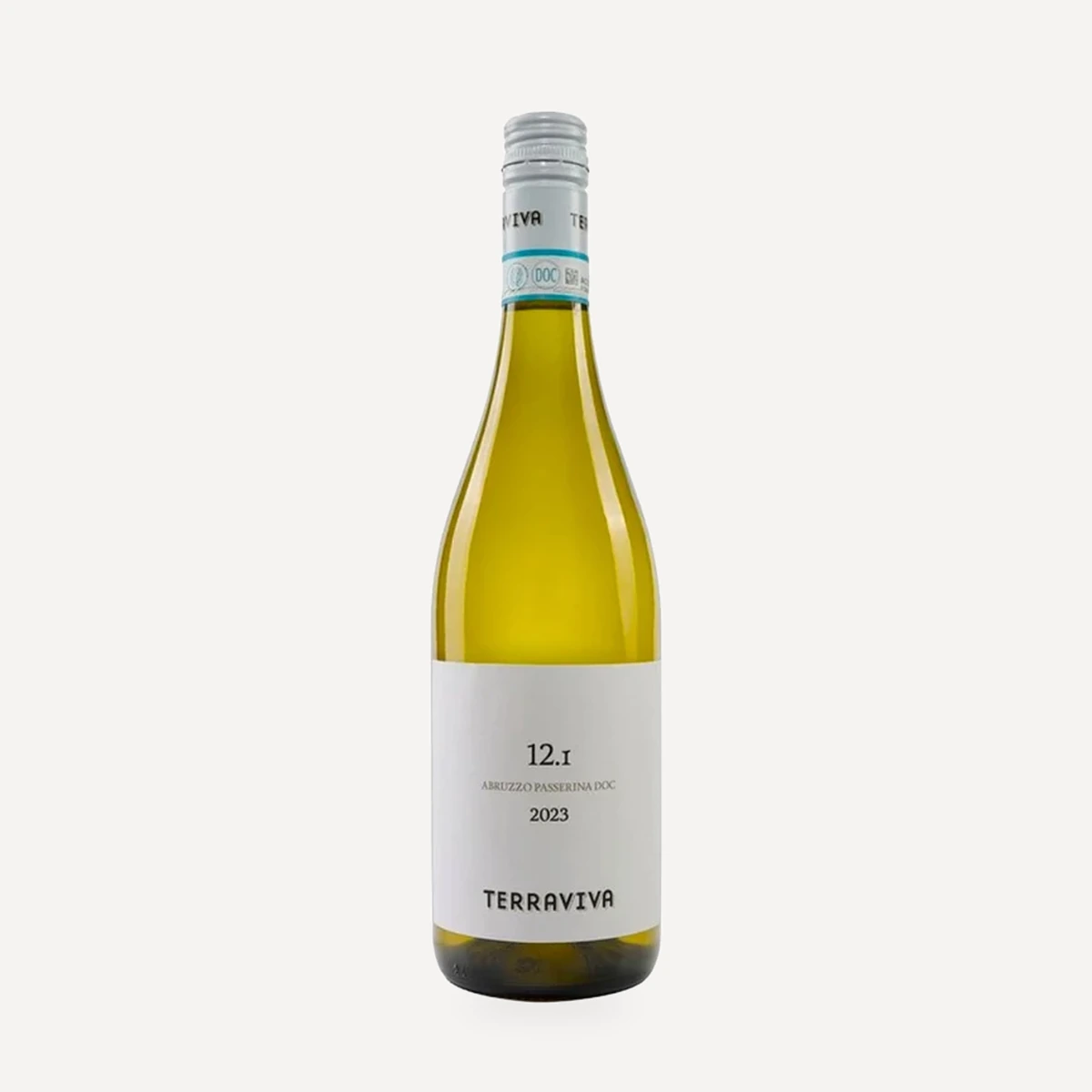
12.1 • Abruzzo passerina DOC
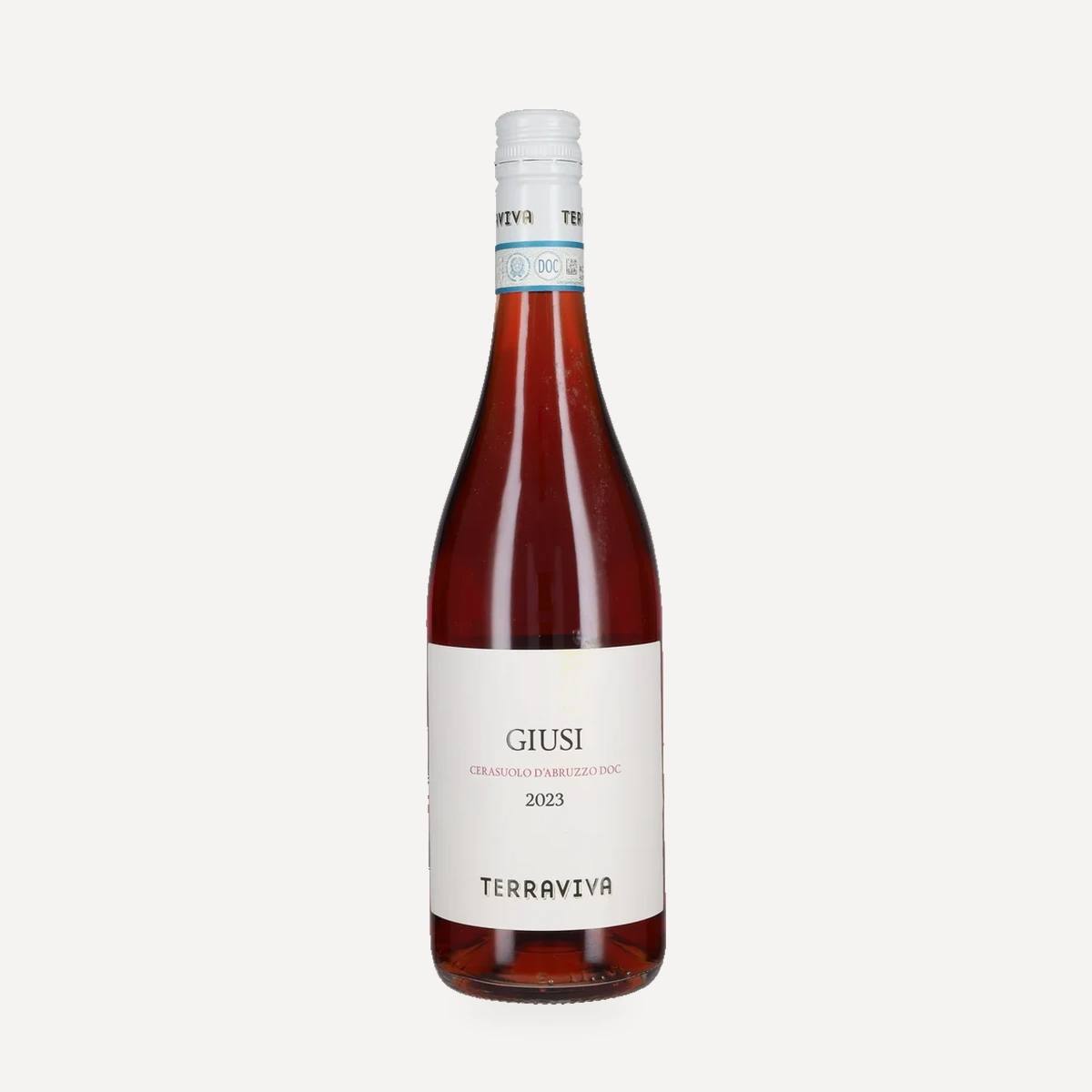
Giusi • Cerasuolo d’Abruzzo DOC
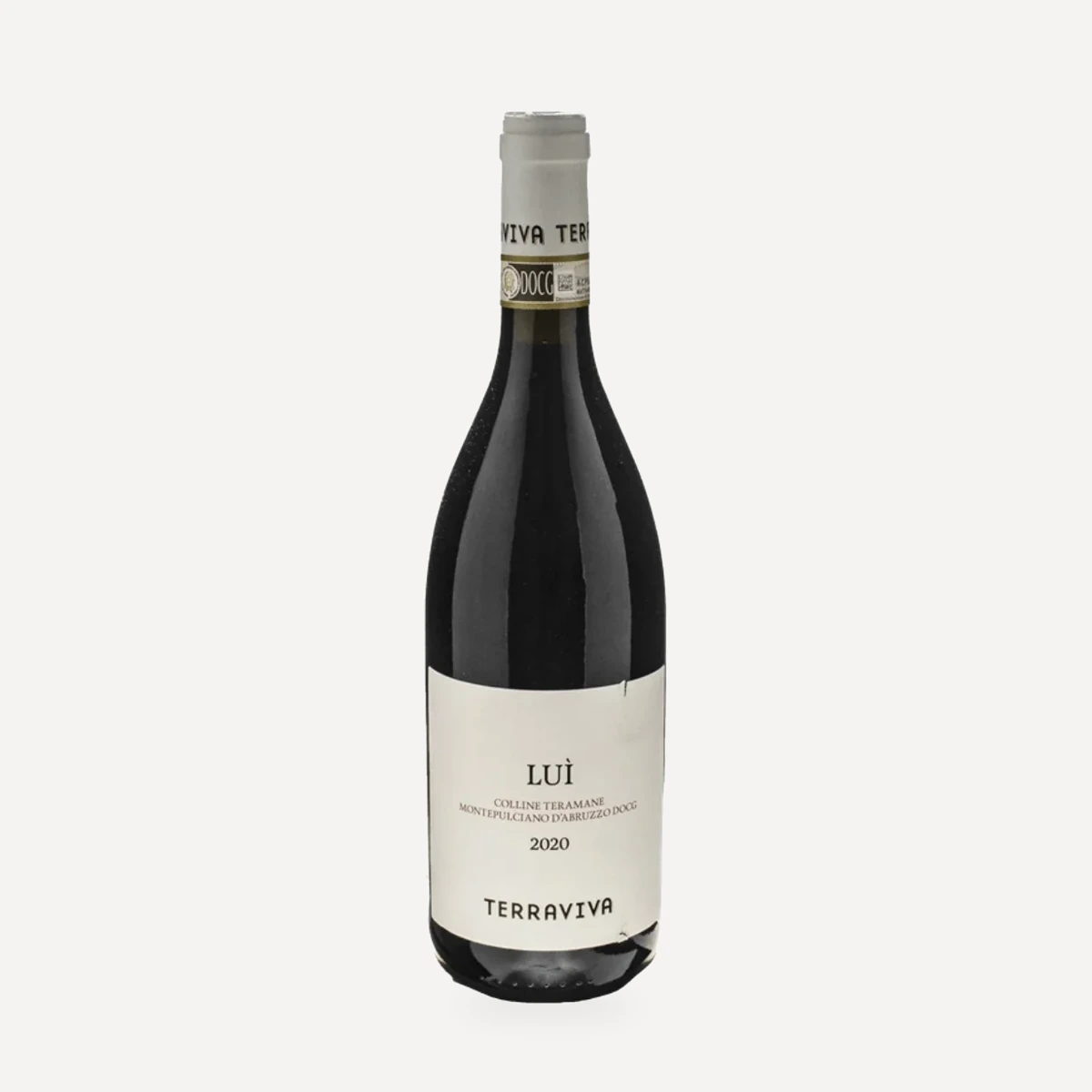
Lui’ • Colline Teramane montepulciano d’Abruzzo DOCG
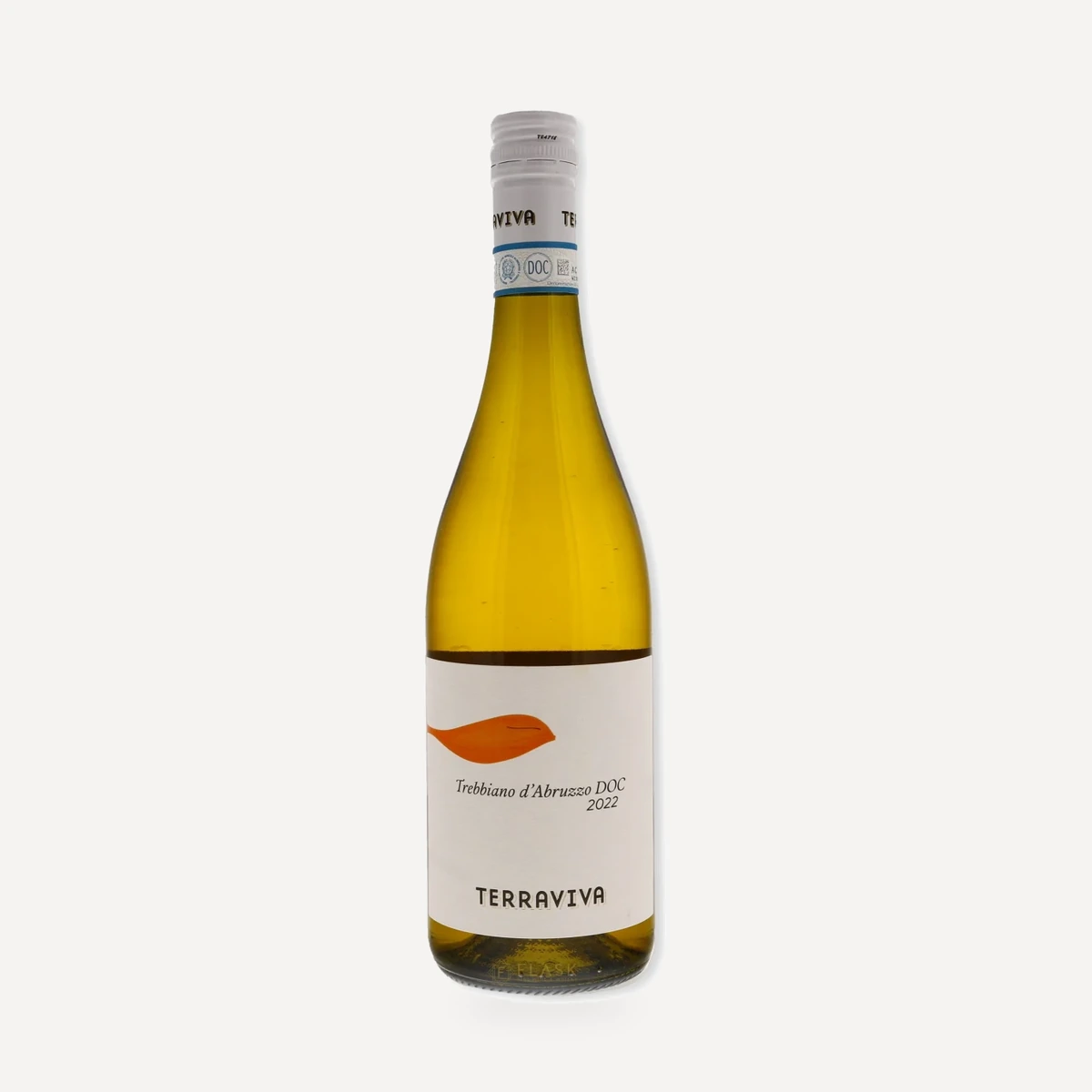
Terraviva • Trebbiano d’Abruzzo DOC
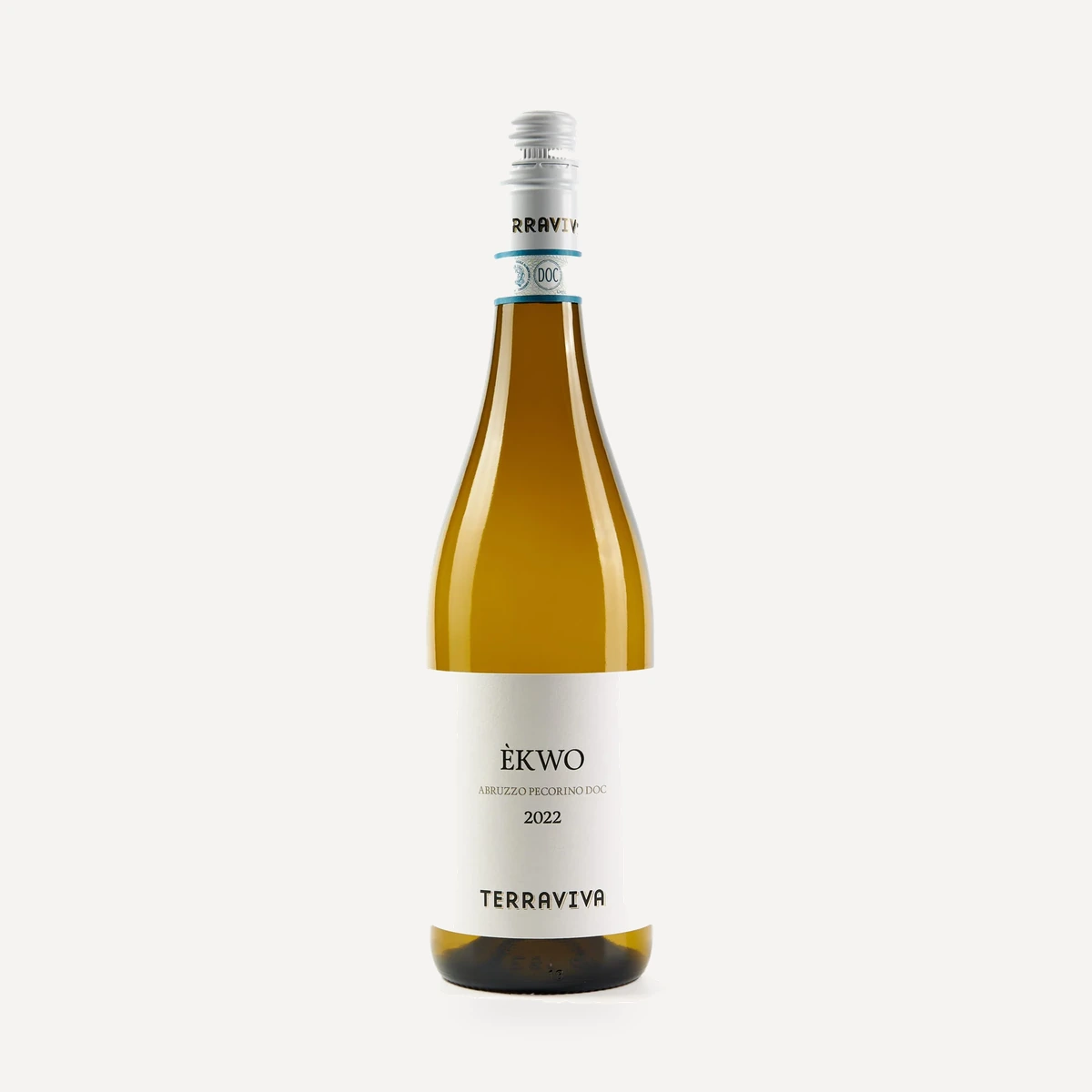
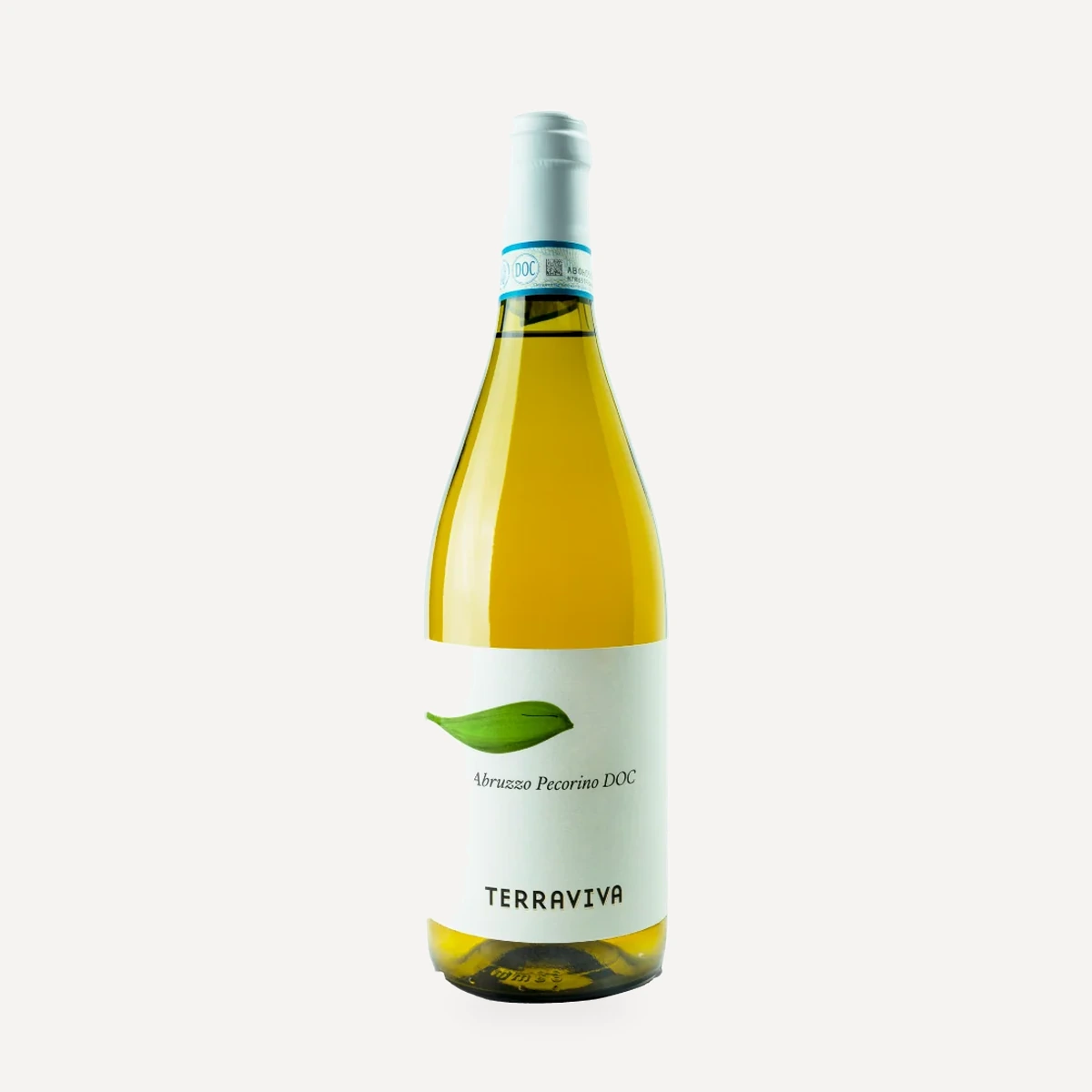
Ekwo • Abruzzo Pecorino DOC
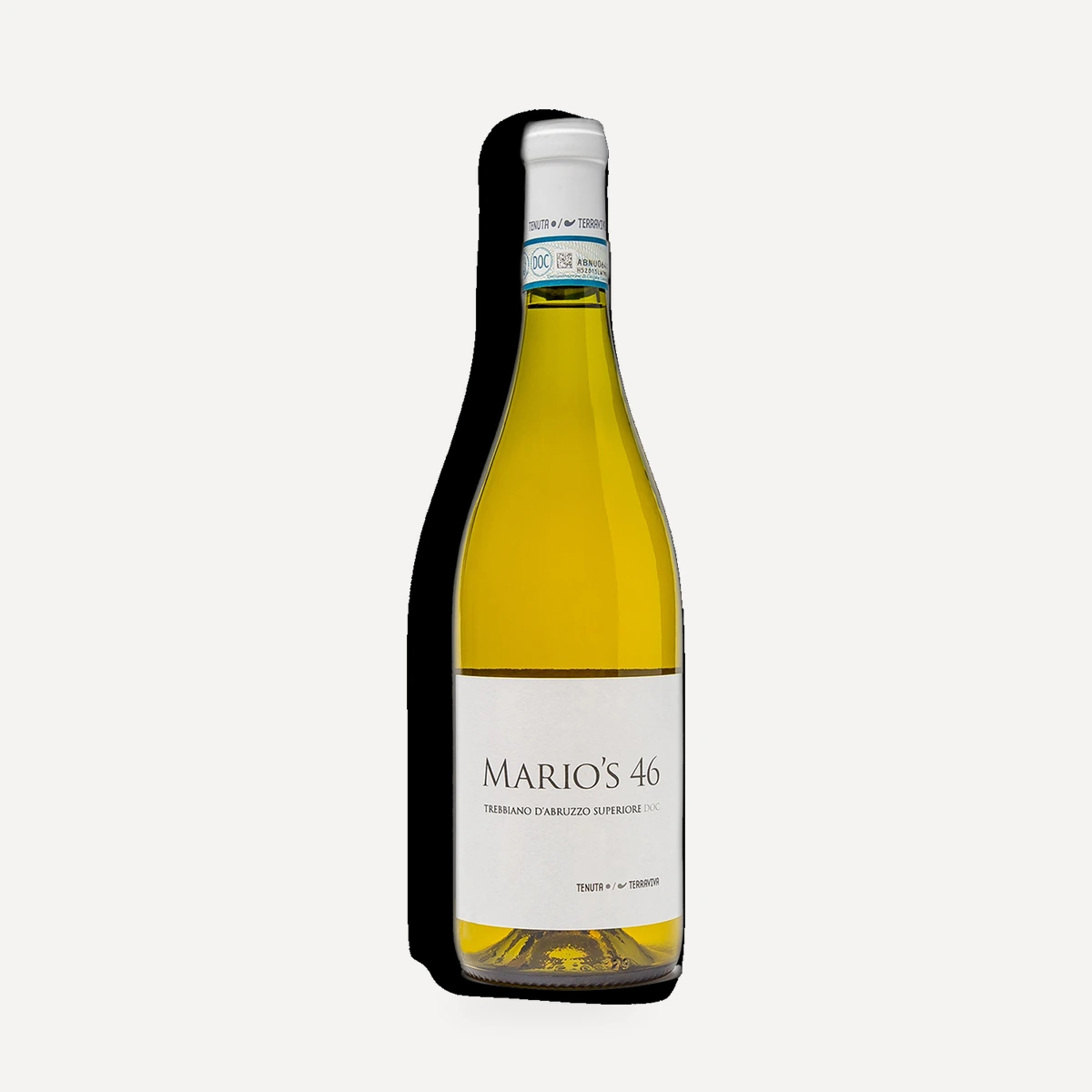
Mario’s 49 • Trebbiano d’Abruzzo Superiore DOC