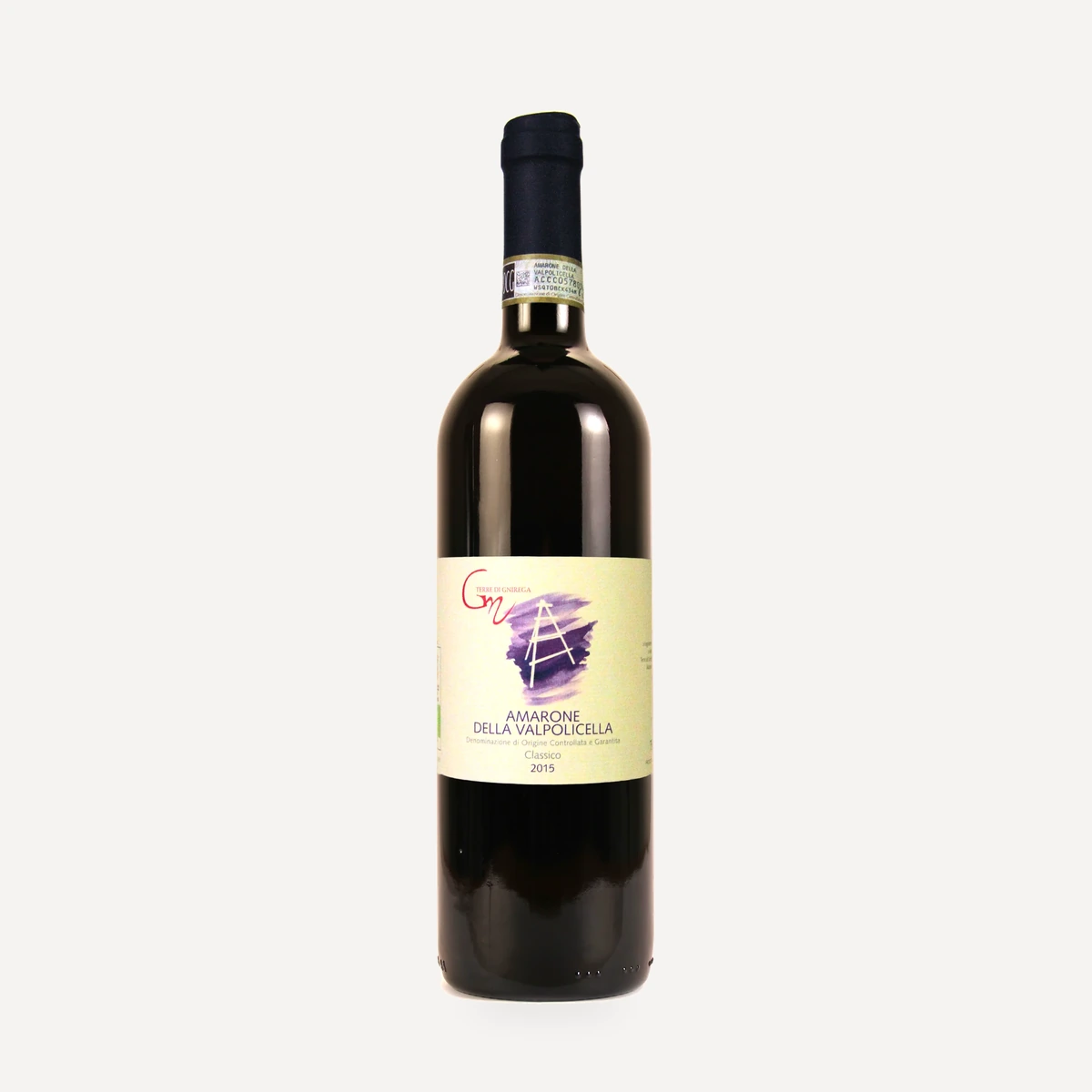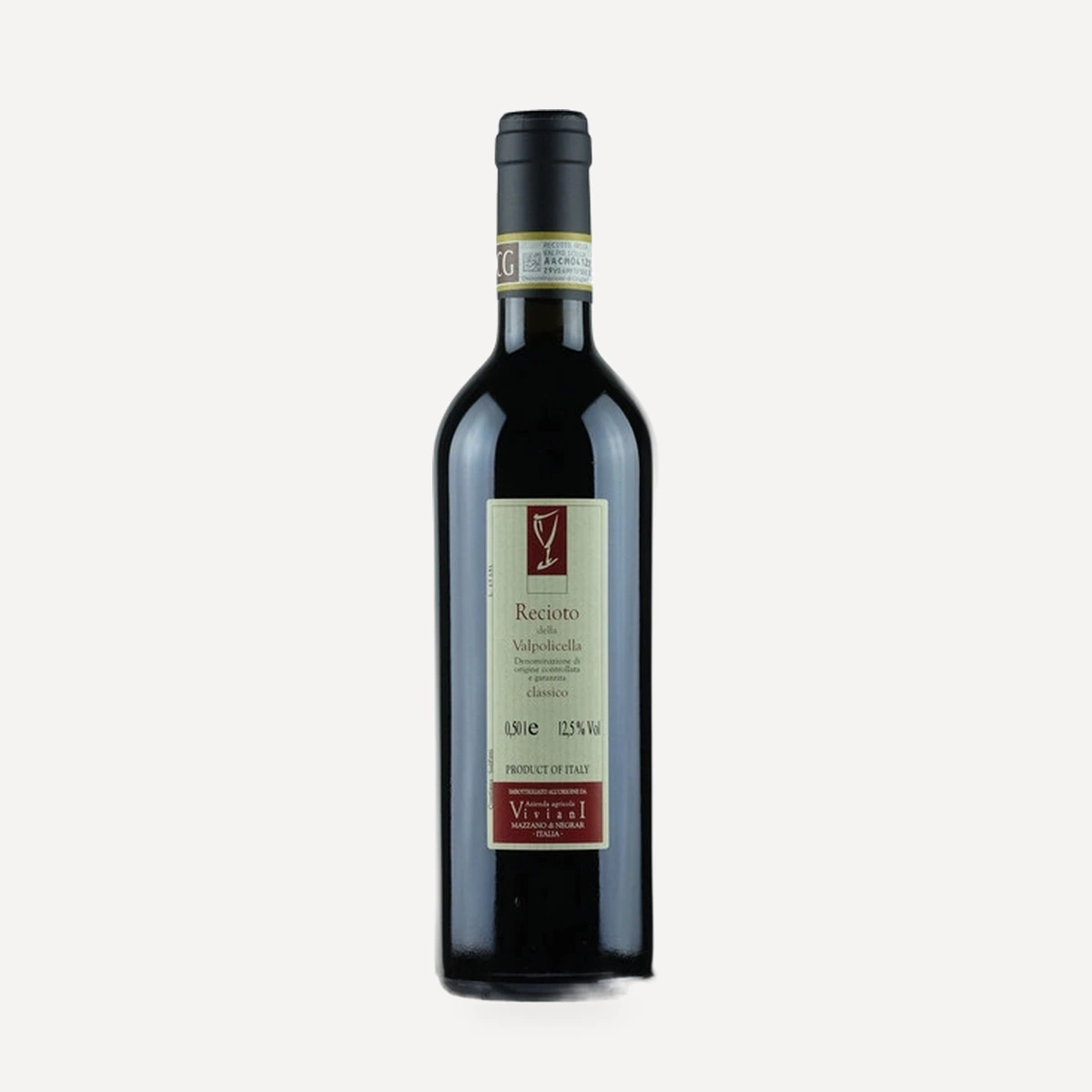
Questo vino
Vineyard and terroir
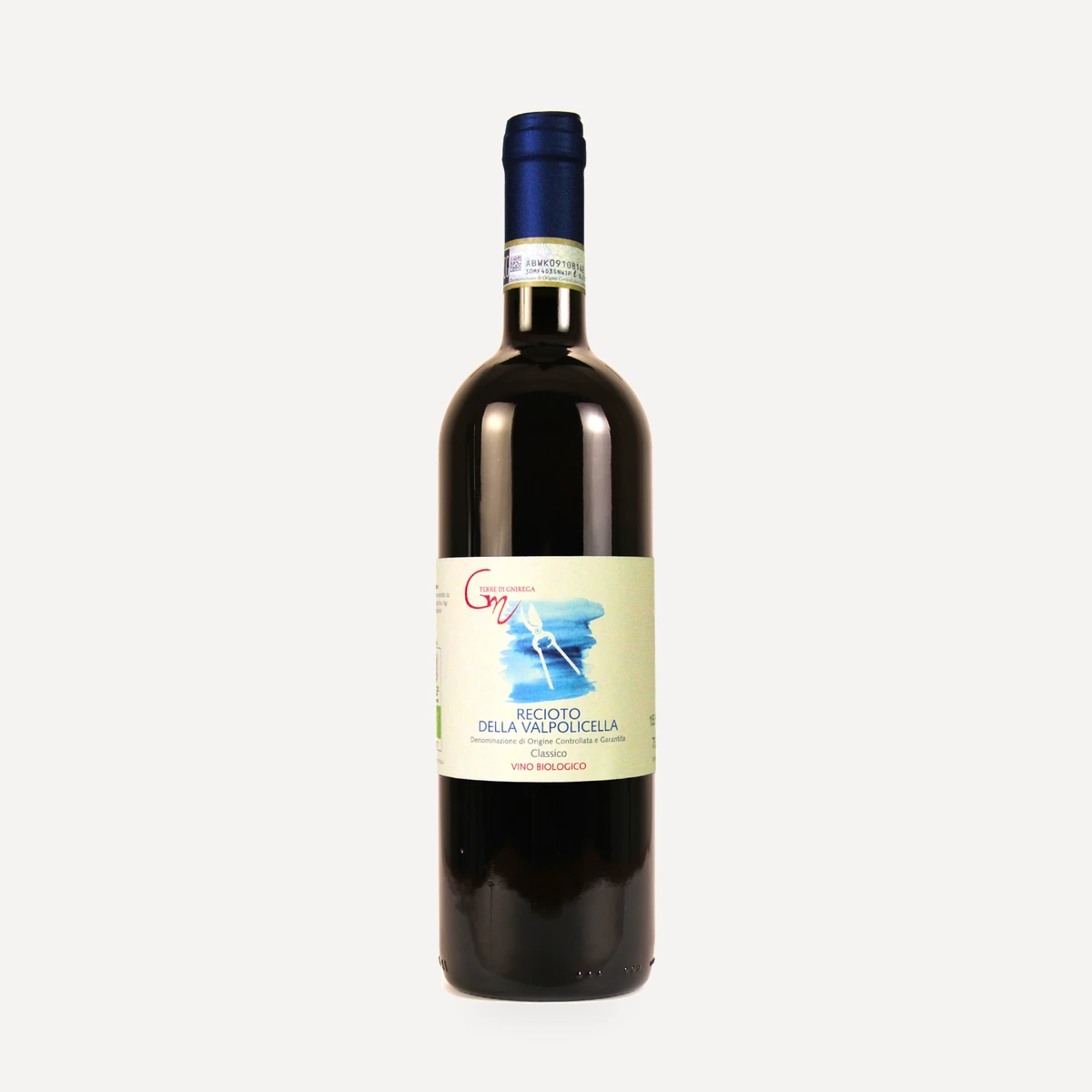
The estate-grown grapes came from organically cultivated vineyards at 300 m, with south-to-west exposure and clayey, calcareous, very rocky soils. The vines were 3–40 years old, trained to Pergola Veronese and planted at 3,500–4,000 vines per hectare. Production was 2–2.5 kg per vine and 8,000–10,000 kg per hectare. Vineyard treatments used copper, sulphur and mating disruption; manure was applied every three to five years as needed.
Grapes
40% Corvina, 30% Corvinone and 25% Rondinella, with Molinara, Cabernet and Croatina in unspecified proportions. No purchased grapes were used.
Vinification
The 2015 harvest ran from 11 to 30 September. Grapes were picked manually into wooden trays and dried for 121 days before pressing on 19 January 2016. Fermentation began spontaneously in steel without selected yeasts. The wine was separated from its skins after approximately two-thirds of fermentation; total skin contact lasted 18 days. Sulphur dioxide was added to the must at 5 g/hl, without ascorbic acid or other corrections. The wine was neither filtered nor clarified, and stabilization was static and spontaneous. Finished-wine yield was 40% of grape weight.
Ageing
The wine matured for 42 months in steel and rested for at least one month in bottle.
Technical data
Alcohol: 15.6% vol. Total acidity: 7.7 g/L. Volatile acidity: 0.98 g/L. Residual sugar: 55.2 g/L. Dry extract: 63.9 g/L. Total sulphur dioxide: 31 mg/L. Certified organic wine. Bottled in a Bordelaise Expo bottle with natural cork.
Tasting profile
Ripe-grape notes are balanced by marked acidity. The sweetness finishes cleanly rather than lingering heavily on the palate.
Serving and pairing
The classic match is dry desserts such as biscuits and shortbread. Its balance also allows pairings with risotto, fatty meats, blue cheeses and other rich cheeses.
Vintage notes
Summer drought in 2015 did not adversely affect grape ripening.
Label / history
The name Recioto derives from “recie,” the upper portions of the bunch traditionally selected for drying. These sections have high sugar concentration and loosely spaced berries, allowing better airflow during the drying process.