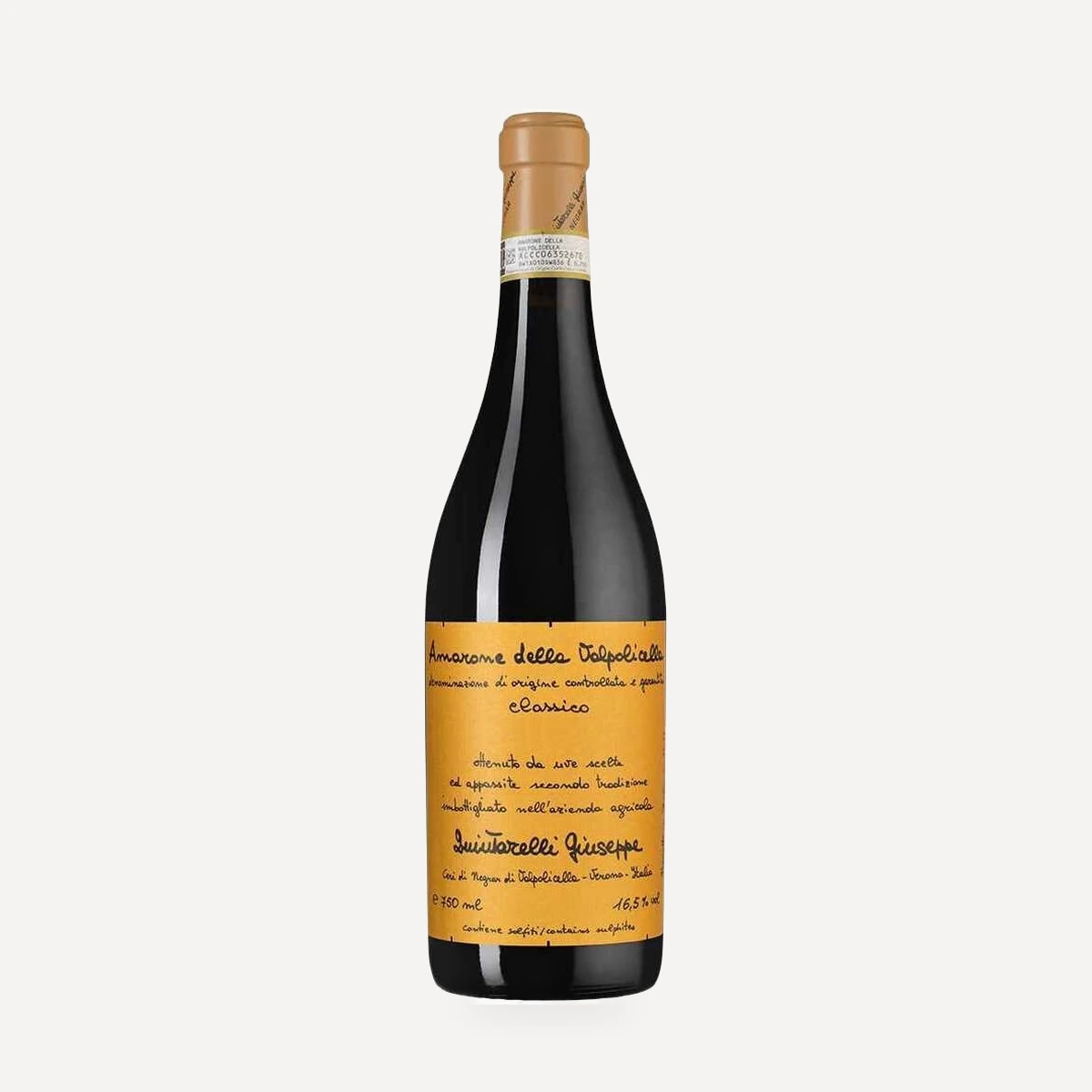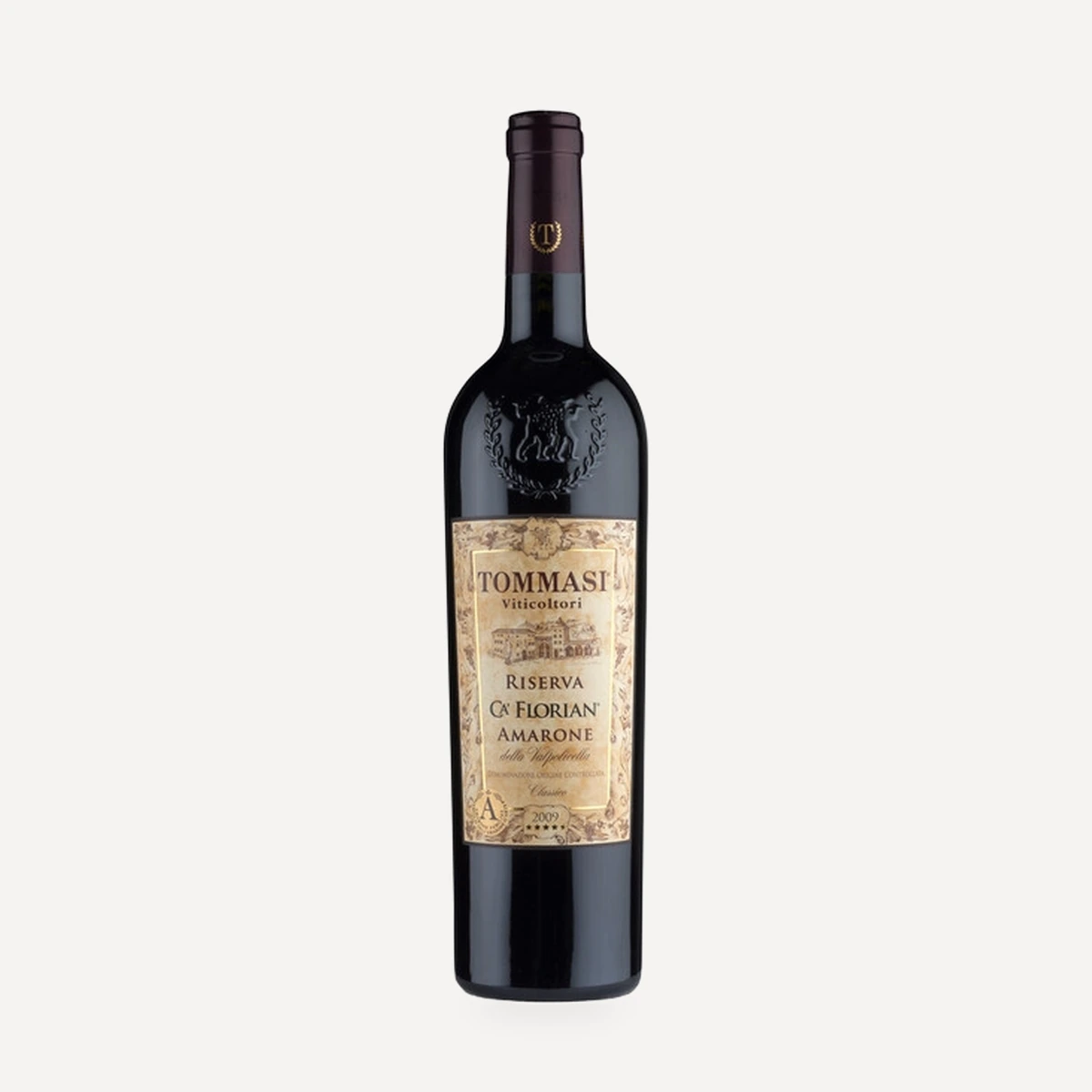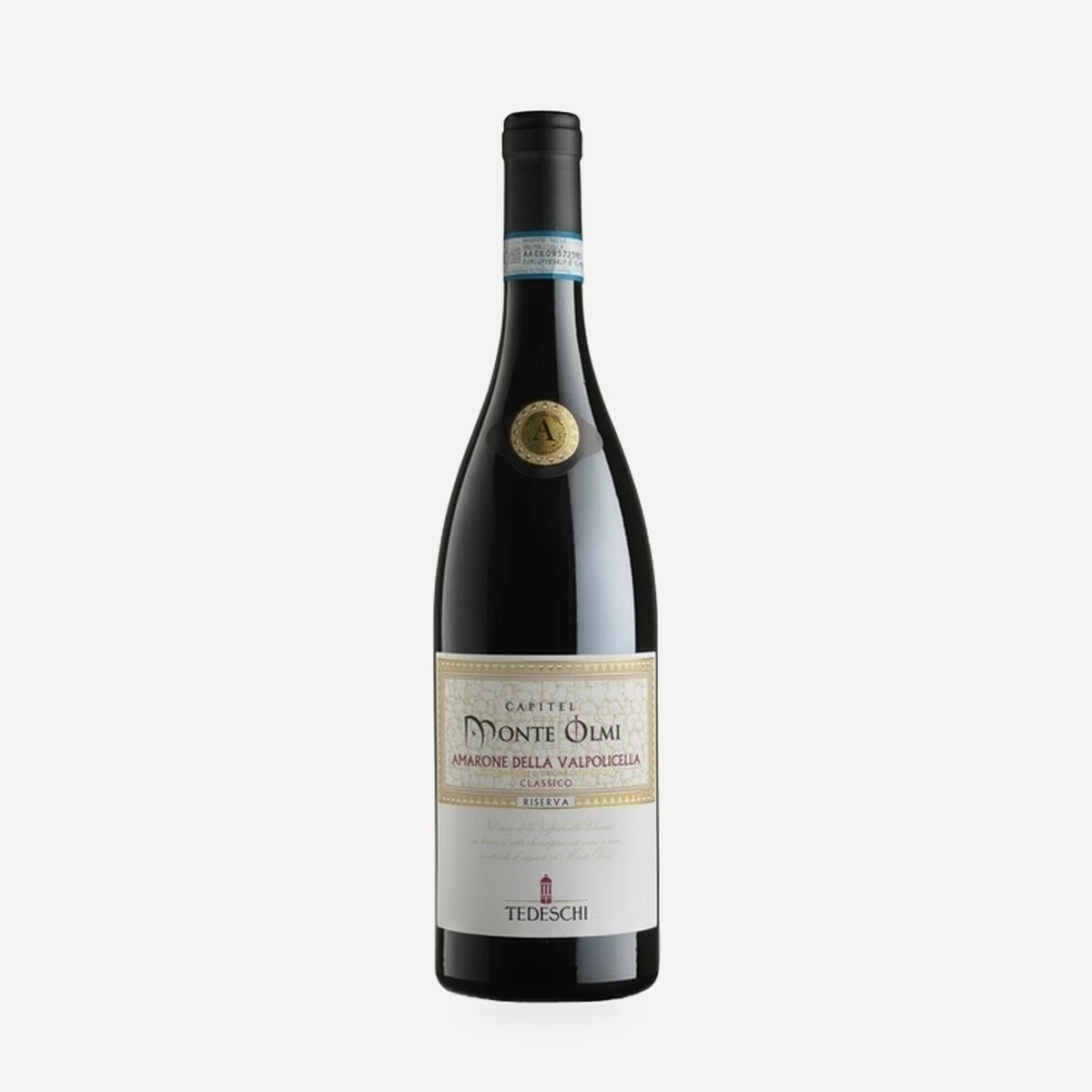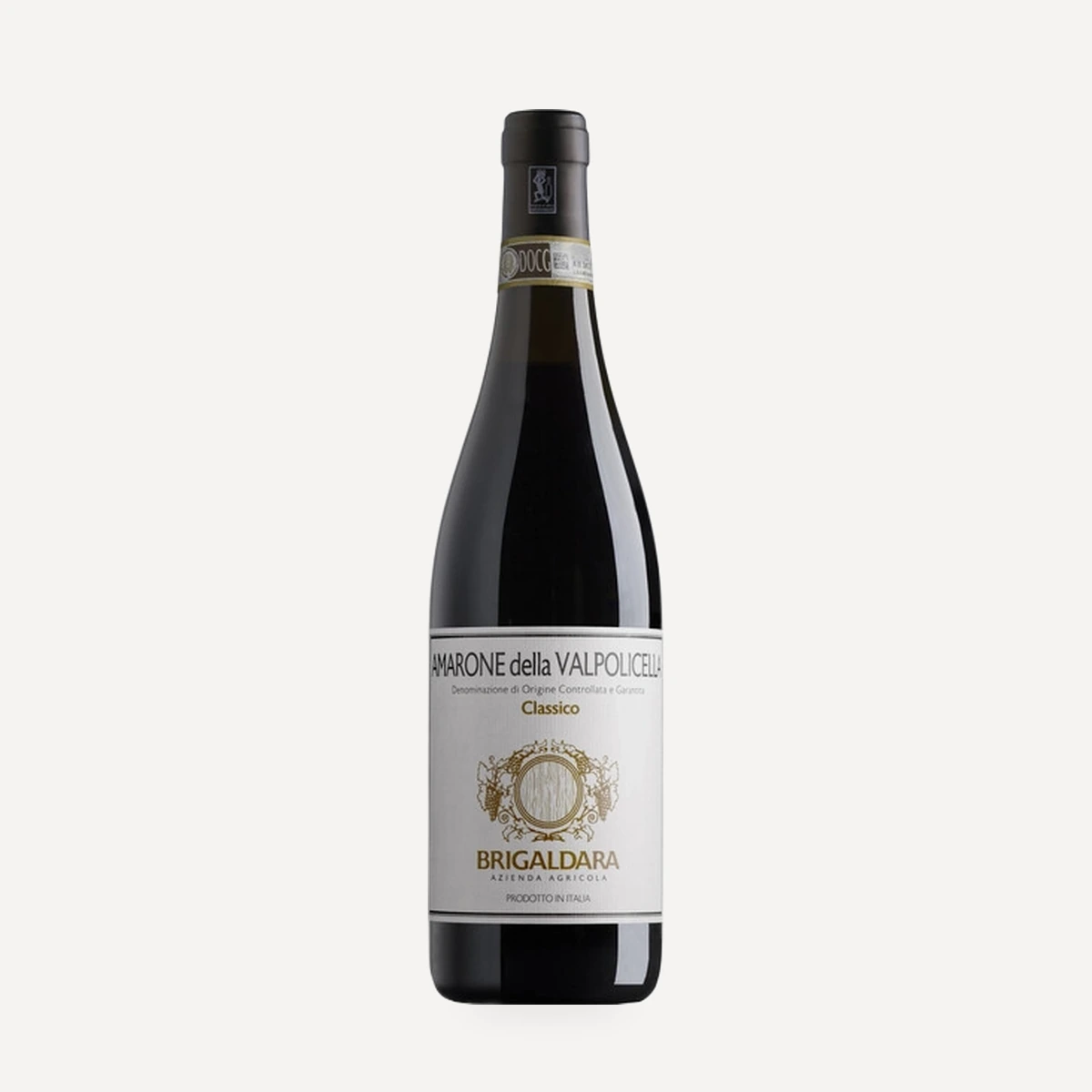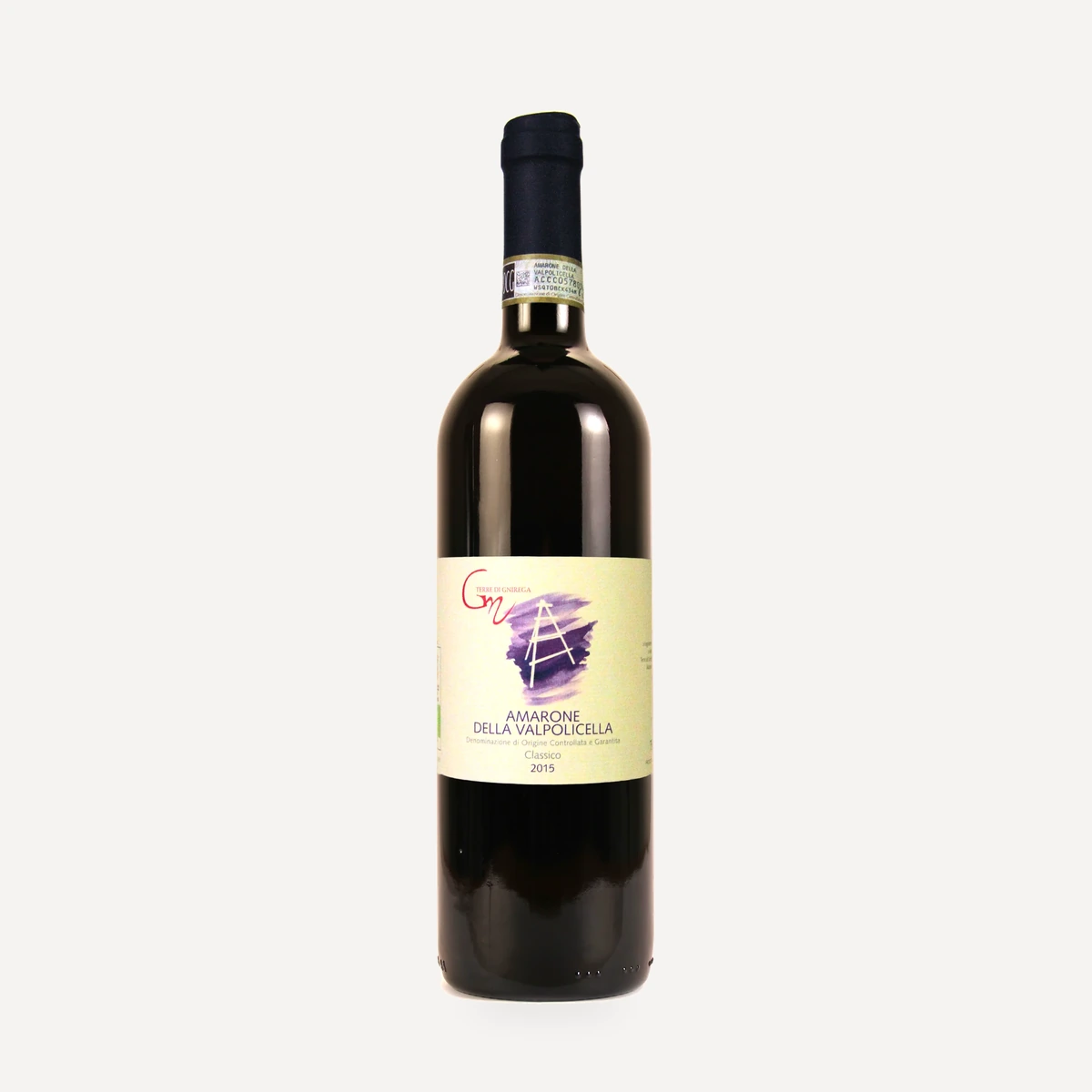
Questo vino
Vineyard and terroir
The estate-grown grapes came from organically cultivated vineyards at 300 m, with south-to-west exposure and clayey, calcareous, very rocky soils. The vines were 3–40 years old, trained to Pergola Veronese and planted at 3,500–4,000 vines per hectare. Production was 2–2.5 kg per vine and 8,000–10,000 kg per hectare. Vineyard treatments used copper, sulphur and mating disruption; manure was applied every three to five years as needed.
Grapes
Corvina, Corvinone, Rondinella and Molinara. No purchased grapes were used.
Vinification
The 2013 harvest ran from 25 September to 4 October. Grapes were picked manually into wooden trays and dried for approximately 132 days. Difficult weather—heavy rainfall during the year and harvest, followed by high temperatures early in the drying period—encouraged Botrytis cinerea. A second selection in November removed affected fruit, and drying was extended until early February to bring sugar concentration close to the average level.
After pressing, spontaneous fermentation took place in steel without selected yeasts. Skin maceration lasted 28 days and fermentation continued until the sugars were consumed. Sulphur dioxide was added to the must at 10 g/hl; no ascorbic acid or other corrections were used. The wine was neither filtered nor clarified, and stabilization was static and spontaneous. Finished-wine yield was 30% of grape weight.
Ageing
The 2013 vintage spent one year in steel and four years in 10-hl large oak barrels, followed by at least two months in bottle. The general production description gives approximately two years in steel and approximately three years in wooden barrels.
Technical data
Alcohol: 16.6% vol. Total acidity: 7.00 g/L. Volatile acidity: 0.75 g/L. Residual sugar: 3.5 g/L. Dry extract: 36.1 g/L. Density at 20 °C: 0.993. Total sulphur dioxide: 30 mg/L. Certified organic wine.
Tasting profile
Fresh and lively in character. It may initially appear light and straightforward, but develops unexpected complexity.
Vintage notes
The difficult 2013 growing and drying season required additional fruit selection and a longer drying period. Despite these conditions, the dried grapes reached a sugar level only slightly below the usual average.
Label / history
The traditional account of Amarone’s origin tells of a forgotten barrel of Recioto that fermented until dry, developing greater body and bitter nuances. Its name refers to this characteristic bitterness.