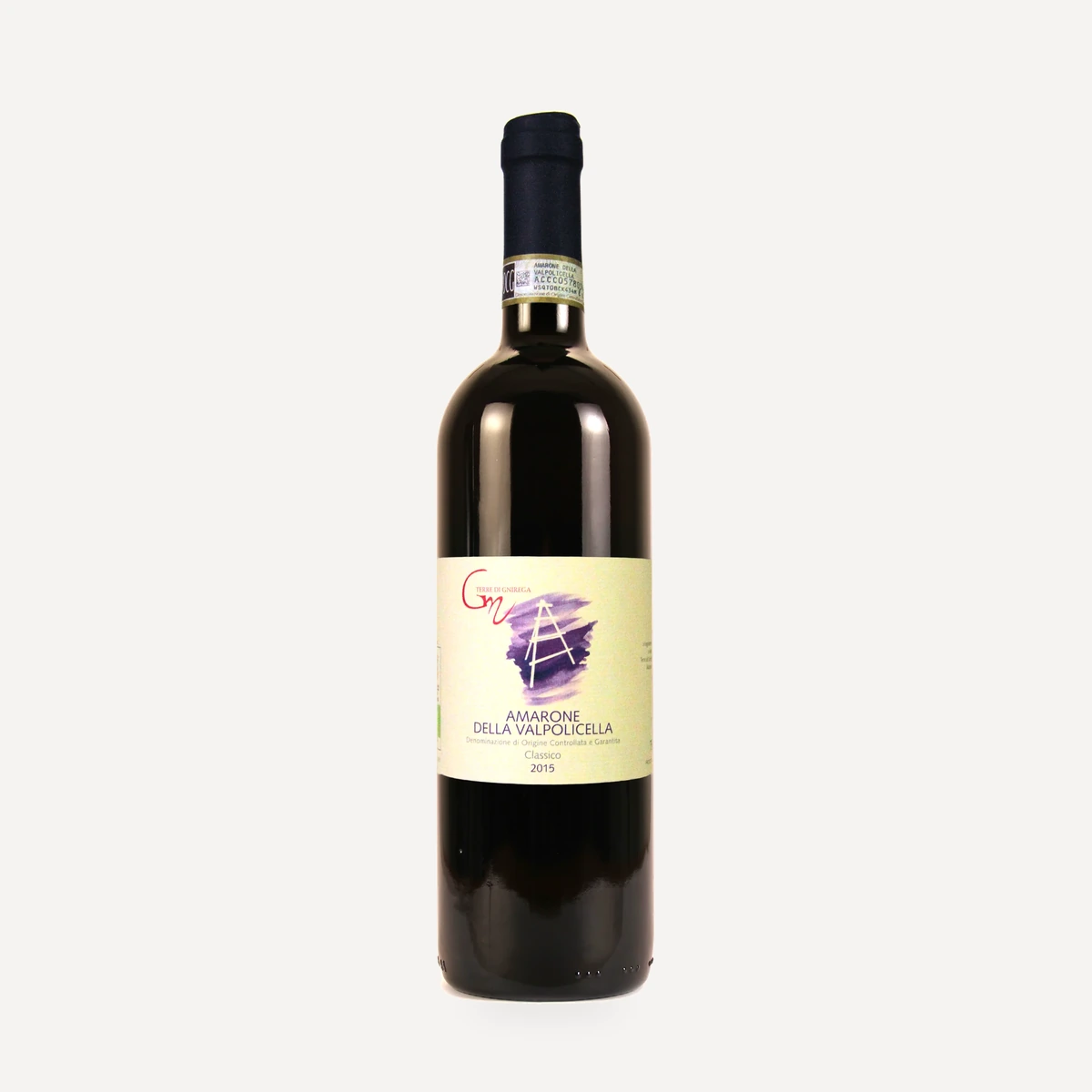
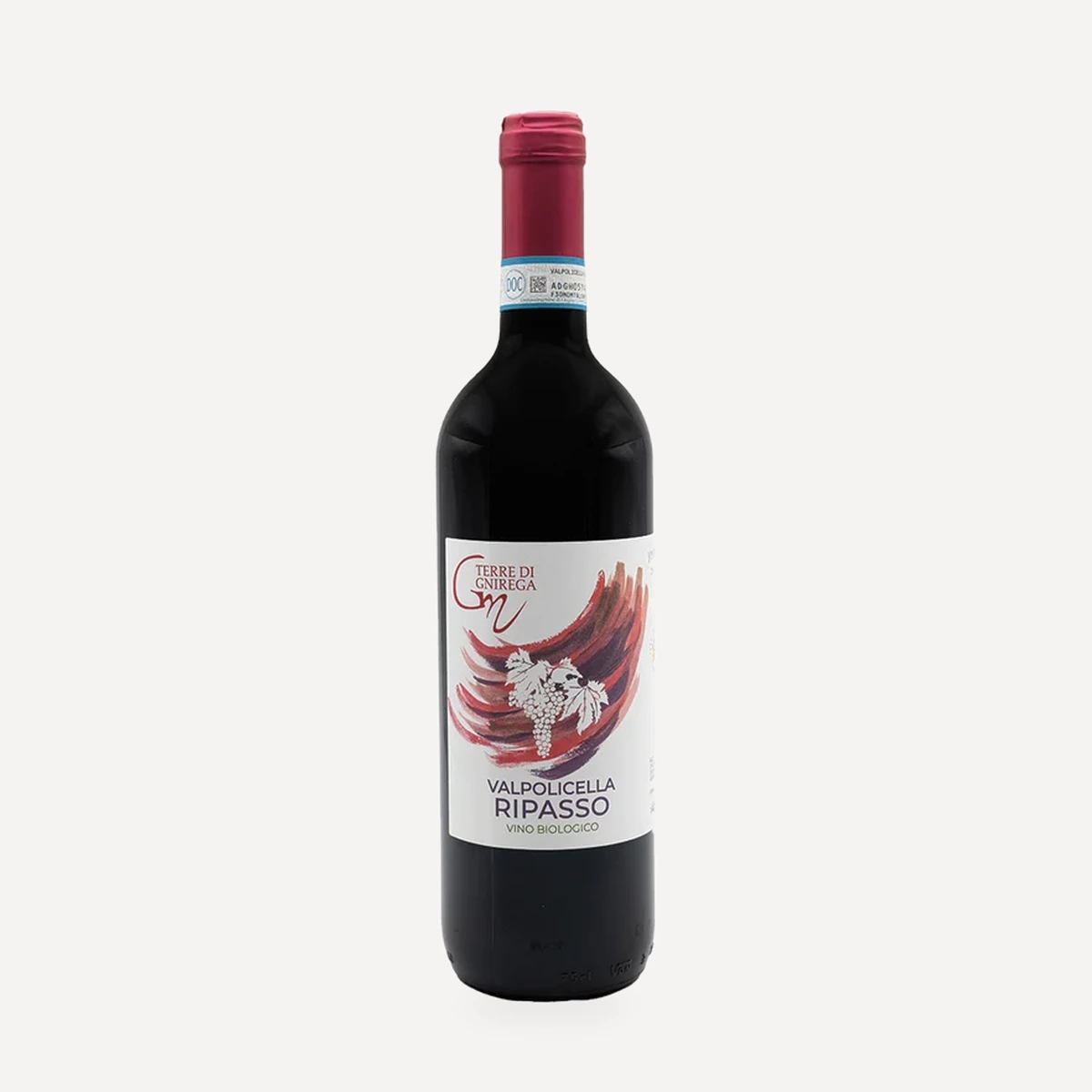
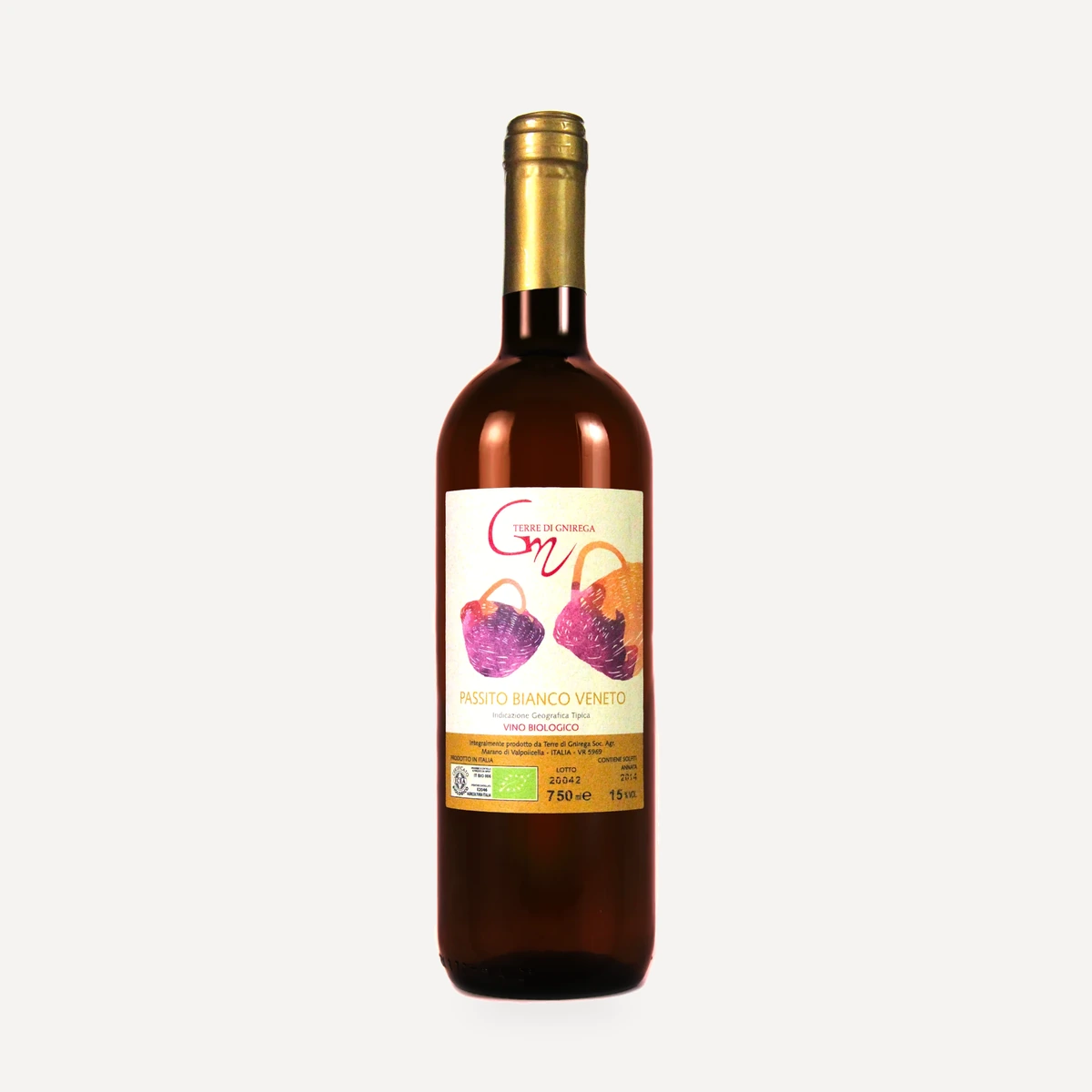
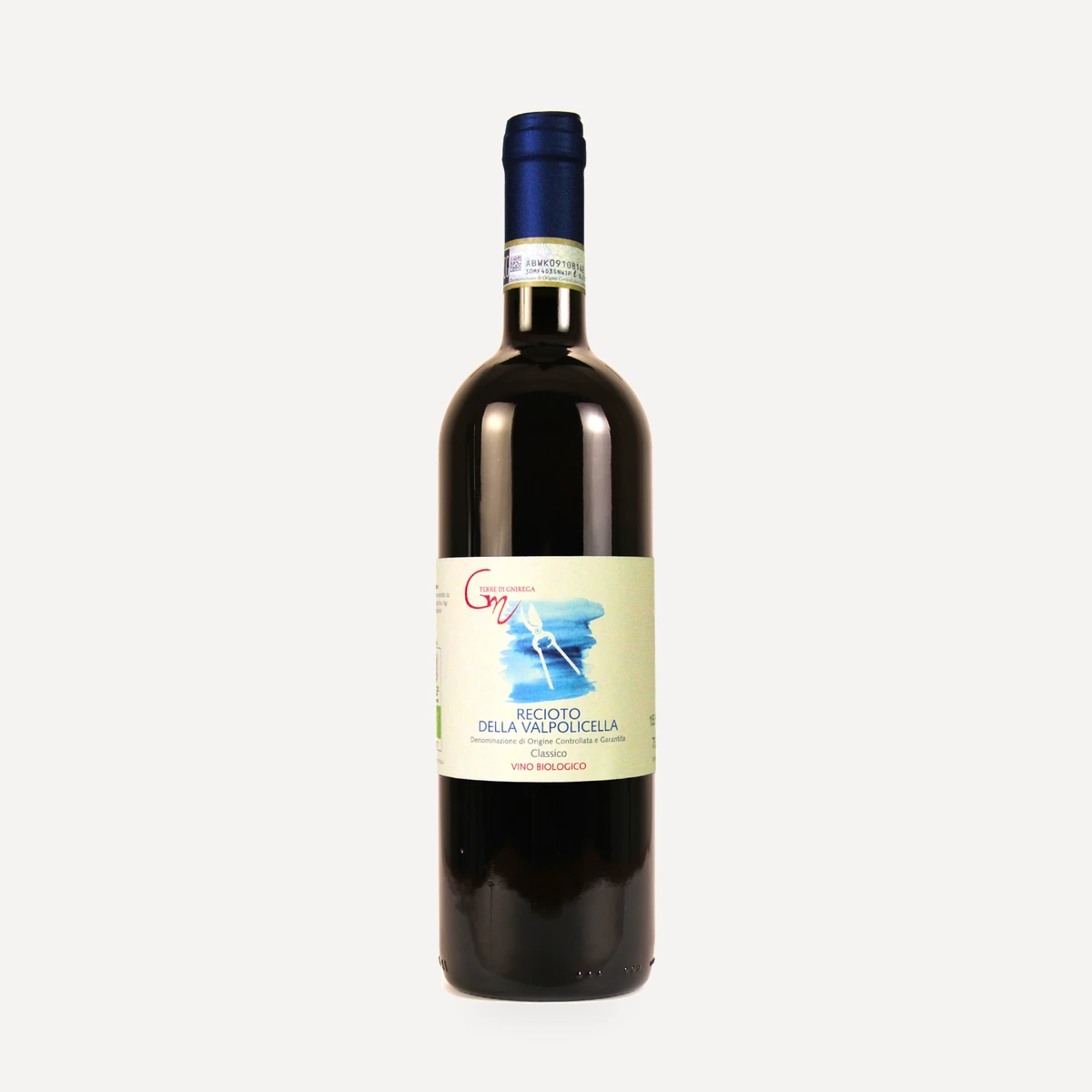
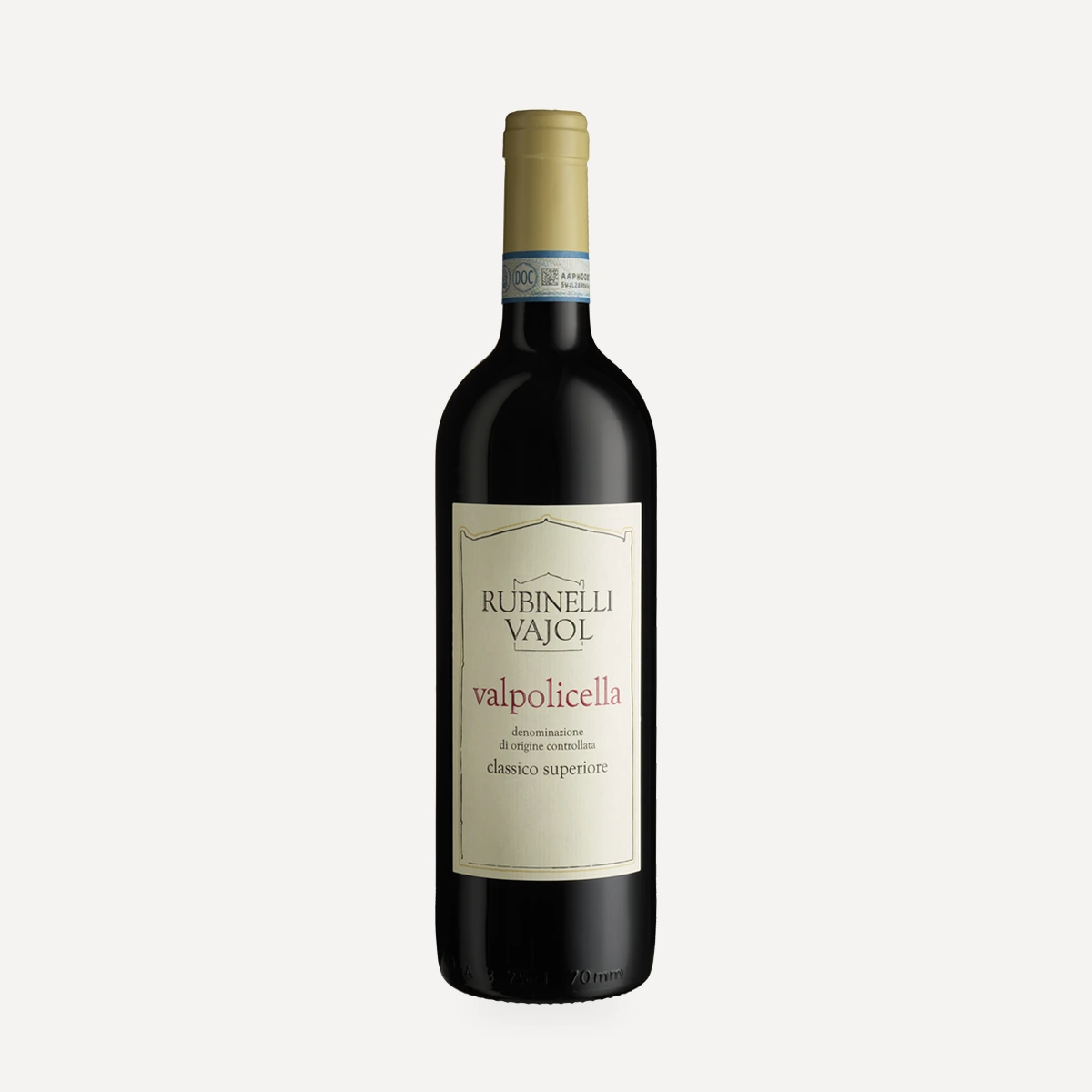
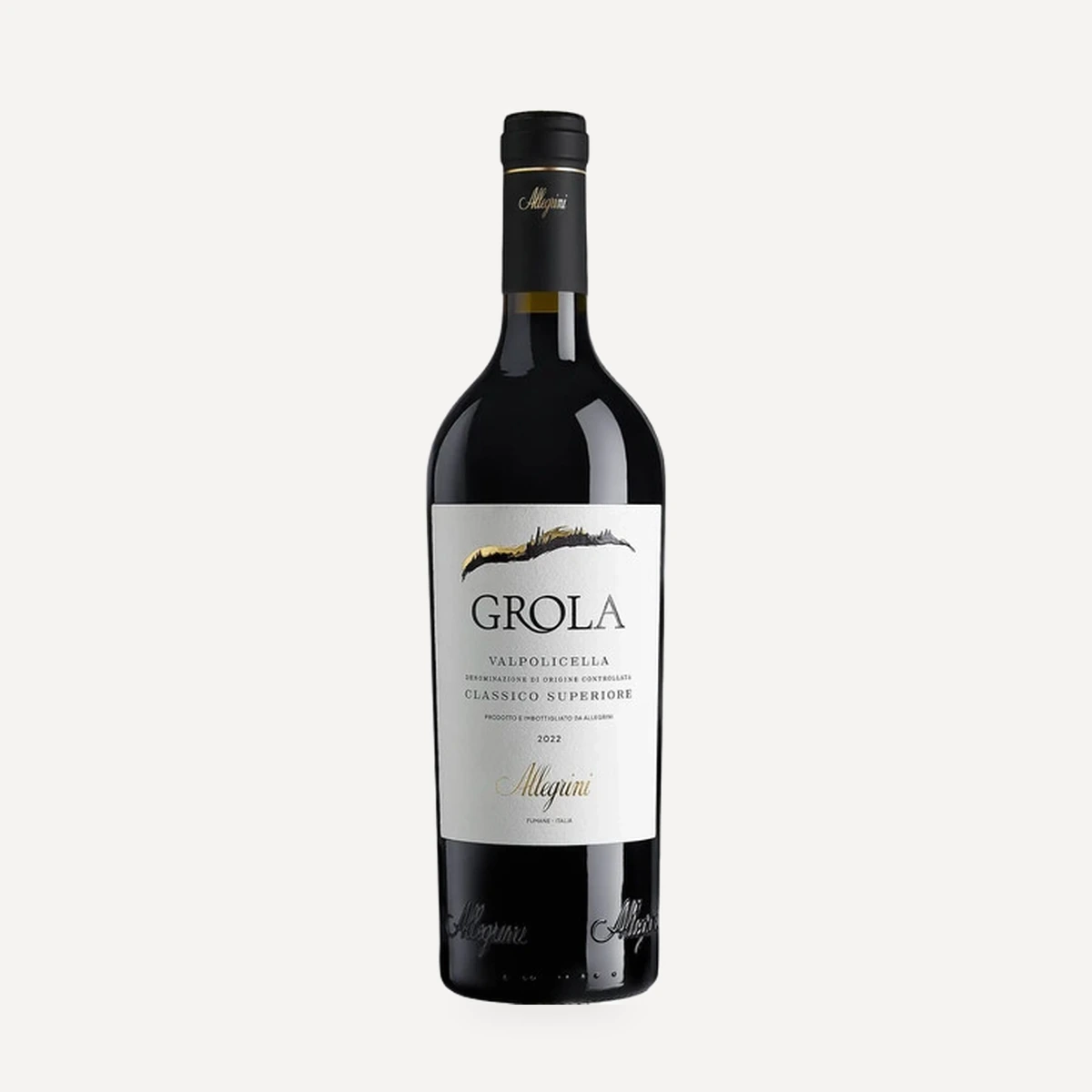
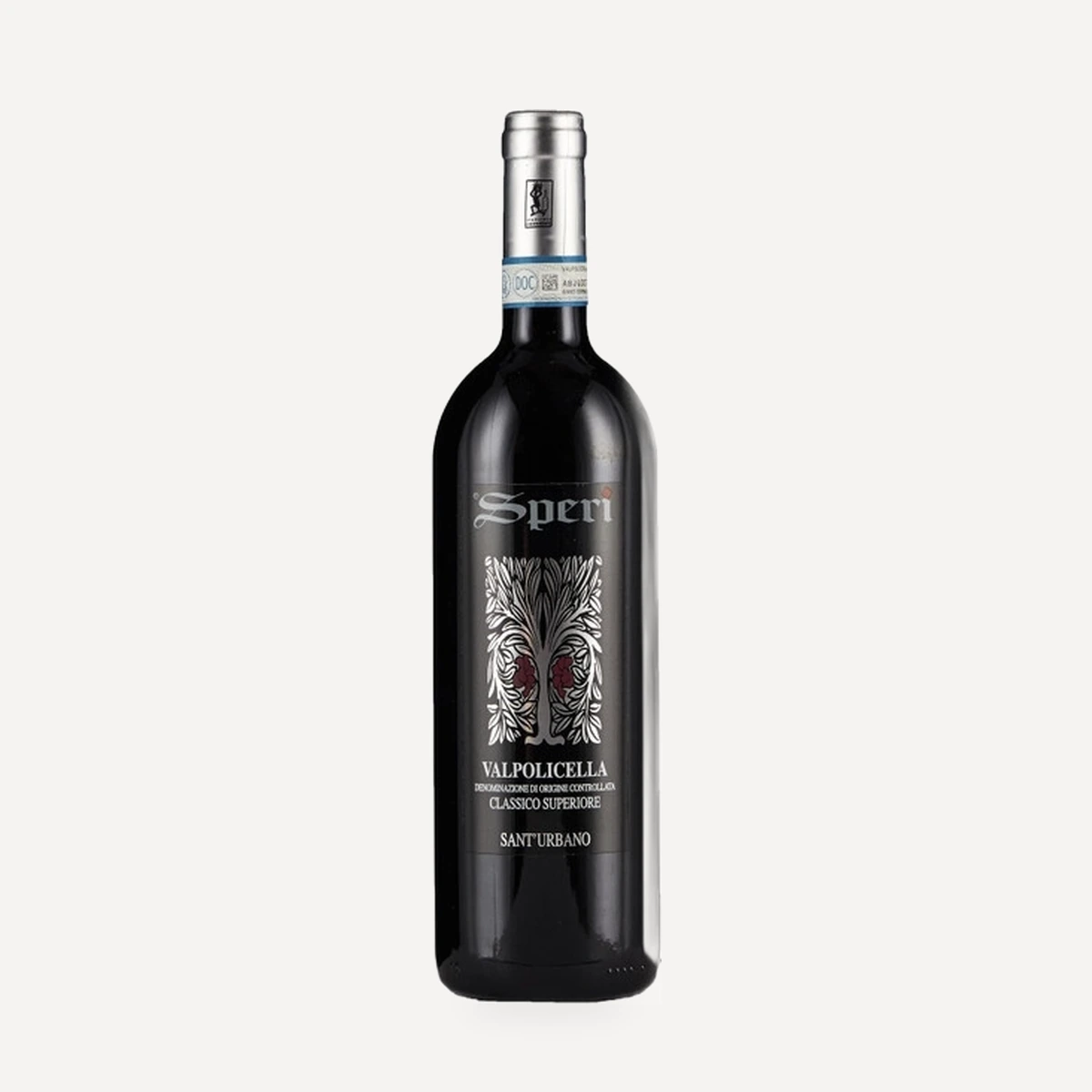
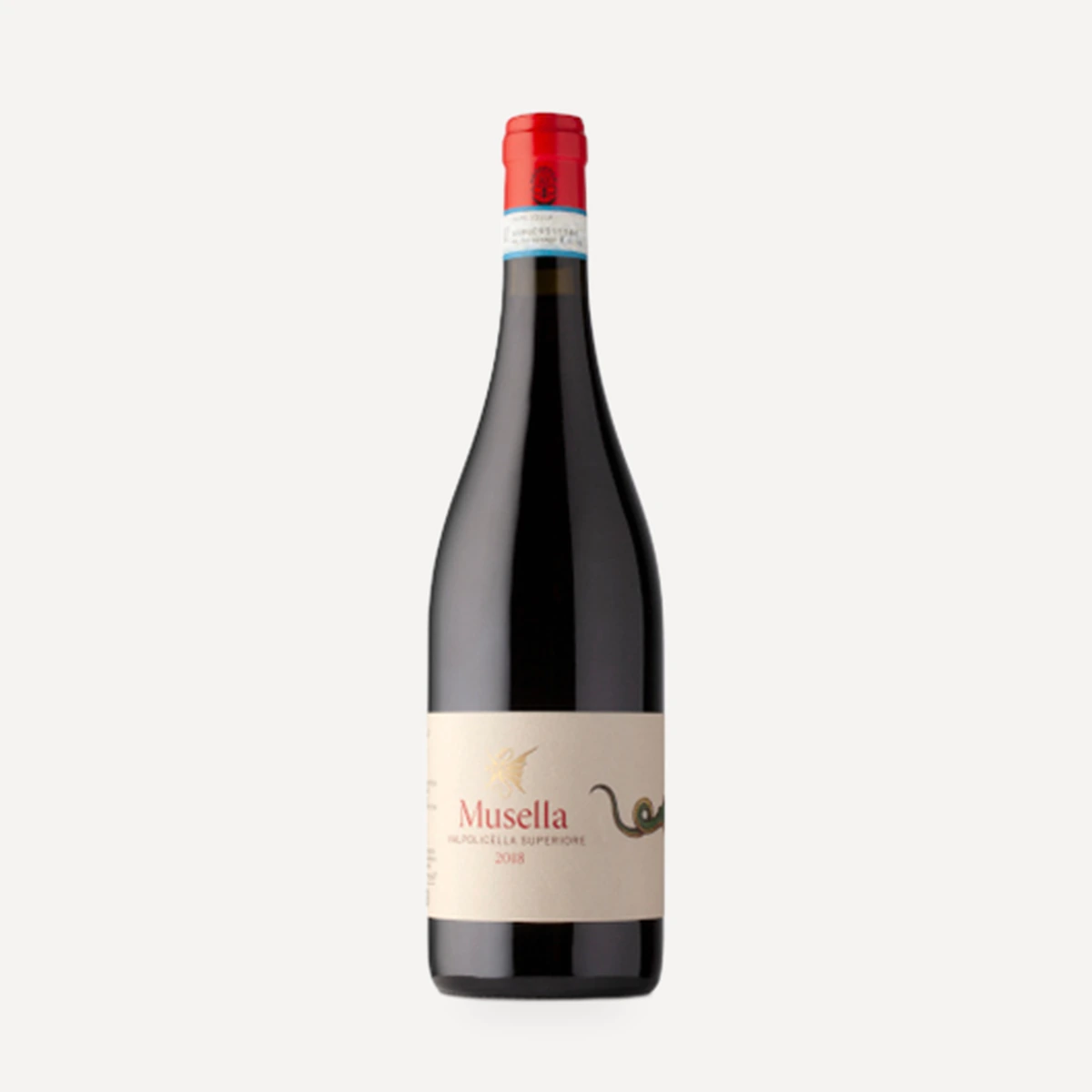
Questo vino
Vineyard and terroir
The organically farmed vines grow at 300 metres on clay-limestone soil rich in rock fragments, with exposure from midday into the evening. The vines are trained on the traditional Pergola Veronese system and range from 3 to 40 years old. Planting density is 3,500–4,000 vines per hectare, with yields of 2–2.5 kg per vine and 8,000–10,000 kg per hectare. Vineyard treatments consist of copper, sulfur and mating disruption; manure is applied every three to five years when needed. All fruit is estate-grown.
Grapes
The published 2016 composition is 40% Corvina, 30% Corvinone and 25% Rondinella, with Molinara, Cabernet and Croatina also present in unspecified proportions.
Vinification
The grapes were harvested manually from 30 September to 5 October 2016. Skin maceration lasted 7–10 days, with temperature control used only when the temperature exceeded 30°C. Fermentation proceeded without selected yeasts. Sulfur dioxide was added to the must at 5 g/hl; no ascorbic acid or corrections were used. Stabilization was static and spontaneous, and the wine was neither clarified nor filtered. The grape-to-wine yield was 70%.
Ageing
The wine matured for two years in stainless steel and for at least two months in bottle. It was bottled in Bordelaise Expo bottles under natural cork and certified organic.
Technical data
Alcohol is 12.8% vol. Total acidity is 6.13 g/L, volatile acidity 0.32 g/L, dry extract 24 g/L, total sulfur dioxide 25 mg/L and residual sugar 0.6 g/L.
Tasting profile
Ripe-fruit notes are balanced by lively acidity, giving a light, readily drinkable wine with well-integrated alcohol.
Vintage notes
The 2016 growing season was warm and dry, resembling 2015 and 2017. Drought caused a temporary halt in vine growth during midsummer, with maturation resuming later in the season.