Storia
Four generations
Terre di Gnirega has been cultivated by four generations of the Aldrighetti family. The documented family sequence begins with great-grandfather Cristoforo, born in 1874, followed by Sante, Luigi—known as Gigi—and the present generation represented by Francesco and Paolo.
Sante, born in 1908, was particularly known in the local contrada for his white passito. His son Gigi and grandson Francesco continue to make this family wine. Although Sante and Francesco never worked together in the cellar, an elderly local resident who tasted Francesco’s passito recognized it as the wine Sante used to make. The family regards this continuity as evidence that its winemaking style survived the passage between generations.
The organic transition
During the 1970s and 1980s, after succeeding Sante, Gigi joined a movement researching agronomic practices that excluded synthetic chemicals from crop protection and soil nutrition. The approach subsequently became known as organic agriculture.
In the following years, Gigi reorganized the land while preserving its traditional agricultural form. The hillside was divided into small cultivated terraces supported by marogne, the dry-stone walls characteristic of the local landscape. He planted vines, cherry trees and olive trees, while retaining hedges and woodland on the steepest ground.
Terre di Gnirega obtained organic certification under AIAB regulations in 1989. Those rules were incorporated into the European regulatory framework in 1991.
Estate vinification
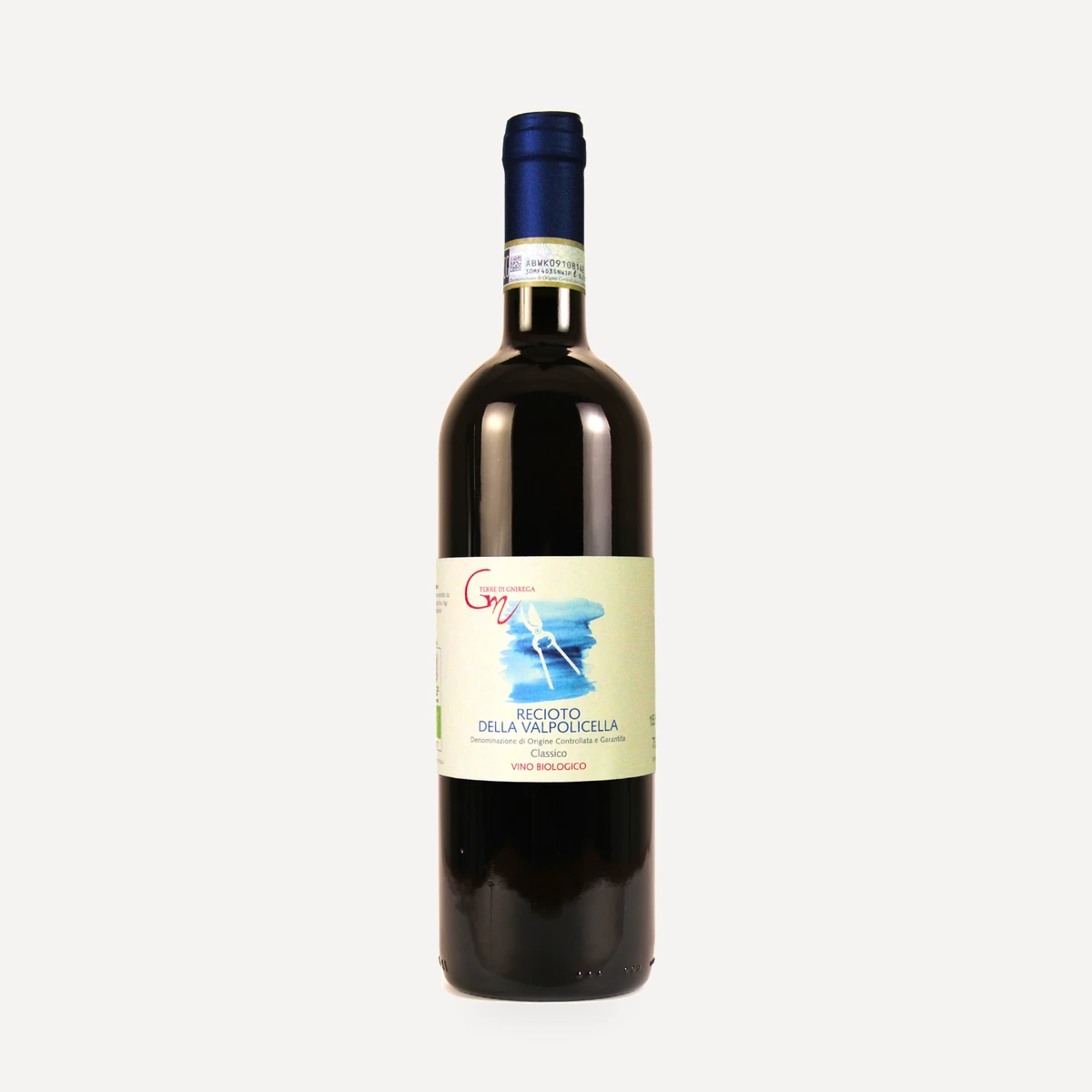
In 2010, Gigi and his son Francesco renovated old cellars arranged around the family courtyard and began vinifying their own organically grown grapes. Production encompassed Valpolicella Classico DOC, Valpolicella Ripasso Classico Superiore DOC, Amarone della Valpolicella DOCG, Recioto della Valpolicella DOCG and Passito Bianco del Veneto IGT.
The cellar approach developed around spontaneous fermentation with yeasts naturally present on the grapes, minimal intervention and respect for the character of each growing season.
The 2014 Ostrega experiment
Ostrega originated as an unplanned experiment during the rainy 2014 harvest. Grapes placed in wooden crates to dry for Amarone began developing botrytis after a major mid-harvest rainfall. The family sorted the crates again and immediately pressed the affected grapes. Fermentation proceeded very slowly, from November until the following spring, followed by maturation in stainless steel. The name Ostrega carries the Veronese-dialect sense of “surprise,” referring to the contrast between the wine’s aroma and its unexpected palate.
Agritourism
In 2024, two apartments on the slopes of the Marano valley were renovated for agritourism accommodation.
Terroir
Terre di Gnirega occupies the hillside of Valgatara in the Marano di Valpolicella valley, within Valpolicella Classica near Verona. The land lies at approximately 300 metres above sea level and is predominantly exposed to the south-west—described locally as facing from midday toward evening.
The soils are clay-calcareous and contain abundant stones and coarse skeletal material. The cultivated slopes are arranged in numerous small terraces supported by traditional dry-stone marogne. Hedges and woodland remain on the steepest sections of the hillside.
The estate covers 4.5 hectares: 3.5 hectares of vines and another hectare divided among cherry trees, plum trees and olive trees.
Vinificazione
Terre di Gnirega’s certified-organic farming dates to 1989 and originated in Gigi Aldrighetti’s involvement with the non-synthetic agronomic movement of the 1970s and 1980s. Certification was initially governed by AIAB regulations, which entered the European regulatory framework in 1991.
Work on the vines is carried out by hand, with treatments kept to a minimum. Vineyard protection uses copper and sulfur together with pheromone-based mating disruption. Manure is applied according to need, generally every three to five years. The estate does not use purchased grapes.
The vineyard landscape is maintained as a mosaic of small plots supported by traditional dry-stone marogne. Vines, cherry trees and olive trees share the cultivated land, while hedges and woodland are retained on the steepest slopes.
Harvesting is manual. Grapes intended for direct vinification are collected in bins, while fruit selected for drying is placed carefully in small wooden crates. Amarone and Recioto require healthy, relatively loose bunches suitable for extended drying, with the best bunches selected in the vineyard. Estate records give vine ages of 3–40 years, densities of 3,500–4,000 vines per hectare for the principal red varieties and 3,000 vines per hectare for the Garganega–Malvasia planting. Typical recorded yields are 8,000–10,000 kg per hectare.
Cellar and fermentation
The winery operates in restored old cellars arranged around the family courtyard. Estate vinification began there in 2010. Stainless-steel tanks are the principal fermentation vessels. Fermentations start spontaneously with the indigenous yeasts present on the grapes; selected yeasts and corrective additions are avoided. The working principle is minimal intervention, allowing the conditions of each harvest to remain evident in the finished wines.
Across the cellar’s documented methods, stabilization is static and spontaneous, and several wines are made without filtration or clarification. Concentrated must, rectified concentrated must, concentration equipment and bleeding are excluded where specified. Sulfur dioxide may be added to the must in small, wine-dependent quantities; ascorbic acid is not used in the documented protocols.
Fresh red grapes undergo skin maceration in stainless steel. Temperature control is limited, with cooling used for the directly vinified Valpolicella only when temperatures rise above 30°C.
Drying and sweet-wine production
Grapes for Amarone and Recioto are selected in the vineyard, placed in wooden crates and transferred to the drying rooms. Drying lasts approximately three months for Amarone and at least four months for Recioto, concentrating the must and developing the aromas associated with appassimento.
After drying, the grapes are crushed and ferment spontaneously in stainless steel. Amarone fermentation continues until the yeasts consume the sugars. Recioto is separated from the skins after roughly two-thirds of fermentation and then moves into maturation. The white passito likewise uses dried fruit, stainless-steel fermentation and maturation.
Ripasso and maturation
Valpolicella Ripasso undergoes a second fermentation in March–April on the fermented skins and seeds remaining from Amarone and Recioto production. Stainless steel is used extensively for maturation. Wines requiring wood are transferred to oak; the Amarone process includes large 10-hectolitre oak casks. Bottle maturation follows the tank or cask phase, with duration determined by the wine.
Filosofia
Nature and its seasonal rhythms are treated as the principal forces in both vineyard and cellar. The family defines its role as accompanying those processes through careful work, with the objective of making wines that express the territory and its traditions without erasing vintage differences.
The approach begins in the fields: manual work, restrained treatments, organic cultivation and the preservation of traditional terraces, dry-stone walls, hedges and woodland. In the cellar, the stated aim is minimal intervention. Spontaneous fermentation with indigenous yeasts, the avoidance of selected yeasts and corrections, and restrained processing are intended to preserve the character of the grapes and each individual year.
Family continuity is central to this outlook. The white-passito tradition associated with Sante and continued by Gigi and Francesco is presented as an example of a recognizable style passing between generations even when grandfather and grandson never worked together. The family seeks wines with richness and a distinctive taste without excessive heaviness.
Vini
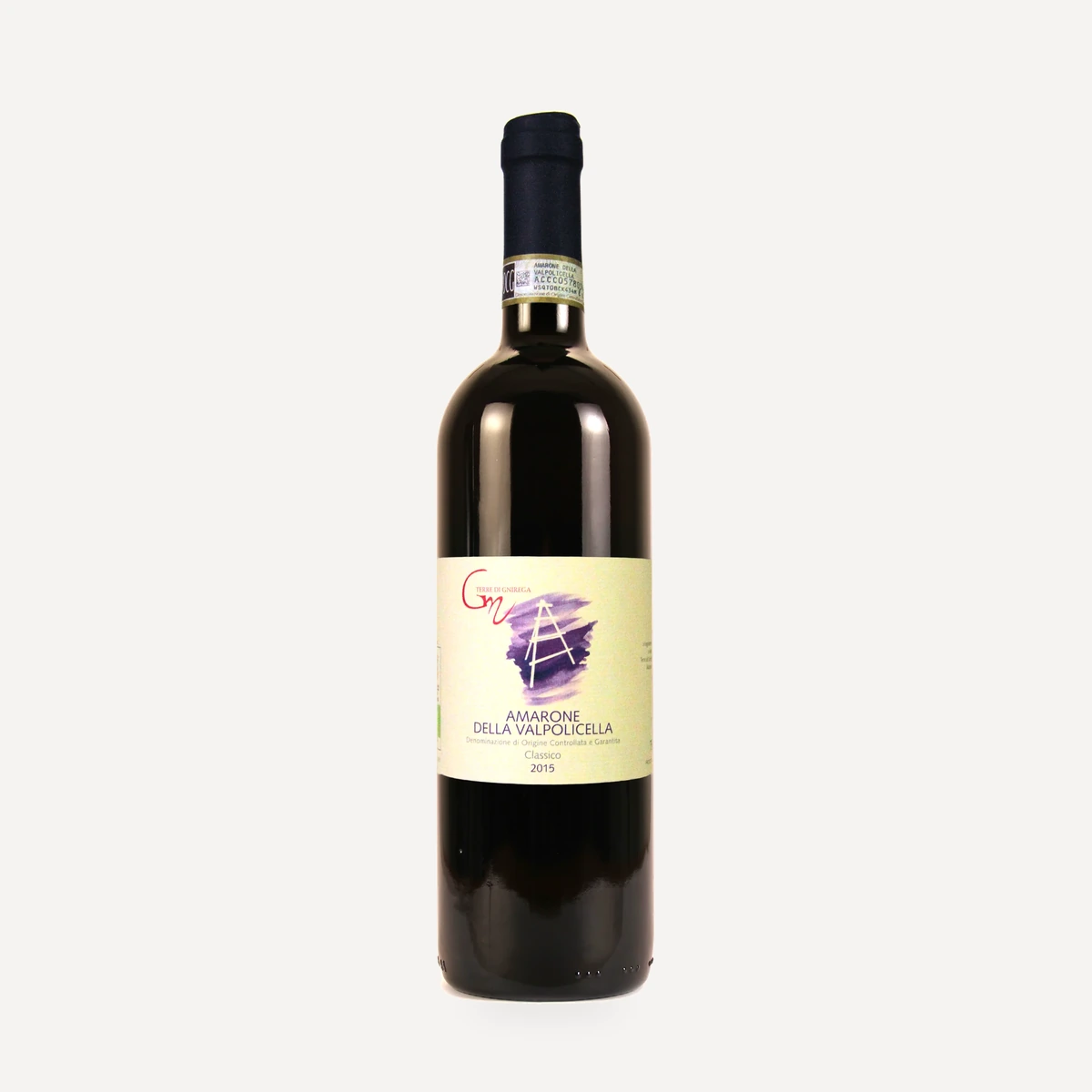
Amarone della Valpolicella DOCG
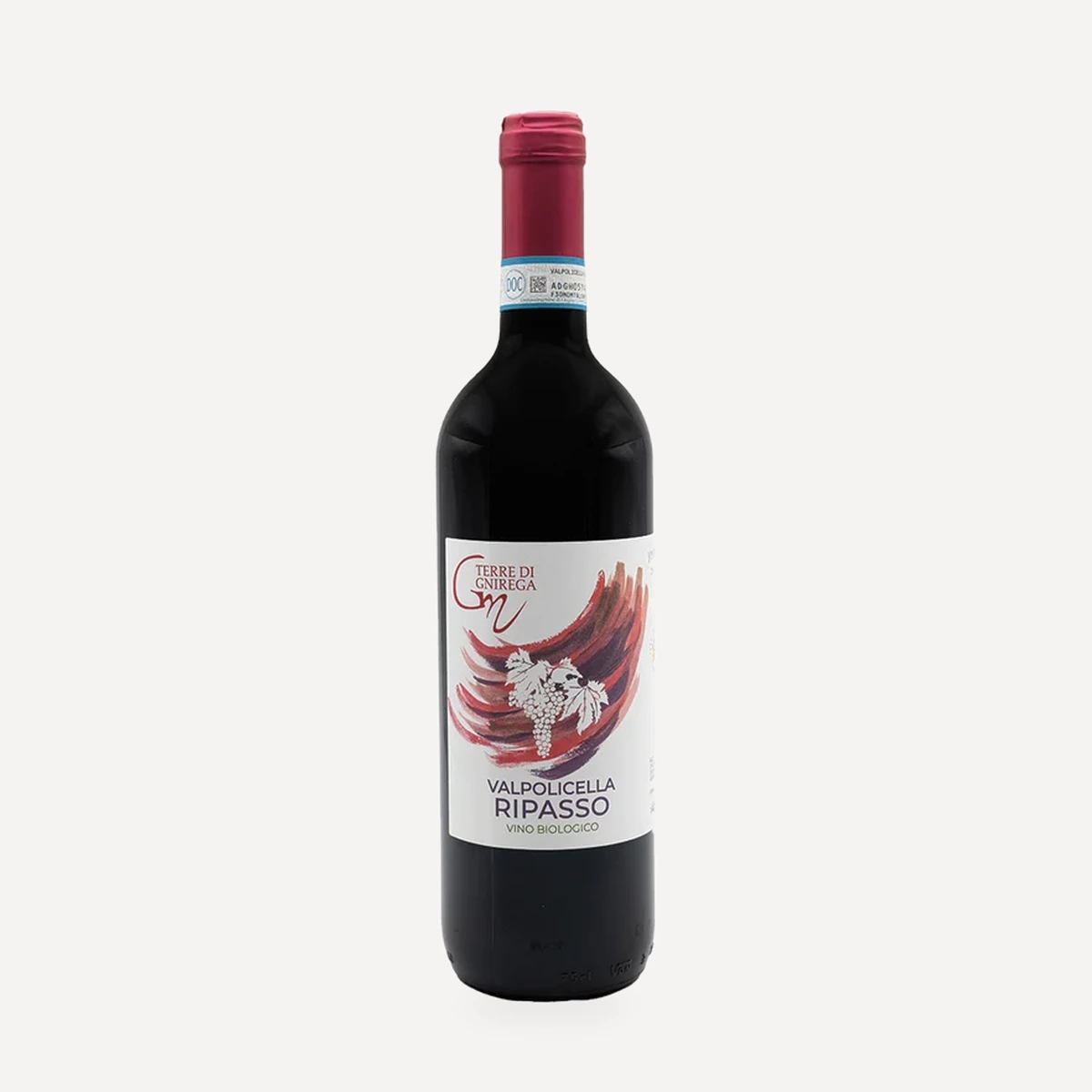
Valpolicella Ripasso Classico Superiore DOC
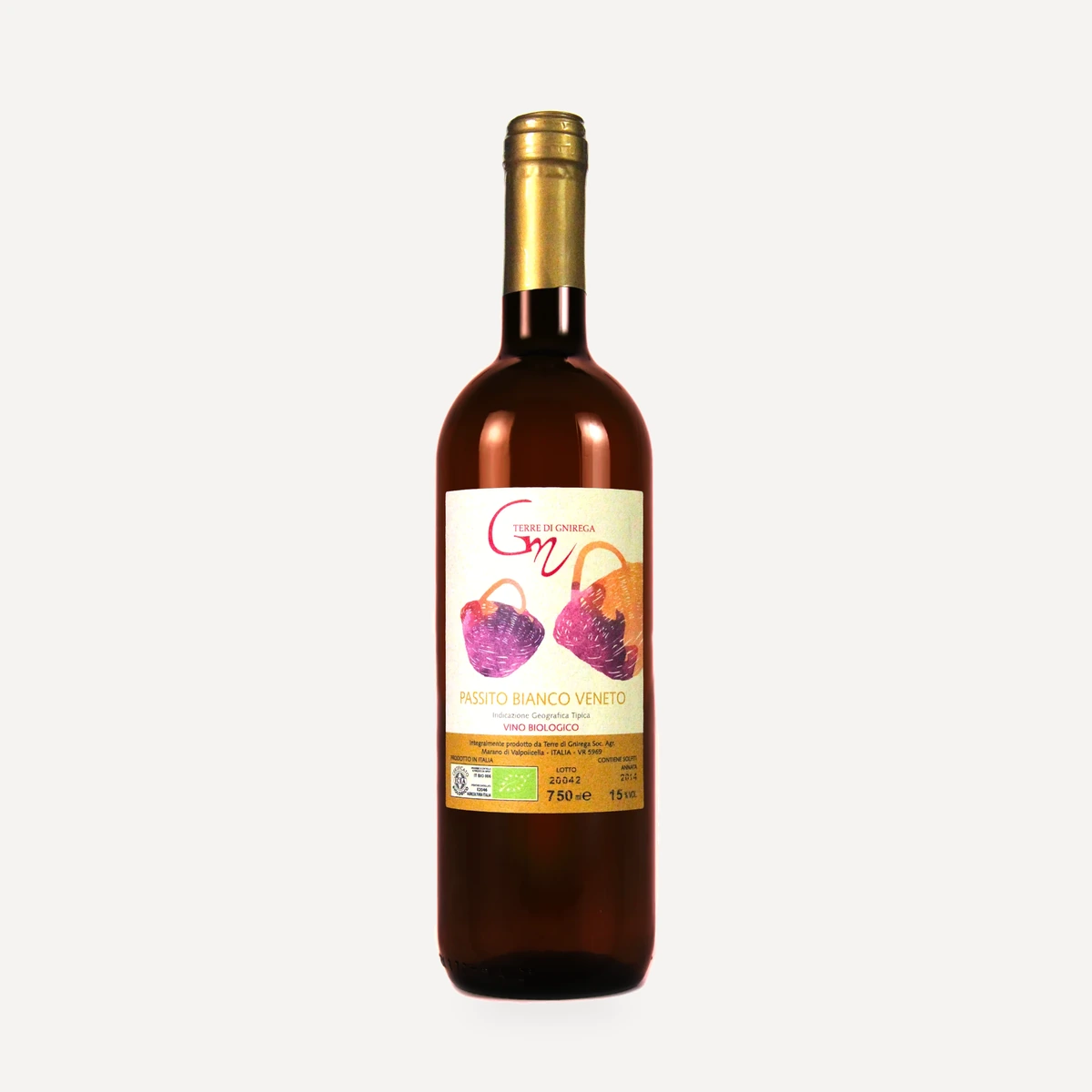
Passito Bianco del Veneto IGT