Storia
Valpolicella origins
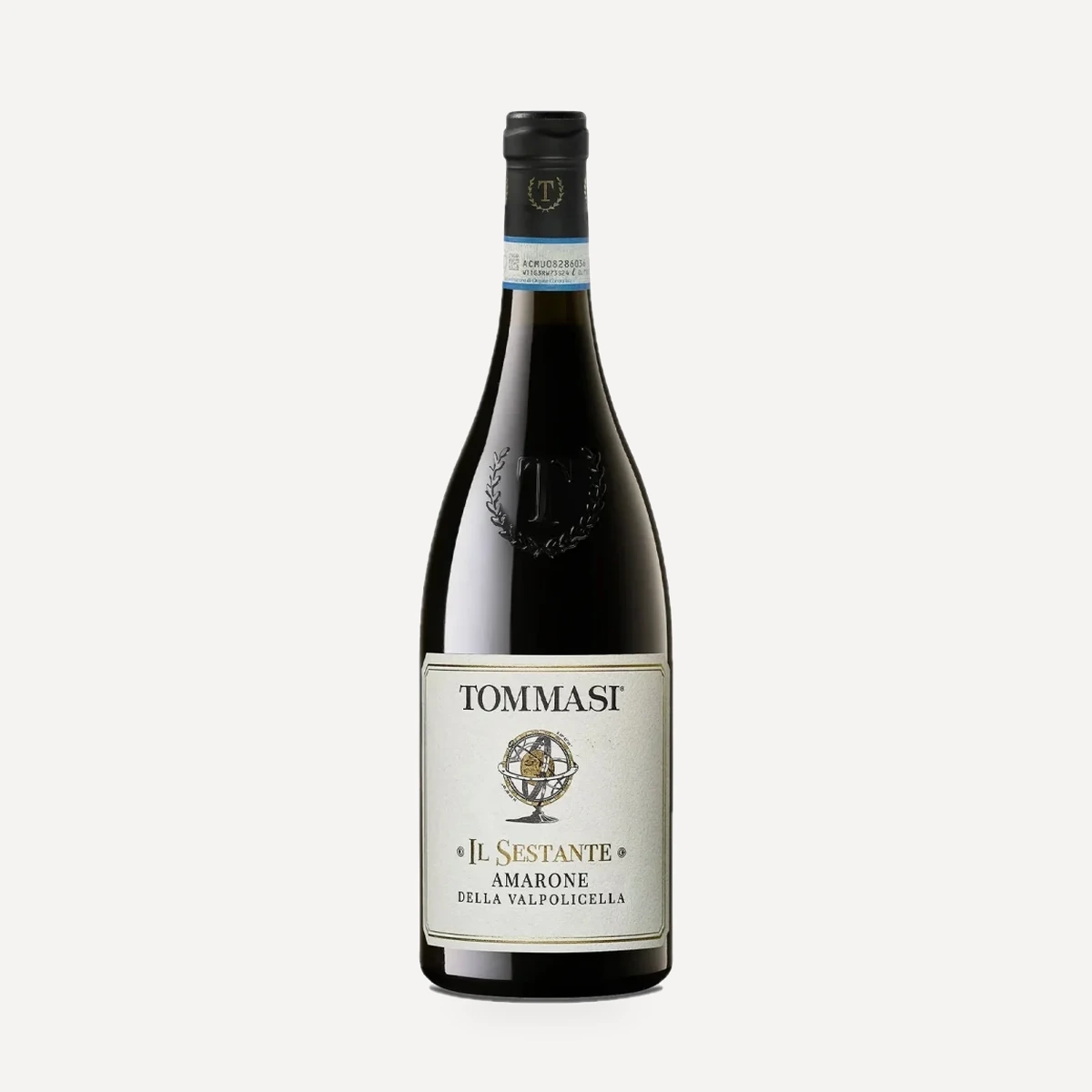
Sestante developed within Tommasi Viticoltori around wines made from the Tommasi family’s own vineyards in the hills of Valpolicella. Its Amarone is the range’s earliest precisely dated release: the first vintage was 1987. The wine was conceived around rigorous grape selection, the family’s experience with appassimento and long maturation in large Slavonian-oak casks.
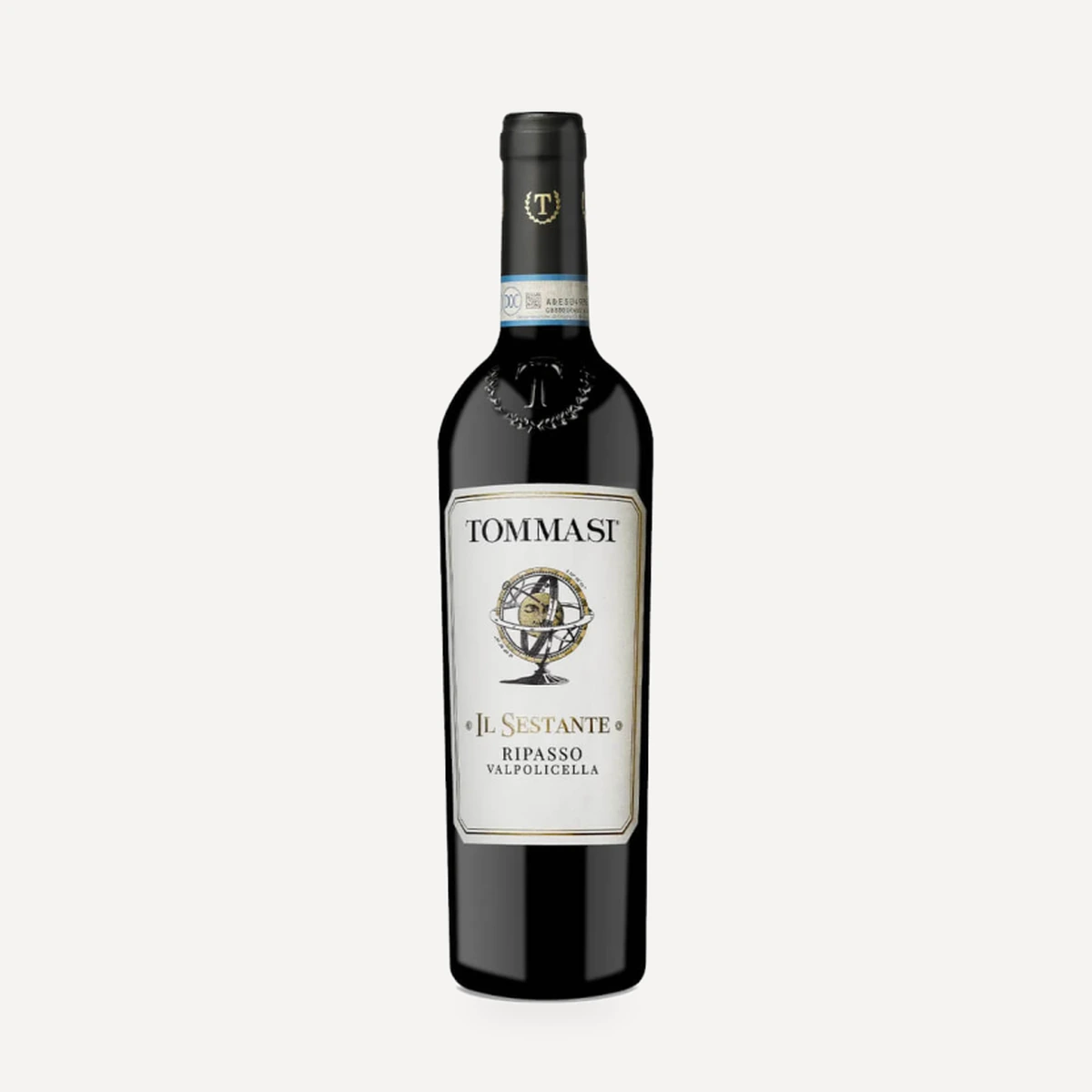
The range also adopted the traditional Ripasso method, fermenting Valpolicella wine again on Amarone pomace. The family describes its first Ripasso as the product of a selection of its best grapes and records that it was the first family to display the name “Ripasso” on a label.
Expansion into Lugana
After several years of research in the historic Lugana zone, a small wine-growing property was selected at San Martino della Battaglia. The associated Sestante Lugana comes from estate vineyards in the commune of Desenzano, identified more specifically as the San Martino vineyard within the Le Fornaci estate. This introduced Turbiana and a white-wine expression to a range previously represented by Valpolicella reds.
Production and environmental practices
The range combines traditional Valpolicella techniques with temperature-controlled stainless-steel vinification. Its vineyard management follows an integrated-production system intended to make agricultural activity environmentally sustainable. Cellar procedures emphasize efficient resource use, waste avoidance and recycling; animal-derived products and materials containing allergens are excluded from the winemaking process. Packaging specifications include FSC-certified cork and label materials and recycled-paper cartons.
Terroir
Sestante draws on two distinct growing areas.
Valpolicella
The Corvina Veronese, Rondinella and Molinara used for the Sestante Valpolicella wines come from Tommasi family-owned vineyards in the hilly part of Valpolicella.
Lugana
The Turbiana vineyards are in the commune of Desenzano, in the historic Lugana zone. Their origin is also identified as the San Martino vineyard at the Le Fornaci estate, near San Martino della Battaglia. The soil has layers of fine sediment composed of clay—predominantly calcareous clay—and silt.
Vinificazione
Vineyard management follows an integrated-production system intended to ensure environmentally sustainable agricultural activity.
In the Lugana vineyards, Turbiana is trained with the traditional archetto method. After pruning, the two retained canes are bent into an arch and tied.
Grape selection is central to both Valpolicella reds. Selected Amarone grapes are kept under continual observation during drying so that the bunches remain healthy and free of mildew. The dedicated drying room uses strong, constant airflow supplied by a ventilation system.
Appassimento and Amarone
Selected Amarone grapes are dried in a fruttaio for approximately three months. The broader description of the traditional method places selected bunches on arele, the traditional bamboo racks, in a large dedicated open room with strong, constant ventilation. The grapes are monitored throughout drying to keep them healthy and prevent mildew.
Il Sestante Amarone ferments in temperature-controlled stainless-steel vats for 20–25 days at 25–30°C. It then matures for three years in 35 hl Slavonian-oak casks.
Ripasso
The Ripasso begins with approximately 12 days of fermentation in stainless-steel vats. It is then refermented for around eight days on Amarone pomace, with daily pumping over. Maturation lasts 12 months in 65 hl Slavonian-oak casks.
Lugana
Turbiana undergoes gentle, soft crushing with light destemming. The must is clarified by natural sedimentation and ferments slowly at a controlled 14–18°C. The wine matures on its lees and fine yeasts and remains in stainless steel; the English description gives four months of maturation in stainless-steel tanks.
Resource use and materials
No animal-derived products or materials containing allergens are used during winemaking. Cellar management is organized to optimize resource use, limit waste and recycle whenever possible.
Filosofia
Sestante is presented as an expression of the Tommasi family’s attachment to Valpolicella, built around careful selection and the family’s experience with appassimento. The family’s declared aim is to preserve the authentic character of this traditional method, including the use of arele and controlled drying conditions.
The range also combines inherited practices with controlled cellar technology: traditional drying, Ripasso refermentation and large Slavonian-oak casks are used alongside stainless steel, temperature control and managed ventilation.
Environmental commitments encompass integrated vineyard management, optimized use of cellar resources, waste reduction, recycling and the exclusion of animal-derived processing materials. Packaging extends this approach through FSC-certified cork and label components and recycled-paper cartons.
Vini
Il Sestante Amarone della Valpolicella DOCG