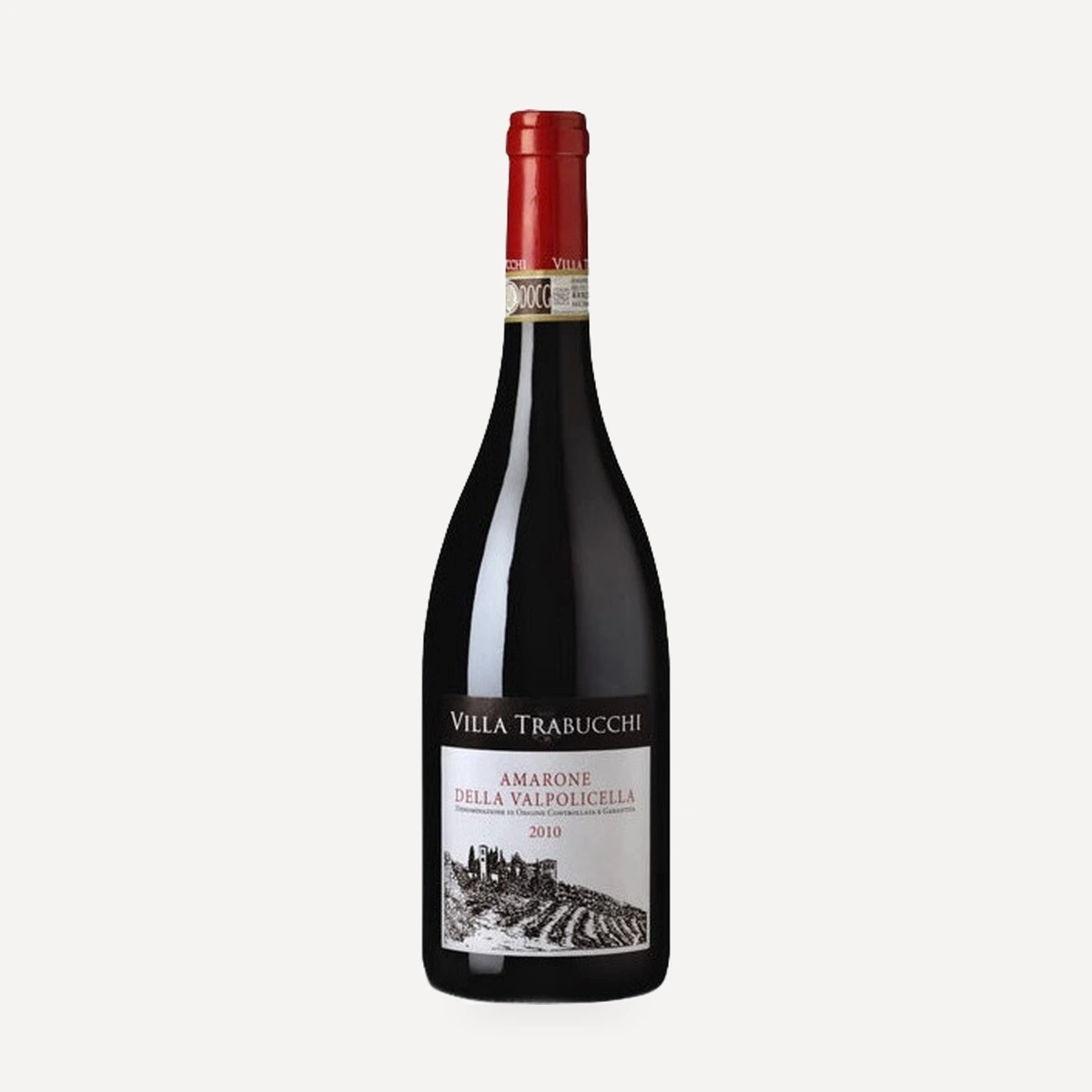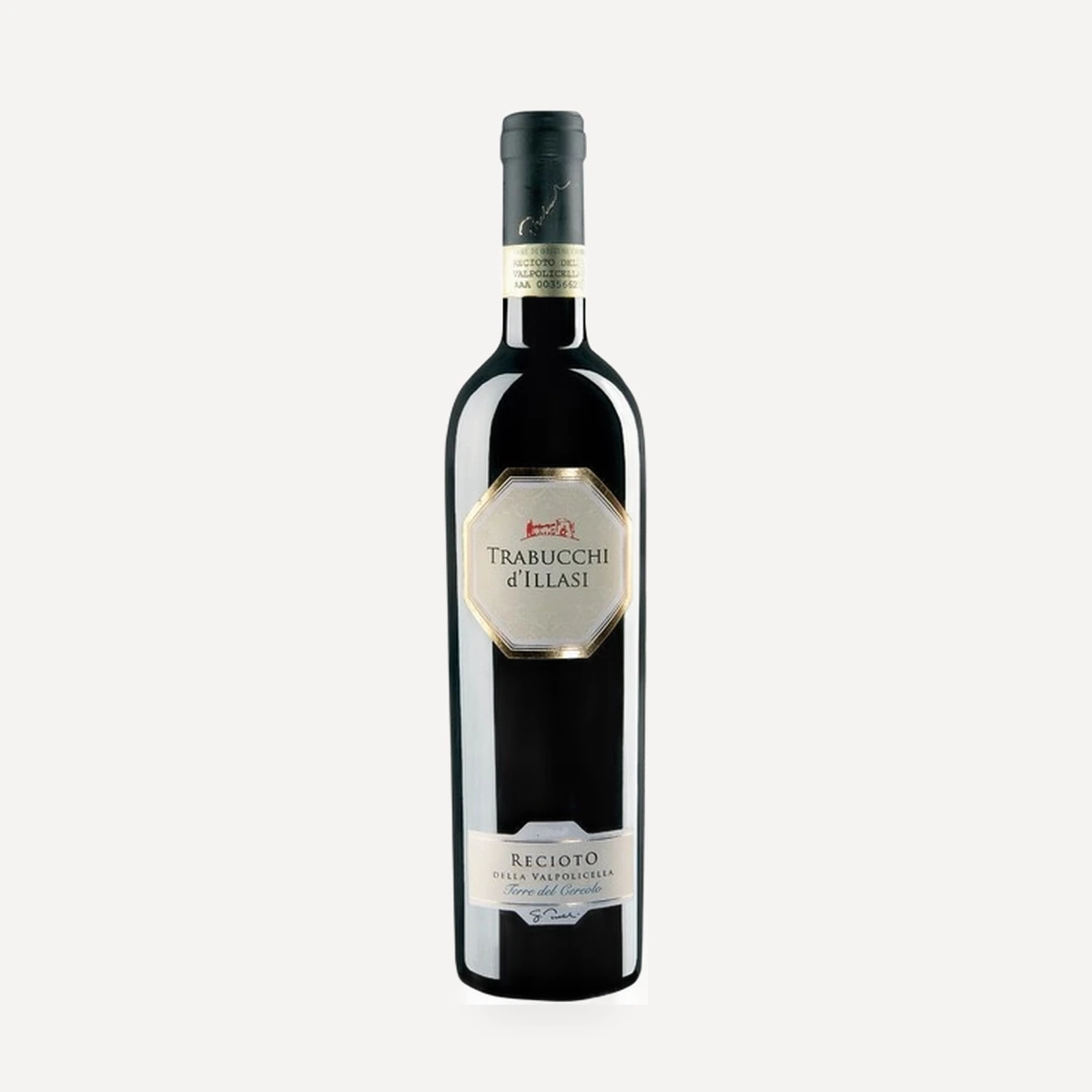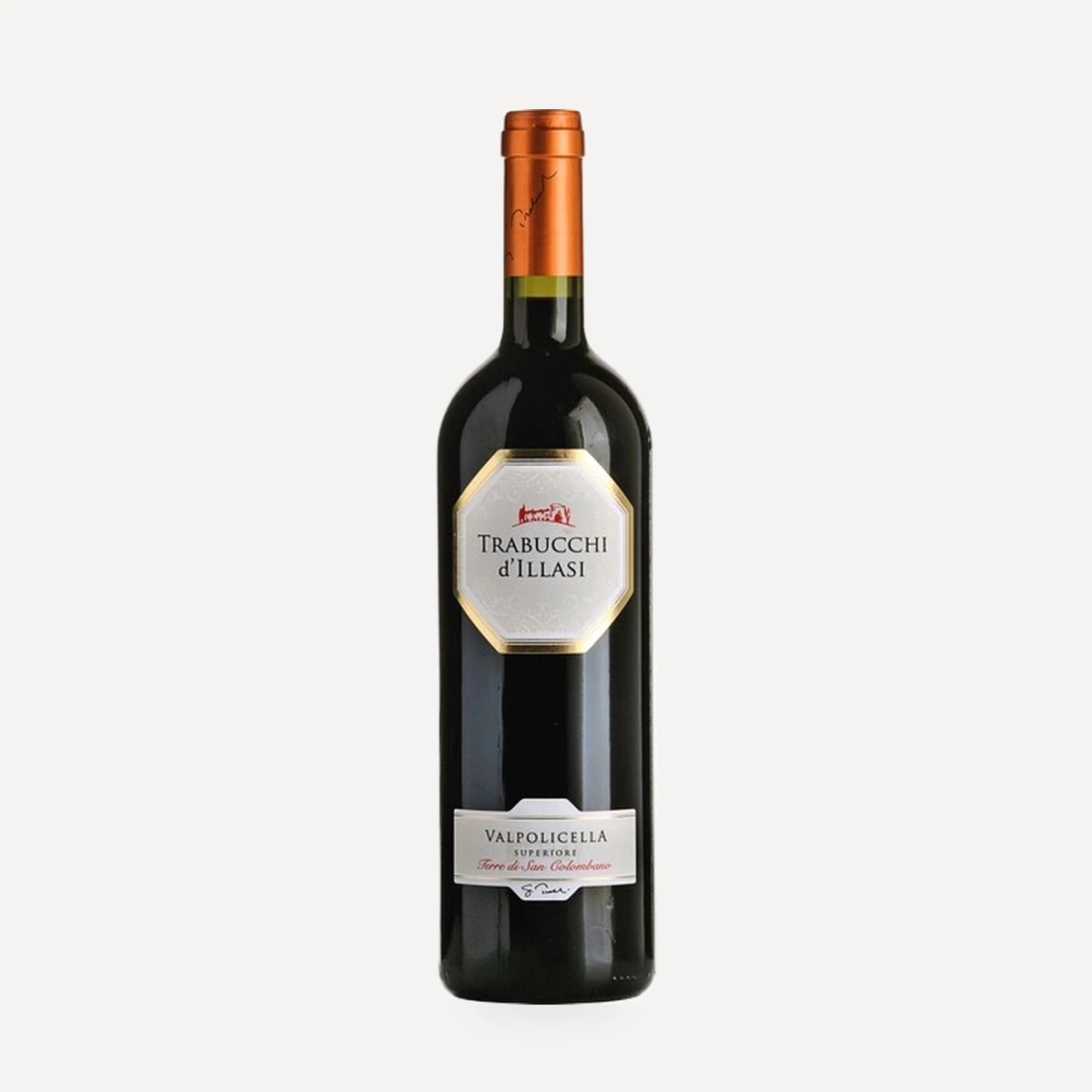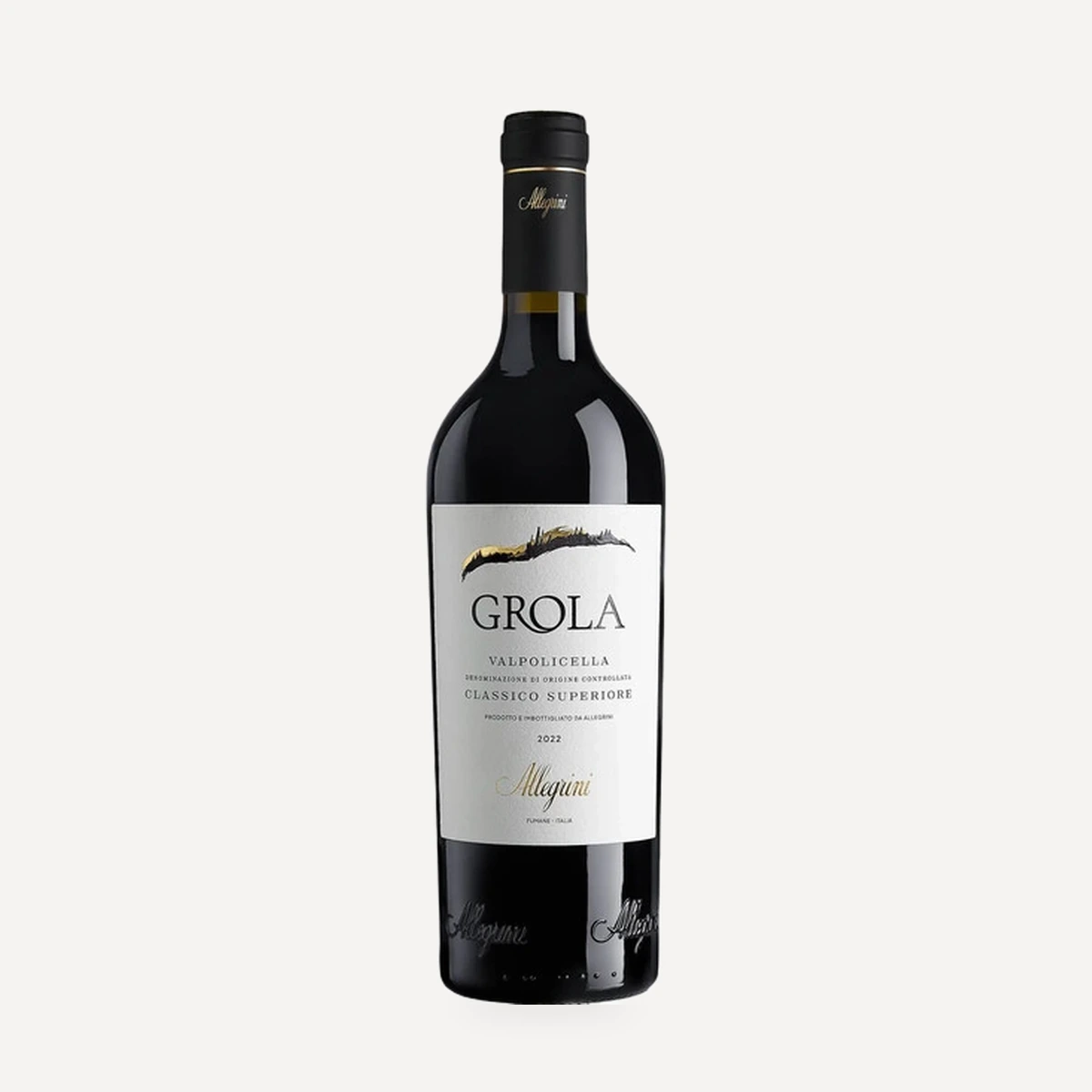
Questo vino
Vineyard and terroir
The fruit comes from Fondo Cereolo, Cereolo and Castello, at 140–250 m above sea level. The vineyards have been farmed organically for 20 years. The area has a fairly mild climate, with warm winters, hot summers and average annual rainfall of 750–850 L/m². Rainfall must be balanced against the soils’ moisture-retention capacity, which is relatively low where clay content is limited.
Corvina Veronese grows vigorously, resists disease and thrives in stony limestone soils. Corvinone withstands winter cold well but is sensitive to disease; on flat, fertile ground, its large berries tend to retain water, reducing grape quality.
Grapes
Corvina Veronese and Corvinone form the main part of the blend, with small amounts of Rondinella, Oseleta and Croatina. The best bunches are selected for drying.
Vinification
The grapes are harvested in early September and dried from September to December in specially equipped lofts under constant humidity monitoring. During drying, they lose an average of 50% of their weight. They are then pressed and destemmed, followed by 24–26 hours of cold maceration. Fermentation with selected yeasts lasts about one month in temperature-controlled stainless-steel vats. The wine subsequently undergoes malolactic fermentation in temperature-controlled tanks. After racking off the gross lees, it is clarified and filtered before bottling.
Ageing
The wine matures for 12 months in barrels made from French oak sourced from the forests of Allier, Nièvre and Limousin.