Storia
Family origins and the first cellar
The Travaglini family has cultivated grapes and made wine in Gattinara since the 19th century. The estate’s continuous company history begins in the 1920s, when Clemente Travaglini began vinifying grapes from his small family-owned vineyards. In 1920 he established the family’s first cellar in the centre of Gattinara, having recognised the potential of the territory. His work helped raise the profile of Gattinara and established a commitment continued by subsequent generations.
Clemente was followed by Arturo Travaglini, from whom Arturo’s son Giancarlo inherited the company and the family’s passion in 1958.
1958: Giancarlo Travaglini and a period of renewal
Giancarlo Travaglini’s arrival in 1958 initiated profound changes in both the vineyards and cellar. Drawing on his curiosity, education and passion, he pursued pioneering research in the region and introduced new practices intended to improve viticulture and the quality of the finished wines. The same year also marked the establishment of the eponymous Travaglini wine house.
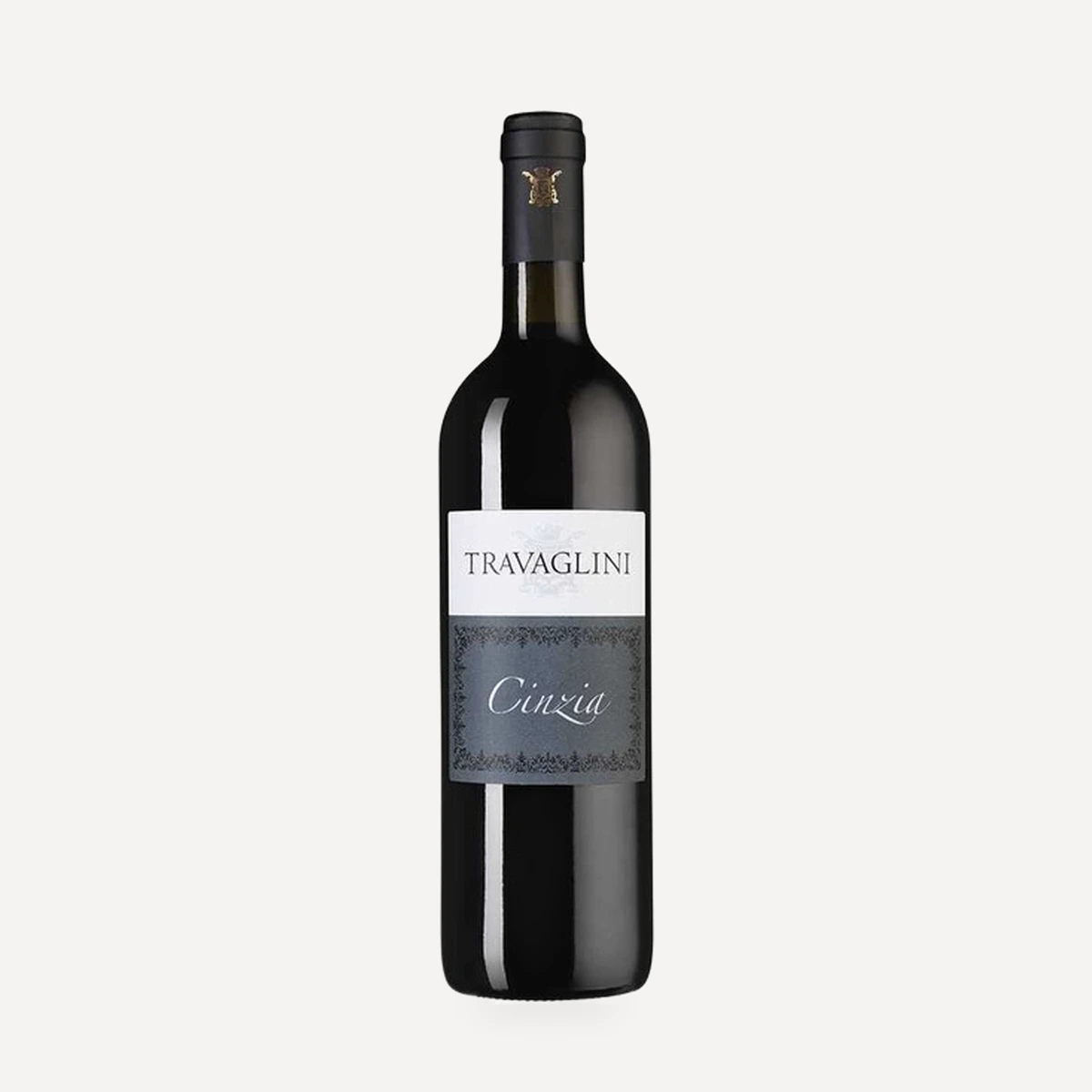
In 1958 Giancarlo designed and patented the asymmetrical vessel that became known as the Travaglini “crooked bottle.” Conceived to combine practical wine service with table design, its curve collects sediment as the wine is poured, enabling service directly into the glass without prior decanting. Its dark glass filters light, supports extended cellar ageing and helps protect the wine over time.
1958–2004: expansion and new labels
The years from 1958 to 2004 brought the company’s most extensive period of change. Travaglini began attending national and international fairs and received its first distinctions and awards. These developments encouraged Giancarlo to invest further and grow within a region that was itself developing, while maintaining quality as the determining priority.
Giancarlo worked alongside his daughter Cinzia and passed the family’s principles and passion to her. Research into the territory and cellar techniques led to the creation of labels that remain within the collection, including Gattinara Tre Vigne and Il Sogno.
2004–2018: the fourth generation
From 2004, the fourth generation—Cinzia Travaglini and Massimo Collauto—continued the foundations established by Giancarlo. Their work combined preservation of his legacy with research and innovation. They also continued the parallel investment and expansion programmes he had begun in the vineyards and cellar.
2019–present: the fifth generation
The fifth generation entered the business in 2019. Travaglini is now led by Cinzia Travaglini, Massimo Collauto, Alessia and Carolina, bringing together the fourth and fifth generations. The family continues to develop the estate through research, innovation and investment while presenting Travaglini internationally.
Terroir
Location and landscape
The estate is based in Gattinara, a small town at the centre of its namesake winegrowing area in Alto Piemonte, at the foot of Monte Rosa. Travaglini’s vineyards occupy hills below the mountain. Their natural orientation provides exposures ranging from south-east to south-west.
Alpine microclimate
The Alps rise behind the hills and create a protective barrier against cold currents arriving from the north. Alpine influence also produces a gentle breeze throughout the day and across the seasons. This constant ventilation is associated with the elegance of the wines. Fruit from the estate is characterised by freshness, pleasant acidity and refined tannins.
Volcanic geology
The soils are rocky and volcanic in origin. Lapilli and other volcanic remnants contain principally silica, iron, magnesium, porphyry and granite. These materials are associated with pronounced mineral and savoury sensations, persistent acidity and a combination of lightness, elegance and persistence even when the wines reach elevated alcoholic strength.
Gattinara is identified as the only winegrowing area in which Nebbiolo is cultivated on volcanic-origin soils. The meeting of Nebbiolo with this geology is central to Travaglini’s interpretation of the territory.
Vinificazione
Travaglini’s viticultural identity is centred on Nebbiolo, to which most of the 59 ha family property is devoted. Clemente Travaglini began with small estate vineyards, while Giancarlo later introduced major vineyard changes supported by pioneering regional research intended to improve viticultural methods and final wine quality. From 2004, Cinzia Travaglini and Massimo Collauto continued the vineyard investments and expansions initiated by Giancarlo. The family’s approach seeks to preserve the natural character of the grapes and translate the volcanic, Alpine-influenced territory into the wines.
Cellar approach
The cellar is treated as the place where the wines rest, change and evolve. Territory and family tradition are combined with technique and accumulated experience, while intervention is intended to remain as limited as possible.
Each vineyard is vinified separately. This separation allows differences in quality to be identified and maintains the particular characteristics of each site. Cellar decisions are directed toward the natural evolution of the wine and preservation of the grapes’ organoleptic profile.
Wood is selected deliberately for each application. Decisions encompass the supplier, wood type and degree of toasting, with individual details tailored to the desired evolution of the wine.
Packaging and ageing function
The patented Travaglini bottle forms part of the estate’s approach to maturation and service. Its dark glass filters light and helps preserve wine during extended cellar ageing. During pouring, the curved profile naturally retains sediment, allowing mature wine to be served directly into the glass without separate decanting.
Filosofia
Travaglini’s philosophy rests on a close connection to Gattinara, continuity across generations and a persistent search for quality and precision. Family warmth, inherited passion and the sharing of Gattinara around the table are presented as essential parts of the estate’s identity.
Nature is treated as the principal creative force and source of inspiration. The guiding objective is to intervene as little as possible, capture nature’s character and allow it to reach its fullest expression. Giancarlo Travaglini framed the winemaker’s skill as the ability to remove as little as possible from what nature offers.
Tradition is not treated as static. Successive generations have combined the foundations laid by their predecessors with research, technical development, innovation and continuing investment. Hard work, gratitude to nature, uncompromising attention to quality and the desire to create a recognisable identity remain the recurring principles.
Vini
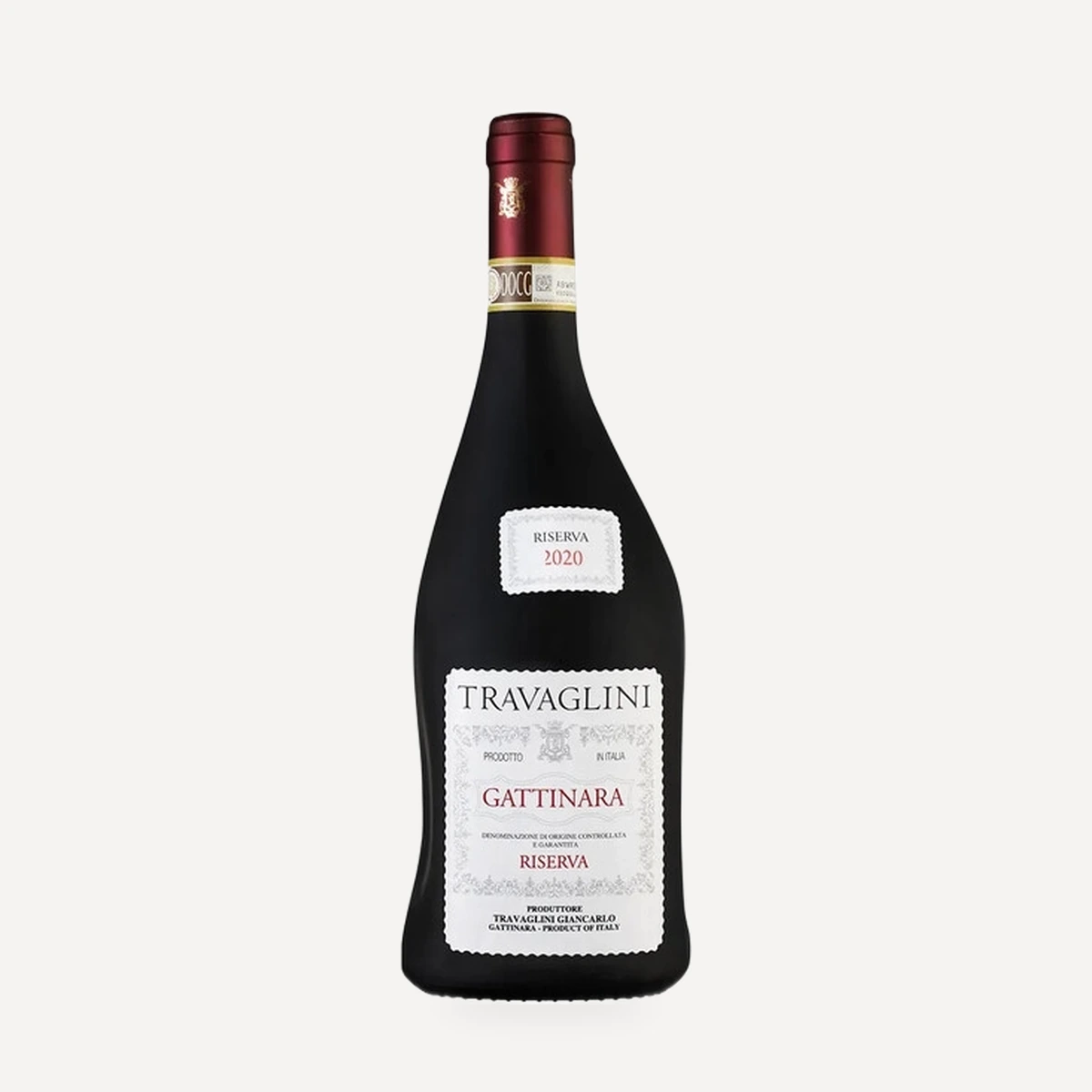
Gattinara Riserva DOCG
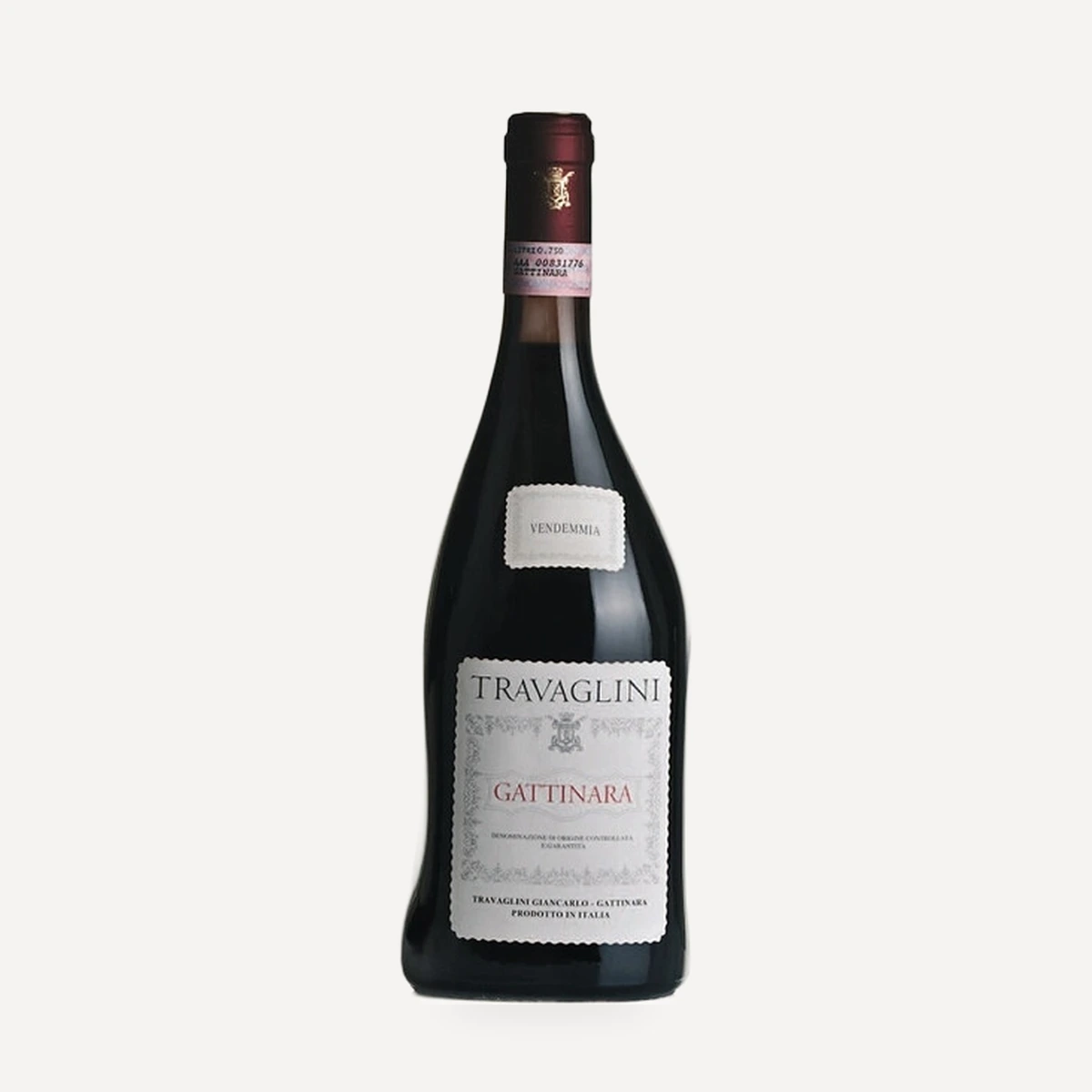
Gattinara DOCG
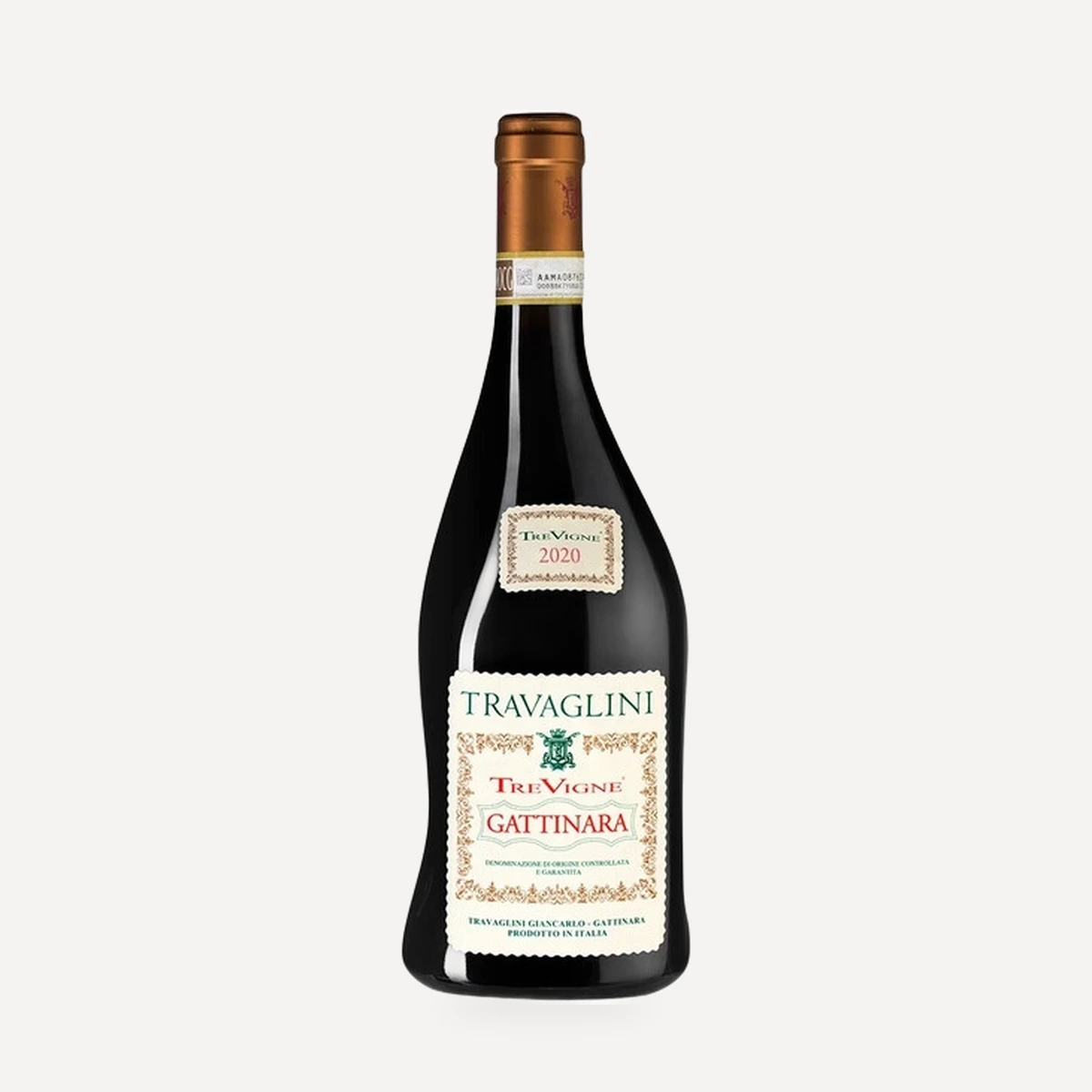
Gattinara Tre Vigne DOCG