Storia
The estate’s early history
The earliest account of the farmhouse reaches back approximately a century before 1850, when it belonged to Adelaide Cristina Perez Binelli, Countess of Corneliano and wife of Paolo Giuseppe Giza Asinari de Grèsy. The property subsequently passed through inheritance within the de Grèsy family.
Around 1850, the farmhouse became the home of Abbot Felice de Grèsy, who was living there in exile. This episode is associated with the estate’s historic name, Val del Prete, meaning “Valley of the Priest.”
1977: the Roagna family arrives
In 1977, Bartolomeo Roagna of Priocca d’Alba purchased the estate. He had previously worked there as a sharecropper for the de Grèsy family. His decision came during a period marked by emigration and the abandonment of rural land.
Bartolomeo, his wife Carolina and their children chose to remain in the countryside and develop the property. They planted their first Barbera and Nebbiolo vineyards in the natural amphitheatre facing the farmhouse. The resulting grapes and wine were initially sold rather than bottled entirely by the estate.
The farm was diversified: peaches occupied part of the land, while level ground was devoted to arable crops that supplied feed for calves raised in the estate’s stable. Over the following years, Bartolomeo enlarged the property by purchasing adjoining land and converting it to vineyards. With help from his children, he also planted Arneis as the variety was returning to prominence in the Roero.
1995: specialization and natural farming
In 1995, Bartolomeo’s son Mario assumed responsibility for the estate with the support of his wife, Maria Carla. They discontinued fruit growing and livestock farming and concentrated the business exclusively on viticulture and quality wine production.
Mario adopted natural agricultural practices and moved toward bottling the entire production rather than selling grapes or bulk wine. This shift established the vineyard-centered model that continues to define the estate.
2010: Giovanni joins
Giovanni, Mario’s son, joined the family business in 2010 and became involved in its production activities, bringing a new generation into the working life of the estate.
2013: organic certification
In 2013, all 10 hectares of vineyards—planted to Arneis, Barbera and Nebbiolo—became certified organic.
Terroir
Setting
The vineyards are in Priocca, at the northwestern edge of both the Roero denomination and the province of Cuneo. The Roero occupies the territory between the left bank of the Tanaro River and the Carmagnola plain. The Tanaro flows from west to east, separating the Roero to the north from the Langhe to the south. The wider landscape combines steep hills, vineyards, hazelnut groves, other crops and areas of wild woodland.
Geological formation
The geological account begins with the shallow Golfo Padano, which once covered the Po Valley. It left deposits of sand, clay and mineral salts as well as marine fossils that remain present in the area. Between approximately 500,000 and 250,000 years ago, pressure between the African and Eurasian plates raised the former seabed.
The Roero hills took their present form more recently. About 60,000 years ago, the Tanaro changed course and its erosion carved the landscape. This event, known as the cattura del Tanaro, removed large quantities of material, exposed older geological layers and formed the Rocche del Roero, deep fissures visible across much of the area. The resulting soils are highly heterogeneous. Grey-blue Pliocene marl is identified as a formation composed of clay and limestone.
Priocca soils
Priocca’s soils are less sandy than those found in much of the Roero. Their stronger clay-and-limestone component contributes greater structure to the wines. Across the vineyards, soil textures include clay with sandy veins, sandy clay, clay-limestone with sandy veins and areas where grey-blue marl reaches the surface. The soils are alkaline, loose and free-draining, making erosion and nutrient leaching important considerations.
Landscape and biodiversity
Woodland interrupts the cultivated hills and helps slow atmospheric erosion while preserving biodiversity. The estate’s vineyards form part of this mixed landscape of vines, hazelnuts and forest remnants.
Vinificazione
Natural agriculture has guided vineyard management since 1995, and the full 10-hectare holding has been certified organic since 2013.
The vineyards retain permanent grass cover throughout the year. This protects the loose, free-draining soils from erosion and slows nutrient leaching. Herbaceous plants absorb nutrients while growing and return them to the soil after mowing.
Mowing is timed according to flowering and seed maturity. The vegetation is cut only after useful species have produced mature seed, allowing them to reproduce in subsequent years. Mowing therefore takes place only twice annually, encouraging the widest feasible diversity of herbaceous plants.
Plant diversity is used both in pest management and to build fertility. Different species contribute different elements and broaden the range of organic compounds available to the vines. Mature manure is the only stated fertilizer and is applied just once every five to six years. Green manures and managed soil cultivation are additional parts of the farming program.
Balanced pruning, precise canopy management and careful crop regulation are intended to produce healthy grapes while preserving varietal character and the expression of the vineyards. Harvesting is manual, permitting selection of the best bunches before vinification.
Cellar work follows a low-intervention approach. Fermentations are conducted principally with indigenous yeasts. Depending on the vintage, skin maceration lasts 25–30 days, allowing extraction of aromatic compounds and colour.
At the end of alcoholic fermentation, the wines are pressed at pressures of up to 0.8 bar. They are then transferred to stainless-steel tanks for malolactic fermentation on the lees. Once malolactic fermentation is complete and the wines have become clear, they are transferred to wood.
Time in wood varies according to the intended style: wines intended for earlier drinking may remain for only a few months, while Roero Riserva can mature for as long as three years.
Filosofia
Val Del Prete’s philosophy places the origin of wine quality in the vineyard. Technology is accepted as a useful aid, but healthy, expressive grapes are treated as the essential foundation.
Natural agriculture is presented as a process of understanding and respecting the vineyard’s ecological context. Manure dosage, green manures, soil cultivation, balanced pruning, detailed canopy work and crop regulation are coordinated to obtain grapes that carry both varietal character and the expression of their place.
The same principle continues in the cellar through limited intervention, indigenous yeasts, long macerations and restrained pressing. The objective is to protect the character already present in the harvested fruit rather than construct it through intensive cellar handling.
Biodiversity also has a functional role. Permanent vegetation, carefully timed mowing and nearby woodland are valued for fertility, pest management and protection against erosion, making environmental care part of both farming practice and the estate’s conception of wine quality.
Vini
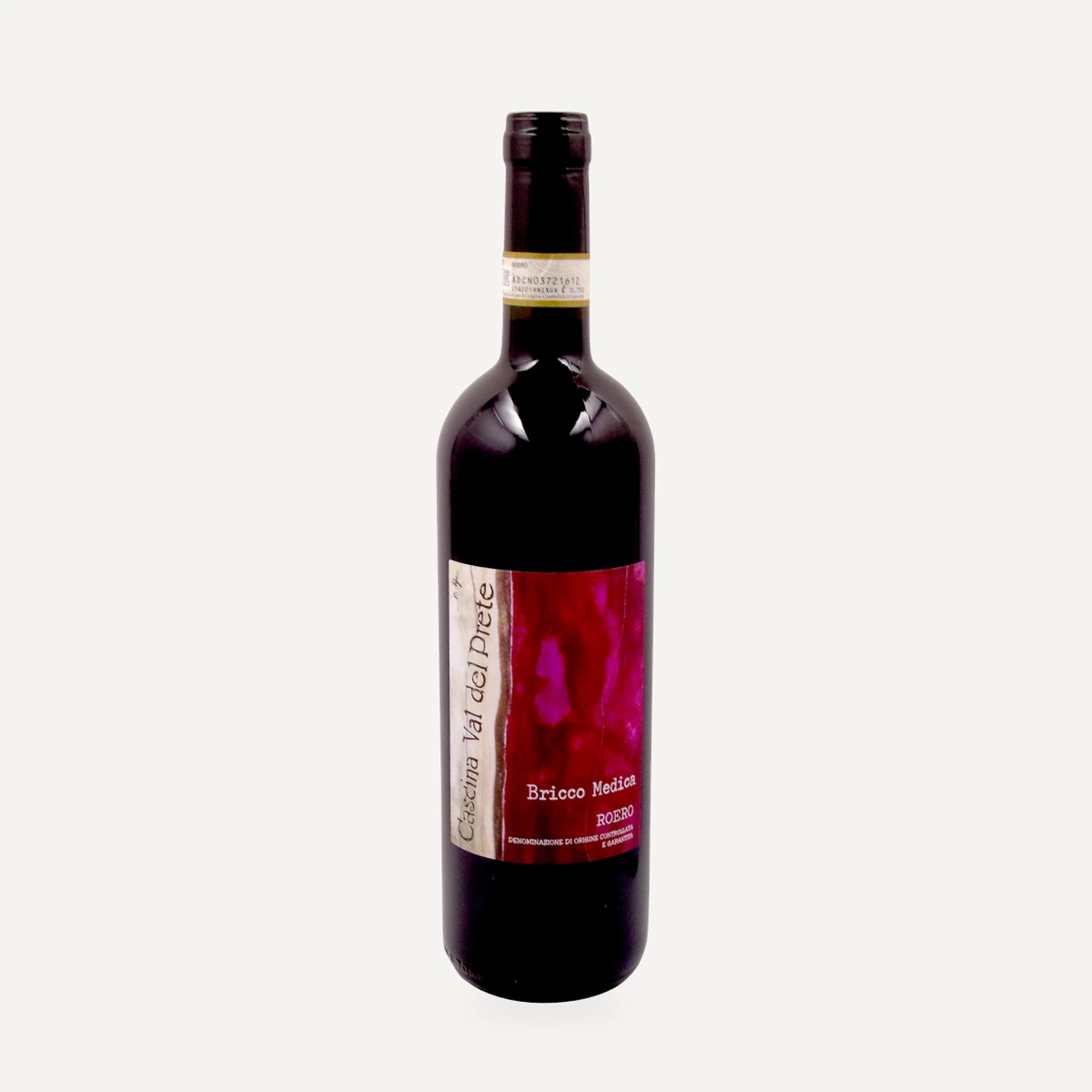
Bricco Medica – Roero D.O.C.G.
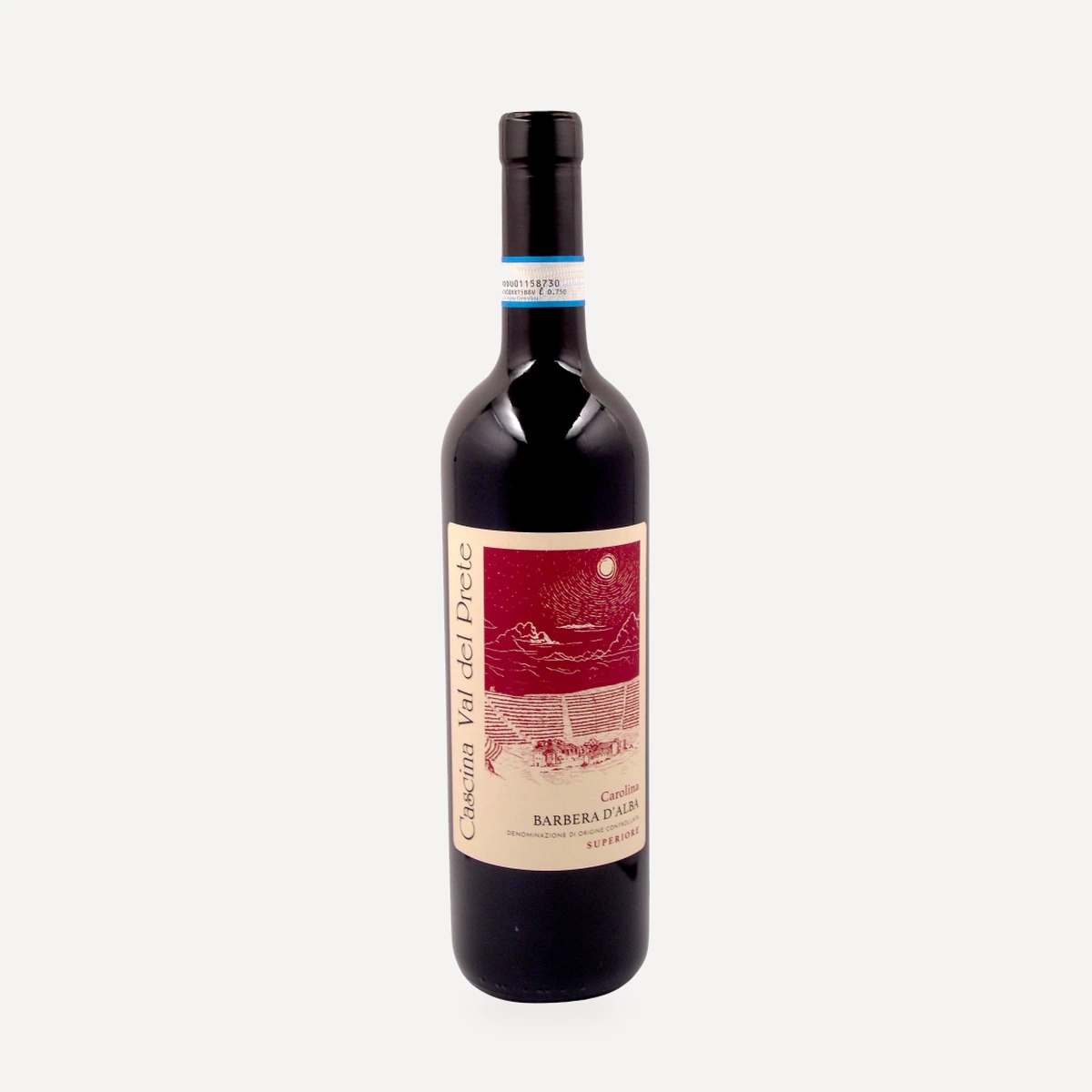
Carolina – Barbera d’Alba superiore D.O.C.
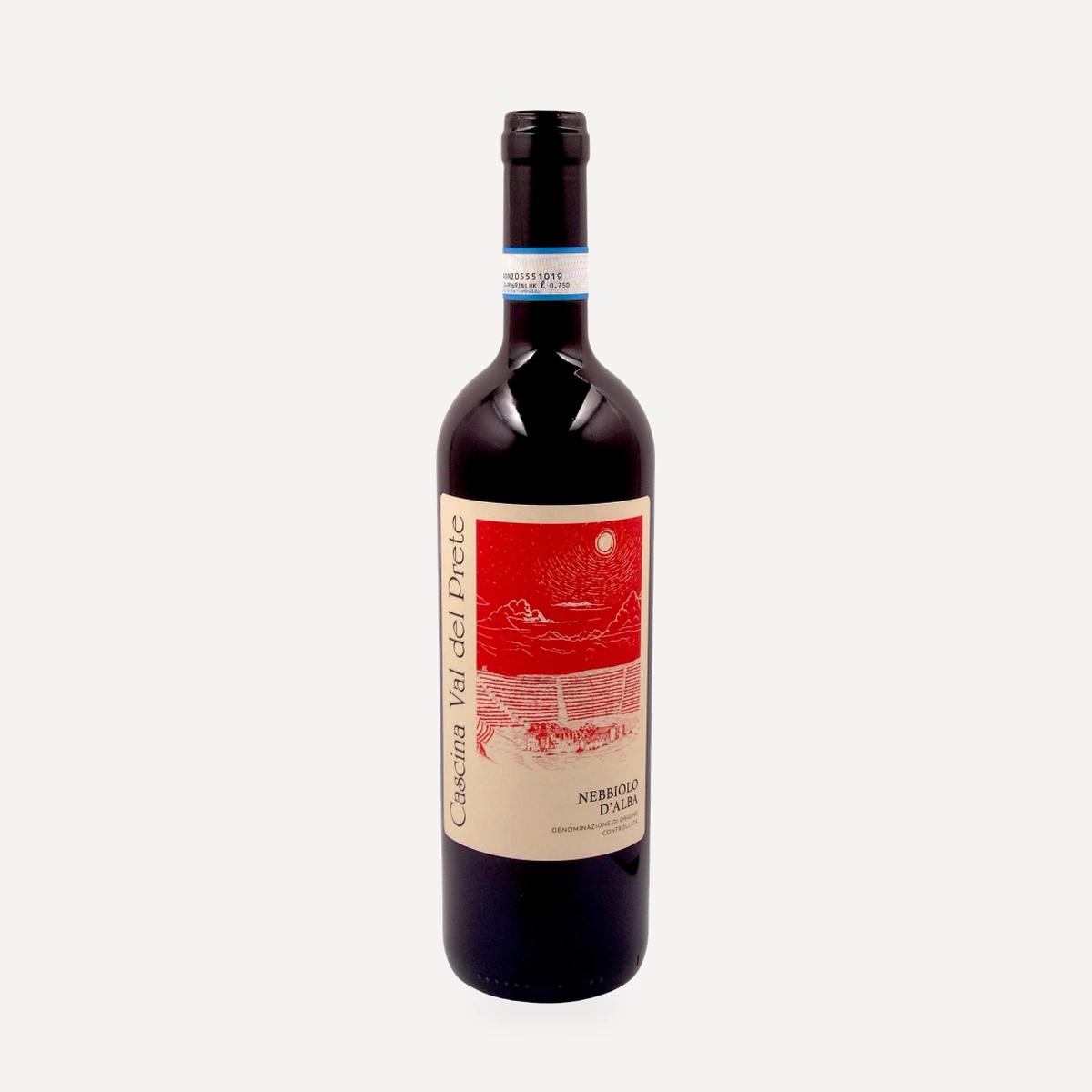
Nebbiolo d’Alba D.O.C.
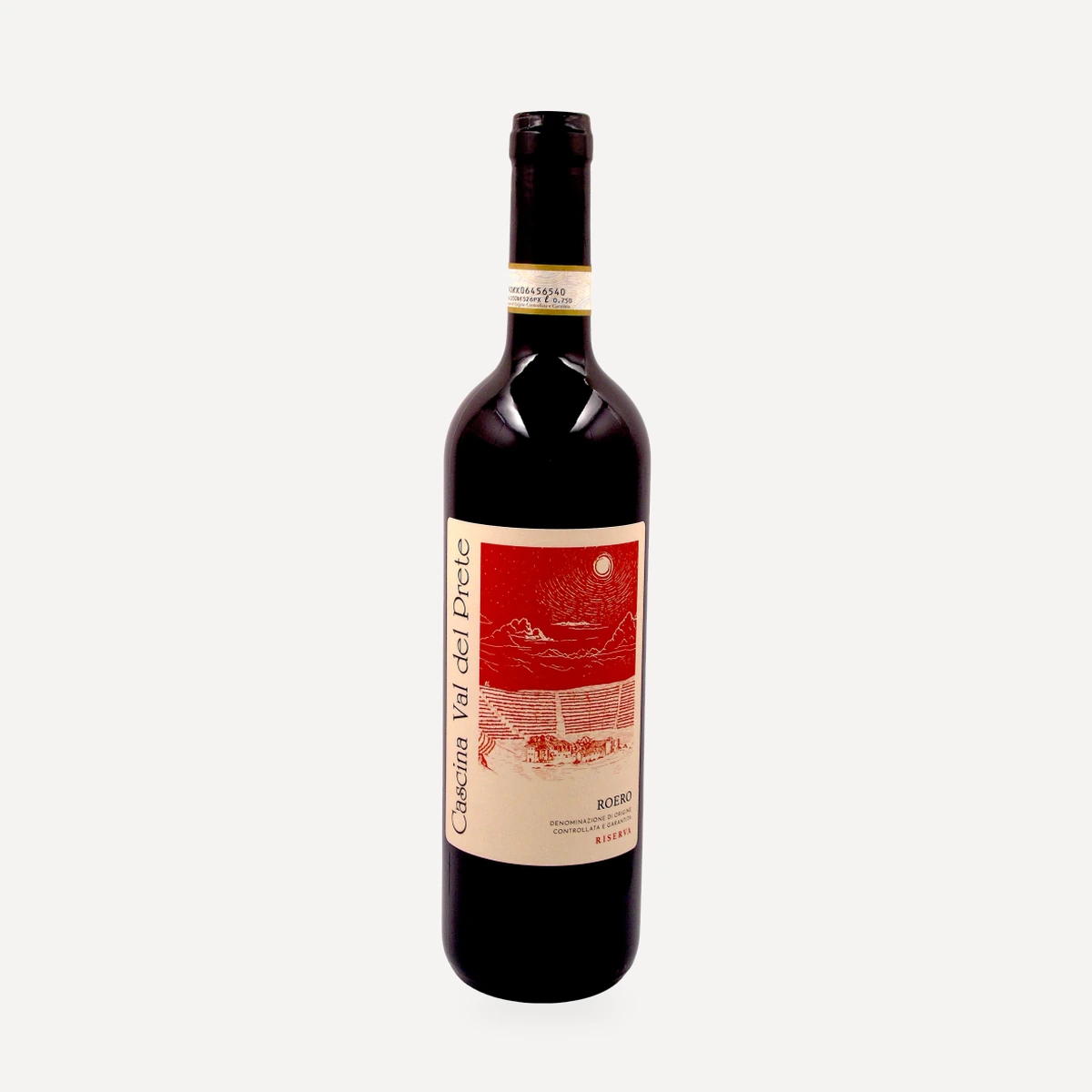
Roero Riserva D.O.C.G.
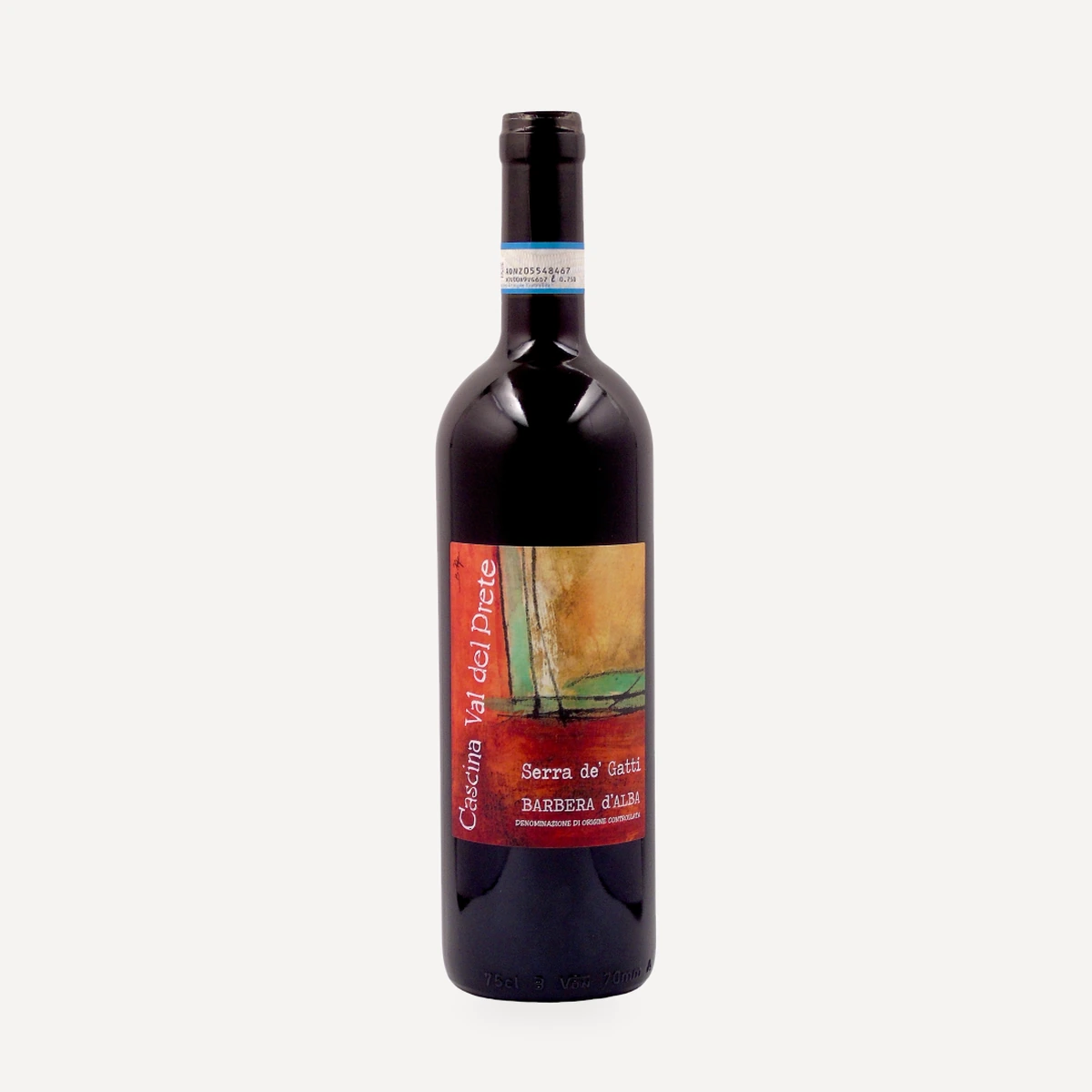
Serra de’ Gatti – Barbera d’Alba D.O.C.
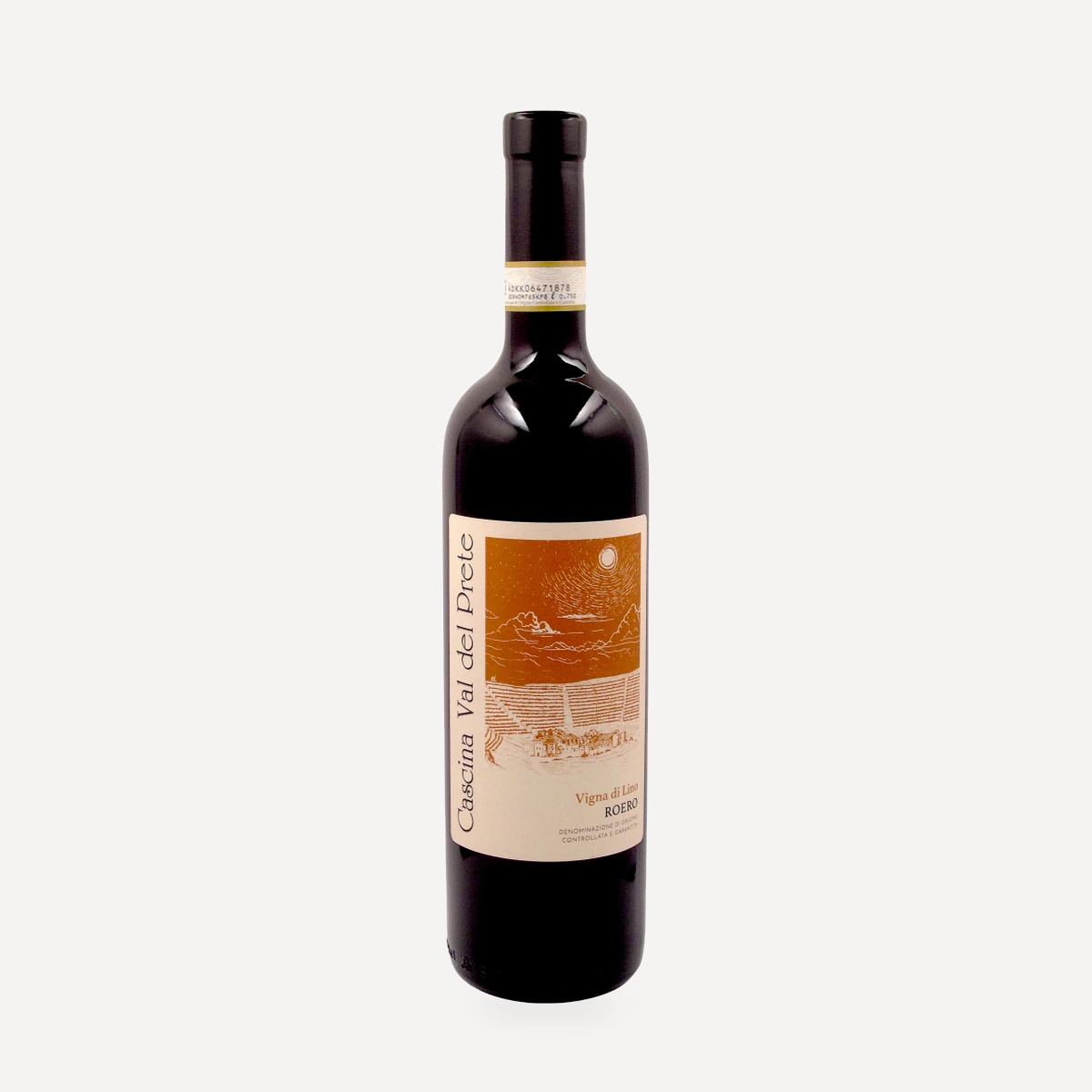
Vigna di Lino – Roero D.O.C.G.
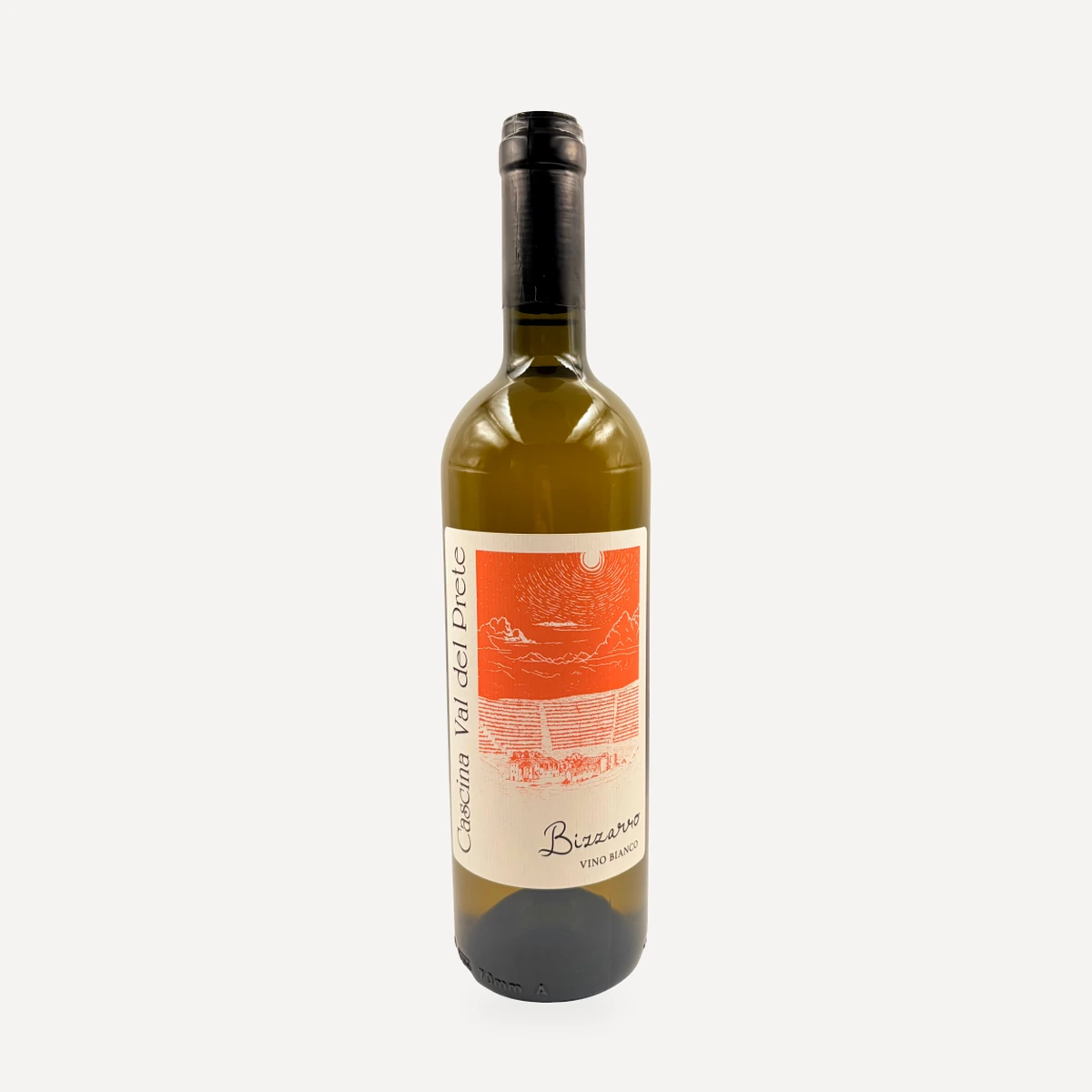
Bizzarro – vino bianco
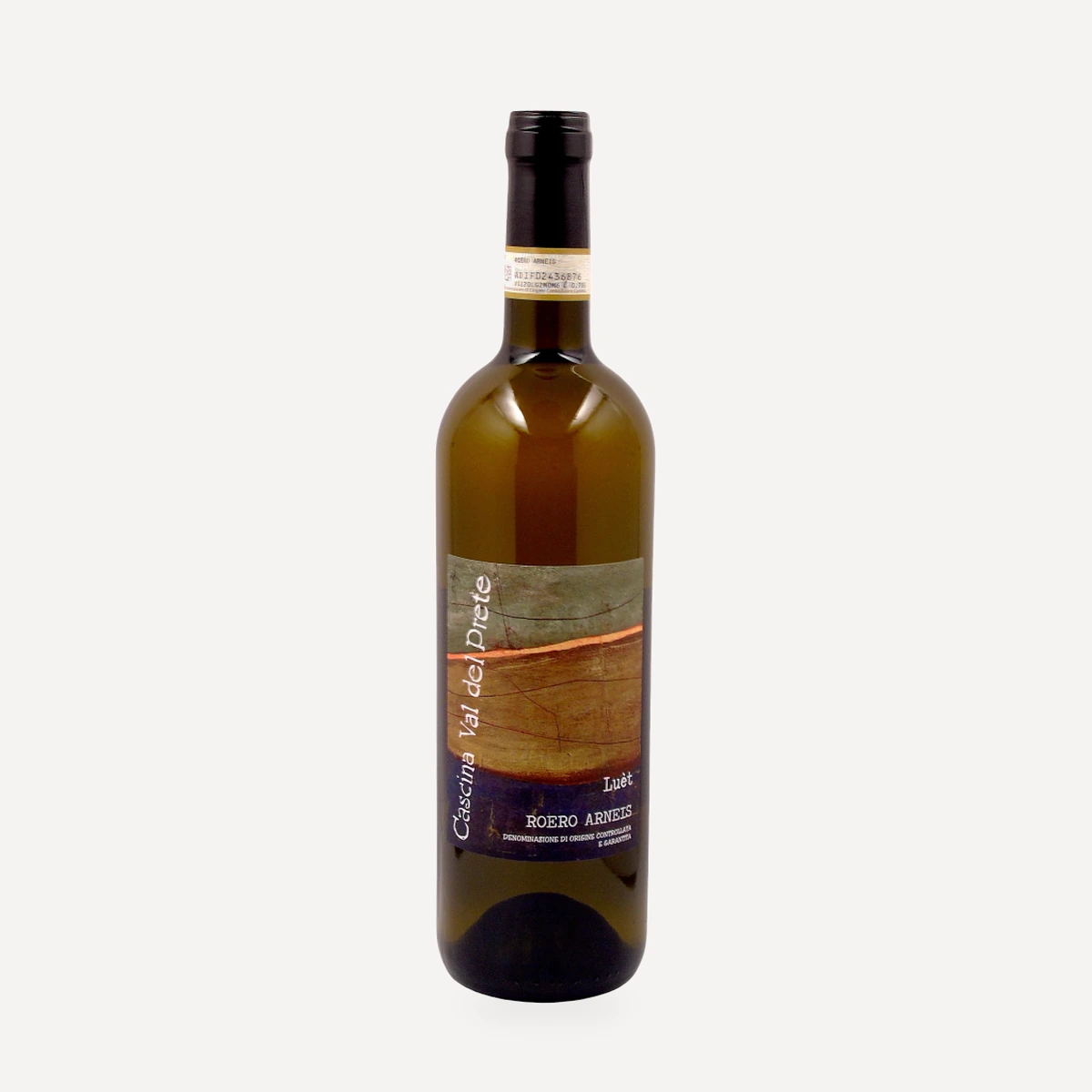
Luèt – Roero Arneis D.O.C.G.