Questo vino
Vineyard and terroir
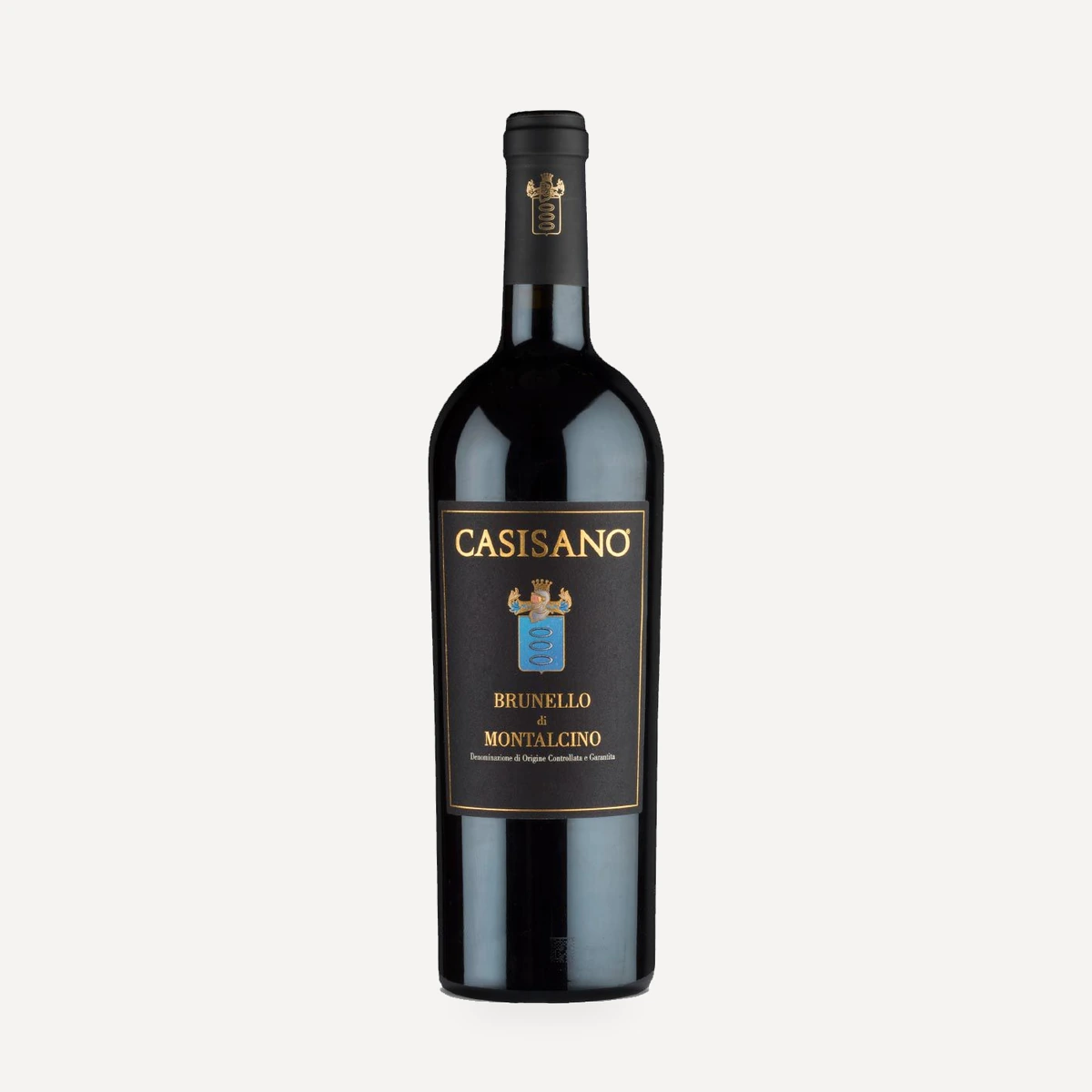
A blend of three estate vineyards—Vigna del Lago, Poggio al Granchio and Vigna Spuntali—located on the northwestern, southeastern and southwestern slopes of Montalcino. These sites differ in microclimate, geology, vegetation and soil. Soils range from galestro to sand and clay. Some areas experience a Mediterranean maritime influence, while sites closer to Monte Amiata have marked differences between daytime and nighttime temperatures.
The northern landscape is characterized by hills and cypresses; olive trees and Mediterranean scrub grow on the southeastern slope, while oak, holm oak and broom occur on the southwestern slope.
Vinification
The vines are predominantly trained as single- or double-spurred cordons, depending on the site, with medium planting density. Harvesting is organized by micro-area. After destemming, the grapes undergo optical selection. Fermentation lasts 8–12 days at 20–28°C with gentle extraction. Post-fermentation maceration continues for 15–20 days at 30°C.
Ageing
The wine matures for 24 months in traditional 50-hl Slavonian oak barrels, followed by 12 months in concrete. Bottle maturation lasts 6–9 months.
Tasting profile
Bright ruby red. The aromatic profile combines ripe and crisp red fruit with orange, bitter orange, violet and subtle balsamic nuances. The palate is fresh, silky, elegant and well balanced, with firm structure, soft yet defined tannins and good acidity. The finish is deep and persistent, leaving impressions of cherry and chocolate.
With further bottle age, the profile develops notes of bitter orange and nuts.
Serving and pairing
Suited to mature cheeses and red meat. Its ageing potential is 15–20 years, with an indicated ideal drinking stage between 9 and 12 years after the vintage.