Storia
From dog breeding to the agricultural estate
Val di Venere traces its story to 1989 and the breeding of black Riesenschnauzers. The family originally acquired several dogs to guard the house and surrounding countryside. Their attachment to the breed’s appearance and temperament led them to become breeders. Dogs born and raised at Val di Venere subsequently achieved successes in exhibitions and working activities, while the breeding programme also created lasting personal connections for the family.
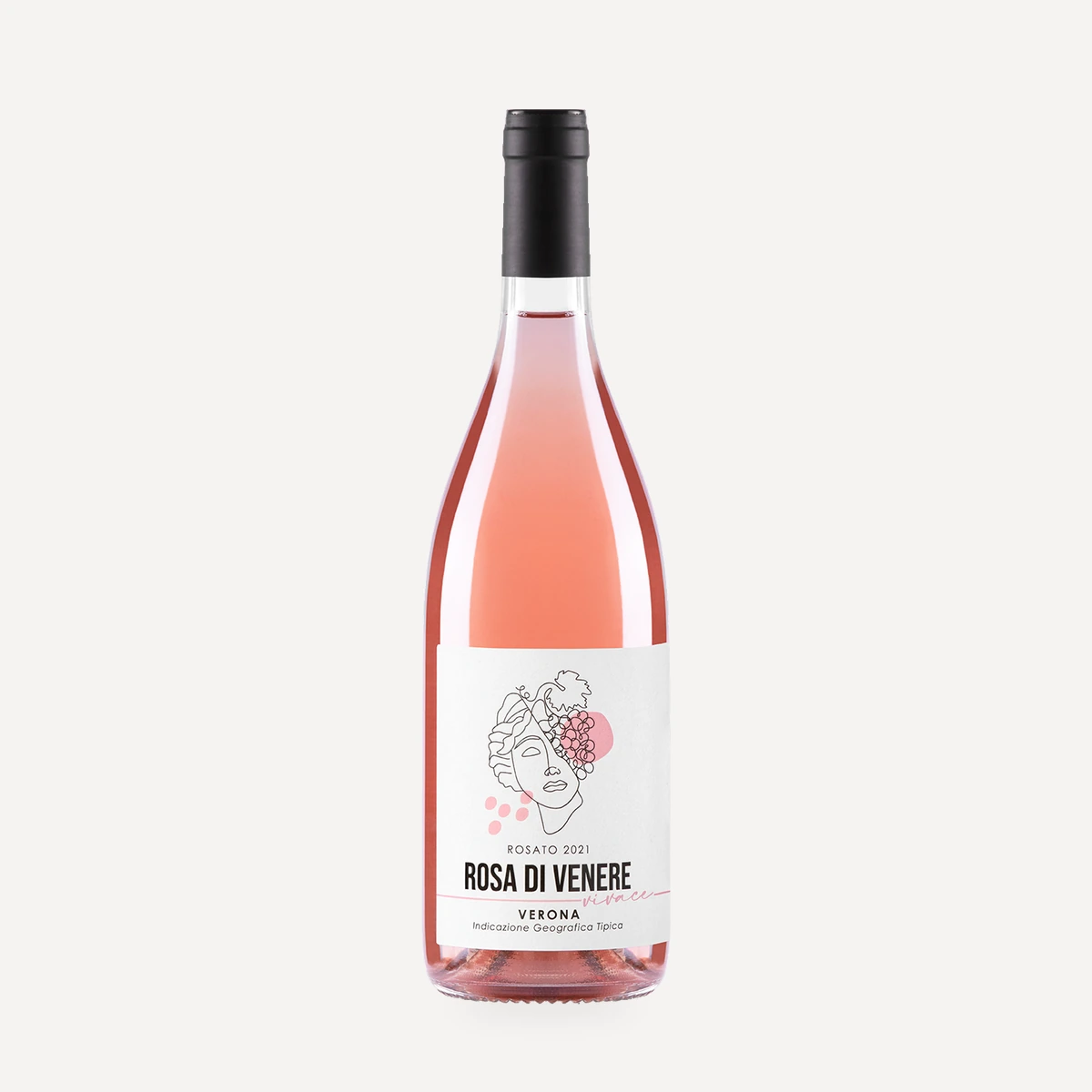
The agricultural enterprise developed from this original relationship with the house, land and animals. It now operates as a certified organic farm producing wine, extra-virgin olive oil, wildflower honey and aromatic plants. Its wines comprise Rosato, Valpolicella, Valpolicella Ripasso and Amarone della Valpolicella. Biodynamic management is identified as a future objective alongside compliance with organic-farming rules.
Development of the estates
The agricultural headquarters was established at Santa Maria in Stelle, where approximately two hectares encompass meadows, aromatic herbs, the Paron and L’Alsaro olive groves, accommodation, the Biolago di Venere and the hospitality operation Il Ristoro di Venere.
Wine production is centred on Tenuta La Quercia, between Novaglie and Mizzole on Monte Marseghina. The property comprises 1.5 hectares of DOC Valpolicella vineyard, four hectares of coppice woodland and 1.5 hectares devoted to olive trees and aromatic plants. The estate’s vineyards supply the grapes for its natural wines.
A further property at Monte Cucco covers approximately eight hectares facing Val Squaranto and combines woodland, olive trees, vines and aromatic plants. A new vineyard surrounded by aromatic herbs is planned there.
Diversification and hospitality
In 2021, bees were introduced to the Bosco di Venere. The apiary has grown to approximately ten hives producing organic wildflower honey by traditional methods.
The farm has also developed accommodation, wine and olive-oil tourism, an educational-farm programme and nature activities. Four 32 m² Glamp House residences—Acqua, Fuoco, Terra and Aria—were created near a biologically balanced swimming lake. Il Ristoro di Venere serves as the tasting and direct-sales venue, while vineyard, olive-grove, woodland and truffle-ground visits connect the agricultural work with the surrounding landscape.
Terroir
Val di Venere lies at Santa Maria in Stelle, a few kilometres northeast of Verona, where the Lessini mountains approach the city. The surrounding hills begin with vineyards and olive groves and gradually transition toward woodland, meadows and pasture. Here Valpantena—also called the Valle degli Dei—narrows, while the hills around Santa Maria in Stelle form a basin near the Pantheon.
The winegrowing nucleus is Tenuta La Quercia, positioned between Novaglie and Mizzole on Monte Marseghina and enclosed by extensive coppice woodland. Its documented vineyard soils are calcareous and clay-rich, and an altitude of 180 metres above sea level is given for the estate-grown Amarone fruit.
Monte Cucco occupies approximately eight hectares facing the wild landscape of Val Squaranto. Woodland, olive trees, vines and aromatic plants share this property, where an additional vineyard encircled by aromatic herbs is planned.
Vinificazione
Val di Venere is a certified organic agricultural company. Its vineyards are managed under organic-farming rules, while biodynamic management of the wider enterprise is a stated objective. The product-purchasing philosophy also refers to preserving and applying older biodynamic cultivation techniques.
Vines are pruned according to the Simonit & Sirch method. Inter-row grass is mown manually, and the grapes are harvested by hand. Educational activities reveal additional seasonal work: winter pruning, removal of cut vine shoots and green pruning. Harvesting is presented as a family activity.
Grapes intended for Amarone undergo selection in the vineyard and are picked into small crates before natural drying. Across the red-wine range, harvested fruit is processed promptly. The estate connects its organic approach with mixed land use: vineyards share the properties with coppice woodland, olive groves, aromatic plants, an apiary and truffle grounds.
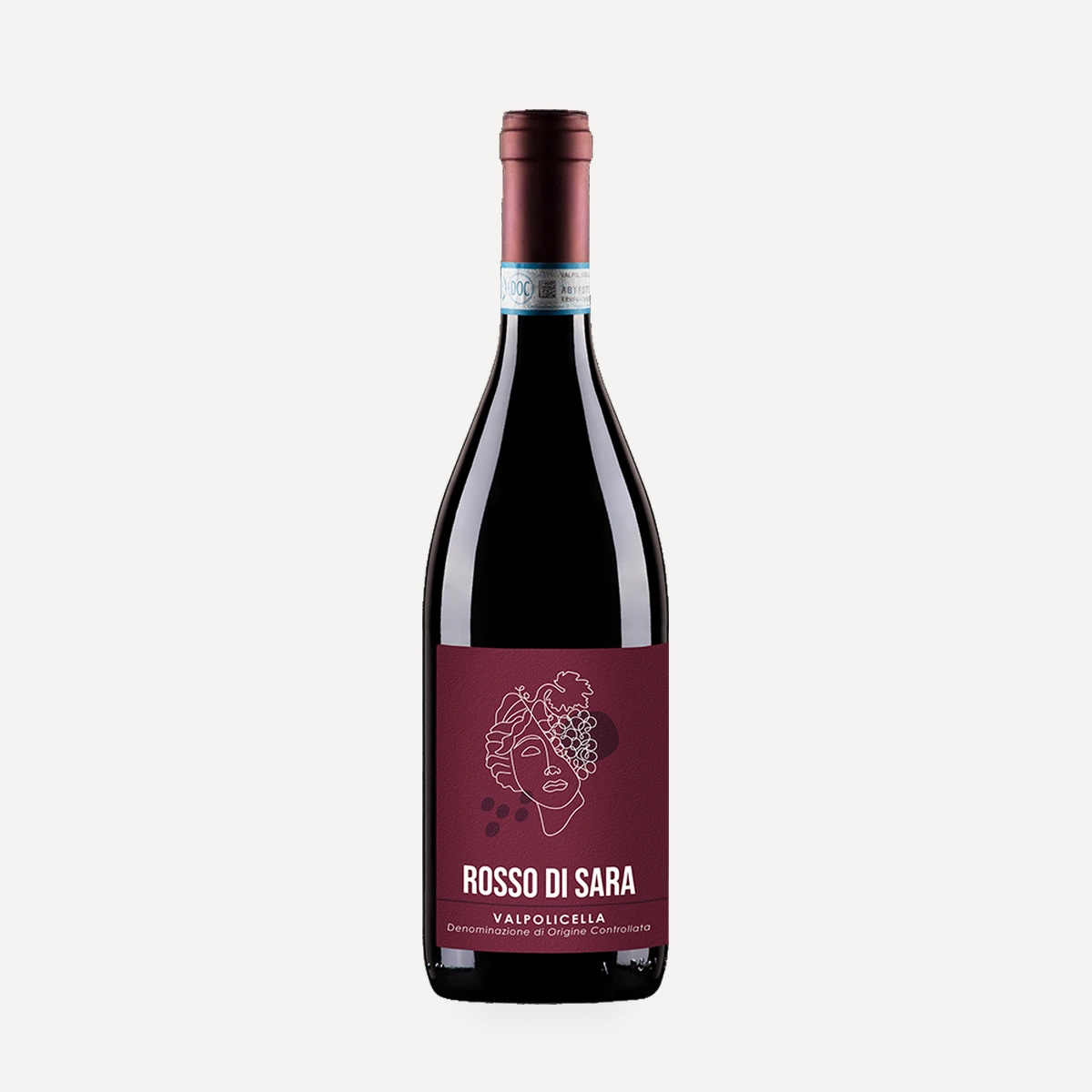
The winery works with hand-harvested Corvina, Corvinone and Rondinella from its own vineyards. The red grapes used for Valpolicella and Ripasso are processed immediately, destemmed but not crushed. Alcoholic fermentation begins spontaneously, without temperature control, and short open-air pump-overs are carried out daily. After pressing, the young Valpolicella rests for several months in stainless steel, where malolactic fermentation takes place. The Ripasso base wine initially rests in steel and is subsequently passed over Amarone skins, gaining additional structure before spending more than 12 months in medium-sized French-oak vessels.
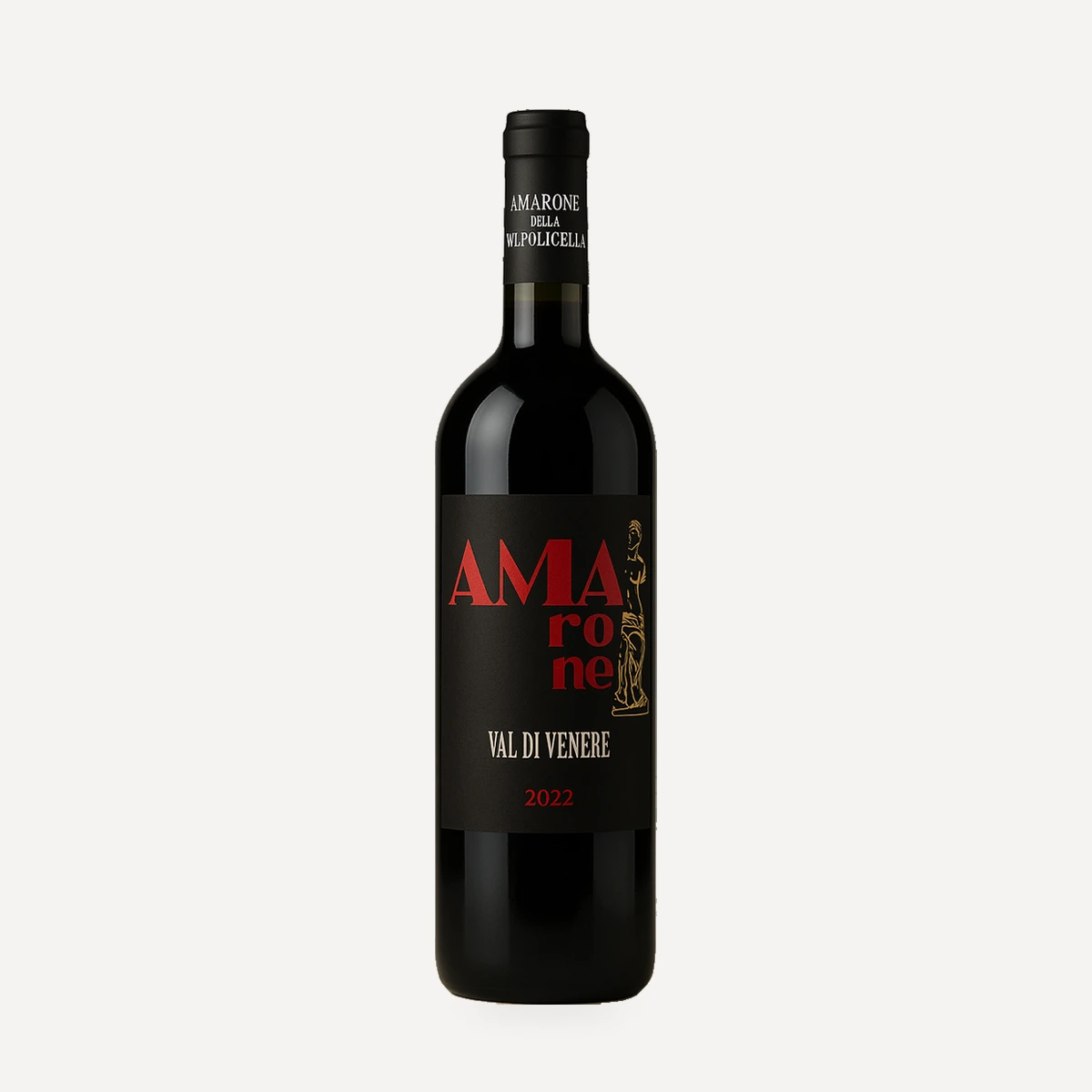
For Amarone, selected grapes are placed in small crates and naturally dried in a fruttaio for at least 90 days. During drying they lose as much as 35% of their weight, concentrating sugars, aromas and structure. The dried fruit is crushed into wooden vats, where a slow alcoholic fermentation can continue for up to 30 days. Daily open-air pump-overs and work with the skins accompany fermentation. Maturation then lasts at least 30 months in oak barrels.
The rosato follows a separate process. Hand-picked red grapes are crushed and gently pressed in a small press, with brief skin contact giving the must its pale colour. After a short settling period, spontaneous alcoholic fermentation takes place under controlled temperatures. The wine evolves for several months in stainless steel. Shortly before bottling, a small quantity of must preserved at low temperature is added to initiate a brief refermentation in bottle and create the wine’s light effervescence.
The wines are bottled without filtration and with low sulphite levels. The rosato’s total sulphites do not exceed 30 mg/L.
Filosofia
Val di Venere presents agriculture as a relationship between people, land and nature rather than solely as a means of producing commodities. Its declared priorities are respect for the environment, healthy plant growth, careful fruit selection and the preservation of traditional cultivation and harvesting practices.
The estate combines organic certification with an ambition to manage the farm biodynamically. Manual vineyard work, the Simonit & Sirch pruning method, spontaneous fermentations, unfiltered bottling and restrained sulphite use express a preference for low-intervention production. At the same time, controlled temperatures are used where appropriate for the rosato, showing that technology is applied selectively rather than rejected outright.
Mixed farming is central to this outlook. Vineyards, olive groves, aromatic plants, bees, woodland and truffle grounds coexist across the properties. The biologically balanced lake is intended as a practical and symbolic expression of harmony between human activity and natural systems: selected aquatic plants support purification and water quality without separating the hospitality project from the farm’s environmental aims.
Direct contact with visitors is also treated as part of the agricultural philosophy. The company chose not to operate a conventional online shop, preferring personal or individually arranged sales that allow customers to learn how the products are grown and made. Educational harvests, pruning activities, tastings and landscape experiences extend this direct relationship to the work of the farm.
Vini
Amarone della Valpolicella
Rosso di Sara