Storia
A family tradition of making wine
Valter Mattoni traces his involvement with wine through three earlier family figures. His grandfather Nazzareno made his own farmer’s wine in a period before professional wine technicians were part of the process. A family anecdote remembers Nazzareno as so devoted to wine that, from boyhood onward, he was careful not even to swallow water while washing his face. Valter’s other grandfather, Giuseppe, also made wine for himself, and Valter’s father, Gaspare, continued the same practice.
Valter presents his own work in the cellar as the continuation of this family tradition rather than a break from it. His production remains deliberately small, and he spends much of his time working in the cellar.
1960 — Valter Mattoni
Valter Mattoni was born in Castorano in 1960. He is known by the nickname Roccia and works professionally as a decorator. Beyond wine, his interests include old objects and motorcycles.
2000 — The creation of Arshura
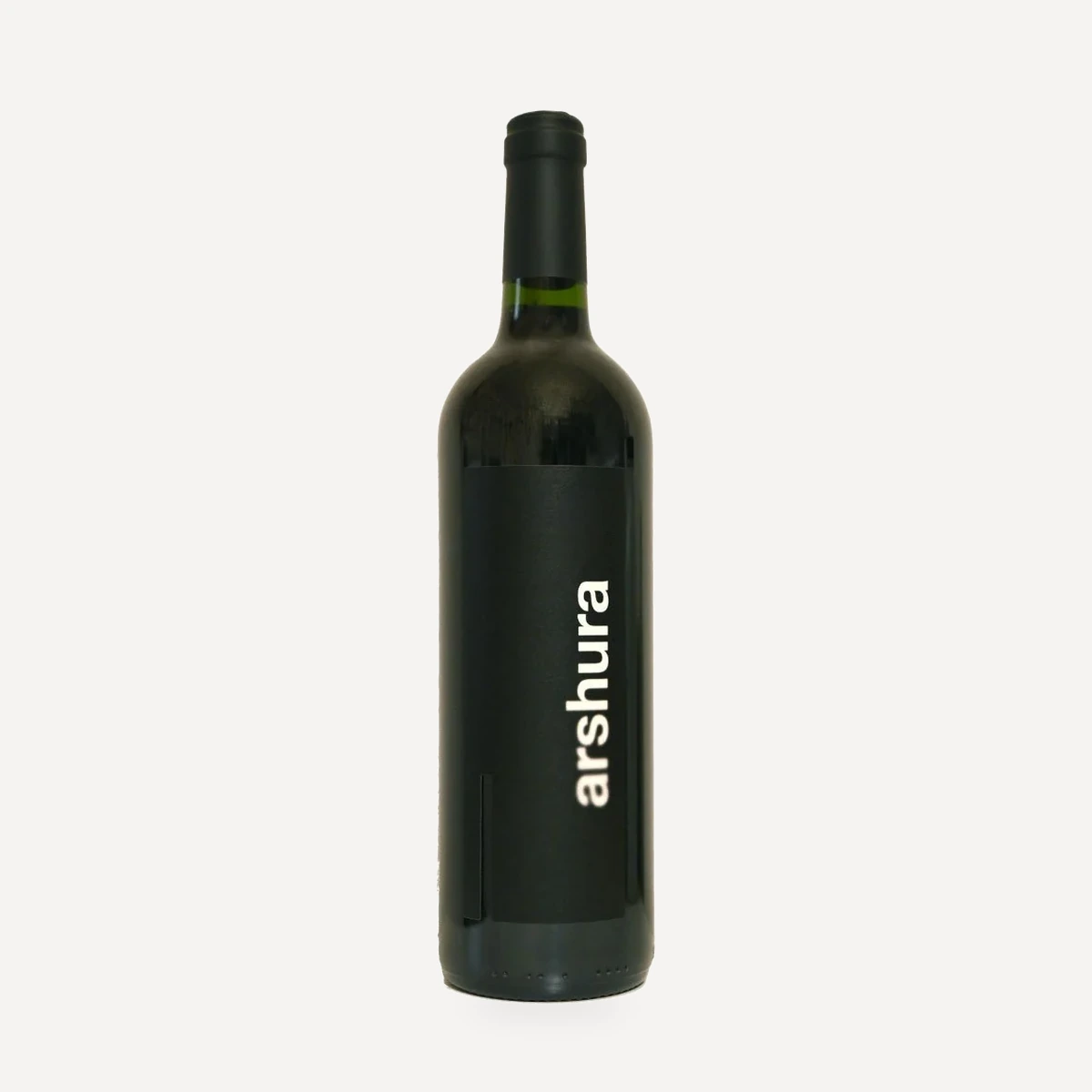
Arshura was created in 2000. Its name is presented as a word evoking an ancestral thirst and, by extension, the Mattoni family’s longstanding passion for wine. It was conceived as a pure expression of Montepulciano from the hills of the Ascoli area. Valter’s production is associated with 4,000 bottles of Arshura.
Terroir
The vineyard setting associated with the estate’s Montepulciano lies among the gentle hills of the Ascoli area in Marche, central Italy. The vines are situated at approximately 300 metres above sea level, with the sea visible on the horizon. The soils are described as clay and alluvial.
Vinificazione
Production is small in scale and closely associated with Valter Mattoni’s personal cellar work. The range comprises five wines, presented as limited productions linked to their territory and to the passage of time. The historical account associates Valter with 4,000 bottles of Arshura, but does not define this figure as the estate’s total annual output.
Filosofia
Valter Mattoni frames wine production as an obligation to continue a practice handed down through both grandfathers and his father. His answer to whether he could have interrupted that tradition is emphatically negative.
The approach places personal cellar work and limited scale at the centre of the project. The five-wine range is conceived around individual identity, limited production, connection to place and sensitivity to time. Arshura’s name, evoking an ancestral thirst, gives symbolic form to the family’s enduring attachment to wine.
Vini