Storia
Three generations
Vigna Lenuzza represents three generations of family winemaking in Prepotto. The first generation’s legacy is closely associated with Schioppettino di Prepotto, described as that generation’s greatest winemaking passion. The family’s Schioppettino is dedicated to their grandfather, Silvano Pasqualini.
The present family team
The present winery is led by winemaker and proprietor Daniele Lenuzza. Tanika Paris-Lenuzza oversees exports and contributes her business experience, while Gianpaolo Lenuzza works from a strong attachment to the family’s land and supports the family enterprise. The family presents the vineyards as both a shared home and an inheritance to be preserved for future generations.
Organic methods are described as a continuous element of the estate’s work rather than a recent conversion. This approach now encompasses certified-organic vineyards, organic cellar management, composting of viticultural and winemaking residues, hand harvesting, water conservation, waste reduction and a cellar powered by solar energy.
Indigenously
The family subsequently developed Indigenously as a four-wine project inspired by Prepotto’s land, produce, history and geographic identity. It combines local grape varieties, minimal intervention and what the family calls indigenous farming methods. Daniele Lenuzza selected concrete eggs for both maceration and maturation, seeking to give the varieties freedom to express their place of origin.
Terroir
The 8 ha of vineyards lie in the Judrio Valley at Prepotto, where the Judrio River strongly influences the terroir and microclimate. Prepotto is identified at 115 m above sea level.
Seventy percent of the vineyard surface occupies hills with Ponka soils; the remaining 30% lies on flat land characterized by marlstone. Days are hot and nights cool, creating a pronounced temperature range. Fresh, cool winds reinforce this pattern and lessen the need for protective vineyard treatments.
Daniele Lenuzza understands the identity of the wines through the changing interaction of climate, soil, grape variety and human work. Attention to this relationship in each vintage is intended to produce wines that reflect their immediate environment rather than a standardized profile.
Vinificazione
Vigna Lenuzza’s vineyards are certified organic, and the family describes organic practice as its longstanding way of working rather than a later change of direction. Organic management also extends into the cellar.
Pruning residues and waste from winemaking are recovered and composted to produce natural fertilizer for the vineyards. Harvesting is performed entirely by hand: this avoids subjecting the vines and vineyard ground to harvesting machinery and permits strict selection of the best bunches.
The Judrio Valley’s cool nights and fresh winds reduce the requirement for protective spraying. The wider environmental program includes recycling and reusing vineyard materials, minimizing waste and conserving water. These measures are framed as obligations to the land, the local community and future generations of growers and winemakers.
The cellar works under organic-management principles and is powered by energy generated from solar panels. Grapes are harvested by hand with selection of the best bunches.
The estate uses stainless-steel tanks and 225-litre French-oak barrels across its production. Its Indigenously project follows a distinct minimal-intervention approach: four wines from local Prepotto varieties are macerated and matured in concrete eggs, a choice intended to emphasize their natural expression and connection to place.
Winemaking and vineyard residues are not treated simply as waste. They are combined with pruning material to make compost that returns to the vineyards as natural fertilizer, linking cellar activity with soil management.
Filosofia
Vigna Lenuzza presents wine as an expression of family, place, passion and vitality. Daniele Lenuzza summarizes his desired wine character through three ideas: authenticity, typicity and enjoyment. In his interpretation, typicity is created by the interaction of climate, soil, grape variety and human touch, a relationship that must be understood afresh in every vintage.
His quality ideal begins with careful grape selection and seeks personality as well as flavour, aroma, balance and elegance. The intended result is wine that creates curiosity and conveys Prepotto rather than merely meeting a technical standard.
The family treats land as something to be respected and shared across generations, not possessed without obligation. Organic methods are therefore linked to the long-term sustainability of both winemaking and the surrounding community. Acquired knowledge, international perspective and modern technology are used to go beyond the minimum boundaries of organic certification.
Indigenously extends this place-centred philosophy into a holistic project. Local varieties are given latitude to shape their own expressions through minimal intervention, local farming traditions and concrete-egg vinification. The project is conceived as an interpretation of particular moments in the family’s home territory.
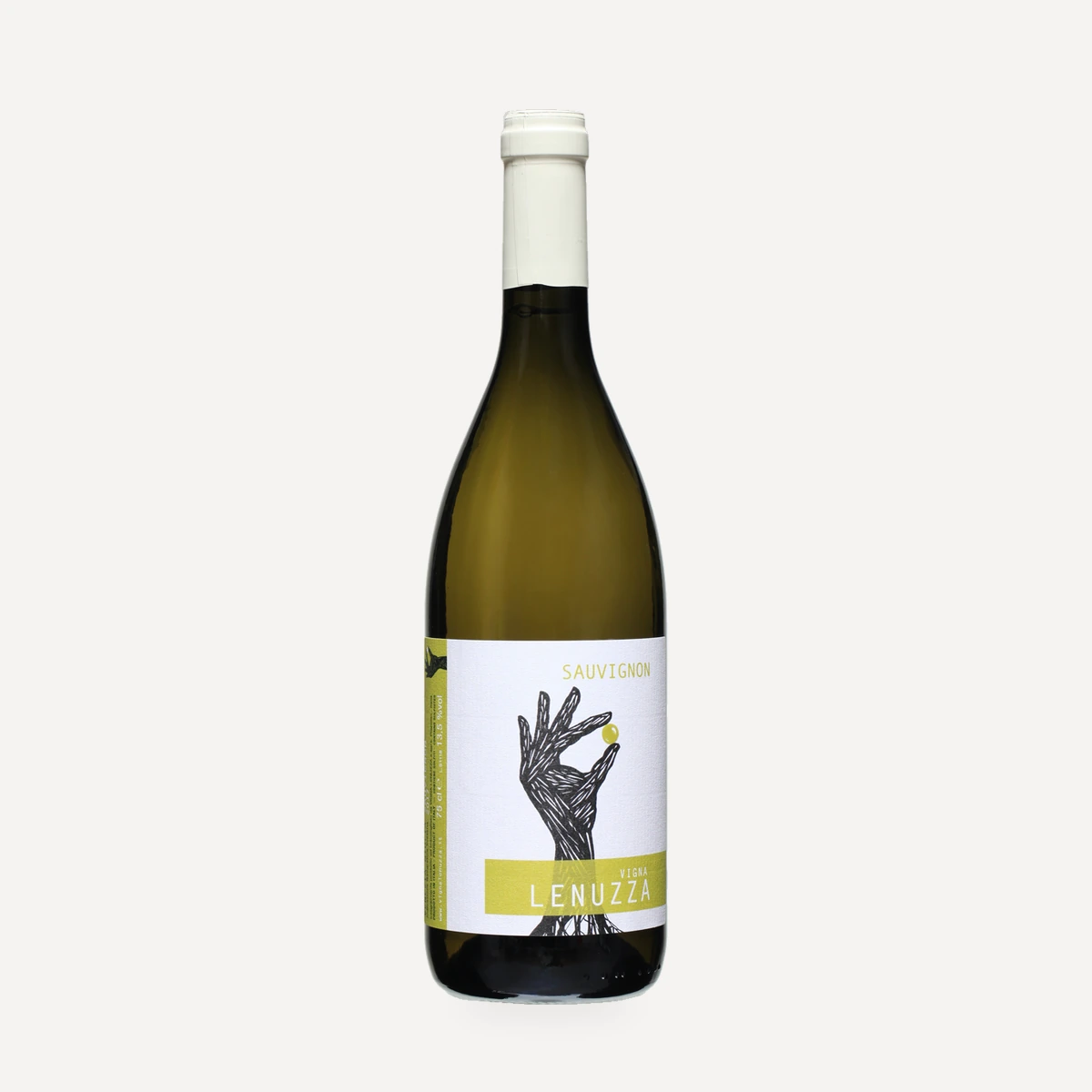
Vini
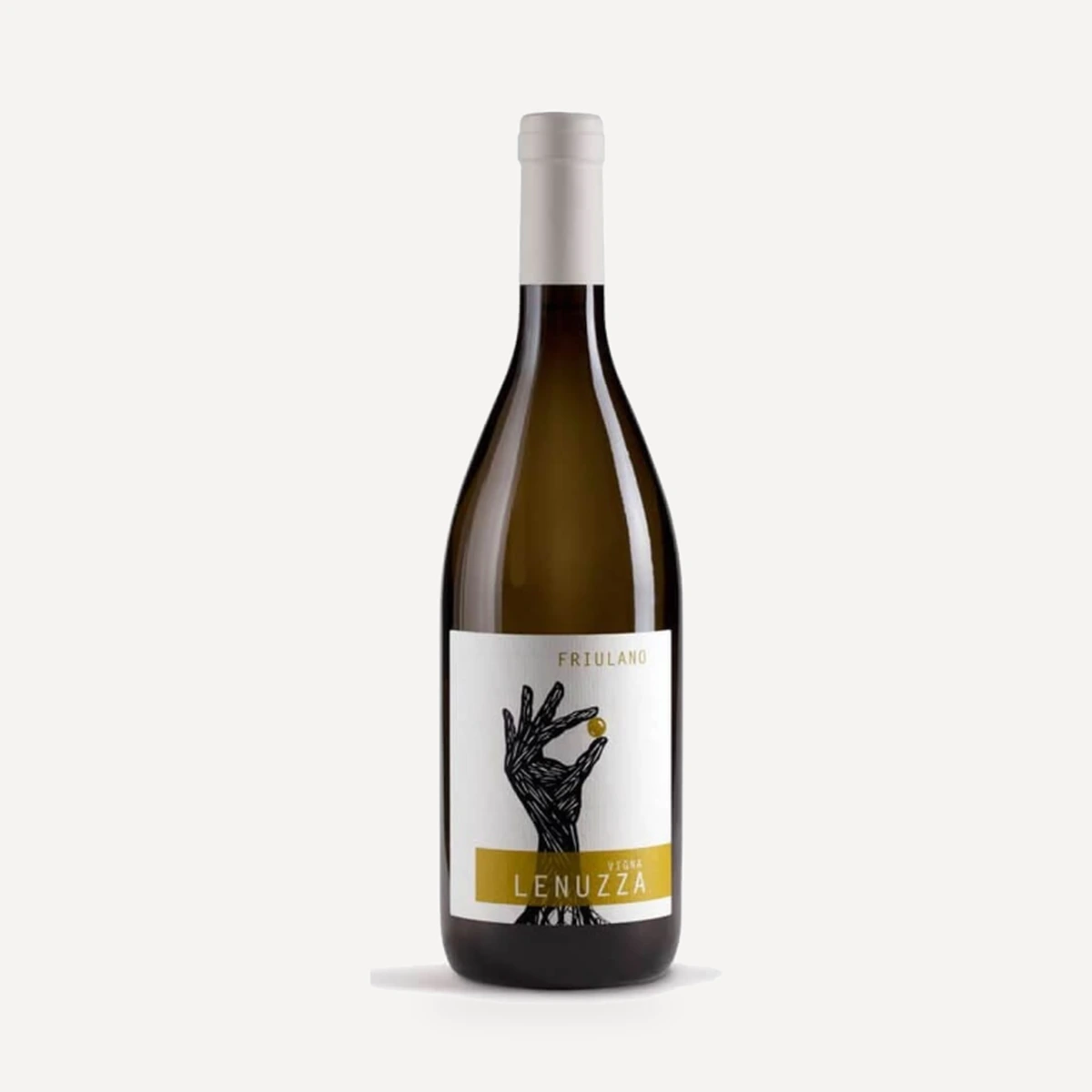
Friulano
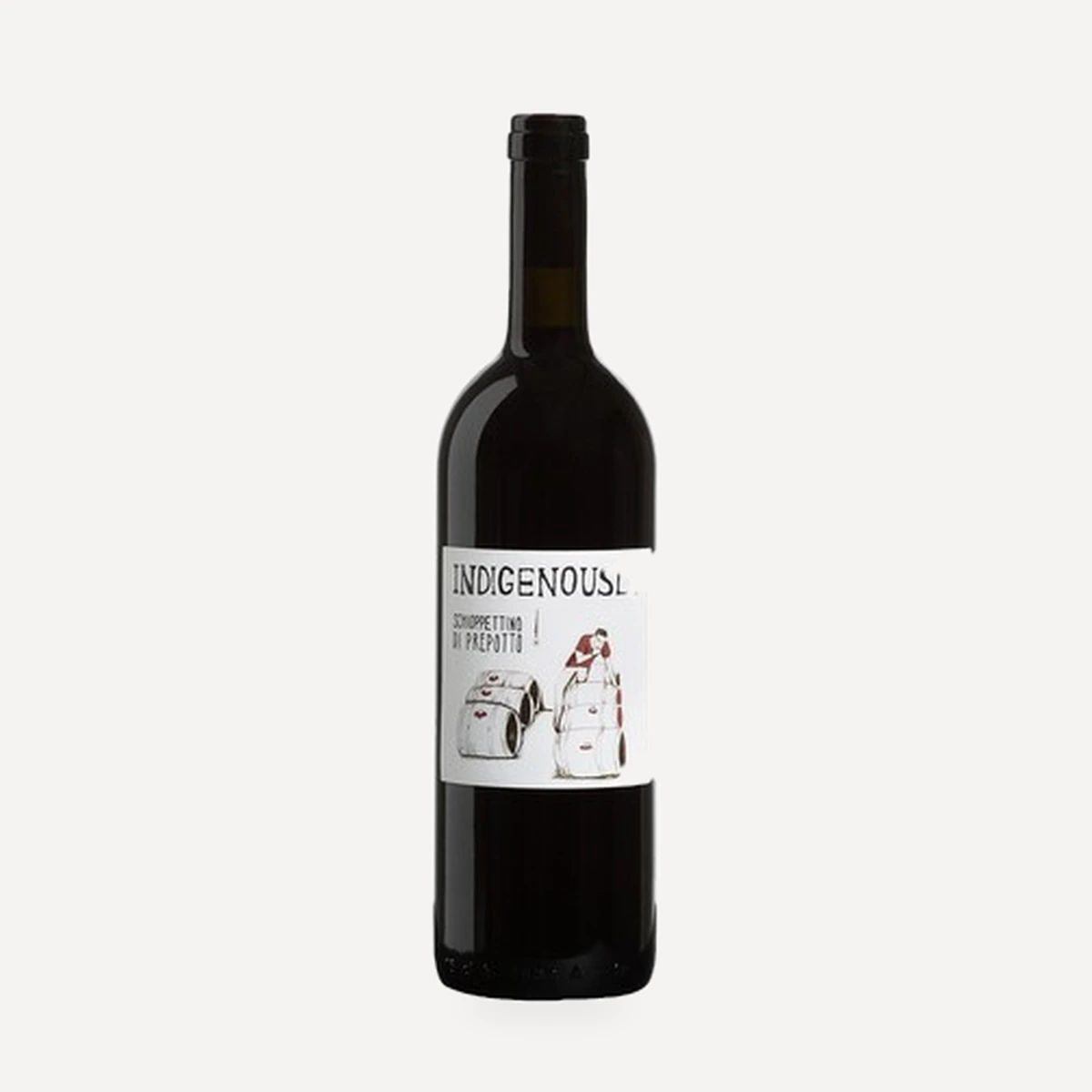
Indigenously Schioppettino
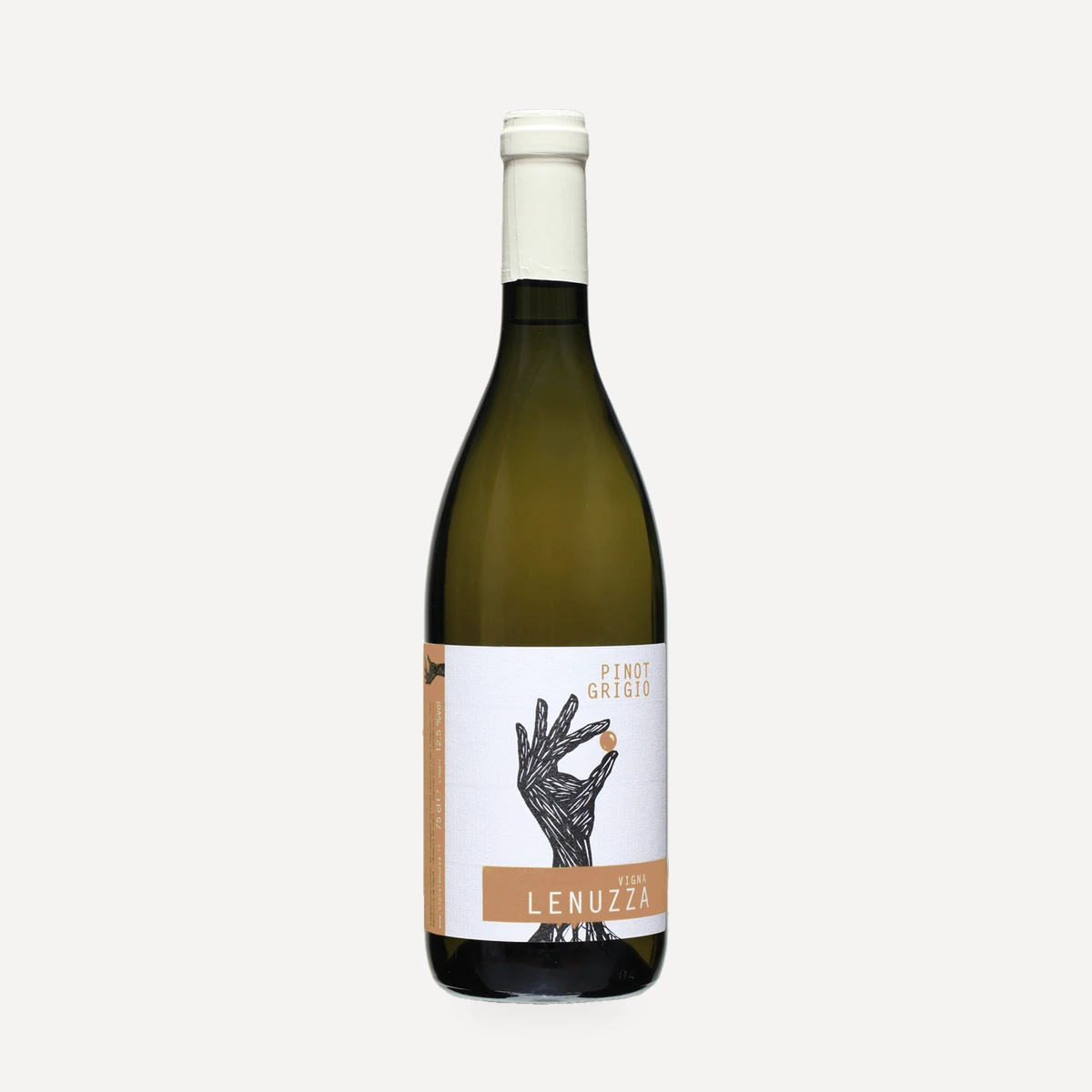
Pinot Grigio
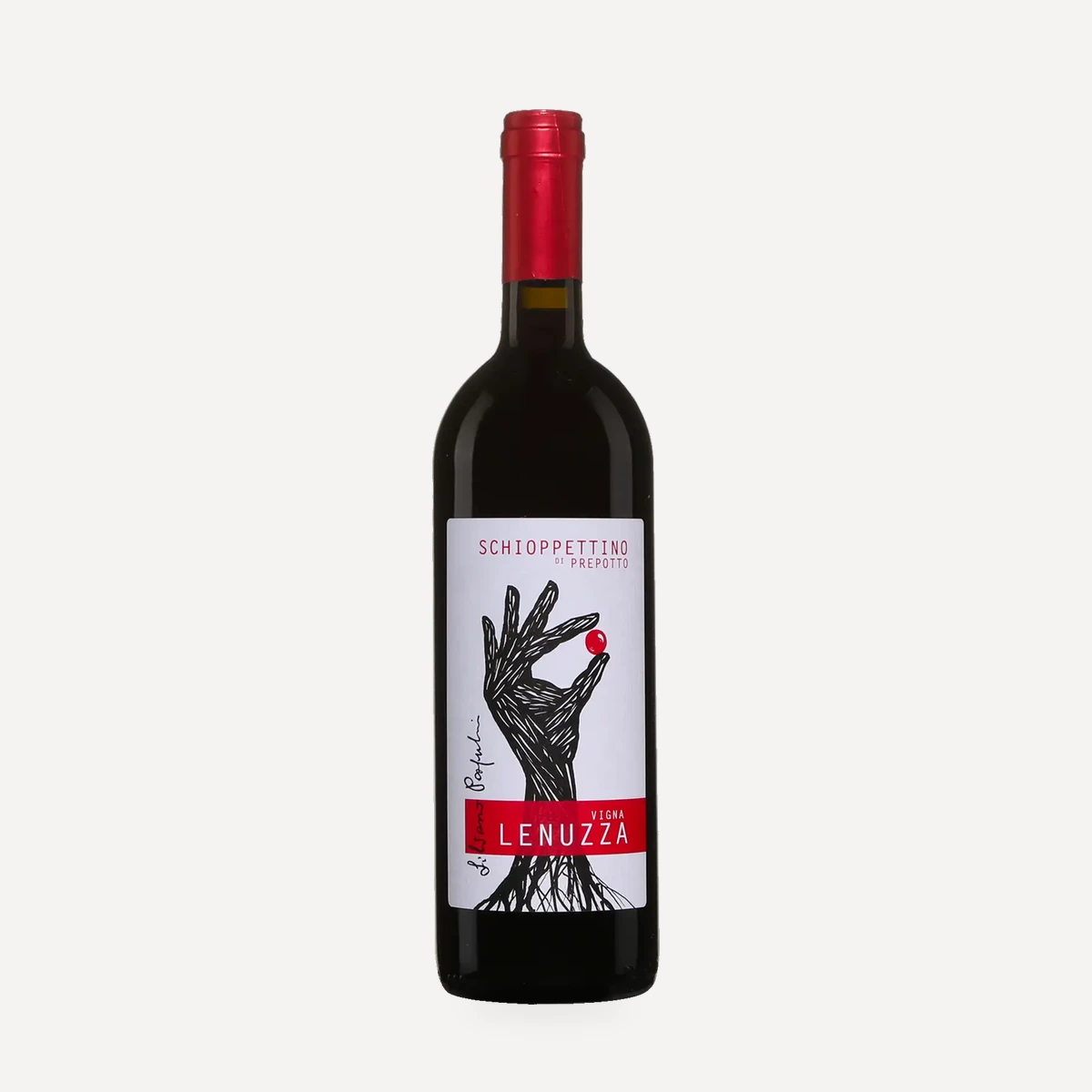
Schioppettino di Prepotto
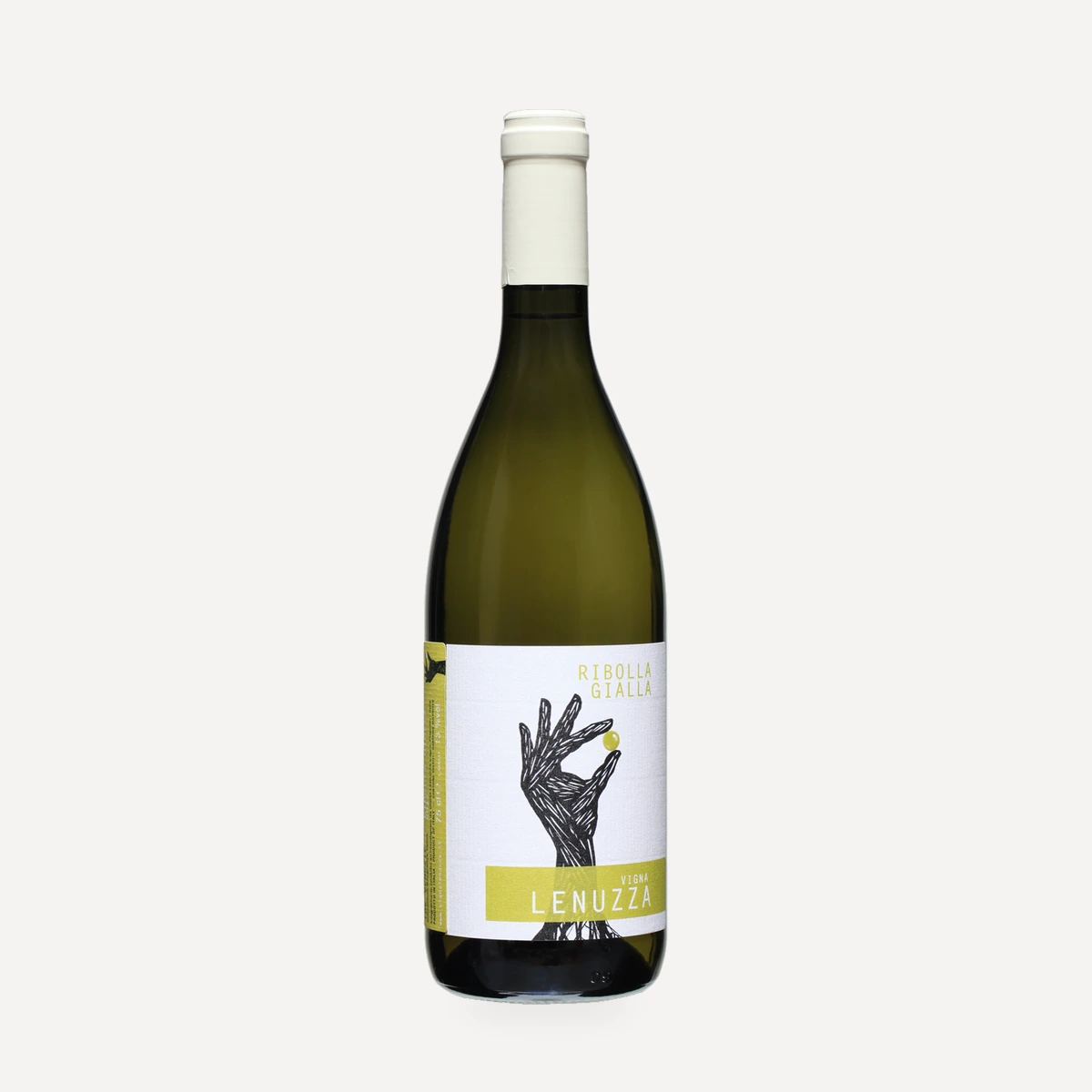
Ribolla Gialla