Storia
Beginnings in Pressano
The estate developed in a seventeenth-century rural house in the historic centre of Pressano. Alessandro Fanti’s father, Giuseppe, began working as a winegrower there with a very small holding, using the house’s traditional vaulted cellars for production. The date when Giuseppe began the activity is not recorded.
Alessandro Fanti takes responsibility
Alessandro studied at the Istituto Agrario di San Michele and, in 1991, assumed responsibility for both the vineyards and vinification. Faced with limited land and resources, he chose to treat the estate’s small scale as a strength. His work in the vineyards revived older farming practices, while his cellar work combined this practical inheritance with modern enological training.
Alessandro vinified the estate’s white varieties—Incrocio Manzoni, Nosiola and Chardonnay—and its red varieties—Teroldego, Cabernet Franc, Cabernet Sauvignon and Merlot—personally overseeing the process from vineyard care through fermentation and bottle ageing.
1995 planting at Vigo
The Incrocio Manzoni vines associated with Isidor were planted in the Vigo vineyard in 1995. This high-elevation site became a particularly explicit expression of the estate’s approach: no forcing, fertilization or irrigation, very low production per vine, cultivation of the soil and hand management of the shoots.
Cellar redevelopment
During the 2014–2020 rural-development programme, the estate undertook a project for the integral redevelopment and expansion of building p.ed. 447/5 in the cadastral commune of Lavis. The plan involved demolition and reconstruction, a change of use and the construction of an external canopy on parcel p.f. 2198/2. It sought to improve grape reception, processing and packaging while retaining architectural features appropriate to the rural setting.
The ground-floor design introduced a large entrance suitable for pedestrians, machinery and equipment, together with a bathroom, circulation area, refrigerated grape room, staircase and a new opening into the adjoining cellar. The first floor was designed as a single storage room for corks, labels, capsules, cartons, empty containers and other packaging materials.
Present scale
The vineyard holding now covers a little over four hectares and produces an average of approximately 16,000 bottles per year. Alessandro remains directly responsible for both vineyard cultivation and winemaking. The current commercial range includes several organically labelled bottlings.
Terroir
Pressano hill
The estate is centred on the hill of Pressano in Trentino, between the Adige and Avisio rivers. Pressano lies a short distance north of Lavis and is described as sunny, airy and surrounded by vineyards. Its vineyard land occupies gently rolling slopes whose exposure, ventilation and elevation have long been valued.
The dominant ground is red clay mixed with limestone breccia. Outcrops of yellow sandstone interrupt this surface in places. Individual winegrowing sites add further variation: the Vigo vineyard has porphyritic clay soil, while several Pressano sites are described as marl-limestone or clay-limestone.
Elevation varies materially across the holding. Maso Rover lies at approximately 300 metres; the Pressano village vineyards range from about 300 to 400 metres; Nosiola is associated with slopes at 400–500 metres; and Vigo Meano lies at approximately 590 metres, rounded to 600 metres in the Isidor material.
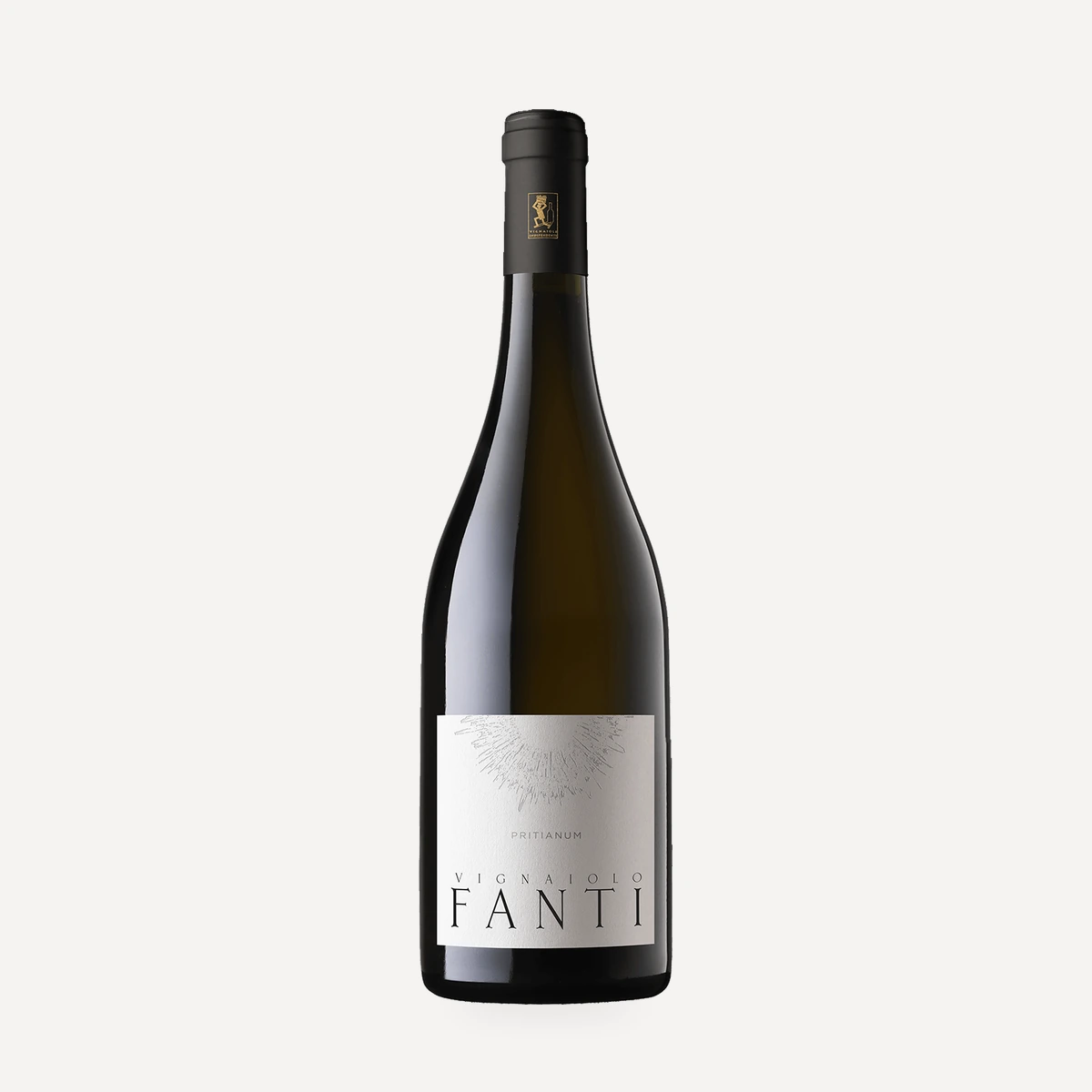
The ancient forms of the place-name—Pritianum and Persanum—are interpreted as referring to a particularly healthy, favourable or well-chosen site among its surroundings.
Vinificazione
The vineyard programme is designed to preserve the natural vitality of the soil and vines. Where conditions allow, the soil is cultivated between the plants rather than treated with herbicides. This controls competing vegetation, aerates the ground and encourages roots to explore deeper layers.
Fungal diseases during rainy periods are controlled only with copper and sulfur. In the more explicitly described vineyards, the vines and soils receive no forcing treatments, fertilizers or irrigation intended to alter their natural development.
Summer canopy work avoids topping the shoots. Instead, the shoots are manually intertwined or wrapped around the wires. The purpose is to retain the vine’s vegetative balance, support healthier leaves and preserve the grapes’ sensory integrity.
Production per vine and per hectare is deliberately reduced. The harvest date is chosen by tasting berries rather than by relying on a fixed calendar. Grapes are harvested manually; white grapes may then be chilled before processing. Documented average yields range from approximately 50 quintals per hectare at Vigo to 60–70 quintals per hectare for other parcels and varieties.
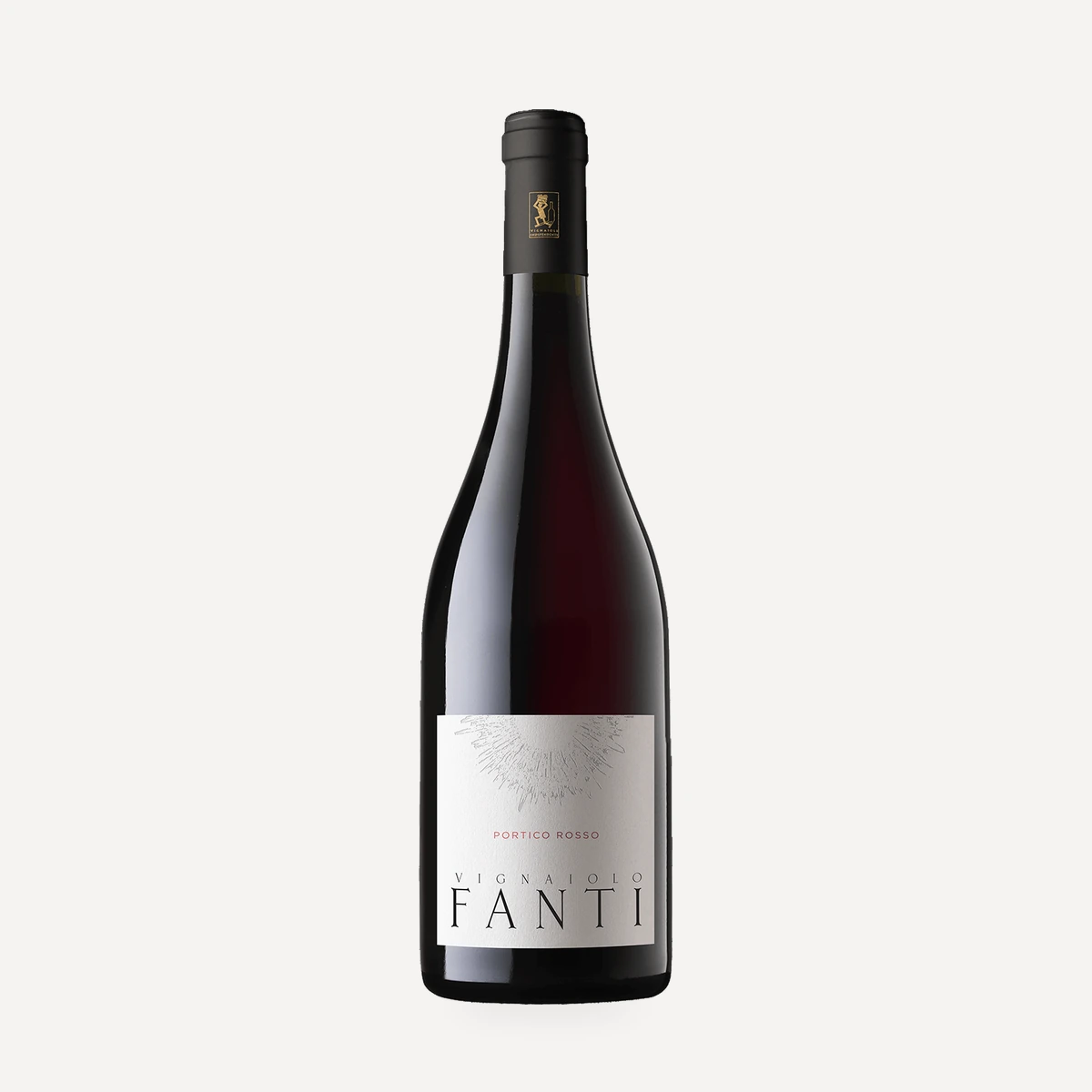
Several current bottlings carry an organic designation, including Chardonnay, Isidor, Manzoni Bianco, Portico Rosso and FANTI Extra Brut. The estate’s broader vineyard practice is defined by soil cultivation, avoidance of herbicides, copper-and-sulfur fungal control and restraint in fertilization and irrigation.
Alessandro Fanti personally follows vinification as well as vineyard cultivation, combining traditional working methods with his training in modern enology. The cellar approach favours long periods between fermentation, maturation and release in bottle.
White grapes are harvested by hand and, for several bottlings, chilled before processing. Whole-cluster pressing is used for Manzoni Bianco, while brief skin contact is documented across several white-grape vinifications. Fermentation without skins generally lasts about three to four weeks. Stainless steel is the principal vessel, while selected white lots also ferment in wood.
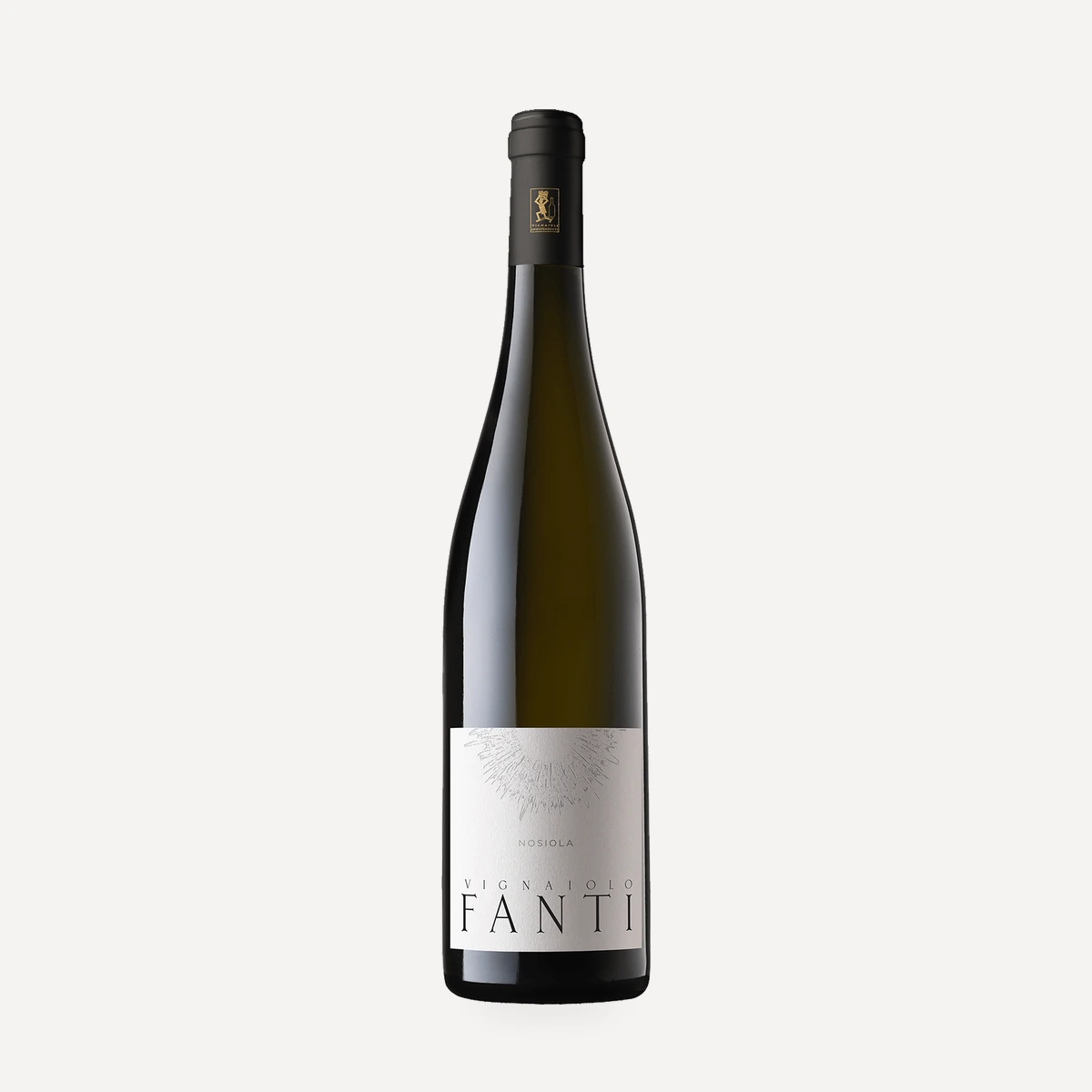
Lees ageing is central to the white-wine programme. Wines remain on their own fine lees until approximately June, commonly for eight to ten months or longer. The lees may be kept suspended, in some cases with daily movement, although Nosiola is also matured on fine lees without stirring. Maturation is followed by further evolution in bottle.
For Nosiola, approximately half of the lot undergoes around one week of skin maceration before continuing fermentation in wood; the remainder ferments and matures in stainless steel. Pritianum is fermented in both stainless steel and wood in contact with its own lees.
Red grapes are hand harvested and destemmed. The Teroldego- and Cabernet-based red undergoes approximately one month of maceration and spontaneous fermentation without added substances, followed by 24 months in wood and at least one year in bottle.
The reconstructed cellar plan incorporates a refrigerated room for holding grapes before pressing, improved circulation between the production rooms, access suitable for equipment and a separate upper-floor area for packaging materials. These changes were designed to improve grape reception, transformation and bottling operations while retaining the building’s rural architectural character.
Filosofia
Alessandro Fanti treats the estate’s small size as a practical advantage: the same person can follow the vines, vinification and maturation, maintaining continuity between farming decisions and cellar work.
His approach combines the experience of inherited rural practice with modern enological knowledge. Older techniques—working the soil, limiting yields and managing shoots by hand—are retained where they support grape and wine quality rather than as ends in themselves.
The central farming principle is to allow the land’s potential to express itself with minimal forcing. This is reflected in the avoidance of herbicides, restrained intervention, the rejection of irrigation and fertilization in specifically documented parcels, and reliance on copper and sulfur for fungal control.
The wines are conceived as expressions of Trentino and of their individual soils and elevations. Long fermentations, extended lees contact and patient bottle ageing favour wines intended to remain lively and continue evolving rather than being shaped for immediate release. Freshness, vitality, dryness and fidelity to place recur as stated objectives.
Vini
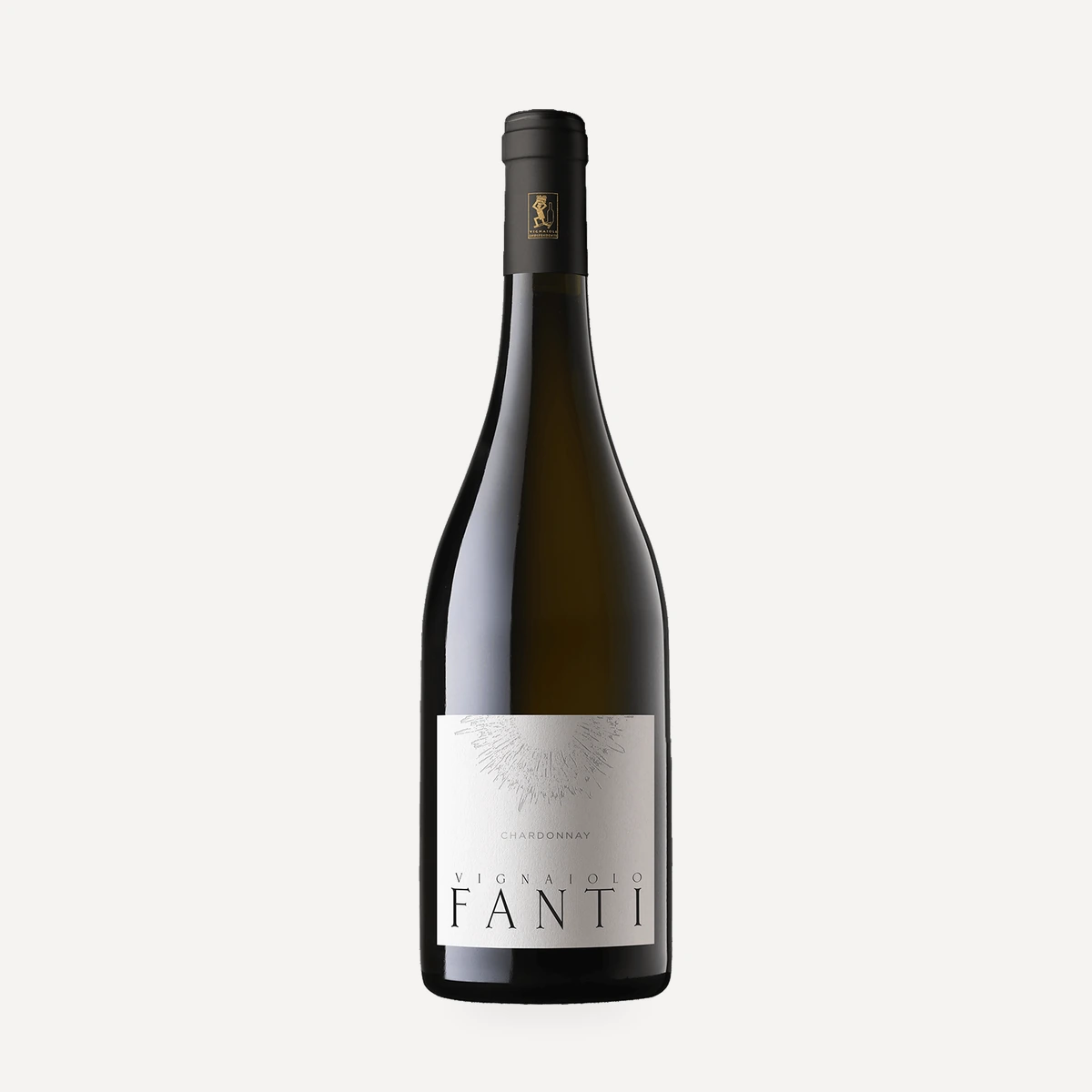
Chardonnay
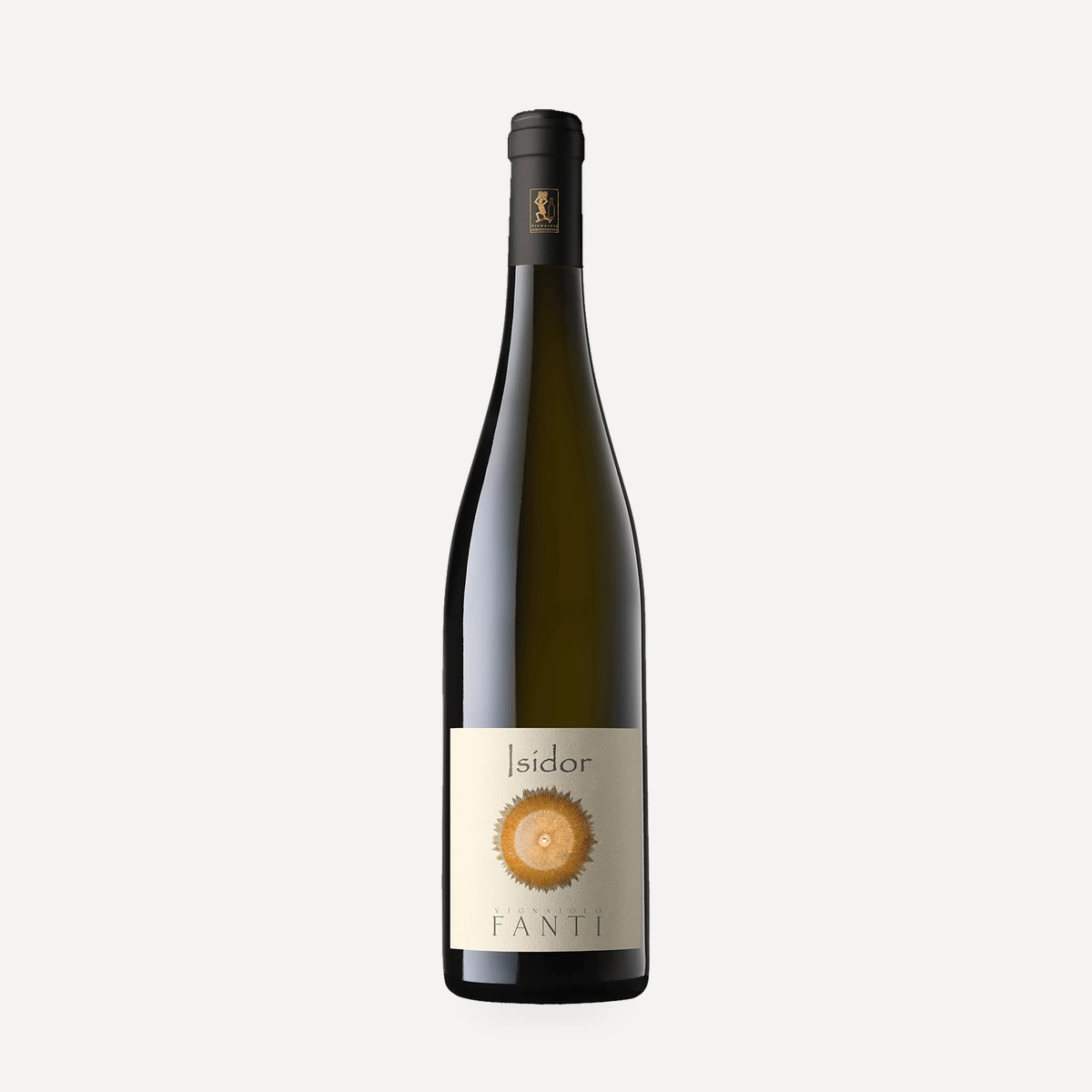
Isidor
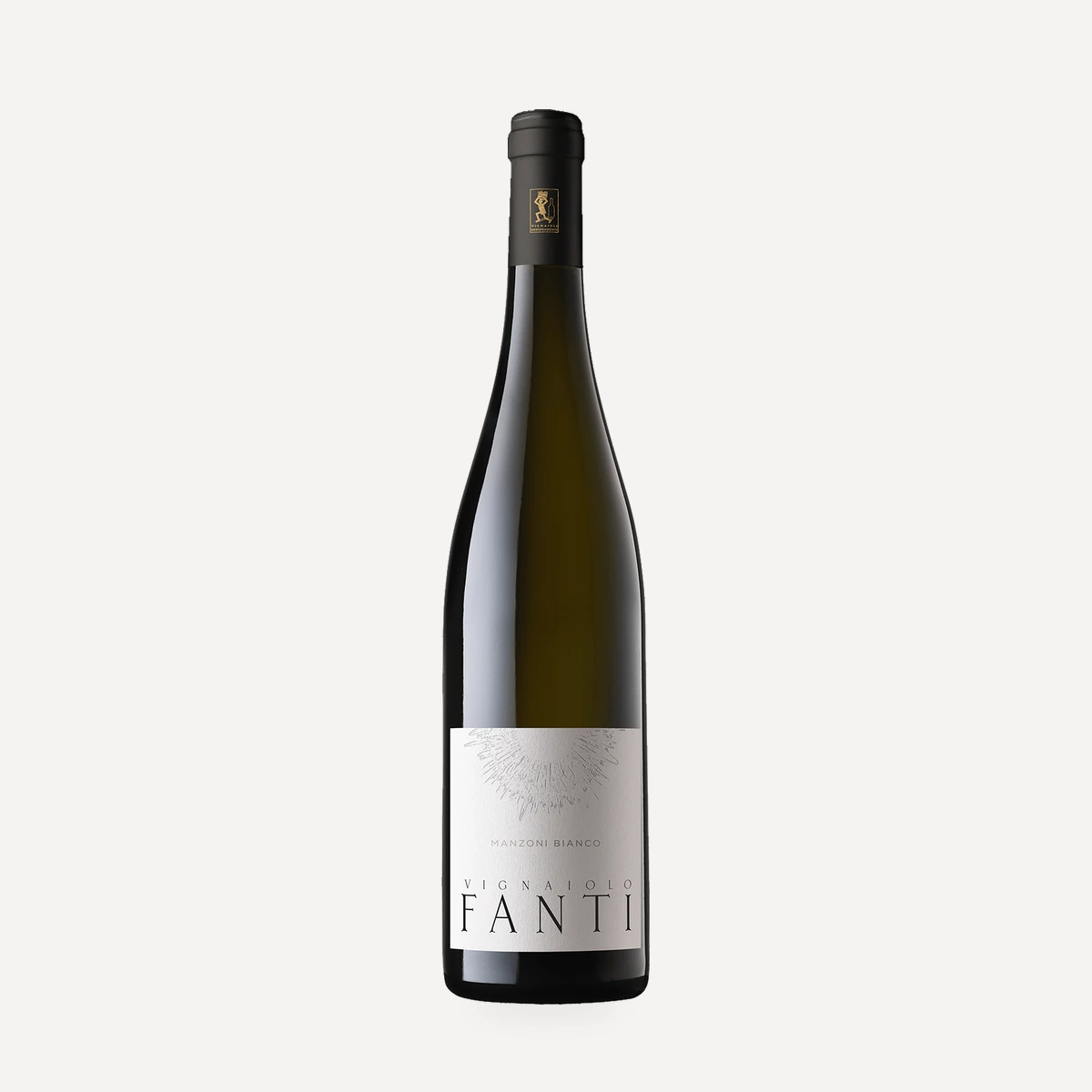
Manzoni Bianco
Nosiola
Portico Rosso
Pritianum