Storia
1689: the family home and Alpine winegrowing tradition
The family traces its work as Alpine winegrowers to 1689. Its home in Folas has been inhabited by the family since that year and now also contains the cellar, linking the present winery directly to the historic household.
The present generation
Giovanni Frapporti cultivates the family’s vineyards with his father, Mario Frapporti, on the Alpine slopes of Vallagarina. Their work centres on Marzemino, Casetta and Enantio—varieties presented as part of the valley’s long viticultural history—and on making unfiltered wines without sulfites or artificial products.
The contemporary project combines the preservation and reconstruction of historic terraces and dry-stone walls with chemical-free vineyard management and the retention of woodland around the vines. Production follows a deliberately simple cellar approach based on manual destemming, extended skin contact in amphora and concrete, maturation in concrete, amphora and oak, and unfiltered bottling.
Terroir
The vineyards occupy mountain slopes in the Isera area of Vallagarina. They are surrounded by woodland and form part of a mountain ecosystem inhabited by wildlife ranging from small insects to large carnivores.
Historic terraces and dry-stone walls shape the cultivated landscape. Their maintenance and reconstruction are central to preserving the mountain environment. The wines are conceived as expressions of the area’s biodiversity, Alpine grape varieties and centuries-old cultural traditions.
Vinificazione
Vignali Varàs treats the vine as one element within a broader, interactive mountain ecosystem. The vineyards are embedded in woodland that provides habitat for species ranging from insects to large carnivores.
Chemical products are not used in the vineyards, and woodland areas are retained to protect biodiversity. Work on the cultural landscape includes maintaining and rebuilding historic terraces and dry-stone walls. These practices are intended to preserve the mountain environment while producing high-quality fruit from the family’s Alpine varieties.
The cellar follows a simple, low-intervention process intended to preserve the character of the mountain-grown fruit. Grapes are destemmed manually. Fermentation and maceration proceed with the skins in amphora and concrete for 55–65 days.
The maturation programme presented for the wines lasts 18 months and treats each variety separately. Marzemino matures in a 12 hL concrete vessel. Enantio matures in amphora and a 7.5 hL Slavonian-oak cask, while Casetta matures in amphora and a 5 hL French-oak cask.
No sulfites or artificial products are used. The finished wine is bottled without filtration, an approach intended to retain the flavours and living character associated with its place of origin.
Filosofia
Giovanni Frapporti understands wine as something living and unfiltered: a record of the biodiversity and centuries-old traditions of the mountains. The objective is to work with historic Alpine grape varieties and produce wines with a strong territorial identity.
The broader principle is that people can—and should—live in symbiosis with nature. Biodiversity is protected by viewing the vineyard as only one part of an interactive ecosystem rather than as an isolated crop. Avoiding chemical products, retaining woodland and restoring terraces and dry-stone walls translate this principle into vineyard practice.
In the cellar, the same philosophy takes the form of simple, natural vinification without sulfites or artificial products and bottling without filtration. The intention is to preserve the wine’s living character and convey the flavours of its mountain origin.
Vini
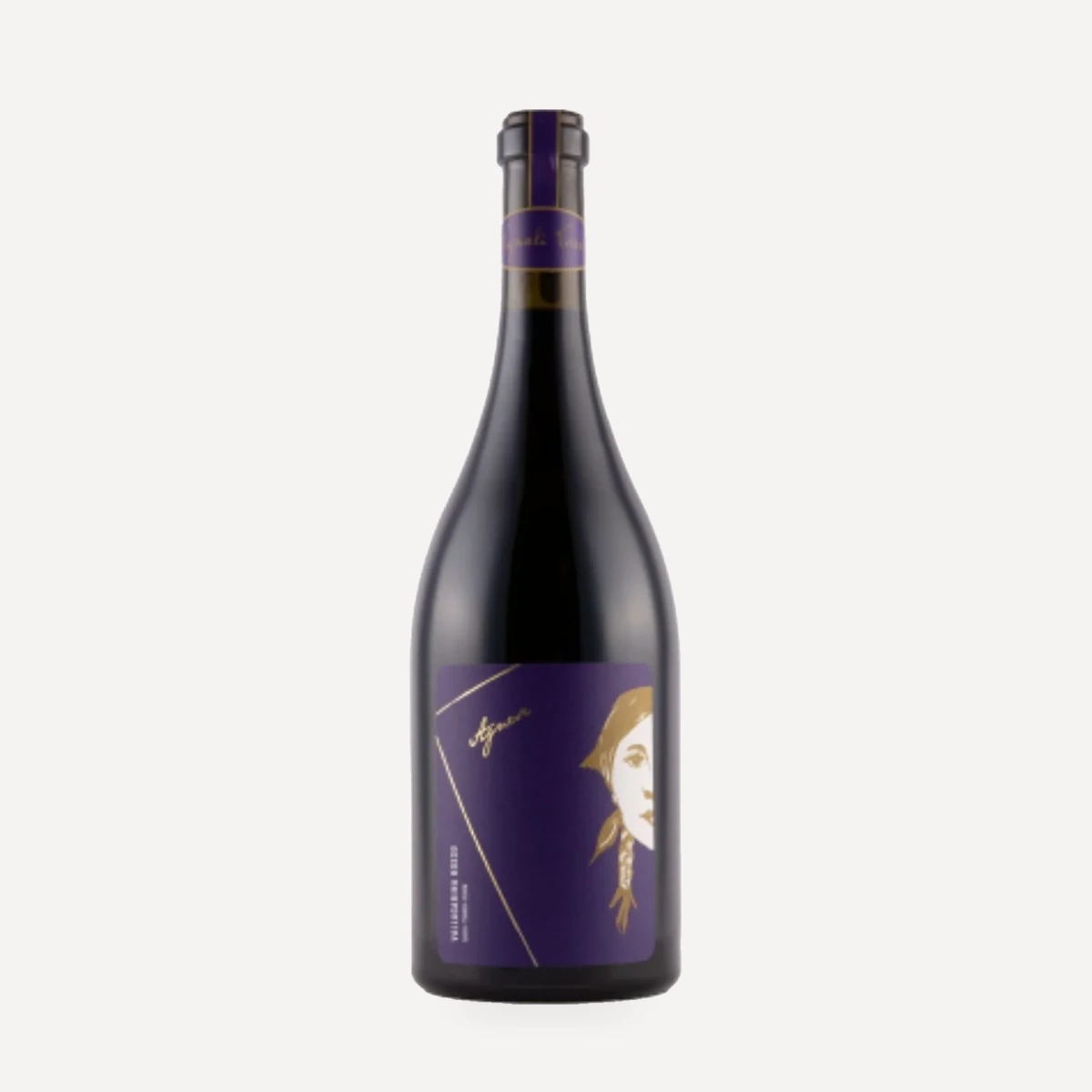
Agnese