Storia
Alberto and the beginnings in 1967
The family’s winegrowing story began in 1967, when Alberto, father of the present owner, started cultivating and selling grapes in Orzano. Alongside that commercial activity, he made a simple wine for friends. He entrusted its development to the fruit, careful human work and prolonged aging, waiting until it reached what he considered its full expression.
Alberto drank the wine in the family’s 19th-century villa at the centre of the estate. The villa itself stands on an older complex of buildings considered historically and architecturally significant. Its gradual development over time became a parallel for Alberto’s belief that wine could acquire greater substance, flavour and distinction through patient maturation.
The second generation and the 2007 transformation
Alberto’s wine became well known among people in Orzano. In 2007, his son Roberto embraced that family tradition and completely renovated the winery. Rather than continuing primarily as a grape-growing enterprise, he decided to use the estate’s grapes for the family’s own wines, following the long-aging approach he had observed for decades.
The family cultivated approximately 200 hectares, principally as arable farmland, while reserving about ten hectares for Vigne del Malina’s vineyards. These vineyards lie between the Malina and Ellero streams. Their courses meet on the property and outline a shape resembling a wine glass, an image adopted as the company logo.
The renovated winery combined family tradition with restrained modernisation. Time remained central to the production model, with the wines released only after extended maturation. Annual output was deliberately kept at approximately 45,000 bottles, and wine was not necessarily commercialised from every harvest. Vintages that failed to reach the required standard were withheld rather than rushed into the market.
The third generation and hospitality
Erica subsequently joined the estate as the third generation. Her role is associated with consolidating the family project, communicating it more widely and opening the property to visitors.
The estate developed an agriturismo with wine service, a wine shop, an osteria, tasting facilities and accommodation. Renovated hospitality spaces and new aperitif offerings were presented in December 2024. In April 2025, the expanded agriturismo programme introduced seasonal dining, guided tastings, private events and a wine-led pairing concept built around eight wines and eight dishes.
Terroir
The vineyards are in Orzano, a hamlet of Remanzacco in Friuli Venezia Giulia, on the eastern bank of the Malina stream. They occupy part of the Grave friulane at the foot of the pre-Alpine valleys.
The land lies in the ancient riverbed of the Malina and is dominated by stones and alluvial gravel. The soil is described as medium-textured with a prevalence of alluvial gravel. The Malina and Ellero streams embrace the vineyard area and converge on the estate, tracing the wine-glass shape used in the Vigne del Malina logo.
Air descending through the northern valleys opens onto the property, producing steady ventilation. The microclimate is also marked by pronounced temperature variations. The combination of gravelly alluvial ground, persistent airflow and temperature shifts is associated with the mineral character, structure and aging capacity sought in the wines.
Approximately ten hectares of the family’s 200 cultivated hectares are devoted to vines. The remainder is principally arable farmland. The vineyard area was selected for quality-oriented, deliberately limited production rather than volume.
Vinificazione
Vineyard management follows an organic, low-impact approach intended to support the vines’ natural cycle with limited intervention. Herbicides are not used beneath the vines, and soil fertility is maintained with organic or natural fertilizers. Chemical treatments are avoided.
During winter dormancy, the vines are carefully pruned. Spring work includes thinning the shoots and retaining the healthiest, most promising growth. Clusters are selected later in the season, with detailed thinning designed to leave approximately one kilogram of fruit per plant so that the remaining grapes receive sufficient sunlight and can reach full maturity.
Much of the work is manual. Harvest timing is based on observation of ripeness, including the condition of berries left to dry gently on the vine for red-wine production. Grapes are harvested by hand into small crates to protect their integrity, with a final selection performed in the vineyard.
For skin-contact production, Omar Pantarotto inspects the vineyard shortly before harvest, examines the clusters and tastes individual berries. These wines are made only when flavour, texture and skin condition align with the required profile. Harvests that do not meet the estate’s standards may yield no commercially released wine.
All principal stages are carried out on the estate: vinification, maturation, bottling and labelling. The cellar’s approach is based on limited intervention and extended development in vessel and bottle, with release determined by maturity rather than speed.
General cellar approach
Hand-harvested grapes arrive in small crates and are vinified in the winery beside the vineyards. The wines mature in barrels, stainless-steel vessels or bottles according to category. Bottles are stored horizontally, and bottle aging is an integral part of production rather than a short pre-release rest.
White wines
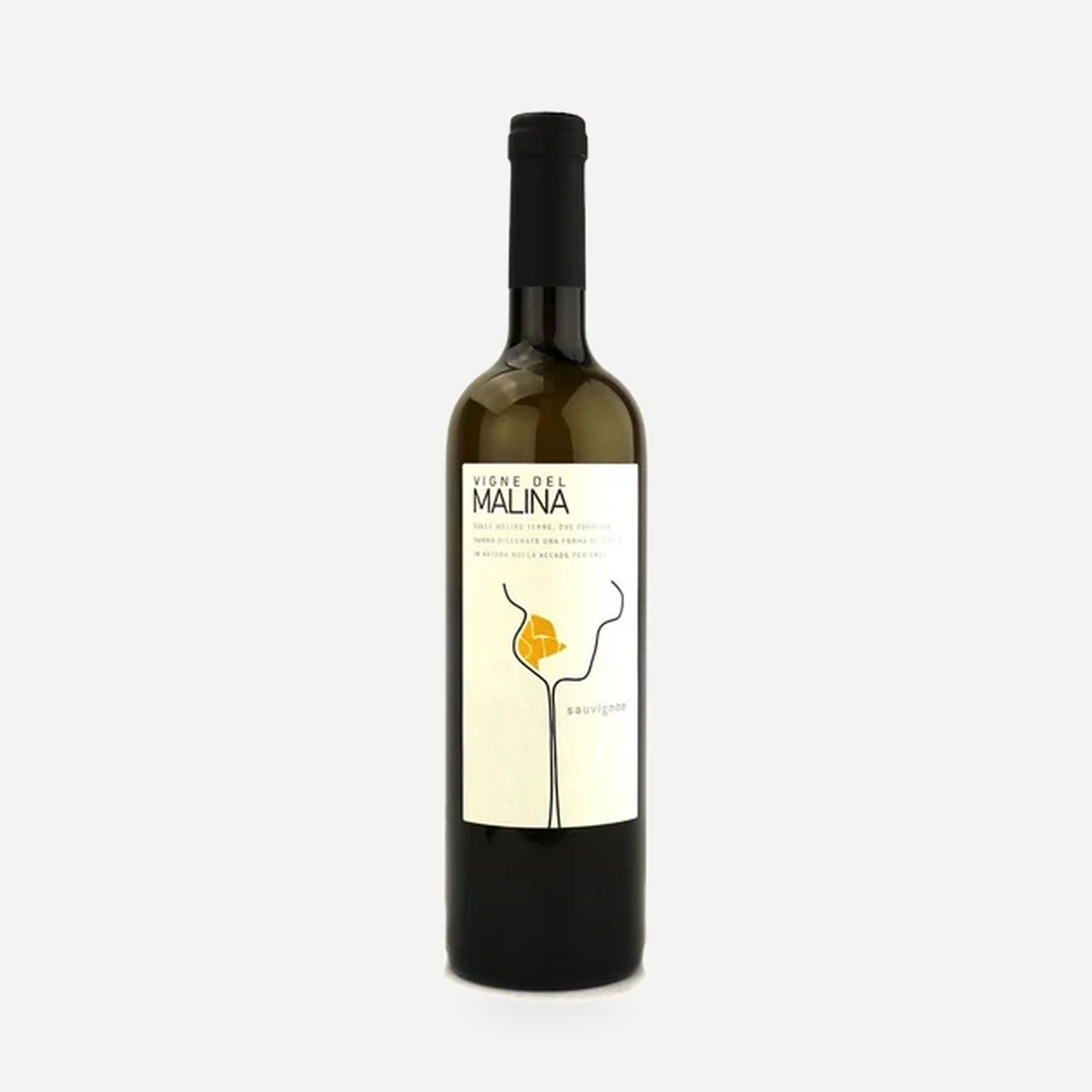
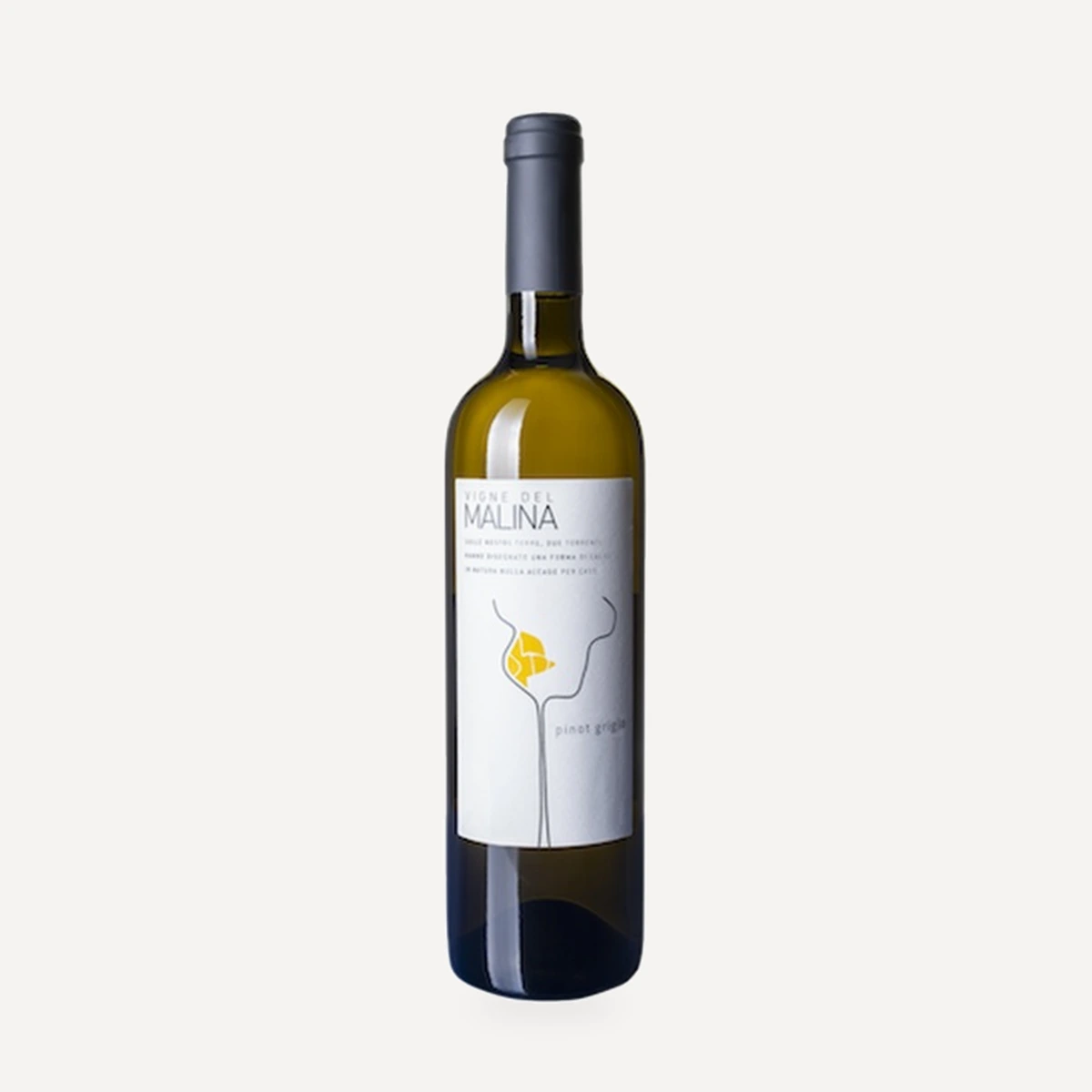
Grapes for the white range are harvested by hand in crates, destemmed, crushed and pressed. Chardonnay and Sauvignon remain in tank overnight before pressing. Following fermentation, the wines spend approximately one year in stainless steel and at least four further years in glass bottles. Before bottling, cellulose filter sheets are used to remove impurities.
Red wines
For the red range, ripeness can include gentle drying of berries on the vine. After manual harvest in crates, fermentation begins in temperature-controlled stainless-steel tanks and continues until the natural sugars are exhausted. The wines then rest in large Slavonian oak barrels. They are bottled without filtration and stored horizontally at a constant temperature until considered ready.
Skin-contact wines
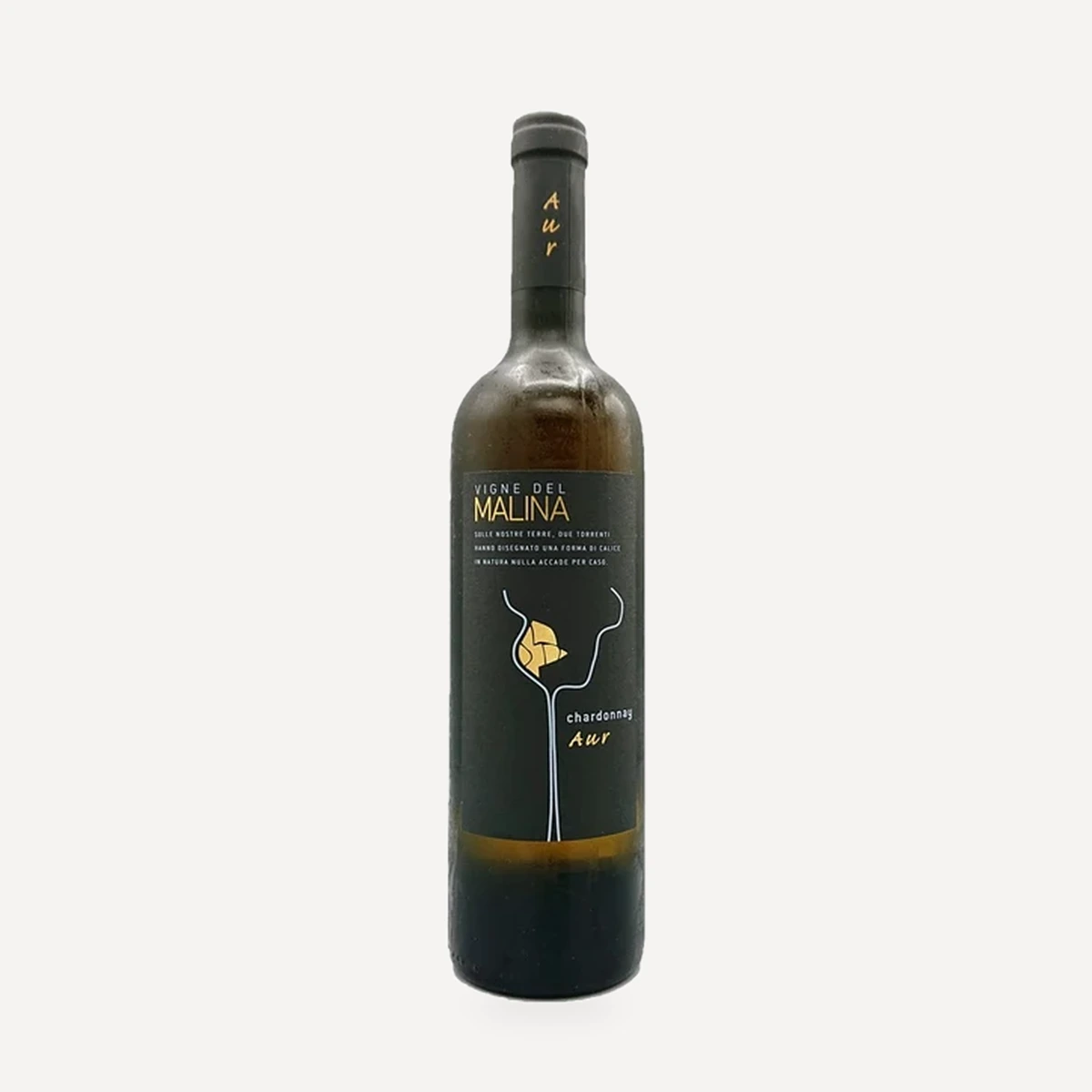
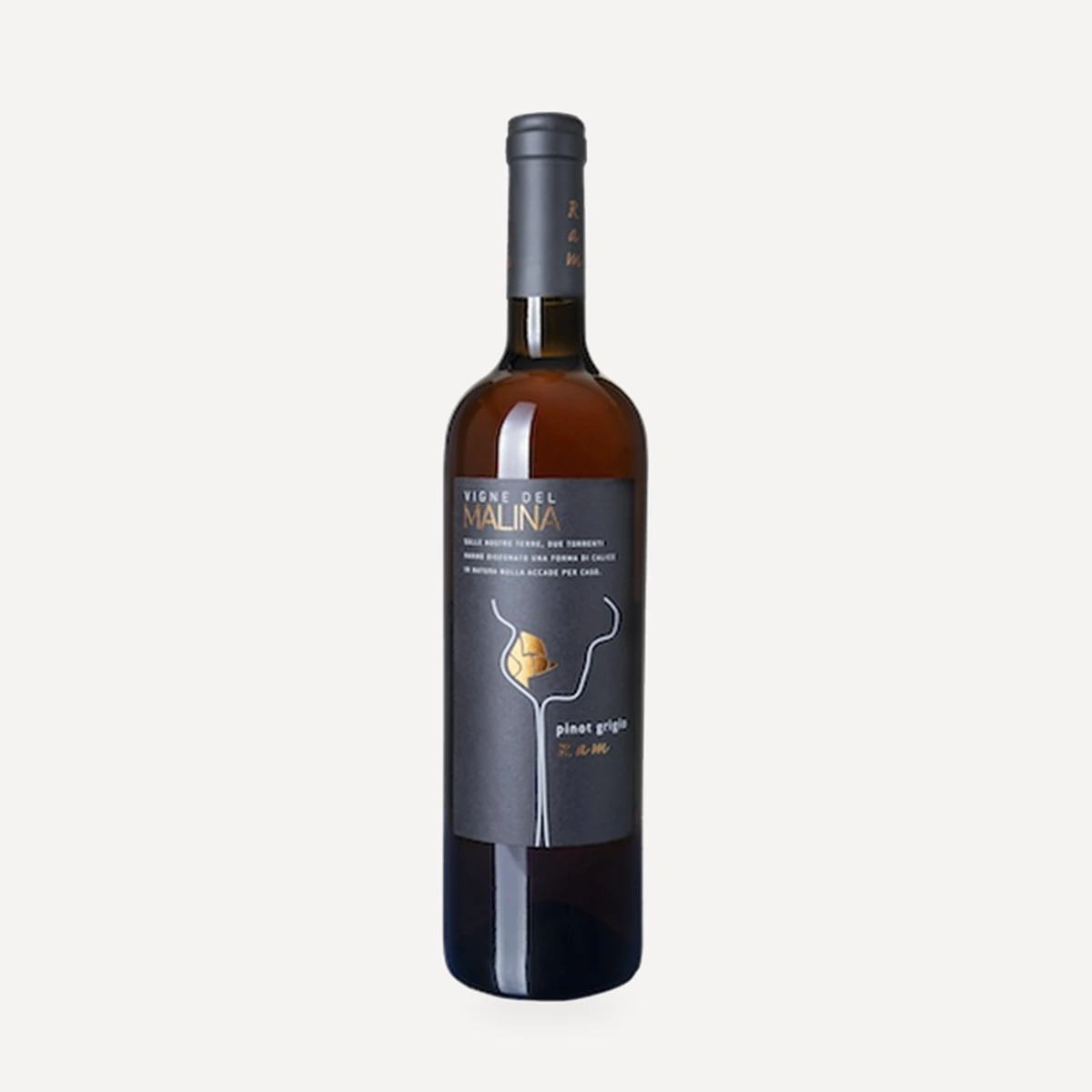
Pinot Grigio Ram and Chardonnay Aur are made only in vintages when the grapes display the required flavour, texture and skin characteristics. The white grapes ferment with their skins under controlled conditions. Maturation comprises two years in oak barrels, measured bâtonnage and at least another four years in horizontally stored bottles.
Production averages approximately 45,000 bottles in years considered suitable. A vintage can be withheld entirely when the result falls short of the estate’s quality threshold.
Filosofia
Vigne del Malina defines its wines through time: the seasons shape the grapes in the vineyard, while prolonged maturation allows the resulting wines to develop before release. Patience, close knowledge of nature and detailed observation are treated as essential production tools.
The family’s model originated with Alberto, who sought clean, genuine wines that developed slowly. Later generations retained that principle while adding only the modern equipment considered necessary. Human work is framed as discreet assistance to the natural cycle, both in the vineyard and in the cellar.
Production is intentionally limited. Approximately ten hectares are devoted to vines, and the estate accepts that some vintages may produce no marketable wine. Quality is prioritised over annual continuity or volume.
The vineyards are managed through frequent manual work, organic or natural fertilizers and avoidance of herbicides beneath the vines. In the cellar, extended aging in steel, oak and bottle is used to reveal the wine’s structure. The resulting identity is encapsulated in the estate’s expression “Wines of Time.”
Vini
Chardonnay Aur
Pinot Grigio
Pinot Grigio Ram
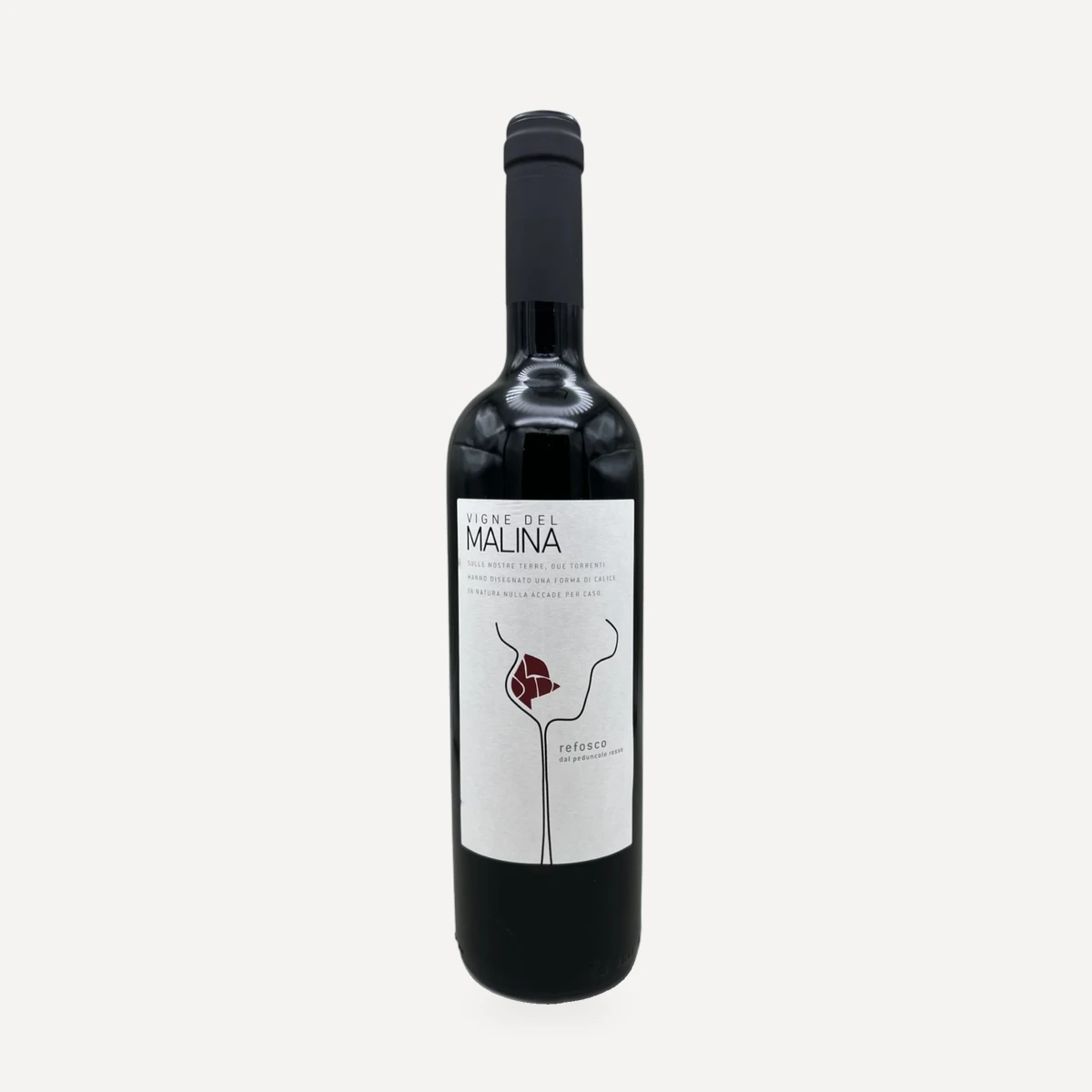
Refosco dal Peduncolo Rosso