Storia
The origin of the name
The name reaches back to 1800, when a newspaper called Il Pellagroso was printed in the old village courtyard later used for the first wine. The popular, administrative and political publication recorded the economic and social hardships of rural life. It was a protest newspaper that argued for a more humane and equitable future and for a different way of practising agriculture and living. This history inspired the name Vigne del Pellagroso.
2011: the first seven rows
The practical decision to make wine took shape in 2011, when Antonio Camazzola obtained the management of a small vineyard comprising seven rows of very old white- and black-berried vines. The plot had been abandoned for years. After carrying out a severe pruning, the project continued without applying any treatments.
2012: the first wine
The first wine was made in 2012 in the oldest courtyard in the village, which was itself in an abandoned condition. This initial production began a period of experimentation marked by both successes and failures.
2017: Vigne del Pellagroso becomes an official project
In 2017, the project leased a 1.5-hectare vineyard in Monzambano. The site was planted to Merlot vines between 15 and 45 years old and had been farmed organically since 1985. Taking responsibility for this vineyard marked the formal launch of Vigne del Pellagroso.
2018: expansion and biodynamic conversion
A further 5.5 hectares of land were leased in 2018. Work with biodynamic preparations began immediately as part of a substantial conversion programme. The farm started producing preparations including horn manure and colloidal fladen and later added several compost preparations.
Biodynamic certification
All land under management—vineyards and fields devoted to other crops—subsequently received biodynamic certification from AgriBioDinamica. The certification formalised a farming approach centred on humus, soil fertility, seasonal conditions, cosmic rhythms and continuous observation in the field.
A mixed agricultural holding
The agricultural activity extends beyond wine. Several hectares are used for cereals and vegetables, with the selection of crops changing from year to year. Part of the land is consistently reserved for flowers intended to support bees. This wider food-growing project is associated with the name Foligodia and is based on the same farming principles and the same hands that cultivate the vineyards.
Terroir
The principal documented vineyard location is Monzambano, where the project leased 1.5 hectares of Merlot in 2017. The vines were between 15 and 45 years old, and the land had been cultivated organically since 1985.
The vineyards include old mixed-variety plots and sites associated with morainic terrain. One small mixed white vineyard is approximately 80 years old, while Vigna Santa Maria is described as a small 65-year-old vineyard. A separate red vineyard is approximately 40 years old. Old vines also grow on the hill called Monte Oliveto.
The holdings encompass different soils, reflected in the use of green-manure mixtures adapted to each site. No single uniform vineyard treatment is imposed: soil work and biodynamic applications are adjusted to the condition of the individual land and plants.
Vinificazione
The vineyards are managed according to biodynamic principles, and every parcel under the farm’s management—whether planted to vines or other crops—is certified biodynamic by AgriBioDinamica.
The work is directed toward removing copper from the production cycle. Copper use has already been reduced to very low doses. In autumn, alternating rows are sown with green manure; the mixture of species changes according to the soil. The ground is worked with a spring harrow, while vegetation beneath the vines is cut with a brush cutter.
The vines are not topped. Pruning follows the Simonit & Sirch guidelines. During the growing season, vineyard operations and treatments are scheduled with reference to the Biodynamic Calendar, seeking the most effective relationship between the day selected and the work performed.
Biodynamics is practised through both soil care and preparations. The farm makes some of its own inputs, including horn manure and colloidal fladen, and has progressively incorporated a range of compost preparations. Their use is continuous rather than occasional and is guided by seasonal conditions, cosmic rhythms, field experience and close observation of the plants. Humus is treated as the central living organ supporting plant health and lasting soil fertility.
Grapes are harvested by hand into crates and moved promptly to the cellar for processing. The wider farm also rotates cereals and vegetables and regularly devotes part of its land to flowers as a food resource for bees.
Grapes arrive promptly at the cellar after manual harvesting in crates. Depending on the intended result, whole bunches are either crushed and destemmed or pressed, with or without skin maceration.
Fermentation is spontaneous across the range. Temperature-control technology is not used, allowing fermentation to proceed without technological regulation of heat. The preferred vessels are fiberglass, wood and concrete.
The wines are bottled without filtration. Most are made without added sulfur dioxide, although this practice is not presented as universal across every bottling.
Filosofia
Biodynamic agriculture is understood as a form of awareness rather than merely a farming technique. Its purpose is to connect the forces affecting life in a way that builds and preserves soil fertility through the care of humus.
Nature is approached as a system of living organisms that coexist and cooperate. Agricultural work is consequently aligned with seasonal conditions and cosmic rhythms, with the dual aim of sound production and quality. Preparations alone are not considered sufficient: the approach requires knowledge, perseverance, continual work and a constant physical presence in the fields so that the needs of the plants can be recognised through experience.
The stated objective is a sustainable, clean and honest form of agriculture in which people regard themselves as temporary guests on the land. The farm aims to improve that land for future generations and to share its agricultural approach for the common good.
This principle also informs the mixed farming project associated with Foligodia. Wine, cereals, vegetables and flowers are treated as parts of the same relationship between food, living soil, human nourishment and the wider environment.
Vini
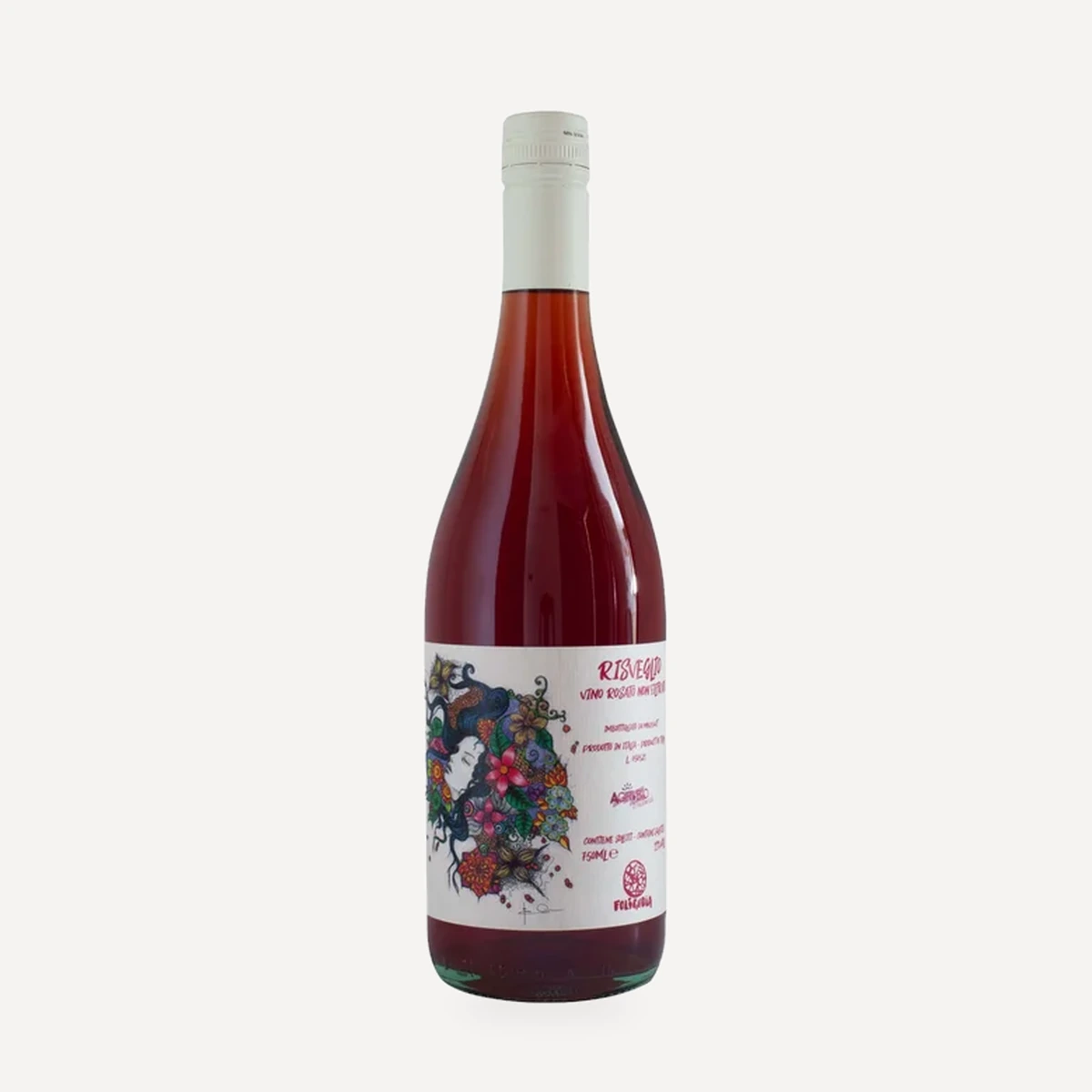
Risveglio
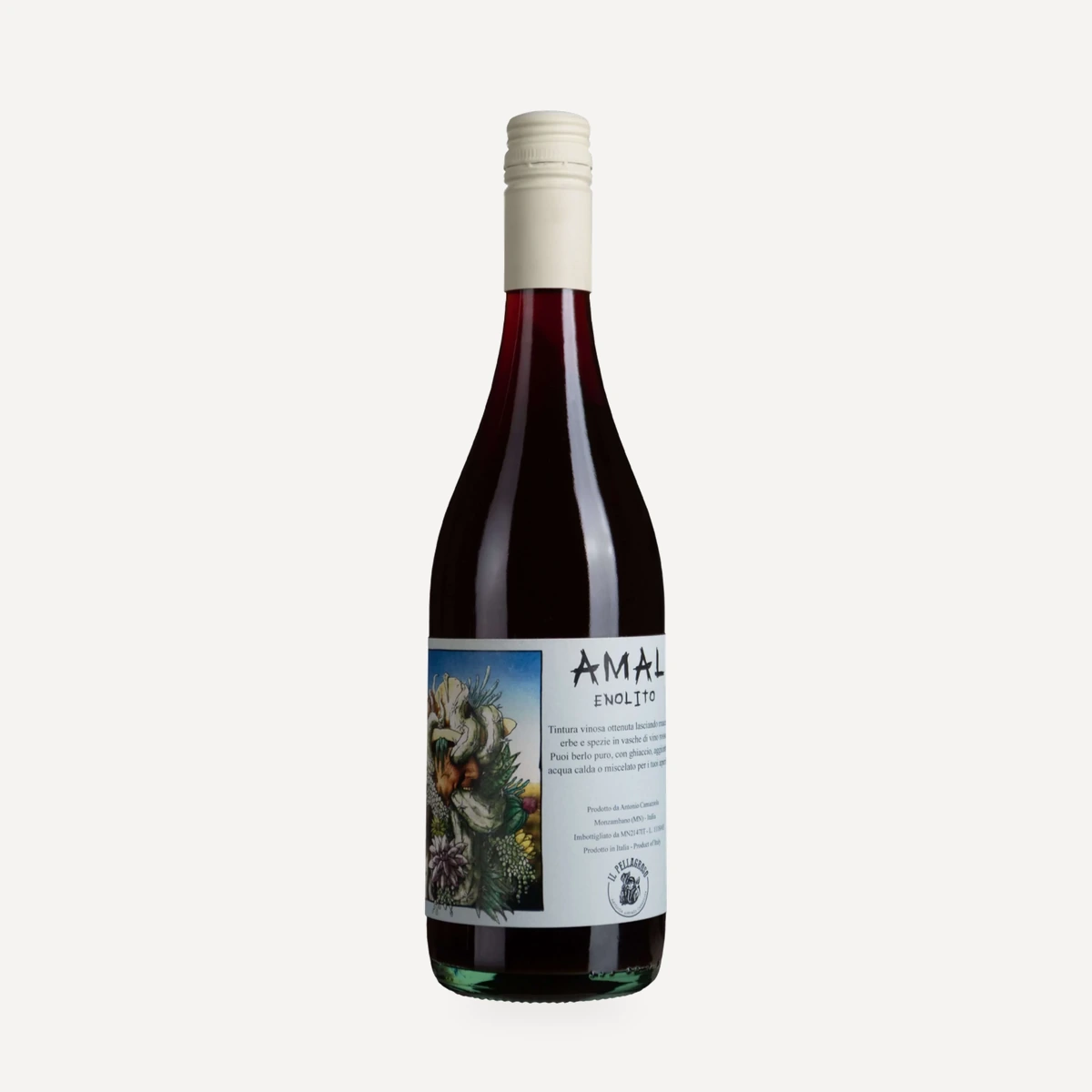
Amal
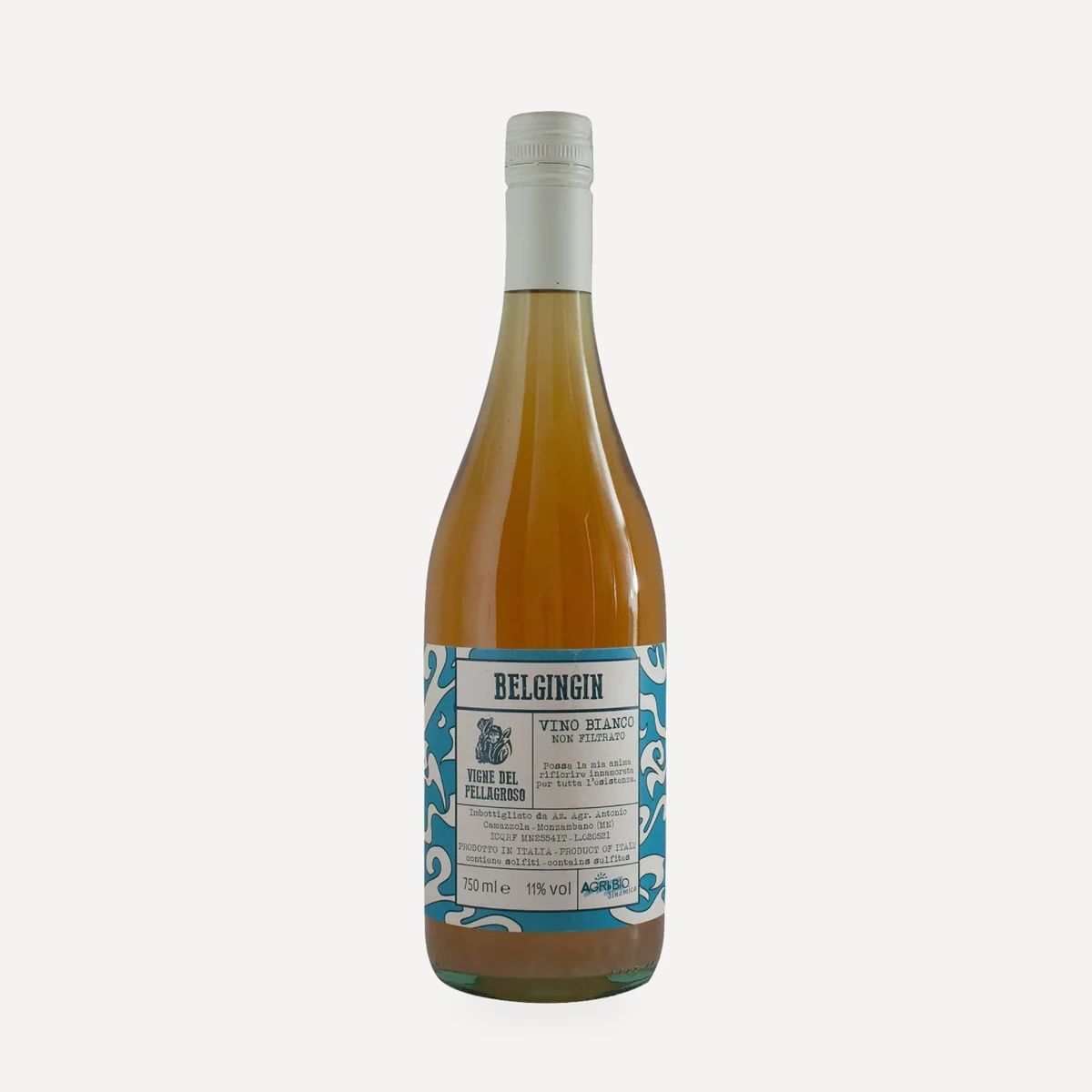
Belgingin
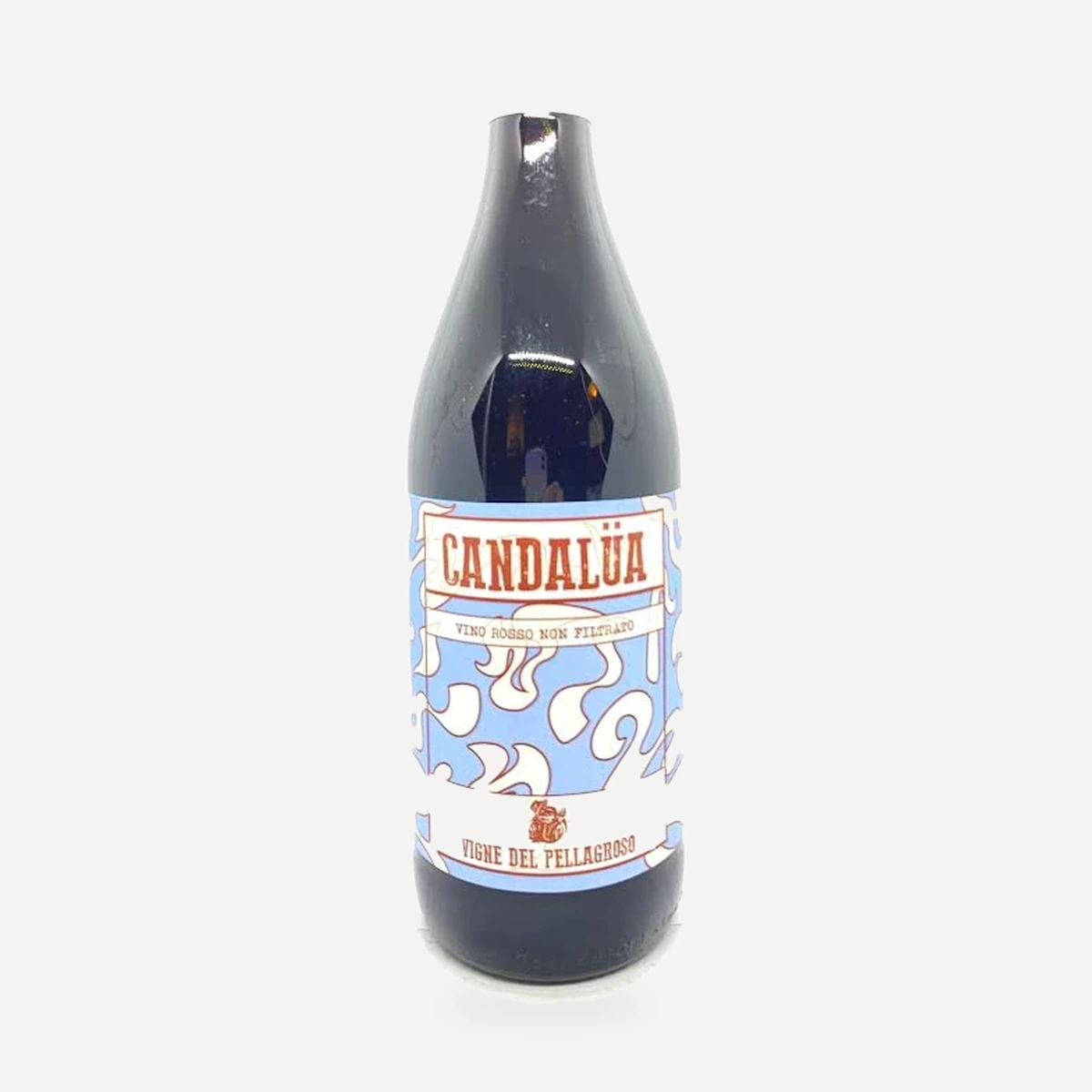
Candalüa