Storia
Family roots in Valle di Cembra
The Pellegrini family's connection with viticulture extends across several generations in Valle di Cembra. Earlier generations cultivated vines on the valley's steep mountain slopes, establishing the agricultural inheritance from which Villa Corniole developed. The present enterprise is a shared family project founded by Onorio Pellegrini and Maddalena Nardin.
Onorio shaped the winery around direct control of the entire chain, from vineyard work and vinification to storage and commercial release. Maddalena translated that vision into organization, commercial development and an outward-looking business structure. Over time, the family acquired vineyards in two contrasting parts of Trentino: Valle di Cembra and Piana Rotaliana. The resulting holding comprises approximately 10 ha, including an approximately 3 ha vineyard at Mezzolombardo in Piana Rotaliana. All estate grapes are vinified at the family's mountain winery in Giovo.
The second family generation and Salísa
The three daughters—Sara, Linda and Sabina—joined the family project with complementary responsibilities. Their names supplied the identity of Salísa, formed from Sara, Linda and Sabina. The project became the sisters' signature range of Trentodoc sparkling wines and a visible expression of generational continuity and female leadership within Villa Corniole.
In 2009, the first Salísa production amounted to 1,000 bottles. Production of the range subsequently expanded, reaching 45,000 bottles in 2024. Salísa Rosé Extra Brut Millesimato was introduced as a new cellar release in 2022. In 2024, Villa Corniole presented Salísa Zero Riserva Millesimato, a Blanc de Blancs Trentodoc developed around prolonged lees maturation and the family's pas dosé style.
Sustainability and cellar development
Villa Corniole joined the Friends for the Earth community in 2020 in recognition of its environmental program. The winery progressively reduced energy and water use through an underground, gravity-fed cellar, refrigerated closed-loop tank cooling, steam sanitation, lightweight glass, recycled materials and renewable energy. In 2024, its photovoltaic installation was expanded fourfold.
From mid-2025, the family began constructing a new, nearly 800 m² internal warehouse. The project responded particularly to the growth of sparkling wines requiring long maturation periods. Its additional space supports controlled temperatures, orderly management of vintages and lots, and the maturation of bottle stocks within the winery's own facilities. The investment continued Onorio's principle of retaining control through the final stage of the production chain.
Recognition and continuity
Villa Corniole was selected among Forbes Italia's 100 Iconic Wineries in 2025 and again in 2026. The second consecutive selection recognized the work of the Pellegrini family and the winery's mountain-wine identity. Today Onorio and Maddalena remain the roots of the business, while Sara, Linda and Sabina contribute distinct skills to its continuation and development.
Terroir
Two mountain territories
Villa Corniole cultivates approximately 70% of its grapes in Valle di Cembra and 30% in Piana Rotaliana. The two areas differ markedly in elevation, landform, climate and geology.
Valle di Cembra
Valle di Cembra continues northward from Val di Fiemme and Val di Fassa toward the Alto Adige–Südtirol border. Vineyards occupy terraced mountain slopes between approximately 300 and 900 m above sea level; the vineyards around Giovo reach elevations above 800 m. Elevation slows ripening and helps preserve acidity while developing aromatic intensity.
The landscape combines forests, villages and vineyards suspended above rocky walls carved by the Avisio torrent. The Avisio rises from the Marmolada glacier, passes through the Fassa and Fiemme valleys and continues to shape Cembra's canyons. Terraces are held by a network of dry-stone walls extending for more than 700 km across the valley. Vineyard gradients frequently exceed 40%, making mechanization difficult and creating the conditions described locally as heroic or vertical viticulture.
The climate is Alpine. Summers are moderately warm without excessive humidity, while winters are cold and become severe at elevation. Warm air rises through the valley during the morning. The afternoon Ora del Garda and a cool easterly evening breeze, together with cold currents descending from the Dolomites, produce pronounced day–night temperature changes.
Ice, water and volcanic activity shaped the valley. Its geological matrix is dominated by effusive volcanic rock associated with the porphyry platform. Soils contain porphyry boulders and pebbles, sand and varying amounts of limestone. Around Giovo and the slopes of Monte Corona, a stronger calcareous component distinguishes Villa Corniole's sites from much of the wider valley.
Porphyry is rich in iron and silica and forms rocky, freely draining soils. Slow vine growth and deep rooting are associated with concentrated grapes and wines marked by mineral, flinty, floral and spicy characters, vibrant acidity and structure. Limestone, rich in calcium carbonate, combines drainage with moisture retention during dry periods. It is associated with balanced water stress, freshness, fine fruit and citrus aromas, natural acidity, savoury persistence and longevity.
Valle di Cembra supports Villa Corniole's Müller Thurgau, Chardonnay, Gewürztraminer and Pinot Nero. Chardonnay and Pinot Nero also underpin its mountain-grown Trentodoc production.
Piana Rotaliana
Piana Rotaliana lies north of Trento between the Adige and Noce rivers at approximately 200–300 m above sea level. The alluvial plain forms a broad triangle whose apex is the Gola della Rocchetta at the entrance to Val di Non. High rock walls surround it on three sides, while the Chiusa di Salorno lies to the northeast.
The climate is mild Alpine-continental. The Dolomites shield the plain from cold northerly winds, and Lake Garda provides a moderating influence. Mountains retain summer heat and contribute to a protected microclimate favourable to ripening.
The Adige, Noce and Avisio created fertile alluvial soils of pebbles, gravel and silt. Around the family's approximately 3 ha holding at Mezzolombardo, silty-sandy soils contain dolomitic, granitic, calcareous and porphyritic debris transported downstream by the Noce. The area is used for Teroldego, Lagrein and Pinot Grigio.
Vinificazione
Viticulture in Valle di Cembra is predominantly manual because the terraced vineyards frequently exceed 40% gradients. Pruning, tying and harvesting require direct human work; manual labour can surpass 1,000 hours per hectare. Regular intervention also helps maintain terraces and prevent erosion, slope instability and hydrogeological damage.
The dry-stone walls are constructed by fitting local stones together without mortar. In addition to supporting the terraces, they retain soil, reduce runoff and erosion, promote natural drainage and provide habitats and small-scale microclimates for insects, reptiles, small mammals and vines. Their seasonal maintenance forms part of Villa Corniole's stewardship of the vineyard landscape.
All estate grapes are selected and harvested exclusively by hand. In the vineyards, insect mating disruption uses pheromone diffusion to prevent the reproduction of selected pests, allowing the estate to avoid insecticides and pesticides. Chemical herbicides are not used; weed control is mechanical.
The sustainability program also encompasses resource use beyond the vineyard: recycled materials and lightweight bottles reduce material demand, steam replaces running water for sanitation, and photovoltaic energy supports cellar operations. Villa Corniole joined the Friends for the Earth community in 2020.
Mountain cellar
Villa Corniole vinifies all selected estate grapes in its Giovo winery. The structure is largely excavated into the porphyry rock and was designed to integrate with the landscape while providing naturally stable storage conditions. Rock exudation naturally humidifies the barrel cellar, and the underground position maintains a constant temperature with reduced reliance on mechanical conditioning. Wines are allowed to evolve at the slow pace considered necessary for mountain-grown fruit.
Gravity and temperature management
The cellar is arranged on two levels. Grapes are received and undergo their first processing on the upper level; must then moves by gravity into tanks below. Fermentation, maturation and subsequent ageing take place on the lower level, reducing the need for pumping.
Tanks use a closed mixture of refrigerated fluid for cooling. This avoids continuously running water over tank surfaces. Modern, low-consumption equipment complements the cellar's passive temperature control.
Trentodoc method
Grapes for the sparkling-wine program are harvested manually on the mountain terraces and pressed gently. The first fermentation produces the base wine. Tirage introduces yeasts and sugar before the second fermentation takes place in bottle. Bottles then mature on their lees for periods that may extend to several years. Remuage moves sediment toward the neck, followed by disgorgement and, where the intended style requires it, final dosage. The Riserva expression is matured for 60 months on its lees, while the pas dosé style receives no dosage after disgorgement.
Storage and energy
Bottle stocks and wines undergoing prolonged maturation remain under stable conditions within the winery. A nearly 800 m² warehouse initiated in 2025 provides more space for stock, vintage and lot management, especially for Trentodoc requiring extended ageing.
Approximately sixty photovoltaic panels originally supplied the cellar; the photovoltaic park was quadrupled in 2024. The winery describes the system as providing the energy required for company operations, while all energy produced and consumed in the cellar is certified by Repower as 100% green and renewable. Steam is used to sanitize equipment and spaces while reducing water consumption.
Filosofia
Villa Corniole defines itself through family, territory and sustainability. Family is the foundation of the project: its members share a common direction while contributing different skills, and the transition from Onorio and Maddalena to the work of Sara, Linda and Sabina is understood as continuity rather than a break with the past.
The family regards Valle di Cembra as a demanding, extreme Alpine environment whose steep terrain requires daily effort and responsibility. Its aim is to produce wines that express this place rather than obscure it, preserving the distinctions created by altitude, limestone, porphyry and mountain climate.
Tradition is combined with research and technology. Manual vineyard work, dry-stone terrace maintenance and slow maturation coexist with gravity handling, modern temperature control, photovoltaic energy and resource-saving sanitation. Innovation is pursued where it improves precision, environmental performance or the ability to give wines sufficient time.
Sustainability is framed as an obligation to transfer the winery and its territory to future generations without impoverishing either. The objective is a healthy, resource-rich landscape in balance with its ecosystem. Onorio's principle of controlling the complete chain—from vineyard to warehouse—also informs the family's understanding of quality: maturation cannot be rushed or delegated, and each stage should be protected through to release.
Vini
7 Pergole Teroldego
Cimbro Rosso - Teroldego & Lagrein
Hambros Passito Rosso
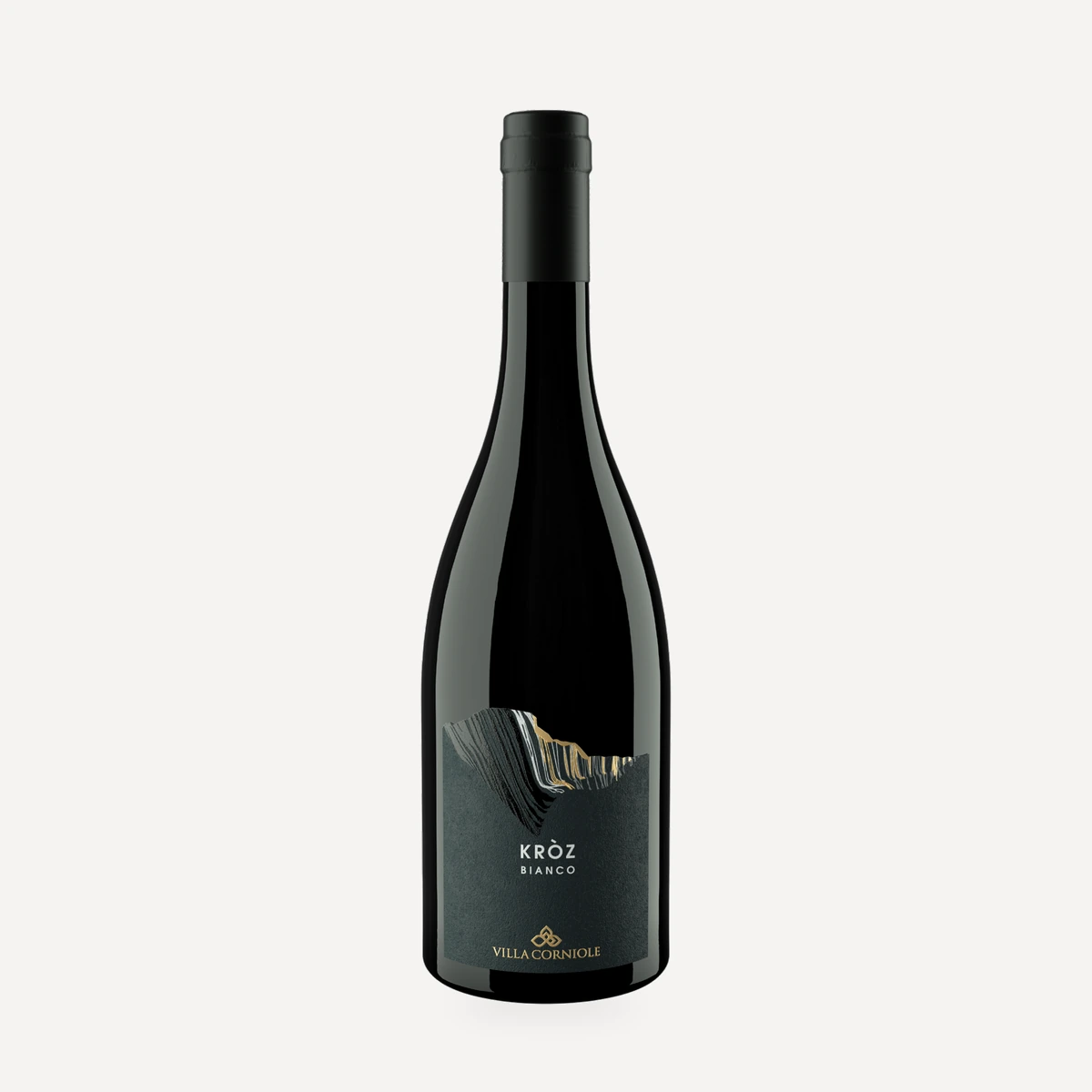
Kròz Bianco - Chardonnay & Müller Thurgau
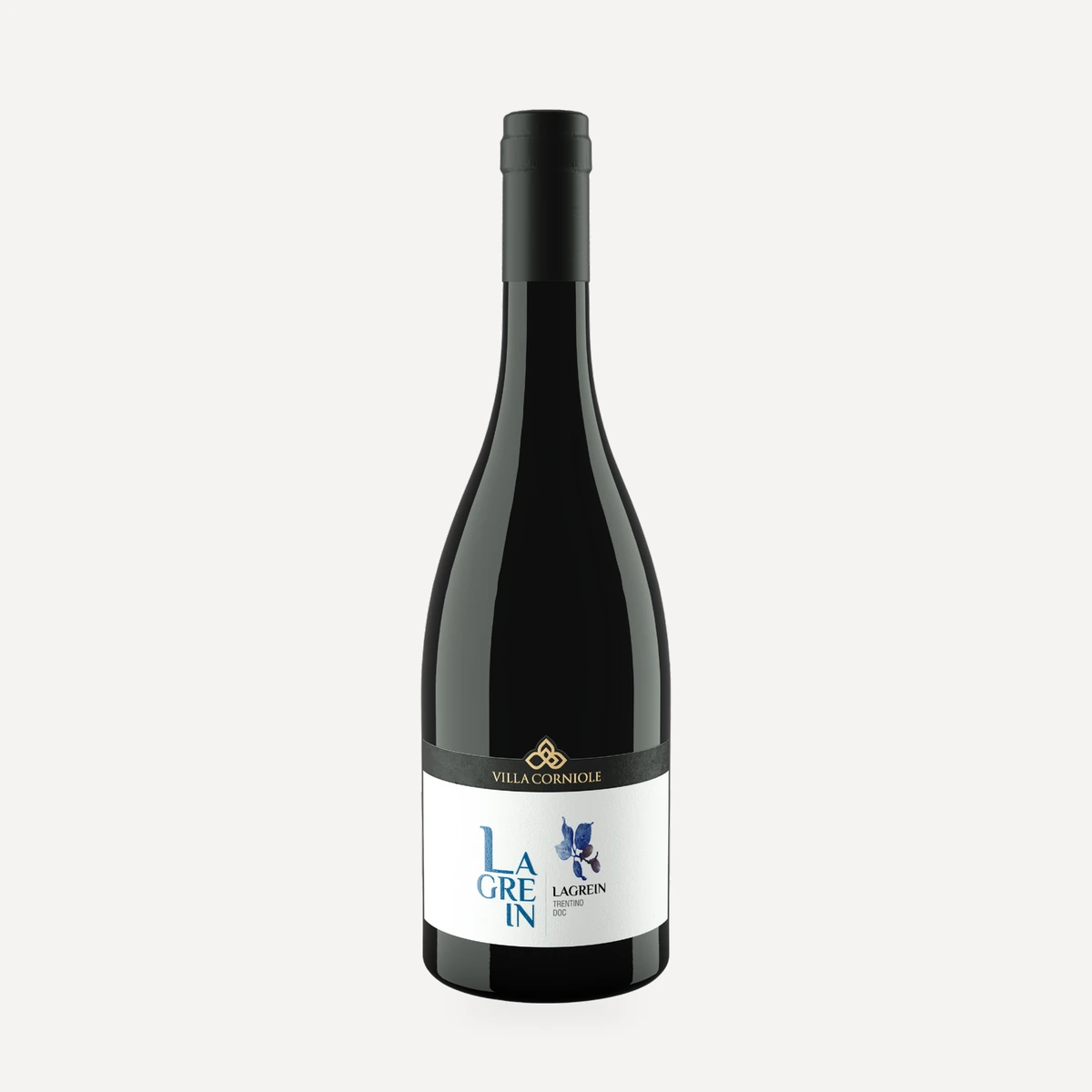
Lagrein Pietramontis
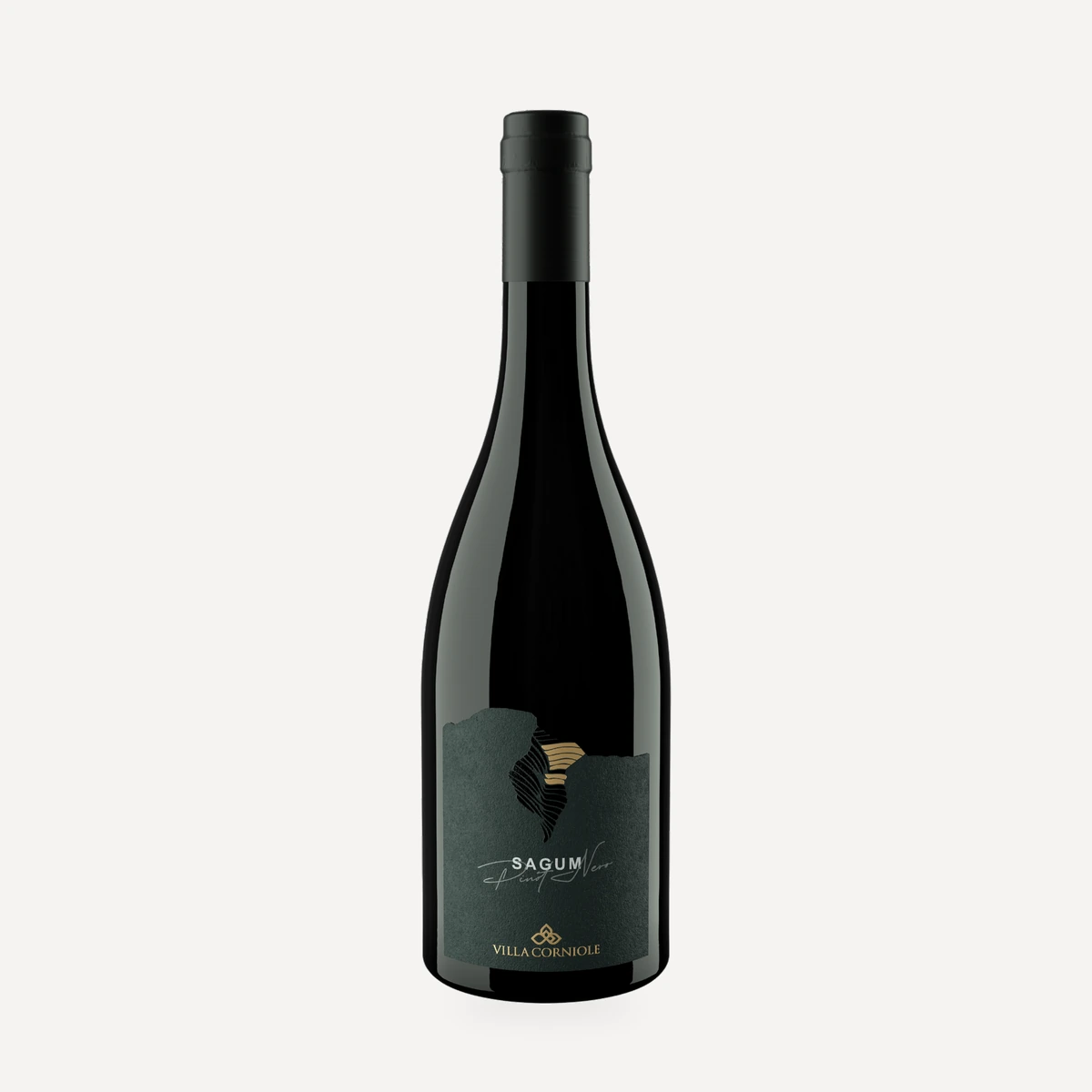
Sagum Pinot Nero
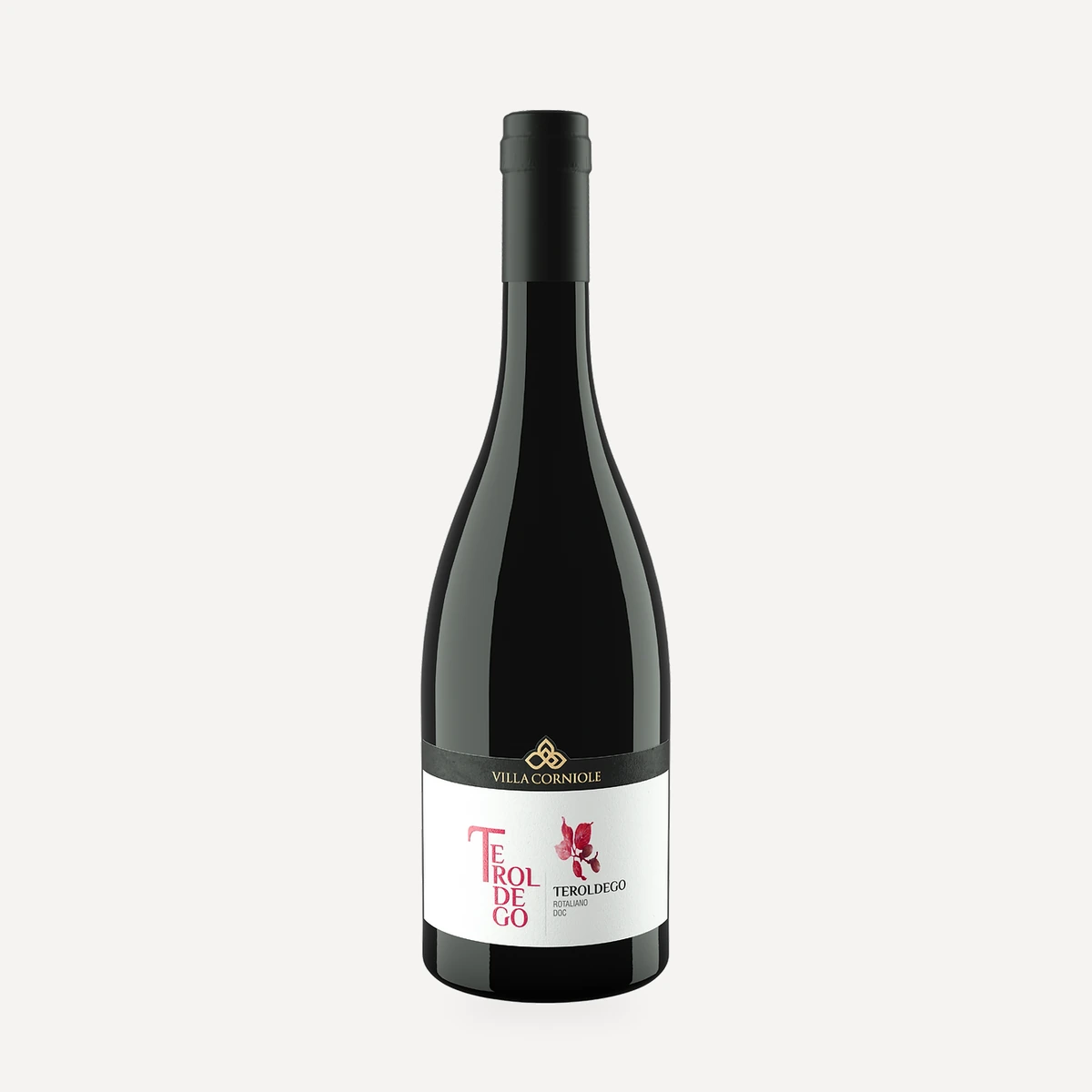
Teroldego Pietramontis
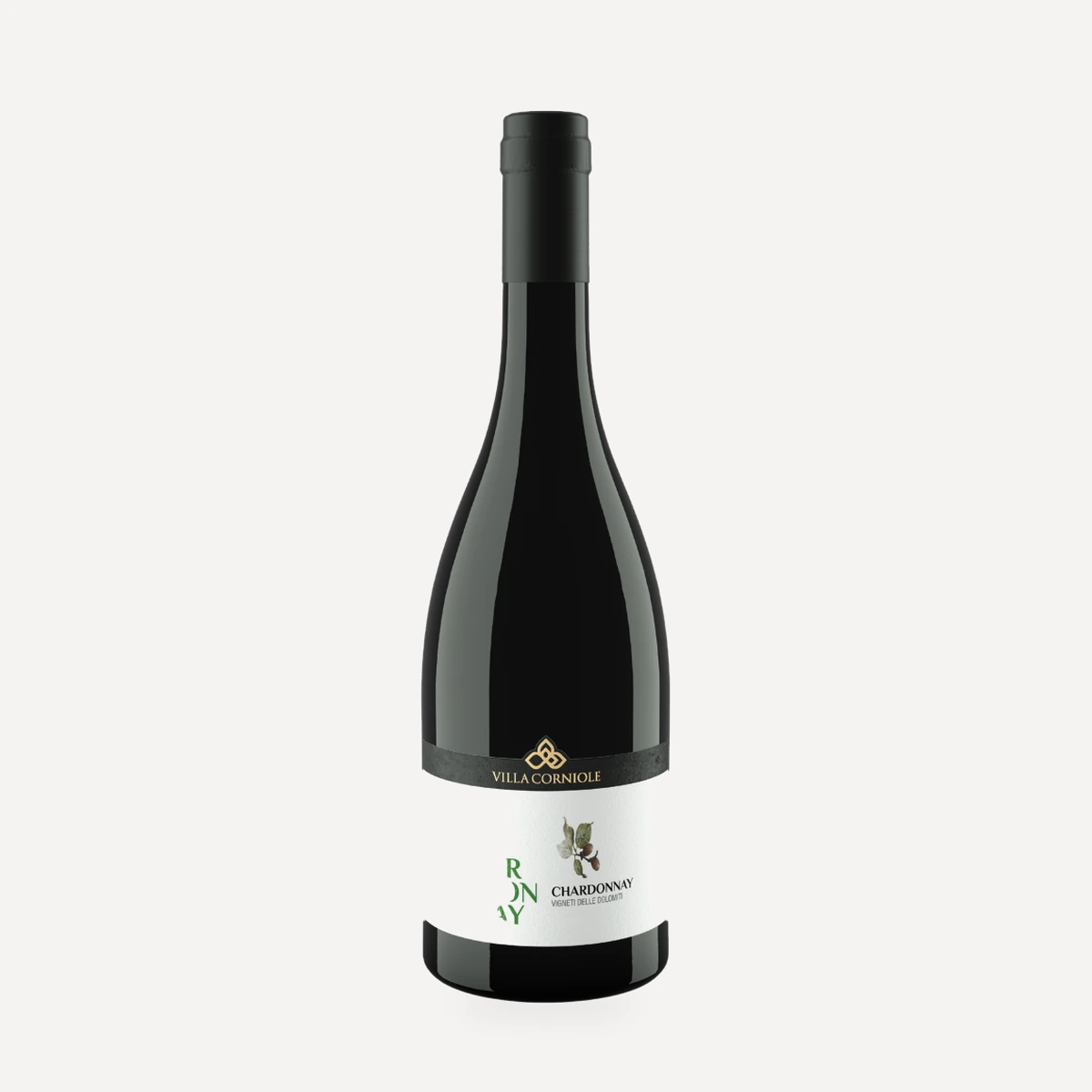
Chardonnay Pietramontis
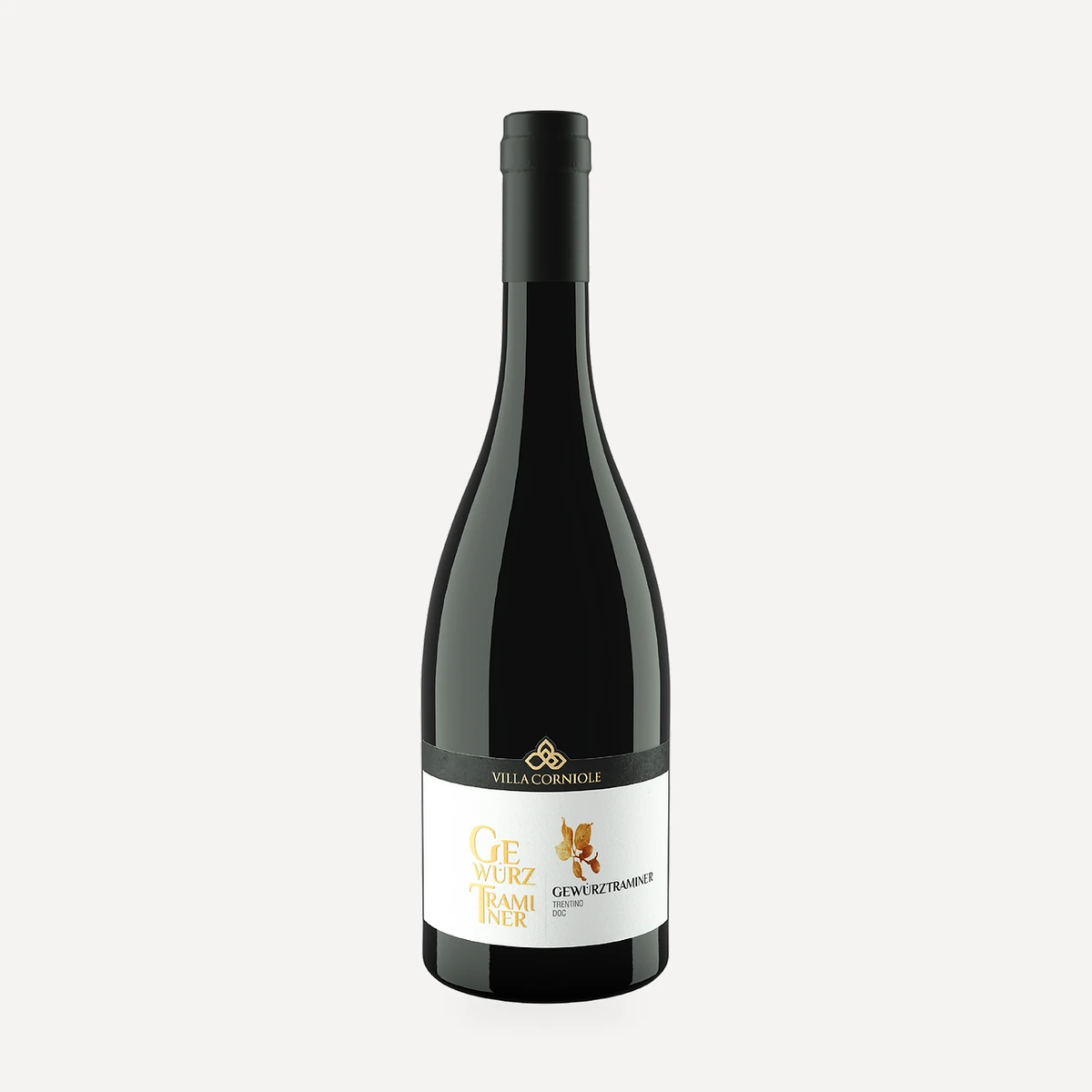
Gewürztraminer Pietramontis
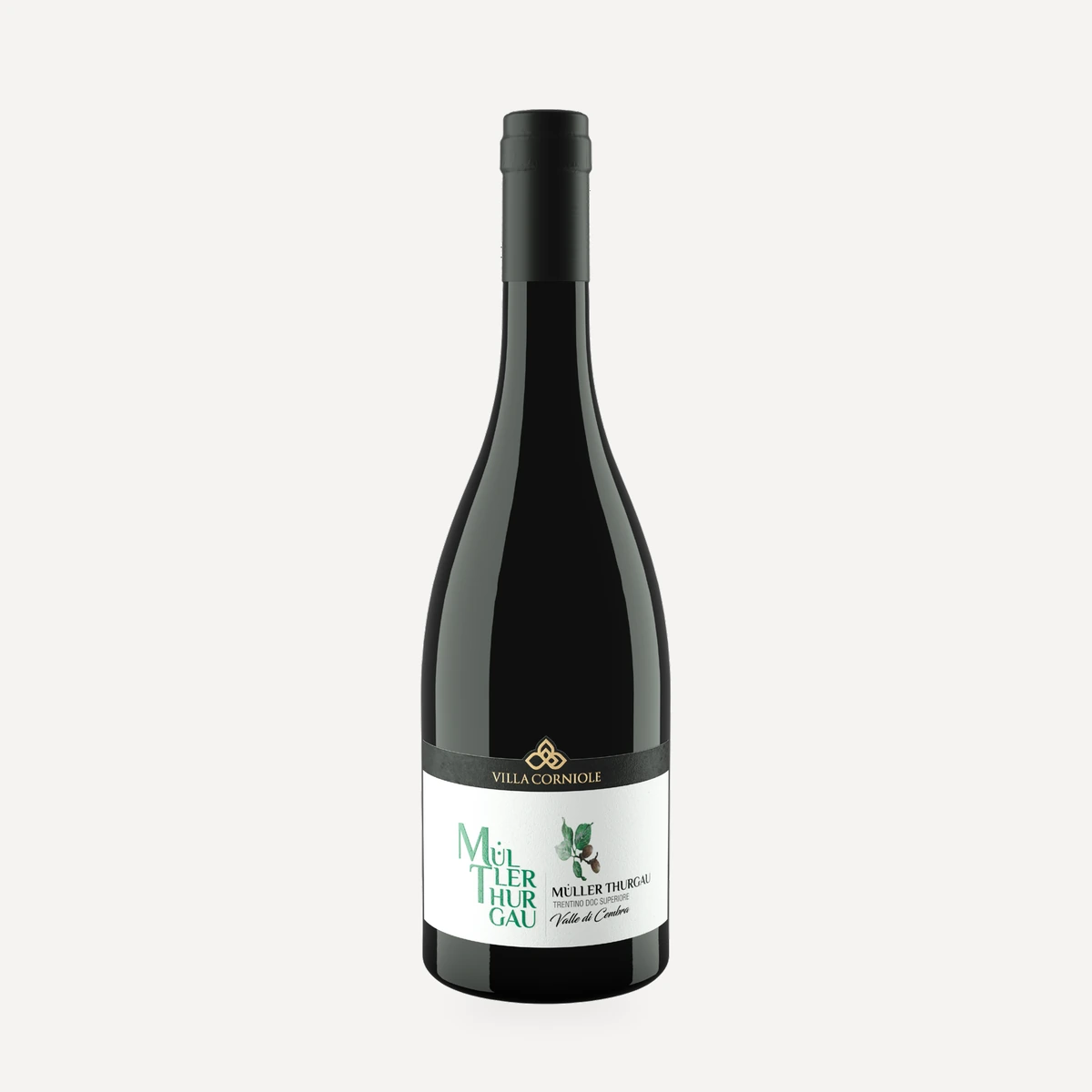
Müller Thurgau Pietramontis
Pinot Grigio Pietramontis