Storia
From Milan to the land
The people behind Villa Job studied and worked in consultancy and marketing in Milan before changing direction and devoting themselves to agriculture.
A family vineyard inheritance
The vineyards came from Alessandro’s grandfather. Their subsequent management was conceived through a systemic, circular model intended to reduce waste to a minimum and follow the natural development of the vine, other plants and the must.
Villa Job’s work has focused on expressing a little-known microzone of Friuli Grave. Its inherited varieties are Pinot Grigio, Sauvignon, Ribolla Gialla, Tocai, Refosco and Schioppettino.
Terroir
Zugliano and the Pozzuolo plateau
The vineyard lies at 90 metres above sea level in Zugliano, on the Pozzuolo del Friuli plateau. This approximately 2 km² landform is known to geologists as I Colli or I Terrazzi. Woodland and the Cormor watercourse surround the site.
Older substratum rocks rise toward the surface in this small area, producing complex bands of sand, sandy silt, clay, sandstone and marl.
The Palmanova Line
Stratigraphic and geophysical investigations conducted from the 1960s in the plain south of Udine, together with deep drilling, identified tectonic structures affecting both Cenozoic formations and Quaternary deposits. The principal structure described for the plain is the NE–SW-oriented Palmanova Line.
Pleistocene activity along this fault deformed the surface into an elongated bulge hundreds of metres wide, parallel to the fault front. The resulting relief has occupied an elevated position relative to the surrounding plain for at least 50,000 years. This height protected it from burial during later phases of fluvio-glacial deposition while allowing prolonged exposure and deep surface alteration.
The Pozzuolo high is the most extensive and elevated of the reliefs attributed to the Palmanova Line. It covers about 2 km² and rises approximately 12 metres above the surrounding plain.
Exposed geological sequence
Between Pozzuolo and Carpeneto, incision by the Torrente Cormor exposes deposits raised by tectonic movement. The sequence includes gravels, conglomerates and sands from the Lower and Middle Pleistocene, predating the most recent glaciation. These deposits rest in angular unconformity upon distinctive yellowish sandstones assigned to the Miocene by Feruglio in the 1920s on the evidence of their fossil content.
Isolated rises in plains are commonly formed by deposition, such as frontal moraine ridges or former natural river embankments. Pozzuolo is presented as the rarer case of relief created by active tectonic uplift rather than accumulation; its 12-metre rise is among the southernmost accessible examples of such forms in the Alta Pianura Friulana.
Vinificazione
Vineyard decisions begin with observation of the vines’ balance with the surrounding flora and fauna and of each stage of phenological development. Interventions are chosen to maintain that relationship in equilibrium.
Villa Job does not top the shoots, thin the crop or remove leaves. These operations are avoided to prevent unnecessary stress and help the vines reach harvest in balance.
Harvest is almost always late, with the objective of obtaining mature, expressive grapes suited to maceration. Before the main harvest, selected bunches are collected to prepare the pied de cuve used in fermentation.
The broader agricultural model is systemic and circular: waste is reduced as far as possible, while work follows the natural development of the vine, other plants and the must. Biodiversity and the relationship between the vineyard’s flora and fauna are central to day-to-day observation.
The grapes are destemmed and macerated in wooden truncated-conical vats. Maceration lasts from 10 days to two months, depending on the vintage and grape variety.
Fermentation is initiated with a pied de cuve prepared from selected bunches during the days preceding harvest. The cellar does not use chemically selected yeasts, enzymes, concentrated must or acidifying agents.
After fermentation, the wines remain in concrete and wood through the winter. A single racking is carried out when activity resumes in spring, before bottling in September. The wines are neither fined nor filtered.
The cellar approach is deliberately watchful and low-intervention: its purpose is to accompany the grapes and wine through each stage without compromising the work completed in the vineyard.
Filosofia
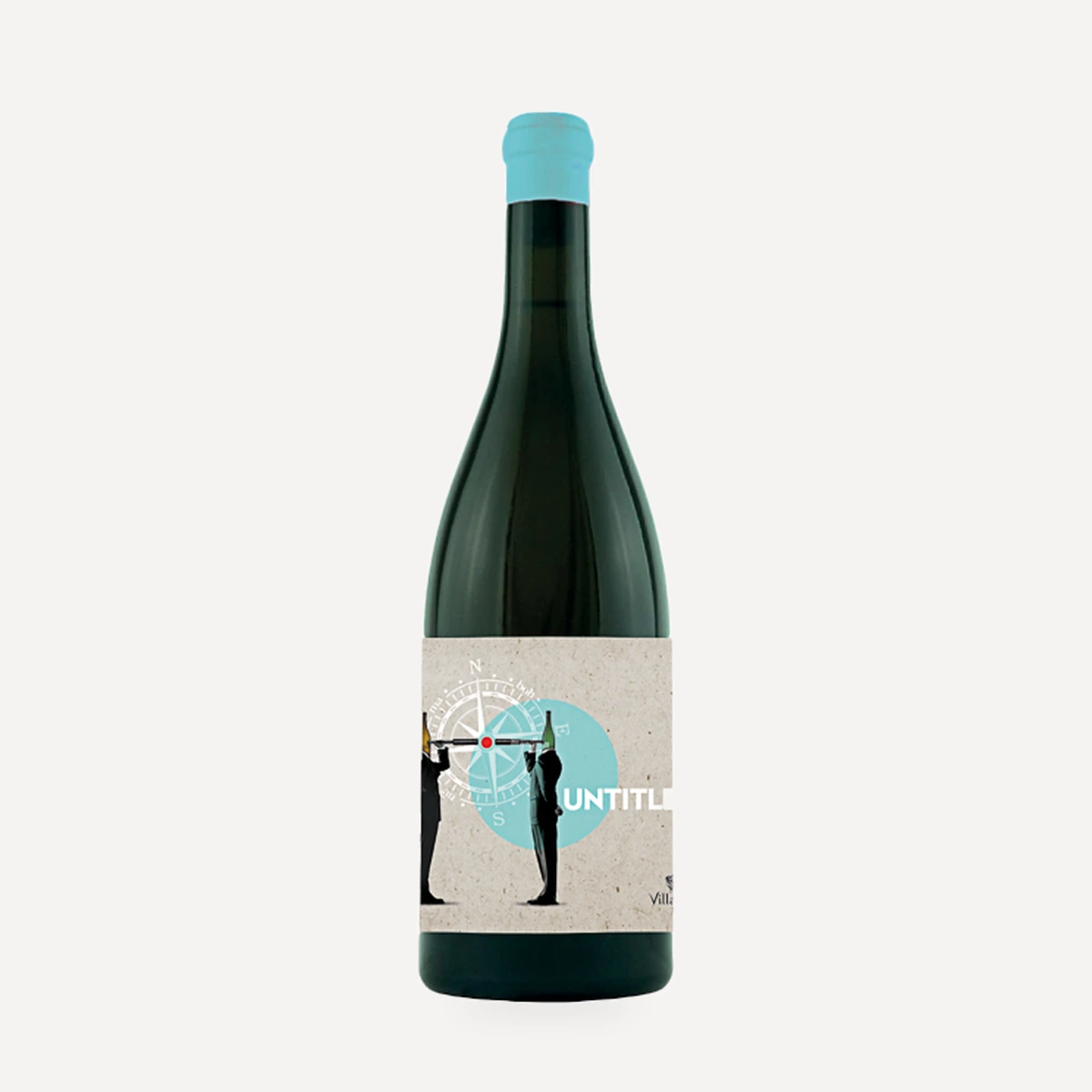
Villa Job treats winegrowing as a social as well as agricultural role, particularly in a period of rapid social and climatic change. Its wines are conceived as expressions of thought, passion and personal ideas rather than products governed only by commercial considerations. A bottle of wine, in this view, can and should carry culture.
The project seeks to understand the land’s potential through continuous observation and to translate subtle territorial differences into the wines. It also aims to preserve the freedom to work in accordance with the land and personal convictions.
The estate’s social vision extends to sharing its working environment with people who hold related values and building a network of projects around biodiversity, respect for the environment, human dignity and short supply chains. The wine range is also presented as a way of conveying stories and emotions gathered during travel.
Vini
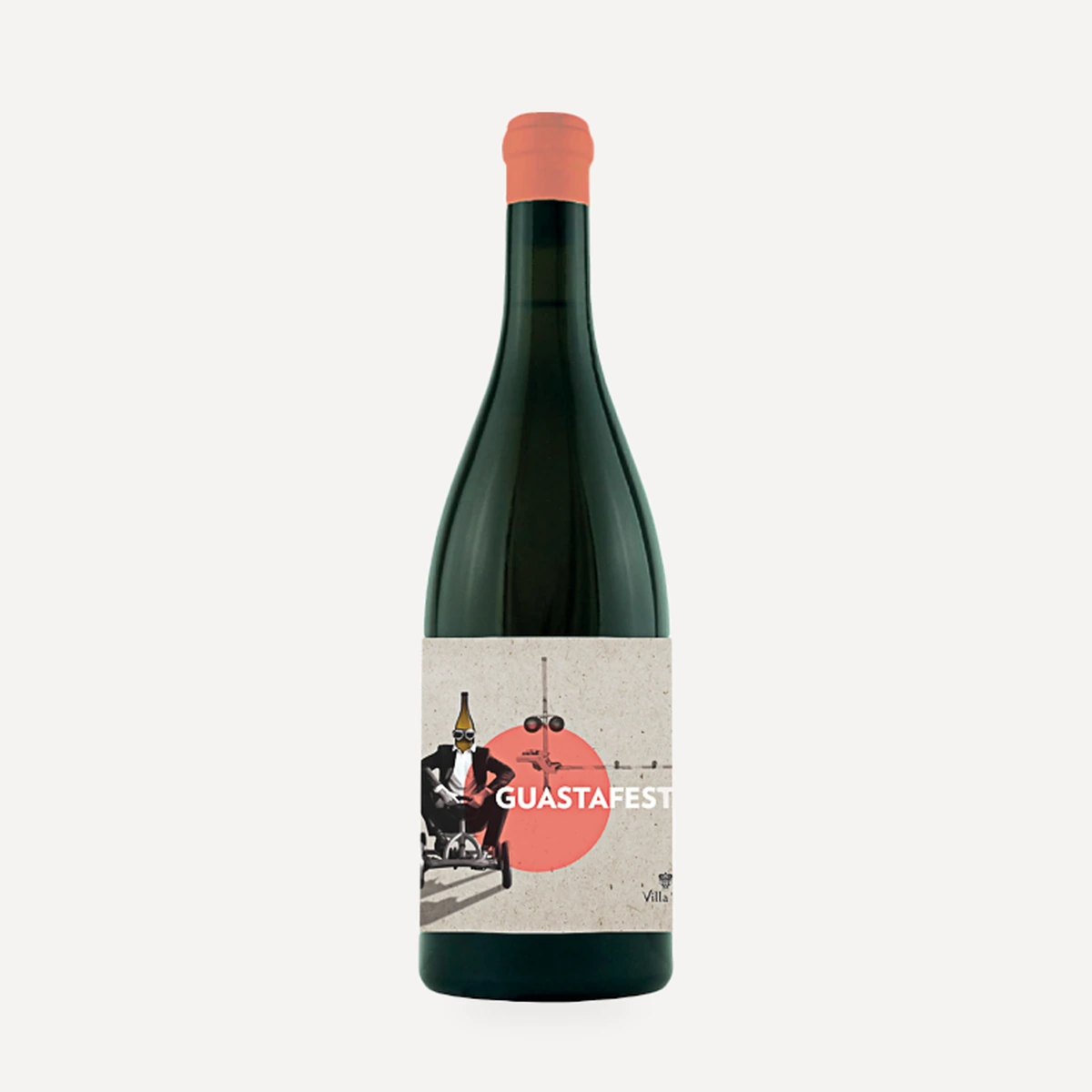
Guastafeste
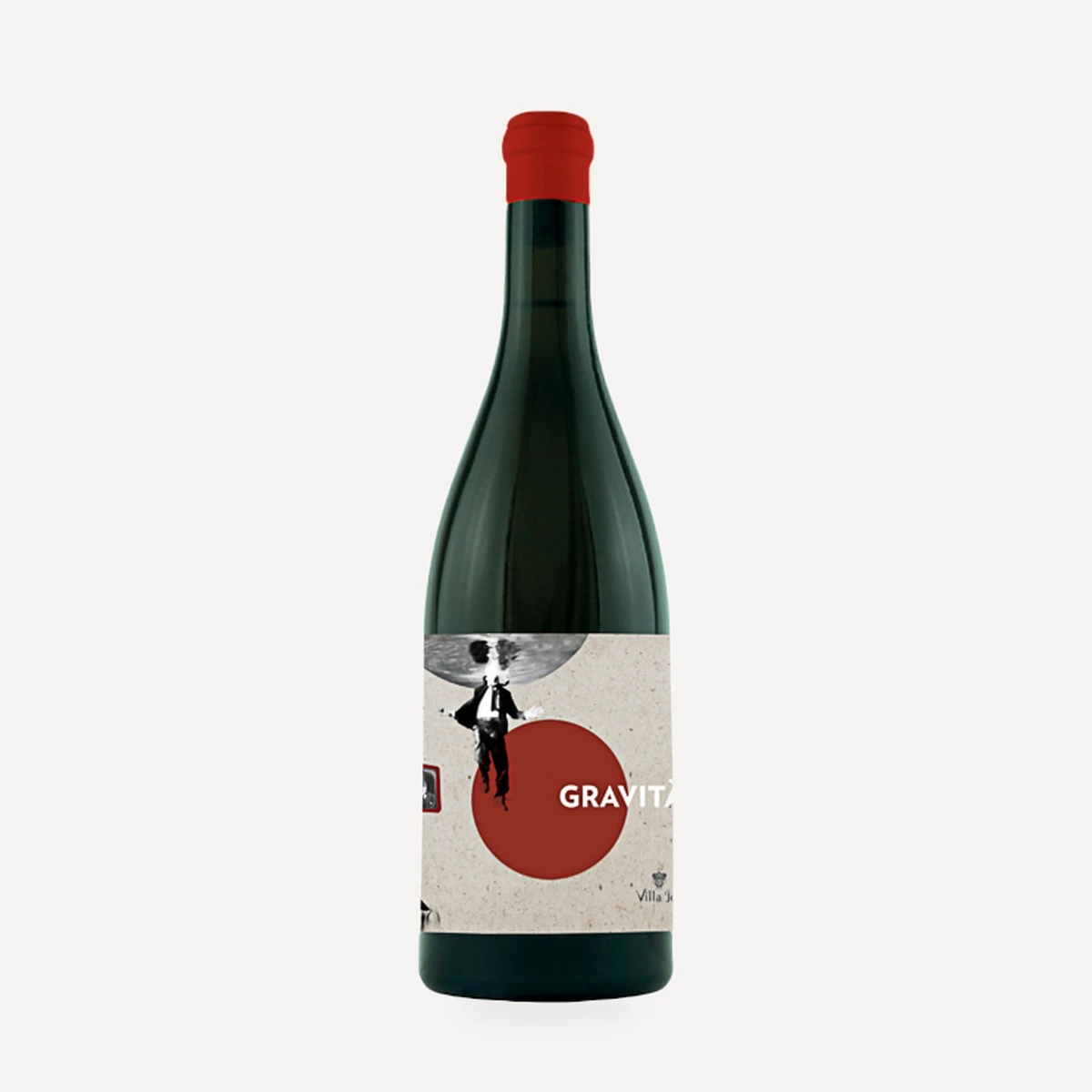
Gravità – Schioppettino
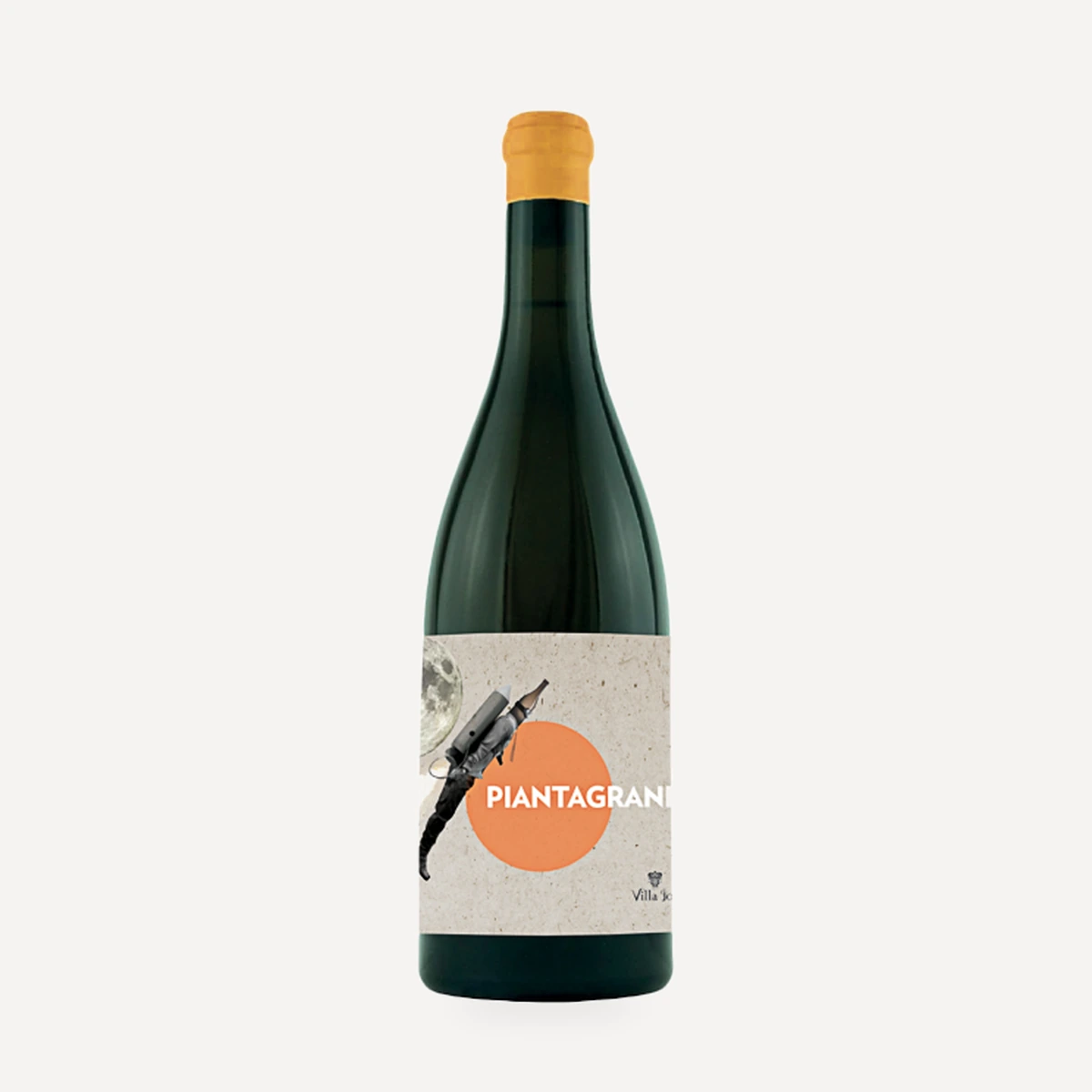
Piantagrane
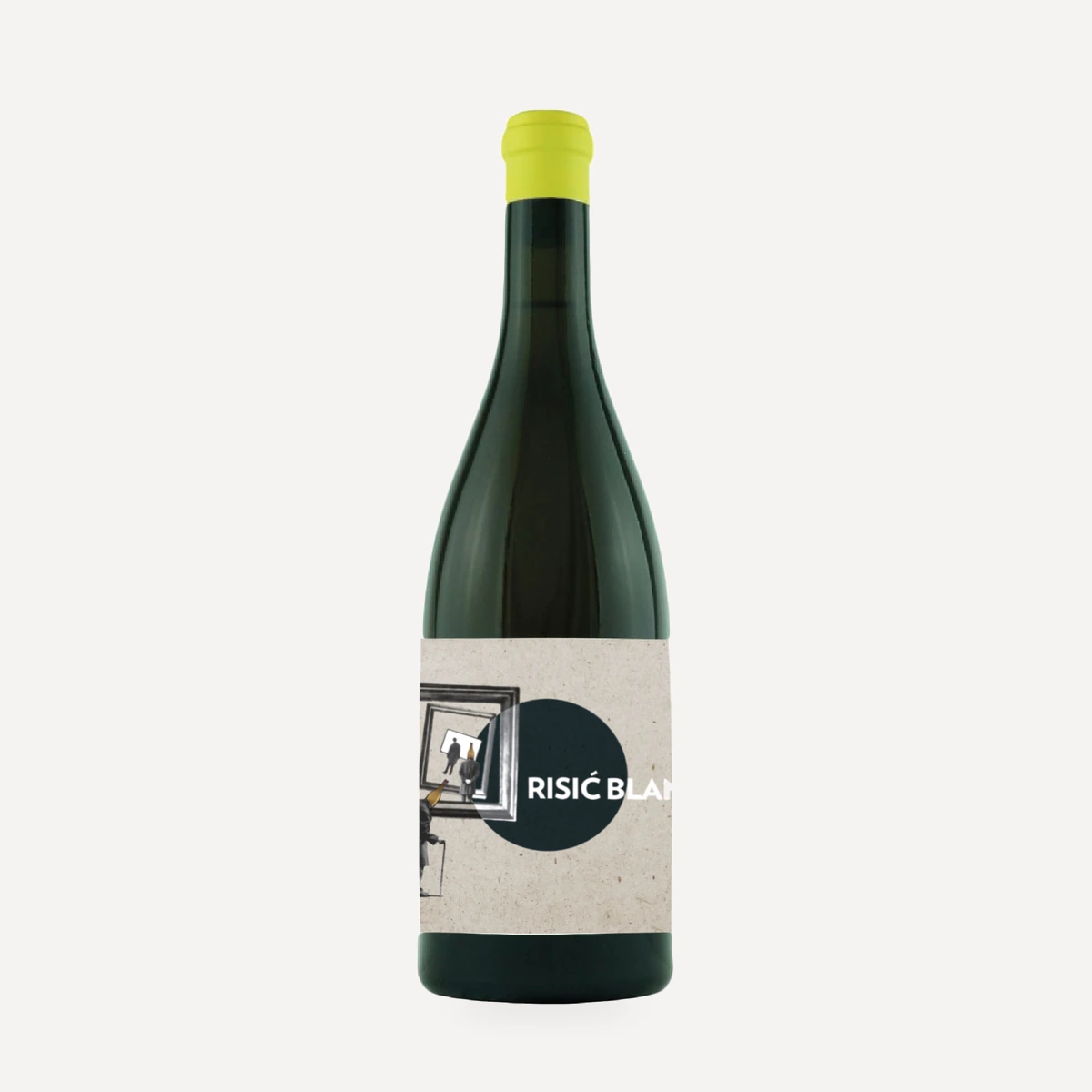
Risic Blanc – Metodo Ossidativo
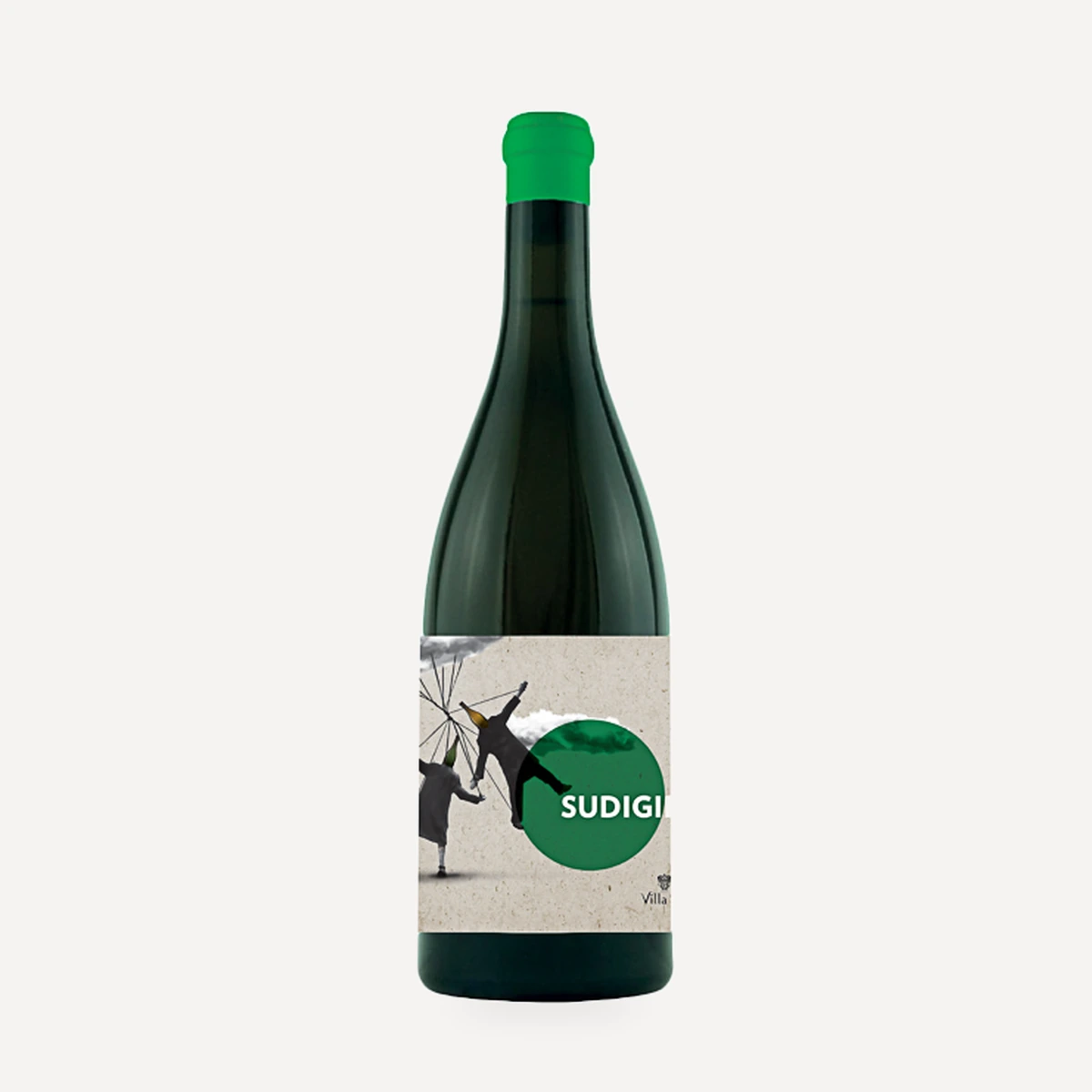
Sudigiri
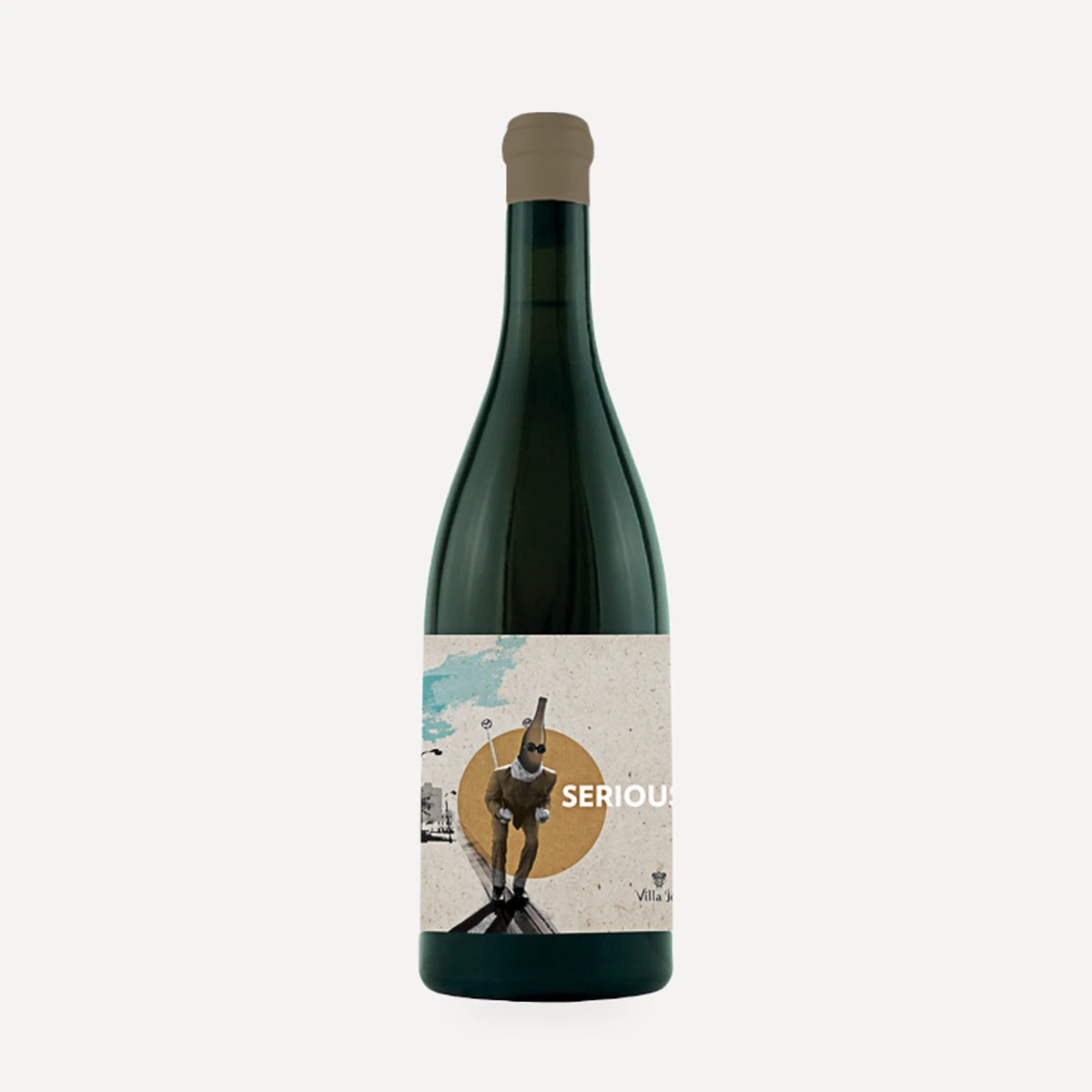
Serious – Refosco