Storia
The origins
Villa Rinaldi traces its beginnings to the late 19th century, when founder Marcello Rinaldi established Cantine Rinaldi. The original enterprise made wines and sparkling wines from its own vineyards, while Amarone and the other wines of Valpolicella formed the closest link with the family's origins.
Ferdinando Rinaldi
In 1930, Ferdinando Rinaldi assumed control of the cellar and expanded its production of both still and sparkling wines.
Rinaldo Rinaldi and the Maison de Négoce
Beginning in the 1960s, Rinaldo Rinaldi reshaped the business and developed a distinct house style. He sought Chardonnay and Pinot Nero from Trentino-Alto Adige and revived demanding traditional practices, including prolonged maturation of sparkling-wine bases in French barriques and disgorgement by hand, or dégorgement à la volée.
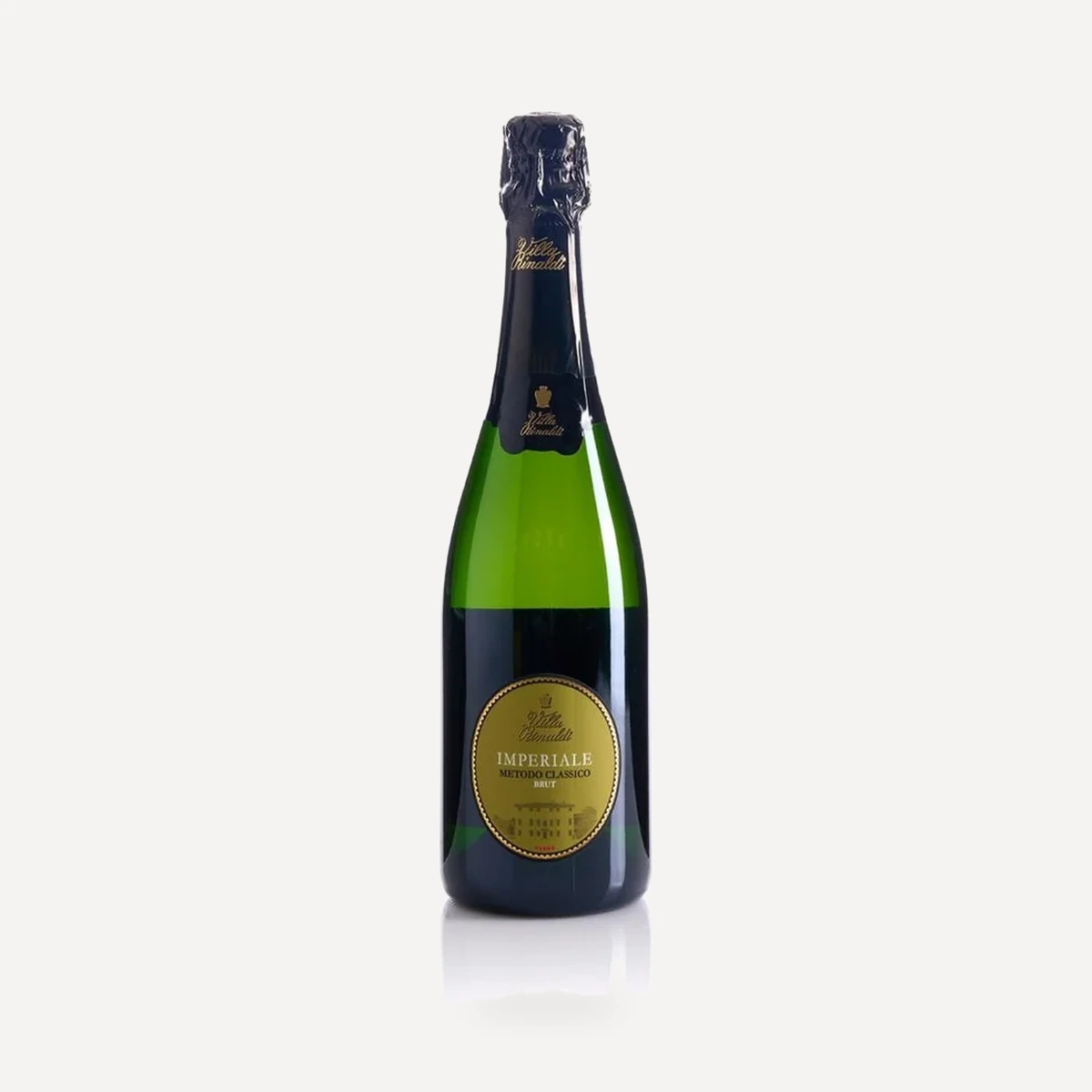
In 1979, he formally transformed Cantine Rinaldi into Villa Rinaldi and defined it as an Italian Maison de Négoce specializing in Classic Method sparkling wines and the major wines of Valpolicella. The first Villa Rinaldi cuvées were created during this transition.
New cuvées and revived traditions
Barricaia Brut appeared in 1986 as the house's first barrique-aged sparkling wine and marked the development of its most selective production. In 1995, Corvina and Pinot Nero were combined to create Barricaia Noir, a red sparkling wine made by the Classic Method. In 1997, Villa Rinaldi revived Recioto della Valpolicella made by the Classic Method, presenting it as an interpretation of an older Veronese and family tradition.
The house received its first gold medal at the Vinitaly international wine competition in 1999.
The founder's descendants
Rinaldo Rinaldi's sons entered the Maison in 2004. Their new knowledge strengthened the cellar's specialization. That year, Corpus Amarone received a Gold Medal at the Vinitaly International Wine Competition.
Further milestones recorded in the family chronology include a Big Gold Medal for Barricaia Brut at Vinitaly in 2005; recognition of RinaldiSuprême Extrabrut as the world's best Classic Method sparkling wine at Challenge Euposia in 2010; a Big Gold Medal for Corpus Amarone at Vinitaly in 2013; a Best of Class Gold Medal for Valpolicella Ripasso at the Los Angeles International Wine Competition in 2016; the Best Amarone della Valpolicella Proposal award for RinaldiMaior at Verona Wine Top in 2017; and the title of Best Italian Classic Method Sparkling Wine for Barricaia Brut at Challenge Euposia in 2019.
The founder's descendants remain involved in the management and operation of the family business. Family members also continue to supervise the selection of Chardonnay and Pinot Nero for its Classic Method sparkling wines.
Terroir
Villa Rinaldi works with two principal grape-source areas.
For its Classic Method production and white wine, it selects fruit from Trentino-Alto Adige and Veneto. The technical information for these selections places the vineyards between 300 and 700 metres above sea level, depending on the cuvée. Chardonnay selections are identified at about 500 metres, while Pinot Nero, Chardonnay, Sauvignon and mixed selections can extend to 500–700 metres. One historic cuvée is sourced from vineyards at 300–500 metres.
The Valpolicella wines use Corvina, Rondinella and Molinara from Valpolicella. Their vineyard elevations are given as 250–300 metres above sea level. These grapes provide the base for Amarone della Valpolicella, Valpolicella Ripasso and the Classic Method interpretation of Recioto della Valpolicella.
Vinificazione
The viticultural work described for Villa Rinaldi centres on grape sourcing and selection. Members of the Rinaldi family personally supervise the careful choice of Chardonnay and Pinot Nero from Trentino-Alto Adige for Classic Method sparkling wines. Corvina, Rondinella and Molinara are gathered from Valpolicella for the house's Amarone and other Valpolicella wines.
Classic Method sparkling wines
Villa Rinaldi describes its sparkling-wine process as artisanal and managed in close detail. Chardonnay and Pinot Nero are selected under the supervision of Rinaldi family members. The grapes undergo gentle pressing in accordance with family tradition.
The sparkling-wine bases are then matured in oak barriques sourced from the Massif Central in France. The duration in wood varies with the harvest and the individual cuvée.
For the marriage, the component cuvées are assembled with selected French yeast and raw cane sugar from the Indian Ocean. This initiates the second fermentation, or presa di spuma, in bottle. The required period of contact with the yeasts is studied and set separately for each vintage's cuvées.
At the end of maturation, rémuage moves the yeast sediment to the bottle neck in preparation for disgorgement. When the Rinaldi family considers a cuvée ready, the most exclusive selections are disgorged by the traditional dégorgement à la volée method. The house's finest selections receive a lead seal.
Amarone and Valpolicella wines
Corvina, Rondinella and Molinara from Valpolicella are used for the red-wine collection. The Amarone process retains the family's practice of prolonged grape drying, followed by maturation in French-oak barriques from the Massif Central. Time in barrique varies with the harvest. Valpolicella Ripasso is brought into contact with Amarone pomace.
Filosofia
Villa Rinaldi presents time as a central element of its identity: each wine is allowed the period needed to reach full expression, and cellar decisions respond to the harvest and the character of each cuvée rather than to a single fixed timetable.
The house defines its style through the combination of inherited practices and contemporary methods. Its stated principles include meticulous artisanal work, respect for the balance created by nature and craftsmanship, experimentation within a family tradition extending over more than a century, and a continuing pursuit of elegance, longevity and fine, creamy perlage.
Rinaldo Rinaldi characterizes the method as deeply artisanal and attentive to every detail. The declared objective is to create wines that move the heart before the senses. Family knowledge is treated as something passed from generation to generation, while each sparkling wine or Valpolicella wine is intended to connect the present with the family's past.
The Amarone philosophy emphasizes preserving long-established craftsmanship and transmitting the wine's identity to future generations. Its collection of selected Amarone vintages is conceived as a record of the best Valpolicella harvests.
Vini
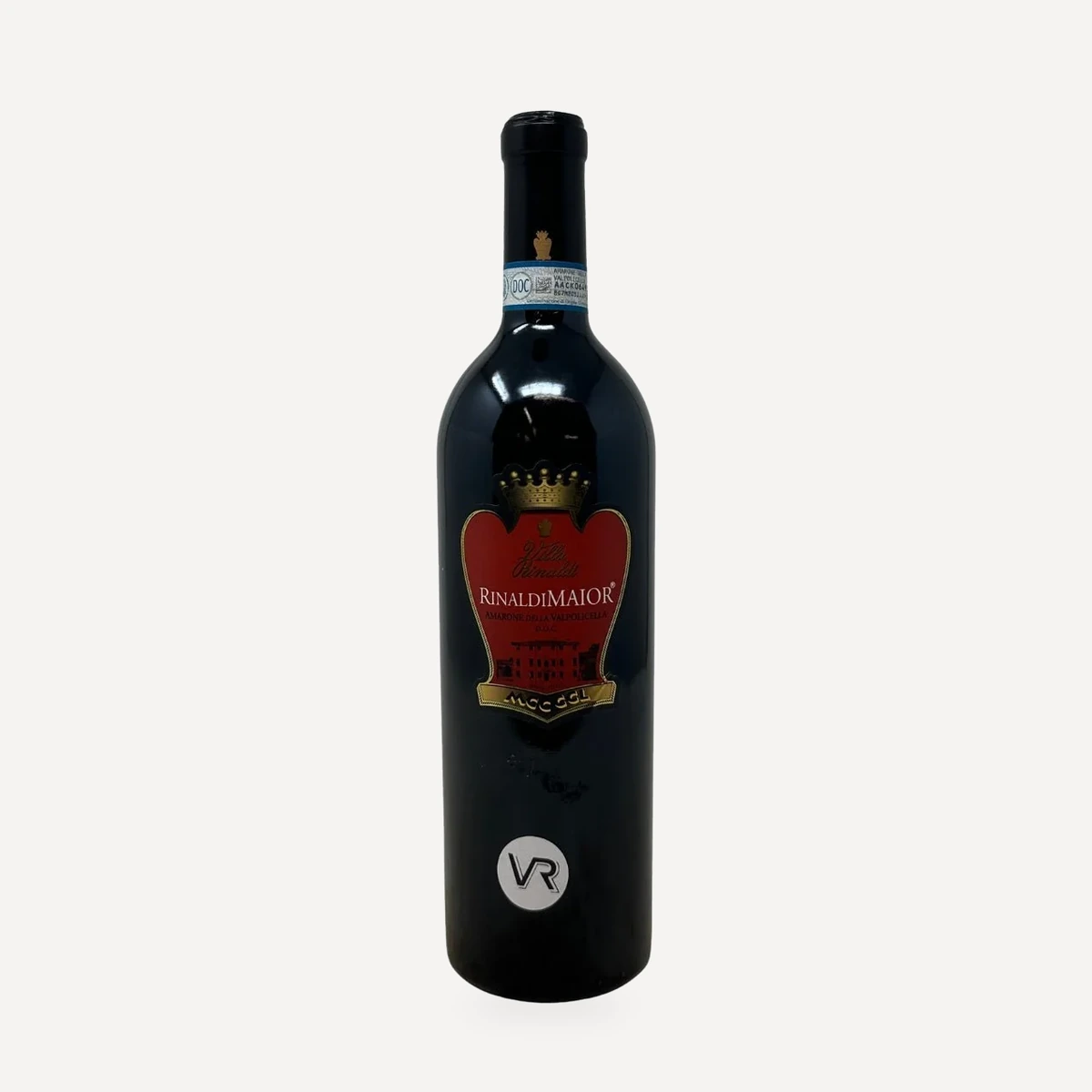
RinaldiMaior Amarone della Valpolicella DOCG
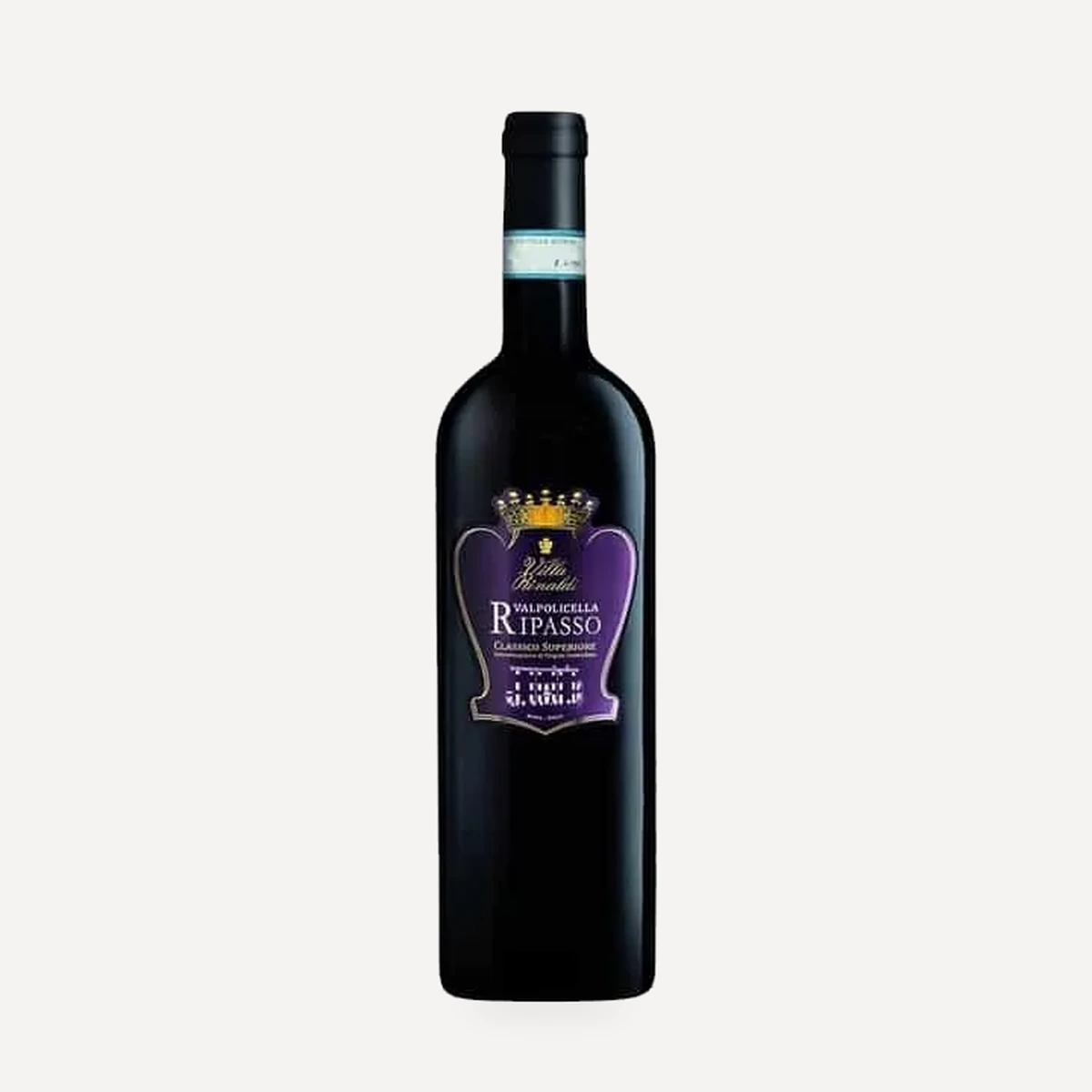
Valpolicella Ripasso Classico Superiore DOC
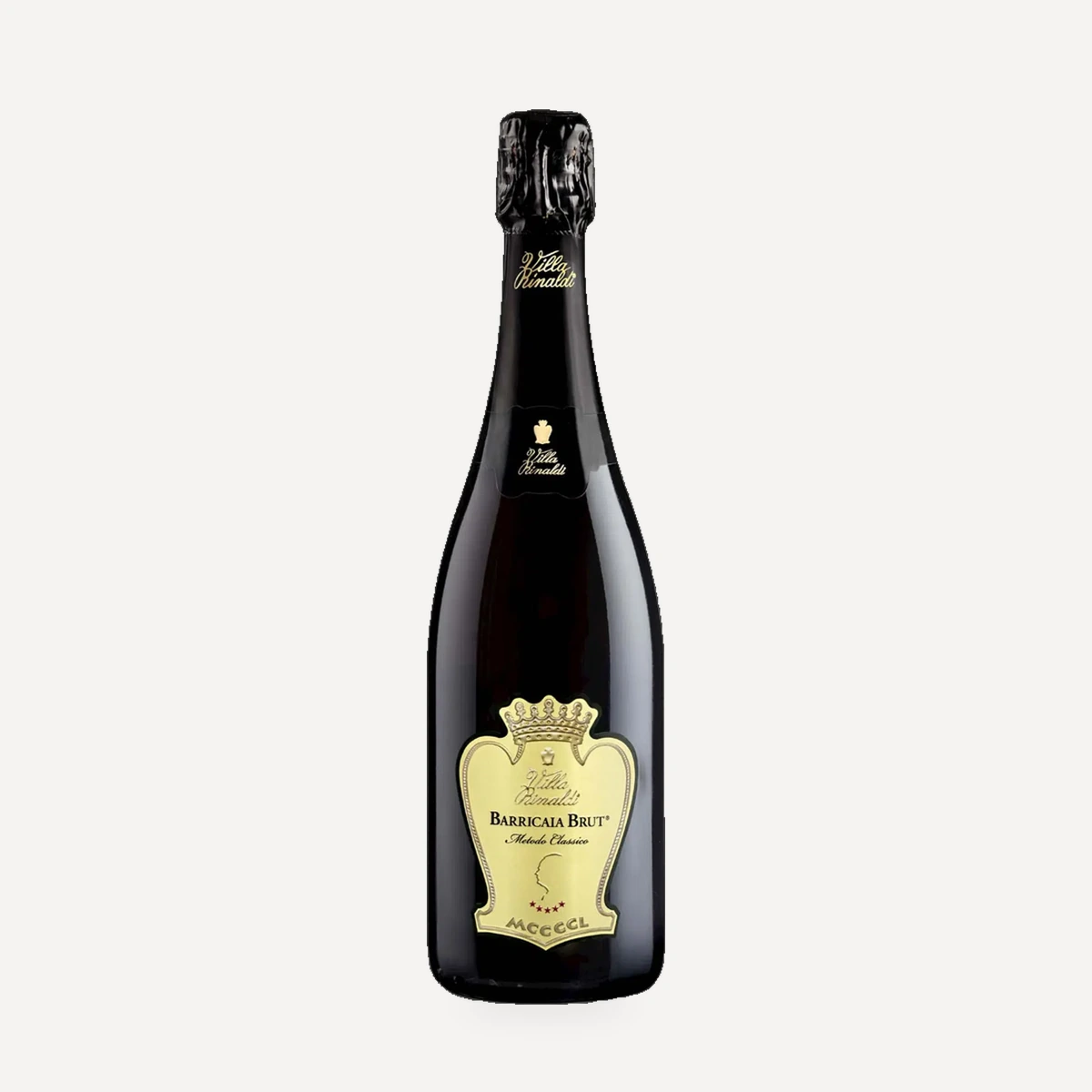
Barricaia Brut
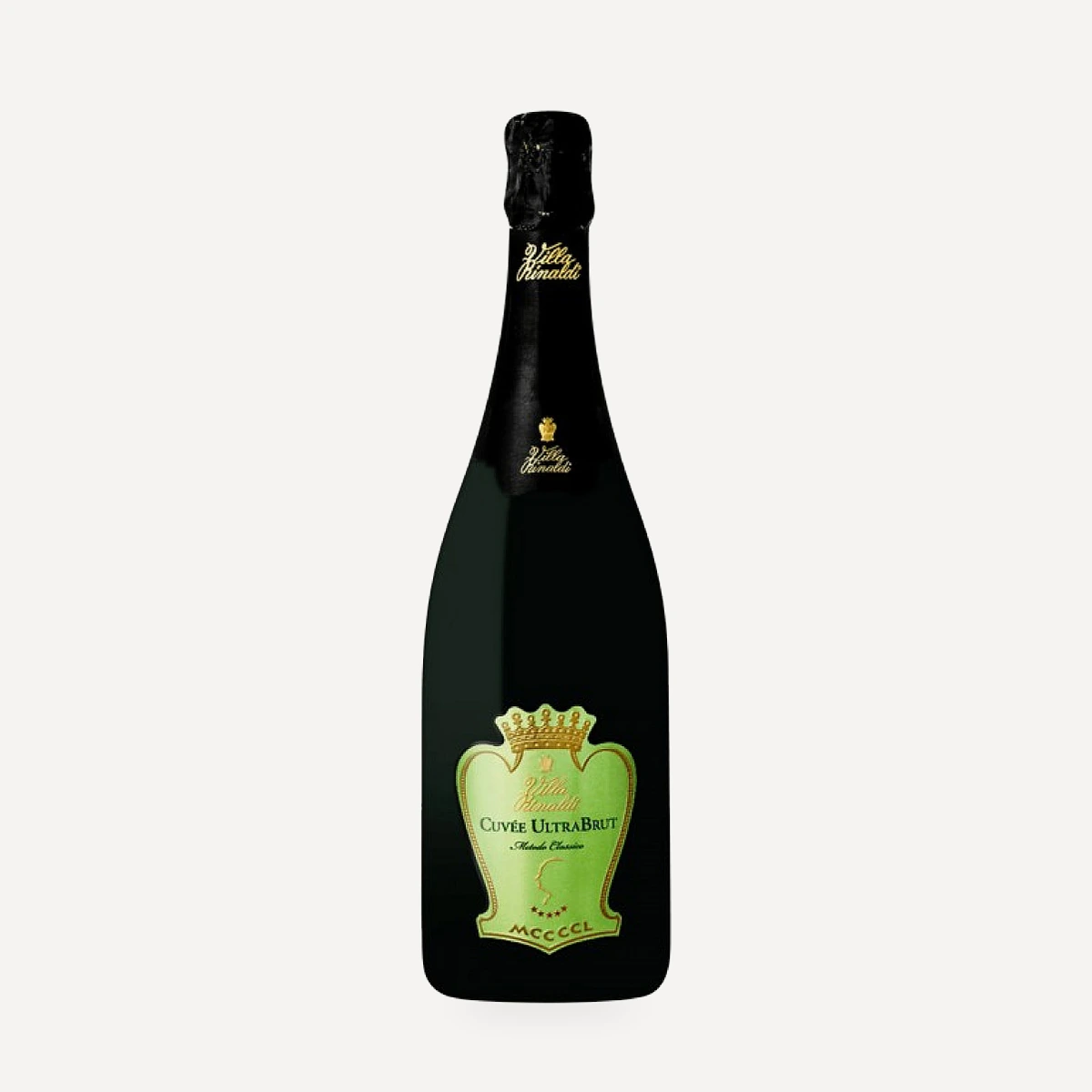
Cuvée Ultrabrut Pas Dosé
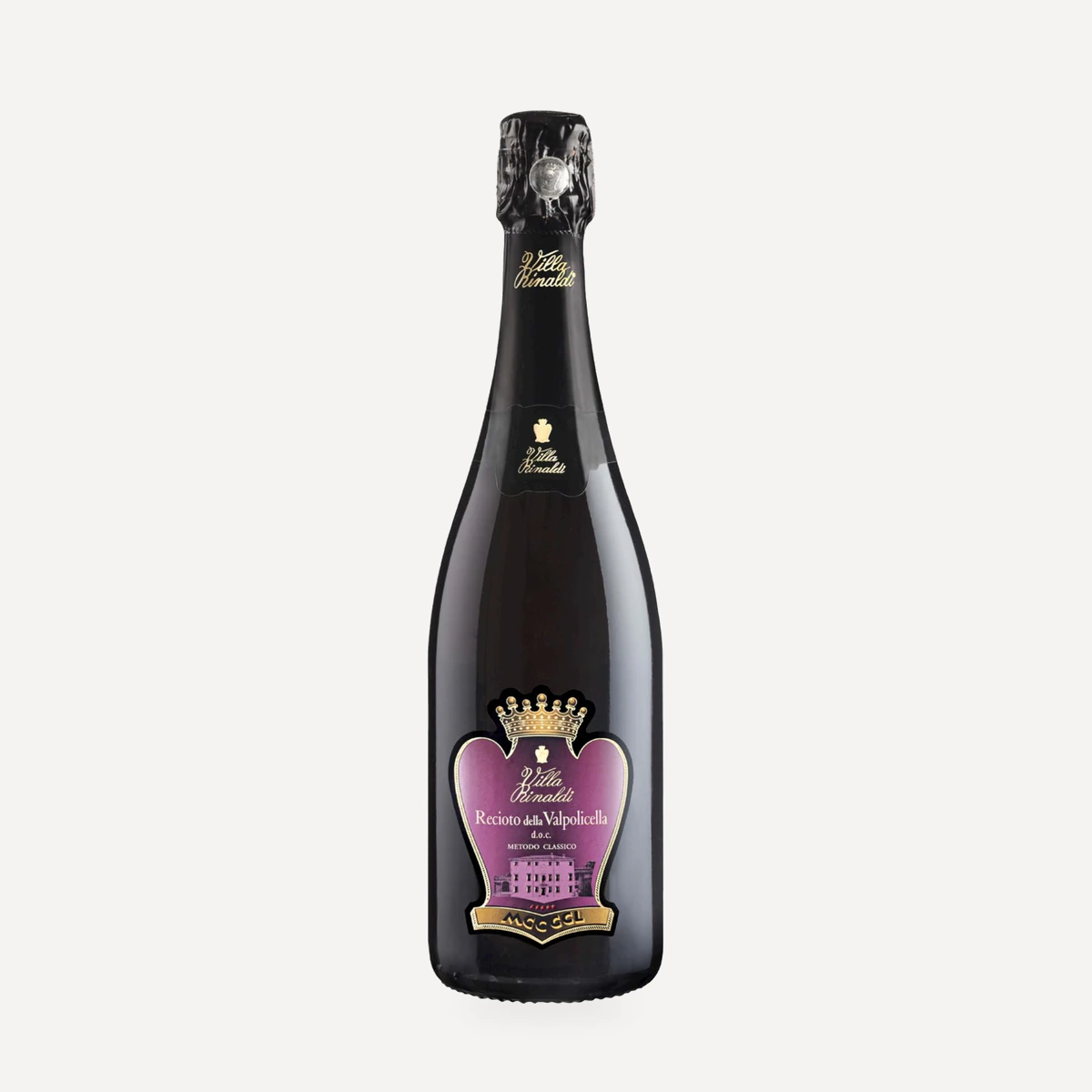
Recioto della Valpolicella DOC
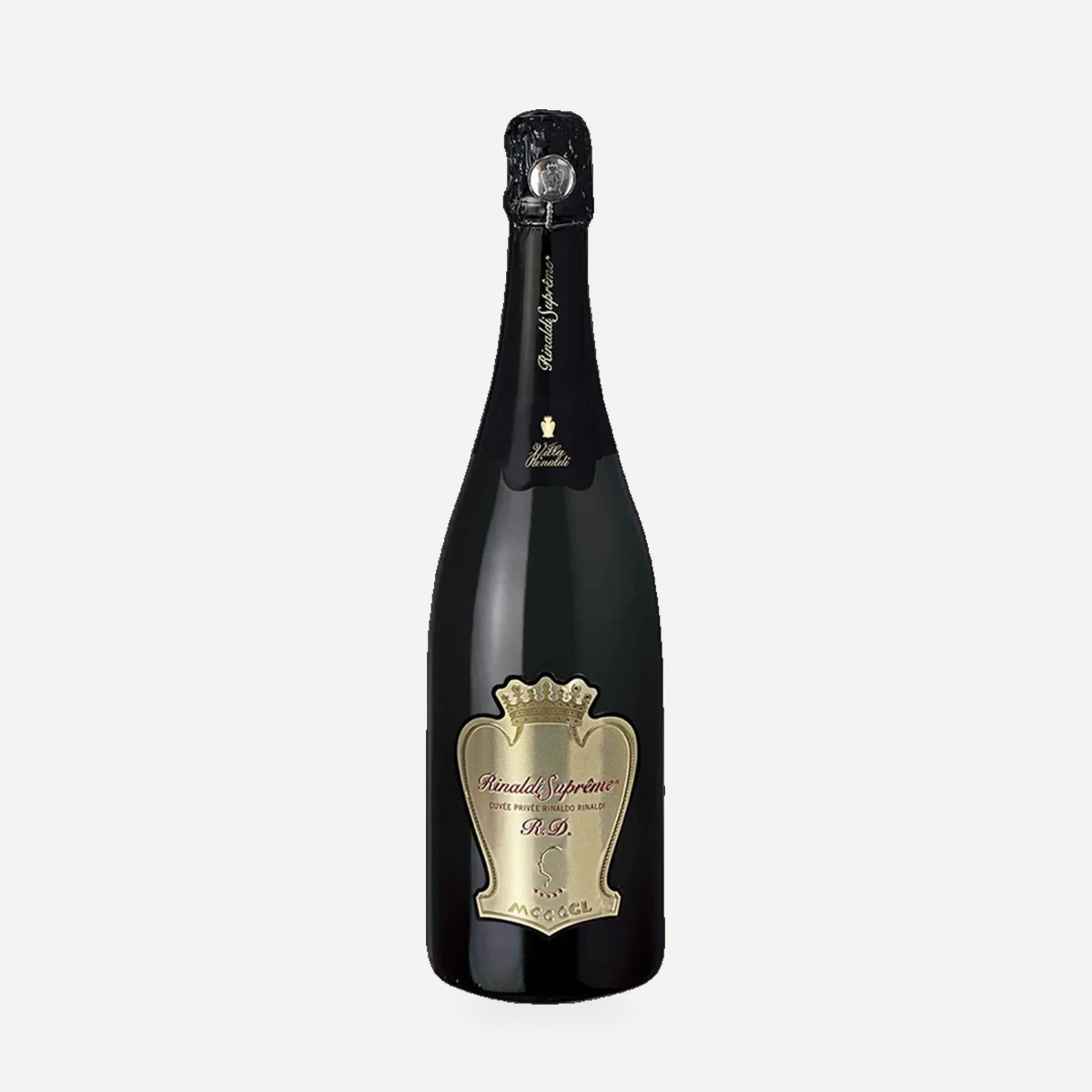
RinaldiSuprême Extrabrut
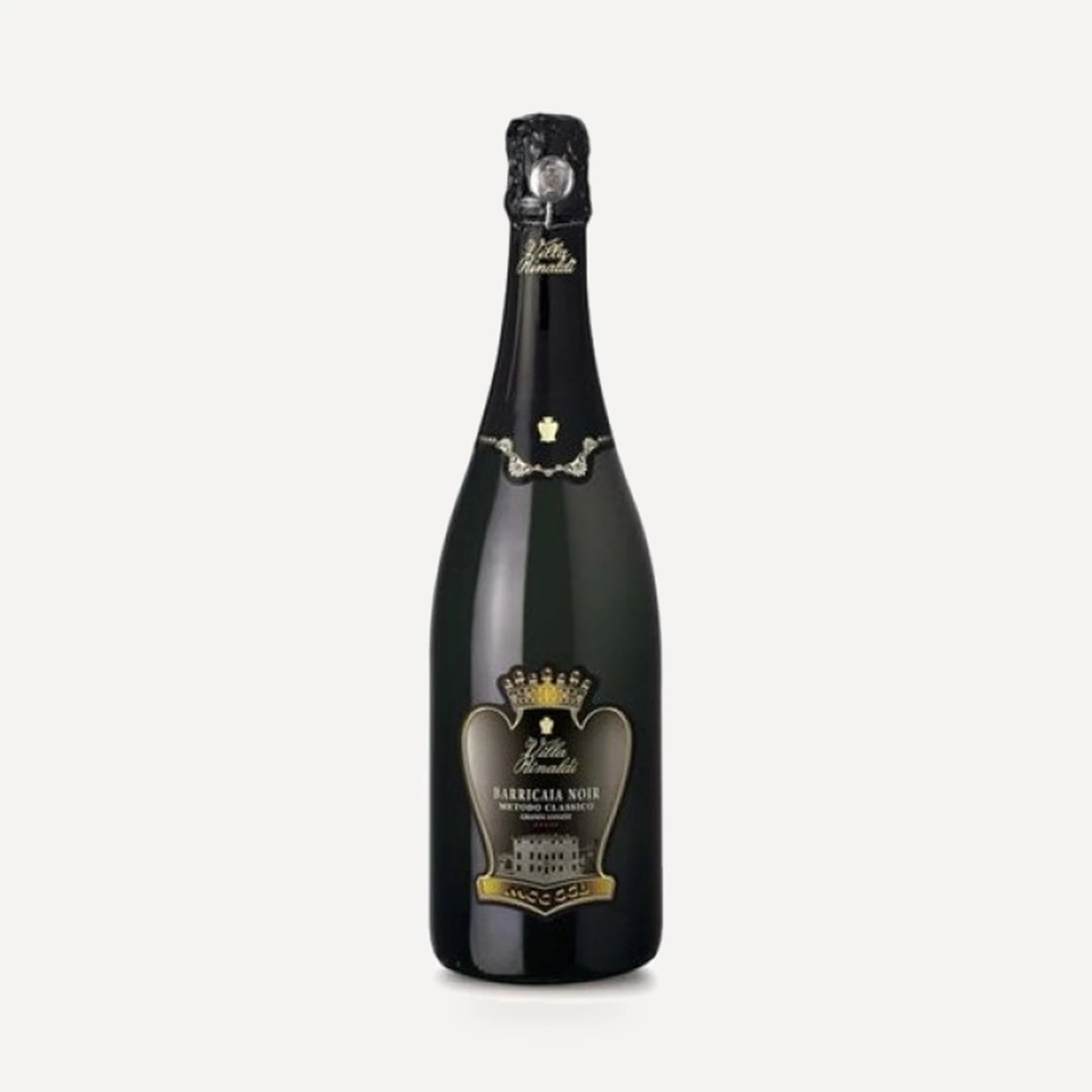
Barricaia Noir Sec