Questo vino
Vineyard and terroir
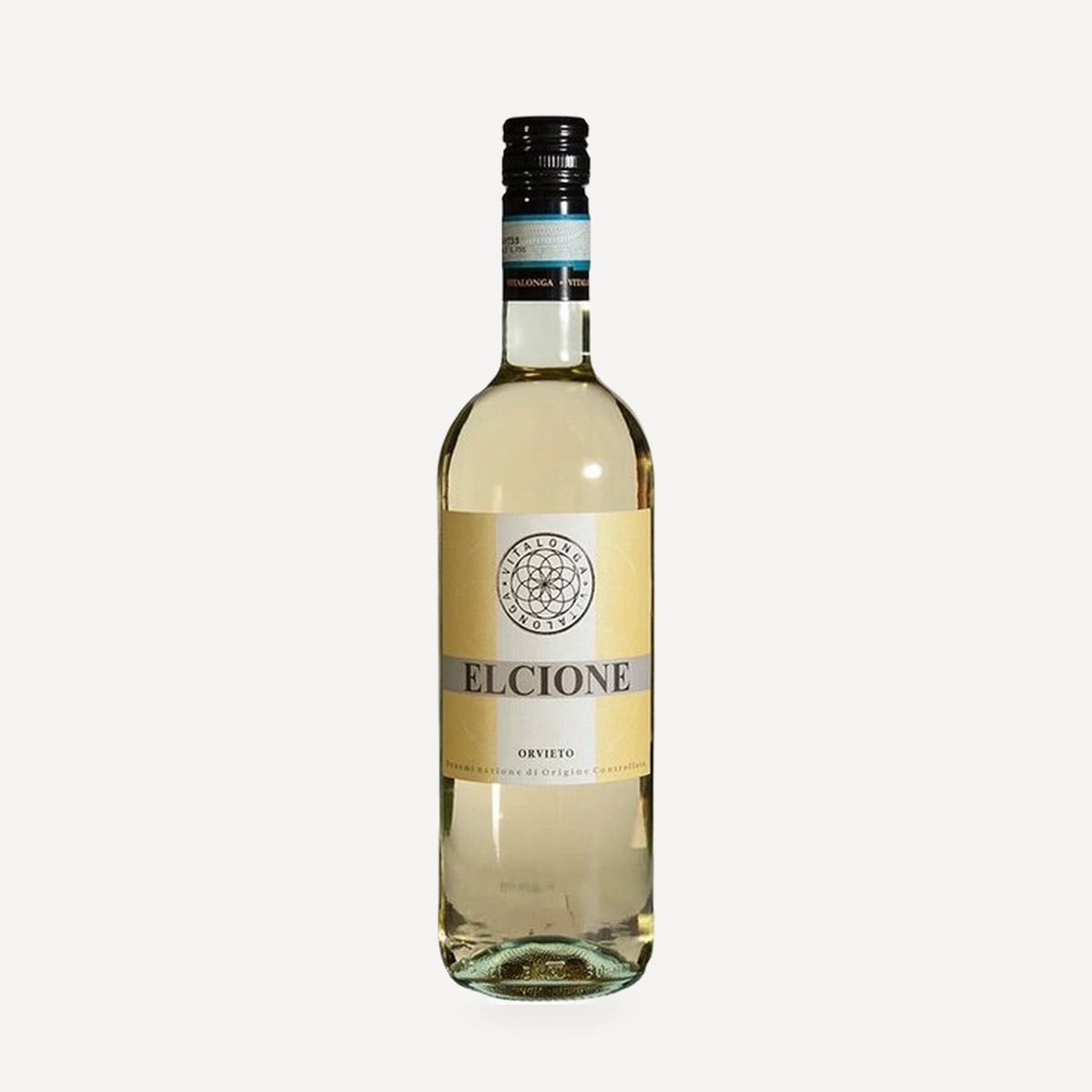
Vigna Elcione is surrounded by holm-oak woods and overlooked by a centuries-old oak from which the wine takes its name. The site lies beside the Via Romea, historically used by pilgrims travelling to Rome, and near Etruscan caves. Its sedimentary soils contain abundant fossil shells dating from the Pliocene. The wine page describes red clay, while the estate’s dedicated vineyard description emphasizes a medium-textured soil in which sand predominates. The vineyard stands at approximately 350 metres above sea level.
Grapes
A blend of Merlot, Cabernet and Sangiovese. The proportions are not specified.
Vinification
The grapes are destemmed and gently crushed, after which 10% of the must is drawn off. Fermentation proceeds for two weeks in temperature-controlled stainless-steel vats with several pump-overs. Malolactic fermentation is completed in French-oak barriques.
Ageing
Following maturation in French-oak barriques, the wine spends several further months in bottle before release. The duration of barrel maturation is not specified.
Tasting profile
Deep ruby red. The nose combines woodland berries, sour cherry and spice. The palate is elegant and mineral, with currant and graphite flavours. Its substantial concentration and polyphenolic structure support immediate drinkability as well as improvement with further ageing.
Label / history
Elcione takes its name from the centuries-old oak dominating the vineyard of the same name. The combination of Merlot and Cabernet with Sangiovese gives an Umbrian interpretation of a Bordeaux-inspired blend.