Storia
Historical roots
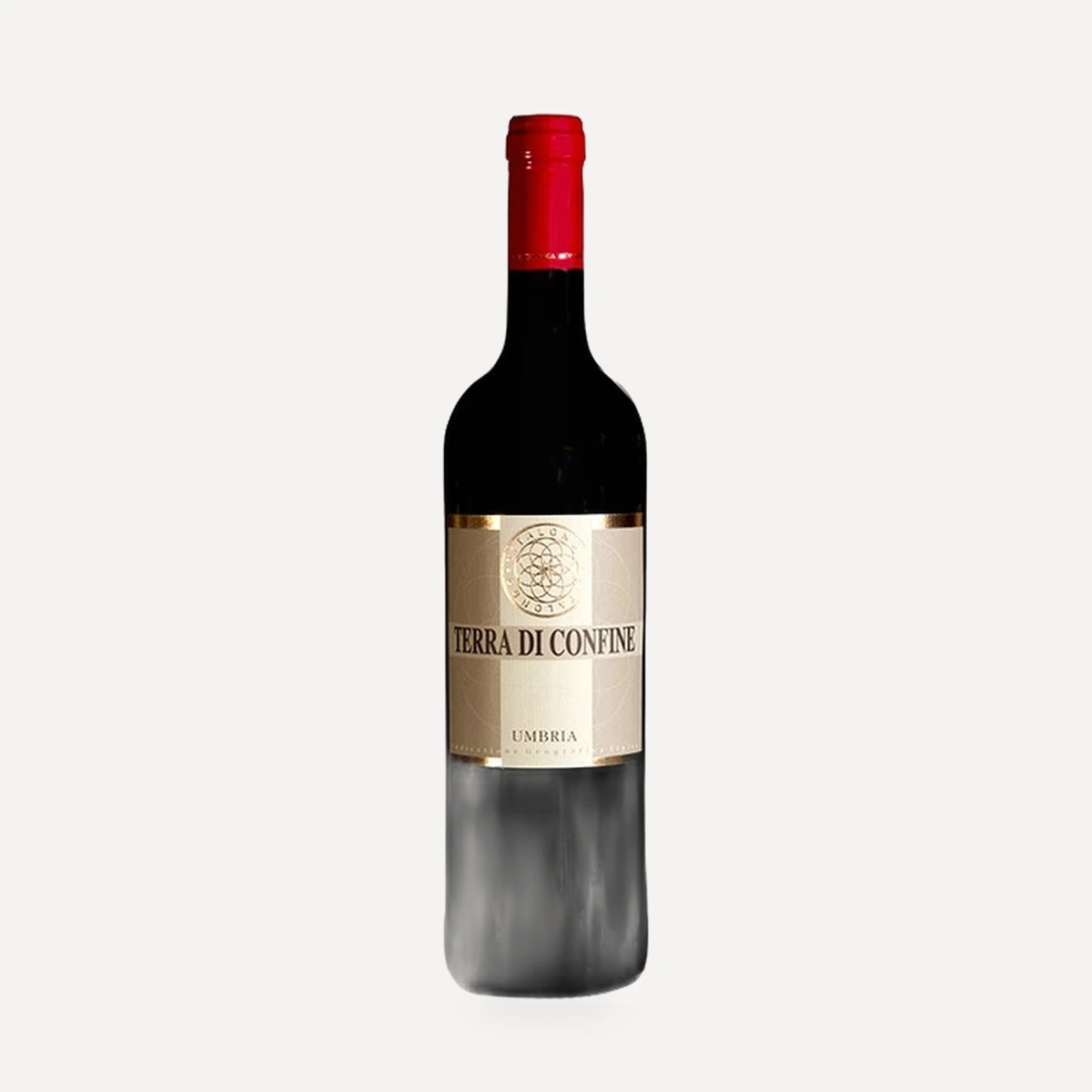
The Maravalle family’s ancestors made the estate wine in an ancient Etruscan cave that was converted into a cellar in the nineteenth century. They called it Terra di Confine, a name tied both to Ficulle’s position on Umbria’s border with Tuscany—within the former sphere of eastern Etruria—and to the transition from the area’s sedimentary calcareous-clay soils to the volcanic soils around Orvieto.
Research and a new generation of wines
In 2009, Fabio Maravalle, a geologist and farmer, completed a long research project on the development of the varieties planted in the estate’s highest vineyards together with his friend, oenologist Riccardo Cotarella. The work in vineyard and cellar produced Phiculle.
The 2013 vintage brought a change to the Terra di Confine process: a small proportion of Merlot was picked and dried with forced ventilation, adapting the historic governo all’uso toscano idea of restarting fermentation with must from selected dried grapes. The concentrated, fermented portion was combined with wine that had completed primary fermentation, creating a new stylistic direction for the estate wine.
Organic conversion and Projectus Viticultura
The vineyards entered organic conversion in 2014. The change was conceived as restoration of soil and ecosystem balance rather than a simple substitution of permitted products for conventional chemicals. Projectus Viticultura extended that approach across the estate: sustainable woodland management, attention to hedges and margins, recovery of the married-vine vineyard, creation of a medieval-style vegetable garden, conservation orchards for endangered fruit varieties, protection of truffle woods, and renewed attention to the Etruscan caves.
Vitalonga Chardonnay debuted with the 2016 vintage. By 2017 the estate described all of its agriculture as organic, while formal organic certification applies from the 2018 harvest. During the same period, the brothers leading the project, Gian Luigi and Pier Francesco Maravalle, outlined plans for wine in local Ficulle terracotta amphorae, a selection from the married-vine vineyard, and a new white wine. The estate also presented itself as the first Parco della Viticultura—an Etrurian wine park linking vineyards, Horti, woodland, archaeological traces, biodiversity, food and hospitality.
Terroir
Position and relief
The vineyards occupy a southward-descending hill crest at 350–450 m above sea level. On both sides, the vines border steep cliffs dropping 80–100 m. Oak woodland—including turkey oak, durmast/downy oak, holm oak and other oaks—surrounds the vineyards, while eroded ravines cut through the landscape. The hill extends from the slopes of Monte Nibbio, the highest summit in the Ficulle area. Views open across Umbrian, Tuscan and Lazio territory, including the Amiata, the Paglia hills and the Orvieto cliff.
Soils
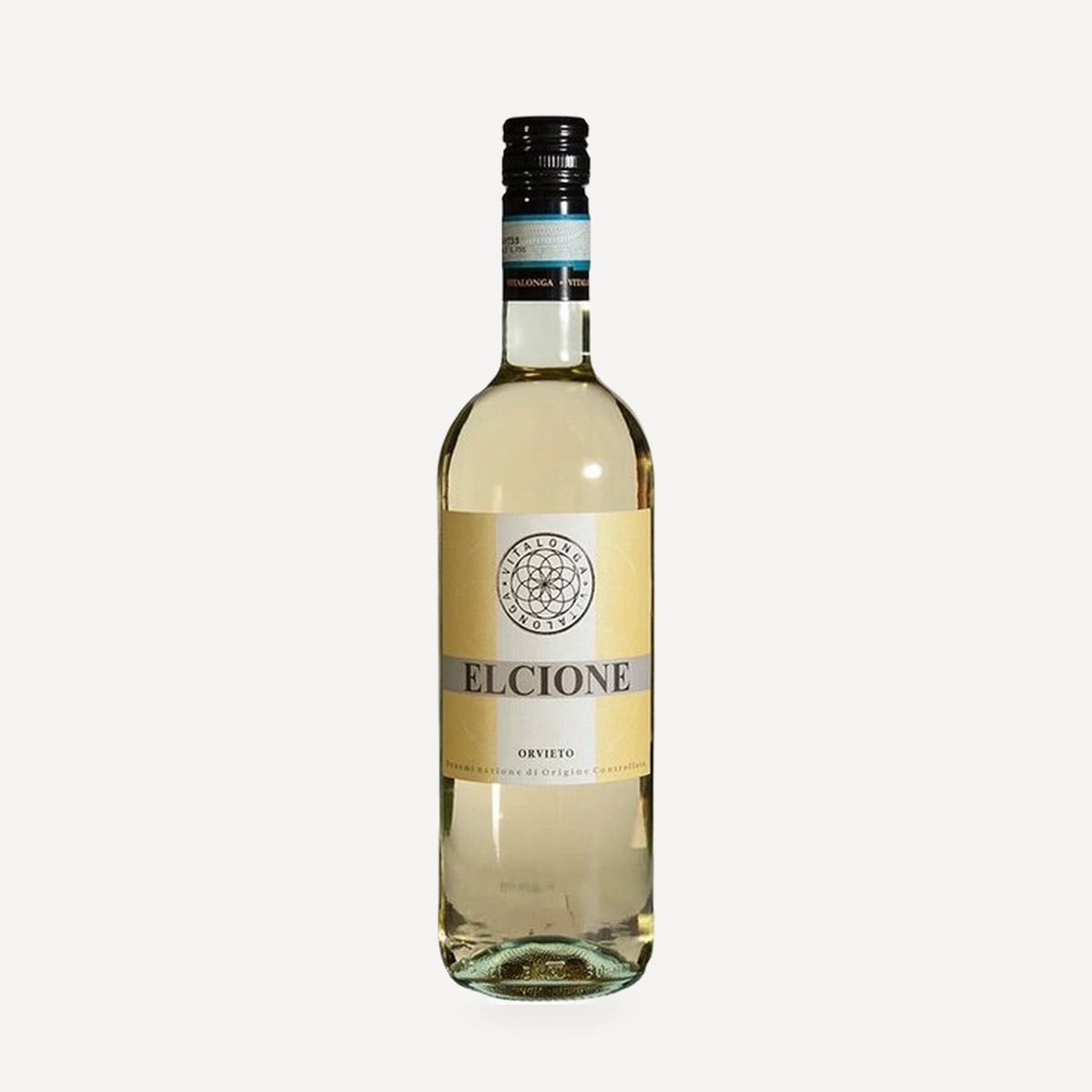
Two principal soil sectors structure the estate. Montiano, Poggio, Noce and Laghetto lie on clay-sand soils. Casalino and Fornace occupy the western side of the same geological base, with a more pronounced stony fraction. In Elcione, Cipresso and Maria, sand predominates over clay. Abundant fossil shells, attributed to Pliocene earth movements, reveal the land’s marine origin. Elcione is additionally associated with red clays; the broader Ficulle setting is described as sedimentary and calcareous-clayey, contrasting with the volcanic soils around Orvieto.
Climate and microclimate
The climate is described as temperate sub-littoral, modified by the southern exposure, surrounding woodland and light winds, particularly in summer. Rain is concentrated in late autumn and early winter. Summers are hot and generally dry, with marked day–night temperature differences; winters are relatively mild, with occasional snow. Vineyard exposure and a gentle breeze along the rows limit stagnant humidity and the development of moulds, supporting organic cultivation.
Vinificazione
Organic conversion began in 2014 and certification applies from the 2018 harvest. The approach focuses on rebuilding ecological and soil balance, keeping the vineyard as a functioning ecosystem and avoiding synthetic chemical fertilisers and pesticides. Projectus Viticultura also records the exclusion of insecticides, herbicides, synthetic fertilisers, antibotrytis products and fungicides.
Vineyard work includes tillage, management of the vegetative growth and natural fertilisation under organic principles. The leaf wall receives particular attention in spring and summer; daily monitoring is used to guide ripening and protect the integrity of fruit reaching the cellar. Varieties were placed according to the soil and microclimate of each plot. Planting density is 5,400 vines per hectare. All principal vineyards use spur-pruned cordon, except the small Sangiovese Grosso vineyard trained as vite maritata.
Harvest normally runs from September through October. Each variety and plot is picked in successive passes at optimum phenolic maturity. Merlot, Sangiovese and Cabernet ripen first, while Montepulciano is the latest. Fruit is taken to the cellar for selection and destemming.
The ecological programme reaches beyond the vines. It includes care for hedges and margins; sustainable management of vineyard-surrounding woods; zoning and protection of valuable truffle areas; attention to monumental and environmentally important trees; an ancient-fruit orchard conserving rare local varieties; a medieval-style edible garden supplying the Osteria; and gardens of vegetables, aromatic plants and medicinal herbs grown from old or endangered seed stocks.
Fruit arriving from harvest is selected and destemmed before entering steel tanks. Fermentation and subsequent maceration generally take place in temperature-controlled stainless-steel vessels. Selected lots may instead ferment or macerate in wooden vats or earthenware jars. Varieties are kept separate at this stage, and the same variety from different plots is also vinified separately.
Malolactic fermentation and maturation take place in French-oak barriques from Allier, Nevers and Tronçais. Barrel time varies by the intended wine, from 6 to 18 months, followed by at least 12 months of bottle ageing.
Projectus Viticultura also revives ancient techniques on a small scale. Selected grapes receive special attention and a portion is vinified in earthenware jars, echoing the estate’s interpretation of Etruscan practice. The recovered married-vine vineyard forms part of this experimental work.
A second research strand began with the 2013 Terra di Confine vintage. A small proportion of Merlot is dried with fans, concentrated, pressed and fermented, then incorporated into wine that has completed primary fermentation. The process draws on governo all’uso toscano, historically a slow refermentation produced by adding must from selected dried grapes; it was adopted to increase glycerol and create a softer, rounder texture.
Filosofia
Vitalonga frames wine as the expression of living land: grape variety, soil and microclimate form a polyphony from which the most distinctive voices are selected each year. Its Projectus Viticultura manifesto calls for a renewed relationship between people and nature, placing quality before profit and treating land as something held in trust for future generations.
The programme links organic farming to biodiversity, traditional knowledge, research and convivial culture. Rather than treating certification as an endpoint, the estate seeks to restore what intensive farming has diminished: vital soils, diverse plant life, landscape beauty, old fruit varieties, historic cultivation systems and the ecological function of woodland. Small, limited productions are approached as research projects shaped by the particular site and vintage.
Hospitality extends this idea beyond the bottle. Vineyards, gardens, orchard, woods, Etruscan caves, food and conversation are presented as parts of one cultural landscape, with wine and food serving as ways to discuss the territory’s scientific, historical and philosophical dimensions.
Vini
Terra di Confine
Elcione
Rosé Vitalonga