Storia
The villa before Vitas
The historic villa at Strassoldo was built between the end of the 17th century and the beginning of the 18th century. In 1891, when the area was Austrian territory, the property passed to Baron Franz Kuhn von Kuhnenfeld, Minister of War and adviser to Emperor Franz Joseph. The baron used it as a summer residence and created its landscaped park, expressing his interest in nature and landscape architecture.
A wine business born in Trieste
The Vitas family business originated in early-20th-century Trieste as a company trading wine through the city’s free port. Vitas dates its winemaking history to 1907. Romano Vitas, the founder, subsequently turned his attention from commerce toward viticulture.
The acquisition of Strassoldo
In 1937, Romano Vitas acquired the Strassoldo estate and selected it as the headquarters of the family wine business. The historic villa, its centuries-old park and the surrounding vineyards became the centre of the enterprise.
Fifth-generation continuity
More than a century after the beginning of the family activity, Vitas has reached its fifth generation. The business presents this continuity as a balance between contemporary challenges and stewardship of its inherited family culture.
Vineyard renewal and environmental certification
In recent years, the entire planted vineyard surface has been reorganized around modern training systems, high vine density per hectare and low production per plant. From the 2021 vintages, the wines have carried SQNPI certification under Italy’s National Quality System for Integrated Production. The associated vineyard programme replaces chemical fertilizers with organic inputs, uses mechanical rather than chemical weed control and minimizes treatments through products with low or no environmental impact.
Terroir
The estate lies at Strassoldo in Friuli Venezia Giulia, within a fortified feudal village. Its viticultural environment is shaped by proximity to the Adriatic Sea and by the natural barrier formed by the surrounding Alps and hills. Together, these features create multiple microclimates and support substantial biodiversity.
Summer sea breezes from the Adriatic combine with solar warmth and pronounced day-to-night temperature changes. The Bora, a north-easterly wind, drives humidity away from the vineyards. These conditions support grape ripening and the development of aromatic character.
The soil is a mineral-rich mixture of clay and sand, crossed by springs of clear water. This water supply helps maintain soil fertility throughout the seasonal cycle, supports healthy vines and contributes freshness and vitality to the grapes.
Vinificazione
Environmental protection is a central part of the estate’s operating philosophy. Beginning with the 2021 vintages, Vitas wines obtained SQNPI certification under the Sistema di Qualità Nazionale per la Produzione Integrata, Italy’s National Quality System for Integrated Production. The system applies standards intended to reduce pesticide use and the environmental impact of agricultural production while considering both environmental and human health.
Chemical fertilizers are not used; the vineyards receive organic fertilizers instead. Weed control is mechanical rather than chemical. Plant-protection treatments are reduced to the minimum and employ products described as having low or no environmental impact. These practices are intended to conserve natural resources and protect both the surrounding environment and consumers.
The entire vineyard area has been reorganized around modern training systems with high vine density and low yields per plant. Each vineyard is harvested separately, allowing its grapes to remain distinct through vinification. The environmental programme is presented as consistent with the United Nations 2030 Agenda Sustainable Development Goals and the European Green Deal.
Vitas maintains control of the production chain from the vineyard through distribution. Grapes from every vineyard are harvested and vinified as separate lots so that the typicity and individual characteristics of each site are retained.
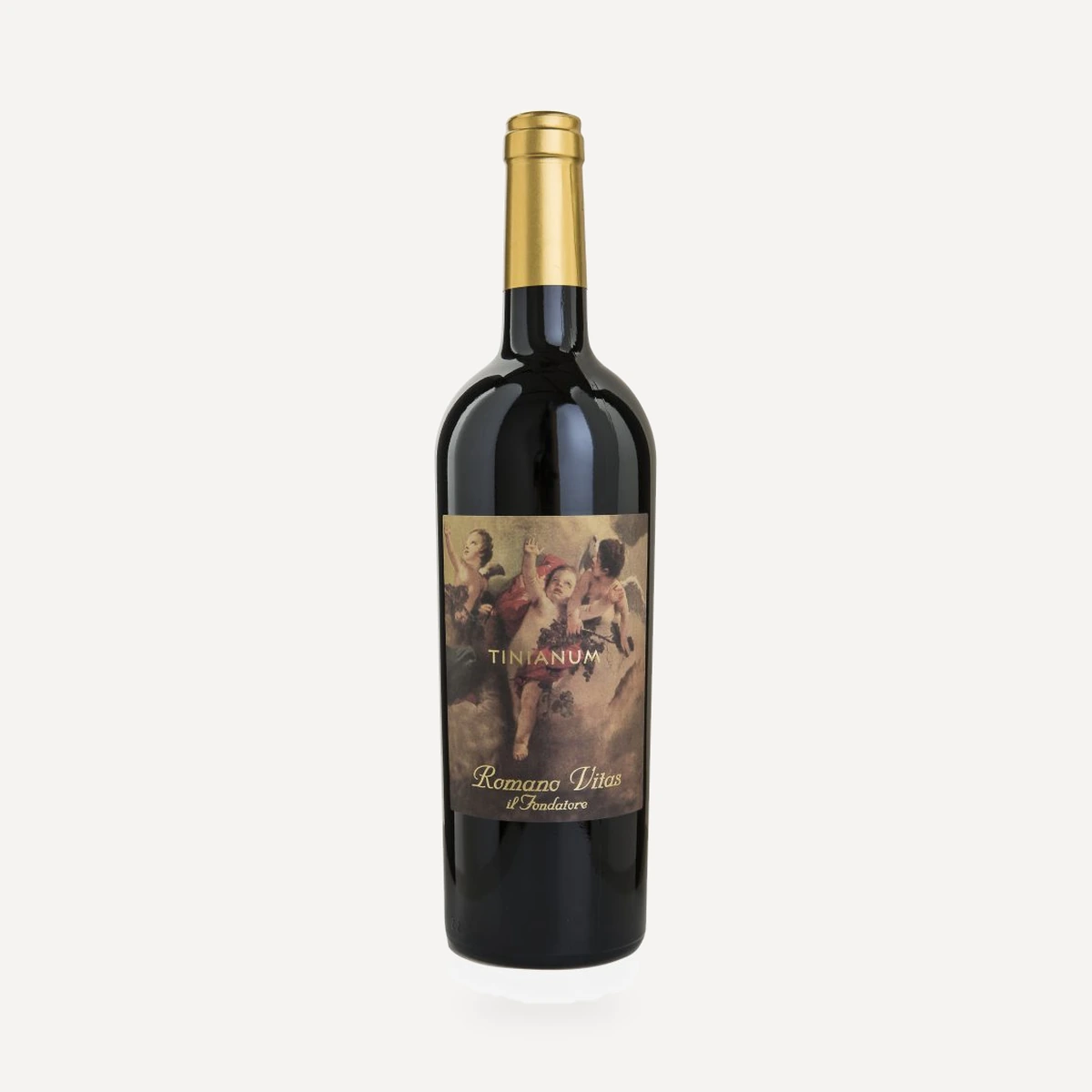
The range includes monovarietal wines from both local and international grapes, a sparkling Ribolla Gialla and named selections. The named wood-aged wines comprise Marlet, a blend of Sauvignon Blanc and Ribolla Gialla aged for 12 months in wood; Romano Refosco, selected Refosco dal peduncolo rosso aged for 18 months in wood; Tergestum Pinot Grigio, selected Pinot Grigio aged for 10 months in wood; and Tinianum, a blend of Refosco dal peduncolo rosso, Cabernet Franc and Merlot aged for 24 months in wood.
Filosofia
Vitas defines its identity through family continuity, ethical conduct, emotional commitment and environmental responsibility. Its long family tradition is treated as the foundation of the business, while a consistent code of conduct is credited with strengthening its reputation over time.
Day-to-day decisions are guided by passion and personal conviction. Long-term planning places greater emphasis on respect for natural and environmental resources. This outlook connects vineyard management with the preservation of the surrounding territory and frames SQNPI integrated production as part of a wider commitment to the Sustainable Development Goals of the United Nations 2030 Agenda and the European Green Deal.
The wines are intended to represent their place and heritage while preserving clear varietal origins. Varietal expression is understood broadly: it encompasses not only the identity of the grape but also the environmental, human, historical and cultural inheritance of Friuli Venezia Giulia.
Vini
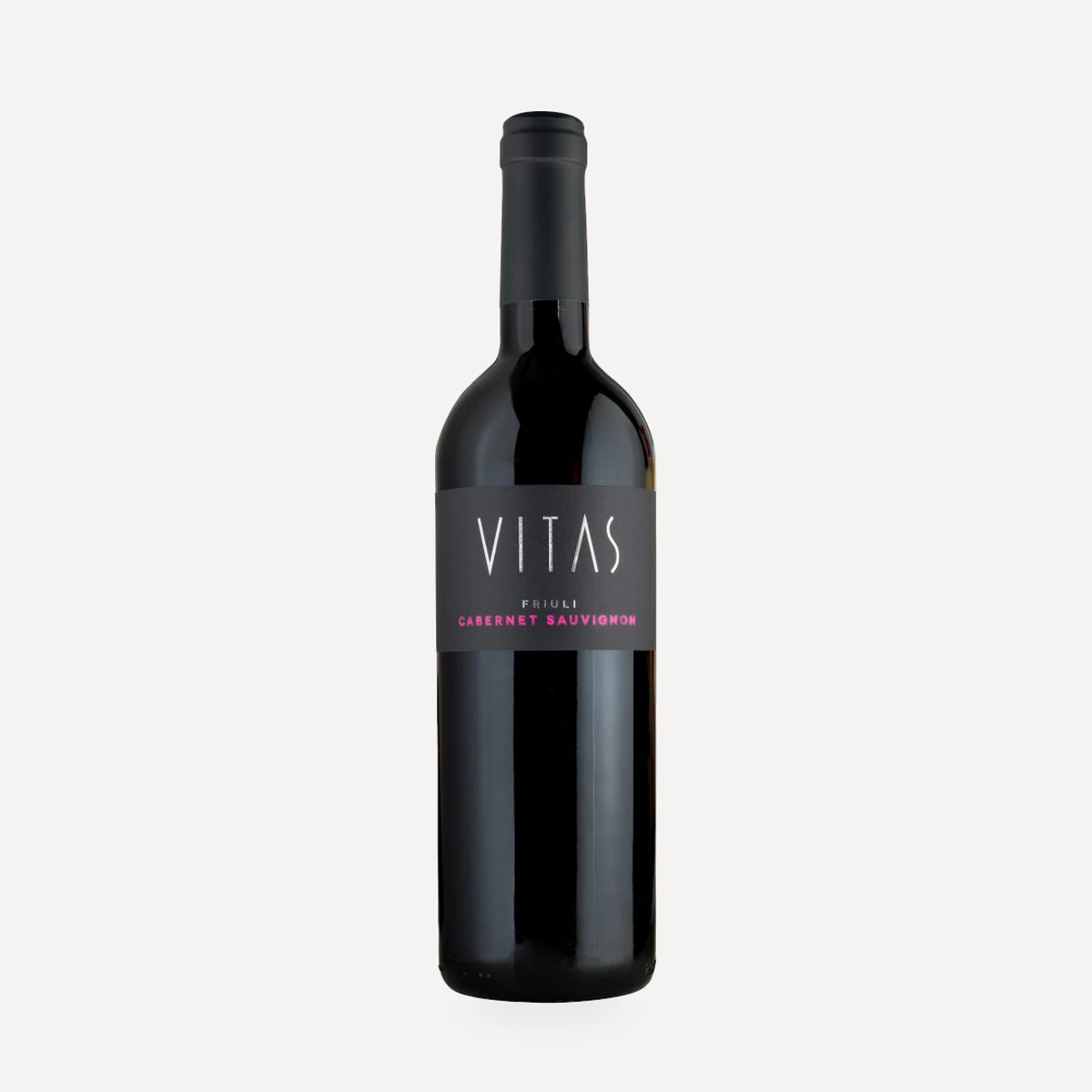
Cabernet Sauvignon
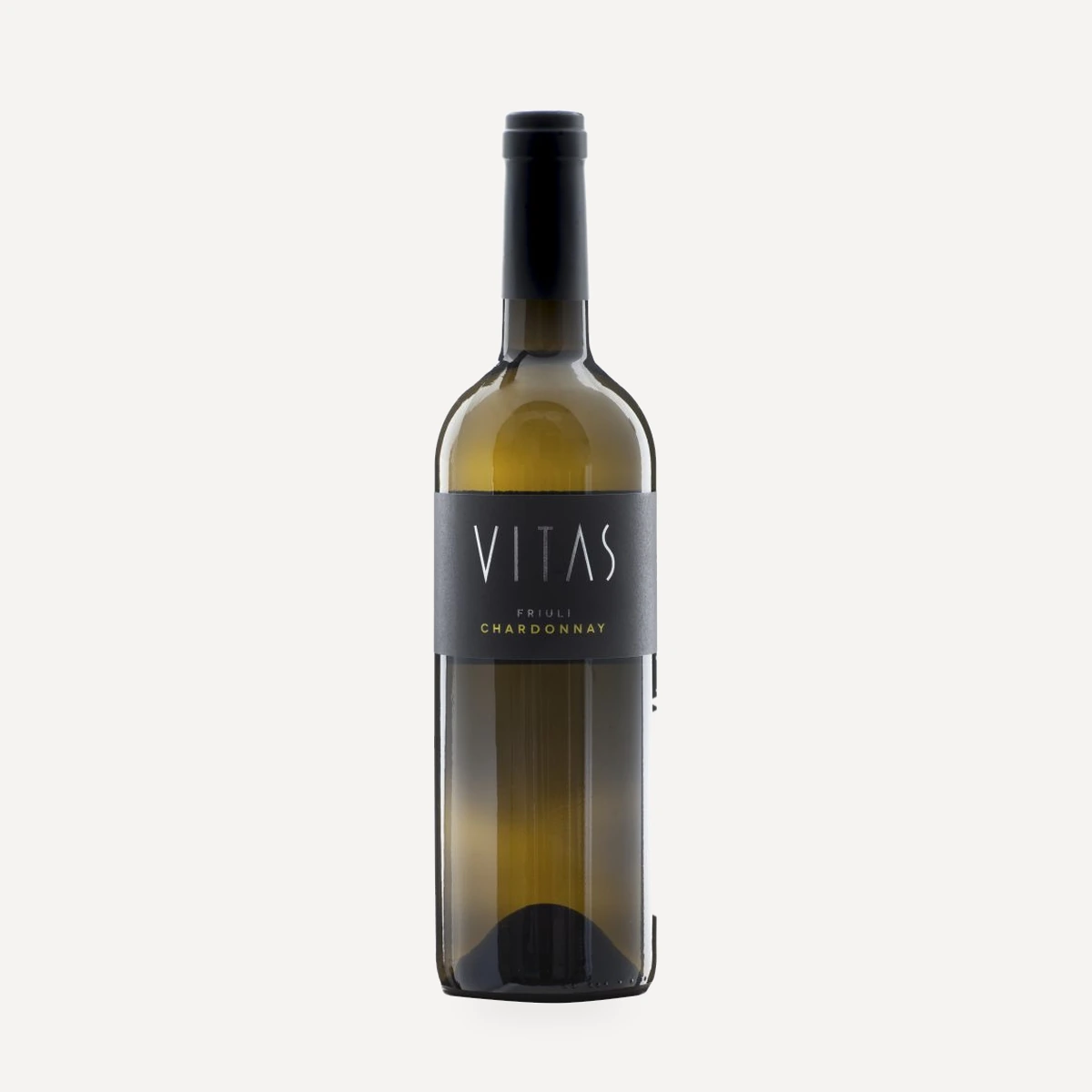
Chardonnay
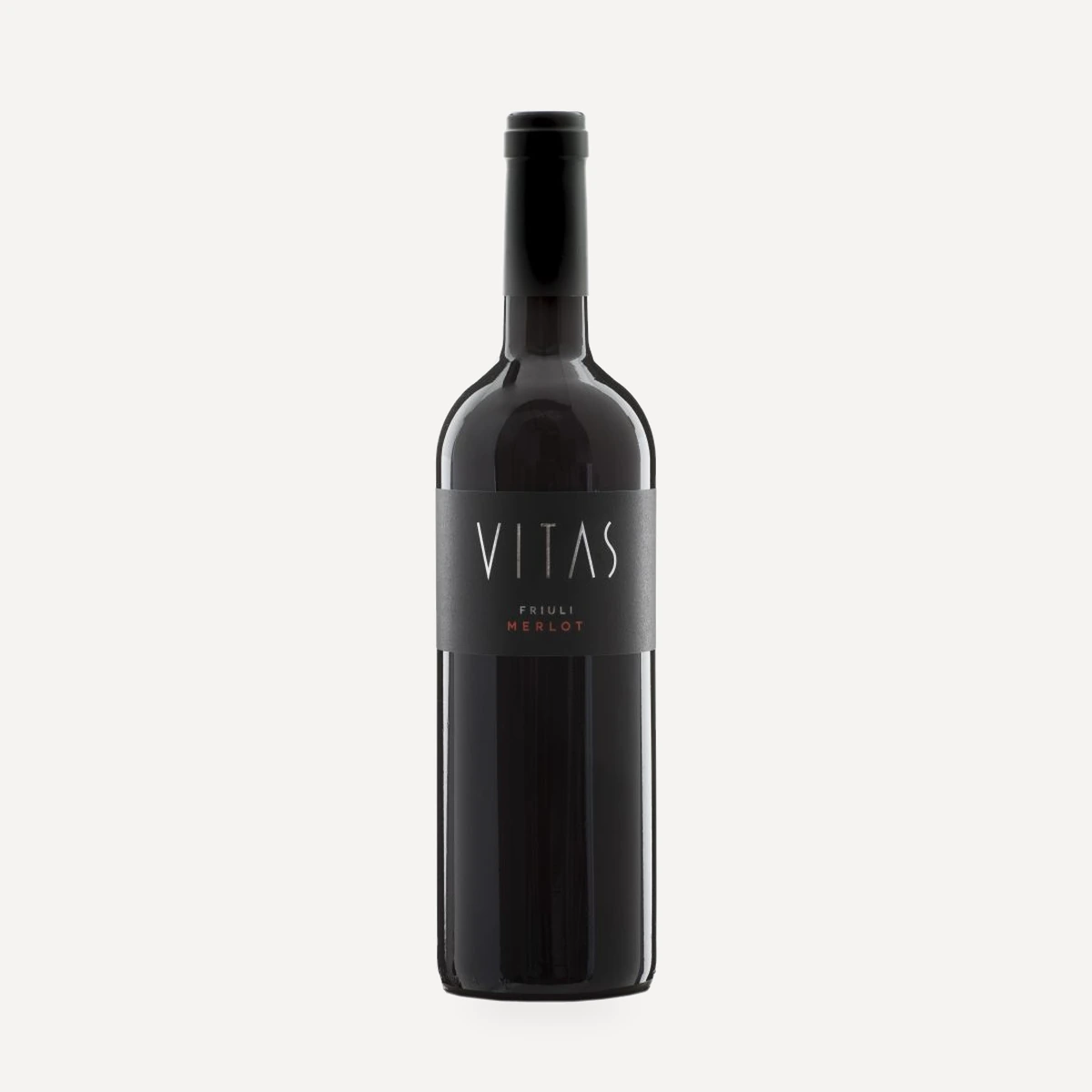
Merlot
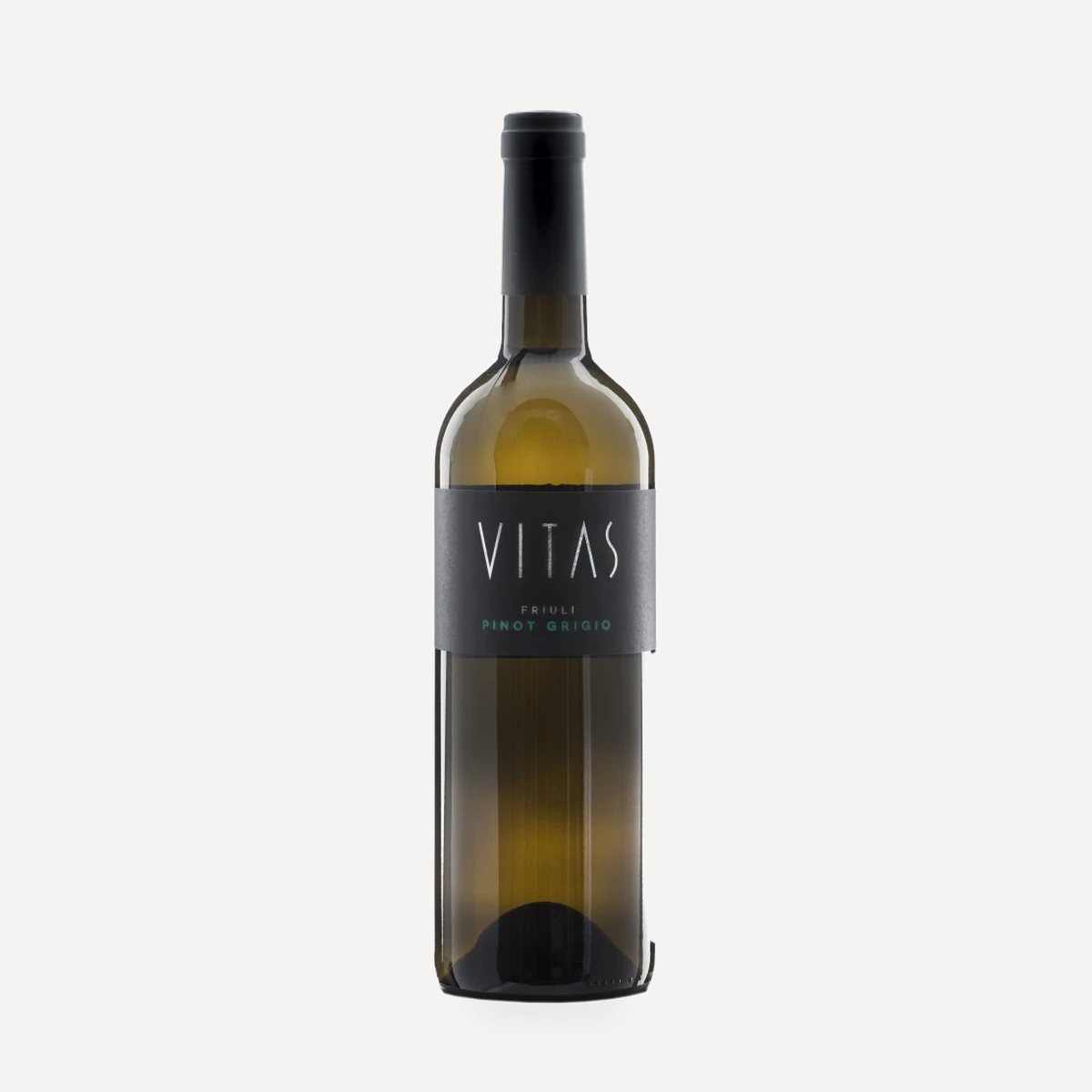
Pinot Grigio
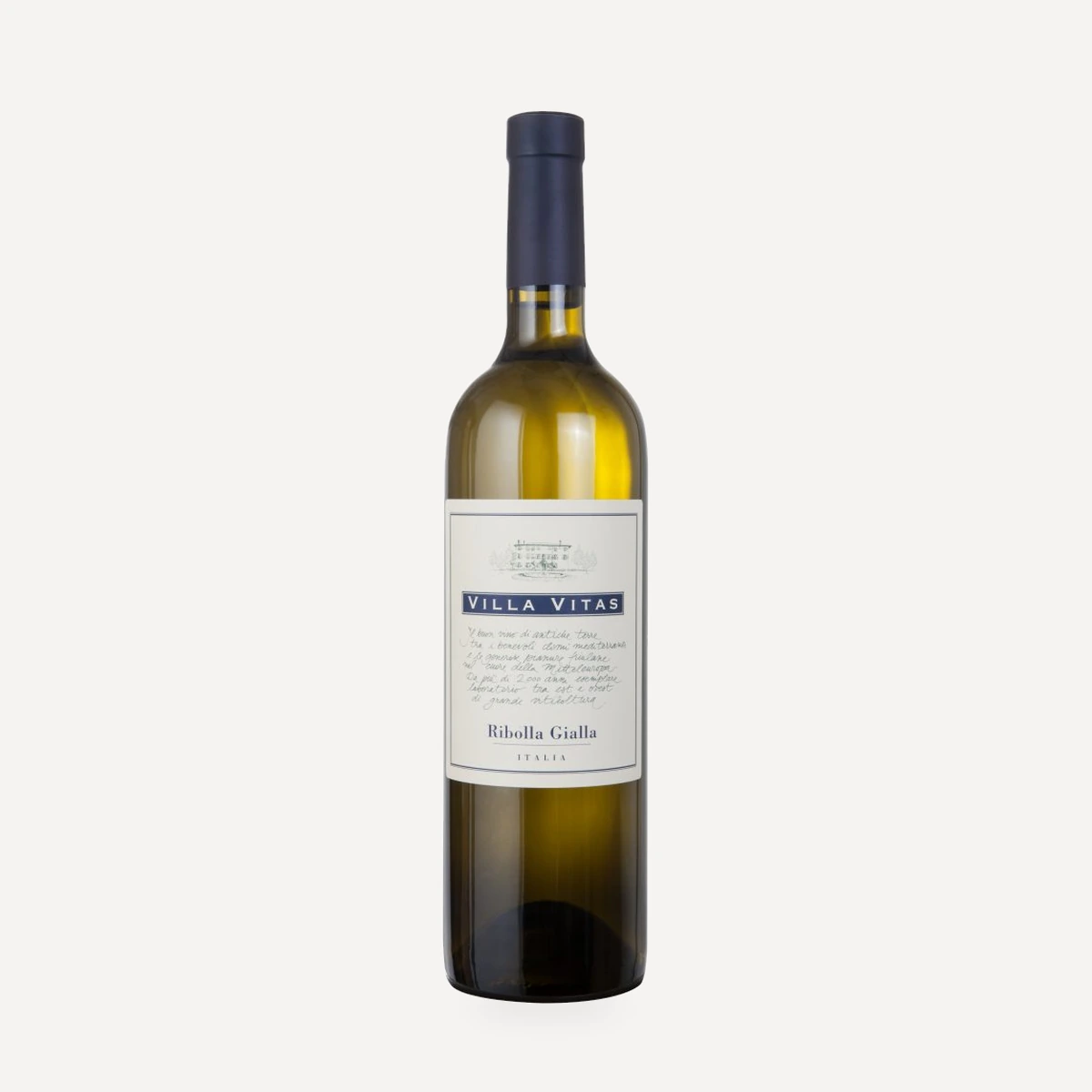
Ribolla Gialla
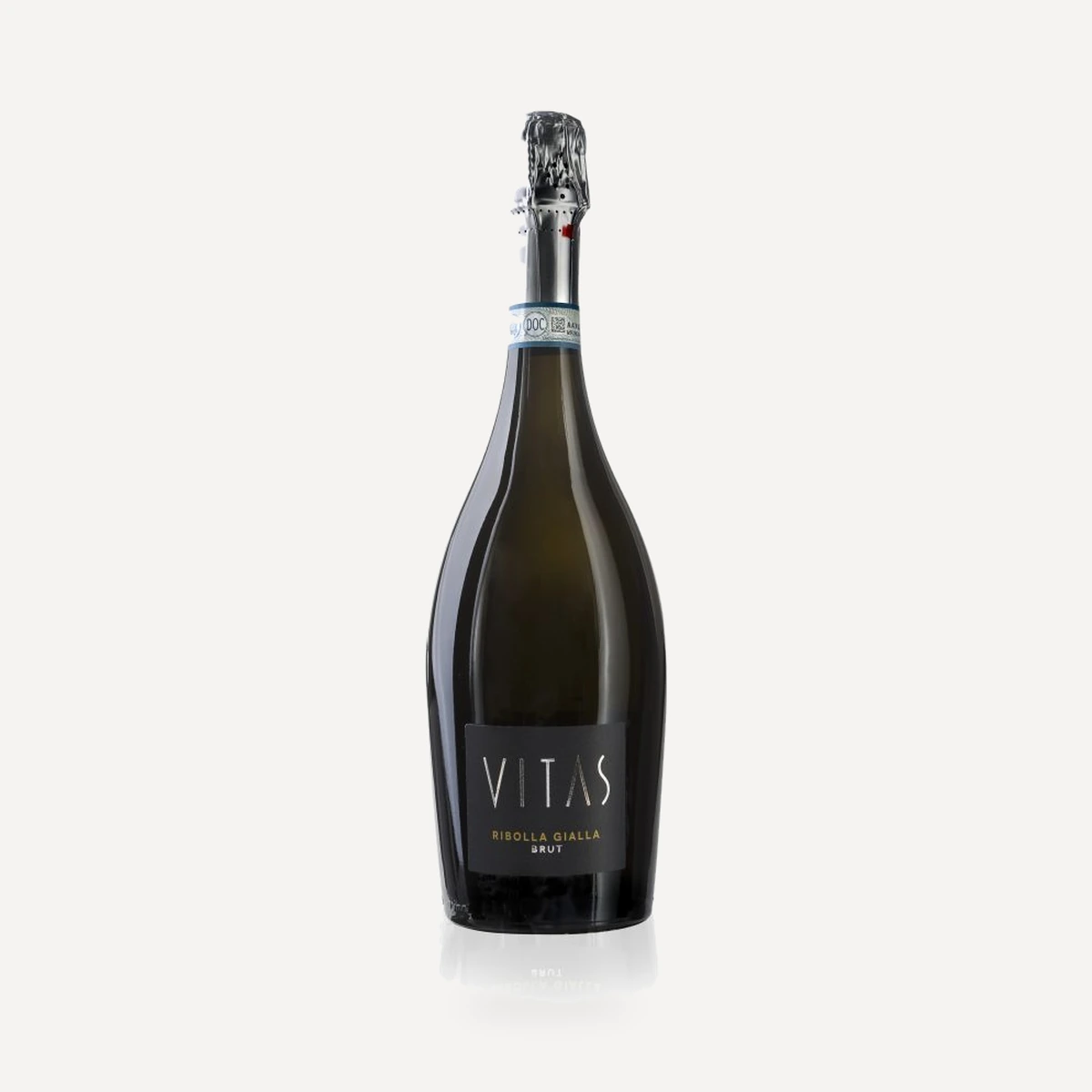
Ribolla Gialla Brut
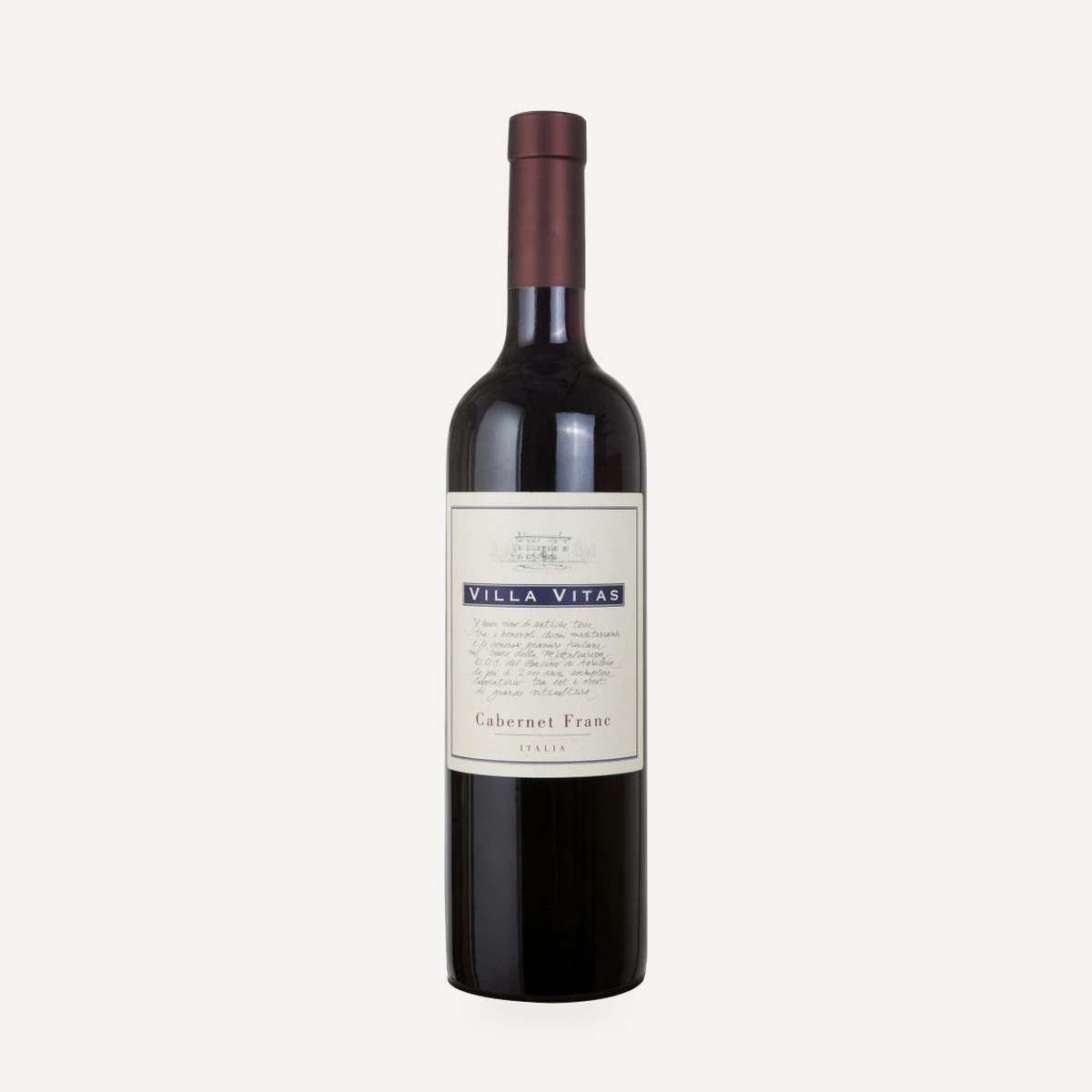
Cabernet Franc
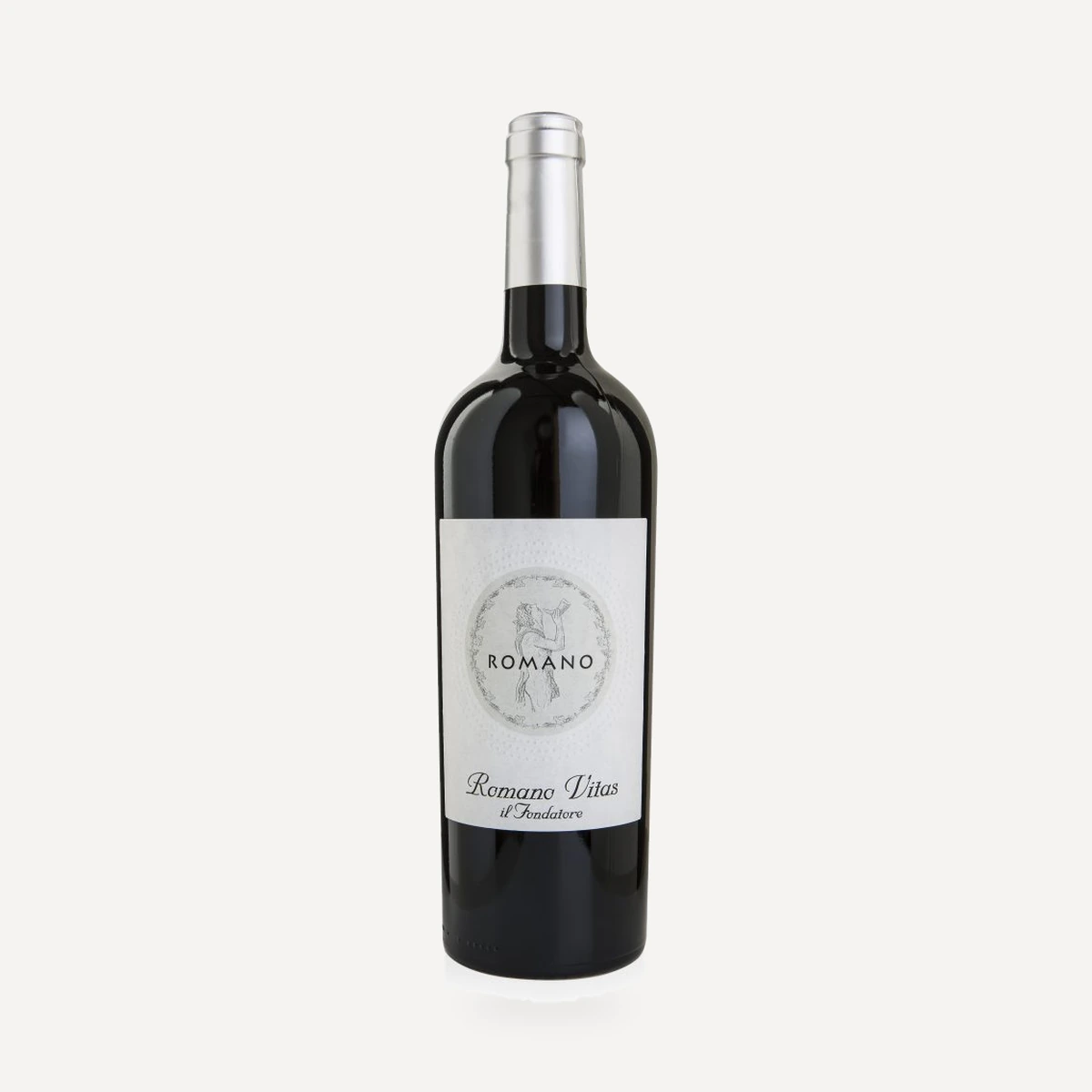
Romano Refosco
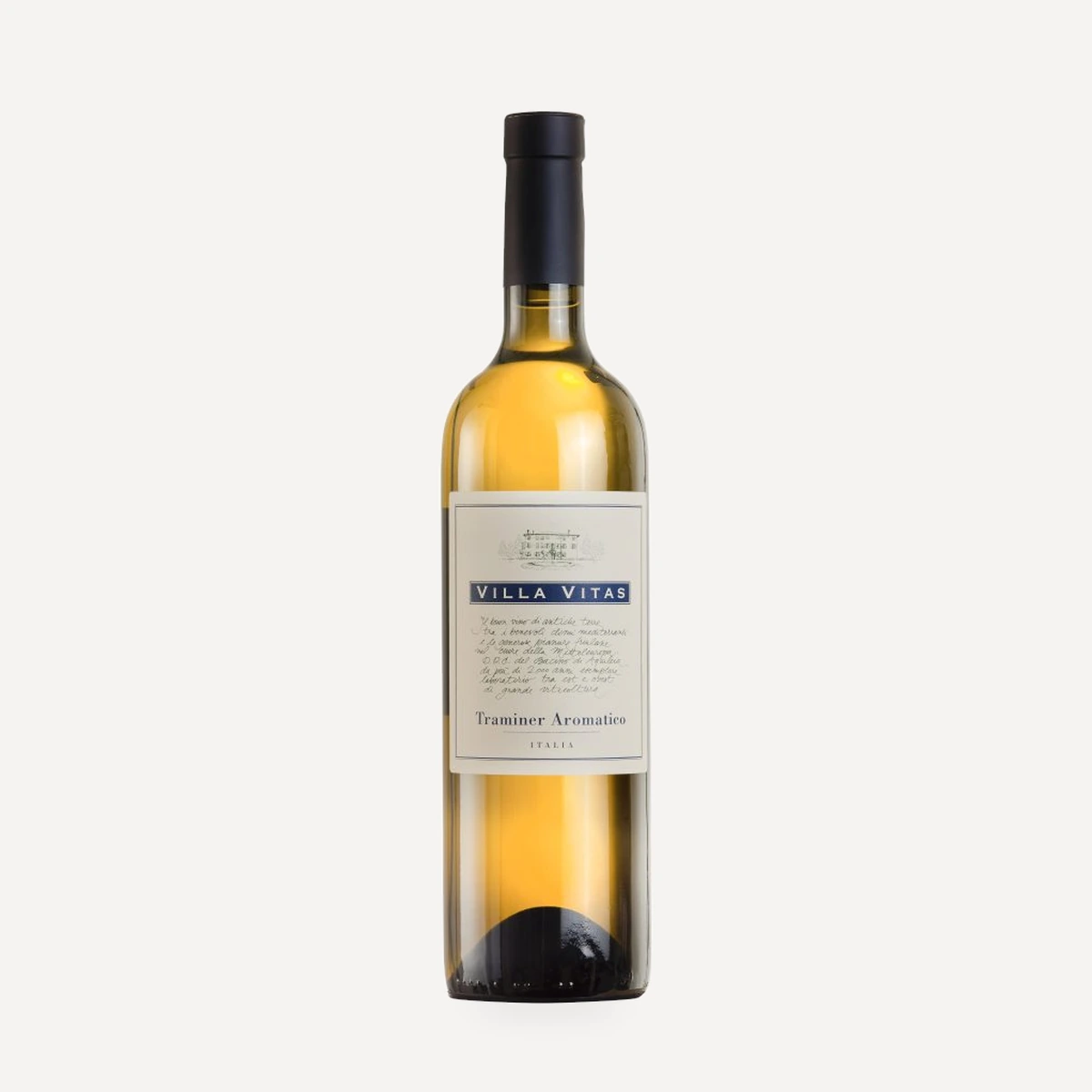
Traminer Aromatico
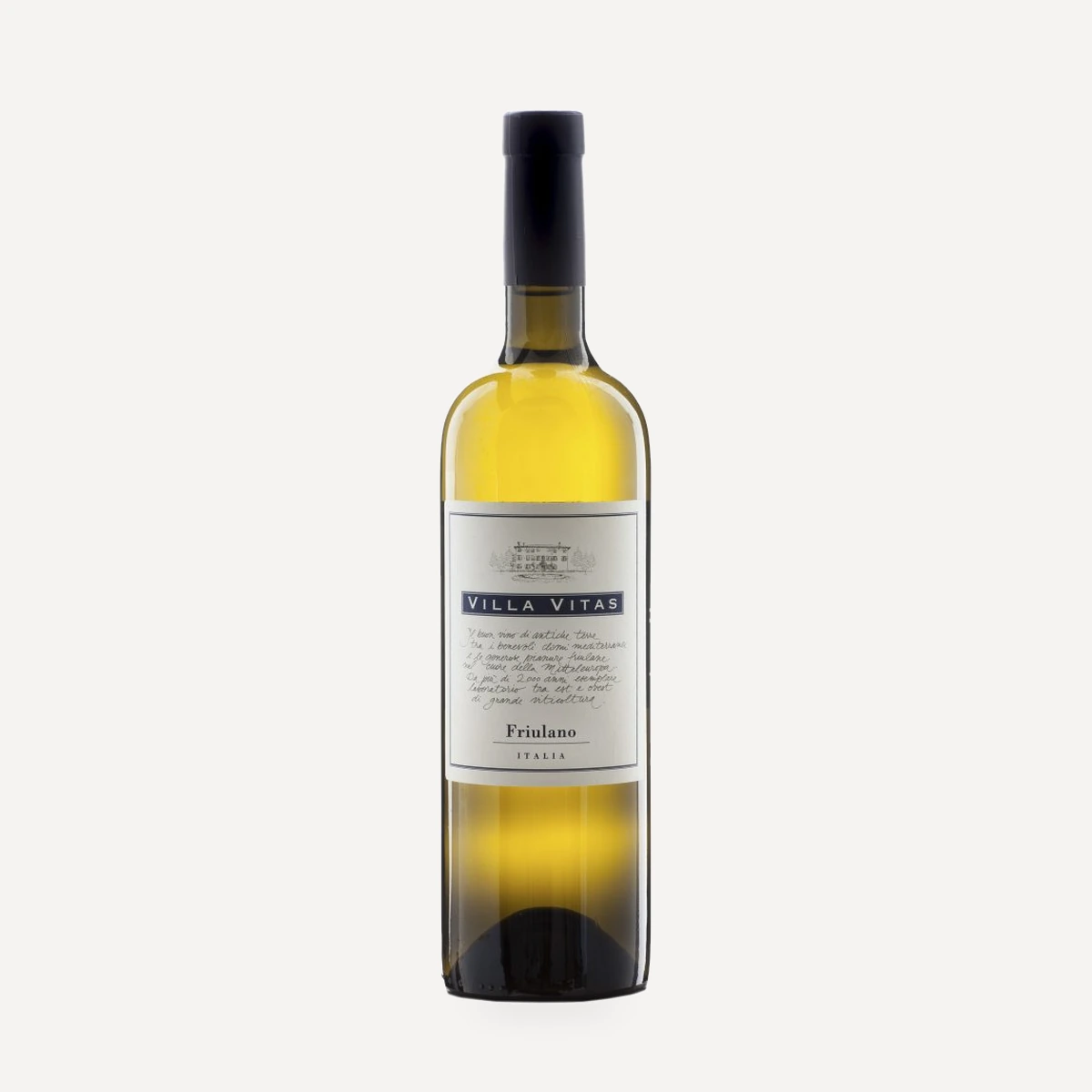
Friulano
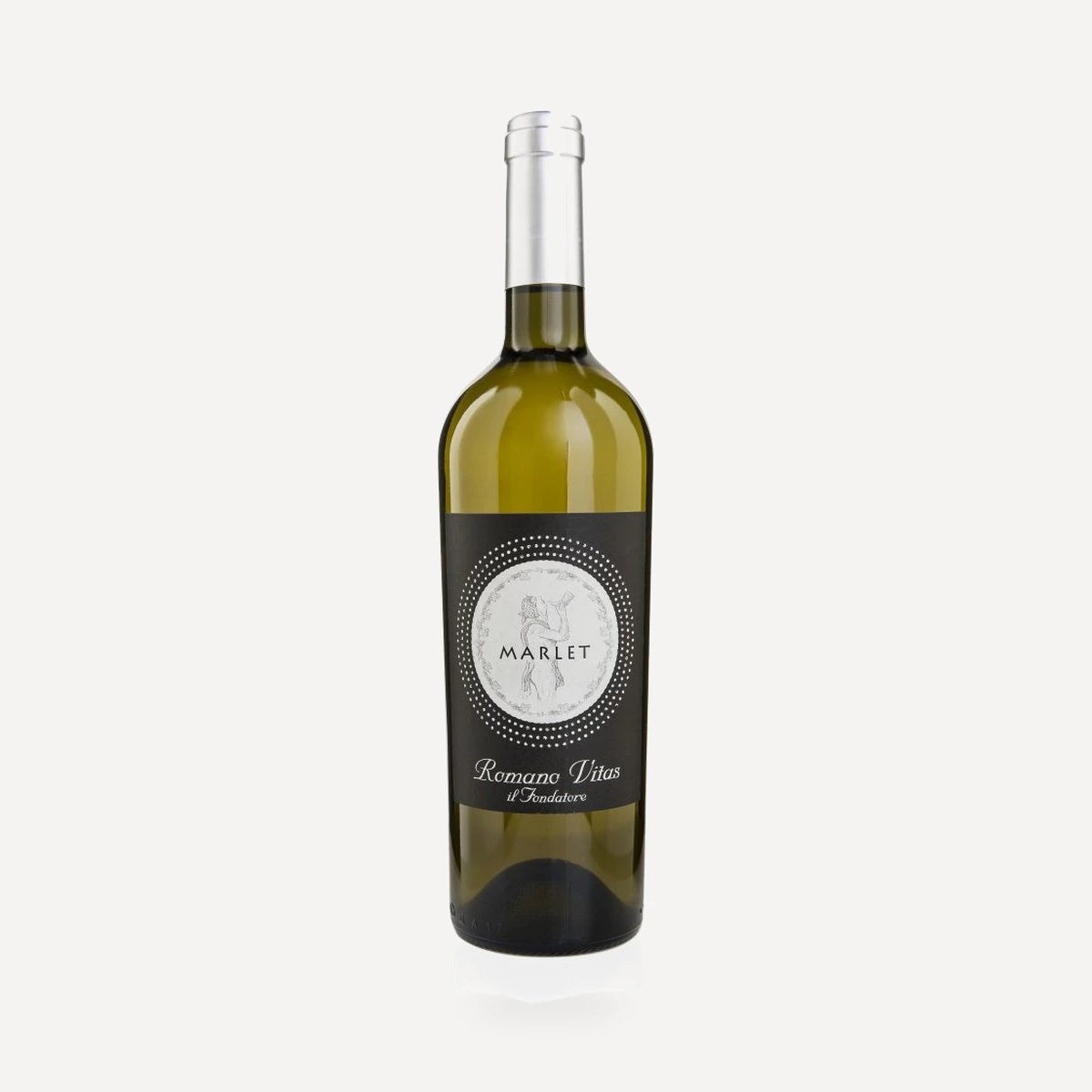
Marlet
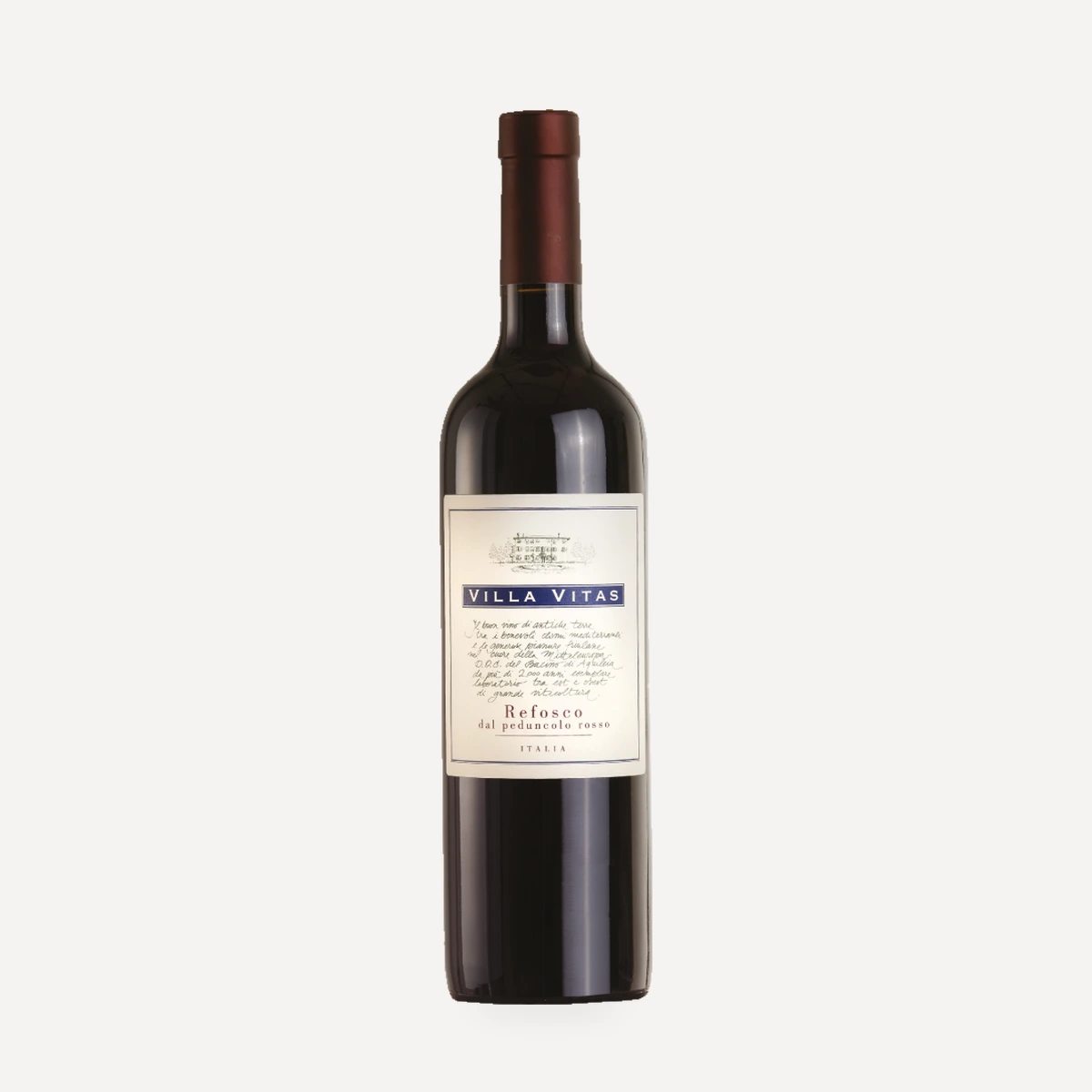
Refosco dal peduncolo rosso
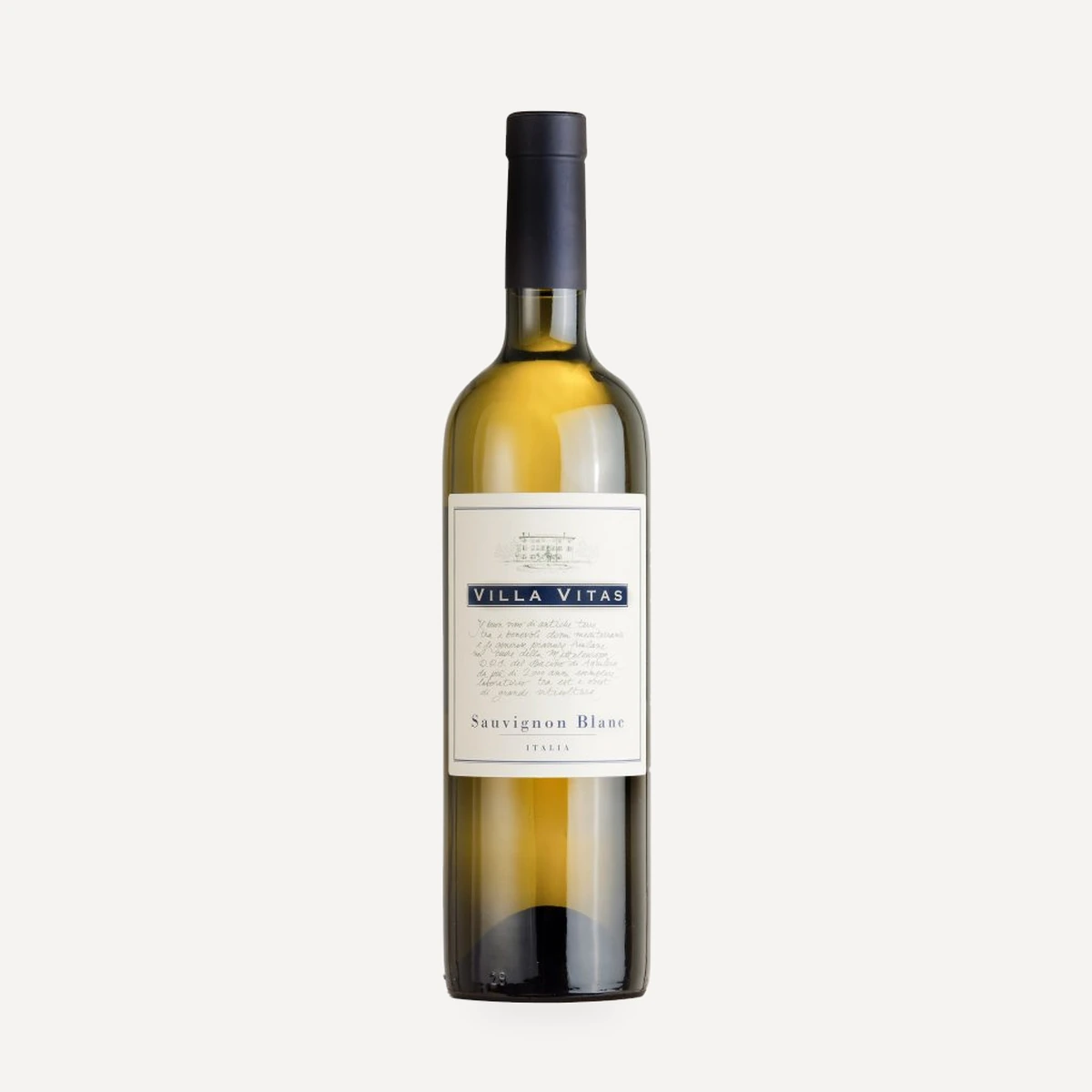
Sauvignon Blanc
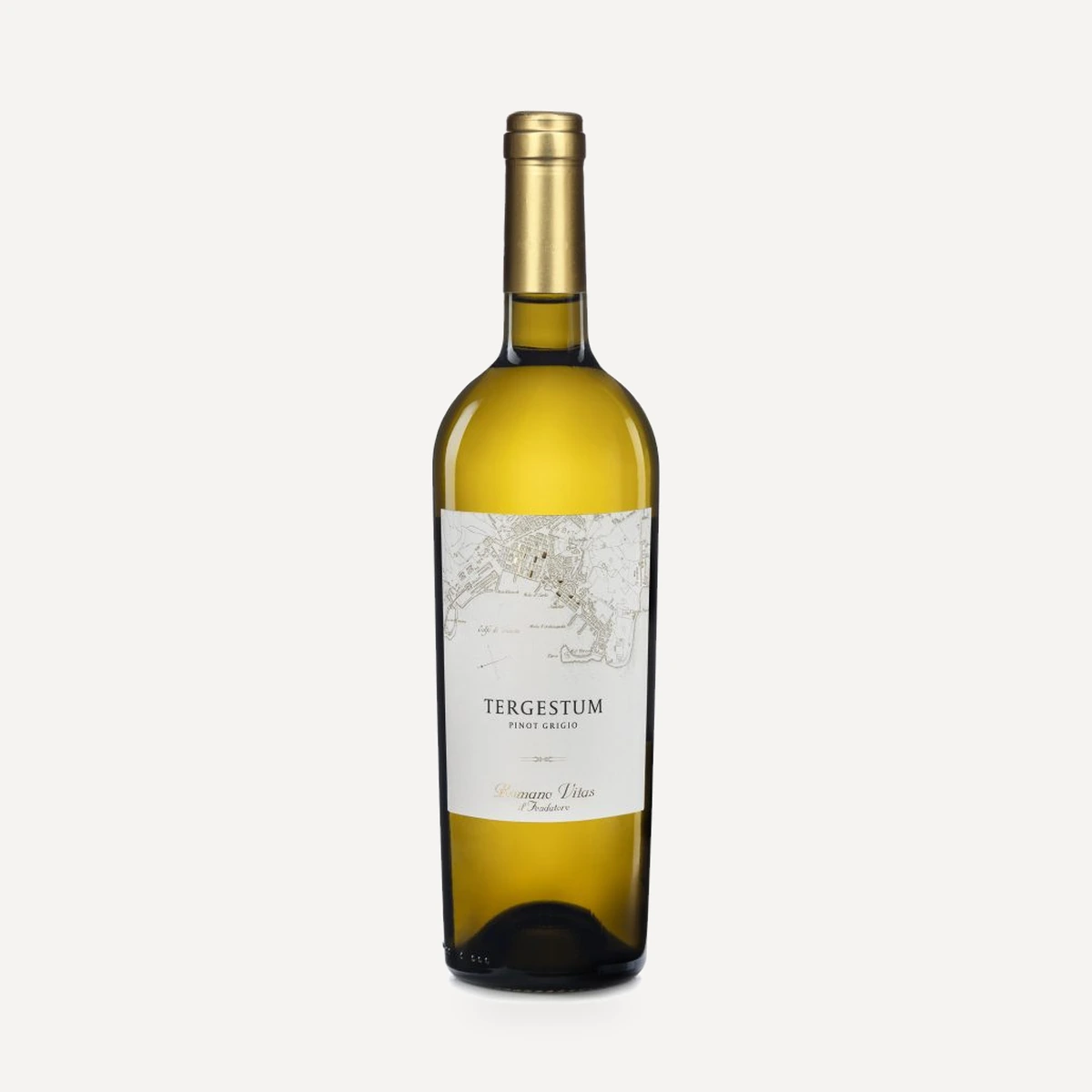
Tergestum Pinot Grigio