Storia
Before 2015: family production
Vna Wine developed from a small family-scale production made during the vintages preceding the formal project. These wines were initially intended for a limited circle of relatives and friends.
2015: the creation of Vna
The structured winegrowing project began in 2015 from an idea by Federico Fiori, driven by curiosity and an ongoing interest in experimentation. It took shape among the hills and vineyards of Torrazza Coste, in the western part of Oltrepò Pavese.
The transition transformed the earlier private family activity into an organized viticultural and winemaking project. Its identity was built around native and international varieties, spontaneous fermentation, close observation of the vineyard and minimal intervention in the cellar.
Development of the team and production approach
Federico Fiori’s project was subsequently shaped by a multidisciplinary team. Tommaso Gallina became the winemaker, bringing experience as an early practitioner of natural wine in Piedmont. Daniele Marchina assumed responsibility for coordinating technical work between the vineyards and cellar.
The project continues to frame its development as a search for balance between people, vineyards and winemaking. Small-scale production, vintage-specific expression and experimentation remain central, including skin-contact whites, carbonic maceration, bottle refermentation with preserved must, long lees aging, mixed-vessel maturation and oxidative aging under flor.
Terroir
Vna Wine is based at Torrazza Coste in the western part of Oltrepò Pavese, only a few kilometres from Piedmont. This border position informs the project’s approach to varieties shared with nearby Piedmont, particularly Cortese, Barbera and Freisa.
The documented vineyards lie at approximately 120–140 metres above sea level, with most profiles centered on 130 metres. Their soils developed from silty and clay-silty alluvial deposits. They are generally brown, deep to very deep and silty-loamy, in places without stones. One profile identifies the soil as non-calcareous, with a moderately to weakly acidic reaction. Across the vineyard descriptions, organic-carbon levels are low and the availability of organic matter is limited.
The wider territory has a long viticultural history: vines were already cultivated here in Roman times, with Pliny the Elder cited as evidence from the first century AD.
Vinificazione
Vna Wine presents agriculture as a process of observation and adaptation rather than the application of a fixed formula. The growth of wild plants and changes in leaf colour are treated as signals for understanding vineyard conditions. The aim is to work in step with living soil and the changing natural environment while minimizing human impact.
Permanent spontaneous or natural grass cover is maintained throughout the documented vineyards. The vines are predominantly Guyot-trained, with single or double spurs according to the planting. Vine ages range from under 10 years to over 60 years, and densities range from 2,000 to 4,500 vines/ha.
Yield limits vary by parcel and variety. Documented figures extend from 40 q/ha in an old low-density vineyard to 70 q/ha in some red-variety vineyards; most other profiles fall between 50 and 60 q/ha. Per-vine production generally ranges from approximately 1.1 to 1.7 kg, reaching about 2 kg in the lowest-density planting before on-vine drying.
Harvest is manual, normally into 15–20 kg crates. Picking dates and strategies are adapted to the material: white varieties may be harvested from late August through September; mixed plantings are picked when the varieties reach a satisfactory collective maturity; some red vineyards are harvested in stages to preserve acidity and then capture the greater structure and tannin of older vines. One 45-year-old parcel is partially cut back in mid-September so that approximately 40% of the crop dries on the vine for two to three weeks before a joint harvest of dried and undried grapes. Careful grape selection is used for several lots.
The cellar approach is based on protecting healthy, vital fruit while intervening as little as possible. All documented harvesting is manual, using crates of approximately 15–20 kg. Depending on the material, grapes may be selected, chilled overnight, pressed whole and gently, or destemmed and crushed. For some white lots, only free-run juice is retained, at yields of about 50–55%.
Fermentations are spontaneous and rely on indigenous yeasts rather than selected cultures. Stainless steel is the principal vessel, with temperature, racking and oxygen exposure managed carefully. Sealed or CO₂-tight valves are used for controlled oxygenation. Other fermenting vessels include approximately 10 hl concrete tanks, wooden vats, truncated-cone vats and 225-litre barriques.
Extraction methods vary with the fruit. Red fermentations may receive manual punch-downs and pump-overs, including pump-overs performed with a peristaltic pump. One approach places about 40% of the crop through carbonic maceration in concrete while the remainder is destemmed, crushed and fermented on its skins. White-grape maceration ranges from about 30 days to an extended six months in steel. Long post-fermentation maceration is also employed for dried and fresh grapes harvested together.
The range of maturation vessels includes stainless steel, 10 hl concrete, 225-litre barriques, truncated-cone wooden vessels and 500-litre oak tonneaux. Individual components may mature separately in steel and wood before blending. Experimental maturation includes six months in an ullaged barrel beneath a film of flor. Depending on the bottling, cellar aging may be followed by six, seven or as many as 36 months of bottle rest.
Bottle-fermented wines are made in several ways. Some complete a spontaneous primary fermentation in bottle. Others are refermented in spring by adding chilled or frozen must from the same variety, or Cortese must, before bottling under crown cap. The traditional-method process uses chilled must from the same grapes, vineyard and vintage for the prise de mousse. Bottles rest horizontally on the lees for 36 months, followed by manual riddling and disgorgement. Finishing may use the same wine with zero dosage or a small amount of wine retained from the previous vintage, linking successive harvests.
Filtration is generally avoided in the documented processes. Clarification can instead occur through natural cold winter settling in the cellar. The portfolio therefore combines reductive steel aging, concrete fermentation, partial or extended oak maturation, prolonged skin contact, carbonic maceration, refermentation and oxidative development under flor.
Filosofia
Vna Wine defines nature as its principal guide. Its declared objective is to reduce human impact so that the land, fruit and individual vintage can express themselves as fully as possible. The wines are intended to remain living interpretations of place and season rather than standardized products.
The project links wine quality to conscious farming that respects living matter. Vineyard decisions are informed by observation: wild vegetation, leaf colour and other visible changes are read as indications of the land’s condition. Experience is valued as the means of interpreting those signals and adapting work to an environment in continual evolution.
In the cellar, the team’s role is conceived as protective rather than corrective. Rich, vital grapes are brought in from the vineyard, and intervention is limited to safeguarding them through fermentation and maturation. Spontaneous fermentation, restrained handling, avoidance of filtration and a range of experimental techniques form part of this approach.
Balance between vineyard and cellar, and between people and nature, is the central organizing principle. The project also emphasizes small production, the character of each vintage, continual experimentation and a future-facing outlook that retains respect for natural rhythms and the agricultural memory of older vineyards.
Vini
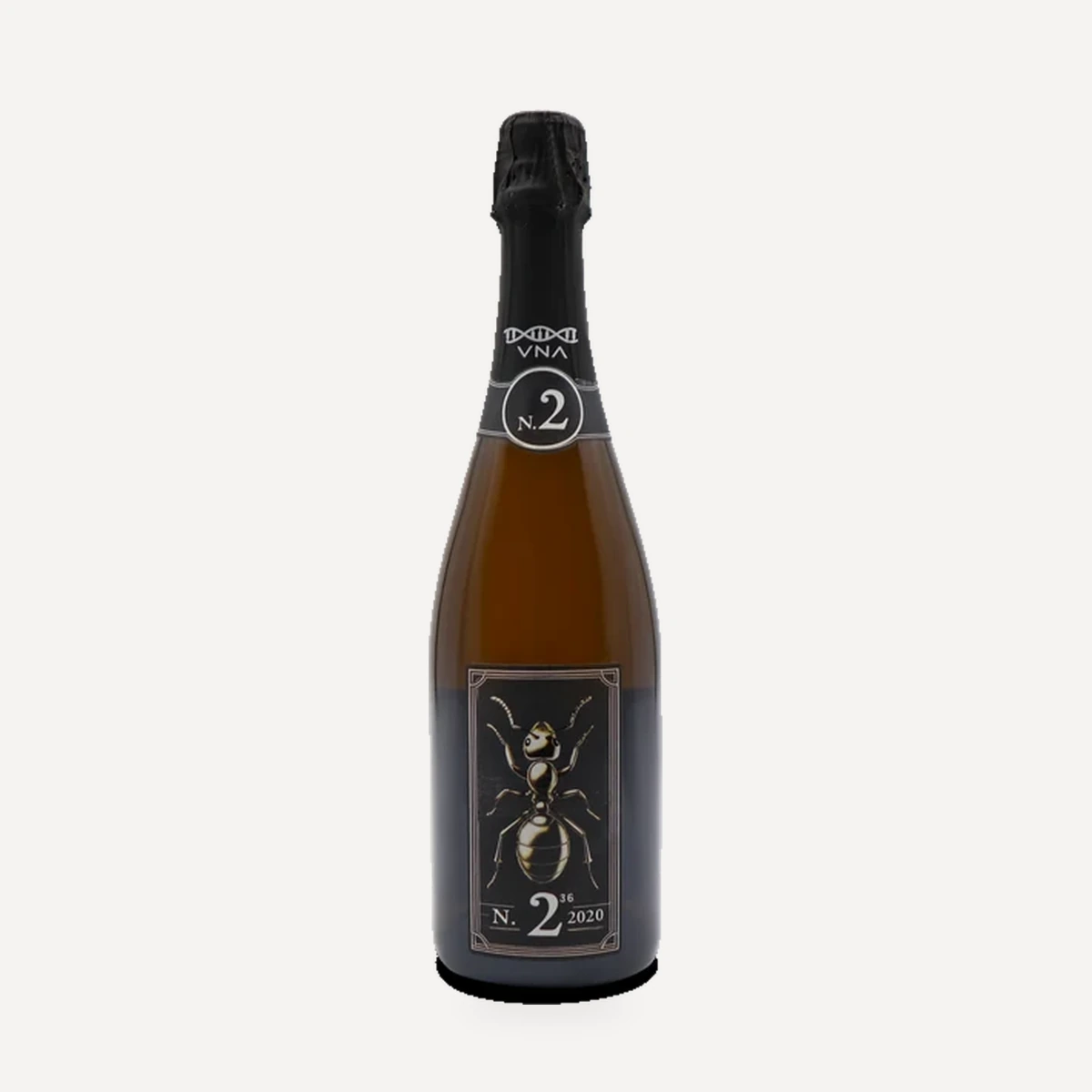
N° 2 36 Mesi
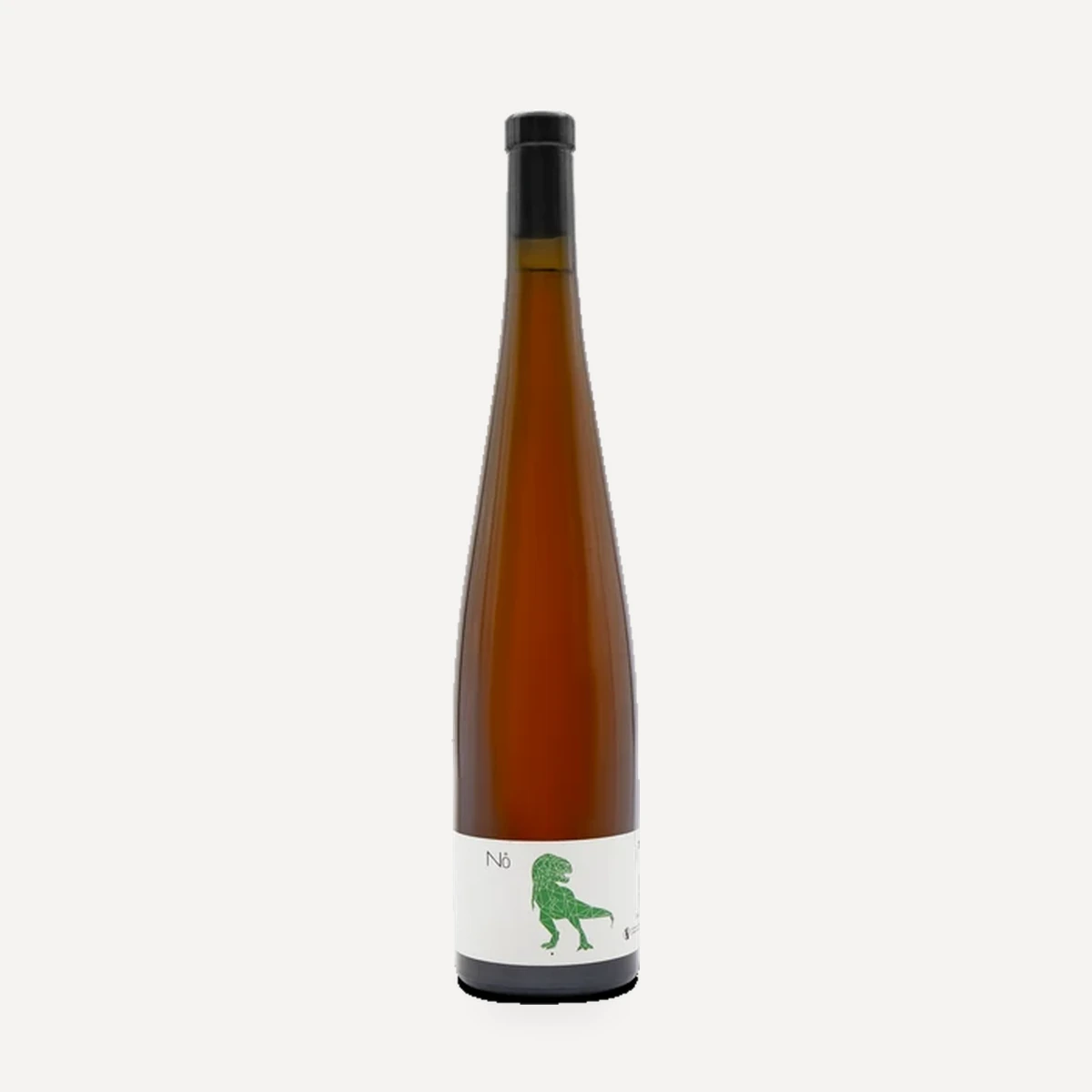
N° 0
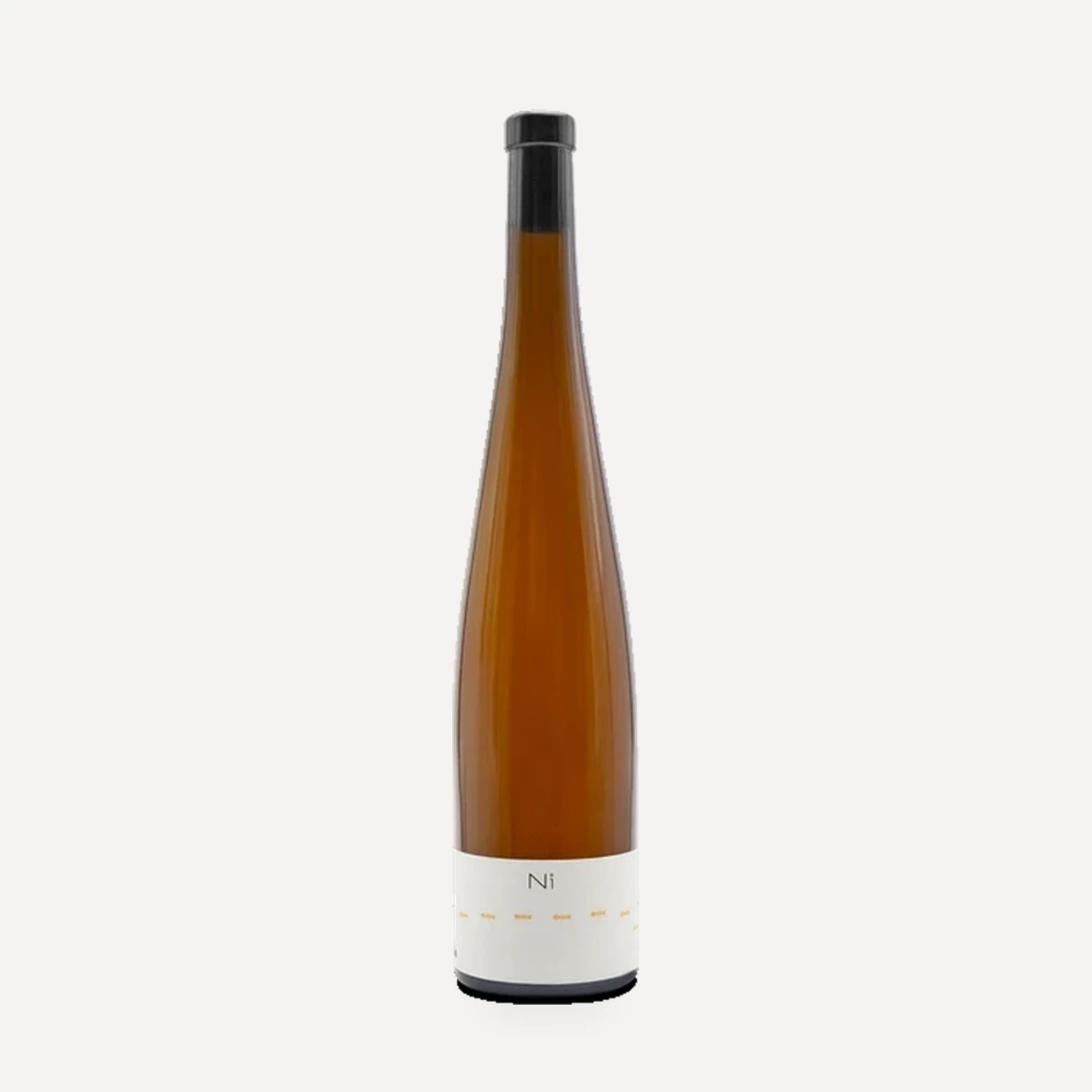
N° 1
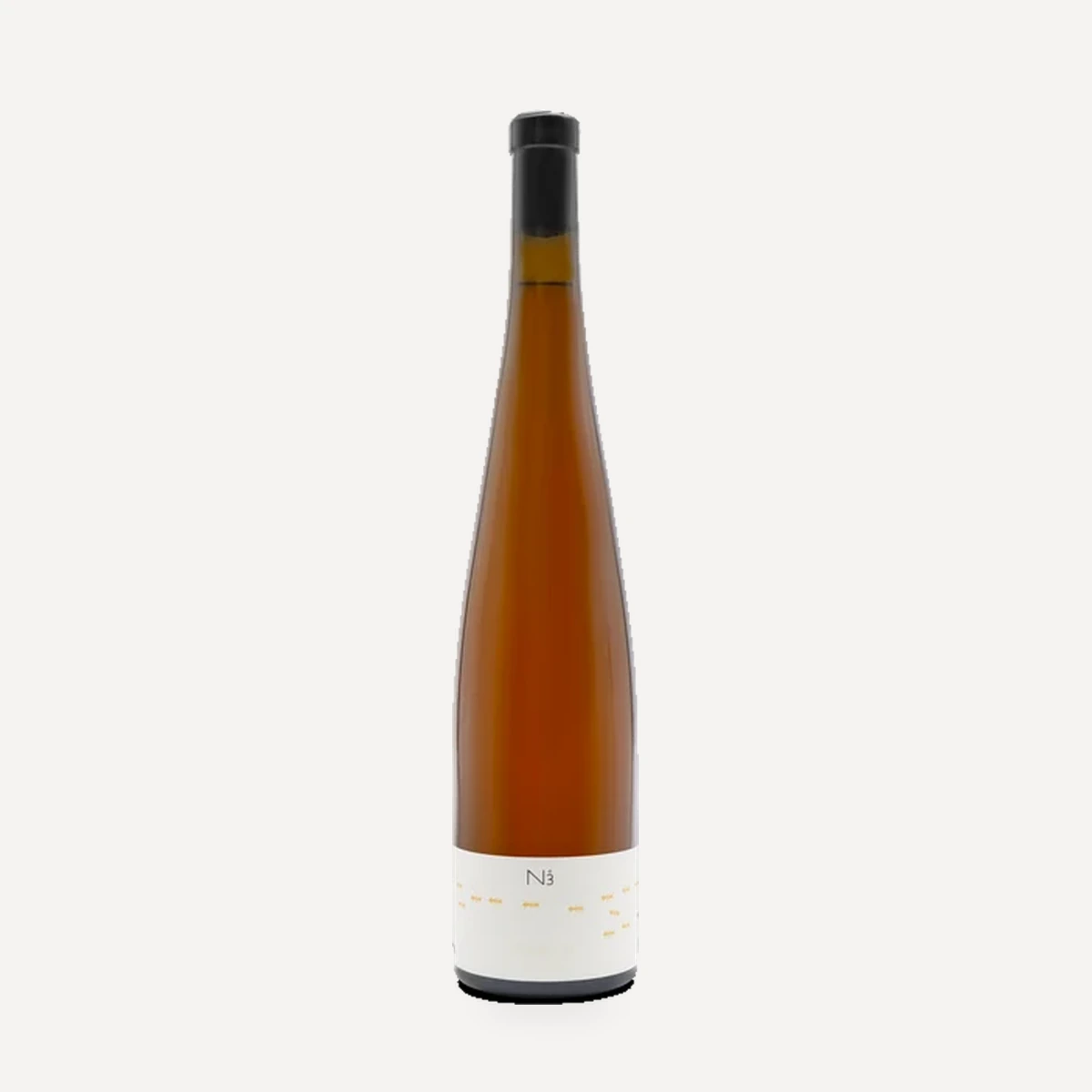
N° 3
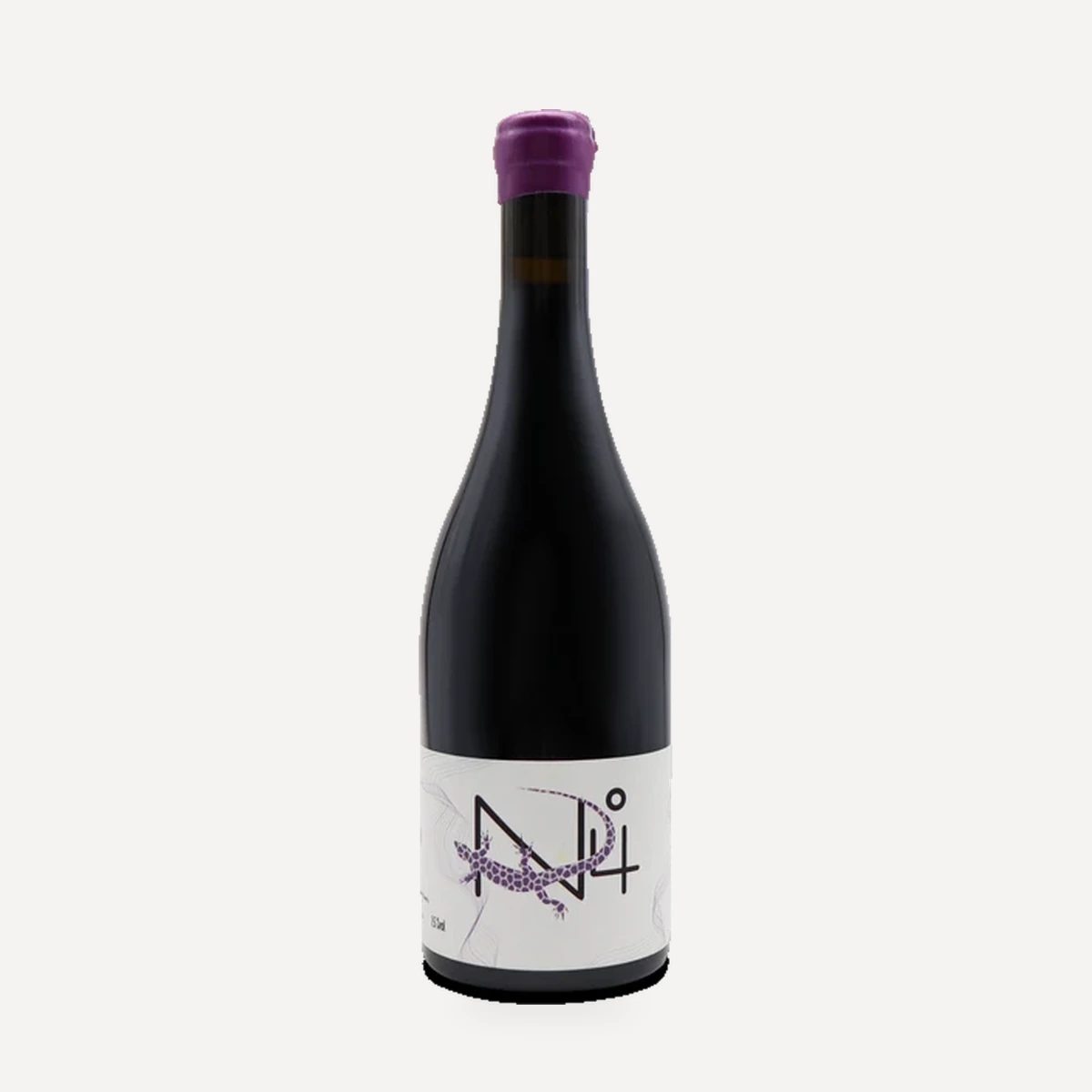
N° 4
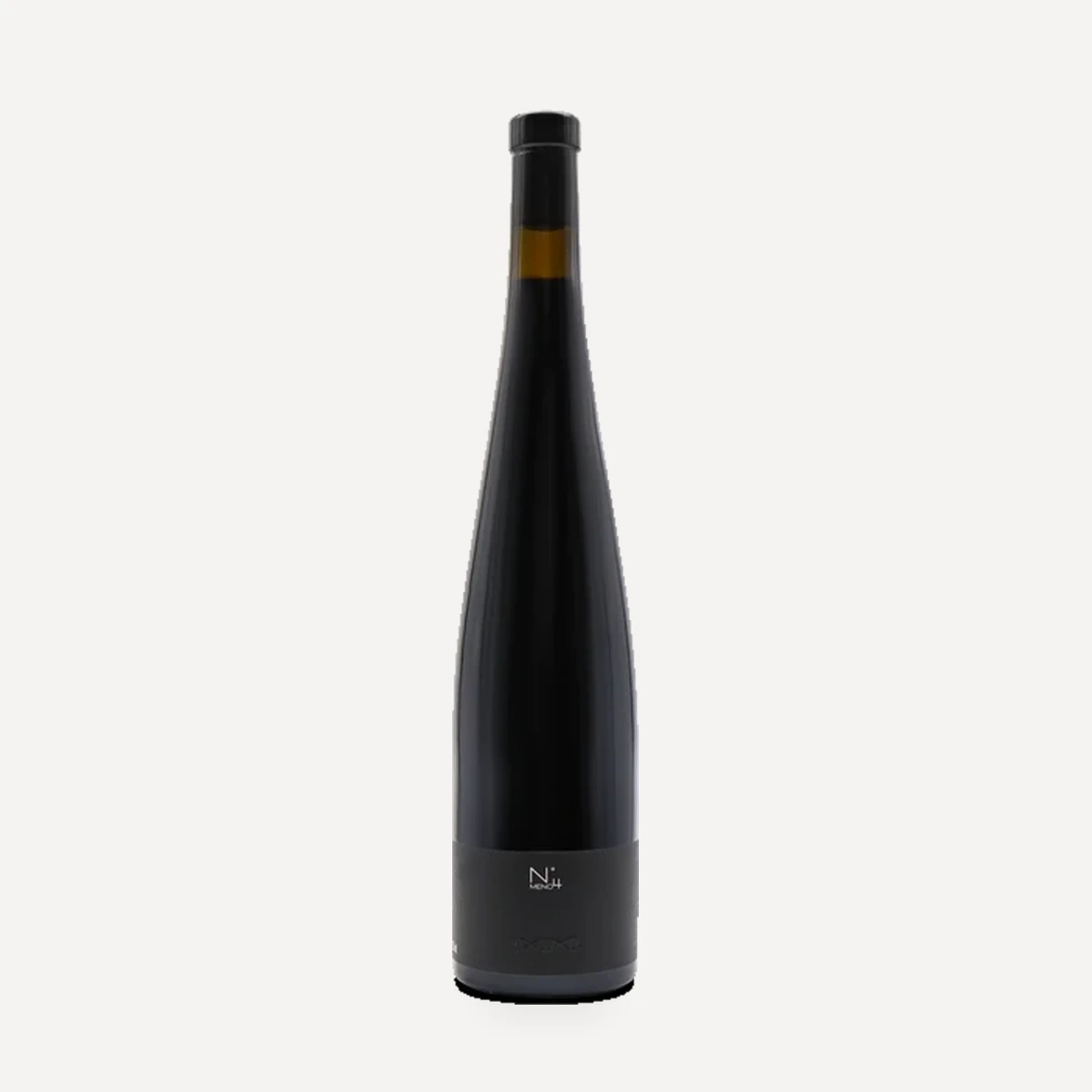
N° 4 Meno
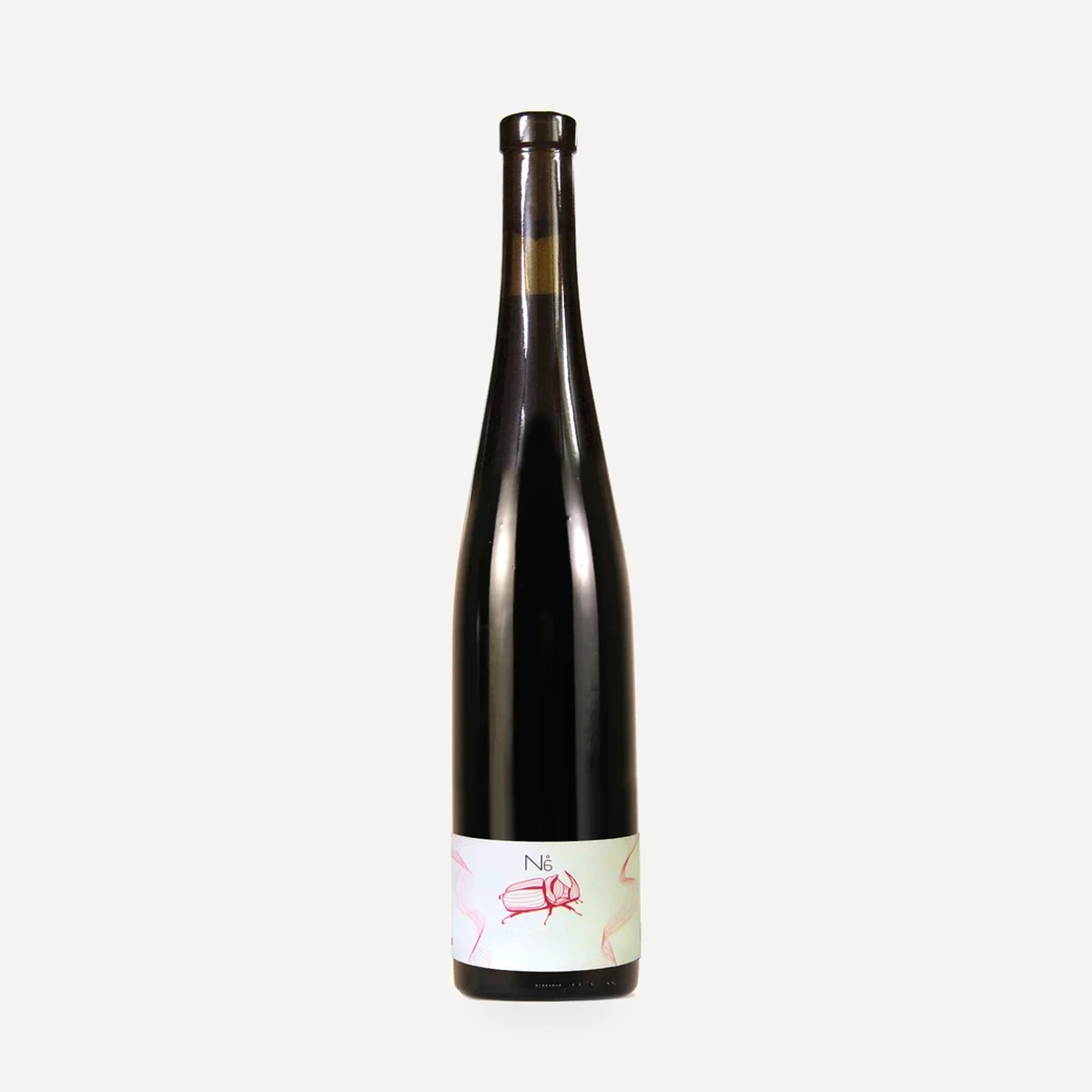
N° 6
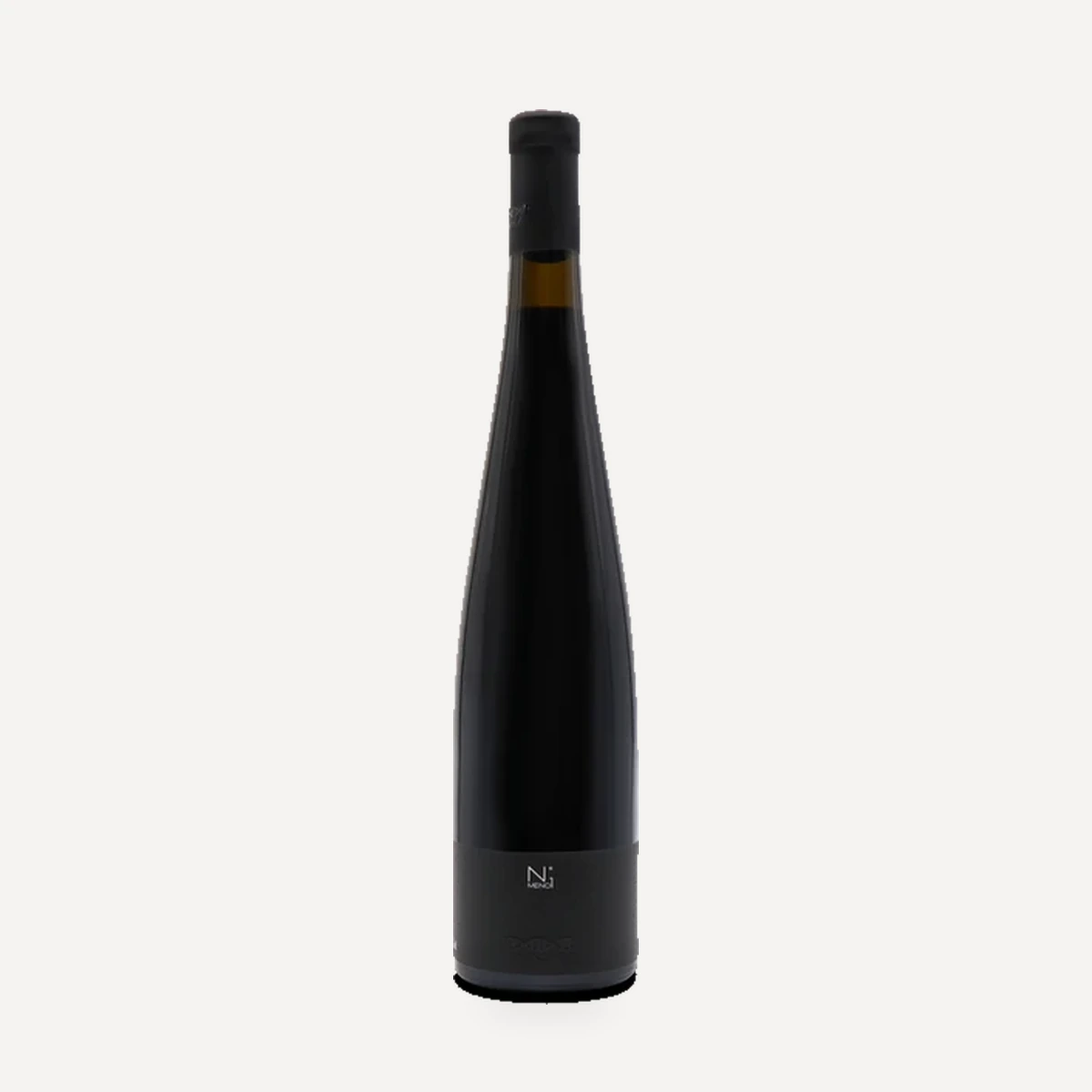
N° 1 Meno
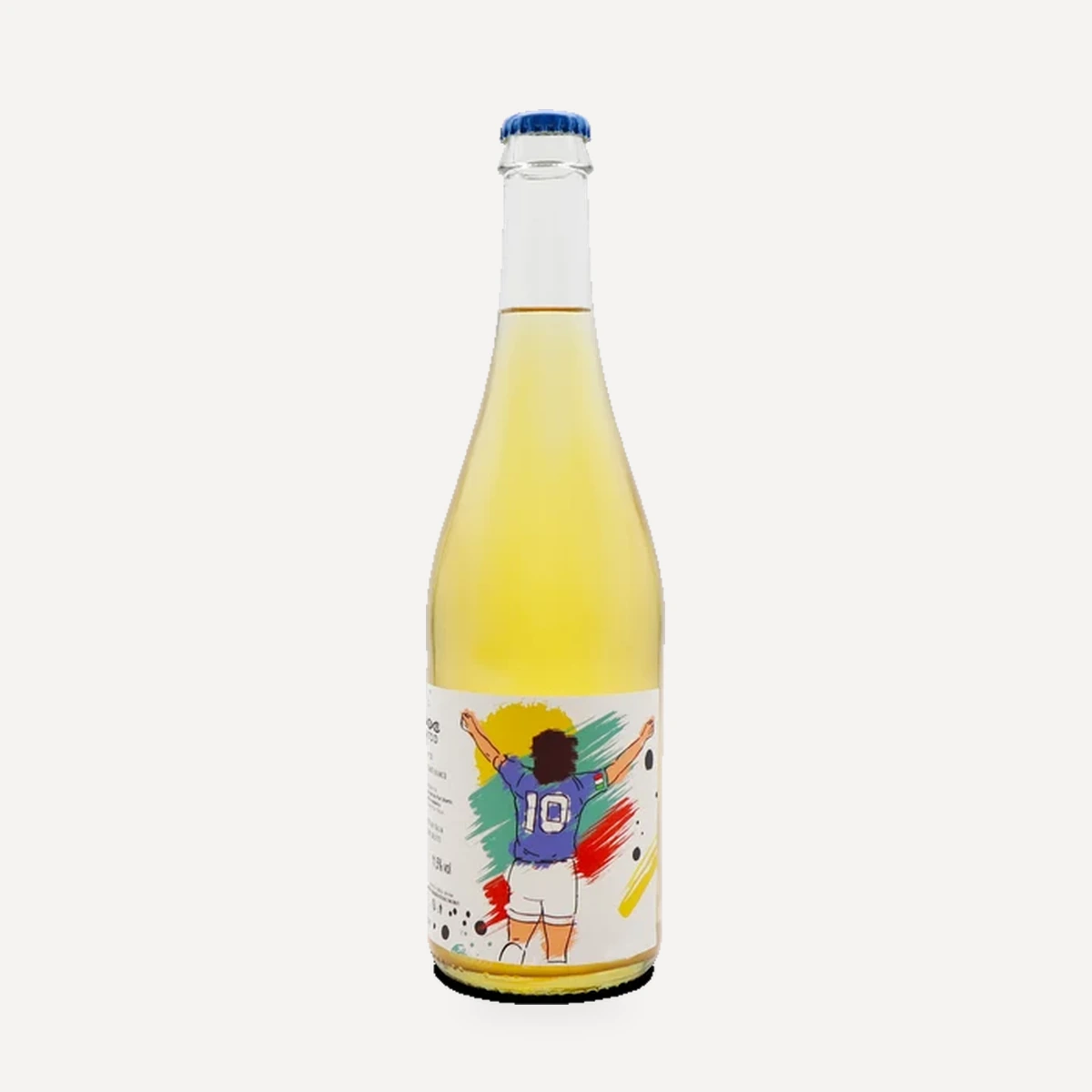
N° 10
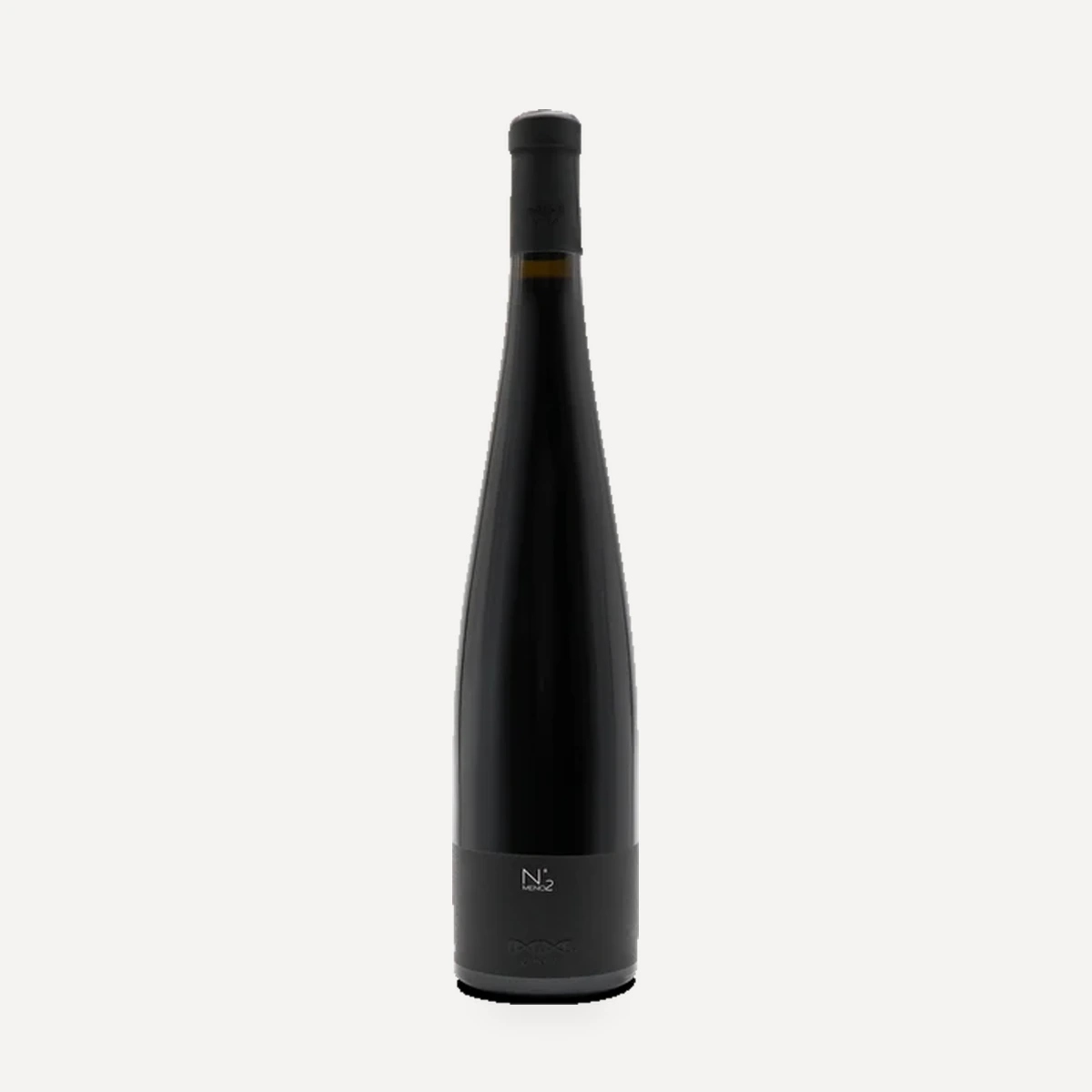
N° 2 Meno
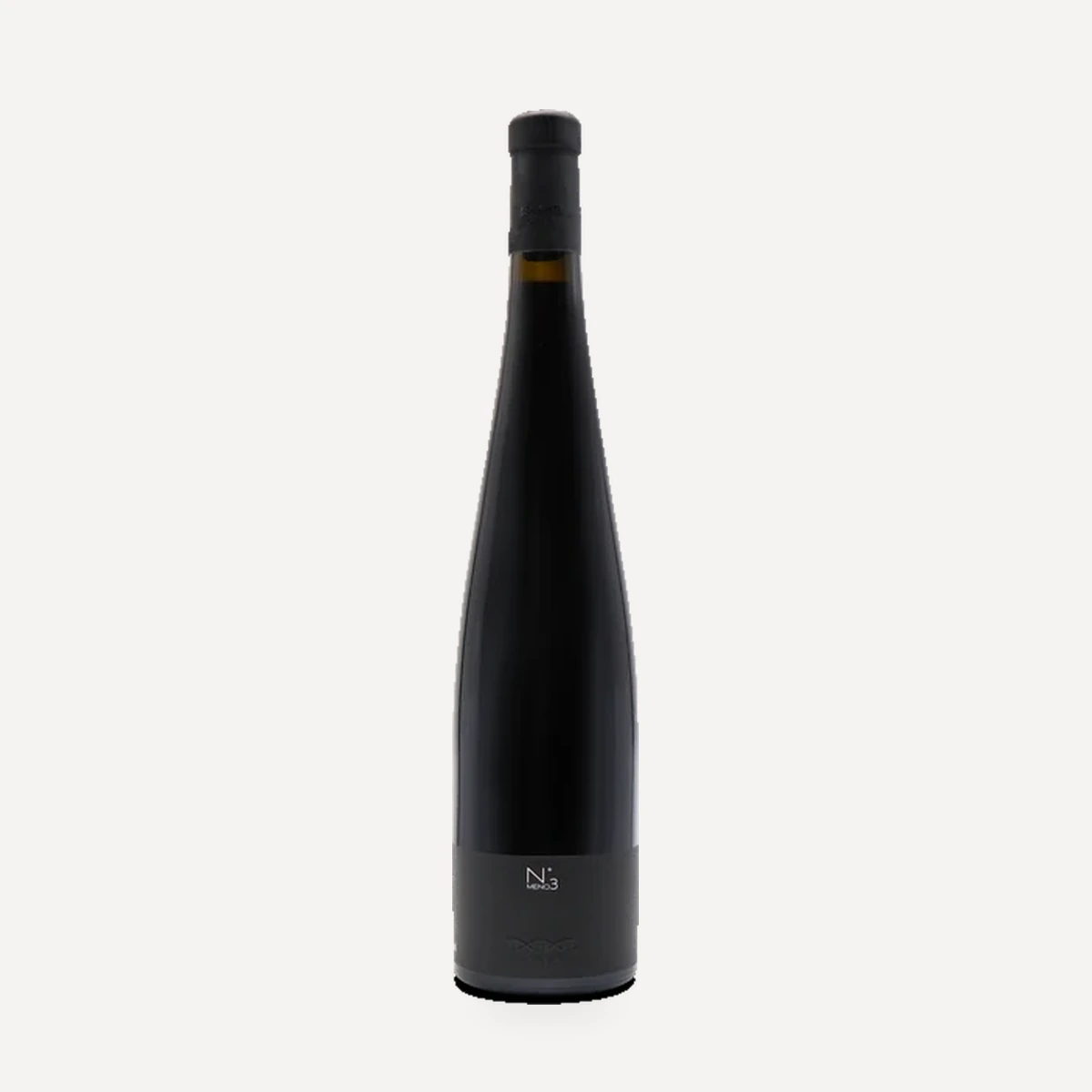
N° 3 Meno
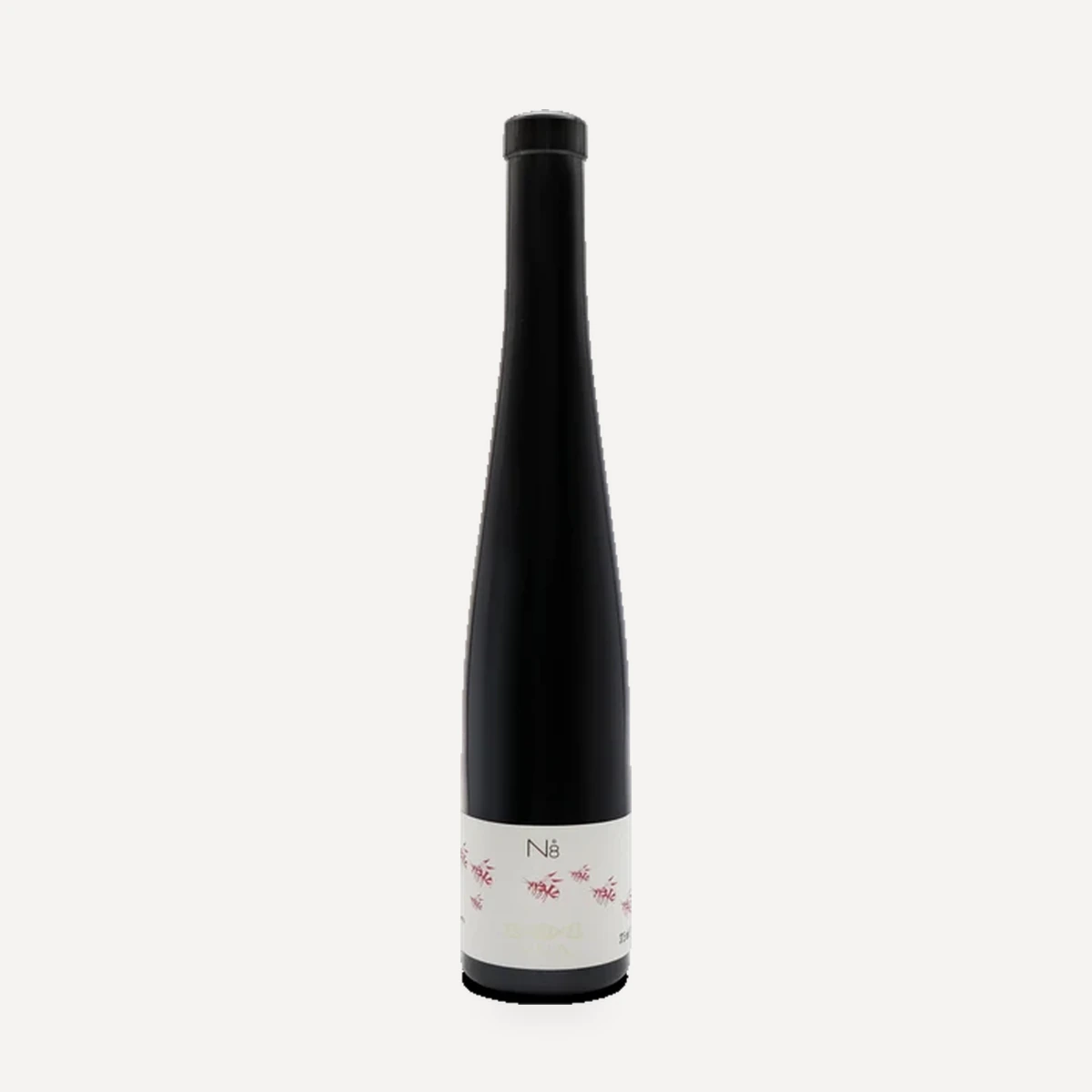
N° 8
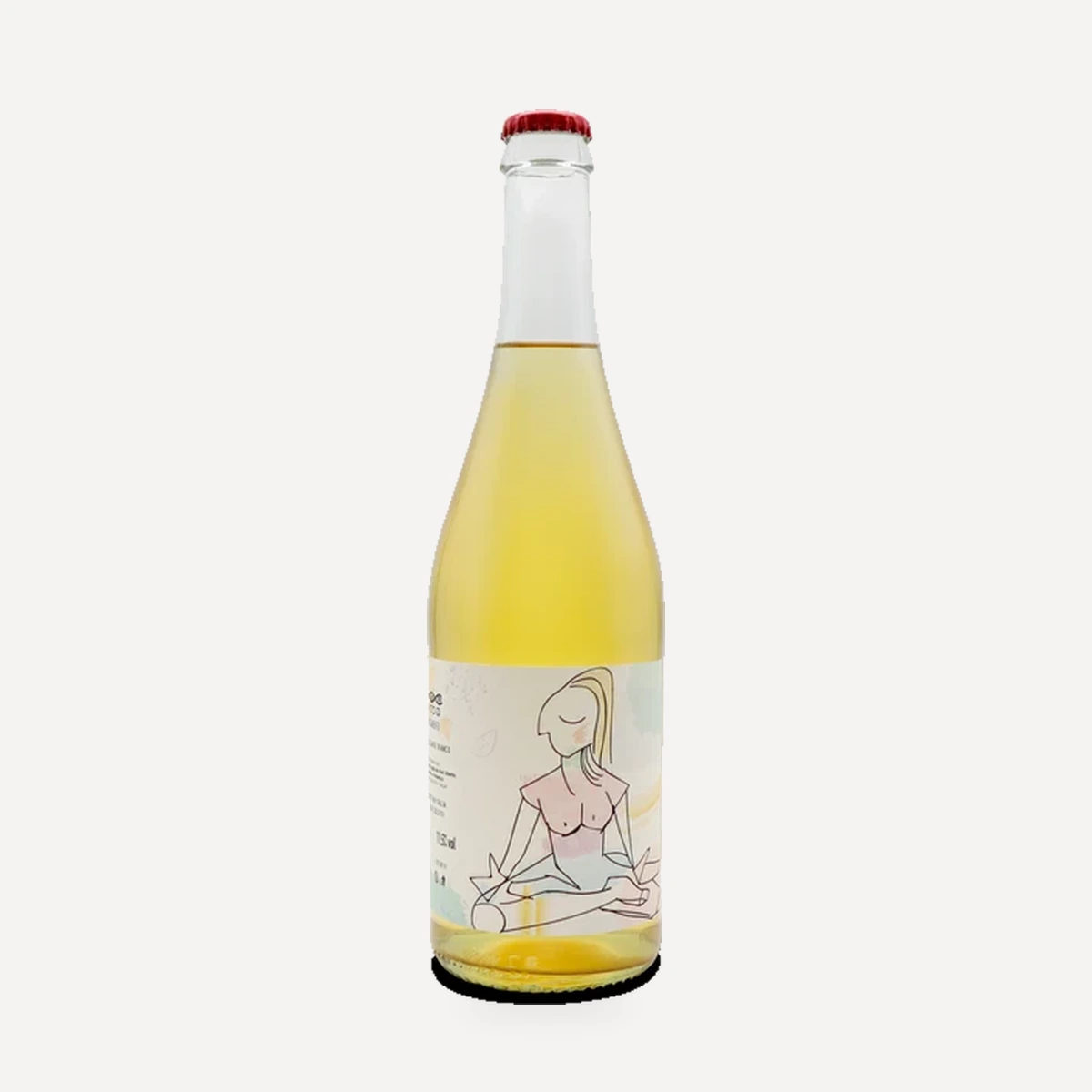
Radicamento
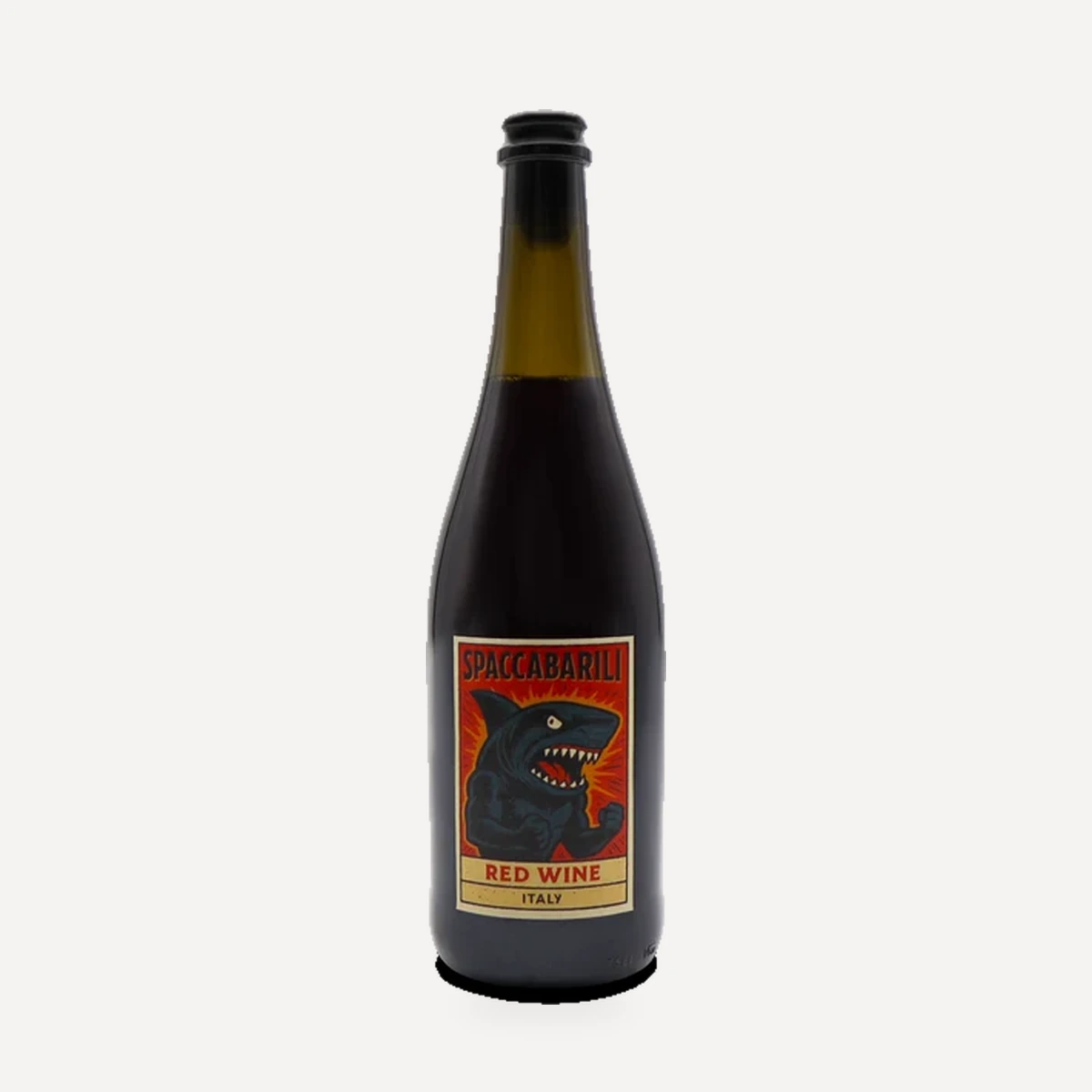
Spaccabarili