Storia
The Vogadori family at Vigolo
Vogadori is a family agricultural estate on the Vigolo hill in Negrar di Valpolicella, in the historic Classico sector of Valpolicella. The contemporary business is run directly by three brothers—Alberto, Gaetano and Emanuele Vogadori. They cultivate the vineyards, produce the wines and welcome visitors without employees in either the vineyards or cellar.
Family identity also shapes the names of individual wines. Raffaello Rosso Veronese was named for the brothers’ father, Raffaello, and created as a tribute to him.
Environmental development
The estate progressively formalized an environmental program covering vineyard inputs, water, energy and packaging. Natural fertilization replaced chemical fertilizer, grass is cut mechanically rather than controlled with herbicides, and insecticides are excluded. Plant-protection treatments are minimized, with sulfur and copper retained for vine protection. Roses planted at the ends of vineyard rows function as sentinel plants because powdery mildew generally appears on them several days before reaching the vines.
Packaging changes reduced the weight of the principal bottle formats by 150 g. Bottles used for Valpolicella and Ripasso fell from 650 g to 500 g, while those used for Recioto and Amarone fell from 700 g to 550 g. The reduction removes 150 kg of glass for every 1,000 bottles. A photovoltaic installation on the winery roof was designed to cover the estate’s annual electricity requirement.
2020: RRR certification
In 2020 Vogadori obtained RRR—“Riduci, Risparmia, Rispetta”—certification under the protocol adopted by the Consorzio per la Tutela dei Vini della Valpolicella. The protocol rationalizes fertilization, water use and protection against diseases and pests, seeking to reduce chemical intervention and limit treatments to demonstrated need.
Hospitality and direct contact
Hospitality developed as another part of the family operation. The brothers conduct visits through the vineyards, drying room and cellar, explaining the local grape varieties, harvest, natural appassimento, fermentation and maturation. A tourist apartment beside the winery, a one-night camper area and facilities for private, educational and corporate events extend this direct relationship with visitors.
Terroir
Vigolo hill
The winery and its surrounding vineyards occupy the Vigolo hill at Negrar di Valpolicella, within the historic Valpolicella Classica area. The property overlooks the Negrar valley, with Verona visible in the distance, and forms part of a mixed agricultural landscape of vineyards, olive trees and fruit orchards, including cherry trees.
Two vineyard situations are individually documented on the hill. A south-east-facing site has limestone soil and is associated with Corvina, Corvinone, Rondinella, Oseleta and Negrara. A south-west-facing site at 180 metres above sea level has clayey and chalky soil and is planted to Garganega.
Valpolicella setting
Valpolicella consists of alternating hills and valleys running broadly north to south. Different slopes and valleys create distinct climatic and pedological conditions. The Monti Lessini provide protection from the north during winter, while the generally southern exposure contributes to a mild climate in which olive trees and cypresses grow. Meadows, pasture and cherry orchards occupy higher ground, while vineyard-covered slopes descend toward increasingly urbanized valley floors.
Within the vineyards, soil composition and position influence both water availability and drainage. Hillside, well-drained sites are considered favorable for viticulture, although they provide less readily available water. Solar exposure, precipitation, day–night temperature variation, plant material and the individual requirements of each variety are treated as interconnected factors in vine development.
Vinificazione
Vogadori links wine quality to direct cultivation of its own grapes. Its approach treats the vine as a perennial plant requiring balanced, durable care and rejects excessive exploitation that would impoverish the soil.
The estate uses natural fertilization rather than chemical fertilizer. Herbicides are replaced by mechanical grass cutting, insecticides are excluded and vineyard treatments are reduced to a minimum. Sulfur and copper remain part of the protection program. Roses planted at the ends of rows serve as sentinel plants: powdery mildew tends to appear on them several days before reaching the vines, helping the family time and limit antifungal treatments.
The vineyards have held RRR—“Riduci, Risparmia, Rispetta”—certification since 2020. Adopted by the Consorzio per la Tutela dei Vini della Valpolicella, the protocol covers fertilization, responsible water use and protection from diseases and pests, with chemical intervention restricted to situations of genuine need.
Pruning and training vary with the site and variety. Corvina has high vigor and regular but moderate productivity; it receives short pruning and is trained in the pergola veronese system. Corvinone favors ventilated, well-exposed hillside positions, receives long pruning and is also trained to pergola veronese. Rondinella has moderate vigor and high, regular productivity; it favors long pruning and medium-to-expanded training systems. Oseleta is described as both highly vigorous and highly productive. Late-ripening Negrara has high vigor and regular, high productivity and is trained to pergola veronese.
For appassimento, healthy, fully ripe bunches are selected manually during September. The chosen bunches must be sufficiently loose to permit air circulation. Harvesting avoids the hottest hours, and the fruit is placed in small boxes or on racks to prevent crushing. It is transported promptly to the winery and periodically inspected during drying.
Harvest and natural appassimento
Healthy, fully ripe bunches destined for dried-grape wines are selected manually. The best, sufficiently loose bunches are arranged in small boxes or on racks so that air can circulate without crushing the berries. They are transferred promptly to the fruttaio, a large drying room above the cellar, and checked periodically throughout appassimento.
Natural drying generally lasts three to four months and may continue until January or February, depending on the vintage and weather. Crushing can be advanced or delayed in response to natural conditions. The grapes lose approximately 40–45% of their original weight, concentrating sugars, acidity, aroma precursors and extract. The reduction in water also changes berry metabolism, the relationship between glucose and fructose, malic and tartaric acidity, polyphenols, volatile compounds, skin composition and the extractability of berry constituents.
Destemming and crushing
Dried grapes for Amarone and Recioto are destemmed gently. A rotating paddle shaft inside a perforated cylinder separates berries from stalks by centrifugal force while seeking to avoid damage and the extraction of unwanted stalk compounds. Food-grade rubber rollers then crush the berries. A pump transfers the must to a temperature-controlled stainless-steel fermenter equipped for pumping over and for extracting the pomace after fermentation.
Fermentation and cap management
Fermentation takes place in temperature-controlled stainless-steel tanks using yeasts naturally present on the grapes. The sugar concentration created by appassimento makes fermentation comparatively slow and delicate. Documented examples required around 40 days or more than 50 days. During these long fermentations, the cap is gently broken with air three times per day to improve extraction from the skins.
For dry Amarone, fermentation continues until the concentrated sugars have been converted into alcohol. For sweet Recioto, fermentation is arrested earlier so that substantial residual sugar remains. The production sequence for Amarone also includes malolactic fermentation.
Maturation
After fermentation, wines may mature in steel and wooden vessels. Oak is used alongside Italian cherry-wood barriques. One documented maturation program uses Italian cherry barriques for six to eight months, while another uses French oak for twelve months. Amarone follows a substantially longer development in wooden vessels and bottle; one documented production cycle anticipated four to five years before release and tasting.
From manual harvest to appassimento, crushing, fermentation, maturation and bottling, the production sequence remains under the direct supervision of the Vogadori family.
Filosofia
Vogadori defines its identity through direct family involvement. Alberto, Gaetano and Emanuele work together in the vineyards and cellar and personally receive guests. They produce wines aligned with their own preferences while preserving the grapes and methods associated with Valpolicella, especially manual selection, natural appassimento and long fermentation.
The family presents environmental care as a practical responsibility rather than a separate activity. Natural fertilization, mechanical grass control, minimized plant-protection treatments, responsible water use, renewable electricity and lighter packaging all form part of this approach. RRR certification provides a formal framework for decisions concerning fertilization, water and vineyard protection.
The agricultural philosophy emphasizes balance and continuity. Vineyards are not to be exhausted for short-term production; each variety and site requires its own pruning, training and cultivation decisions. In the drying room, the timing of pressing responds to weather and the condition of the grapes rather than a rigid calendar.
Hospitality is used to communicate the relationship among family, land and production. Vineyard and cellar visits trace the complete path from the vine through the drying room, fermentation and maturation, placing the wines within the landscape and traditions of Negrar and Valpolicella Classica.
Vini
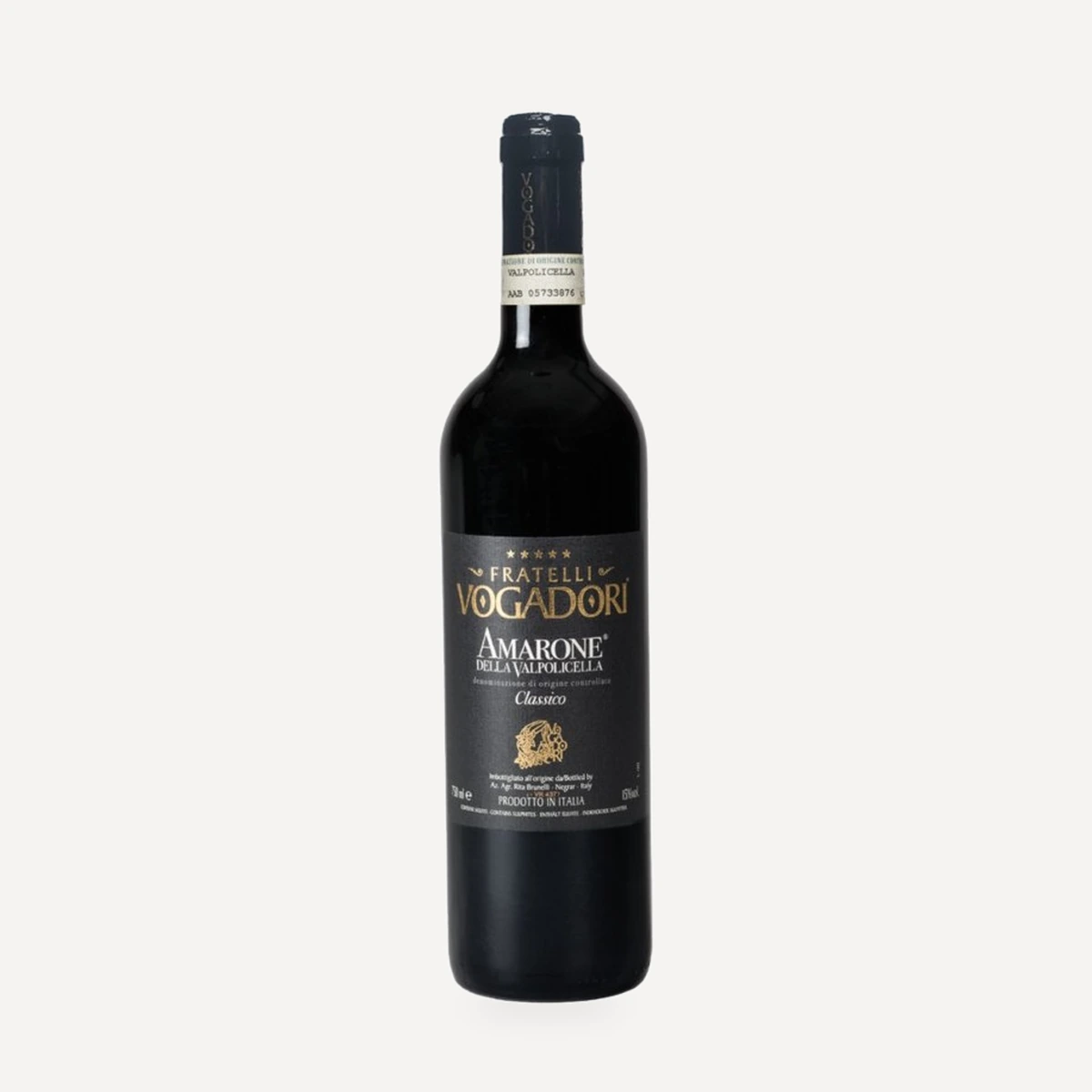
Amarone della Valpolicella
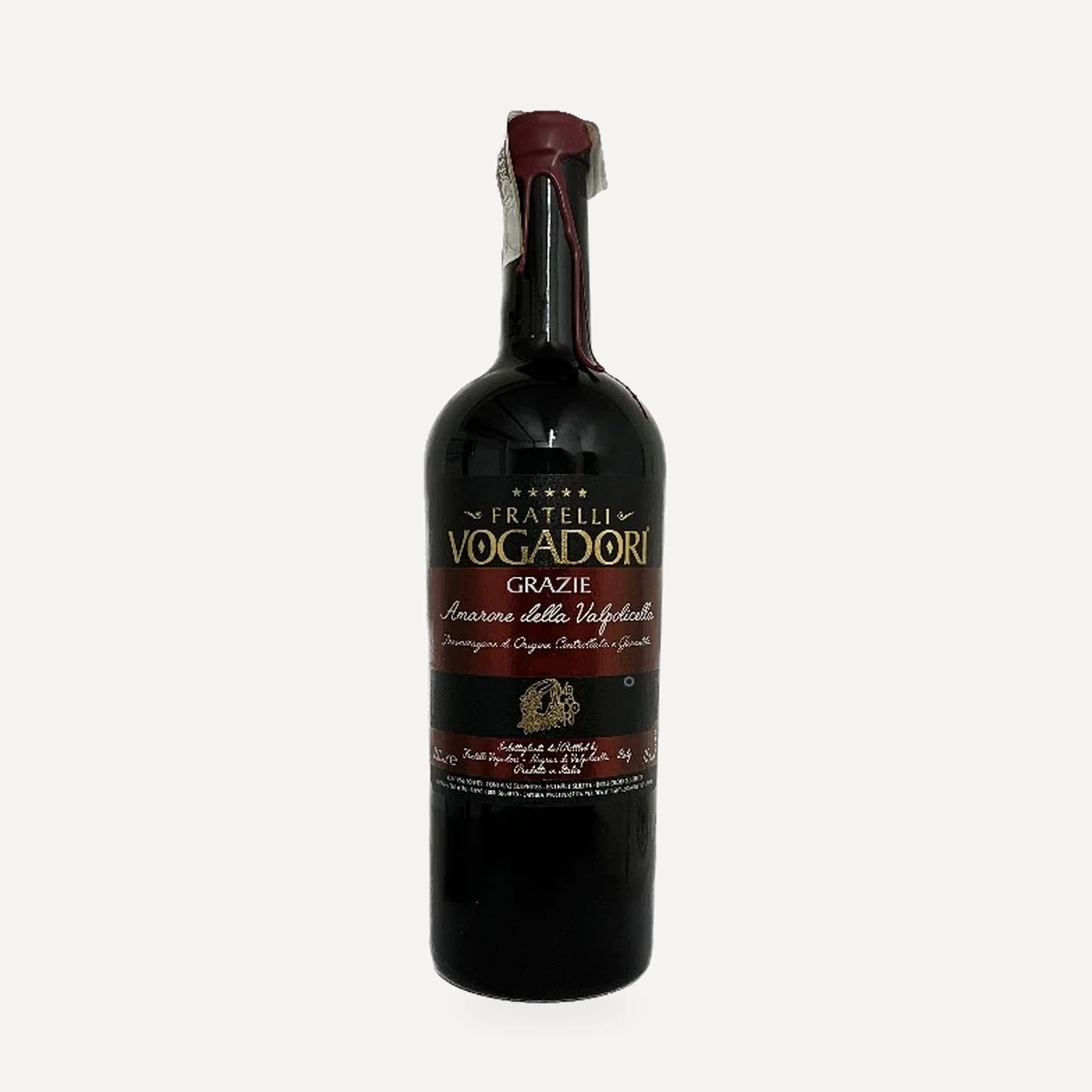
Amarone della Valpolicella Classico Riserva Grazie
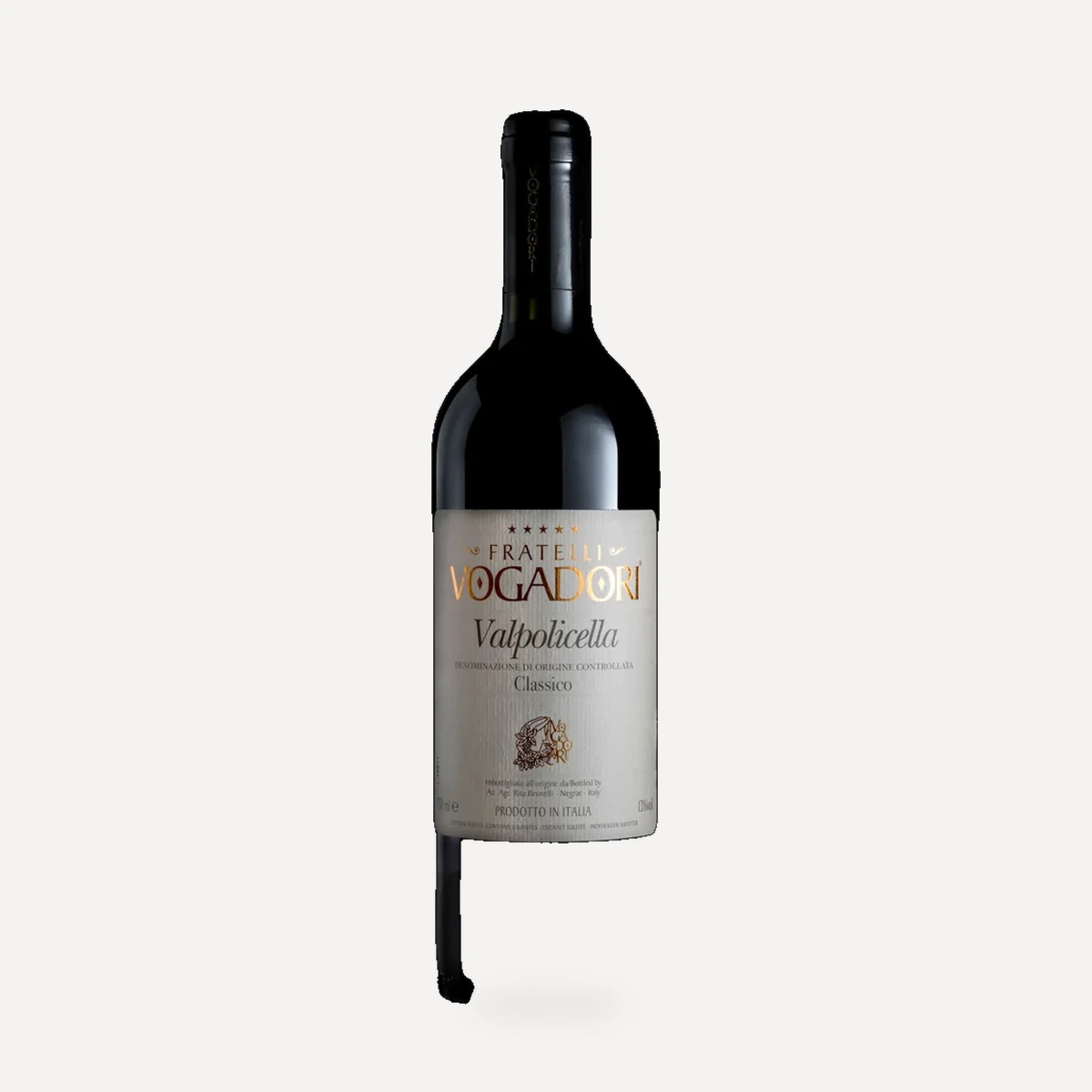
Valpolicella Classico
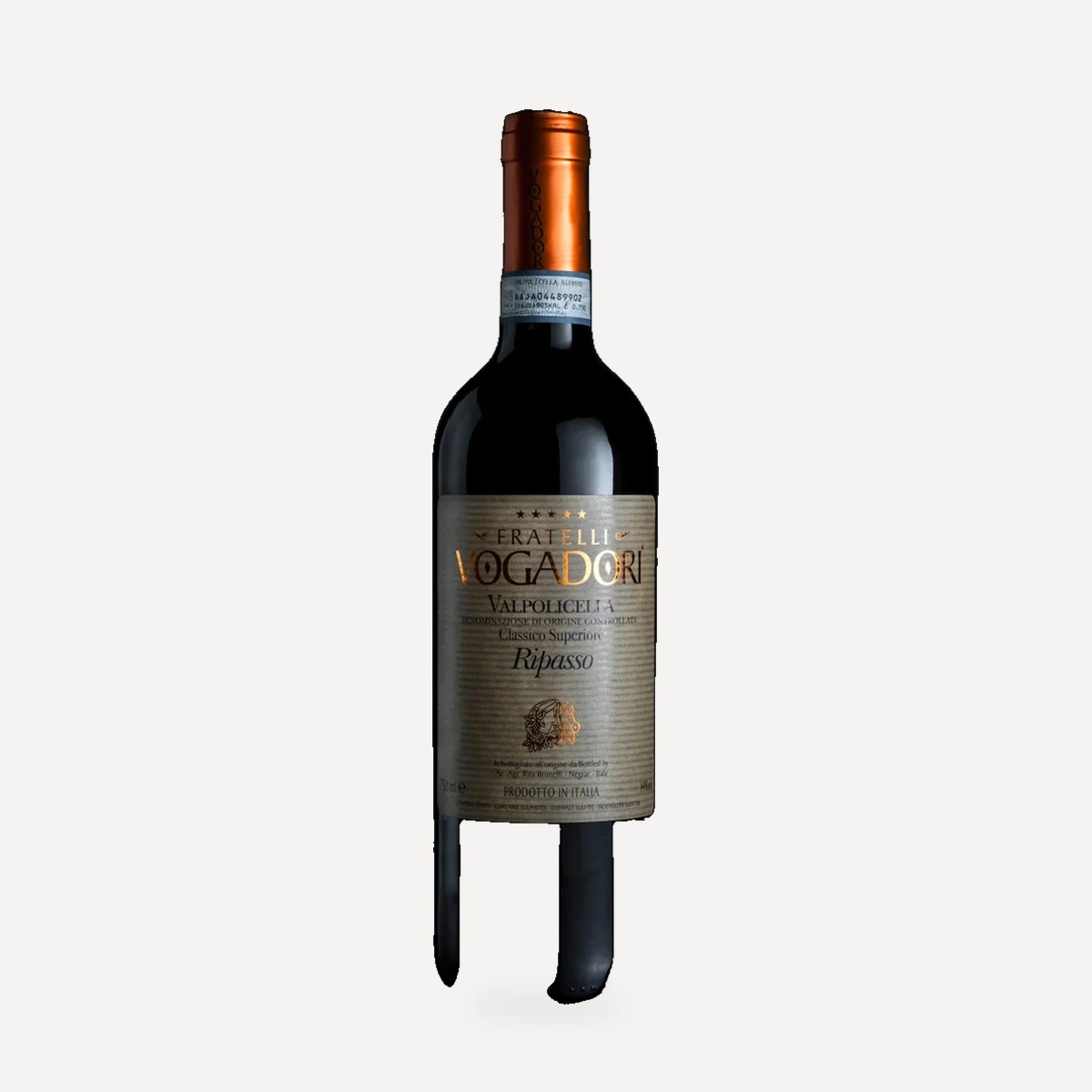
Valpolicella Ripasso Classico Superiore
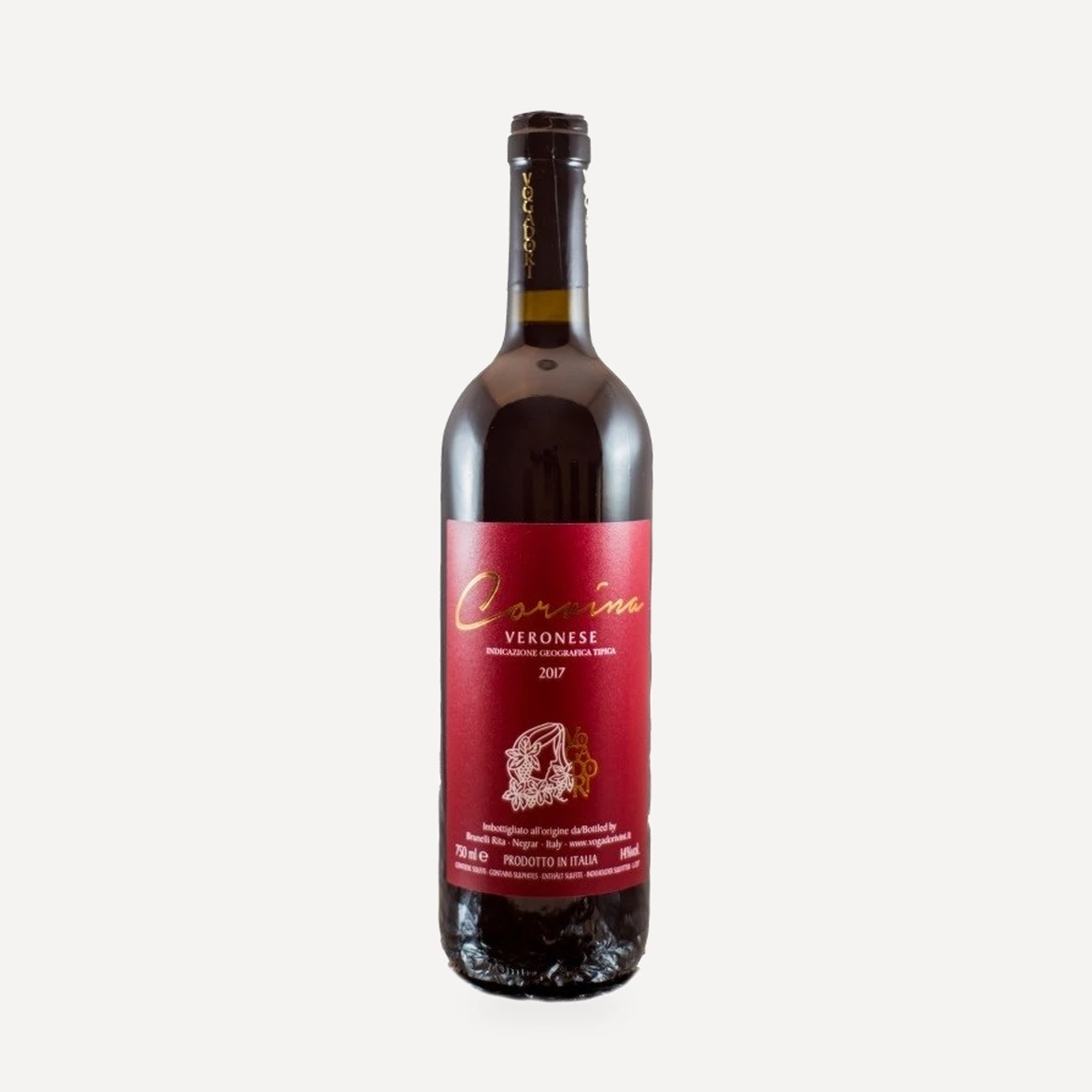
Corvina Veronese
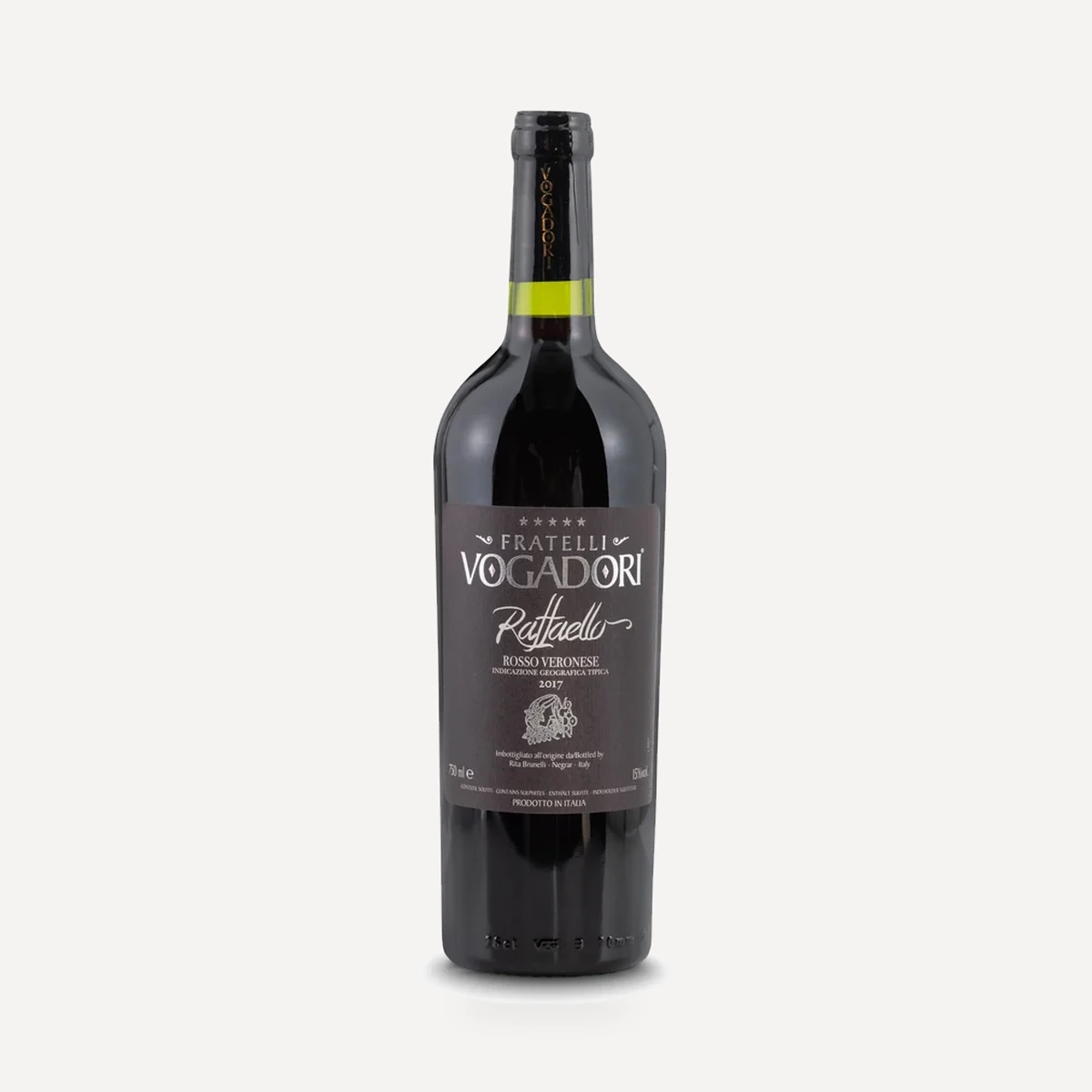
Raffaello Rosso Veronese
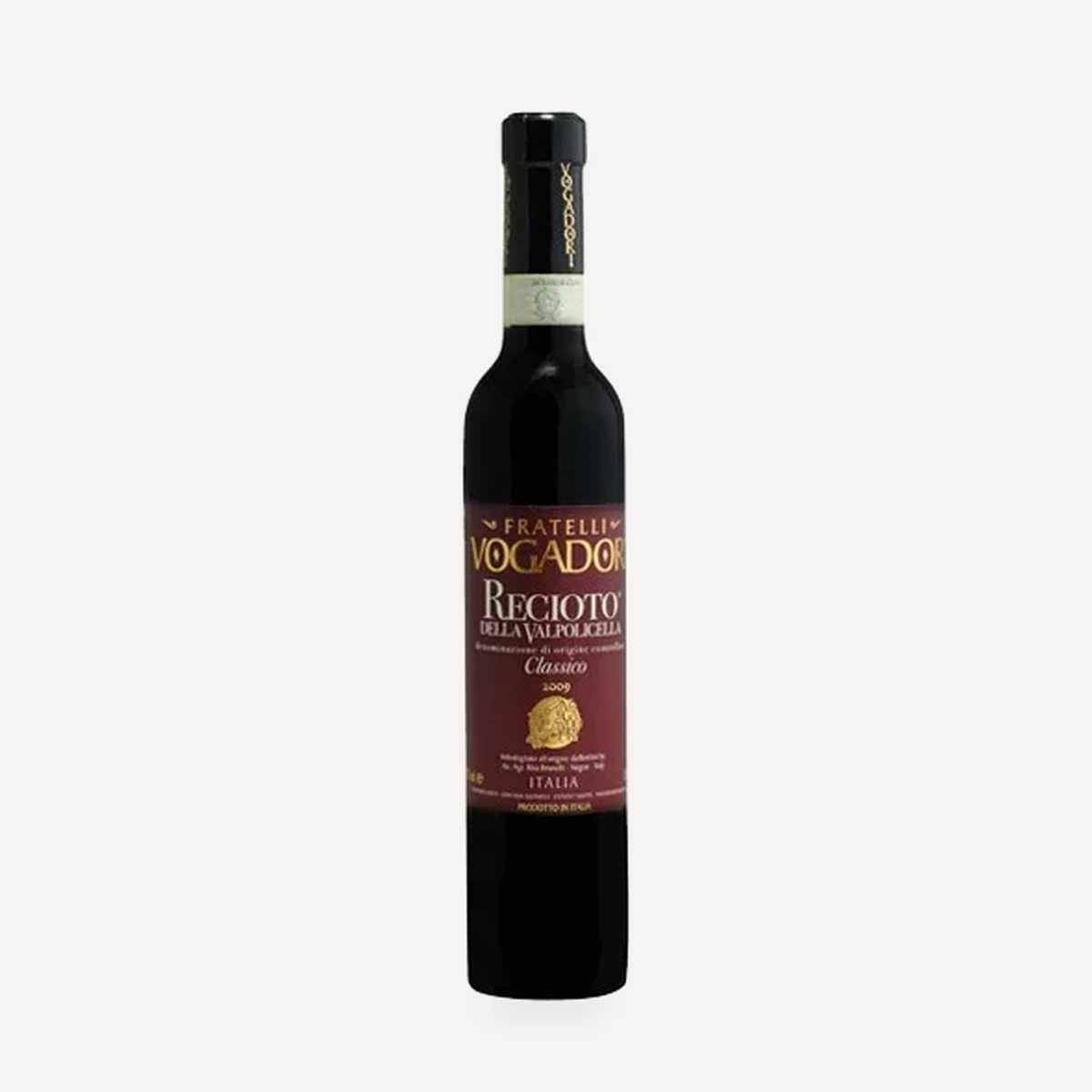
Recioto della Valpolicella
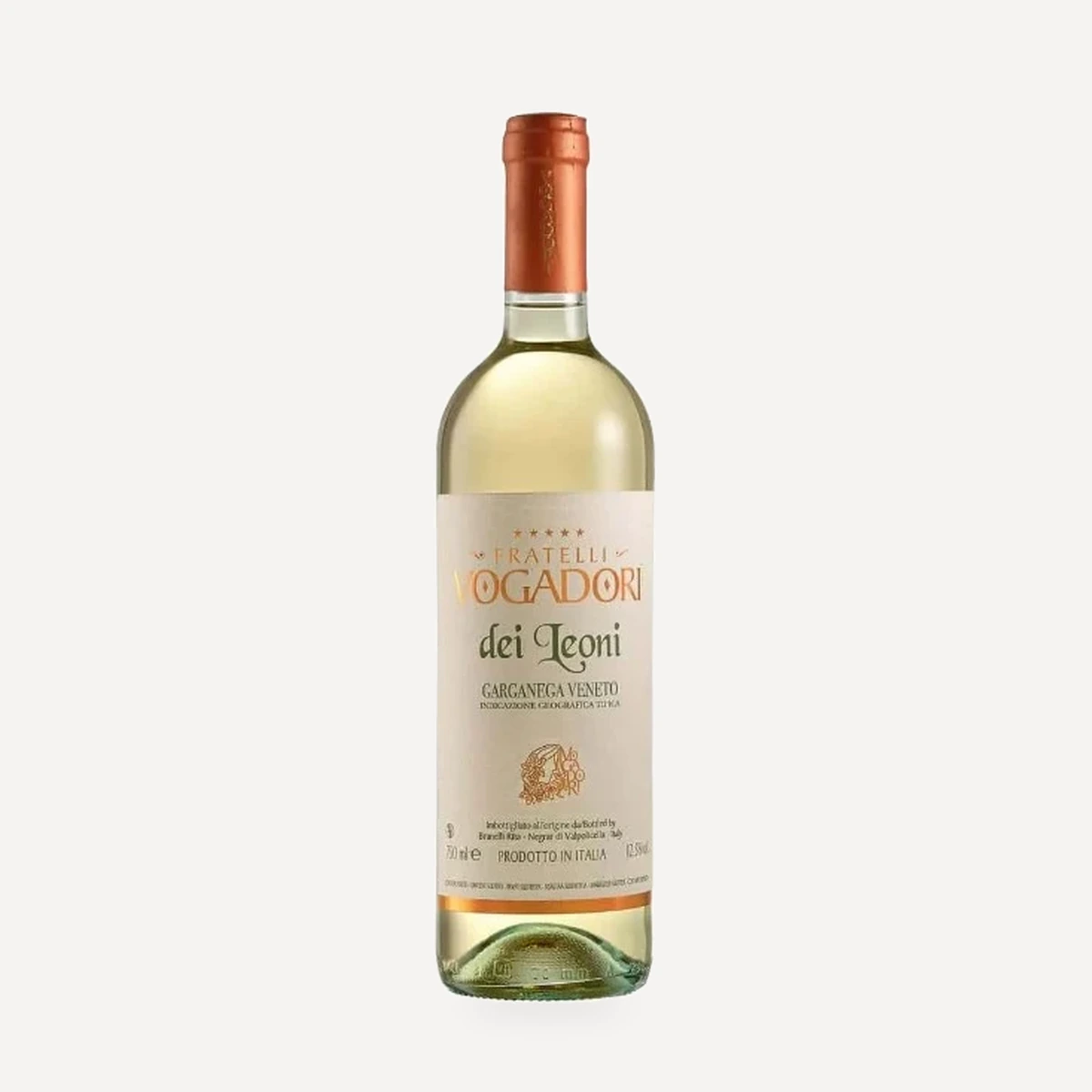
Bianco Verona IGT
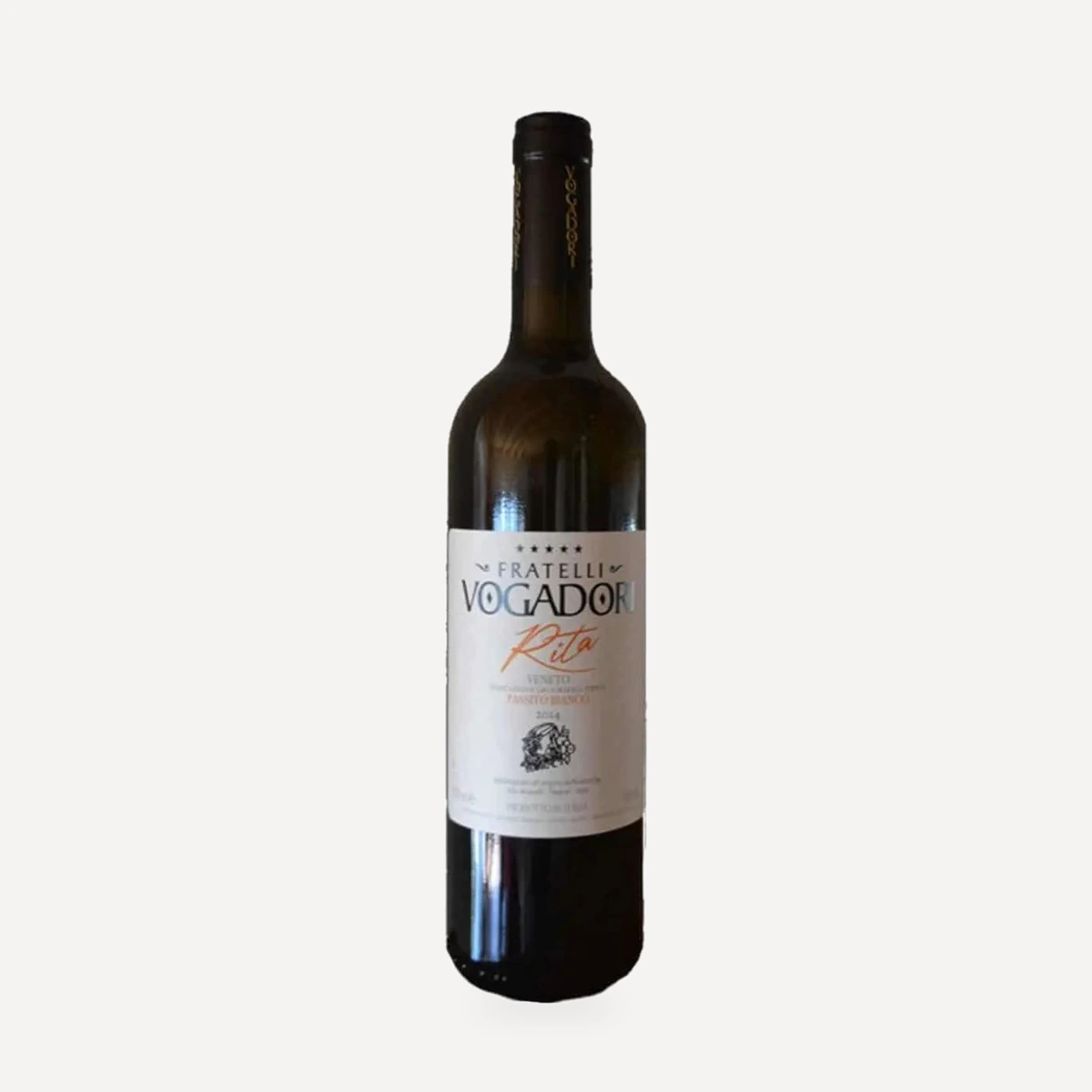
Rita Rosso Veronese
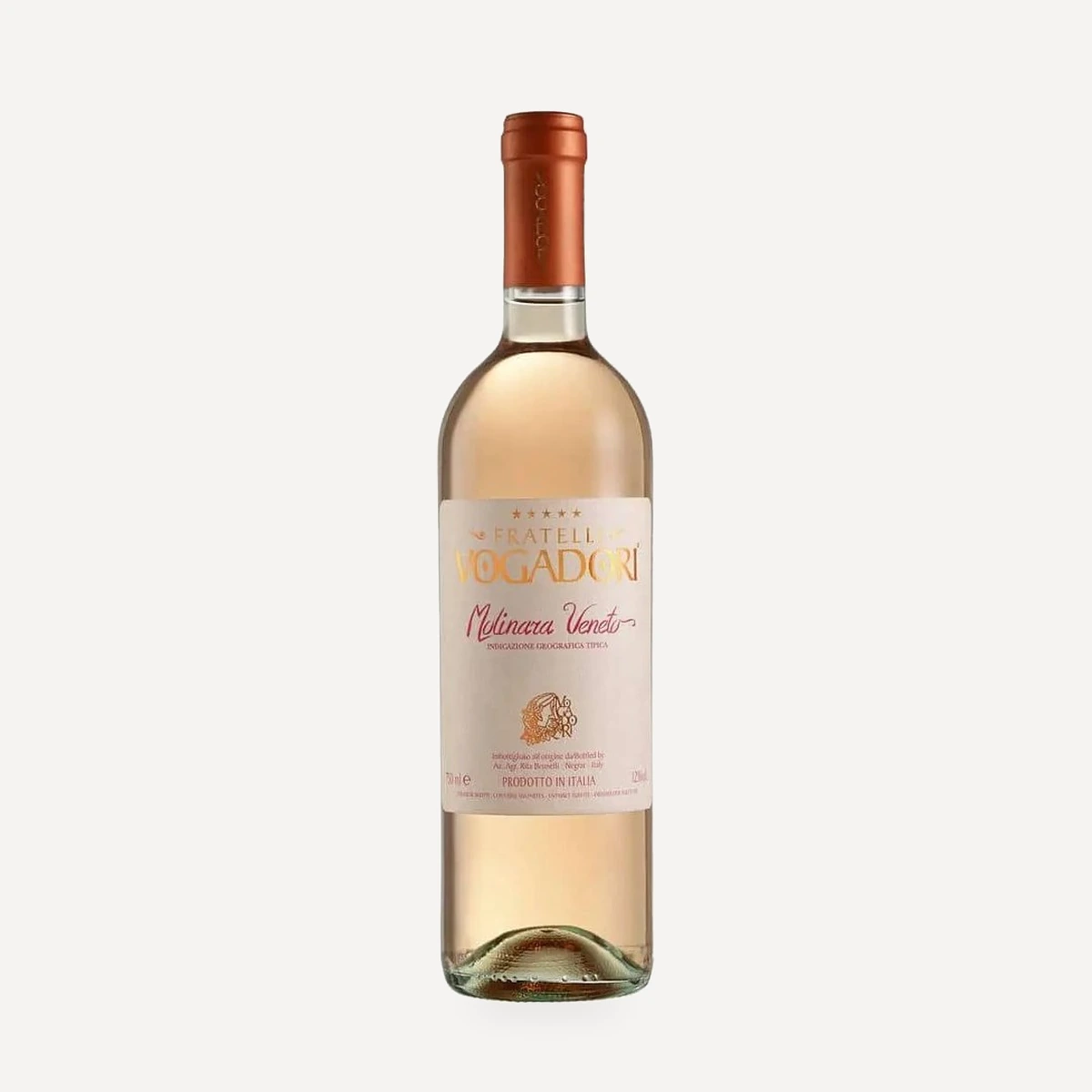
Molinara Rosato
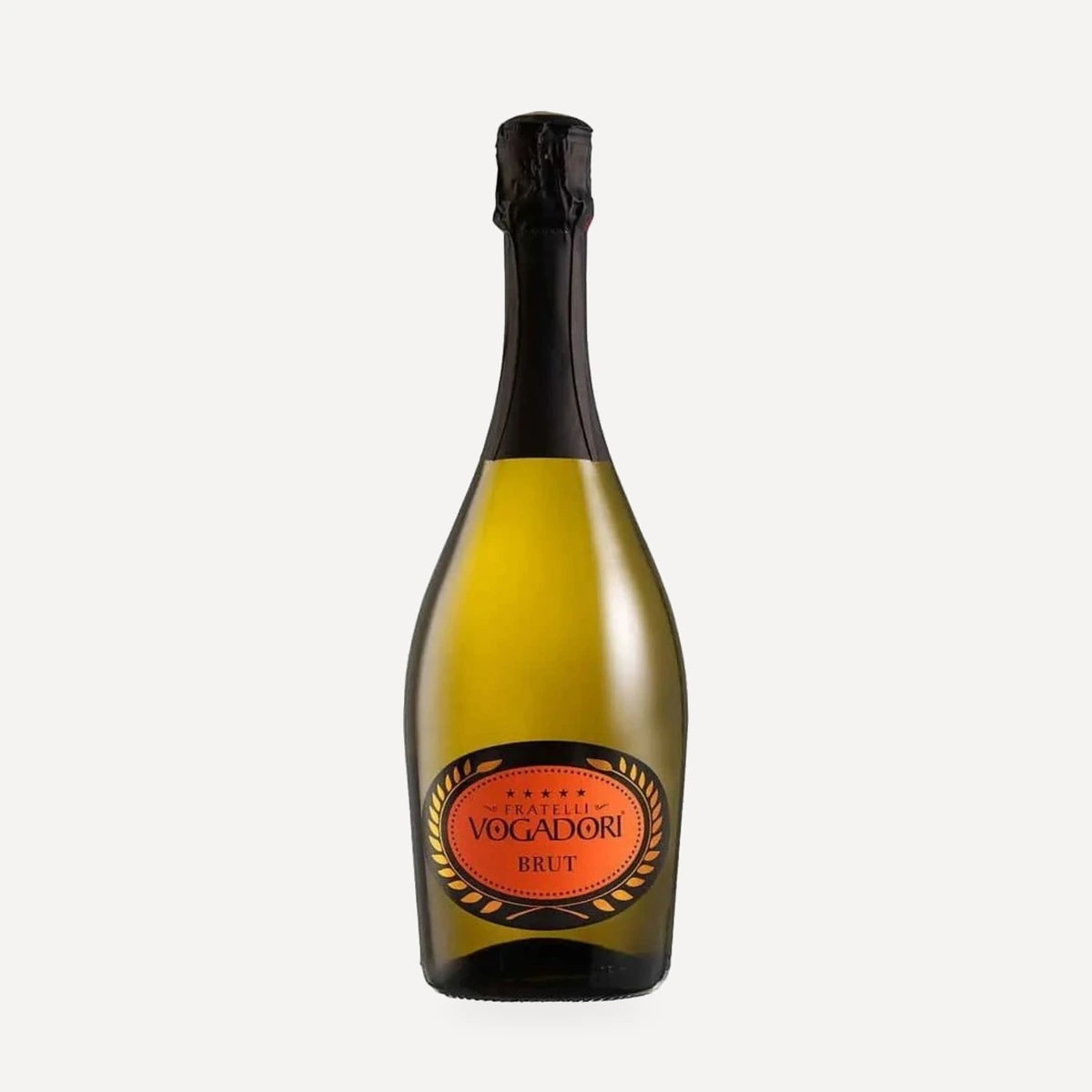
Spumante Brut