Storia
Volcanic origins and the name
The geological history of Volcanalia’s home reaches back approximately 45 million years, when the area around present-day Gambellara was volcanic. Eruptions formed the dark basaltic rock that now characterizes the principal vineyards.
The project takes its name from the Volcanalia, the ancient Roman festival held on 23 August at the end of the harvest season in honour of Vulcan, the god associated with the elemental force of fire. Known to the Greeks as Hephaestus, Vulcan supplies the project with a symbolic link between fire, solar energy, purification and the volcanic ground of Gambellara.
The old vineyards
The first planting associated with the principal Garganega vineyards dates to 1968. The vines occupy terraces at Agugliana, above Gambellara, and include blocks whose average ages have been described as 15–45 or 30–50 years, depending on the wine and selection. Volcanalia characterizes these as some of Gambellara’s most historic vineyards on black lava-derived soil. Their age, terraced setting and surrounding woodland favour work performed principally by hand rather than with modern machinery.
Rossella Mastrotto’s journey
At a turning point in her life, Rossella Mastrotto set out to encounter other cultures, people and winemaking traditions. She travelled continuously for two years, visiting wineries across Hungary, Portugal, France, South Africa, Australia, Argentina, Tasmania and Chile.
After those two years, she returned home carrying the accumulated impressions of the places, people, aromas and sounds she had encountered. In the hills of Gambellara she found the setting in which to establish a close, daily relationship with the landscape and its living systems. The project became a way to combine the experience of travel with her own volcanic territory.
The project today
Mastrotto personally directs the agricultural work, follows the wines and leads the cellar project. Volcanalia’s identity joins old Garganega vineyards, manual work, low-intervention organic principles, biodynamic inspiration and a contemporary approach to hospitality and design.
The production cycle retains practices connected with the area’s traditional wine culture. Harvesting in the principal vineyards is manual and extends through the different stages of ripeness required for sparkling and bottle-refermented wines, Recioto, softly pressed still white wine and skin-macerated wine. Selected Garganega bunches are also dried by the traditional Picai method before pressing.
Human Wine Space
Volcanalia later created the Human Wine Space at the top of the Gambellara hills. Conceived as the estate’s welcoming and social centre, it connects wine, landscape, people, tradition and contemporary architecture. Its fire-charred timber exterior visually recalls the black basaltic ground beneath the vineyards.
Terroir
Location and landscape
The principal vineyard comprises 4 ha of Garganega between the provinces of Verona and Vicenza, on the last foothills of the Monti Lessini. It lies at Agugliana, above Gambellara, at approximately 300 m above sea level. The vines occupy terraces at the end of a small, largely undisturbed valley and generally face south to southeast.
Dense woodland surrounds the vineyard, forming a physical buffer from outside contamination. Roe deer, hares and buzzards inhabit the neighbouring woods. The combination of terraces, forest and limited mechanization gives the vineyard a secluded character.
A second documented growing site is at Roncà (VR), where Pinot Grigio grows on volcanic-origin soils at approximately 250 m above sea level, with a south to southwest exposure.
Geology and soils
The Gambellara landscape originated from volcanic activity approximately 45 million years ago. The principal vineyards stand on dark or black lava-derived basalt. The basalt is friable and releases mineral elements as it breaks down. The volcanic ground is described as rich in limestone and soda while comparatively poor in potassium.
The estate connects the equilibrium of its old Garganega vines to this combination of basaltic ground, elevation, terraces and the surrounding natural environment.
Vinificazione
Living-soil approach
Volcanalia works according to organic principles, treating wine as the product of living soil and a balanced environment. Vineyard interventions are kept to the minimum considered necessary, and treatments are of natural origin. Grass, insects and the relationships among soil organisms are treated as parts of an ecosystem to be accompanied rather than controlled.
Biodynamic inspiration
Rudolf Steiner’s biodynamic ideas inform the agricultural philosophy. A practice emphasized by Rossella Mastrotto is horn manure, used as a natural soil fertilizer and revitalizing preparation. Manure is placed in cow horns and matured underground for several months before use, with the objective of supporting soil life and vineyard biodiversity.
Manual work and old vines
The age and terraced position of the principal Garganega vineyards require respectful manual care. Modern vineyard machinery is avoided there, and human labour is regarded as a defining strength. The Pergola Veronese vines at Agugliana include plantings dating to 1968.
Harvest and grape selection
Harvesting is manual. In the principal vineyards it begins with bunches selected for sparkling, bottle-refermented and traditional-method wines and continues according to the ripeness required for Recioto, softly pressed still wine and skin-macerated wine. The extended sequence can run from September to the end of October, while individual cuvées and the separate Roncà site may be picked earlier. Fruit is transported in crates or small boxes where specified.
The best-developed Garganega bunches intended for drying are selected for the traditional Picai process. Each bunch is tied securely to a beam with natural hemp cord and suspended in a ventilated environment. Air movement limits humidity, while gravity and exposure around the hanging bunch encourage progressive dehydration.
Harvest reception and pressing
The cellar works with manually harvested fruit selected at different stages of ripeness for sparkling, bottle-refermented, still, macerated and dried-grape wines. Soft pressing is used for the still white wines and several sparkling bases. The dried Picai bunches are pressed with an old manual wine press after wind and time have completed their maturation.
Fermentation and cellar vessels
Spontaneous fermentation is used across documented wines. Steel tanks provide a neutral environment for the simpler still wines and for maturation where the intention is to avoid adding flavour from the vessel. Concrete tanks are used for the maturation of some sparkling bases.
Skin-macerated Garganega ferments with its skins in large, seasoned wooden vessels. Documented examples use approximately 8–11 days of skin contact, followed by maturation in steel. A large oak vessel may serve for both fermentation and ageing of macerated wine.
Bottle fermentation and traditional method
Some sparkling wines undergo a second fermentation in bottle. One traditional technique adds must obtained from dried Recioto grapes of the same vintage, while another documented traditional-method wine was bottled with cane sugar and selected neutral yeasts. The latter remained on its lees for 72 months before being disgorged as pas dosé.
Picai and sweet-wine production
For the Picai method, vigorous Garganega bunches are hung individually from beams with natural hemp cord and naturally dried in a well-ventilated room. After pressing in the manual press, part of the extracted juice can be reserved to initiate or dose the secondary fermentation of a bottle-refermented wine. The remaining juice is kept in old oak barrels for several years to produce Passito. Quatto Quatto is made from Picai-dried Garganega and ferments in barrique, combining sweetness with an oxidative profile.
Sulphur use
Practices vary by cuvée: documented examples range from bottling without added sulphites to bottling with a small addition. This reflects a wine-by-wine approach rather than a single uniform cellar recipe.
Filosofia
Volcanalia presents wine as the outcome of coexistence among soil, vine, landscape and people. Its agricultural philosophy begins with living soil, limited intervention and an environment kept in balance through natural-origin treatments. Grass, insects and soil life are accepted as active parts of the vineyard rather than elements to eliminate.
Biodynamic thought provides an additional framework, particularly through Rudolf Steiner’s horn-manure preparation. For Rossella Mastrotto, this practice expresses an effort to revitalize the ground and support the biodiversity living among the vines.
The project also joins tradition and contemporary experimentation. Old Garganega vineyards, Pergola Veronese training, manual harvest, Picai drying and an old hand press coexist with spontaneous fermentation, skin contact, neutral tanks and distinct approaches to secondary fermentation. Vintage, intended wine style and grape maturity determine how the fruit moves through the cellar.
Mastrotto’s two years of international travel form another part of this outlook: ideas and experiences gathered across several wine cultures were brought back to her home landscape rather than used to displace its identity.
Sustainability and durability extend to the built environment. The Human Wine Space uses fire-charred timber whose dark surface recalls basalt, while its raw-material choices are intended to express respect for the surrounding ecosystem. Hospitality is conceived as a connection among people, personal stories, wine and place.
Vini
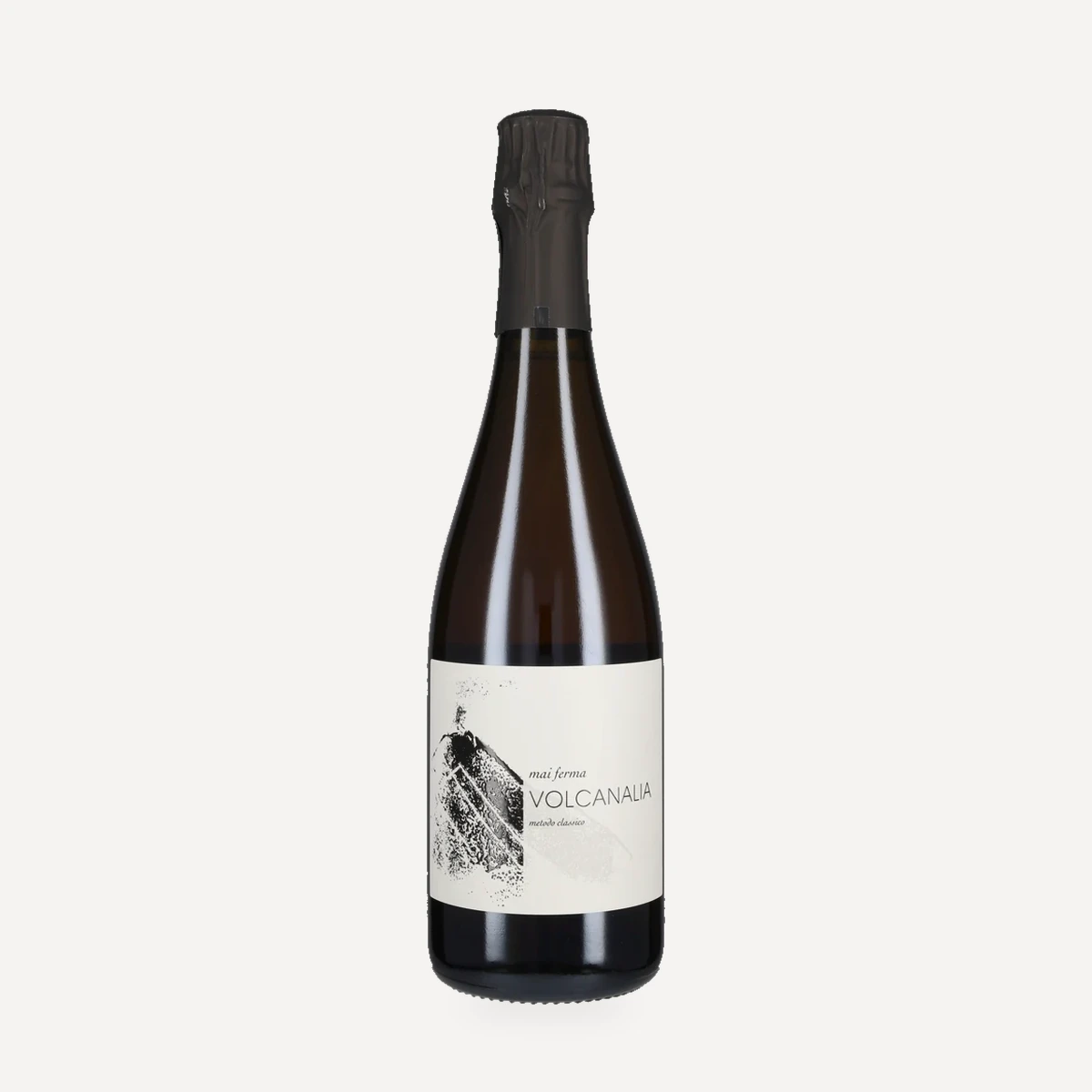
Mai Ferma
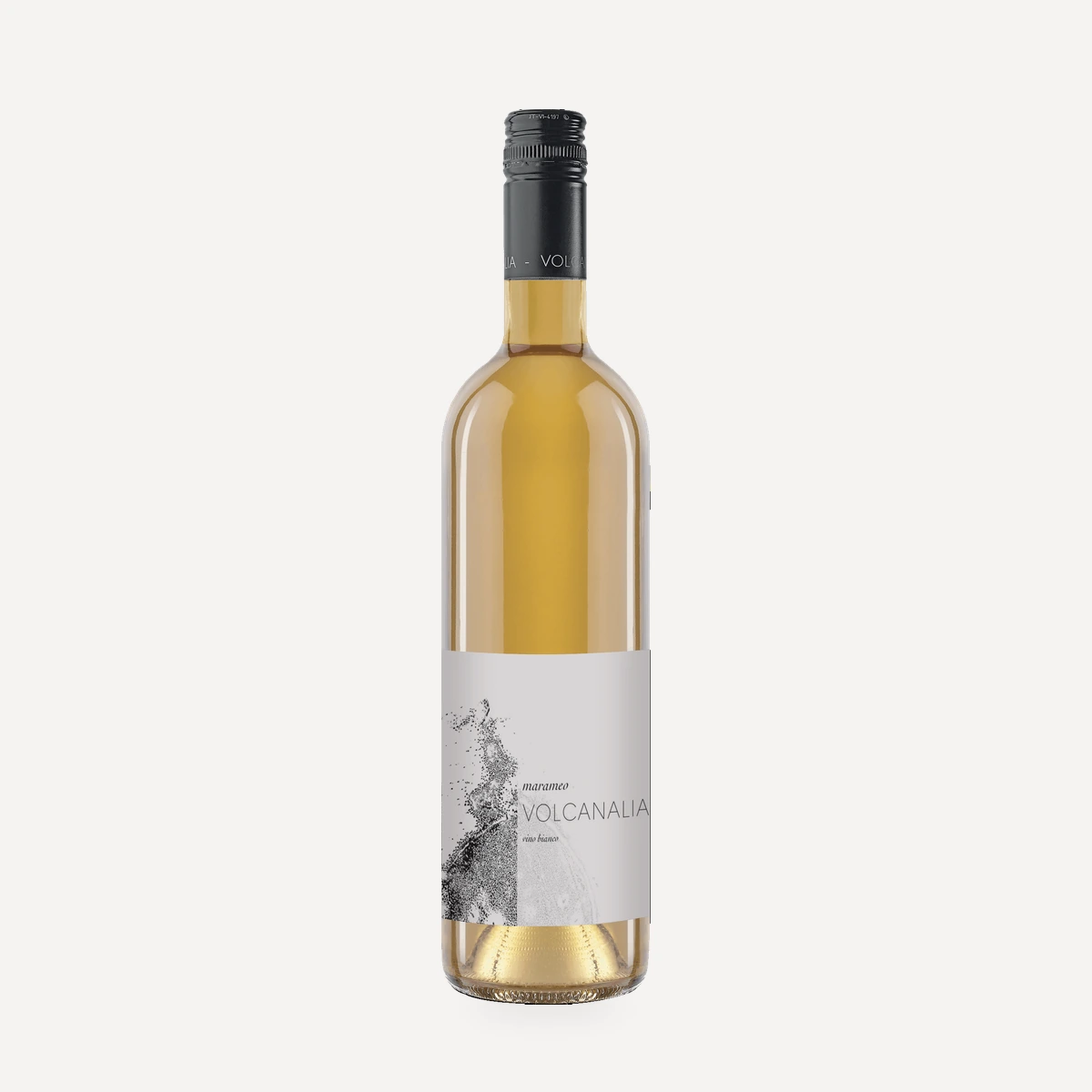
Marameo
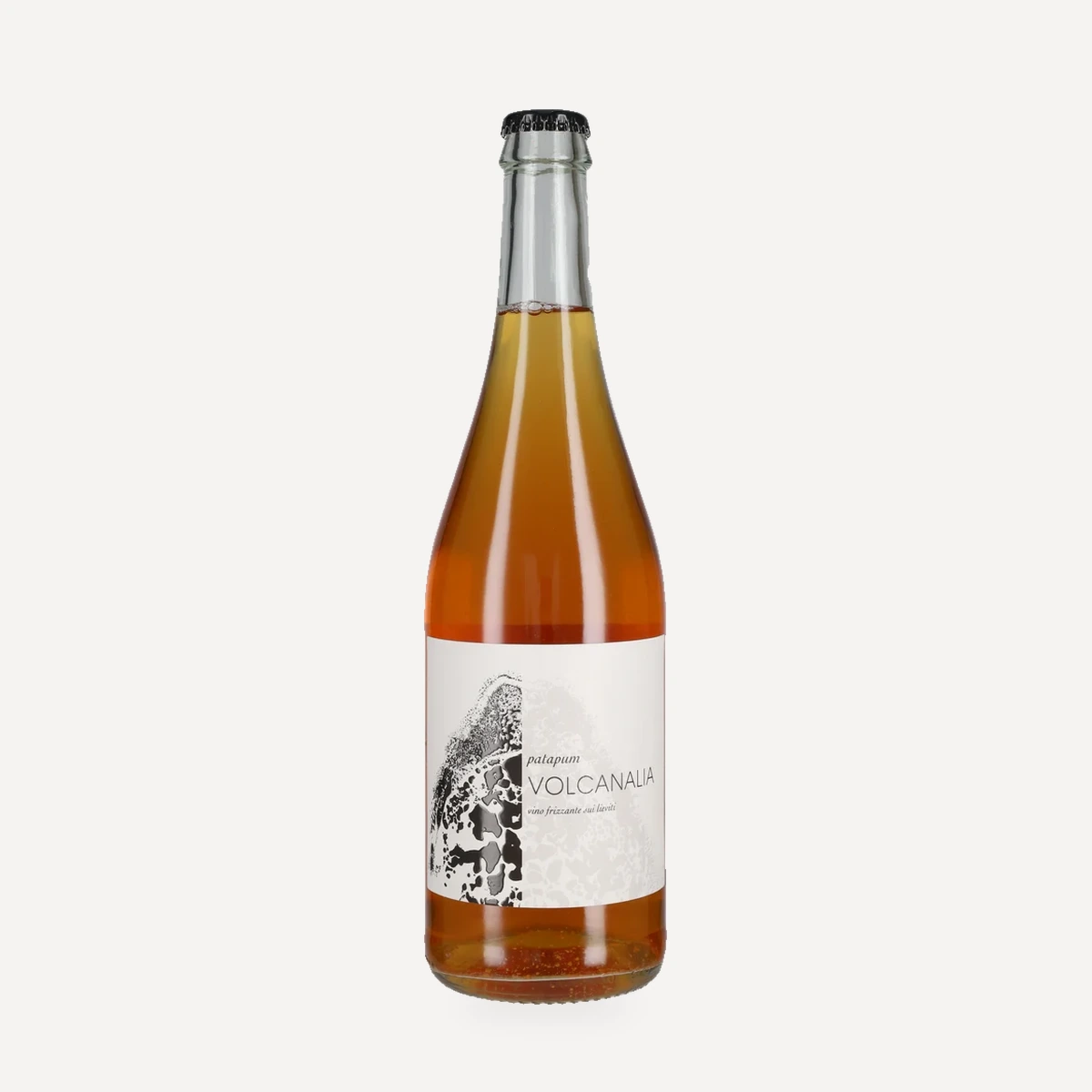
Patapum
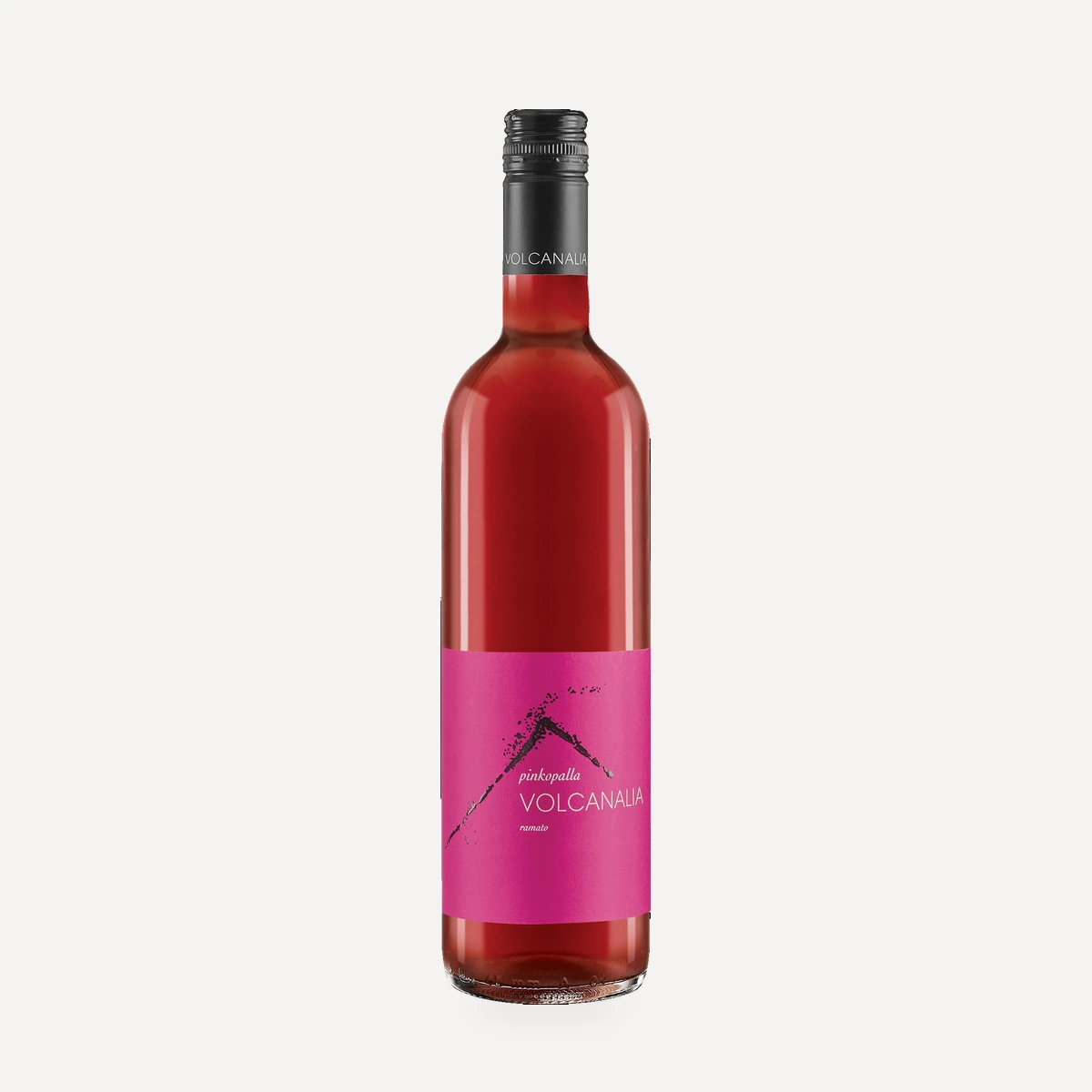
Pinkopalla