Storia
Family roots: 1901–1955
Several generations of the family cultivated vines in Appiano before the creation of the independent estate. In 1901, Martin Abraham’s great-grandfather Johann Magagna became the first family member documented as farming his own vines. Like most local growers of the period, he delivered the grapes to the San Michele-Appiano cooperative rather than bottling wine independently.
The family continued working the vineyards through the following generations. In 1955, Martin’s grandfather Johann Abraham planted the oldest part of In der Låmm with Pinot Blanc. The family has preserved these deep-rooted pergola vines and their distinctive plant material. Johann also conceived and planted part of the traditional mixed vineyard that, more than 50 years later, Martin and Marlies would reinterpret as Upupa Weiß. Martin’s father Karl Abraham subsequently contributed his knowledge and labour to In der Låmm.
Expansion and independence: 2008–2012
The family acquired Kleiner Sattel in 2008. Its approximately 50-year-old, small-berried Schiava vines were retained rather than replanted, and the Rosslauf portion began to be vinified separately.
In 2011, Martin and Marlies Abraham left the cooperative and began producing wine independently. This marked a break with the family’s established practice of growing grapes for the cooperative and placed individual vineyards, traditional methods and distinct terroirs at the centre of the new estate. The first vintage was difficult: hail damaged In der Låmm and particularly Rosslauf, followed by another storm that struck much of Appiano. Damaged berries were removed painstakingly before harvest, while cool September weather allowed the remaining fruit to reach full maturity.
The 2012 harvest was the first to be vinified in the newly built cellar. That season also established several recurring elements of the estate’s viticulture: avoidance of synthetic chemical disease-control products, carefully timed treatments, detailed canopy work and selective hand harvesting.
Refining the vineyard approach: 2013–2016
The cool, unstable 2013 season demanded intensive canopy management and vigilance against fungal pressure. The estate harvested individual varieties in several selections, with the last Pinot Blanc picked in mid-October, old-vine Schiava at the end of October and a late-harvest Gewürztraminer immediately afterwards.
In 2014, part of the vineyards was managed by wrapping rather than topping the shoots, an experiment intended to restrain lateral-shoot growth. Martin and Marlies considered the change especially beneficial for Pinot Noir depth and fruit expression. The very wet summer and autumn required extensive manual selection; yields fell by 20% to approximately 45 hl/ha.
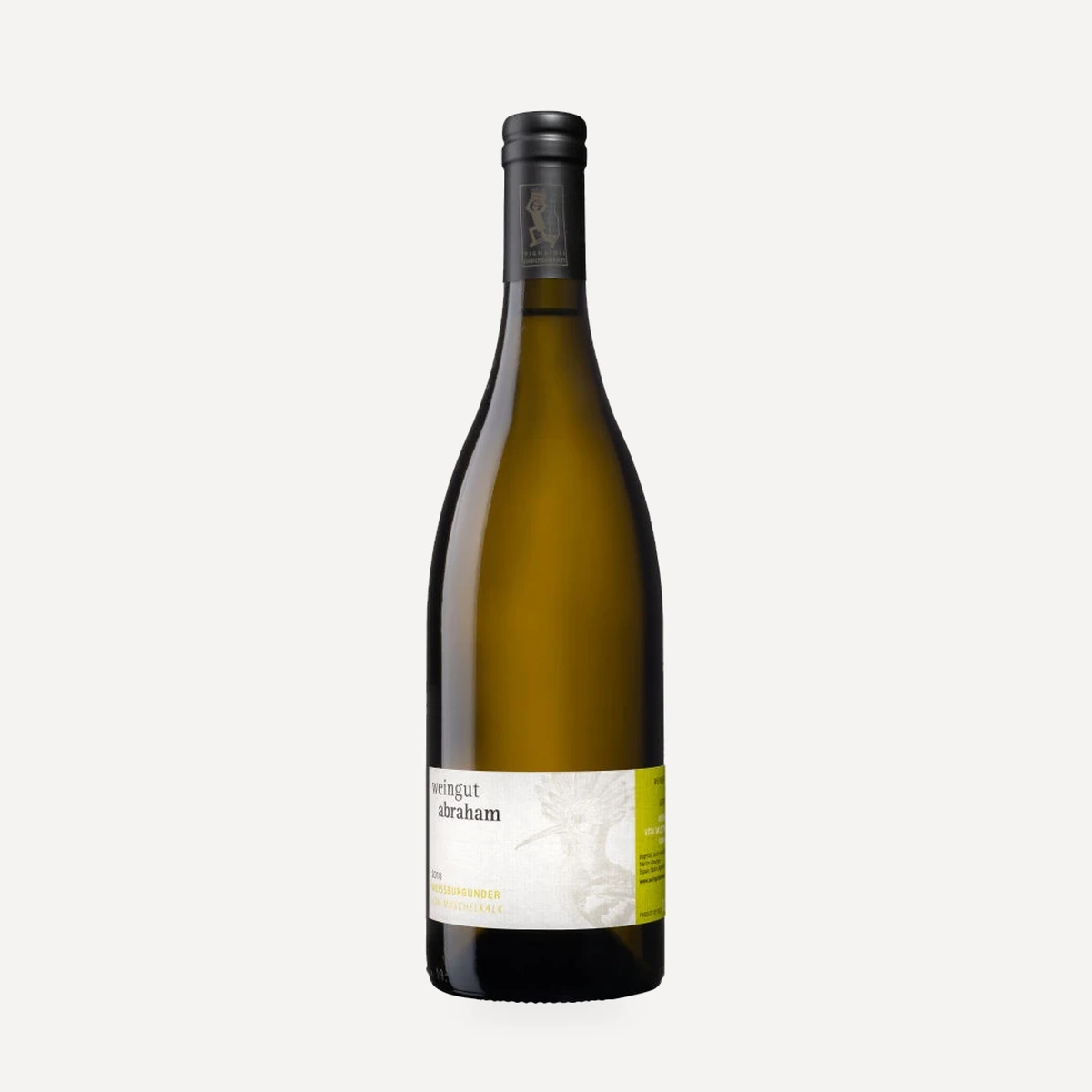
The hot, dry 2015 season highlighted the advantages of the estate’s higher vineyards. Targeted irrigation prevented drought damage, while the harvest required careful decisions to retain the desired balance between acidity and sugar. That year the family acquired the small, high-altitude Pinot Blanc parcel at Am Gfillberg, with pergola vines more than 60 years old. In 2016, it was vinified separately for the first time as the site wine Vom Muschelkalk.
The 2016 growing season began early and remained wet and cool through flowering, including a frost night that the vineyards survived. Frequent summer rain was followed by dry weather from late August and a long, favourable autumn. Cool conditions at the onset of ripening, followed by warm days and cool nights during harvest, produced a particularly promising vintage.
Continuing development: 2017 onward
The exceptionally dry winter of 2016–2017 caused some winter injury, particularly in Pinot Blanc. Early growth was followed by a late-April frost; frost candles helped the estate avoid most of the damage. A sunny, dry summer and wet harvest reduced quantity, although grape quality remained satisfactory.
Subsequent development has centred on conserving old vines, selecting propagation material from them, planting new Pinot Blanc and Pinot Noir vineyards, and expressing the estate’s contrasting limestone, moraine, porphyry, clay and gravel sites separately. Organic farming, spontaneous fermentation, whole-bunch work, long lees ageing and the continued use of large wooden vessels revived methods that had largely disappeared locally.
The estate has also expanded its interpretation of inherited practices. Upupa Weiß revisits the traditional mixed planting devised partly by Johann Abraham, while Upupa Rot preserves the local custom of combining Schiava with a small proportion of Pinot Noir. The limited Abraham Art selection is reserved for suitable vintages and fruit from the oldest vines.
Terroir
The vineyards occupy the meeting point between Alpine and Mediterranean influences around Appiano, with individually profiled sites at approximately 450–600 metres above sea level. Cool air descending from the Mendel Mountains creates marked day-to-night temperature variation in Pagis and Unterberg. In der Låmm is moderated by cool air from the Montiggler forest, while Kreit is exposed and well ventilated on a south-facing hilltop.
Two broad geological zones shape the estate. Western vineyards contain dolomite, calcareous marl, red clay and sand deposited by the Mendel Mountains’ scree fan. Eastern sites are dominated by moraine from the last glacial period mixed with mineral-rich volcanic quartz porphyry. Individual parcels add deep calcareous clay, mica schist, river gravel associated with the Adige’s former course, and calcareous alluvial deposits containing shell limestone.
The altitude range is equally important. Pagis, Unterberg, Kleiner Sattel and Kreit lie around 450 metres; In der Låmm reaches approximately 500 metres; and Am Gfillberg rises to about 600 metres. Sunlit slopes combine with cooling air and, in several vineyards, the partial shade of pergola training. The estate regards Pinot Noir as particularly capable of expressing individual South Tyrolean terroirs at elevations of at least 450 metres.
Vinificazione
Viticulture is organic and centred on old vines, modest yields, biodiversity and detailed manual work. The estate seeks to preserve healthy old Pinot Blanc and Schiava vines and selects propagation material directly from them for new vineyards. Pinot Blanc at In der Låmm and Am Gfillberg and Schiava at Rosslauf retain the traditional pergola system; other parcels use Guyot.
Deep-rooted old vines at In der Låmm and Am Gfillberg normally grow without artificial irrigation. Water is nevertheless applied selectively when extreme drought threatens the vines, as in 2015 and 2022. Canopy work is adjusted to the season: in 2014, shoots in part of the vineyards were wrapped rather than topped to discourage lateral growth. Detailed leaf work is used to keep bunches open and healthy, especially under fungal pressure.
The estate avoids synthetic chemical disease-control products. The difficult 2012 season required precisely timed, labour-intensive treatments against downy mildew, while careful canopy management limited powdery-mildew pressure. Similar vigilance and leaf work were necessary in 2013, and the wet, warm early summer of 2023 again increased disease pressure.
Harvesting is by hand, frequently in several passes so that each portion reaches the desired balance. Selection may begin in the vineyard, with damaged or unsuitable berries removed before picking. Individual varieties and parcels can be harvested separately; the 2013 harvest, for example, extended from September into late October. In white-wine vineyards, whole bunches may be pressed gently, while red grapes are selected and transferred to open wooden vats.
Kleiner Sattel illustrates the biodiversity objective: long-term cultivation in harmony with nature has encouraged abundant wild growth and the return of the hoopoe. The bird has consequently become both the estate symbol and the namesake of the Upupa wines.
Cellar approach
The cellar is operated on an artisanal scale with traditional methods and prolonged, deliberately slow development. Fermentation and ageing take place primarily in large wooden barrels and vats. Fermentations begin spontaneously with indigenous yeasts and without conventional oenological fermentation aids. The estate employs whole-bunch pressing for whites, partial whole-cluster fermentation for some wines, open-vat fermentation, extended skin contact and long reductive ageing on the lees.
White grapes may be harvested in several selections, gently whole-bunch pressed and clarified naturally by sedimentation. Fermentation takes place in used or partly new 500- and 600-litre oak barrels, sometimes with deliberately higher must turbidity. Malolactic fermentation is used for the estate’s principal dry wines. Typical site-wine élevage includes about nine months on full lees followed by approximately six months in stainless steel, while the limited Abraham Art Pinot Blanc can remain on gross lees for 24 months in thick-staved oak.
Red grapes ferment spontaneously in open wooden vats. Pinot Noir may include 20–30% whole clusters, while Schiava is generally destemmed. Maceration can last about three weeks, with daily manual punch-downs used for Pinot Noir. After gentle pressing and natural settling, the wines mature in 500-litre oak barrels. Published examples include 15 months on fine lees for Schiava and as much as 20–24 months for Pinot Noir.
The estate’s current cellar description gives an overall lees-ageing range of approximately 12–20 months, with longer maturation used for selected wines. Intervention is kept limited: fining agents are avoided, bottling may be conducted without filtration, and sulfur additions are minimal. The objective is a pure, naturally expressive wine capable of ageing rather than a technically standardised style.
Filosofia
Martin and Marlies Abraham describe winegrowing as a continual balance between acting and letting nature proceed. Their ideal is an elegant, pure, age-worthy wine with a strong natural character, achieved through close attention in the vineyard and restrained intervention in the cellar.
Sustainability is understood broadly as modest living, personal responsibility and freedom of thought. The hoopoe embodies that independence and has become the estate’s symbol. Their children’s perspective is valued as a way to remain observant, curious and open to change.
The family sees its position at the edge of the Alps—between north and south, Alpine and Mediterranean climates, Italian and Tyrolean cultures—as a source of versatility. At the same time, present-day work is rooted in inherited knowledge. Old vines, traditional pergola training, mixed plantings and historic blends are not treated as fixed museum pieces: they are conserved, propagated and reinterpreted.
For Schiava, the estate rejects the idea of a merely simple, easy-drinking red. Martin and Marlies seek freshness, perceptible tannin and restraint rather than overripeness and sweetness. They consider well-exposed but not excessively hot sites up to about 450 metres, old low-vigour pergola vines, small berries and moderate yields essential. Their goal is an unadorned wine that is ready to drink without fining yet able to age, while preserving Schiava as a record of local history and family experience.
Vini
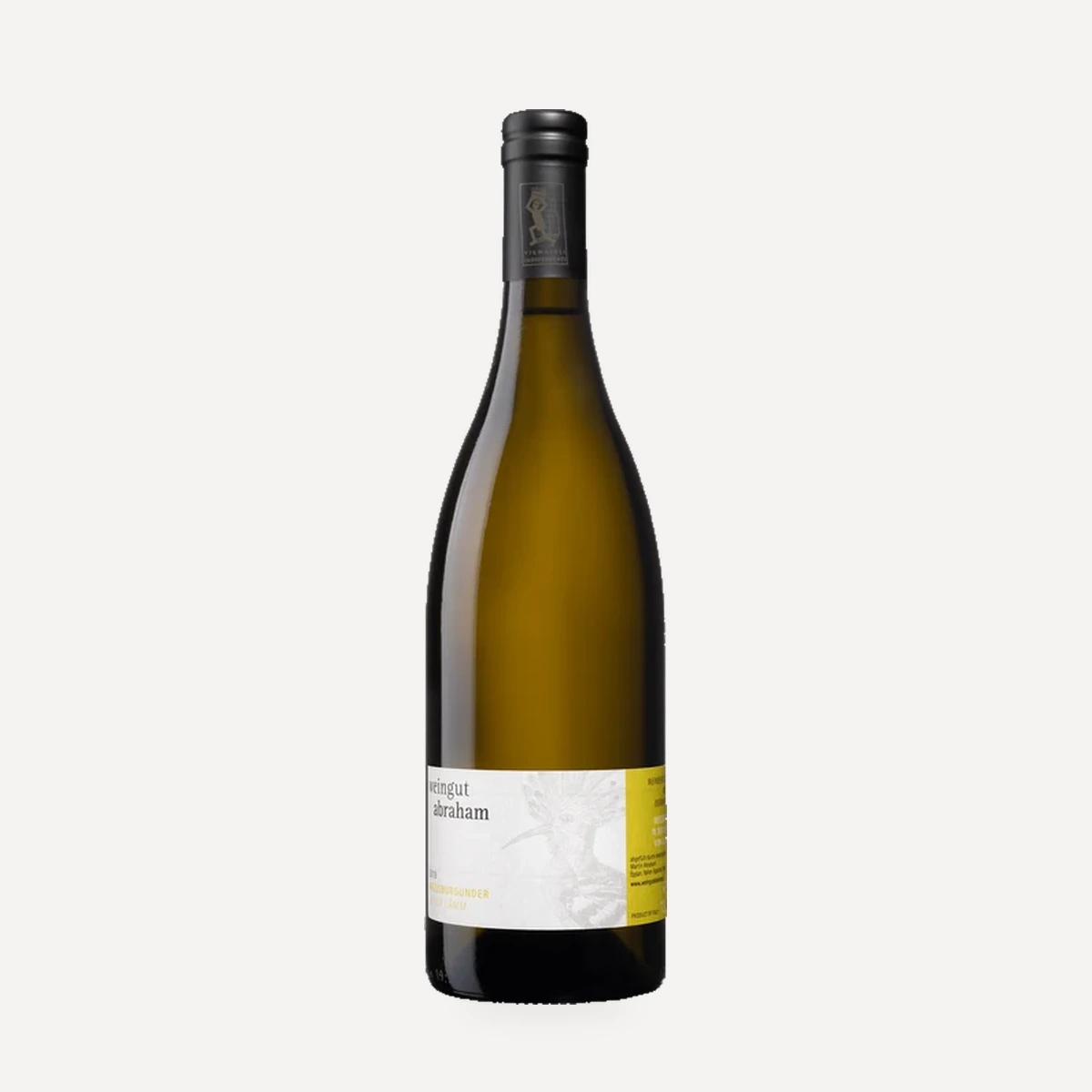
Pinot Blanc "In der Låmm"
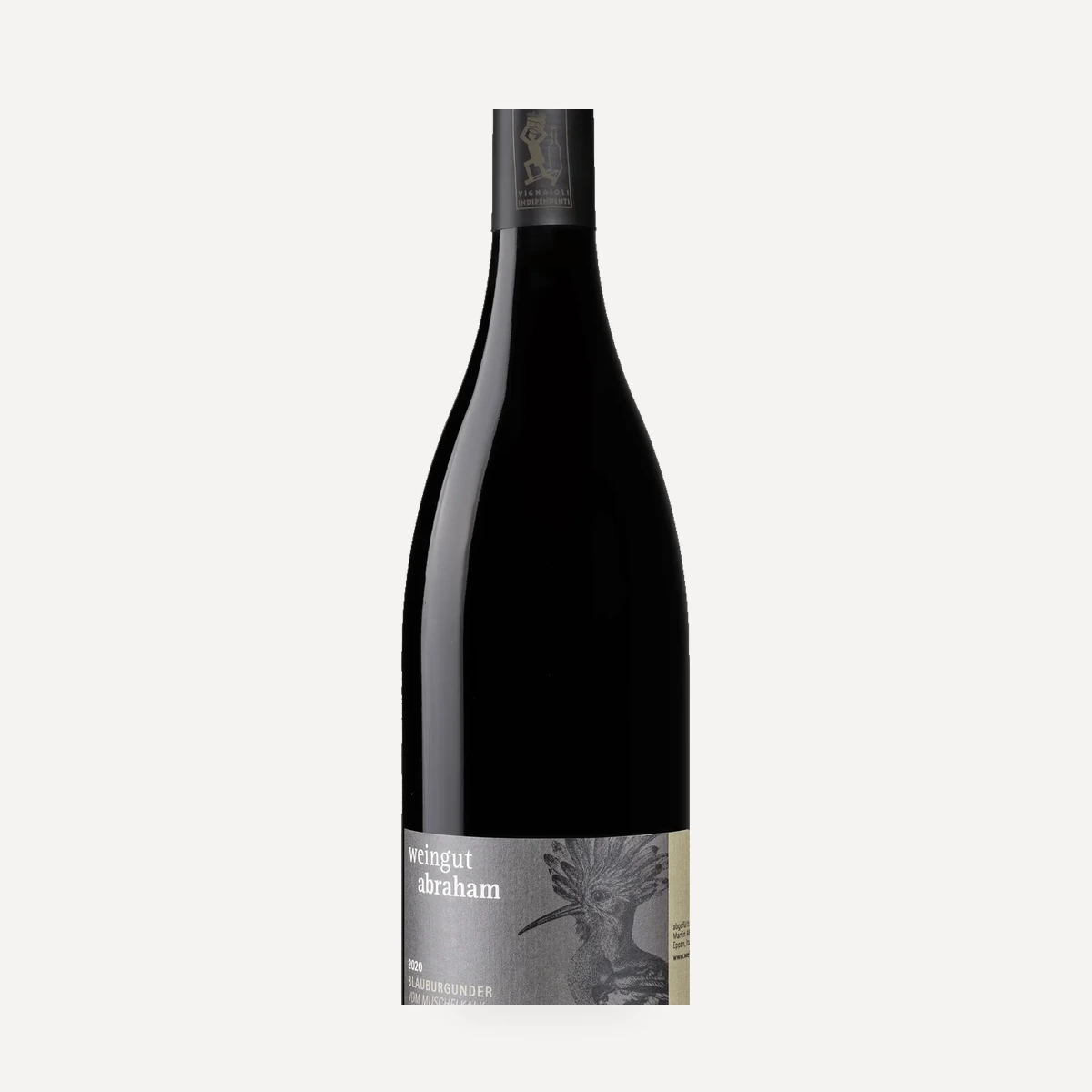
Pinot Noir "Vom Muschelkalk"
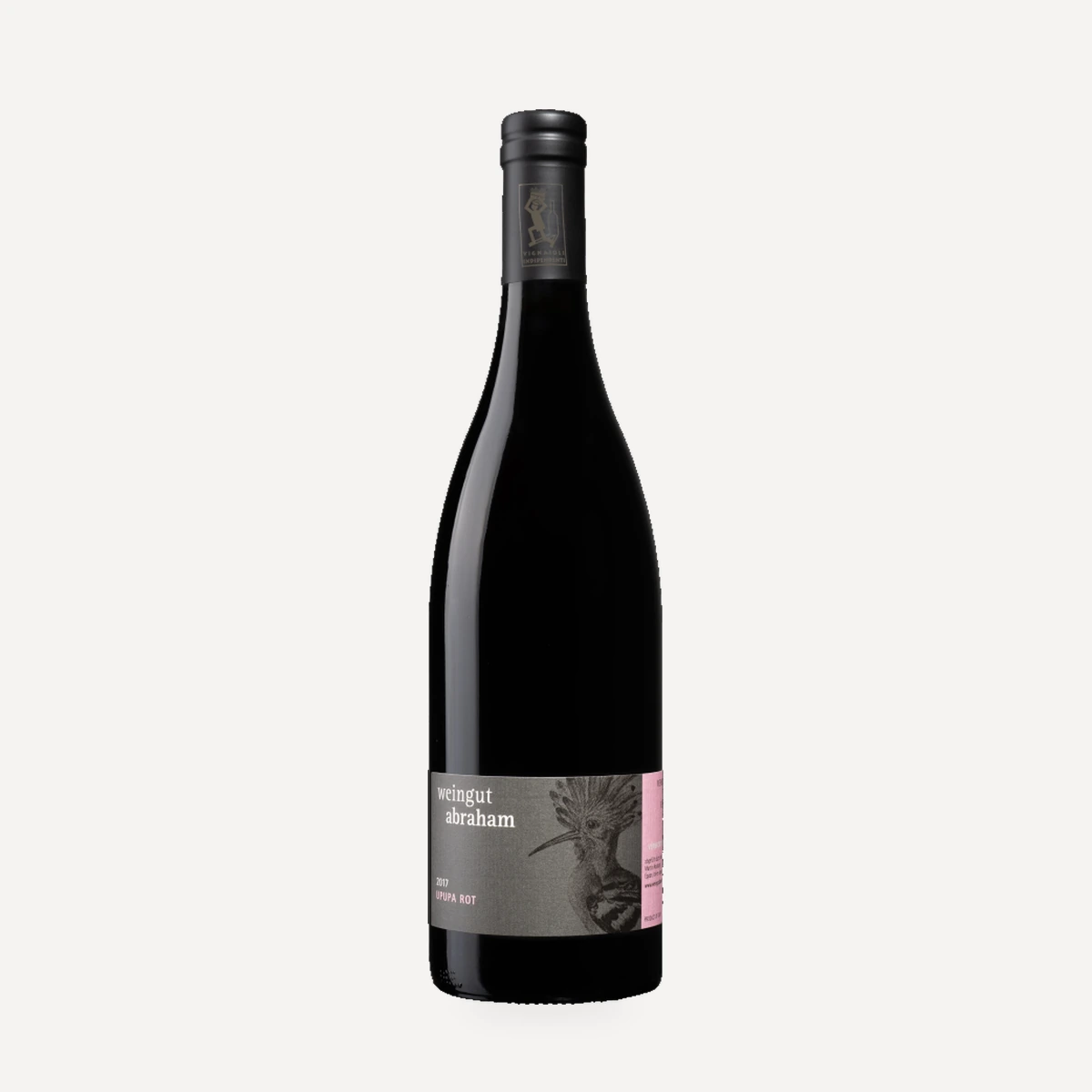
Upupa Rot
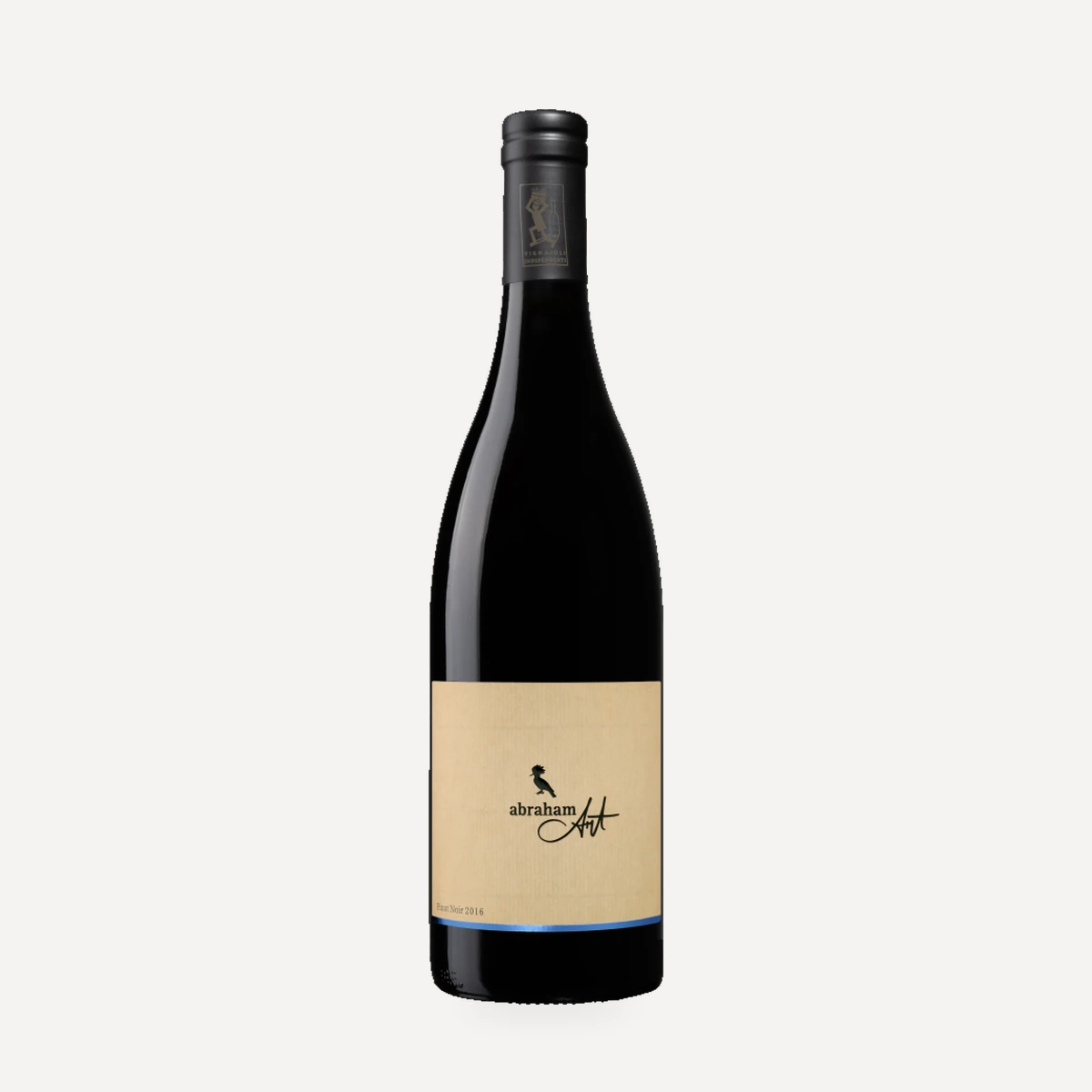
Abraham Art Pinot Noir