Storia
Josef and Johanna Sölva
Josef Sölva founded the family winegrowing enterprise that became Weingut Niklas. He and Johanna Sölva worked as winegrowers and established the family roots to which the estate’s DJJ wines later paid tribute.
2011 — transfer to Dieter Sölva
In 2011, Josef and Johanna transferred the winery to their son Dieter Sölva. Dieter continued their work and assumed responsibility for the cellar, overseeing vinification and maturation.
The third generation
The estate now presents itself as a three-generation family winery. Dieter remains the cellar master, while his sons Michael and Maximilian cultivate the vineyards. Michael also developed his own low-intervention Kerner project; its current description identifies the release as the project’s seventh vintage.
The family’s present work encompasses 7 hectares divided among 17 vineyards around Kaltern. Thirteen wines are vinified in the estate’s own cellar. The range is distributed in Italy, Germany, Switzerland and Scandinavia, as well as in markets including the United States, Australia and Japan.
Terroir
The estate’s 7 hectares are divided among 17 vineyards around Kaltern. The sites extend from approximately 240 metres to at least 590 metres above sea level, allowing varieties to be matched to different elevations and soil profiles.
The lower vineyards used for Lagrein, Merlot and Cabernet lie at roughly 240–300 metres. Their soils include loam, loamy gravel and gravel-rich clay. Barleit, associated with Vernatsch/Schiava, occupies approximately 300–400 metres and combines loamy ground with calcareous gravel.
Kerner, Pinot Blanc, Sauvignon Blanc and the white blends draw substantially on higher sites. Vial, Kardatsch, Muttergarten, Lavardi and Trifall range from about 460 to 590 metres. These vineyards are characterized by stony or rocky calcareous gravel. Other high-elevation holdings contribute calcareous gravel, porphyry sand and gravelly alluvial material.
Sun exposure and altitude are central to the estate’s matching of grape variety and site. Its wines are intended to retain an identifiable vineyard profile rather than present a uniform house expression.
Vinificazione
The vineyards are managed through near-natural integrated production. The estate treats its 17 vineyards individually, matching each variety to an appropriate elevation and soil and emphasizing site-specific cultivation rather than a single standardized regime.
Cordon, high-cordon and traditional pergola training systems are used according to site and variety. Vineyard ground cover forms part of the estate’s environmental approach. Grapes are selected by hand in the vineyard, including fruit destined for the principal white and red wines.
The broader sustainability policy combines respect for the soil with resource-efficient cellar work and forward-looking energy management. No organic or biodynamic certification is identified.
All 13 wines are vinified in the estate’s own cellar under the direction of cellar master Dieter Sölva. The cellar works with stainless-steel tanks, open steel fermenters, large oak casks, 500-litre oak barrels, tonneaux and barriques, selecting the vessel and élevage for the intended wine.
White-wine methods across the range include short or cold skin maceration, gentle pressing, reductive handling, temperature-controlled fermentation between approximately 13 and 18°C, and maturation on fine or full lees. Selected wines ferment in 500-litre oak barrels and may remain on the lees in wood, stainless steel or tonneaux. The longest stated white-wine élevage is 36 months on full lees in tonneau.
Red-wine work includes short, cool maceration for lighter Vernatsch/Schiava wines and open-tank maceration lasting 15–24 days for structured reds. Must agitation is used during some open-tank fermentations. Malolactic fermentation takes place in stainless steel, large oak or other wooden vessels according to the wine. Maturation ranges from stainless steel or several months in large oak to as much as 18 months in new and used barriques.
Michael Sölva’s low-intervention Kerner is fermented on its skins, bottled without added sulphur and left unfiltered. Its stated sulphur values are 3 mg/l free SO₂ and less than 5 mg/l total SO₂.
Filosofia
Weingut Niklas defines its approach through family continuity, attachment to Kaltern and a willingness to innovate. Knowledge is passed from parents to children, while the vineyards are treated as individual sites whose soils, elevations and varieties require distinct decisions.
The estate’s stated values are down-to-earth craftsmanship, respect for nature, precision and the courage to pursue new methods. Tradition is therefore not presented as resistance to change: established vineyard and cellar practices coexist with resource conservation, energy planning and experiments such as Michael Sölva’s no-added-sulphur Kerner.
The objective is to produce clear, precise South Tyrolean wines with recognizable vineyard character. Responsibility toward the soils and future generations is placed alongside technical quality, while vintage and site expression are preserved through selective hand harvesting and parcel-specific cultivation.
Vini
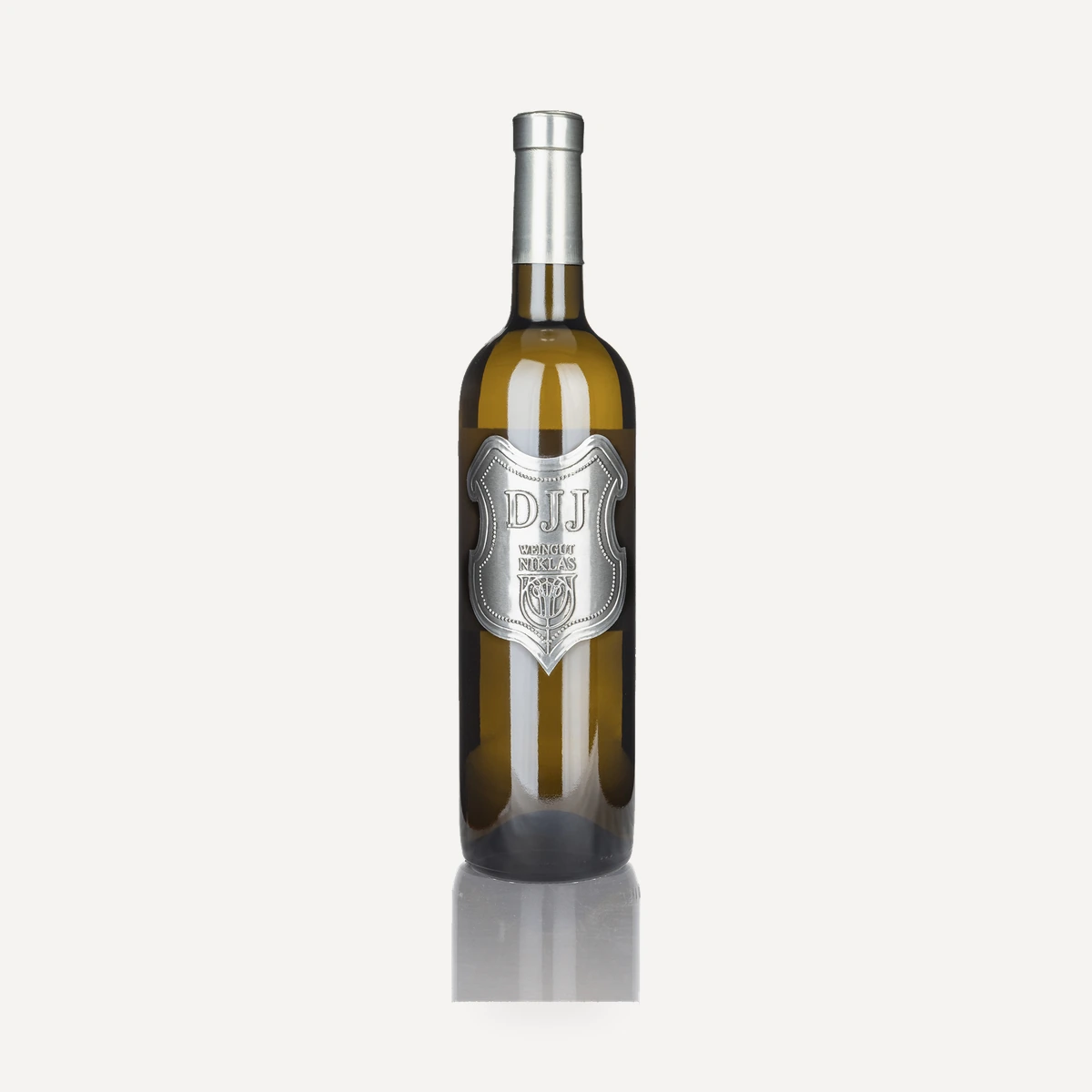
DJJ Südtiroler Weiß Riserva DOC
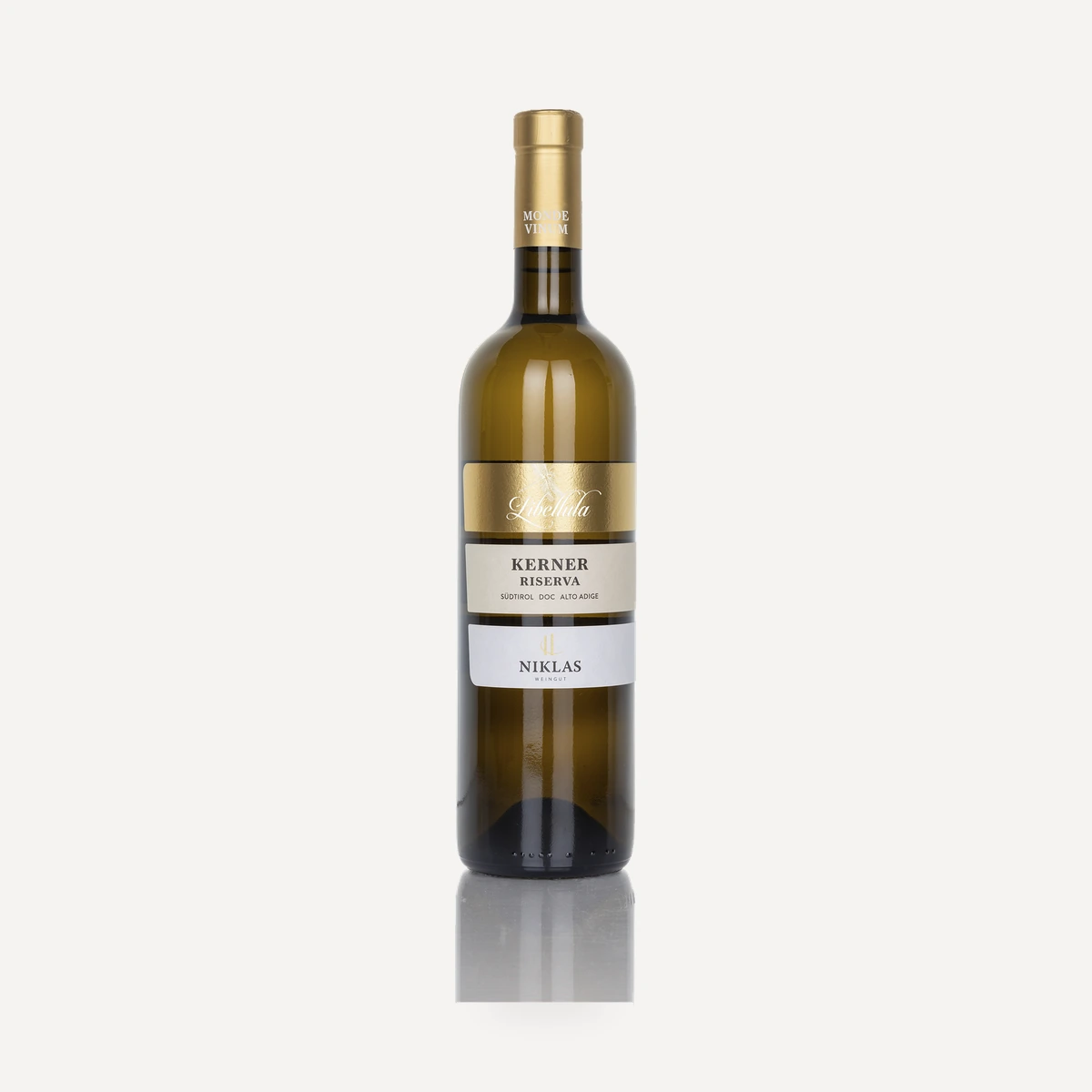
MONDEVINUM Südtiroler Kerner Riserva DOC Libellula
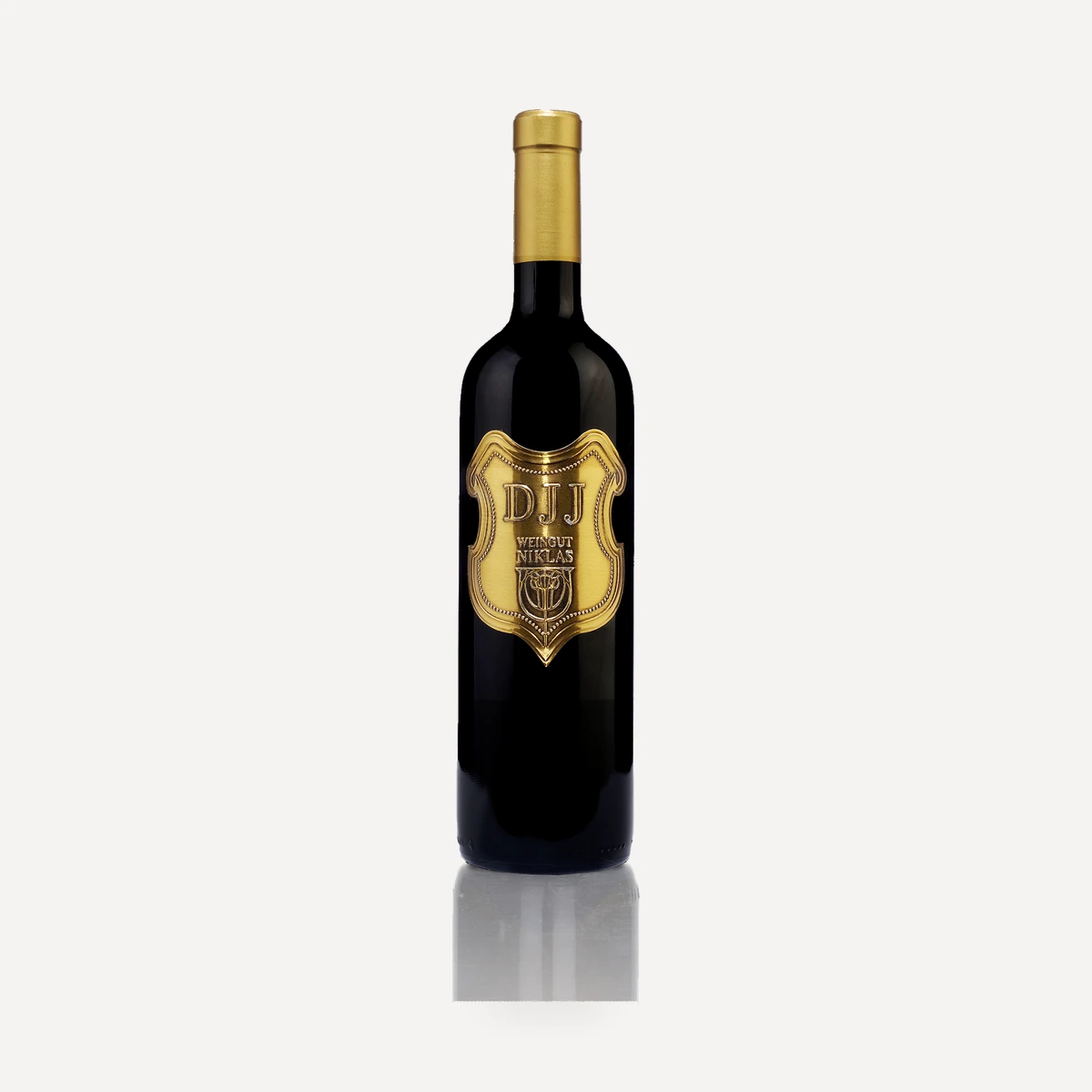
DJJ Südtiroler Merlot Riserva DOC
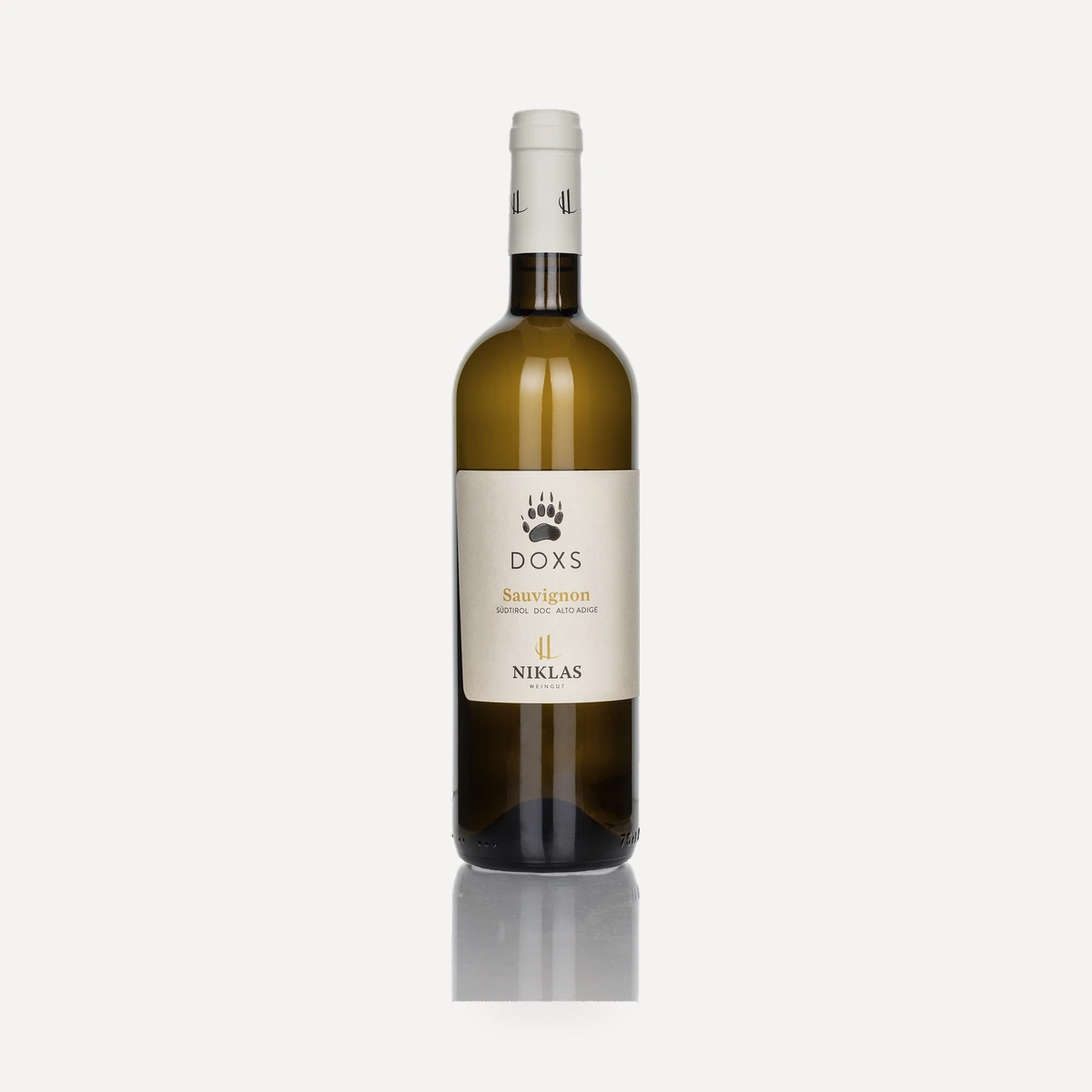
DOXS Südtiroler Sauvignon DOC
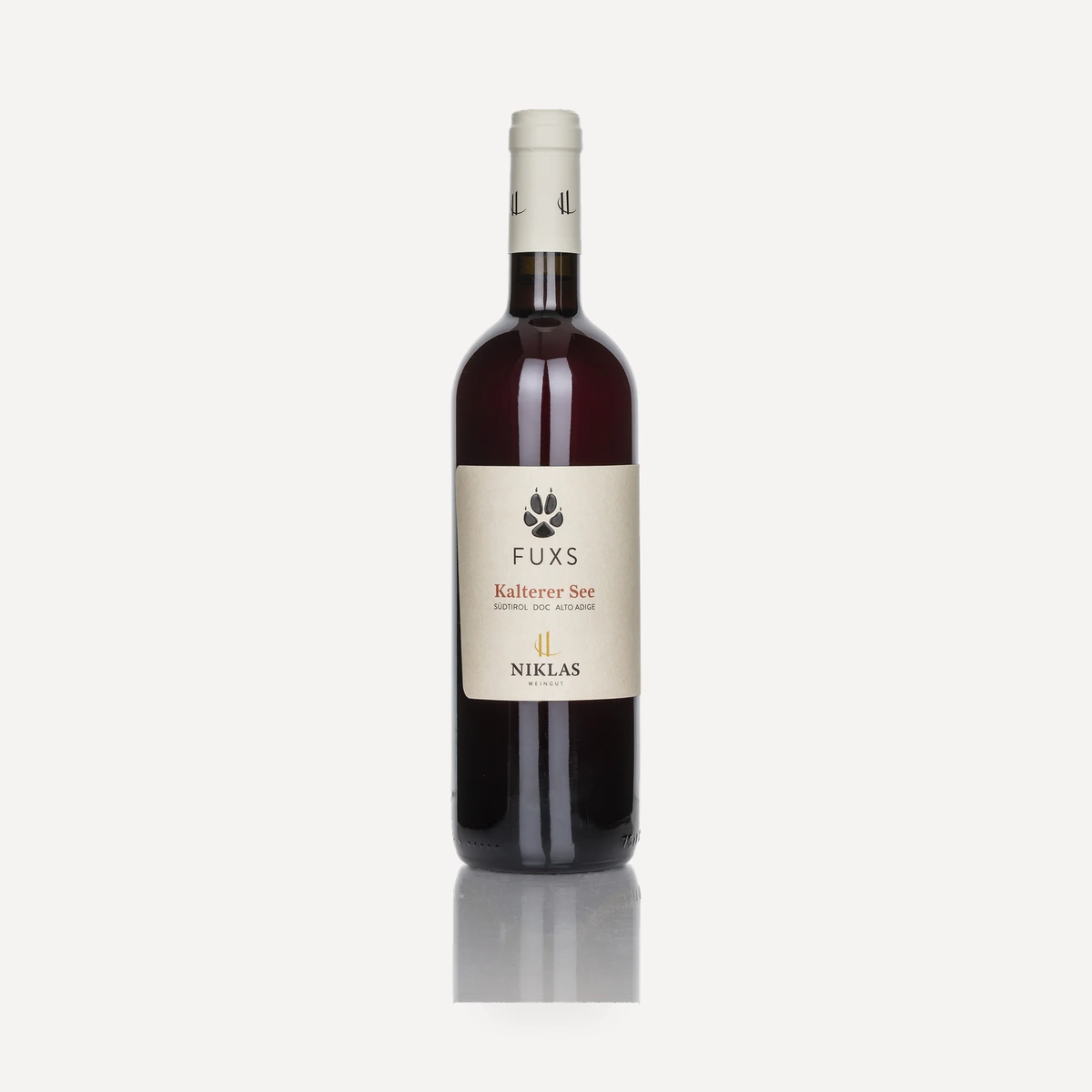
FUXS Südtiroler Kalterersee Klassisch DOC
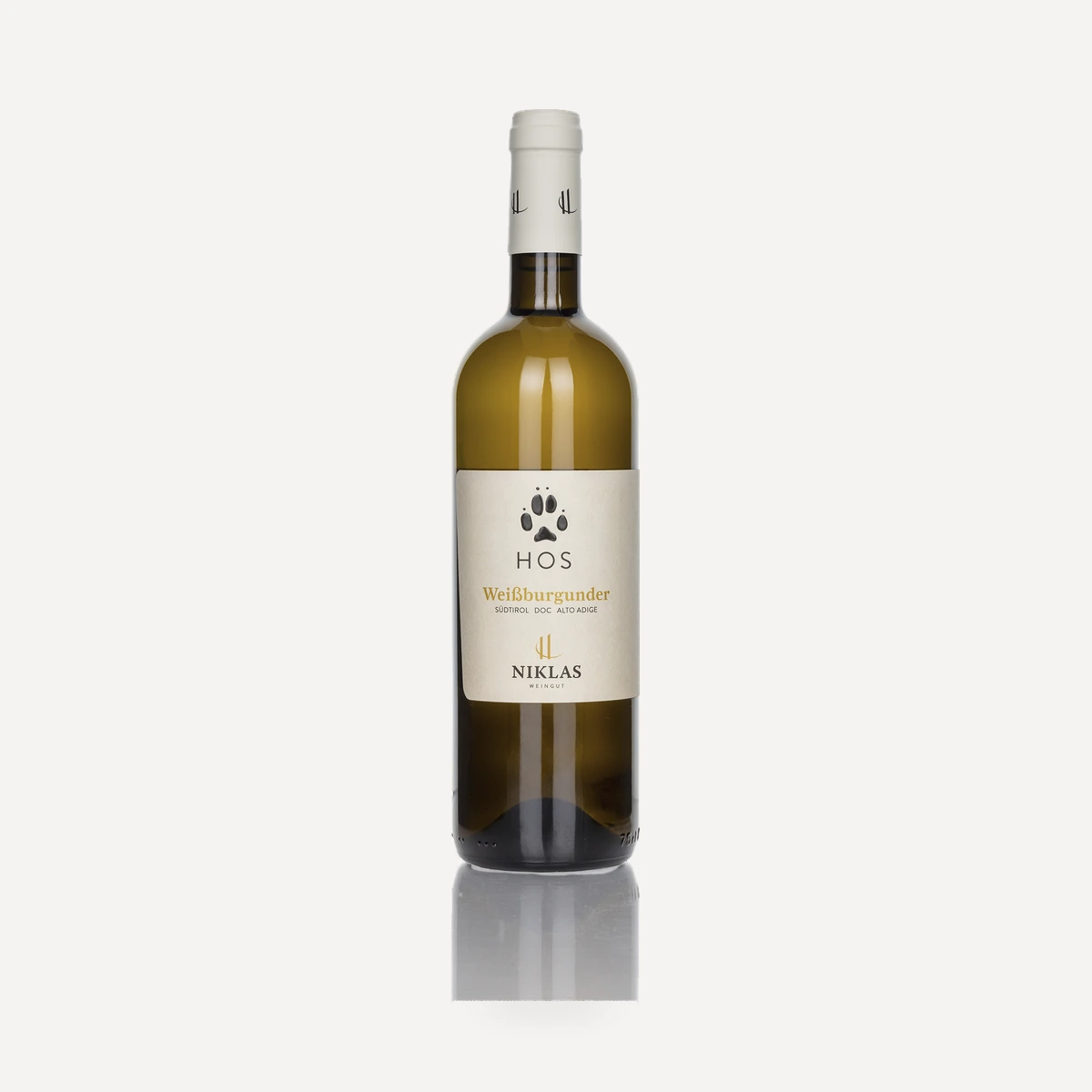
HOS Südtiroler Weißburgunder DOC
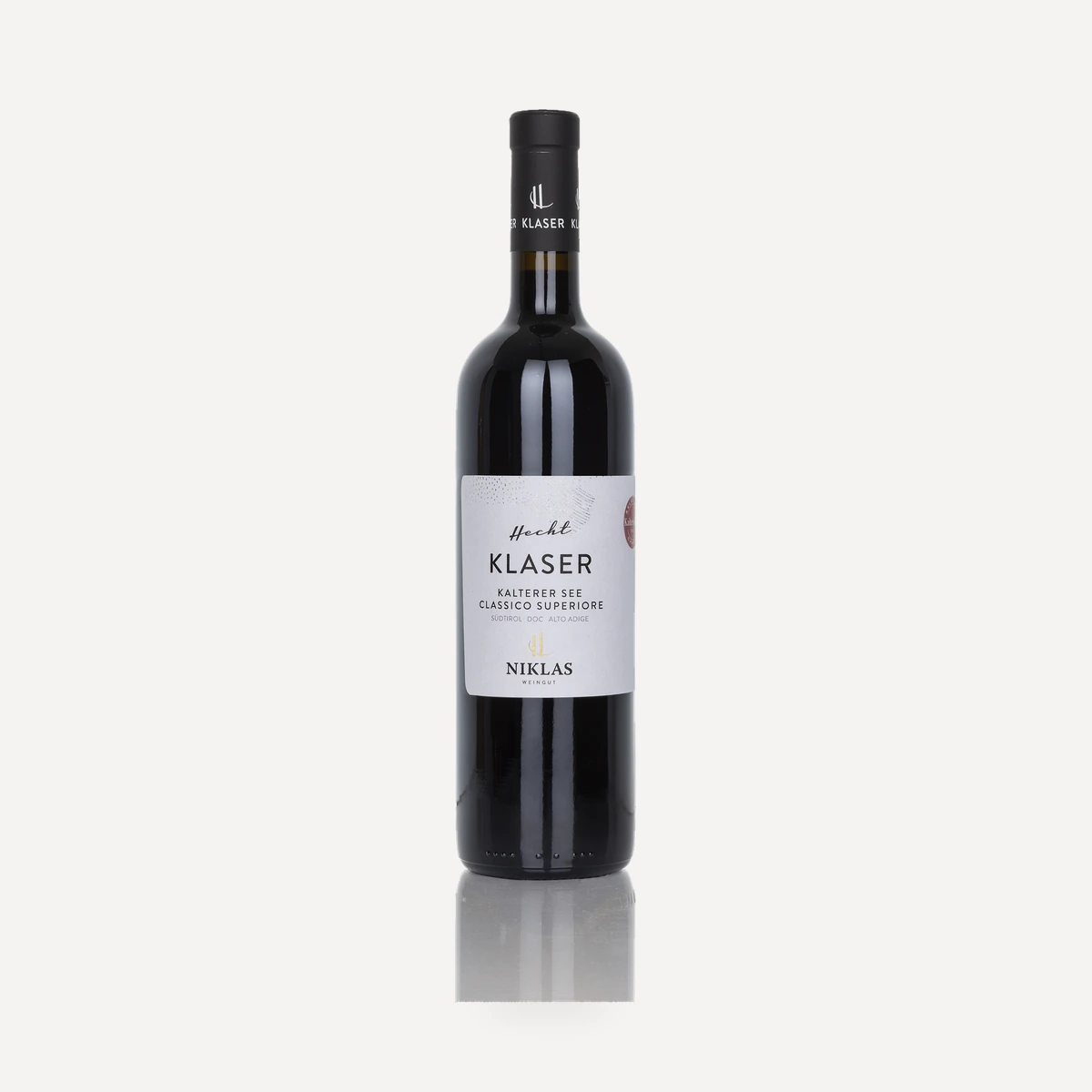
KLASER Südtiroler Kalterersee DOC – Hecht
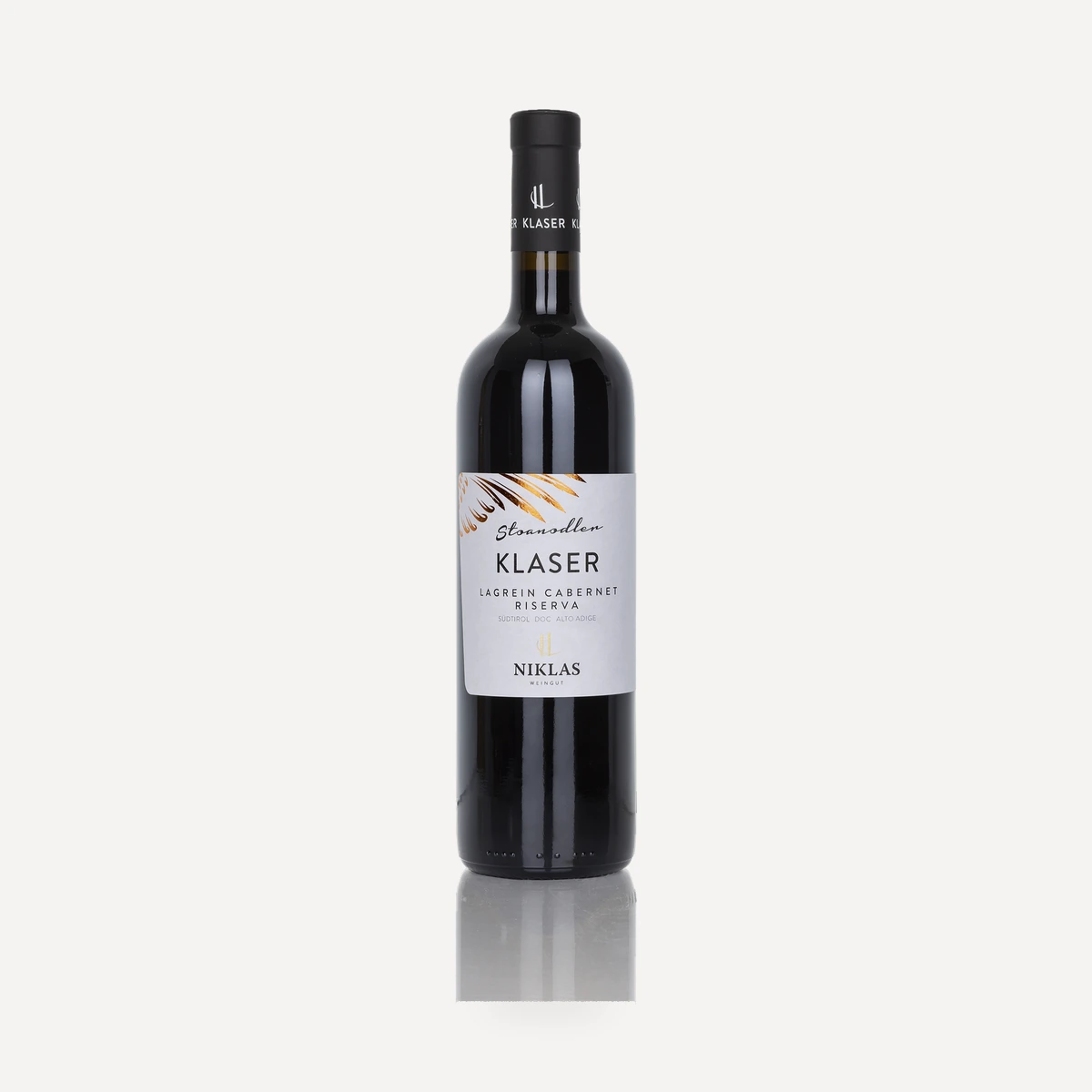
KLASER Südtiroler Lagrein Cabernet Riserva DOC – Stoanadler
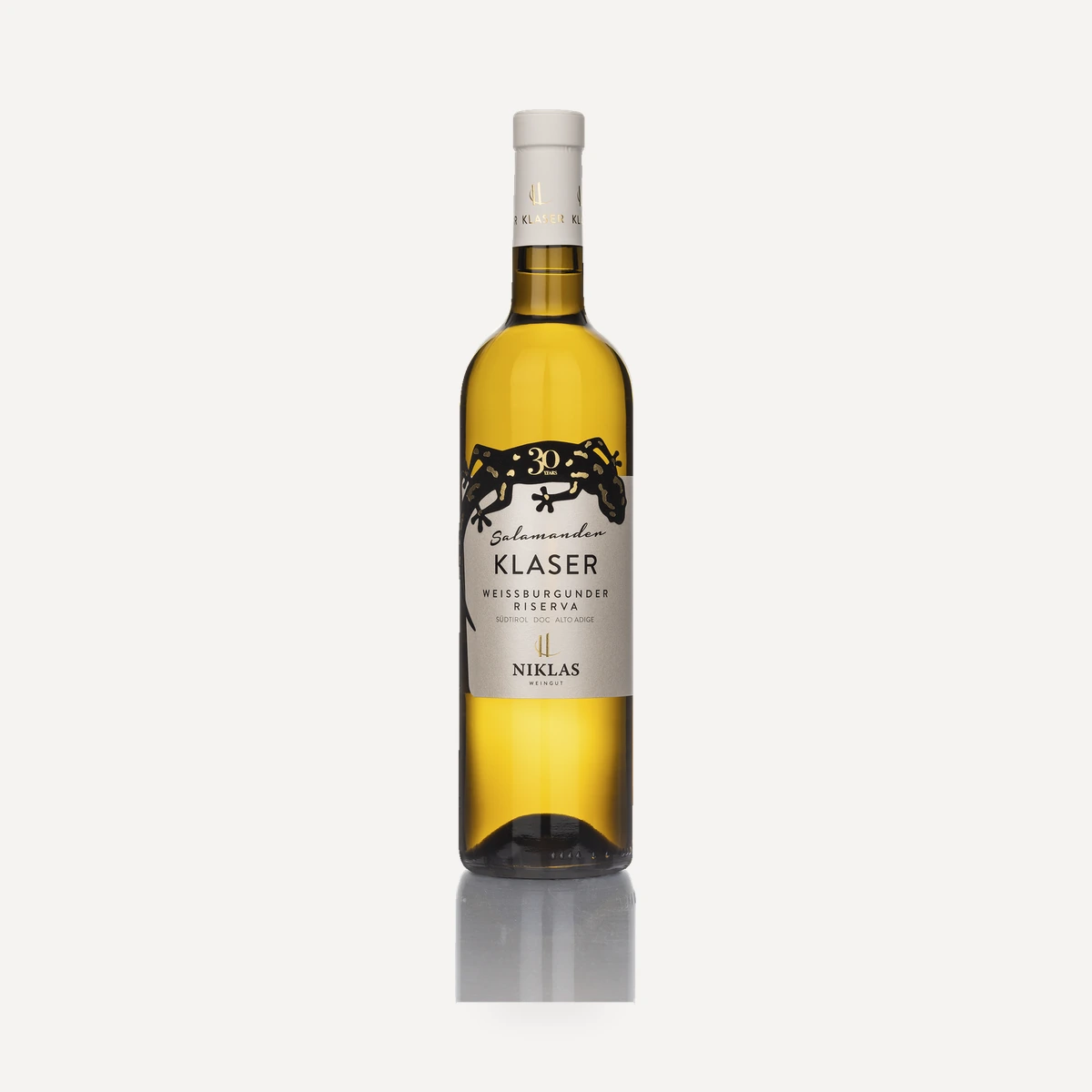
KLASER Südtiroler Weißburgunder DOC – Salamander
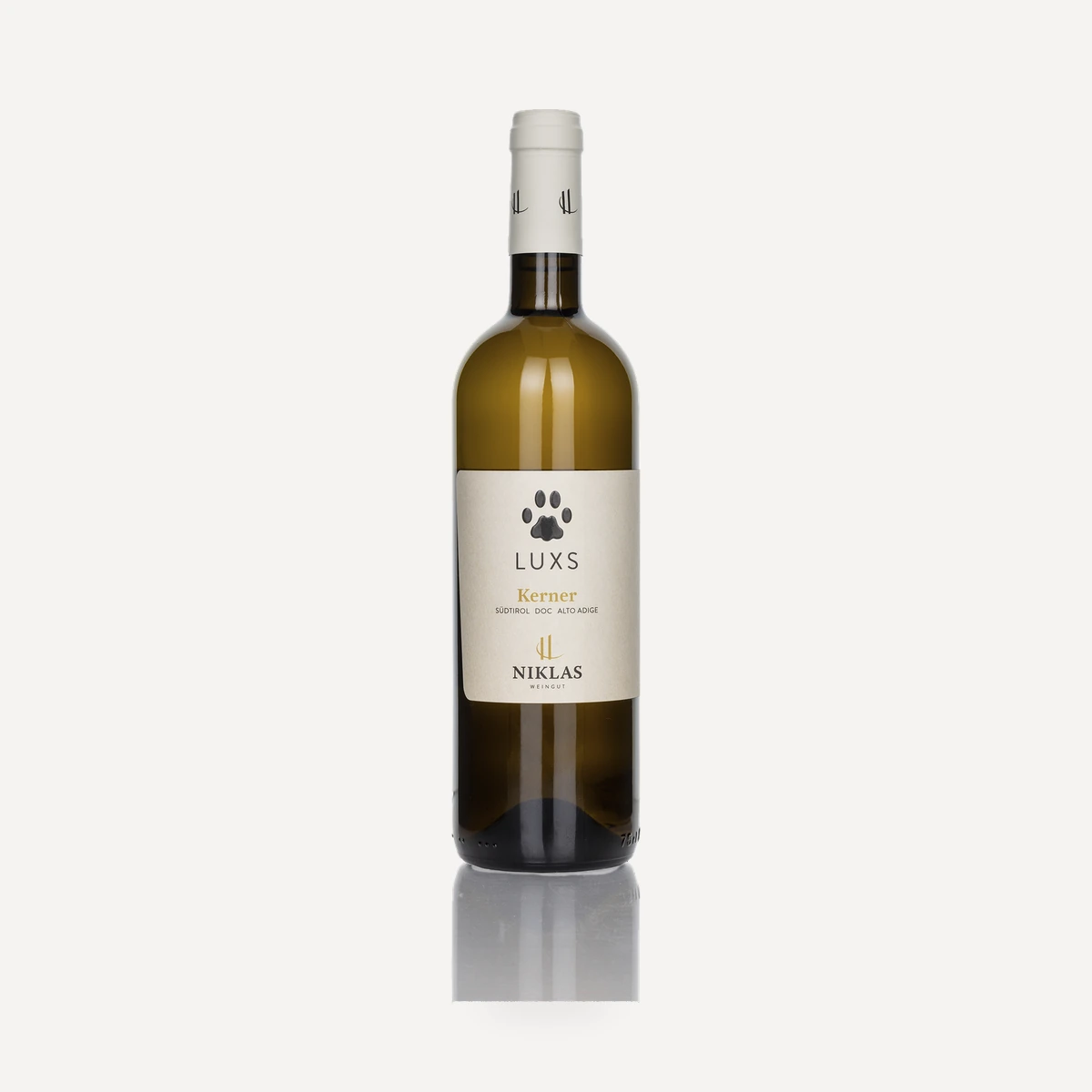
LUXS Südtiroler Kerner DOC
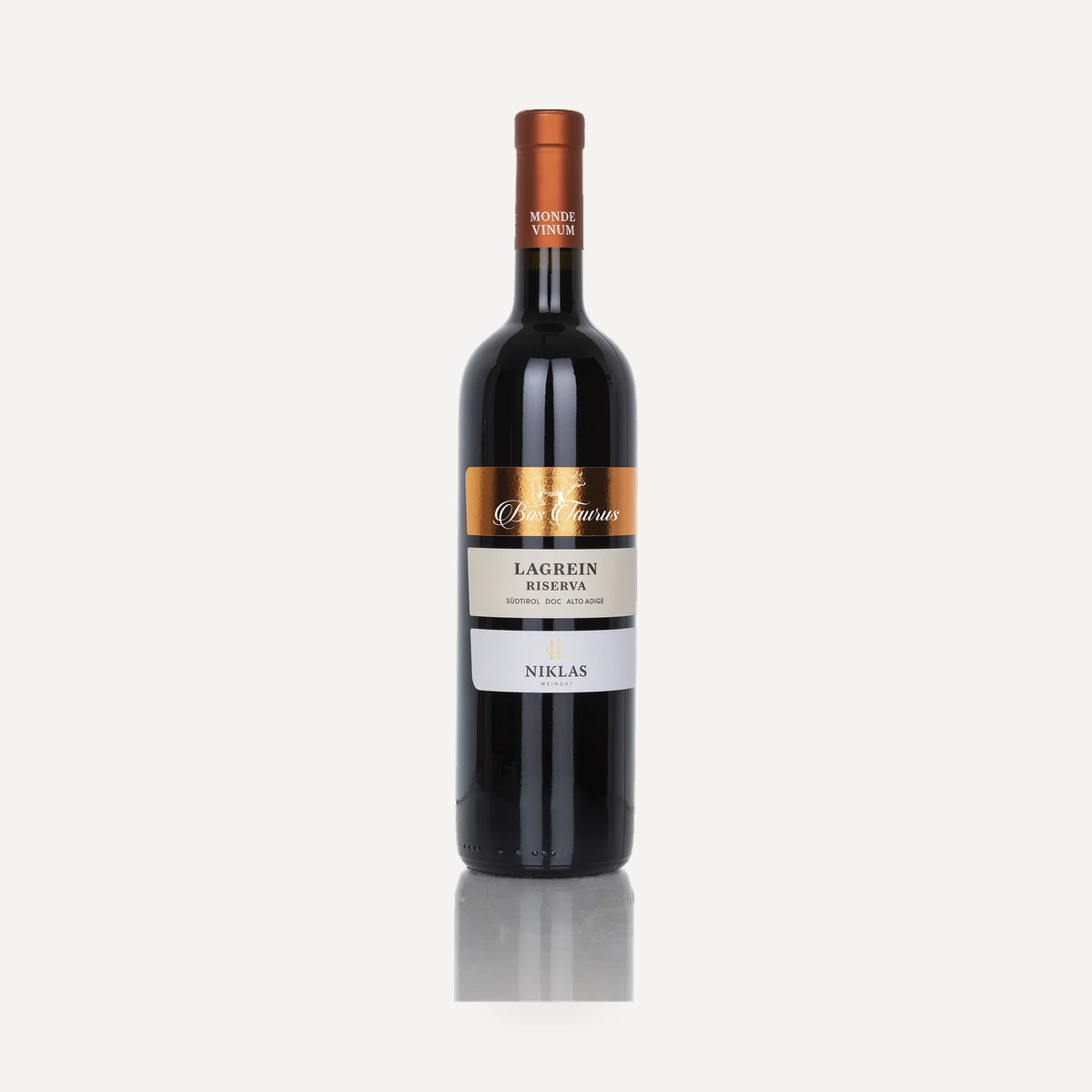
MONDEVINUM Südtiroler Lagrein Riserva DOC Bos Taurus