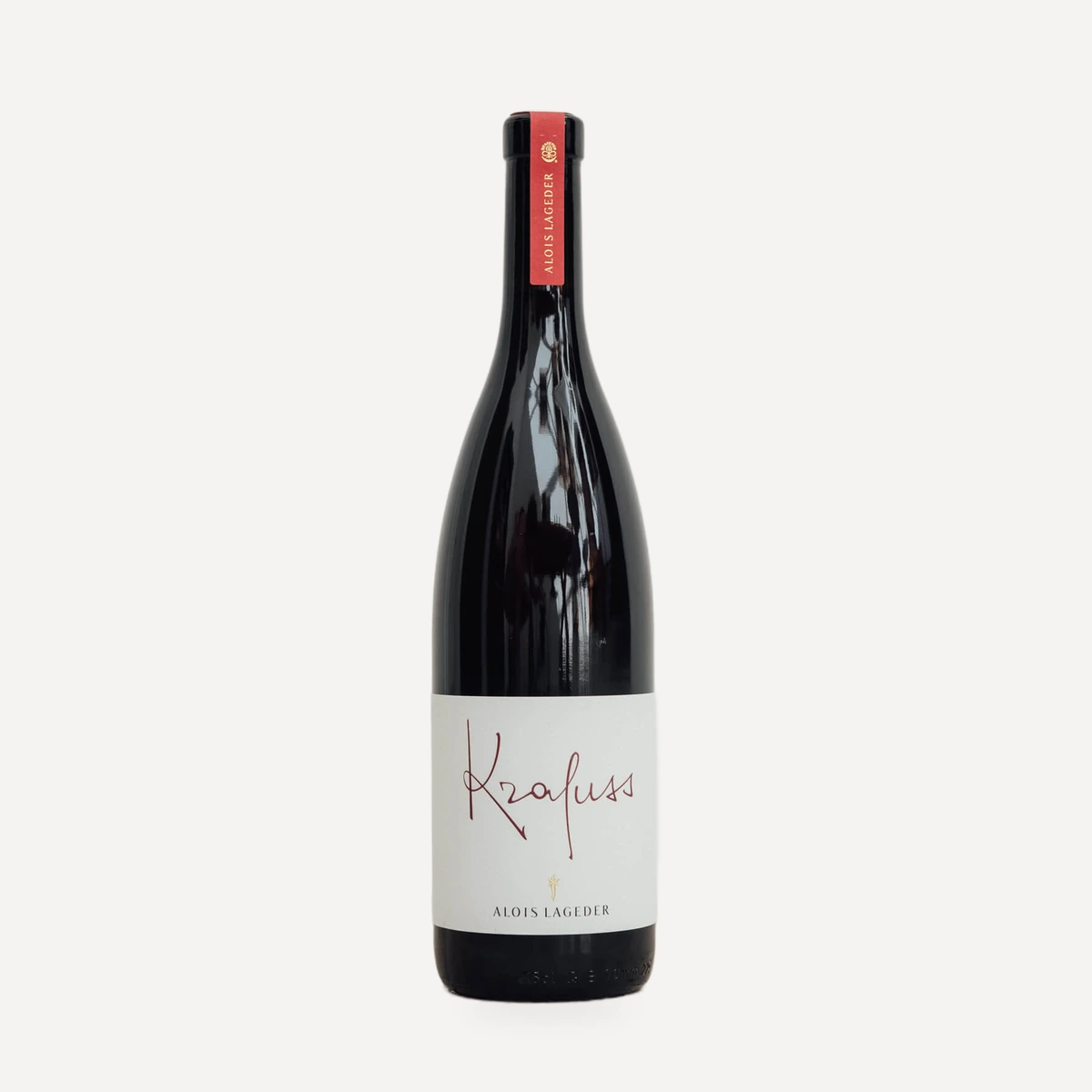
About this wine
Vineyard and terroir
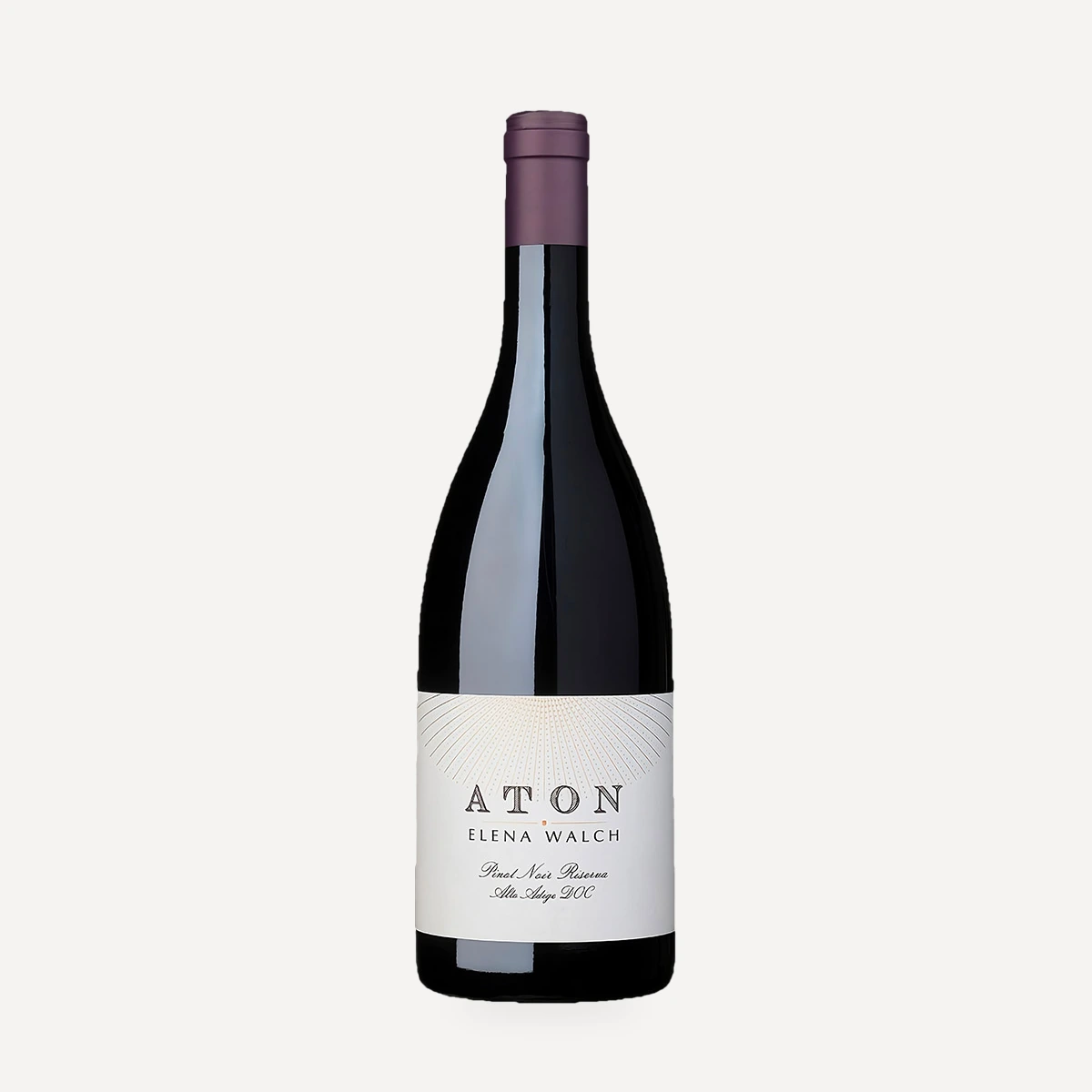
The vineyard occupies a well-aerated hilltop around the Krafuss Estate in Appiano/Montagna, at 430–450 m. Its combination of altitude, orientation, microclimate and loamy, gravelly soils over calcareous glacial deposits creates the conditions for an elegant, structured and saline expression of Pinot Noir.
Grapes
100% Pinot Noir.
Vinification
The grape mash undergoes spontaneous fermentation. The wine then spends a few months in small and large wooden casks.
Ageing
Following its time in cask, the wine matures for several additional months in bottle.
Technical data
The published 2021 vintage has 11.5% alcohol by volume.
Tasting profile
Garnet in colour with ruby reflections. The pronounced bouquet combines red and black berries with peppery spice and a flint-like mineral note. The palate is medium-bodied, lively and silky, balancing savoury and fruity characters. Elegance, body and salinity define the wine's style.
Serving and pairing
Suitable for white and red meats, poultry, duck, venison and cheeses. Its recommended drinking window is 3–10 years after the vintage.
Label / history
The Renaissance-era Krafuss Estate belongs to Roland Riz, Alois Lageder's father-in-law. Vineyards and orchards surround the historic building, reflecting the importance of viticulture above San Michele Appiano since the Middle Ages. The vineyards were converted in 1991 and planted exclusively to wire-trained Pinot Noir; biodynamic farming began in 2013.