History
Medieval origins of the Löwengang estate
The history of the family business begins in 1823, but the estate that later became its headquarters has much older roots. The Gaun family was recorded as an owner of the Löwengang property in 1369. In 1674, Emperor Leopold I elevated the family to knighthood and granted the title “von und zu Löwengang”; the residence subsequently became known as Tòr Löwengang.
Around 1875, Count Melchiori planted parcels at Magrè with Carménère, Cabernet Franc and Cabernet Sauvignon. Parts of this mixed vineyard survive and are now approximately 145 years old. They rank among the oldest vineyards in Alto Adige.
1823: the family wine business begins
Johann Lageder established the business in 1823. While continuing his work as a wagon maker, he began trading wine. Subsequent generations acquired the family’s first vineyards and moved from commerce into wine production. The winery has remained in family ownership for six generations.
Acquisition of Löwengang and the historic vineyards
In 1934, Alois Lageder III bought the Löwengang agricultural estate, including its buildings and vineyards in Magrè. The presence of Chardonnay, Pinot Bianco, Cabernet and Merlot—international varieties that were still uncommon in Alto Adige—was an important reason for the purchase. The old red vineyard was already about 60 years old at the time.
During the mid-1950s, the owners of the Hirschprunn estate planted Merlot in the Punggl vineyard at the southern foot of the Magrè talus cone. The planting year commemorated by the name MCMLVII was 1957.
The 1980s: quality, experimentation and climate awareness
During the 1980s, Alois Lageder IV pursued a new quality-oriented direction for the family winery. LÖWENGANG Chardonnay began in 1984 and became the first white wine from Alto Adige to establish itself successfully in international markets. It subsequently became one of the defining wines in the family’s development.
Early climate models also prompted field trials. Alois IV and collaborators tested heat-adapted varieties from southern wine regions, including Viognier, Tannat and Petit Manseng, as well as disease-resistant material with loose bunches and thick skins. Manzoni Bianco was among the varieties studied. Several trials later developed into established wines, while continued experiments became the basis of the Comets series.
The Römigberg vineyard was transformed during the same decade. Following exchanges with growers including Robert Mondavi and Bordeaux proprietors, Alois IV replaced part of the traditional Schiava with Cabernet Sauvignon and Petit Verdot imported from France. In 1986, the steep vineyard was terraced and planted at high density on Guyot-trained wire trellises—the first large vineyard of this kind in Alto Adige. Its central plot was traditionally called Herz, or Cor in Latin.
Expansion in 1991
In 1991, Alois IV acquired Casòn Hirschprunn in the centre of Magrè, together with more than 30 hectares of vineyards and several historic buildings. The estate became an important site for trials with Viognier, Petit Manseng, Tannat and other varieties studied in response to climate change.
The Krafuss vineyards at Appiano/Montagna were also renovated in 1991. They were replanted exclusively with Pinot Noir at high density on wire trellises. The Renaissance Krafuss residence belongs to Roland Riz, Alois Lageder’s father-in-law.
The new winery, 1995–1996
Construction of new winery and administration facilities at Löwengang began in January 1995 and was completed in summer 1996. The headquarters moved from Bolzano to Magrè in 1995. The building was conceived around low energy use, biological construction materials, renewable energy and gentle handling. A 14-metre vinification tower uses gravity to move grapes, must and wine with little need for pumps, while fermentation vessels are arranged in a circle to minimise transport distances. Limestone was excavated to create naturally cool and humid underground maturation space.
The project integrated geothermal heating and cooling, heat recovery, solar hot-water collectors and photovoltaic generation. A photovoltaic system installed in 1996 covered many essential electricity requirements and was described at commissioning as the first privately financed installation of its kind in Italy.
The 1995 harvest also produced exceptionally high-quality Merlot in Punggl. Luis von Dellemann, then the head winemaker, separated grapes originally intended for the CASÒN Rosso blend and created a single-vineyard Merlot. This became MCM, later renamed MCMLVII to commemorate the vineyard’s 1957 planting.
Transition to biodynamics
Alois IV’s first exposure to biodynamic ideas came in childhood, when his mother timed work in her vegetable garden according to lunar phases. He began trials with biodynamically farmed vineyards in the 1990s. In 2004, the family began converting all of its vineyards to biodynamic agriculture, and the first biodynamically certified wines reached the market in 2008. Krafuss was converted to biodynamic farming in 2013.
The transition was conceived as a gradual effort to rebuild soil fertility, biodiversity and relationships among soil, plants, animals and people. Around 60 partner growers were subsequently encouraged to adopt organic or biodynamic methods.
Recent developments
The temporary Hel Yes! Paradeis bottiglieria project began in 2016. Since 2020, natural corks and paper seals have replaced tin capsules and aluminium screw caps, reducing annual metal use from approximately 5 tonnes to 180 kilograms of FSC-certified paper. The MCMLVII identity was also revised in 2020 to emphasise the 1957 planting and the old vines.
In 2021, the winery introduced its 420-gram Summa bottle in place of a 650-gram bottle, reducing annual glass production, transport and recycling by 114 tonnes, or 22%.
With the 2024 harvest, all 55 hectares of family vineyards and 85 hectares farmed by approximately 60 partner growers were cultivated organically or biodynamically. This completed a 13-year process of encouragement and collaboration and brought the total to 140 hectares. The winery simultaneously introduced a five-pillar value system—soil, plant, animal, human and market—to connect grape prices with sustainable agriculture, biodiversity, soil fertility and the quality of each grower’s work. All wine labels have been made from 100% recycled paper since 2024.
The sixth generation—siblings Alois Clemens, Helena and Anna Lageder—now directs the business. Their stated priorities are to develop the identity of the wines, sustain healthy agriculture, respond to climate change and continue experimentation without abandoning the accumulated experience of previous generations.
Terroir
Alto Adige setting
The winery draws fruit from 55 hectares of family vineyards and 85 hectares cultivated by approximately 60 partner growers throughout Alto Adige. This network spans sites between 200 and 1,000 metres above sea level and gives access to markedly different varieties, elevations, soils and microclimates.
Alto Adige lies in the central Alps. High mountains to the north provide protection from cold winds, while the landscape opens toward the south, allowing mild Mediterranean air to enter. The result is an Alpine-Mediterranean climate: valley floors can be intensely hot in summer, while higher vineyards retain cooler Alpine conditions.
The geology changes over very short distances. Volcanic porphyry occurs around Bolzano. The Isarco and Venosta valleys contain weathered primary-rock soils with quartz, slate and mica. Limestone and dolomite dominate southern Alto Adige. More than 150 rock types occur across the region.
Magrè
Magrè lies on a talus and alluvial cone of dolomitic material. Repeated flooding by the Favogna/Fenner stream deposited gravel over thousands of years, producing calcareous soils suited to Chardonnay and the estate’s historic red varieties. Morning sun supports the vines during an important period of plant metabolism. In the afternoon, temperatures fall as fresh air arrives from the Favogna Gorge; the Ora wind from Lake Garda also influences the area. Warm daytime conditions and cooler evenings help preserve acidity and aroma.
Lake Caldaro and Bolzano
Römigberg occupies an extremely steep, south-southeast-facing slope on the northwestern side of Lake Caldaro. Intense sunshine and a warm Mediterranean influence meet dolomitic limestone, rocky gravel and loamy remnants of glacial deposits.
Lindenburg lies in Bolzano’s warm valley basin. Its deep alluvial soils were formed around the converging rivers; the vineyard is associated with the banks of the Talvera and Isarco river system. The warmth of Bolzano is particularly relevant to Lagrein.
Appiano/Montagna
Krafuss lies on a ventilated hilltop at 430–450 metres. Elevation, exposure, microclimate and air movement combine with loamy, gravelly, calcareous glacial deposits.
Winemaking
Biodynamic framework
The family vineyards began conversion to biodynamic agriculture in 2004, following experiments during the 1990s. The first certified biodynamic wines appeared in 2008. From the 2024 harvest, all 55 hectares of family vineyards and all 85 hectares cultivated by approximately 60 partners are farmed organically or biodynamically.
Biodynamics is treated as an ongoing process rather than a simple opposition between “good” biodynamic and “bad” integrated farming. The objective is to investigate underlying causes, develop healthy and resilient vines, increase soil fertility and biodiversity, and make the farm function through relationships among soil, plants, animals and people.
Preparations, compost and infusions
Horn manure preparation 500 is used to stimulate soil, root development and balanced shoot and leaf growth. It is applied in November and again in spring. Horn silica preparation 501 is used during and after flowering, as the vine moves from vegetative expansion toward fruit concentration. It is intended to strengthen leaves, improve resistance and encourage fruit development.
Vineyard compost is enhanced with small quantities of preparations made from yarrow, oak bark, nettle, chamomile, dandelion and valerian. Preventive plant infusions include chamomile, horsetail, nettle, dandelion, valerian, willow, oak bark and yarrow. Compost teas are also used.
Soil and cover crops
Mixtures are sown between vine rows in autumn. Species with roots at different depths loosen and aerate the soil, improve water retention and support earthworms and microorganisms. Flowering vegetation creates habitats for insects and attracts birds. Spring biomass becomes green manure and contributes to humus formation.
Agrosilvopastoral practices
The vineyards combine crops, trees, shrubs and grazing animals. Shrubs, aromatic plants, fruit trees, nut trees and olive trees have been introduced among the vines, sometimes replacing individual vines. New plantings reserve space for trees. Deep roots improve water retention, while shade moderates soil and ambient temperatures. These plants create habitats and provide food for people and animals.
Oxen and cattle graze in the biodynamic vineyards; pigs are integrated into the farm, while chickens, geese, turkeys and peacocks live at Römigberg. Hedgehogs, moles, rabbits, insects and soil organisms form part of the wider biodiversity. Oxen live outdoors year-round, spending summer on mountain pasture and other seasons in the vineyards. They are slaughtered on pasture after three or four years to avoid transport stress, and the restaurant uses the whole animal.
Vine care and protection
Guyot and traditional pergola systems are both used. New pergola plantings provide additional shade in response to rising temperatures. Pruning follows the Simonit & Sirch gentle, low-wound method.
Synthetic fungicides, insecticides, herbicides and synthetic mineral fertilisers are excluded. The main strategy is preventive strengthening of vines against fungi, pests, heat and drought. Copper and sulphur may be used in small quantities during prolonged humidity or serious fungal pressure; they remain surface treatments and are used cautiously.
Climate adaptation and harvest
Since the 1980s, the winery has tested Viognier, Tannat, Petit Manseng, Manzoni Bianco and other varieties capable of retaining acidity or resisting difficult weather. Current trials also include old Alto Adige varieties such as Blatterle, Fraueler and Versoalen, disease-resistant varieties and cooler high-altitude sites.
Harvest timing is determined plot by plot to preserve acidity and what the winery describes as the grape’s peak crispness rather than allowing overripeness. All grapes are picked by hand; the 2023 harvest involved 86 helping hands.
Partner-grower value system
Since the 2024 harvest, cooperation with partner growers has been evaluated through five pillars: soil, plant, animal, human and market. Cover crops, hedge planting, gentle pruning, livestock integration and related measures are financially rewarded. Site, slope and variety are assessed separately. The system is intended to evolve with the growers over subsequent years.
Harvest and reception
Cellar decisions begin with plot-specific harvest timing. Grapes are picked by hand when ripe yet still crisp and lively. Harvest dates may vary between parcels to protect acidity and freshness.
Individual rather than standardised vinification
The cellar does not impose one standard recipe. Each wine and vintage is interpreted according to its individual needs within international and Italian Demeter requirements. The guiding stylistic values are precision, freshness and authenticity.
Fermentation relies primarily, and for biodynamic wines exclusively, on the indigenous yeast flora of the vineyards and cellar. Spontaneous fermentation is conducted in stainless steel, large wooden casks, barriques, tonneaux and cement vessels. Red and experimental components may undergo mash fermentation, include varying proportions of whole bunches, or remain in contact with skins, stems or whole grapes for different periods. These techniques are also used to increase the perception of acidity and freshness through tannin structure.
Sulphur and bentonite are the principal permitted additives or fining materials and are used only when considered necessary. Demeter imposes low maximum sulphur levels. Filtration is gentle and decided wine by wine; it may be omitted.
Maturation
The available maturation vessels include stainless steel, cement, large wooden casks, small casks, barriques and tonneaux. Some white components mature on their lees, while components may be blended only after separate fermentation and maturation. Bottle ageing is used for the estate’s Crus and mature-vintage projects. Exact vessels, whole-bunch proportions, lees contact and maturation periods are determined for each wine rather than applied as a uniform estate recipe.
Gravity winery
The winemaking building constructed in 1995–1996 uses gravity and circular organisation as its core principles. A 14-metre vinification tower moves grapes, must and wine downward with minimal pumping. Fermentation tanks are arranged equidistantly around the centre to reduce movement. Limestone was excavated to create underground maturation areas with naturally suitable temperature and humidity.
The facility combines natural handling with modern equipment and computer control. Heat recovery, geothermal air and water systems, solar thermal collectors and photovoltaic panels reduce energy use and eliminate on-site burning of fossil fuels for heating and cooling.
Experimental cellar work
Trials examine the influence of altitude, limestone, slate, harvest timing, whole-bunch percentages and varieties such as Tannat, Blatterle and Manzoni Bianco. Successful experiments can enter the permanent range; selected trials are released annually as Comets.
Philosophy
Diversity is the central organising idea: biological diversity is intended to create more fertile soil, healthier agriculture and wines with clearer individual character. The family applies the same principle to grape varieties, elevations, geology, cultural influences, cellar vessels, experiments and its international team.
The winery’s biodynamic approach focuses on causes rather than symptoms. Its objective is not to present biodynamics as automatically superior to every other form of farming, but to understand relationships patiently and create resilient vines, fertile soils and a functioning cycle among plants, animals, people and the land.
Each wine is intended to have room to develop rather than being forced toward a predetermined result. Precision, freshness and authenticity provide continuity, but techniques are reconsidered with every vintage. The family values curiosity and calculated risk while describing its role as stewardship of six generations of accumulated experience.
The wines are intended to reflect both geographical origin and craftsmanship. Freshness, liveliness and drinkability are preferred, with enough identity to leave an impression. Vintage variation is accepted as part of the wine’s development.
Climate change is approached through long-term vineyard and cellar experimentation: heat-adapted and historic varieties, high-altitude sites, pergola shade, massal selection, multiple picking dates, whole-grape contact and packaging research. The sixth generation connects this work with a broader goal of healthy agriculture and viable conditions for future generations.
Wines
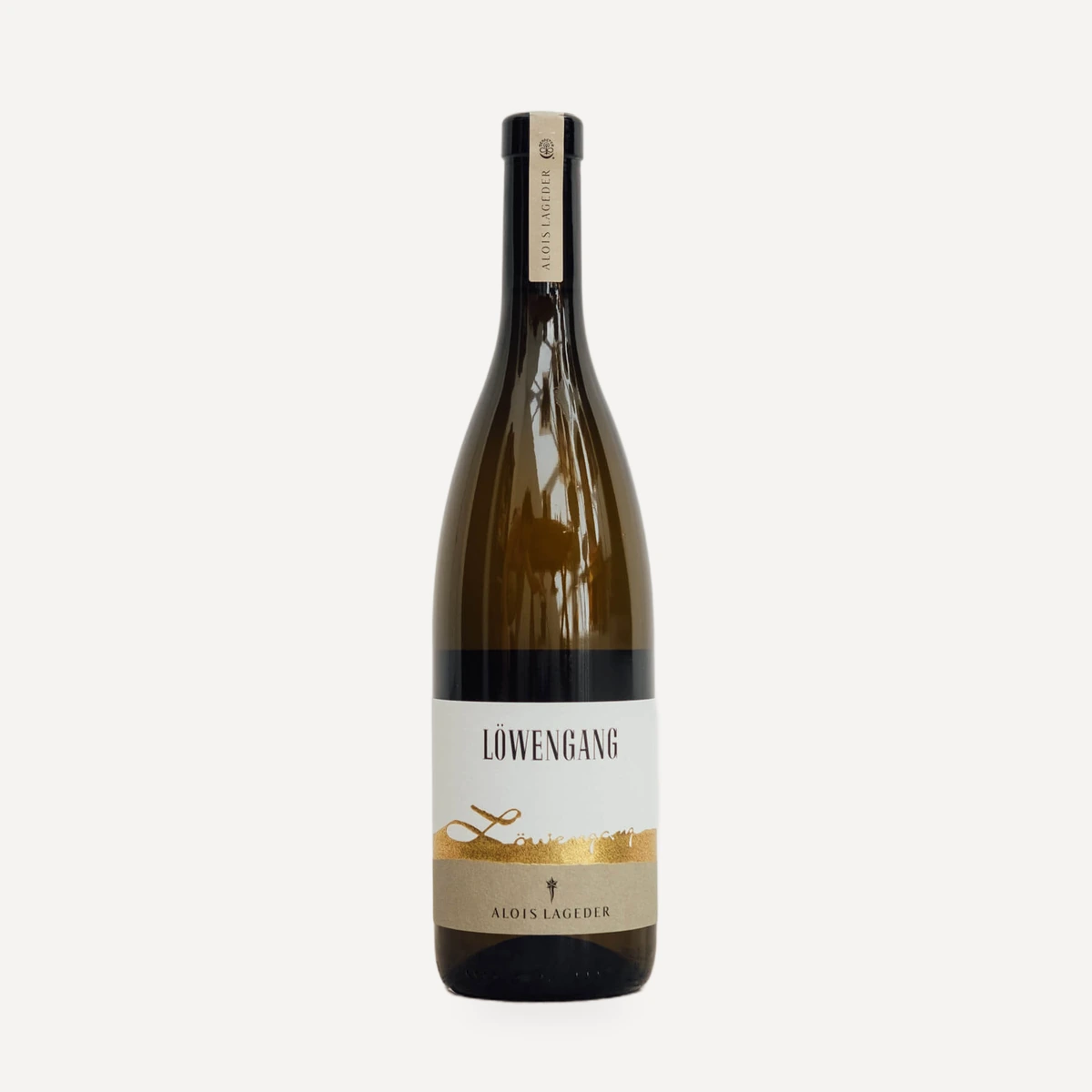
LÖWENGANG Chardonnay
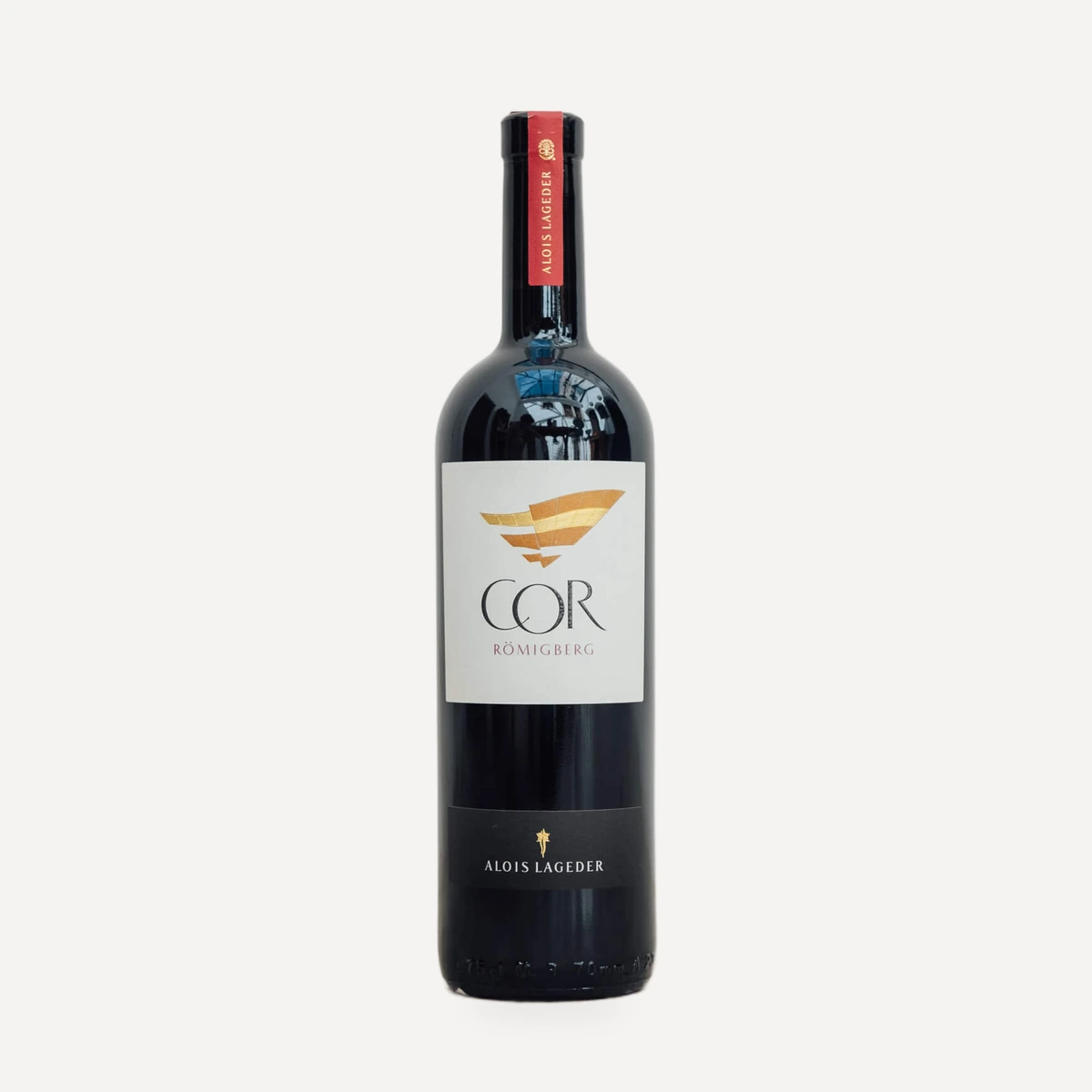
COR RÖMIGBERG Cabernet Sauvignon
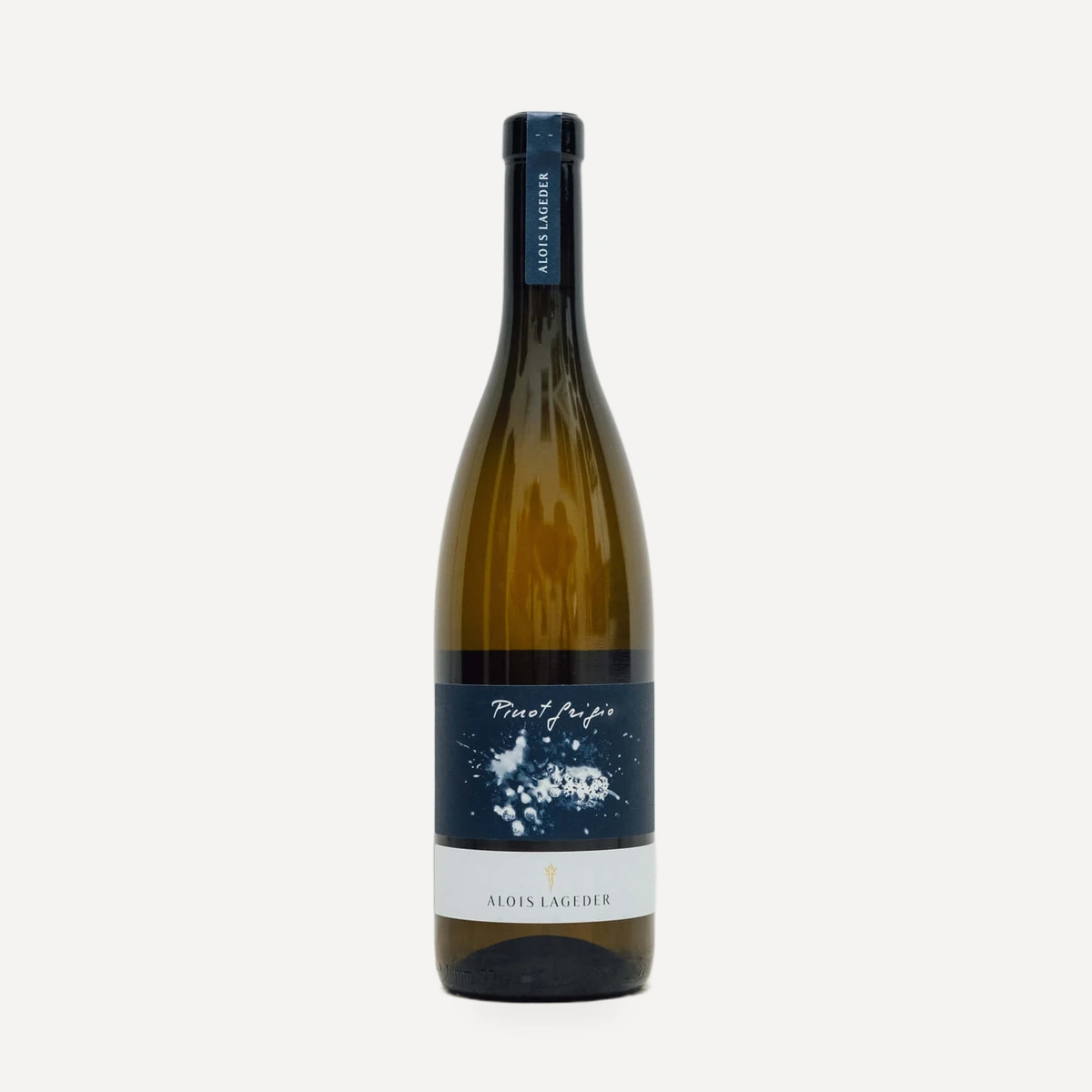
Pinot Grigio
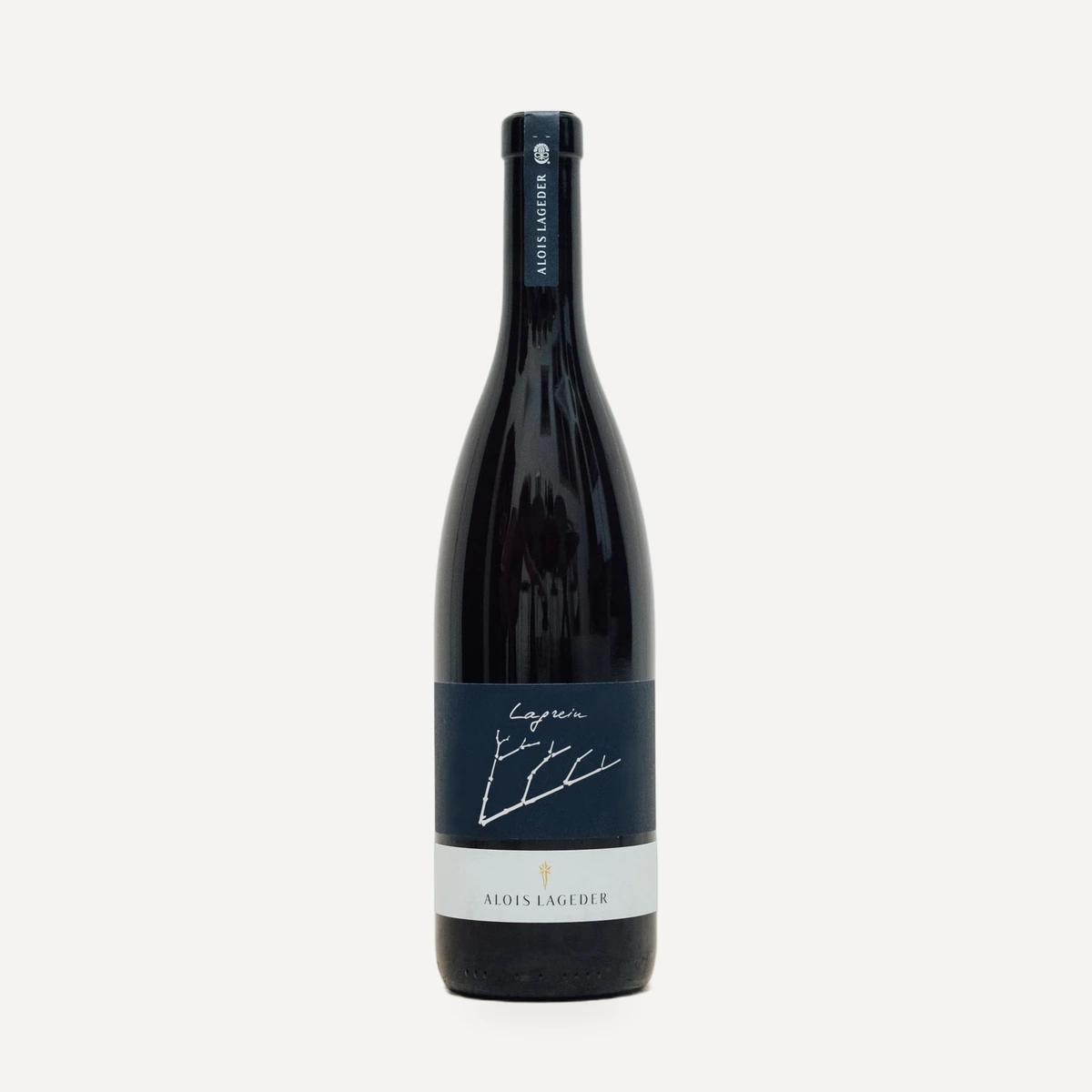
Lagrein
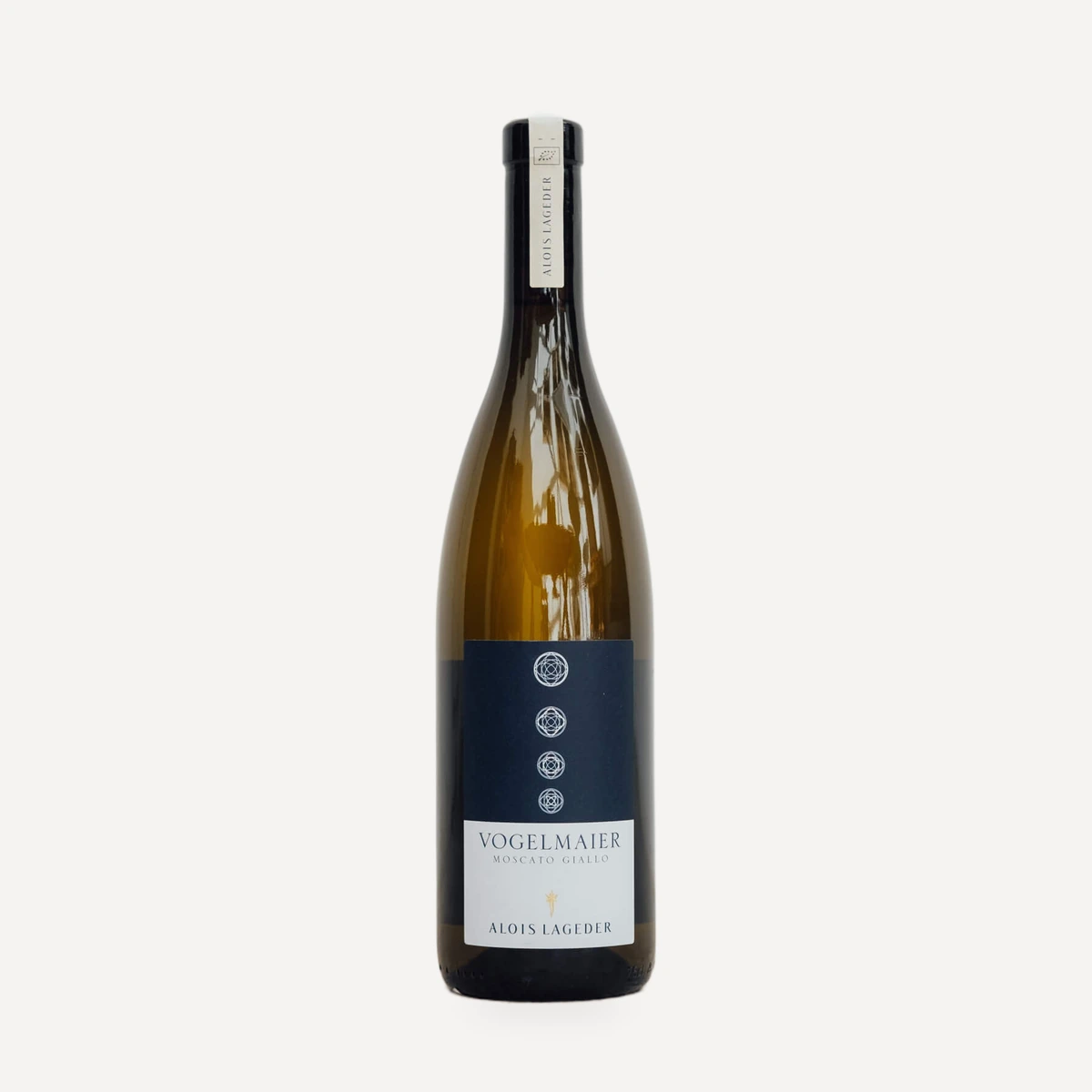
VOGELMAIER Moscato Giallo
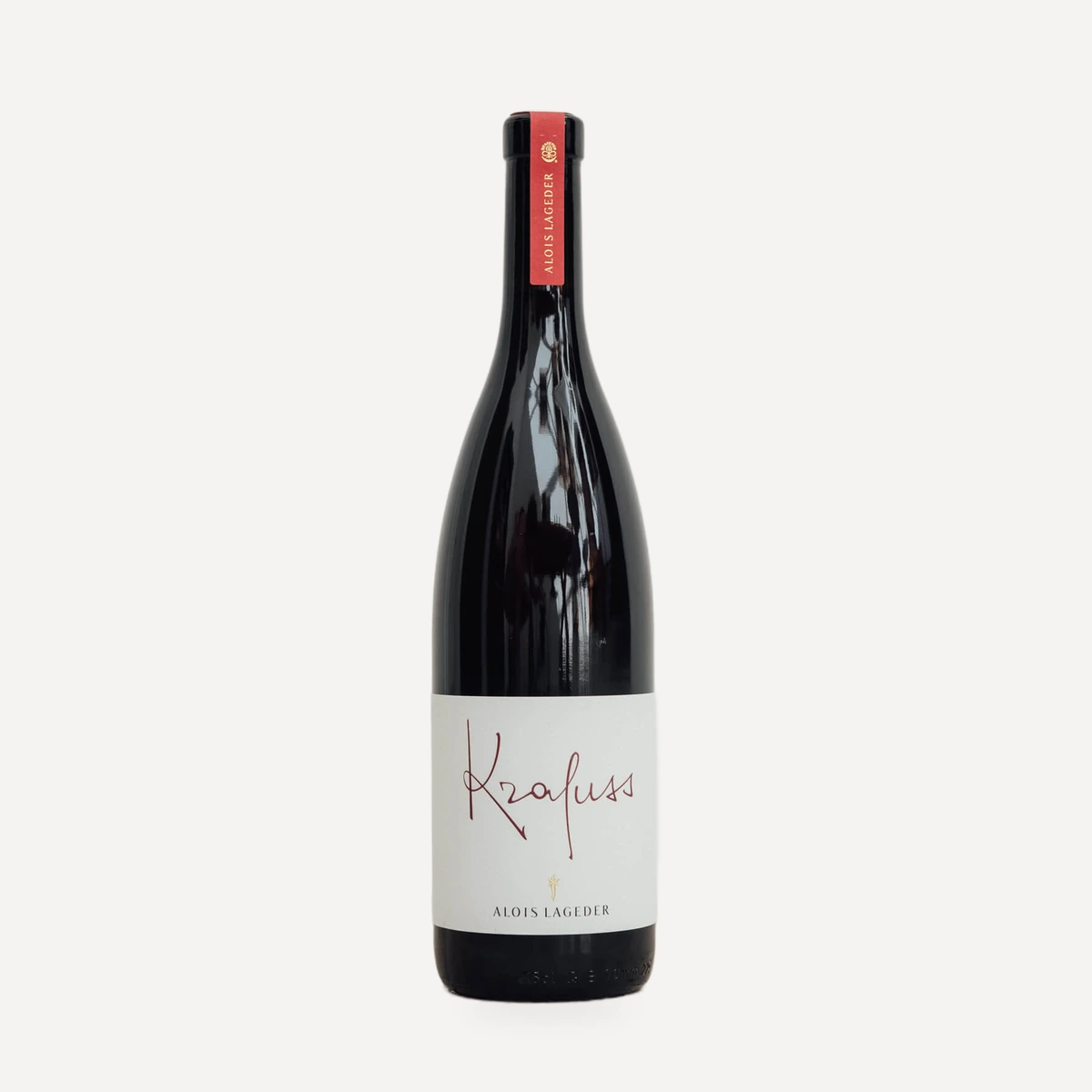
KRAFUSS Pinot Noir
LINDENBURG Lagrein
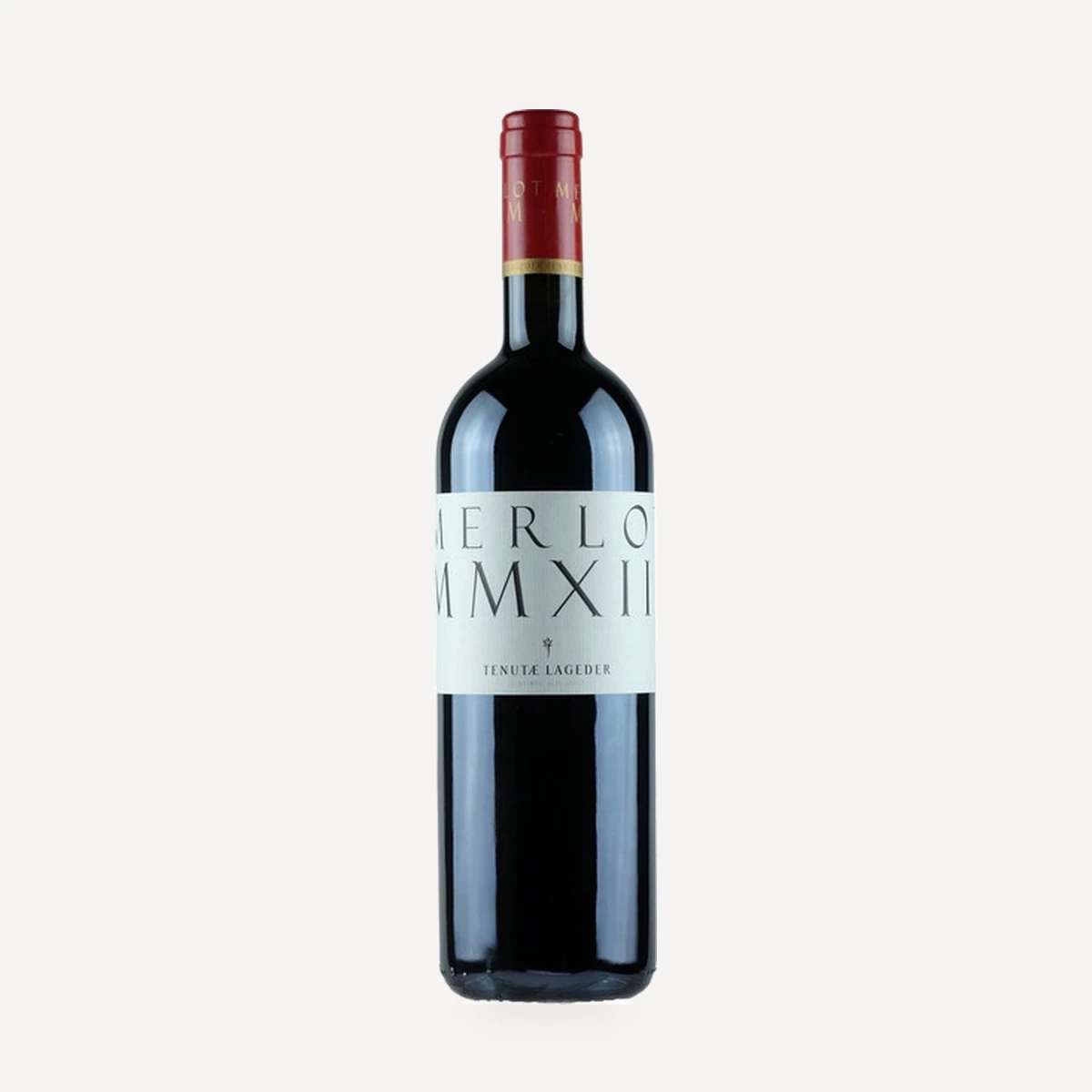
RARUM MCM Merlot
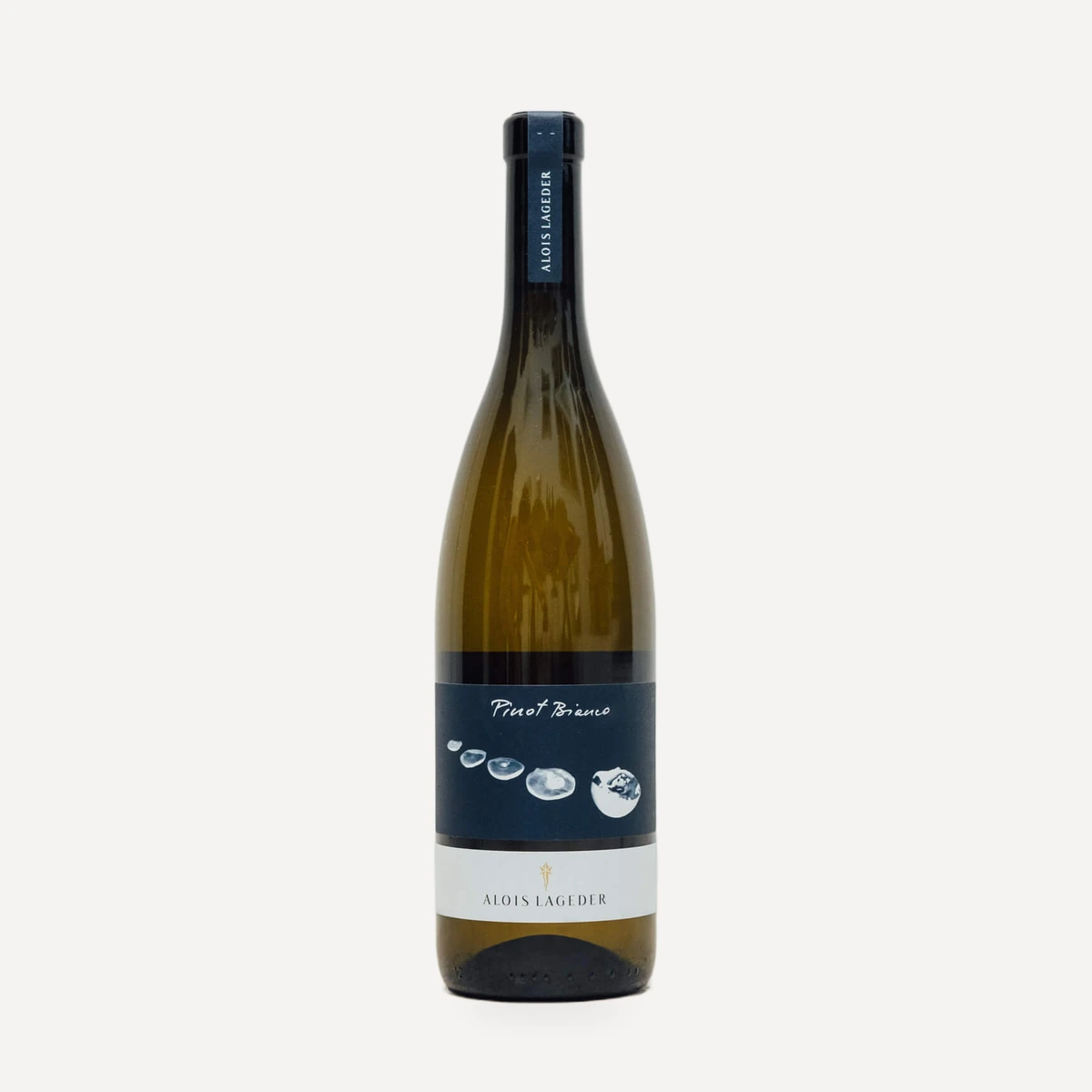
Pinot Bianco
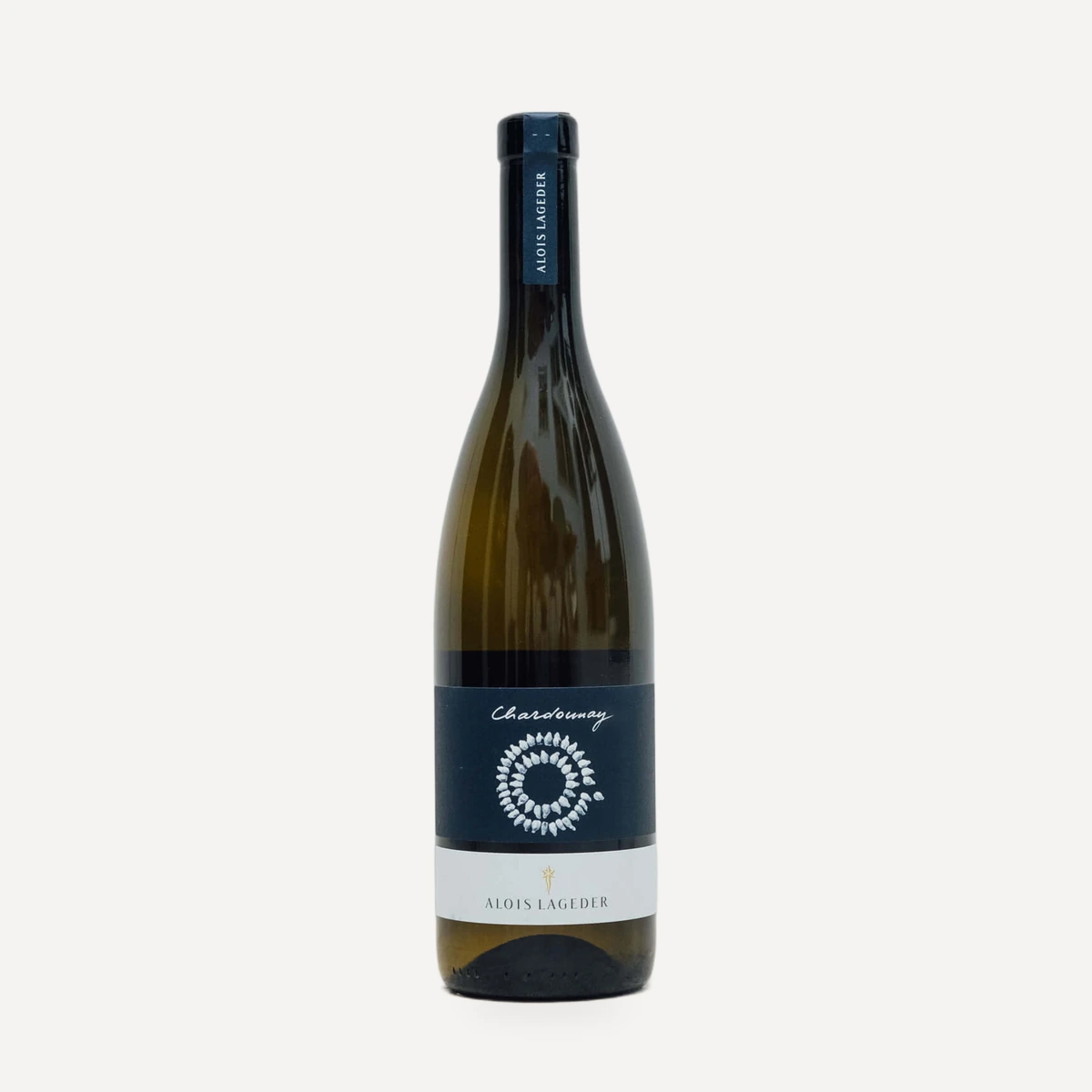
Chardonnay
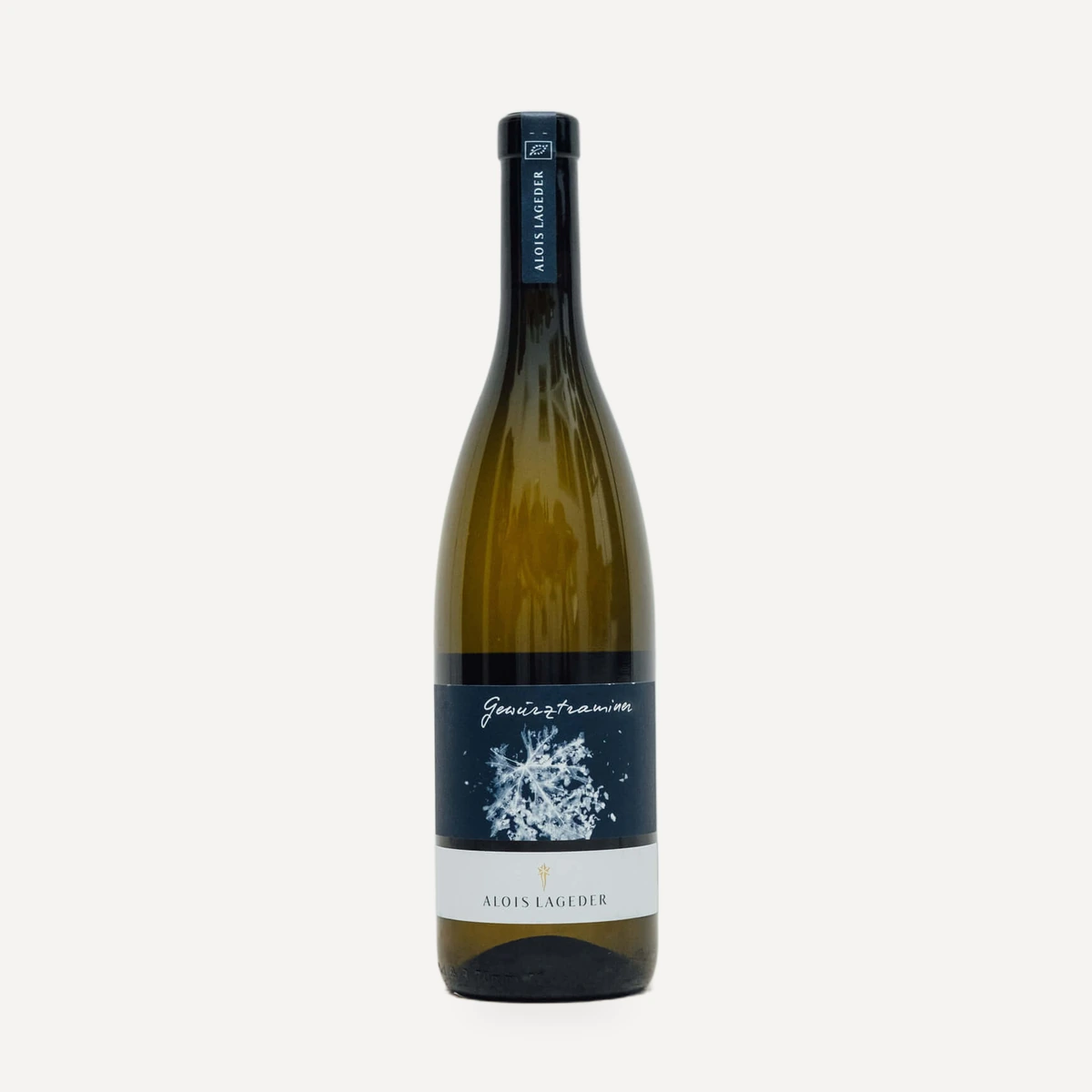
Gewürztraminer
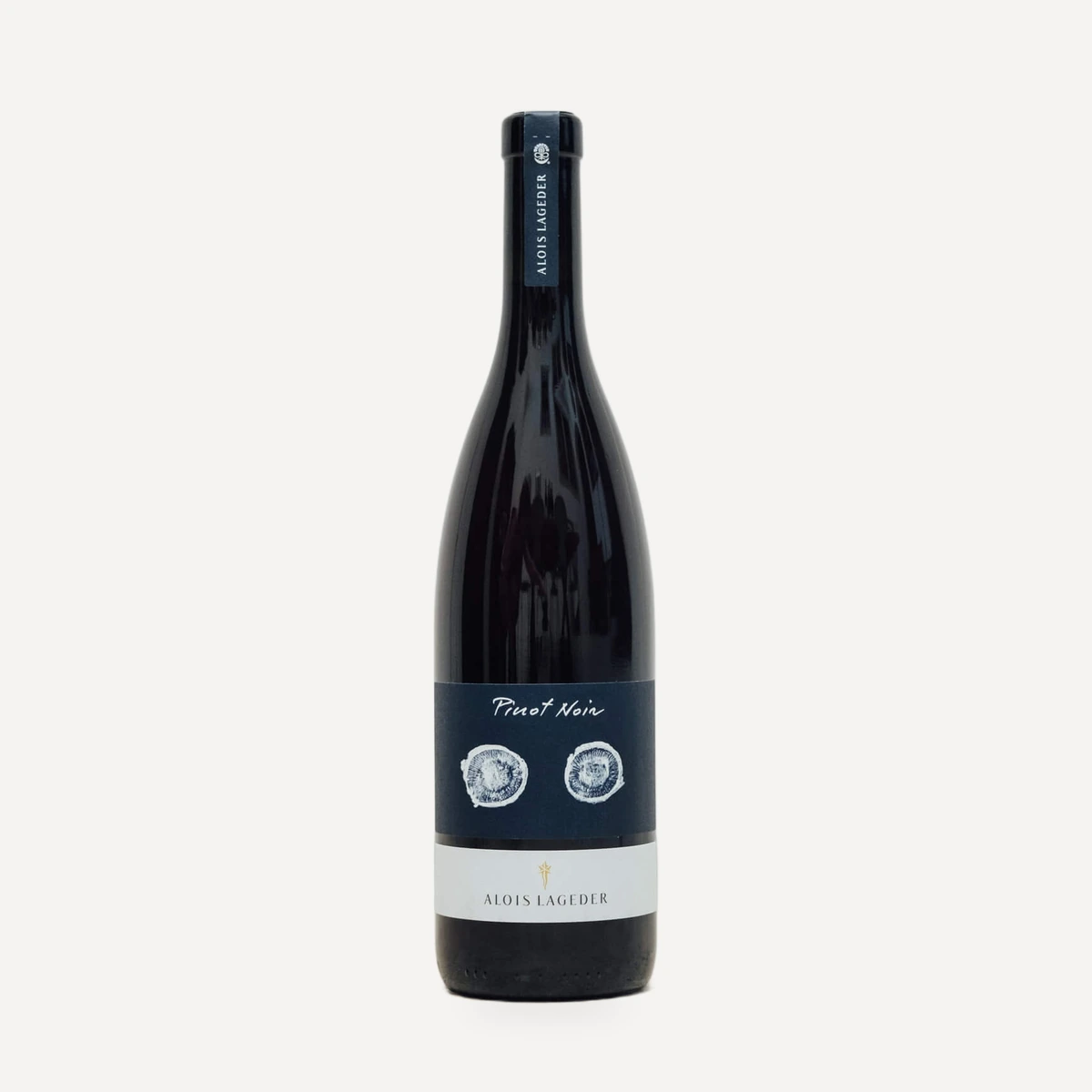
Pinot Noir
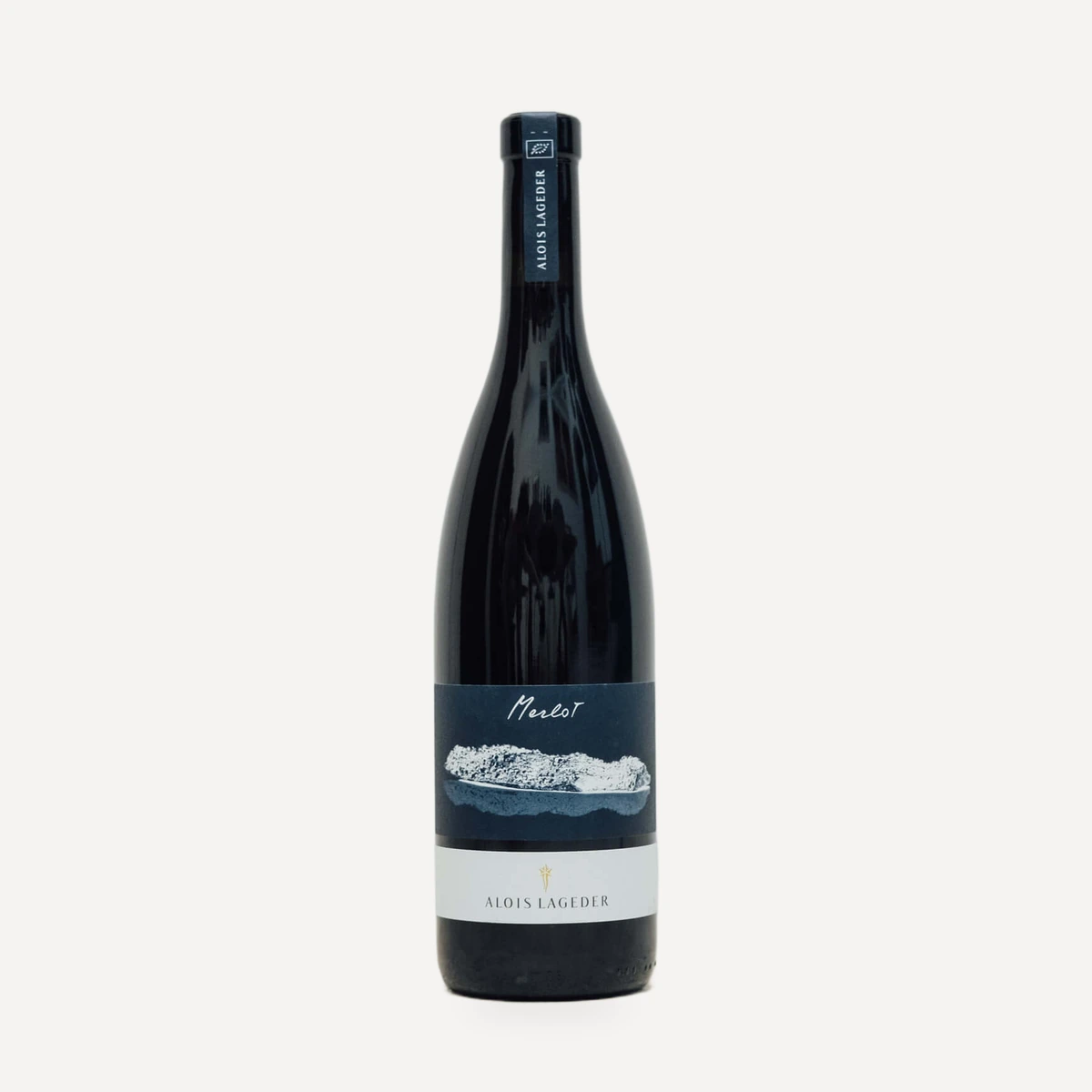
Merlot
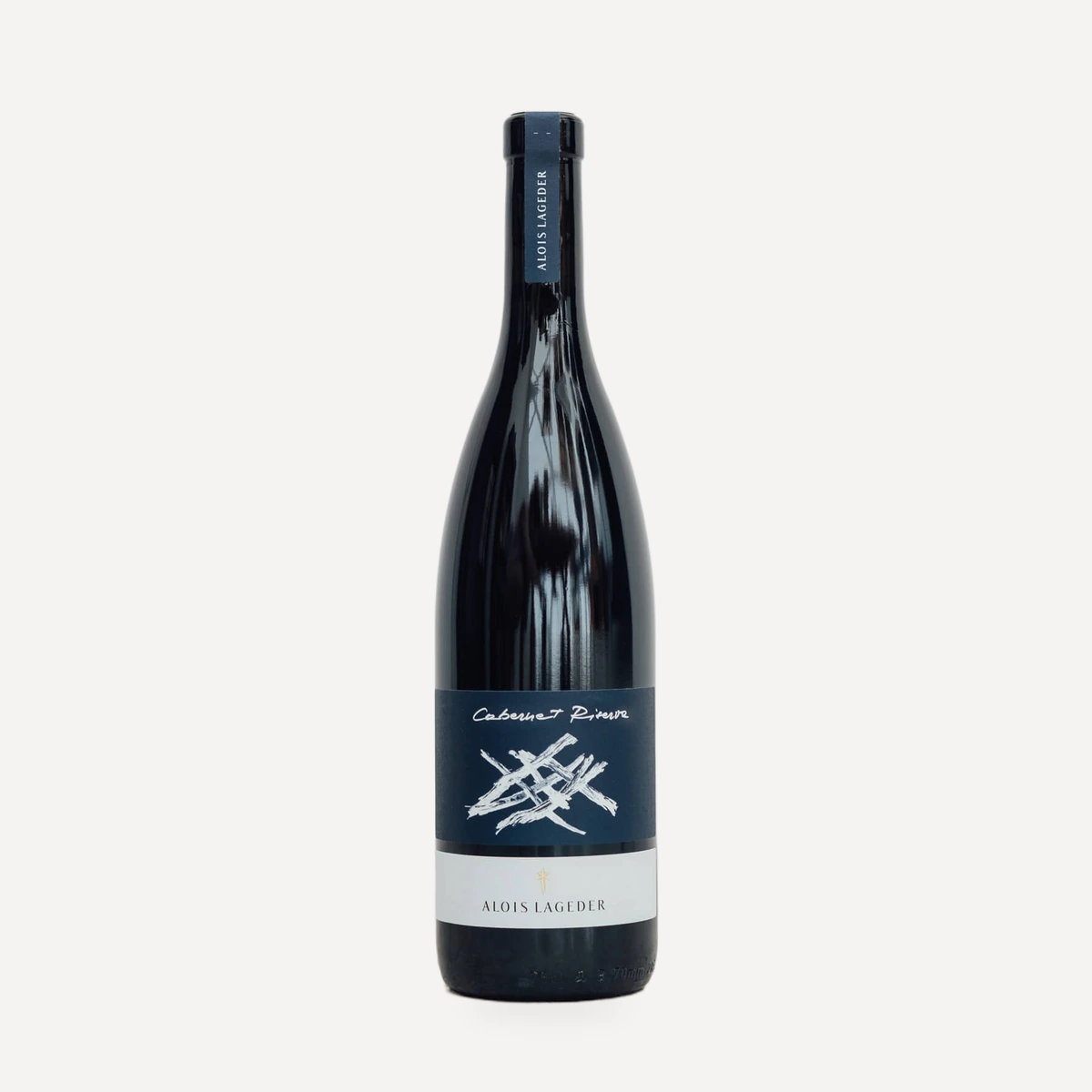
CABERNET Riserva
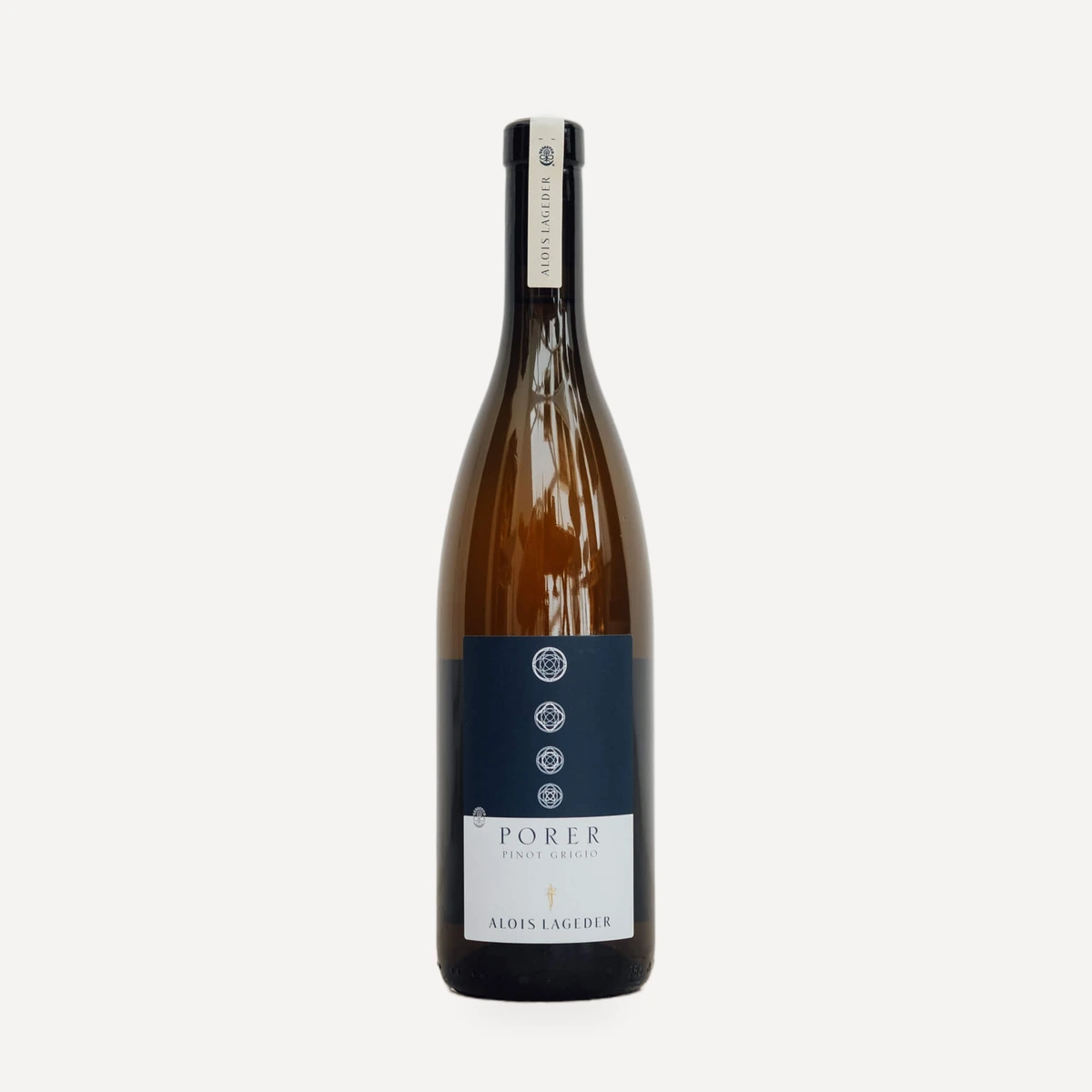
PORER Pinot Grigio
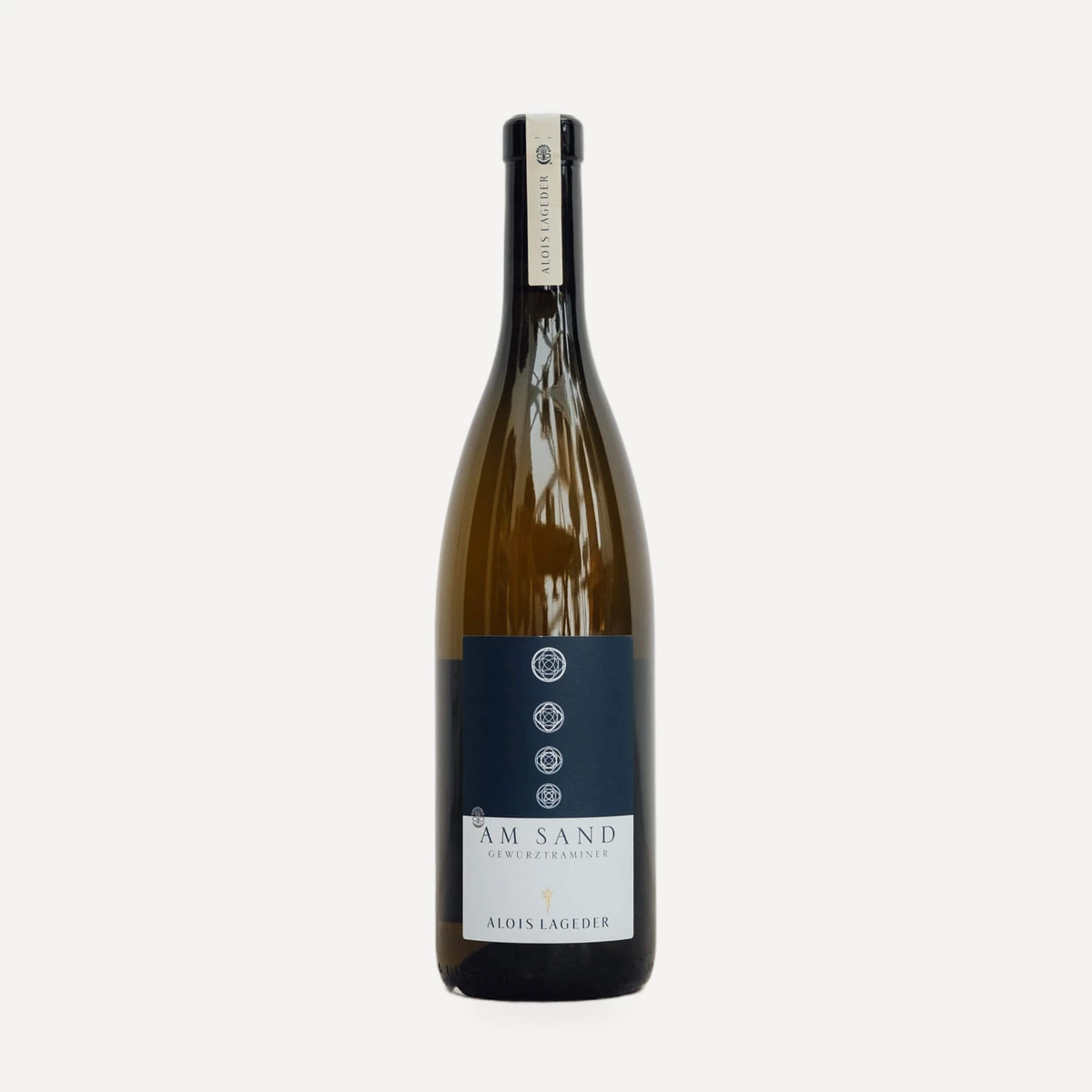
AM SAND Gewürztraminer
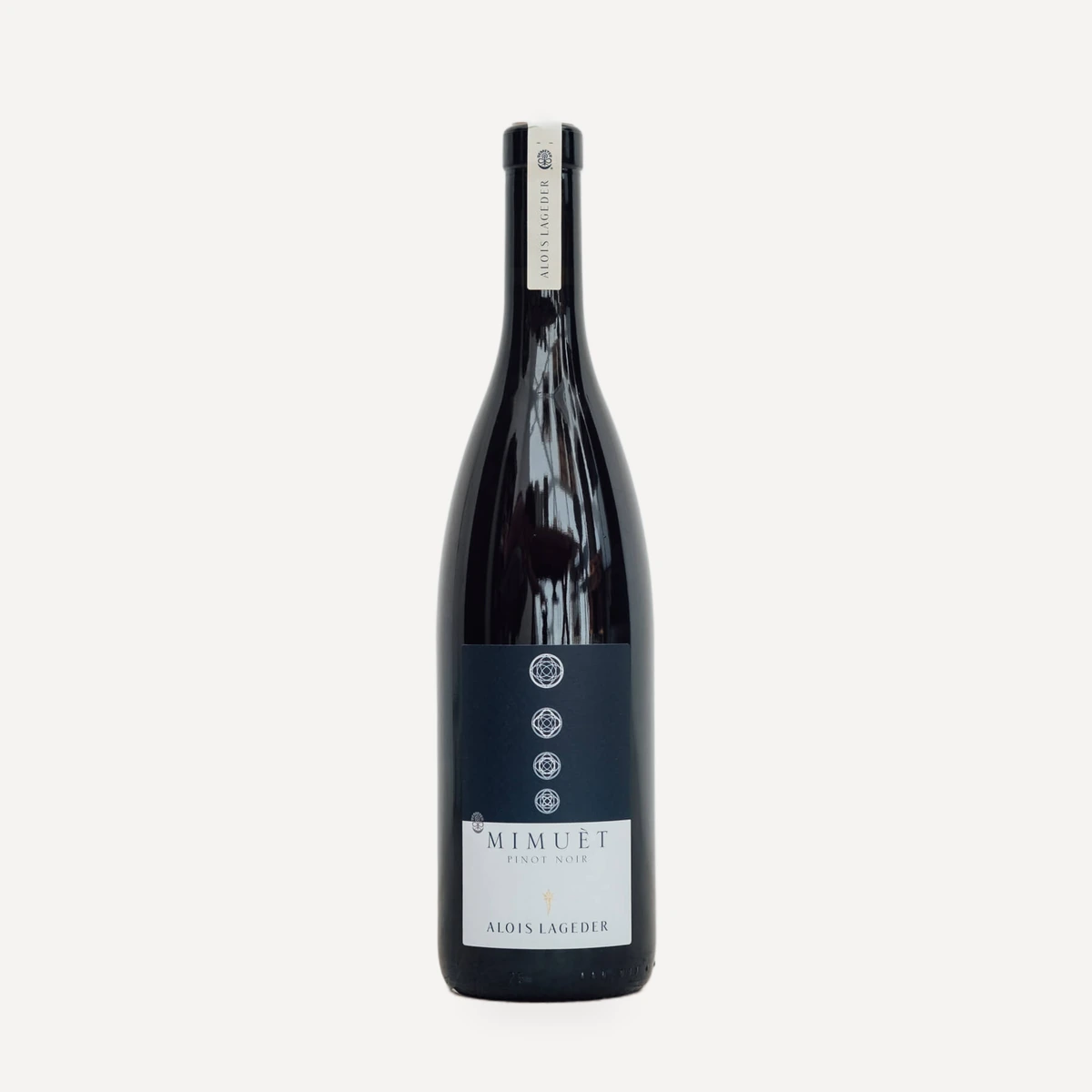
MIMUÈT Pinot Noir
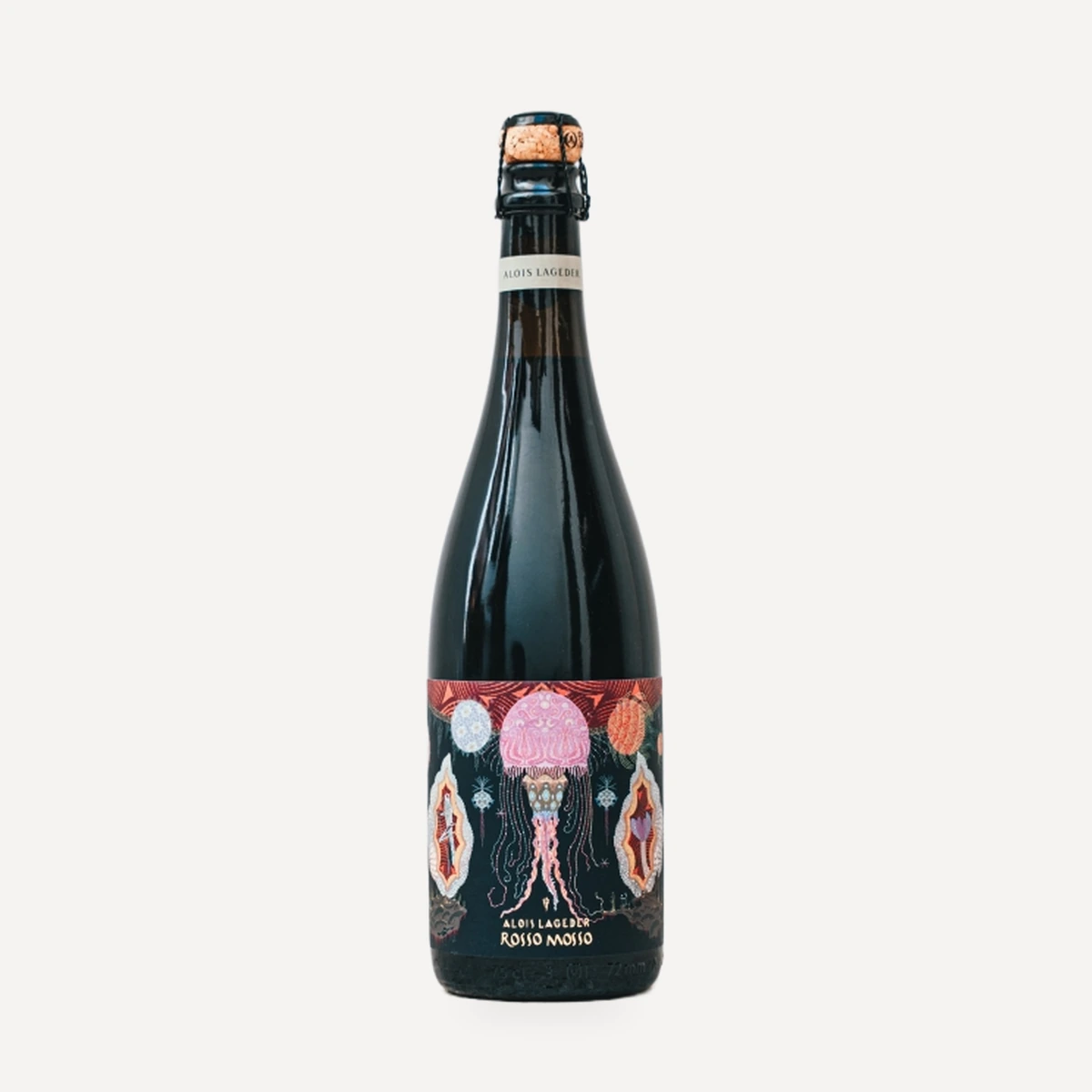
Rosso Mosso
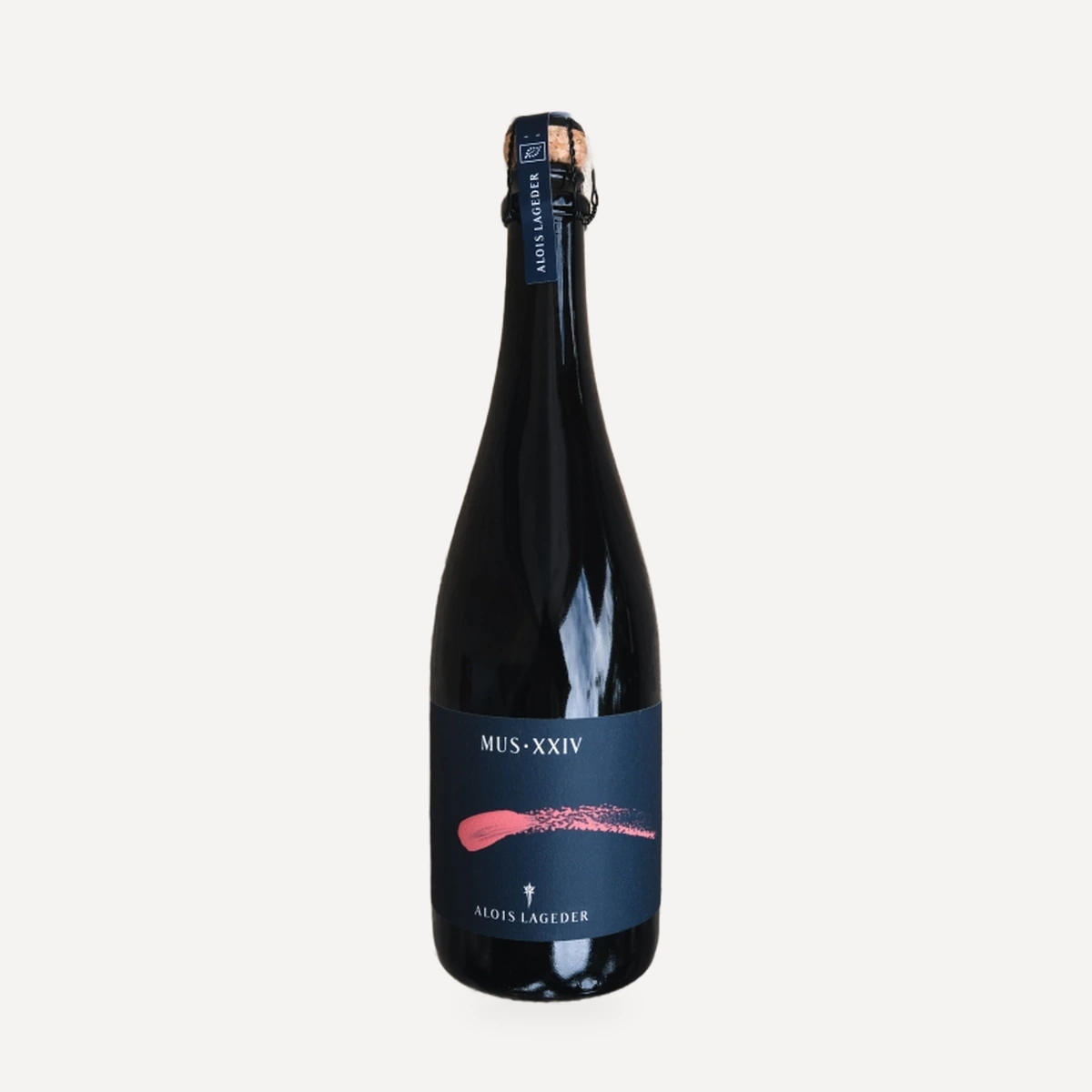
Mus · XXIV
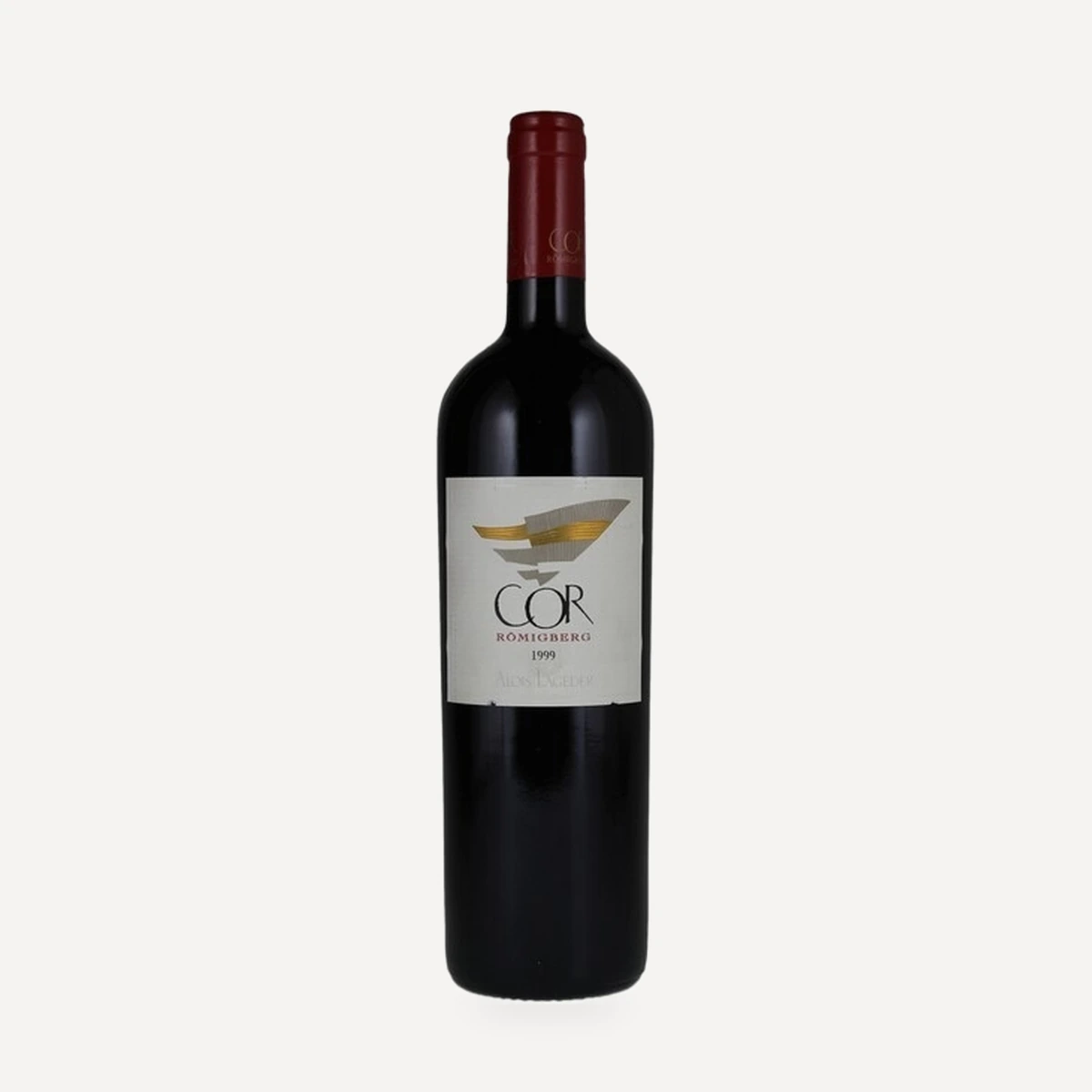
Rarum Cor Römigberg
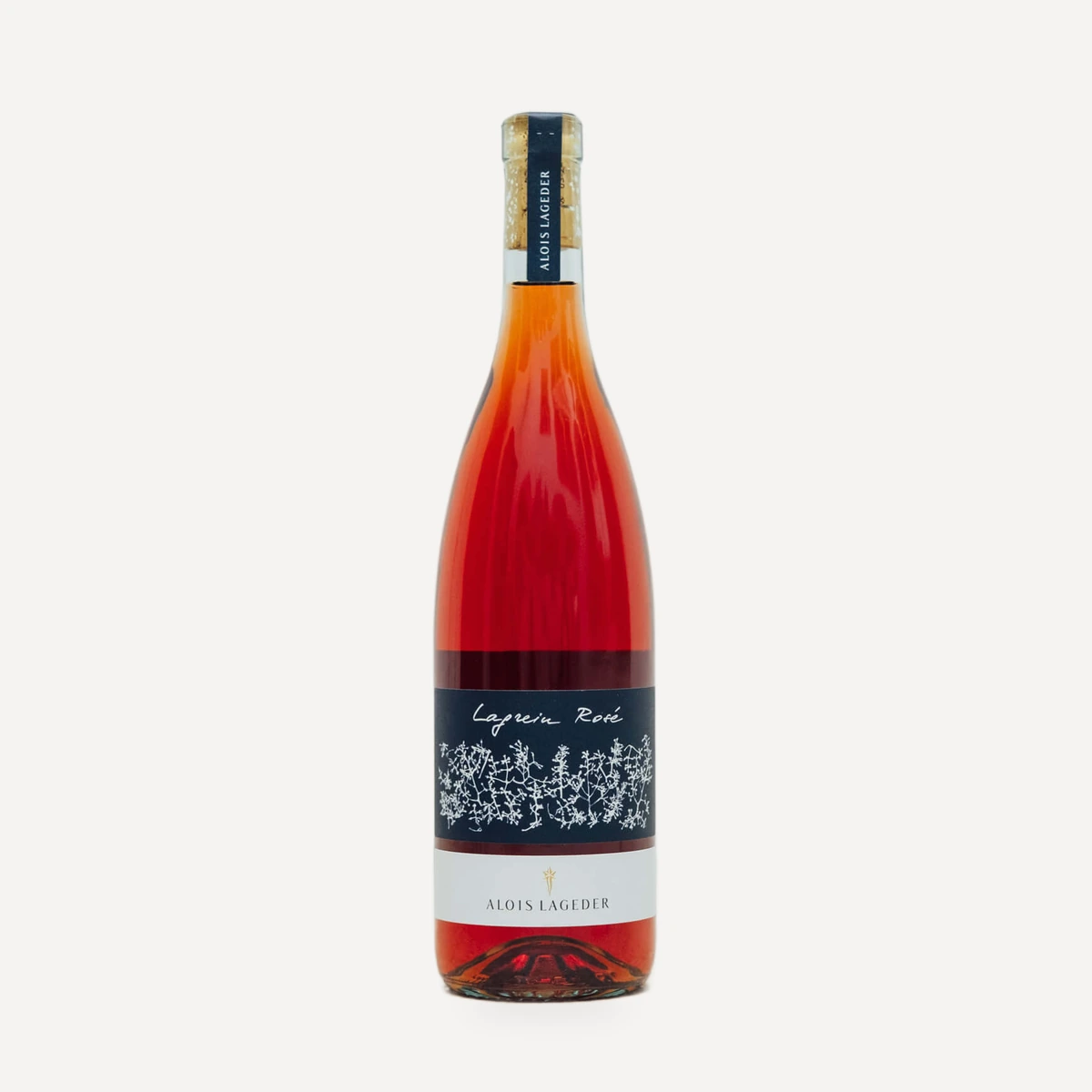
LAGREIN Rosé
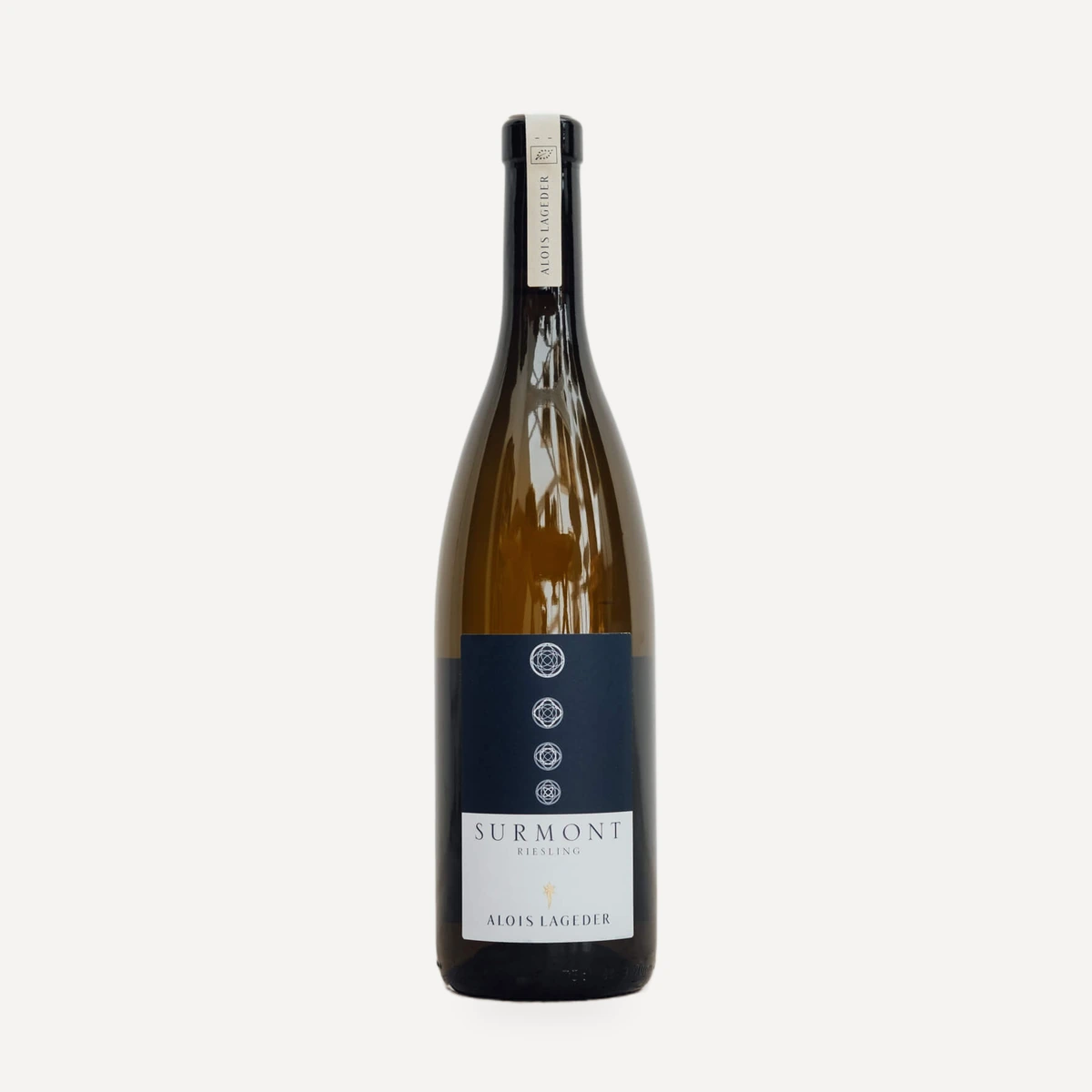
SURMONT Riesling
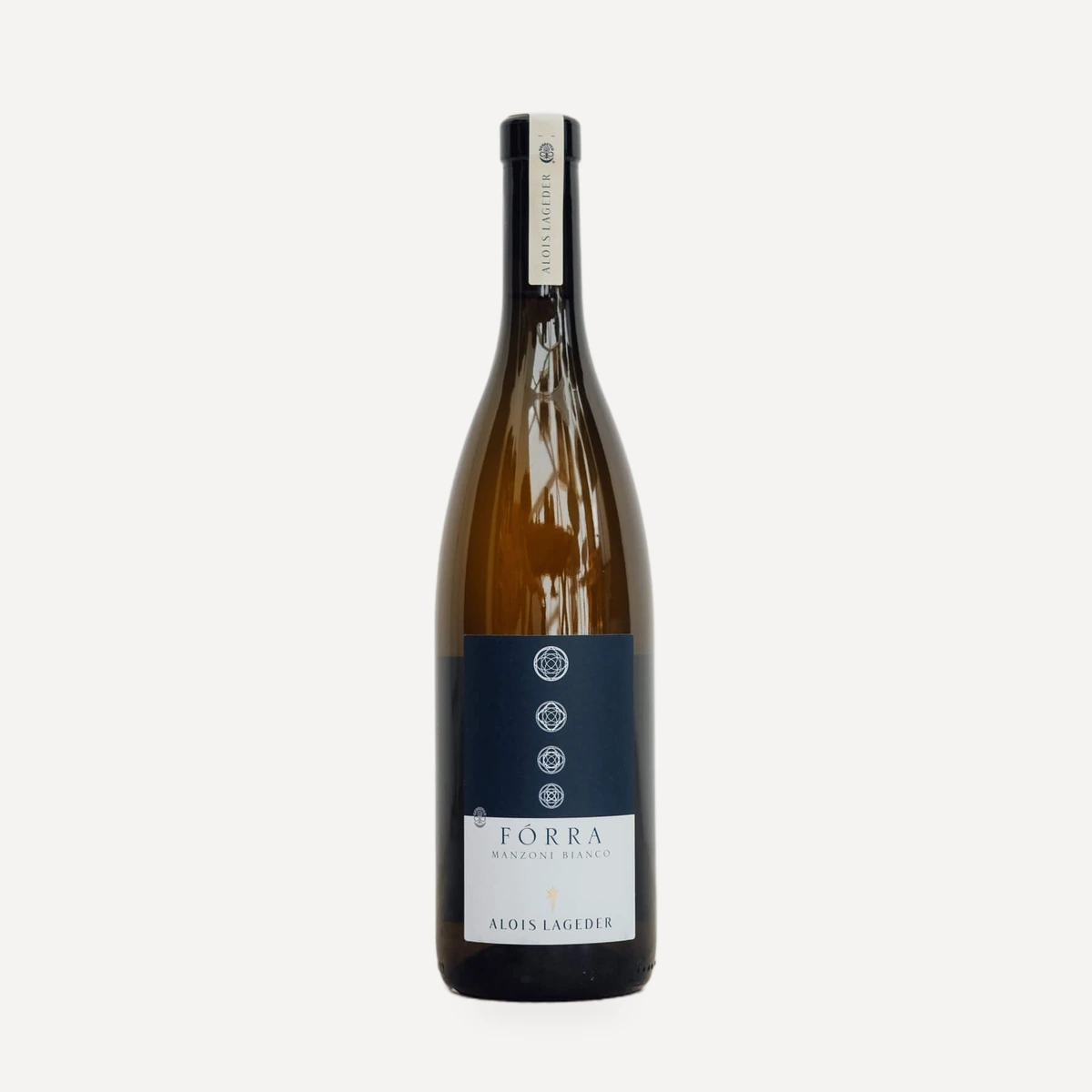
FÓRRA Manzoni Bianco
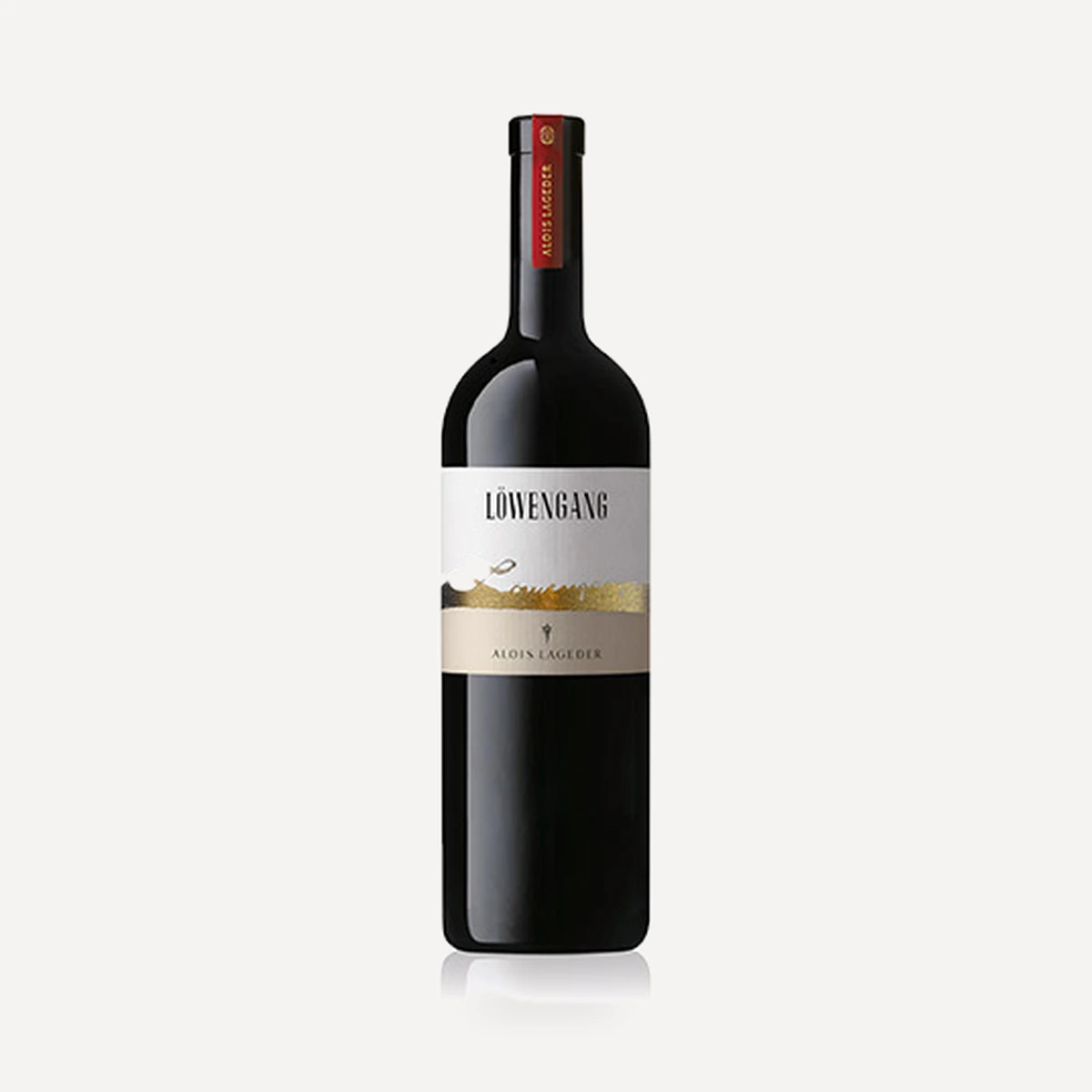
LÖWENGANG Uvaggio Storico
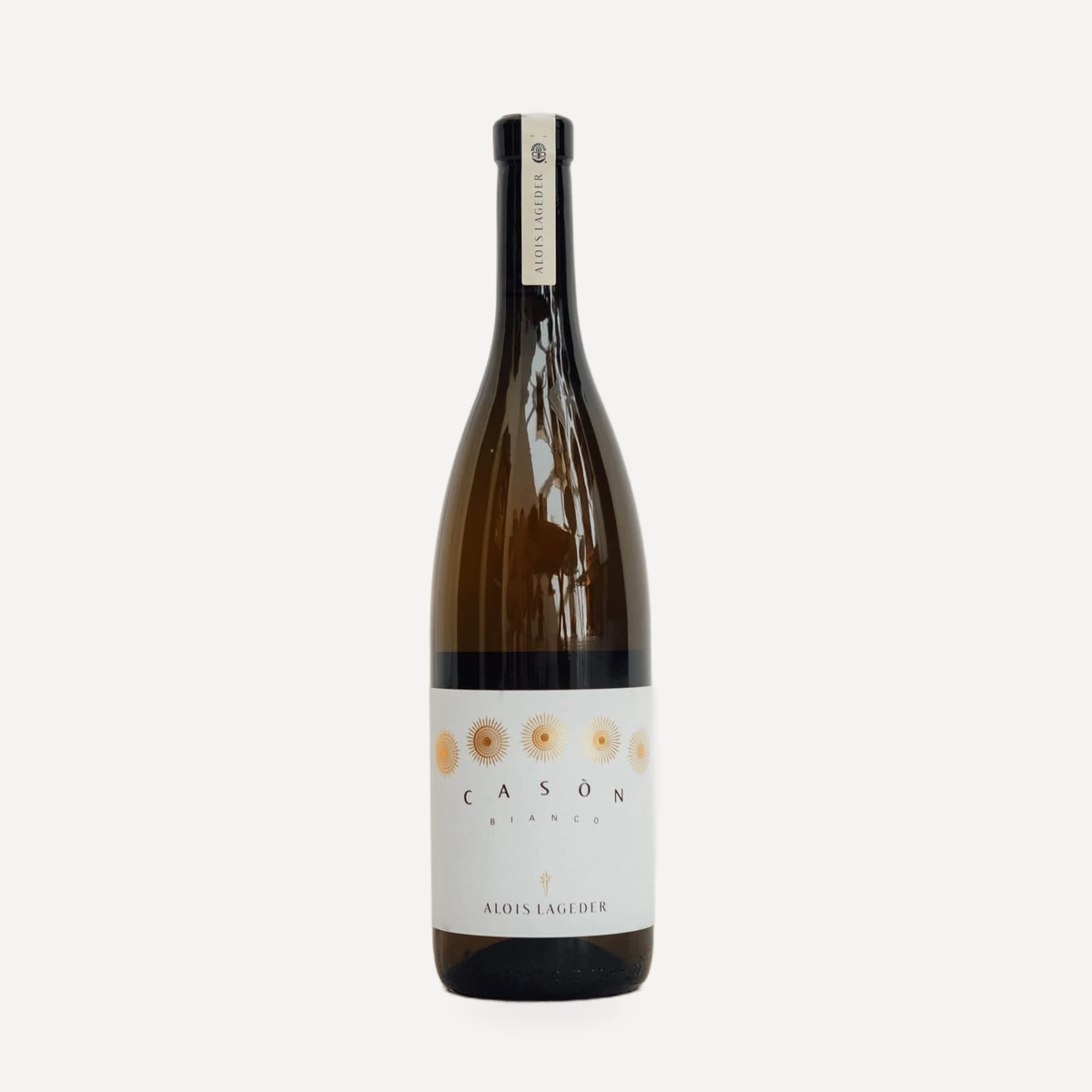
CASÒN Bianco
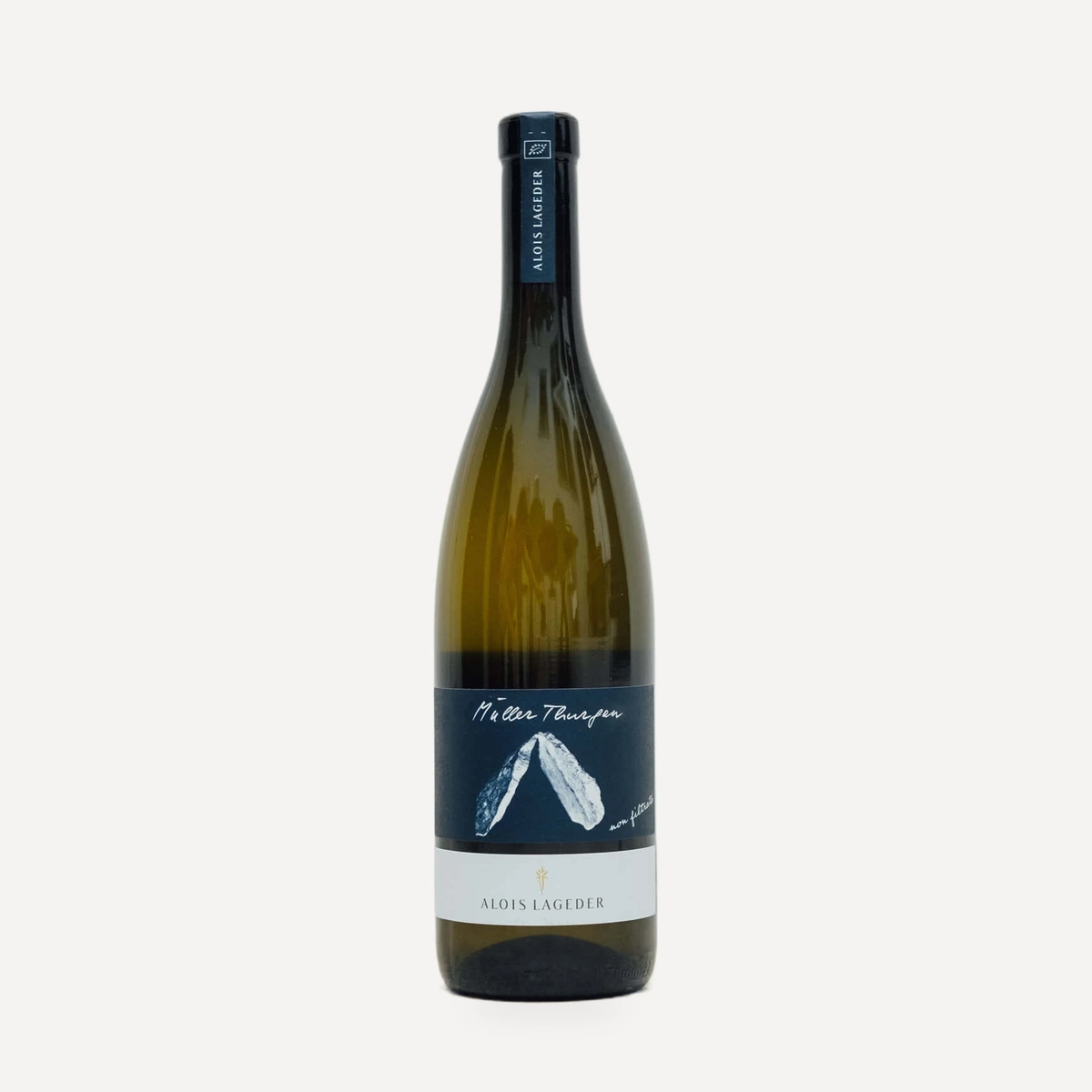
Müller Thurgau Valle Isarco
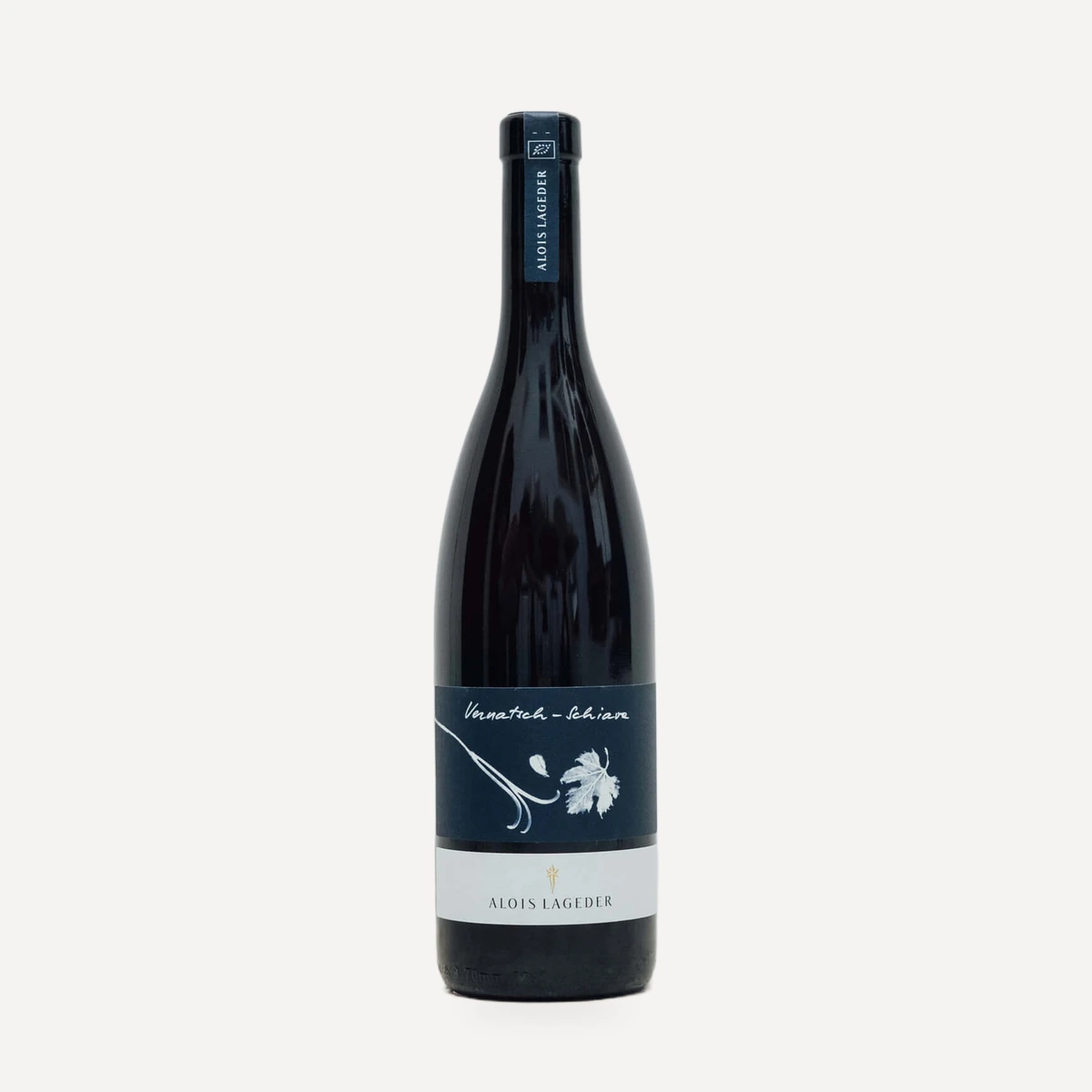
Vernatsch - Schiava
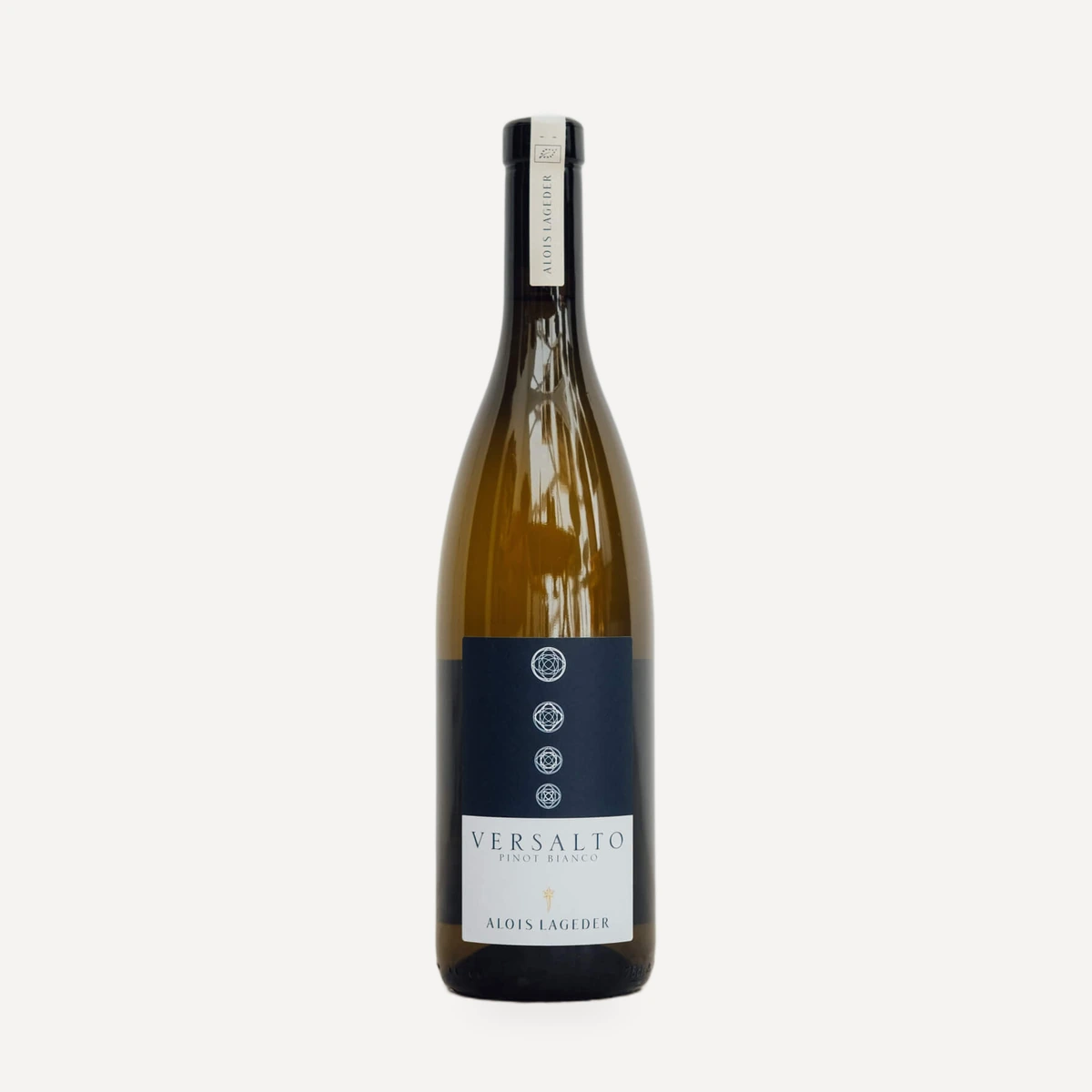
VERSALTO Pinot Bianco
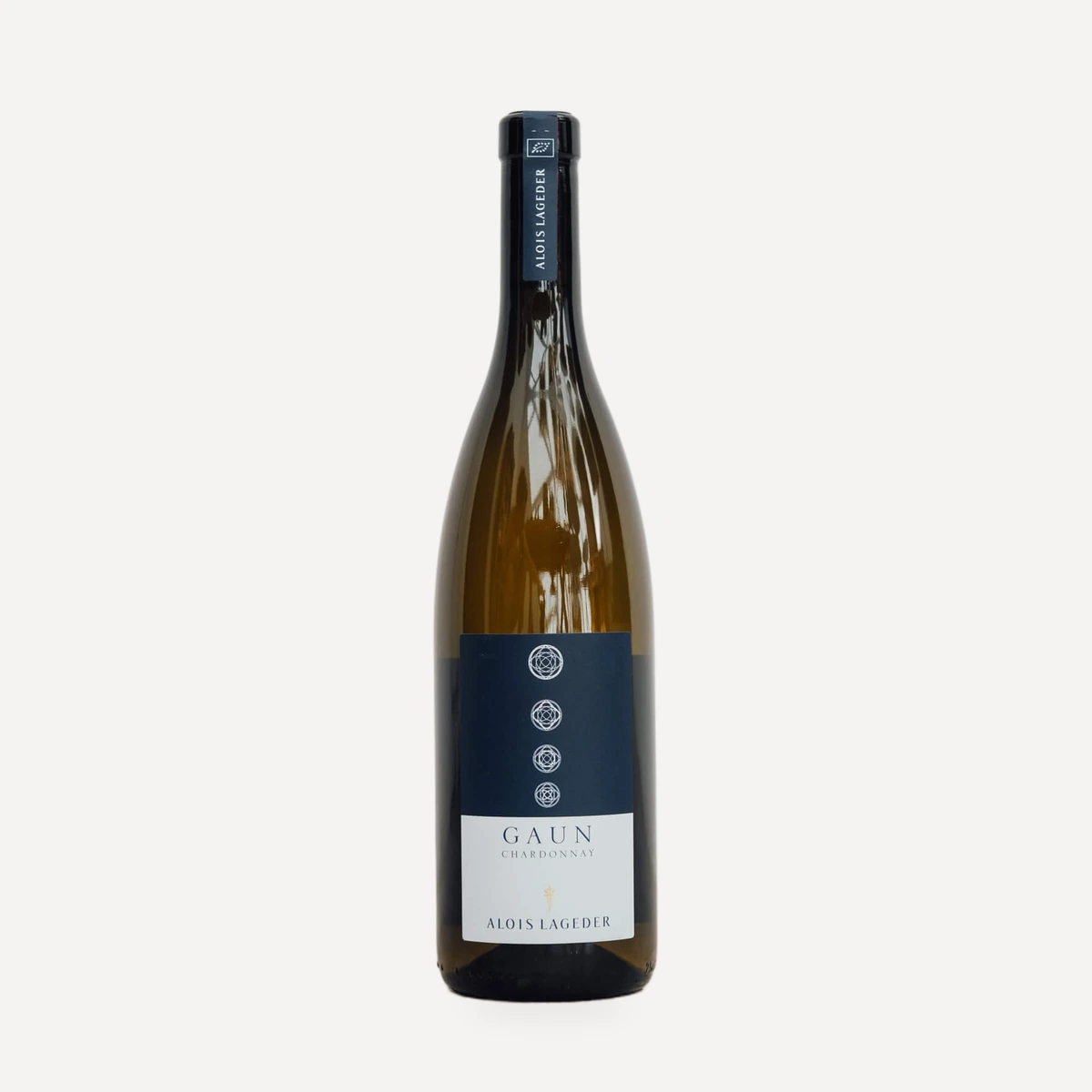
GAUN Chardonnay
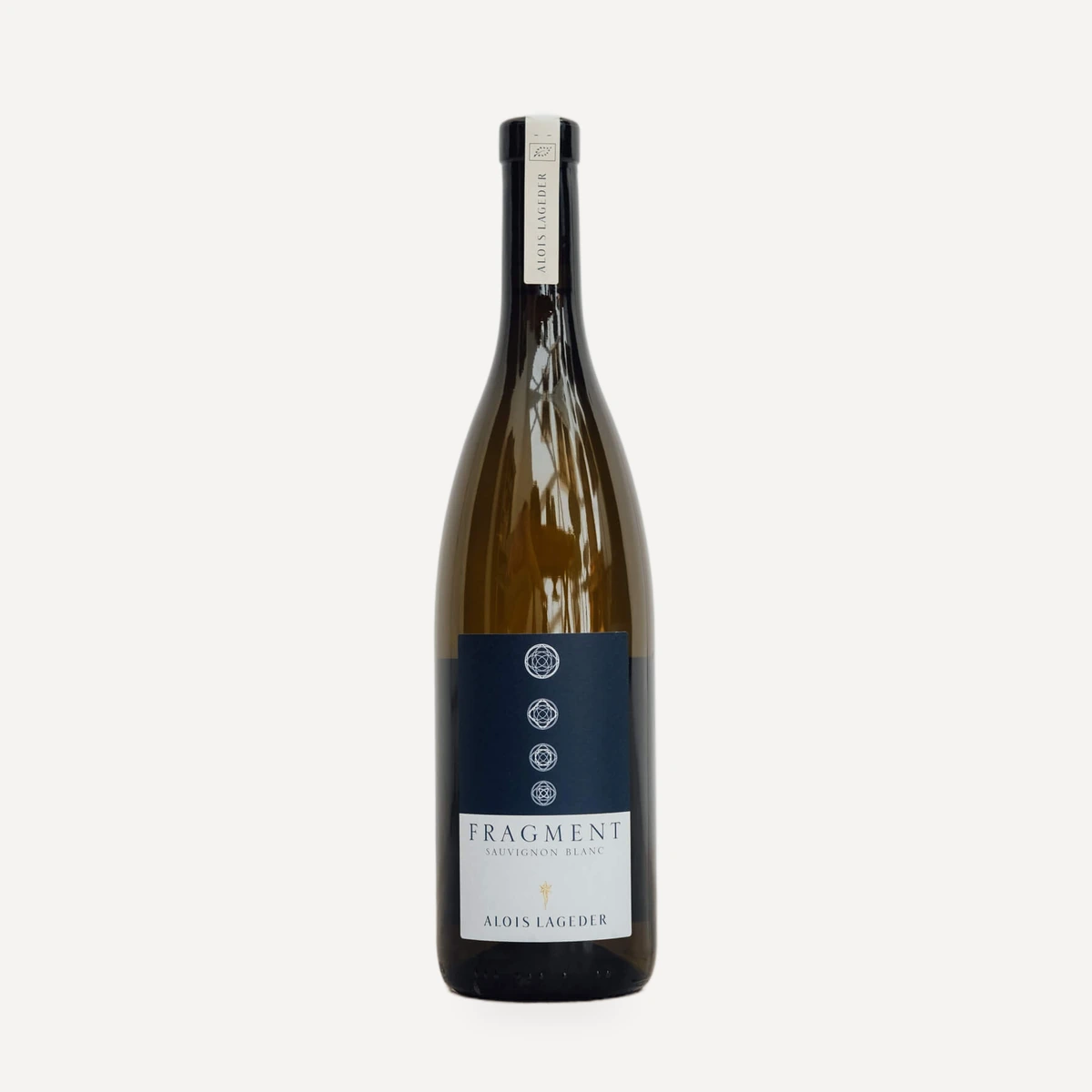
FRAGMENT Sauvignon Blanc
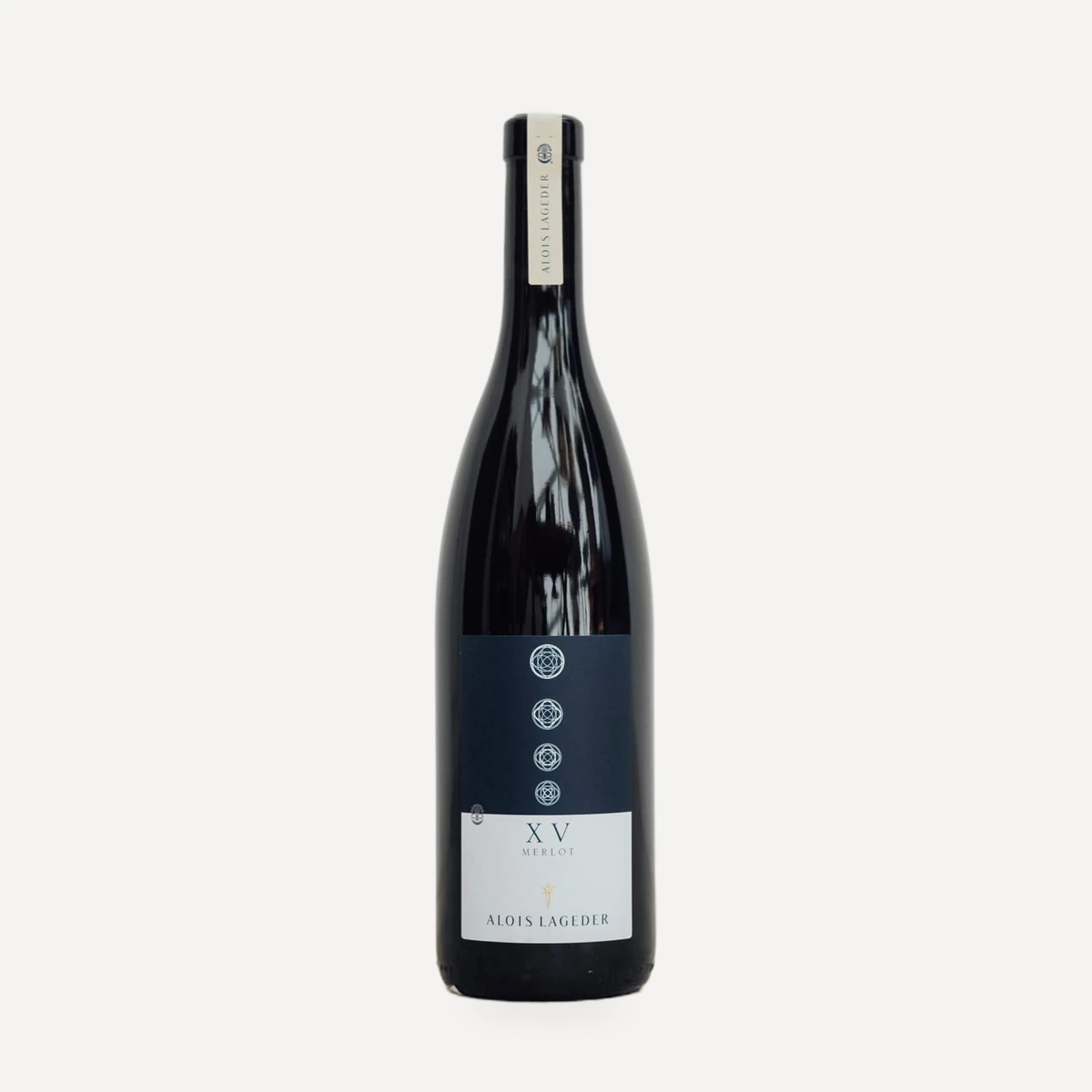
XV Merlot Riserva
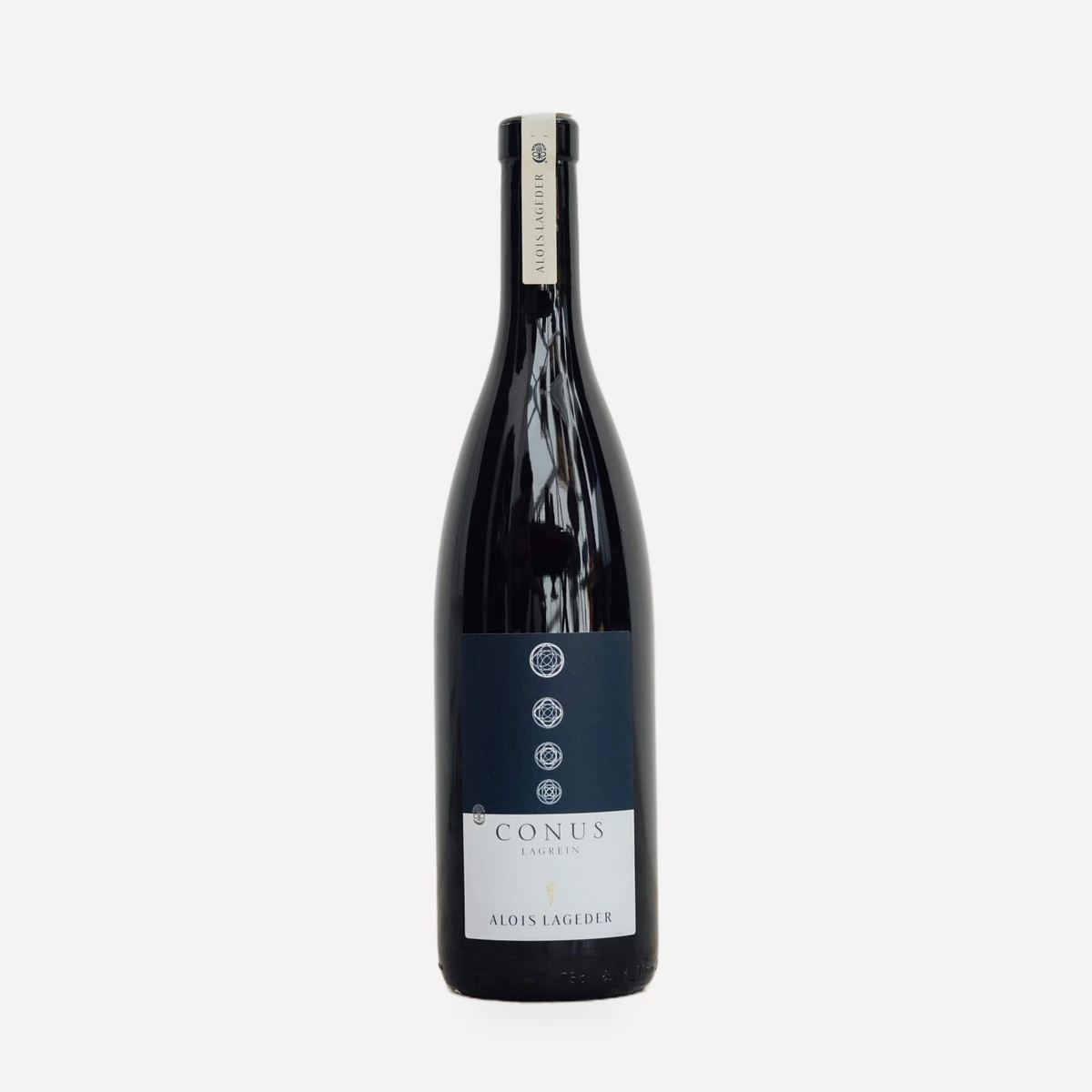
CONUS Lagrein Riserva
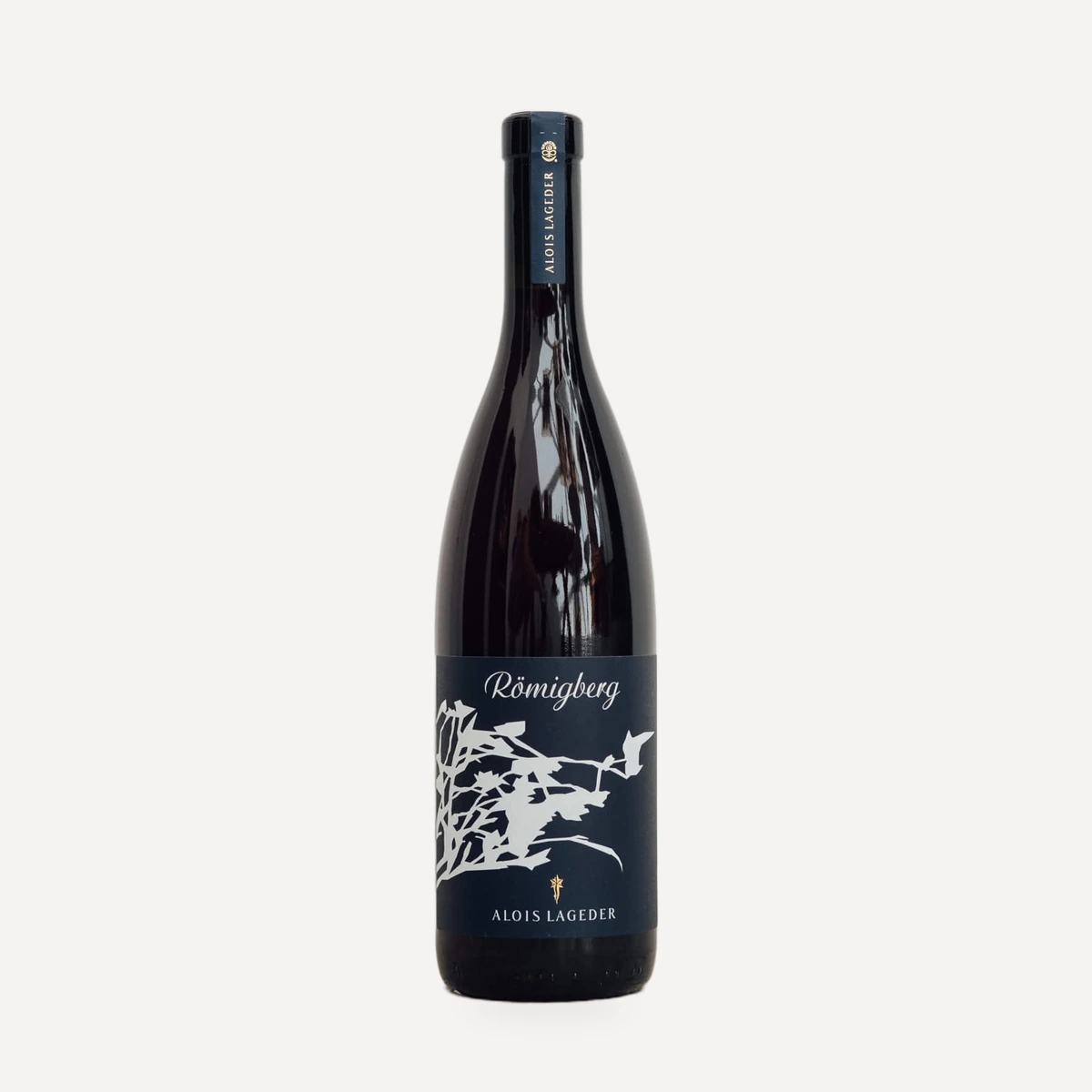
RÖMIGBERG Schiava
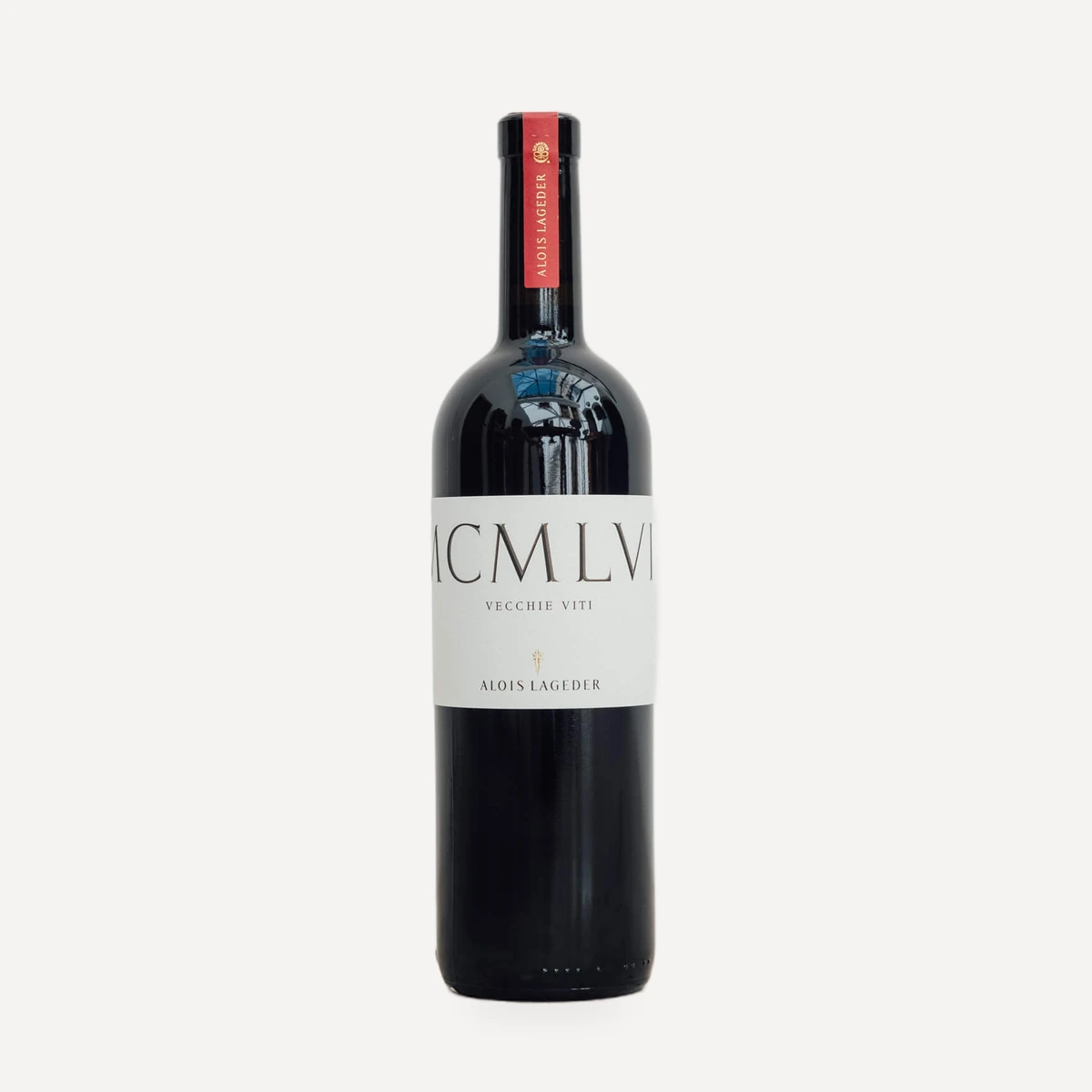
MCMLVII Merlot
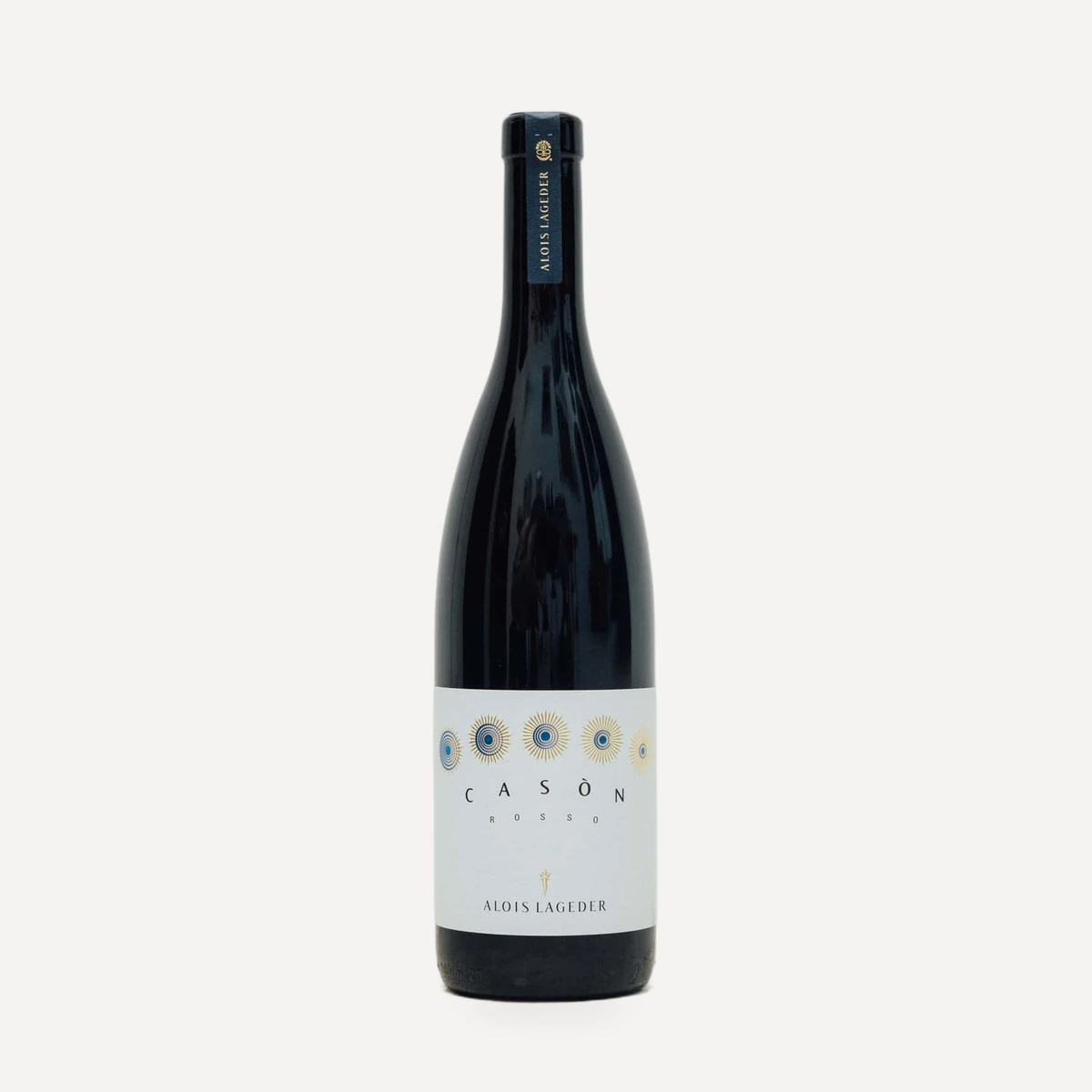
CASÒN Rosso
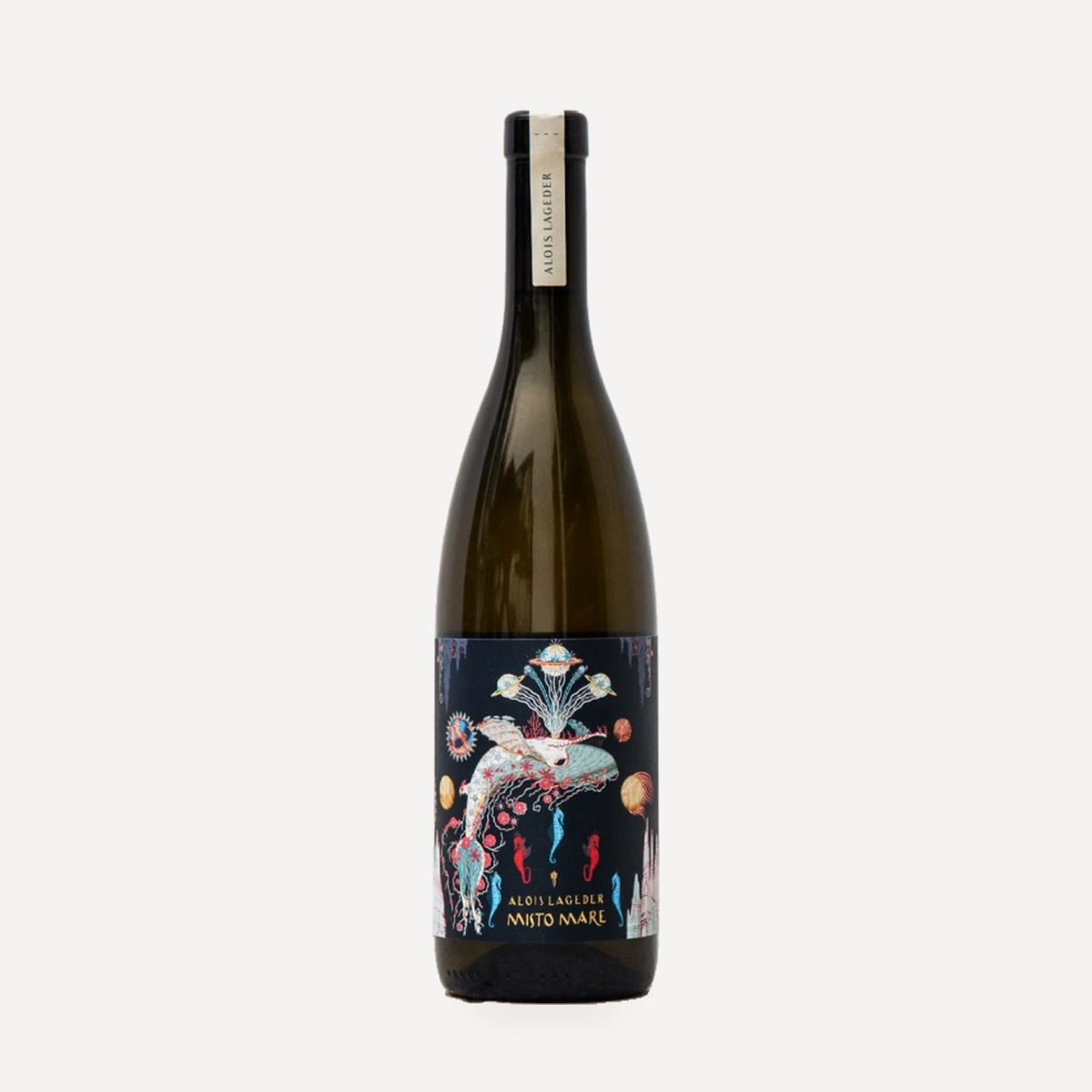
Misto Mare
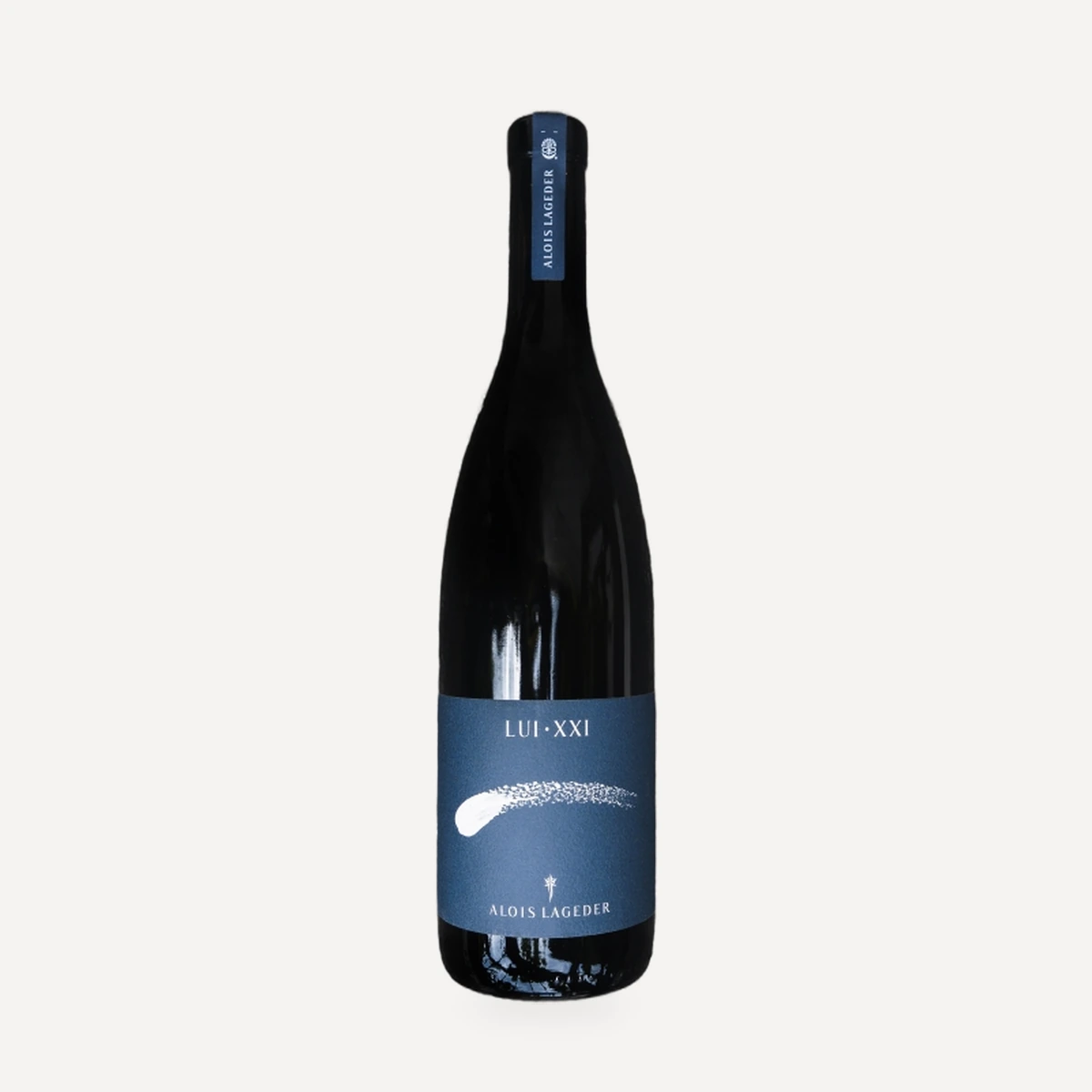
Lui · XXI
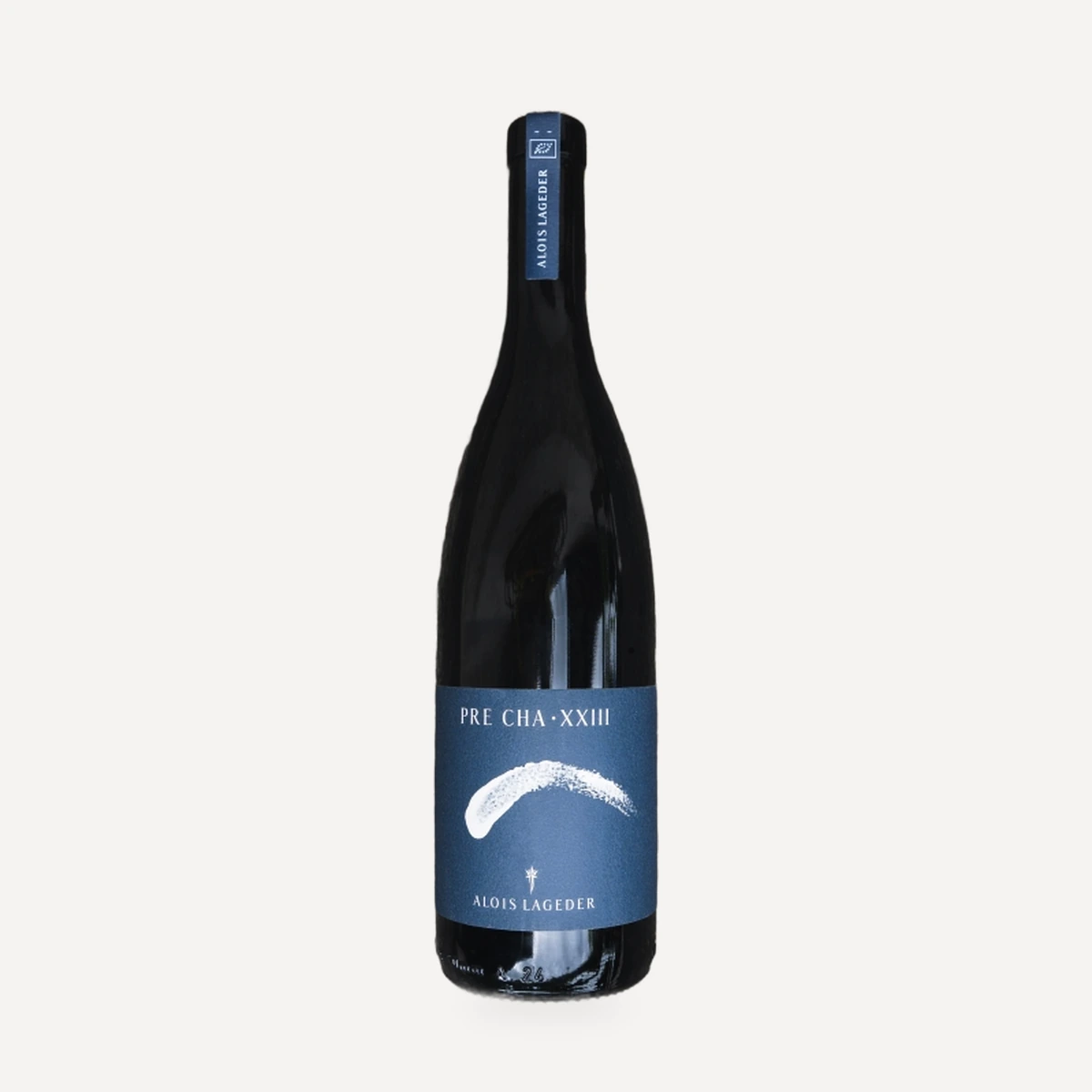
Pre Cha · XXIII
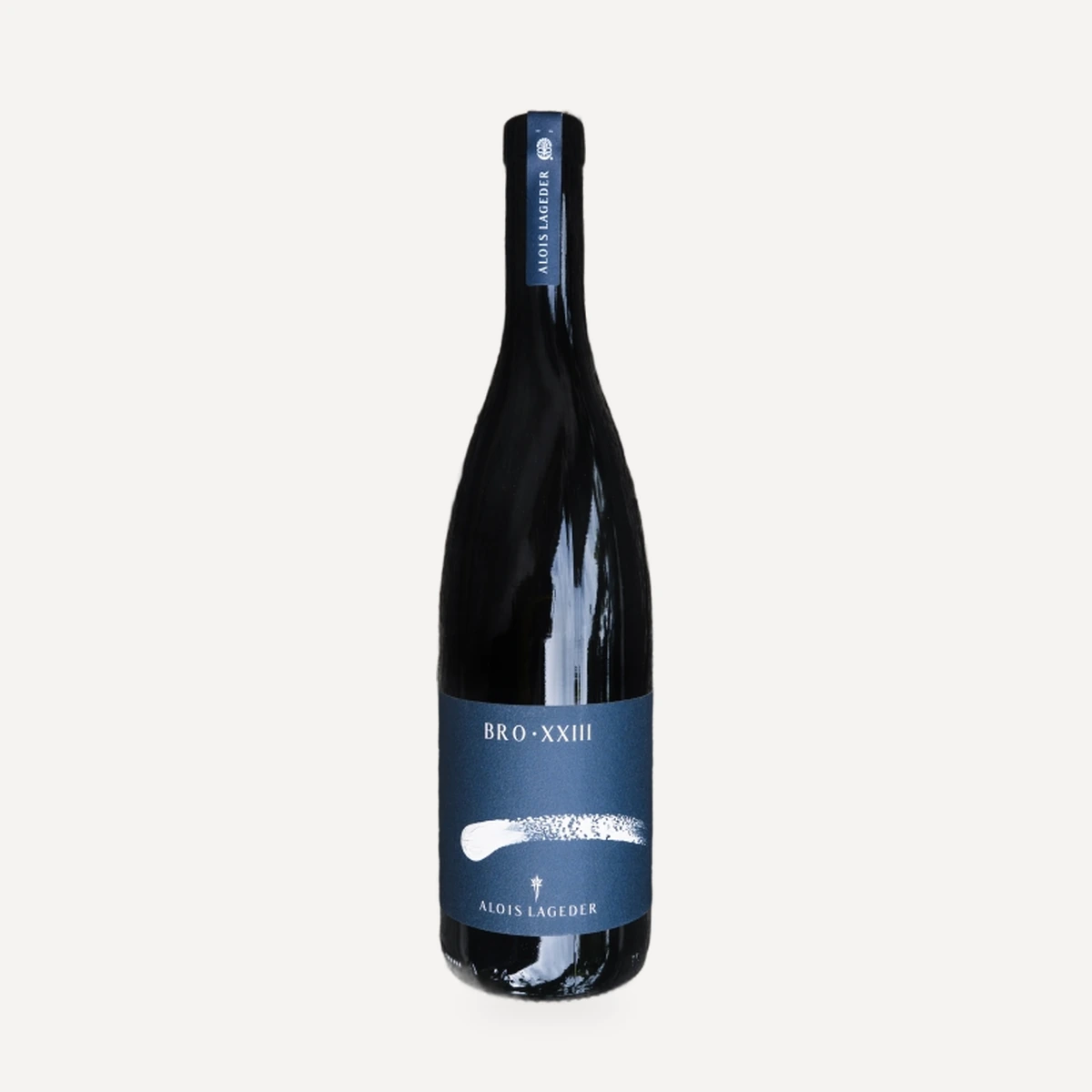
Bro · XXIII
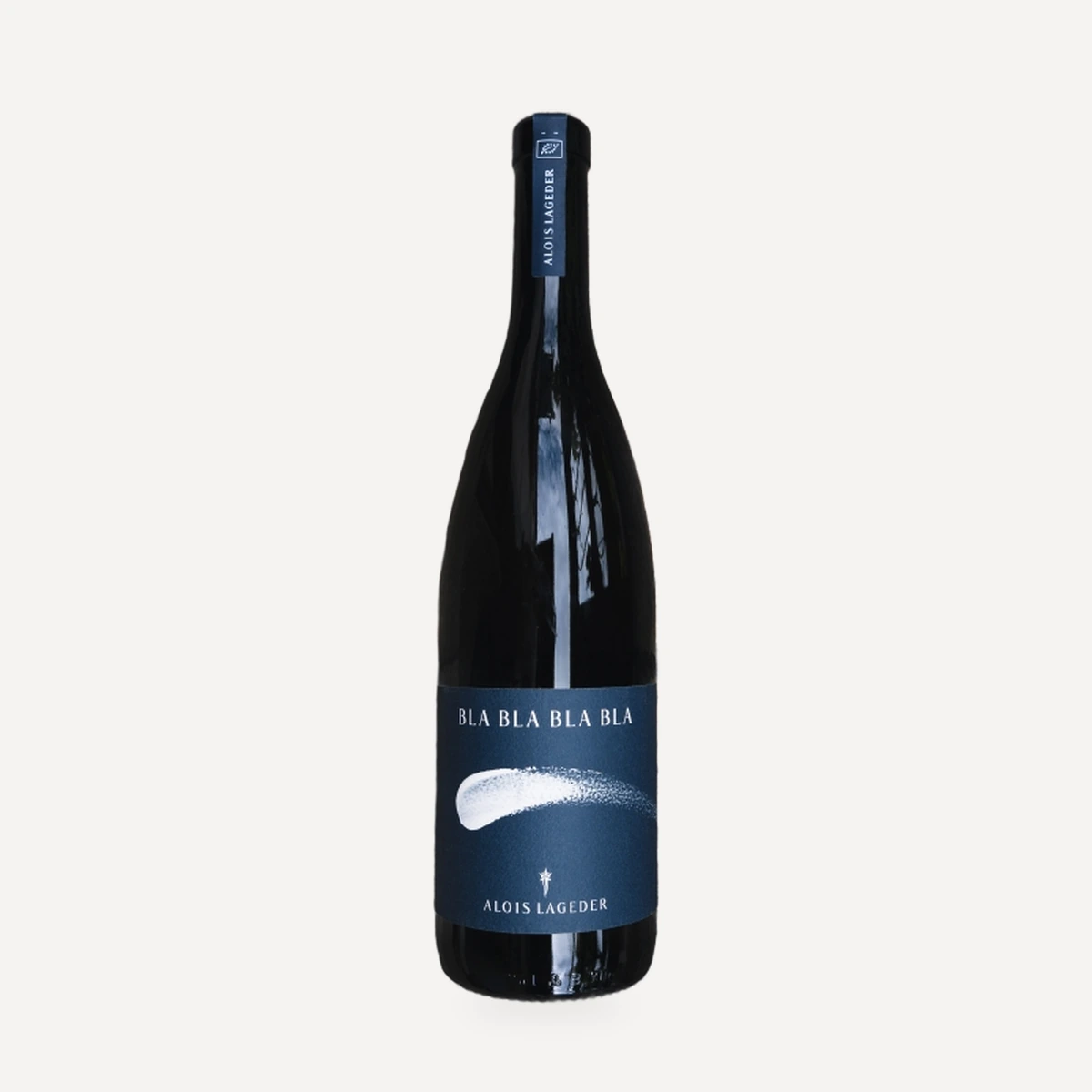
Bla Bla Bla Bla
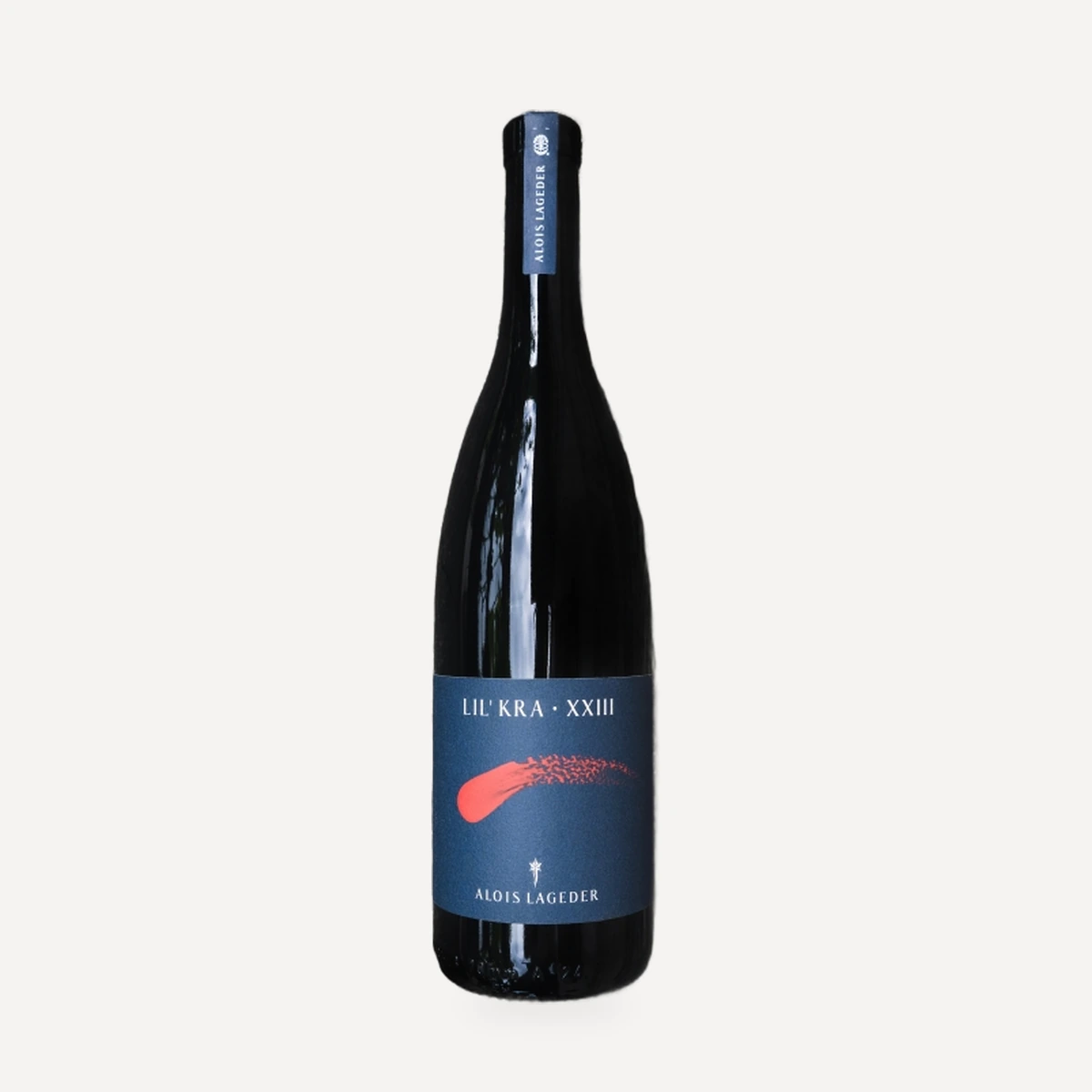
Lil'kra · XXIII
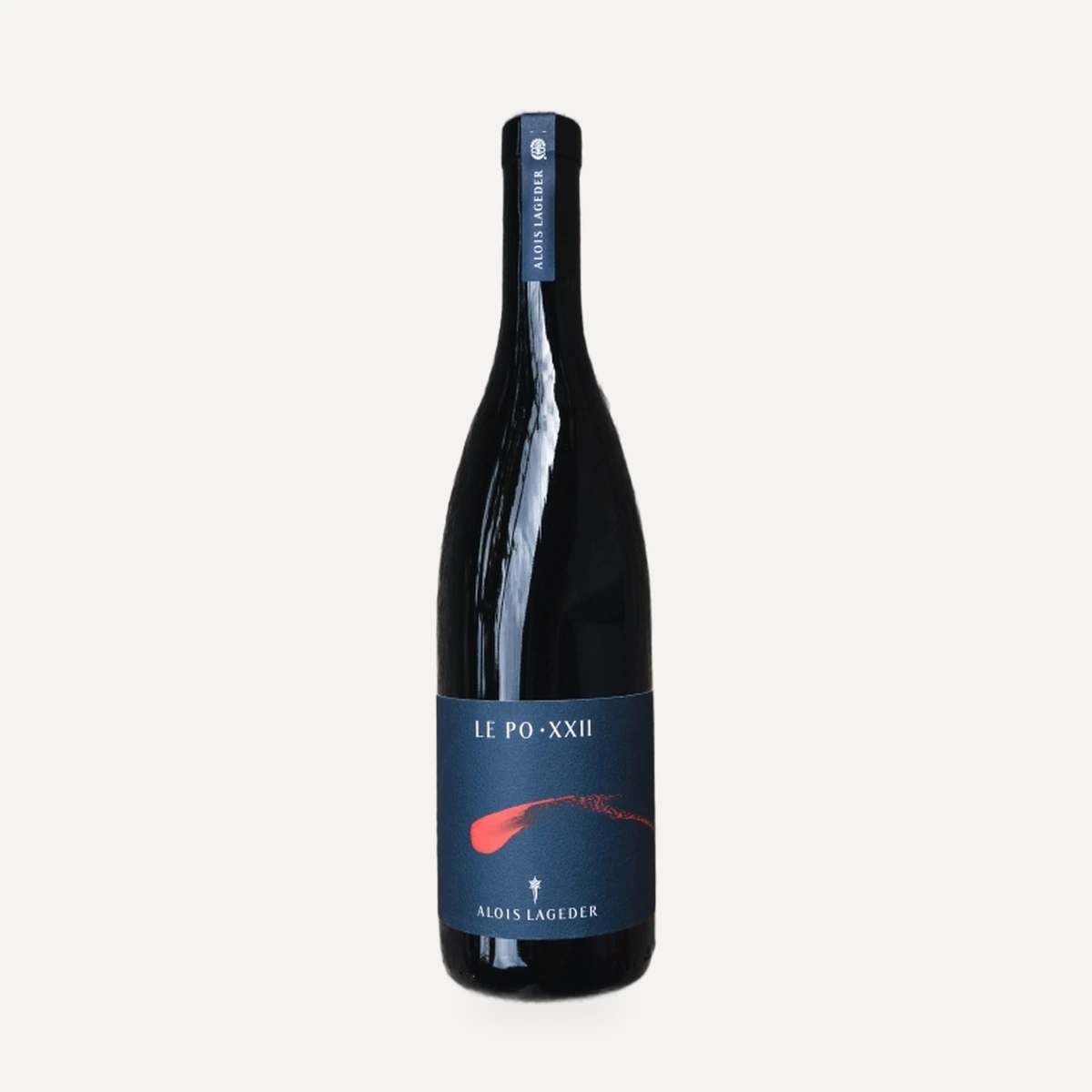
Le Po · XXII
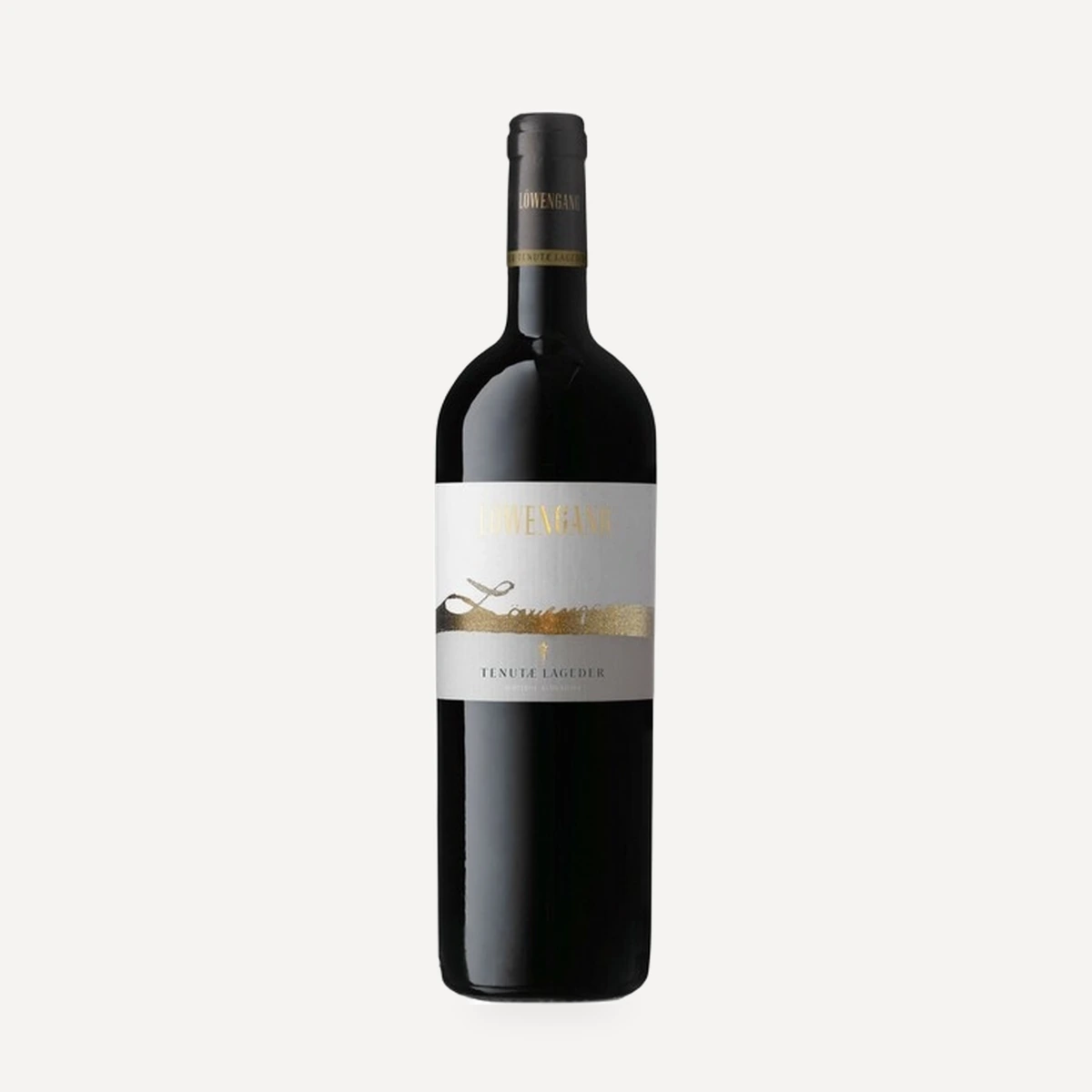
Rarum Löwengang Cabernet
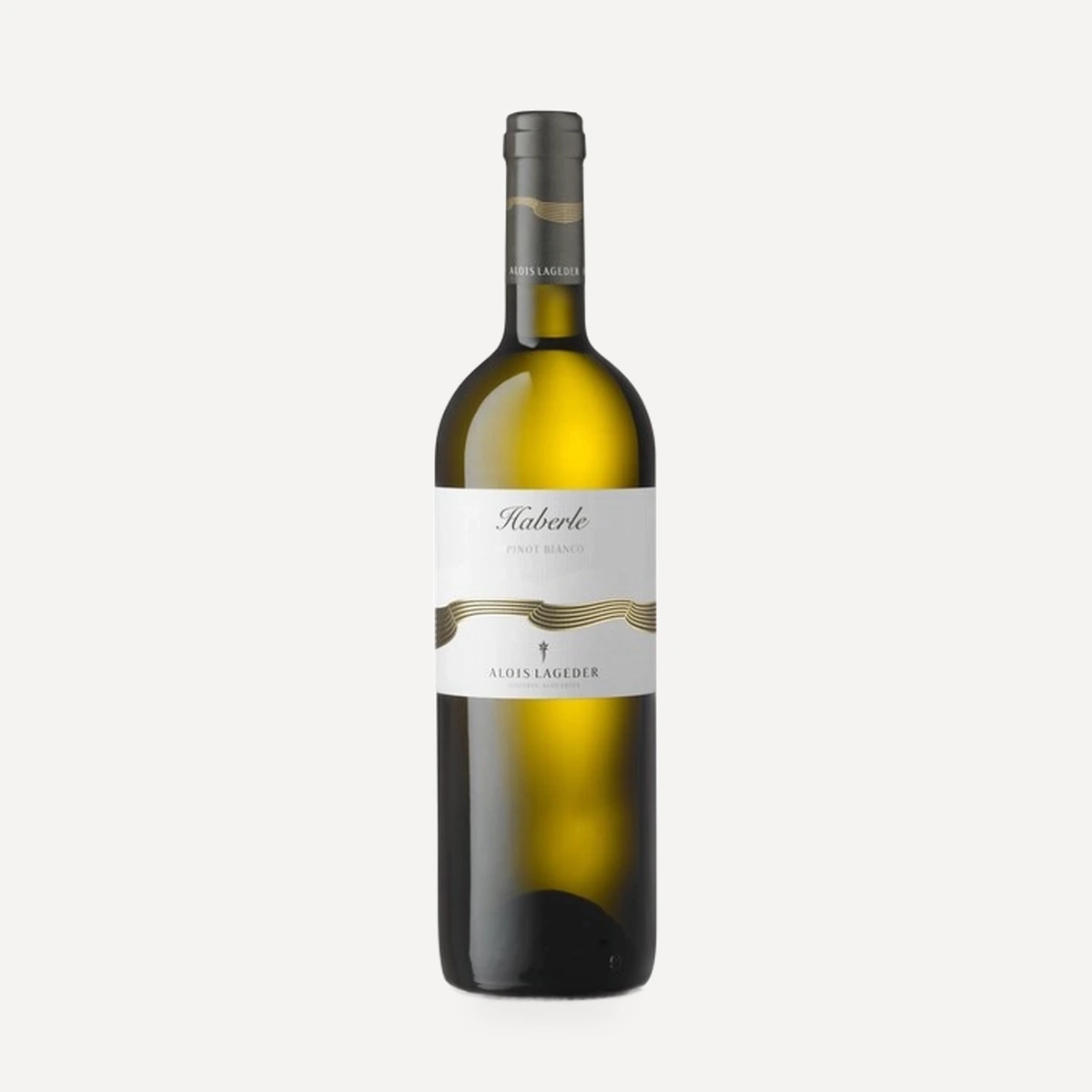
Haberle Pinot Bianco Alto Adige DOC
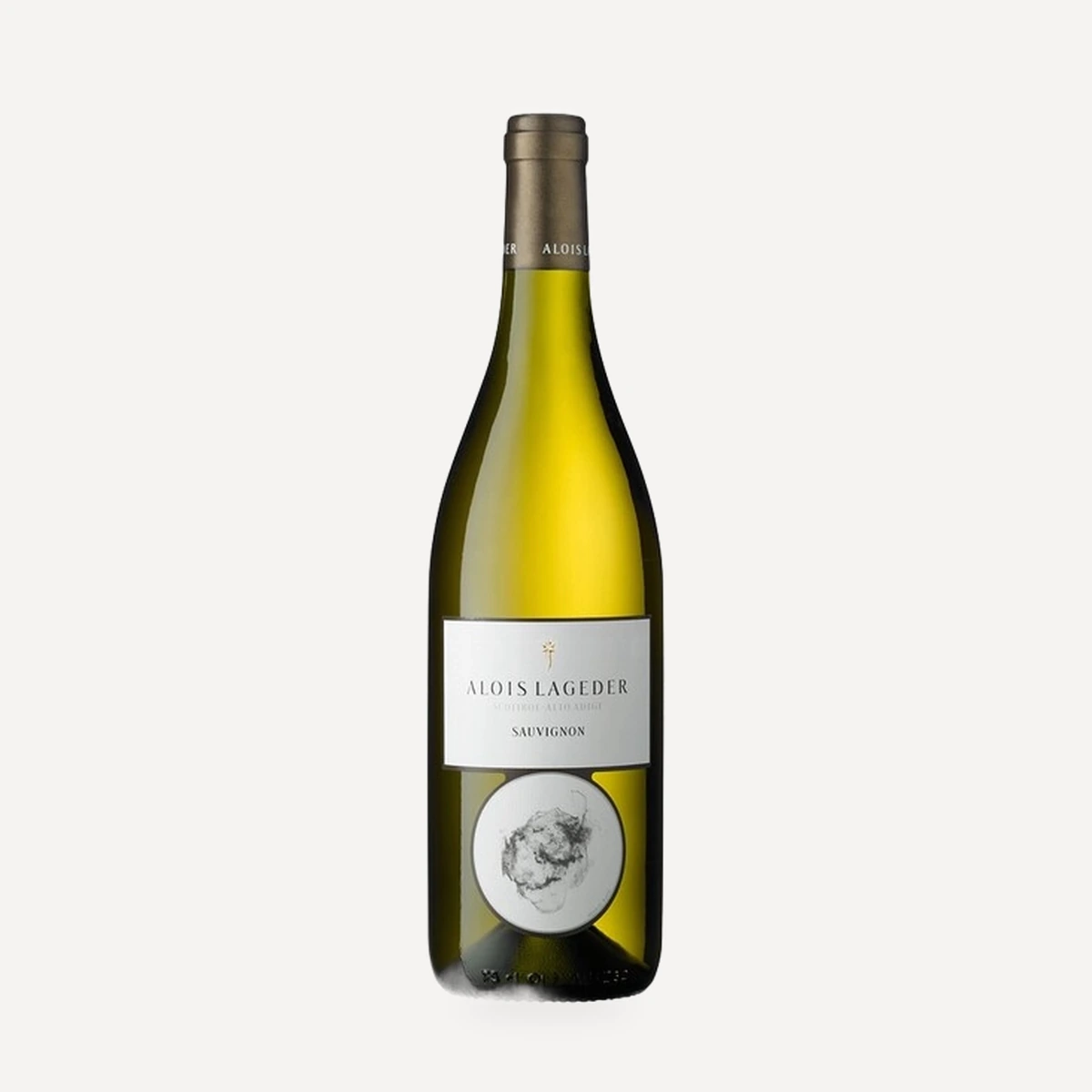
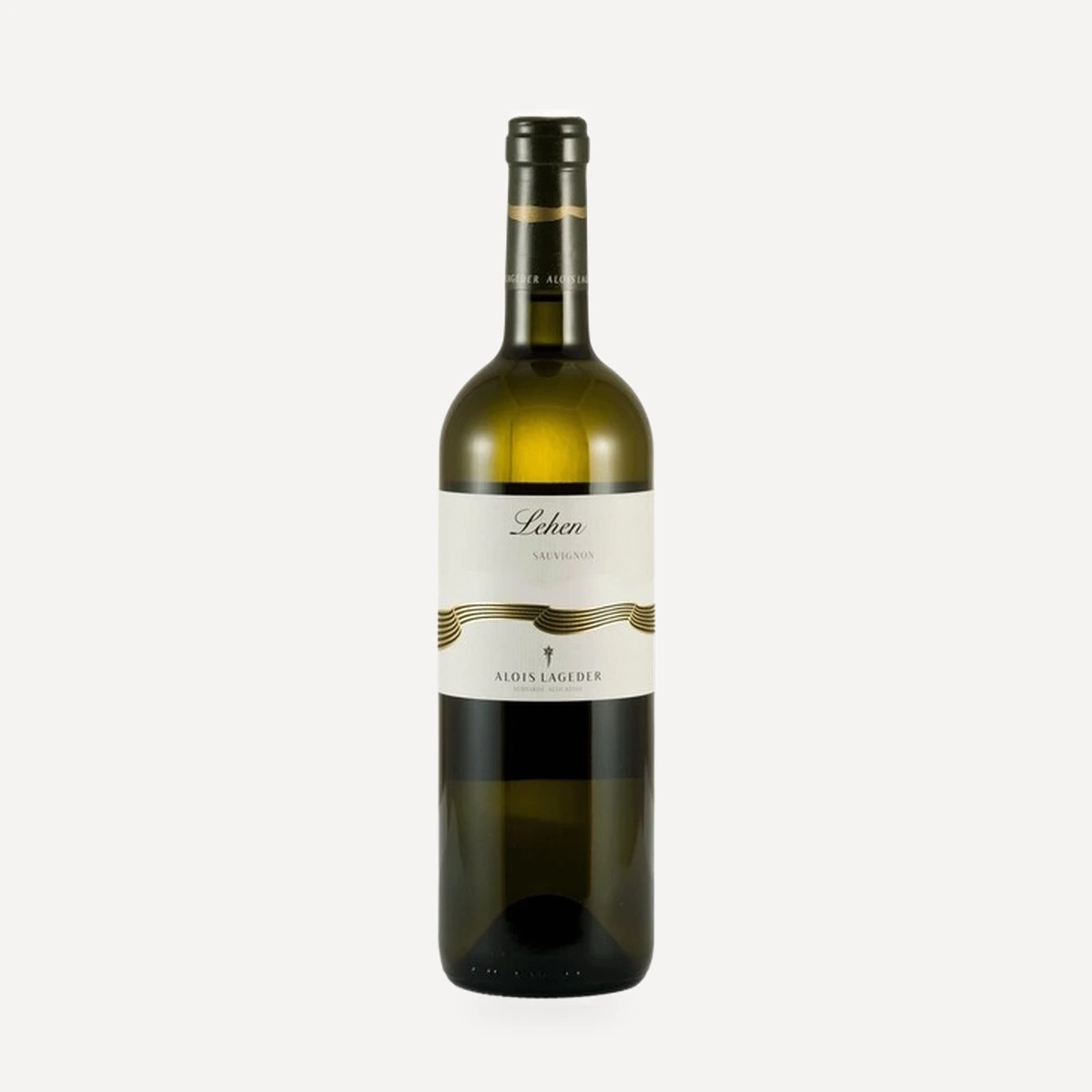
Sauvignon Alto Adige DOC