History
The family vineyard and Antonio Caggiano
The estate’s roots lie in the Caggiano family’s old vineyard, Salae Domini. Founder Antonio Caggiano spent years as an enthusiastic photographer and traveller, journeying from the Arctic to the African desert and from the United States to South America. He subsequently turned his attention from travel and photography to the family vineyard and the creation of a winery in Taurasi.
Antonio founded the enterprise out of a desire to give renewed expression to the history and traditions of Taurasi. The project was conceived partly for pleasure and partly as a personal challenge: he wanted both to recover aromas and flavours that he felt had faded from Taurasi wine and to preserve the material culture of local farming.
1990: construction of the cellars
Construction of the cellars began in 1990 from Antonio’s original idea. Although technically modern, the complex was given an intentionally old aesthetic. Large stone walls, arches, vaulted ceilings and a network of passages create the impression of an underground environment.
The building developed as more than a production and maturation facility. Antonio integrated a museum of rural and winegrowing culture into the cellars, placing historic agricultural tools and winegrowers’ implements throughout the passages, walls and stone recesses. Hundreds of barrels, vats and niches holding tens of thousands of resting bottles share the spaces with works in wood, glass and stone. Some of the artworks were made by Antonio himself, while others were gifts from artist friends.
The second generation
Management subsequently passed to Antonio’s son Giuseppe Caggiano, universally known as Pino, who continues to work with his father’s assistance. Pino’s contribution combines rigorous vineyard work with a careful and personally interpreted approach to oenology. This second-generation stewardship established the estate’s present stylistic identity while retaining Antonio’s emphasis on Taurasi’s history and traditions.
Terroir
The estate is based at Contrada Sala in Taurasi, within central Irpinia in Campania. Taurasi is an old agricultural settlement at the heart of the production zone bearing its name.
The surrounding landscape is crossed by the Calore River. Its course supports pockets of lush vegetation around the town, while the broader countryside is marked by mountain profiles, small blocks of cultivated land and long vineyard rows. The estate vineyards form part of the panoramic setting immediately around Cantine Antonio Caggiano and the nearby Salae Domini agritourism property.
No single soil, elevation, exposure or mesoclimate is defined for the estate vineyards as a whole.
Winemaking
Vineyard work under Giuseppe “Pino” Caggiano is characterized as rigorous and meticulous. No estate-wide account is given of soil cultivation, pruning, canopy management, yields, disease control, biodiversity measures, irrigation, harvest selection or certified farming practices.
Cellar design
Construction began in 1990. The cellar was built according to modern technical criteria while adopting an older architectural language: large stone blocks, arches, vaulted ceilings, recesses and numerous connecting passages give the complex an underground character.
Maturation and storage
The production spaces contain vats and hundreds of barrels, including barriques used for the maturation of Taurasi wines. Tens of thousands of bottles rest in niches formed within the stone walls.
Working approach
Giuseppe “Pino” Caggiano’s work is defined by an attentive and passionate oenological interpretation, paired with rigorous work in the vineyards. Detailed estate-wide protocols for grape reception, fermentation, extraction, élevage, blending, clarification, filtration and bottling are not defined.
Philosophy
Antonio Caggiano conceived the estate as a means of giving voice to the history and traditions of Taurasi. His original ambition was to recover aromas and flavours he believed had been lost from the local wine culture while preserving the tools and physical memory of rural life.
This philosophy is embodied in the cellars themselves: modern technical functionality is set within architecture inspired by the past, and active production spaces coexist with a museum of agricultural implements and art. Under Giuseppe “Pino” Caggiano, the approach joins rigorous vineyard work to a passionate and attentive interpretation of the fruit, seeking a recognizable house style without severing its connection to Taurasi.
Wines
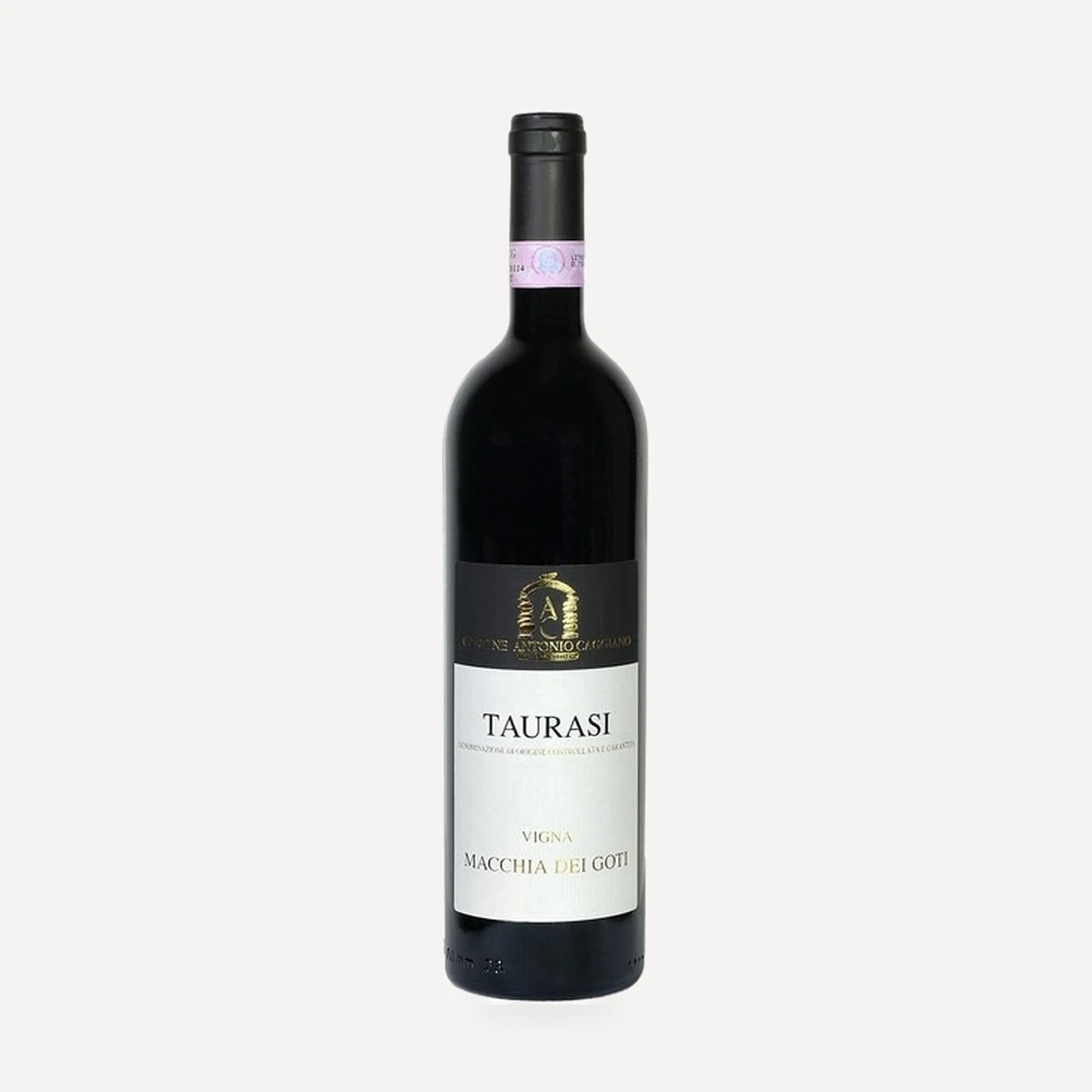
TAURASI - Vigna Macchia dei Goti DOCG
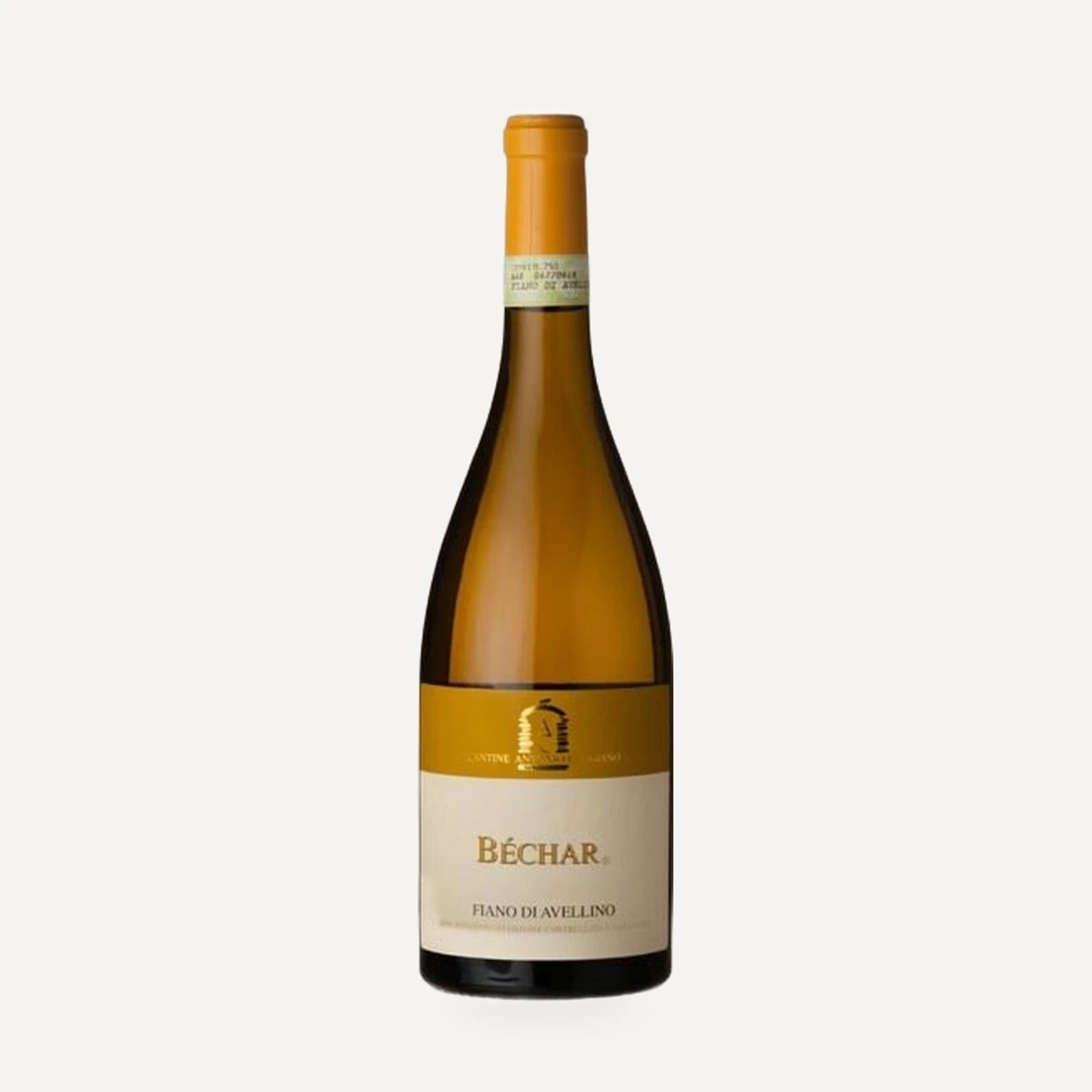
BECHAR - Fiano di Avellino DOCG
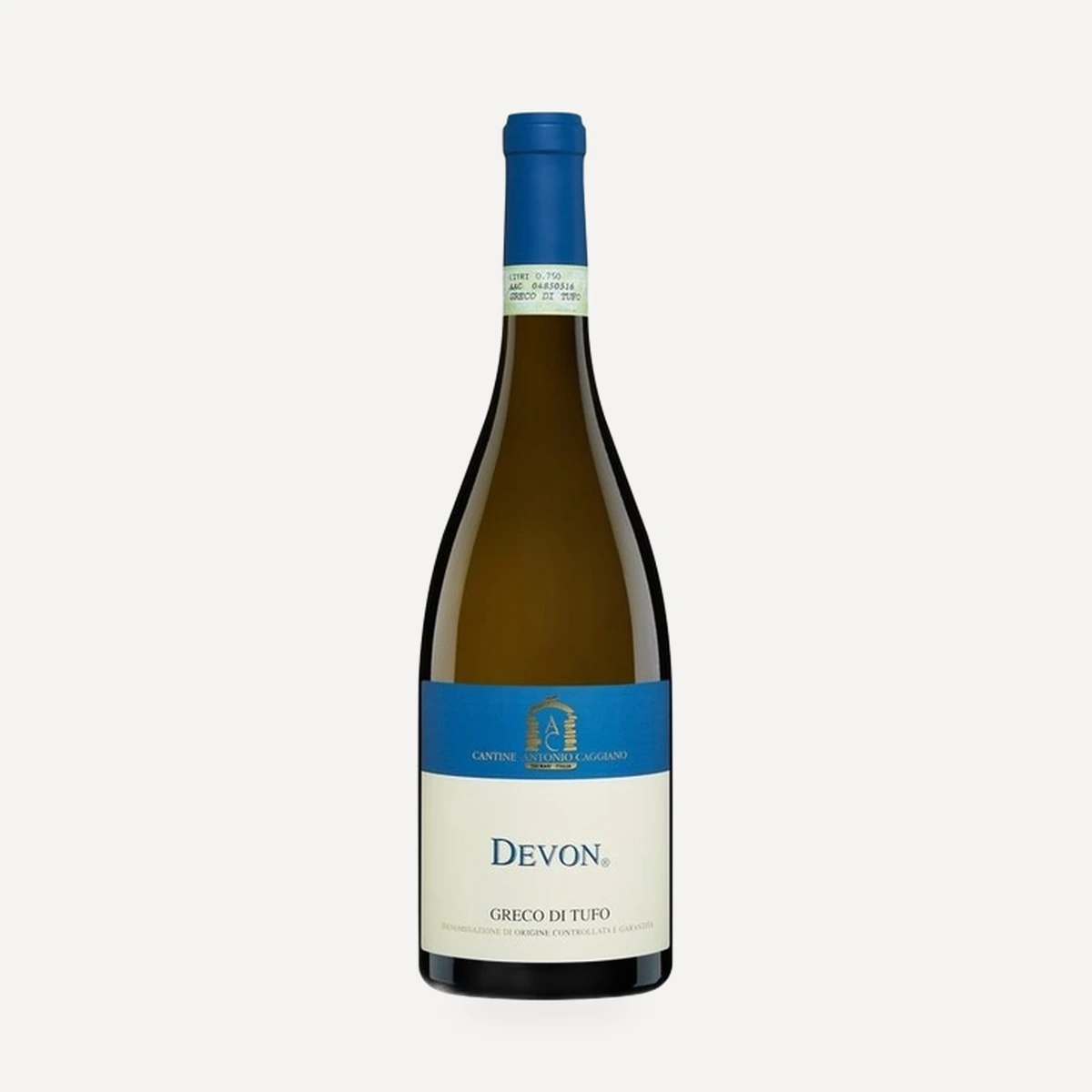
DEVON - Greco di Tufo DOCG
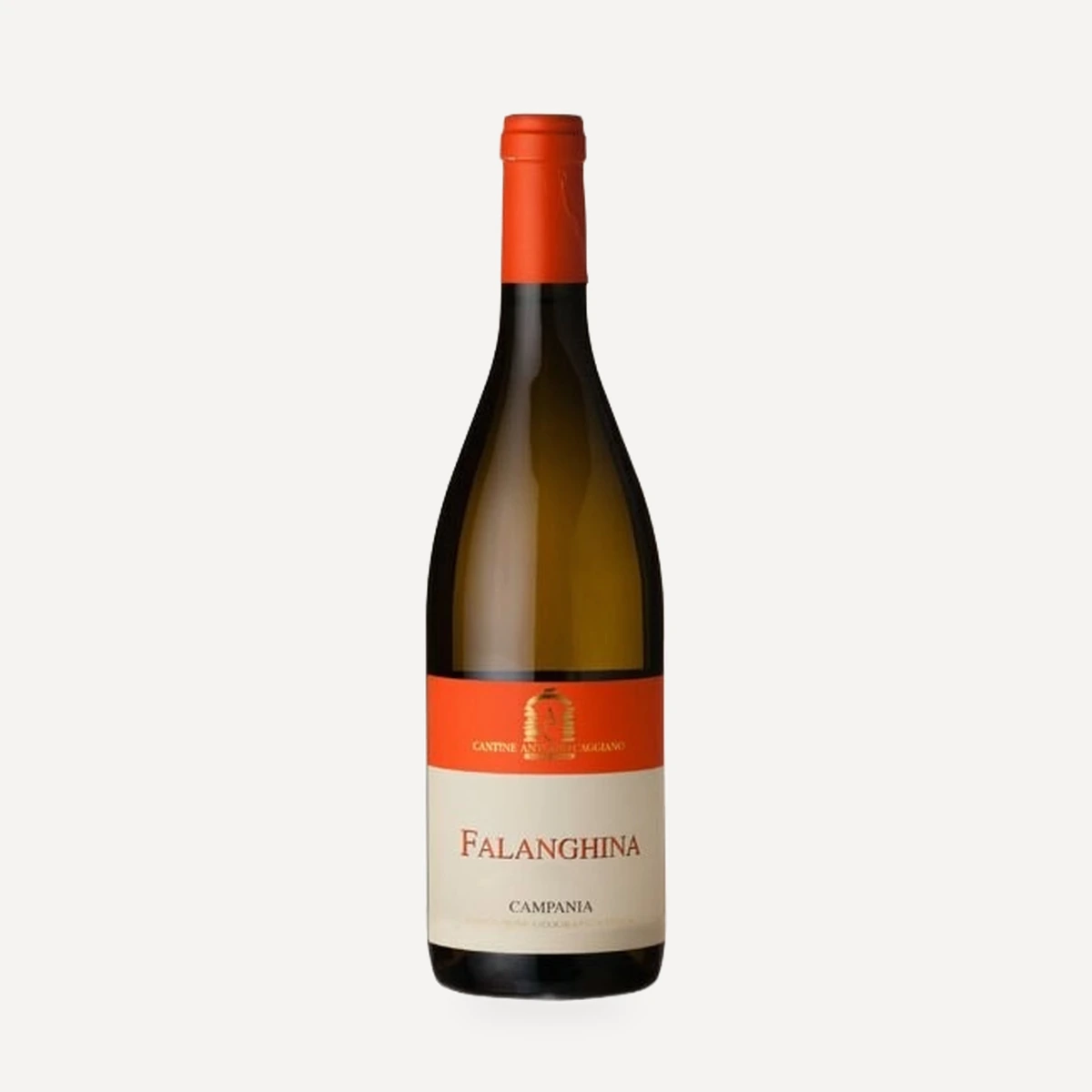
FALANGHINA - Campania IGT
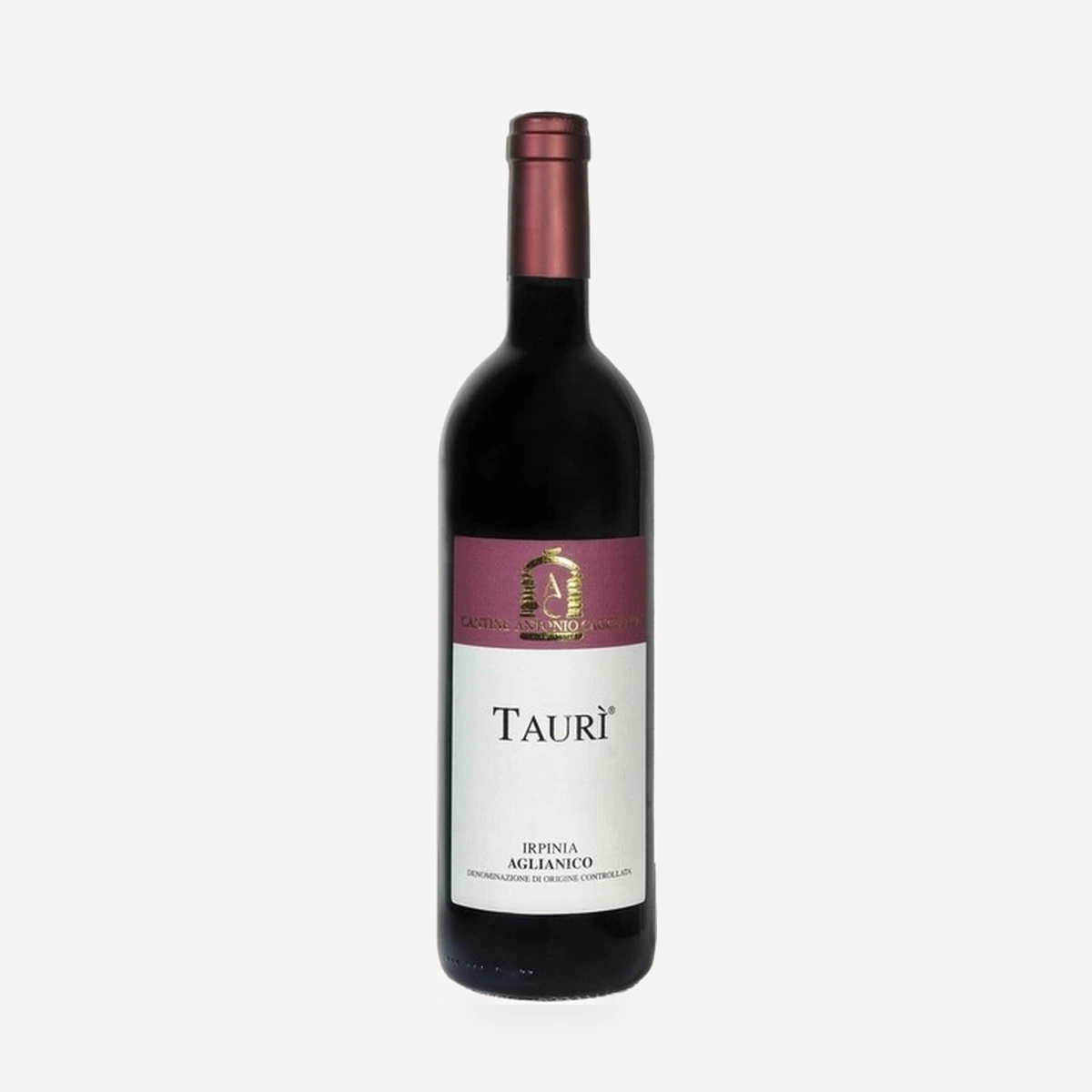
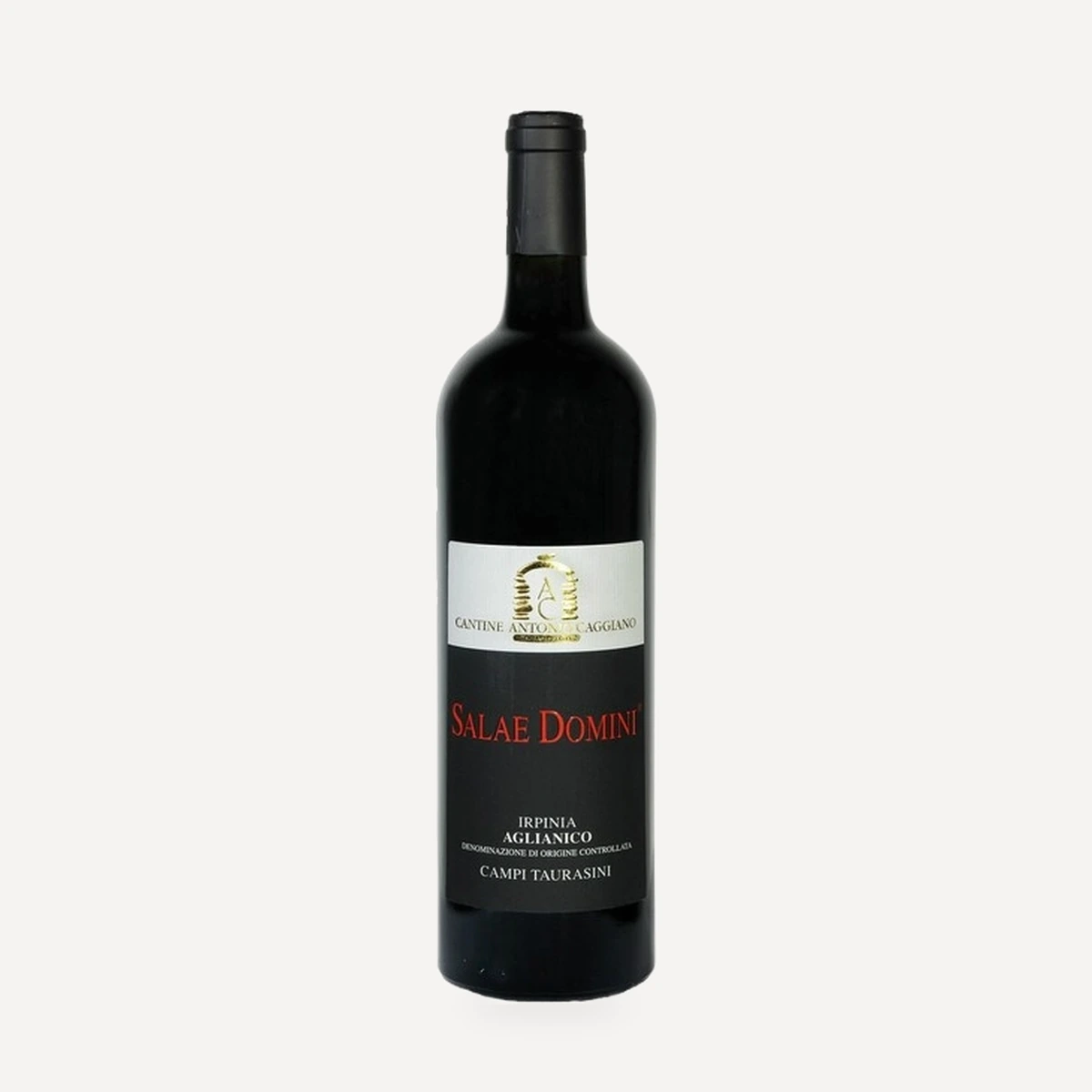
TAURI' - Irpinia Aglianico DOC