History
Family roots
The Petitto family's relationship with viticulture at Montefalcione is traced to 1860. During the two world wars, Chiara Mazzarelli Petitto cared for the family vineyard and kept its agricultural heritage alive through a difficult period. Her granddaughter—also named Chiara—grew up listening to her accounts of the land, seasons and vineyard work.
2005: the creation of Donnachiara
In 2005, Ilaria Petitto's mother Chiara founded Donnachiara as a tribute to her grandmother, Chiara Mazzarelli Petitto. The new winery transformed the family's inherited attachment to the land into an entrepreneurial project. Chiara developed the brand, built the winery and prepared it for international distribution. The estate took the name Donnachiara to preserve the memory of the great-grandmother whose work had sustained the family vineyards.
At that time Ilaria was pursuing a legal career. She had spent twelve years studying, was working as a lawyer and preparing for notarial examinations, and had no intention of returning to Avellino. Her mother invited her to join the venture, eventually persuading her to return to Irpinia and apply her legal, managerial and international experience to the family business.
2008: first exports
The first bottles entered export markets in 2008, beginning Donnachiara's international expansion.
2012: vineyards and cellar expansion
In 2012, the family enlarged its vineyard holdings and added a new barricaia for the maturation of wines in wood.
2015: Ilaria Petitto takes the lead
Ilaria assumed control of the company in 2015 as the fourth generation of the family. Her work focused on expressing both grape variety and terroir, strengthening recognition of the brand and expanding distribution. The winery subsequently established a presence in markets including the United States, Germany, Japan, the United Kingdom and China. Ilaria also brought production, agronomy, hospitality and international communications together within a single management vision.
2020: international recognition
By 2020, Donnachiara had accumulated international recognition and awards from Gambero Rosso. Its later record included appearances in the Wine Spectator Top 100 and expanded distribution in the United States.
2023: a new visual identity
Donnachiara completed a comprehensive redesign of its labels and visual identity in 2023. The classical range adopted Claudio Izzo's variations on the dreaming face of Donna Chiara, while the Selezioni range developed an abstract visual language created by Simonetta Ferrante and inspired by illuminated Latin codices.
2025: immersive hospitality and creative projects
In 2025, the winery introduced an immersive experiential project in which wine, family history and place are communicated through a multisensory installation in the barrel cellar. The same period brought the Mater sustainable-packaging collaboration and the limited Donnachiara x Isaia project dedicated to Umberto Petitto.
2026: recognized hospitality and a new winemaking contribution
In 2026, Donnachiara received the Marchio Ospitalità Italiana with a two-crown rating from the Camera di Commercio Irpinia Sannio in collaboration with Isnart. The evaluation covered its cellar welcome, guided visits and visitor experience. Marco Giulioli also appeared as a new consulting oenologist, experimenting with restrained extraction and variable maceration for Aglianico, while Riccardo Cotarella continued to be presented as the technical lead for the wines.
Terroir
Donnachiara's vineyards lie among the hills of Montefalcione, Tufo and Lapio in Irpinia, with the winery itself overlooking the vineyards at Montefalcione and the Calore valley. Dense woodland forms part of the surrounding landscape.
Elevations generally range from 400 to 600 m. The high, ventilated sites experience cool nights, restrained daytime heat and marked diurnal temperature changes, encouraging slow ripening. The growing season is long, and harvests extend into October and November. Spring frost and autumn rain are recurring climatic risks.
The vineyard soils are described as clay-rich and tuffaceous, with mineral components that vary by location. The Fiano vineyard surrounding the winery has volcanic soil. Donnachiara's Taurasi vineyards are described at approximately 450–550 m, with clay-limestone soil and volcanic tuff. The estate's Montefalcione Taurasi vineyards are also characterized as clay-volcanic and situated at about 550 m.
Site and exposure create distinct responses: morning-facing ground is associated with the mineral freshness of Fiano, afternoon exposure with the fuller expression of Greco, and later light with the depth of Aglianico. In the Montefalcione area, and particularly Pietracupa, altitude, ventilation and strong temperature variation support slow Fiano ripening, firm freshness, saline length and aromas associated with hawthorn, balsamic notes and medicinal herbs.
Winemaking
Harvesting remains manual throughout the estate. Bunches are selected carefully, and the Taurasi vineyards may be picked in several passes so that only fully ripe fruit is retained. The Campo Cerasso vines destined for Taurasi Riserva undergo targeted summer thinning in suitable vintages, followed by selection in both the vineyard and cellar.
The general vineyard programme is based on integrated cultivation, intelligent management of water resources, reduced environmental impact and attention to biodiversity. Soil protection and the conscious use of water are identified as continuing priorities. The Fiano vineyard surrounding the winery is managed organically and produces the certified-organic Esoterico cru.
Donnachiara links sustainability to routine agricultural decisions rather than to a single intervention: respect for the soil, careful resource use, biodiversity, manual work and lower-impact packaging form part of the same programme. The Mater project extends this approach beyond the vineyard through recyclable and biodegradable packaging materials.
Winery and fruit reception
The winery at Montefalcione is built in glass, wood and steel and faces the surrounding vineyards. Its working areas include a fermentation room, barrel cellar and barricaia. Grapes are harvested by hand and selected before vinification, with careful handling intended to preserve the fruit.
Fermentation and maturation
Fermentations take place in temperature-controlled stainless-steel tanks. Red wines mature slowly in oak vessels and barriques; French-oak barriques are used for Taurasi maturation. The overall method combines technological control with extended, unhurried ageing.
Aglianico extraction
The current experimental approach to Aglianico favours minimal extraction. Punch-downs and pump-overs are restricted to avoid drawing excessive tannin from the thick skins. Maceration length is decided through repeated sensory assessment of structure, body, aroma and flavour rather than by a fixed formula. Skins may be removed before alcoholic fermentation finishes, allowing fermentation to continue without them. In one trial, skins were removed for several hours and then a smaller portion was returned to refine the wine's balance.
Cellar development
A new barricaia was added in 2012. The barrel cellar now also contains a multimedia installation used to communicate the history of the family and Irpinia through projections and sound.
Philosophy
Donnachiara defines wine as a means of carrying family memory and Irpinian identity forward. Its stated purpose is to enhance the native varieties of Irpinia and make wines that communicate the territory, climate and mineral character of the soils.
The production philosophy joins inherited agricultural practice with technological precision. Manual harvesting and respect for fruit coexist with stainless-steel fermentation, controlled cellar work and oak maturation. Technology is intended to support the raw material rather than erase its origin.
Under Ilaria Petitto, the aim is for each wine to retain both varietal and territorial clarity while remaining refined and accessible to an international audience. Vintage differences are not forced into a fixed recipe: the team seeks the strongest expression available from each year, and extraction decisions for Aglianico are adjusted through close sensory observation.
The environmental programme is framed as an ethical responsibility to the land. Integrated cultivation, organic management of the estate's Fiano cru, conscious water use, soil protection, biodiversity and lower-impact packaging all contribute to that position. Family, culture, art and hospitality are treated as connected expressions of the same identity.
Wines
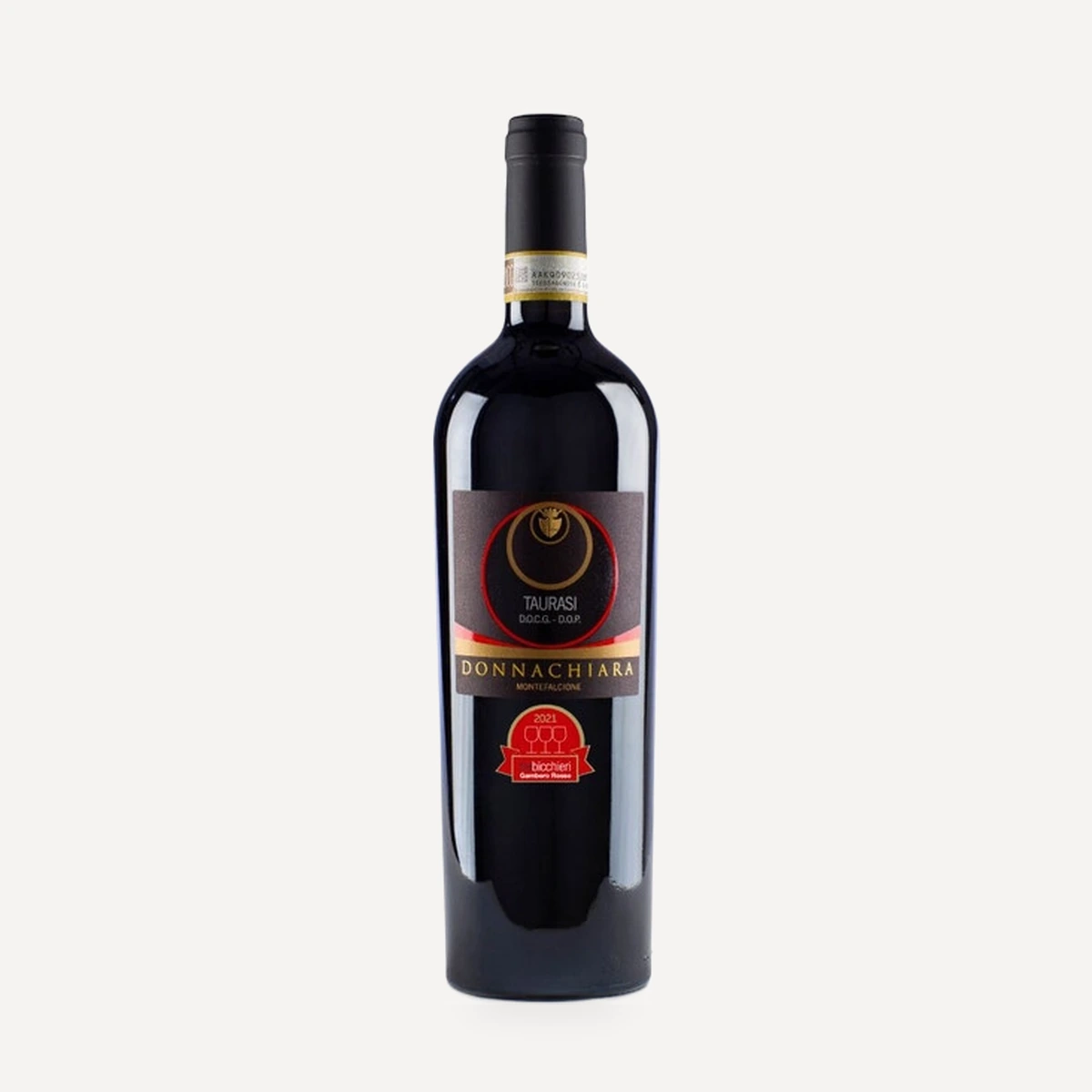
Taurasi DOCG
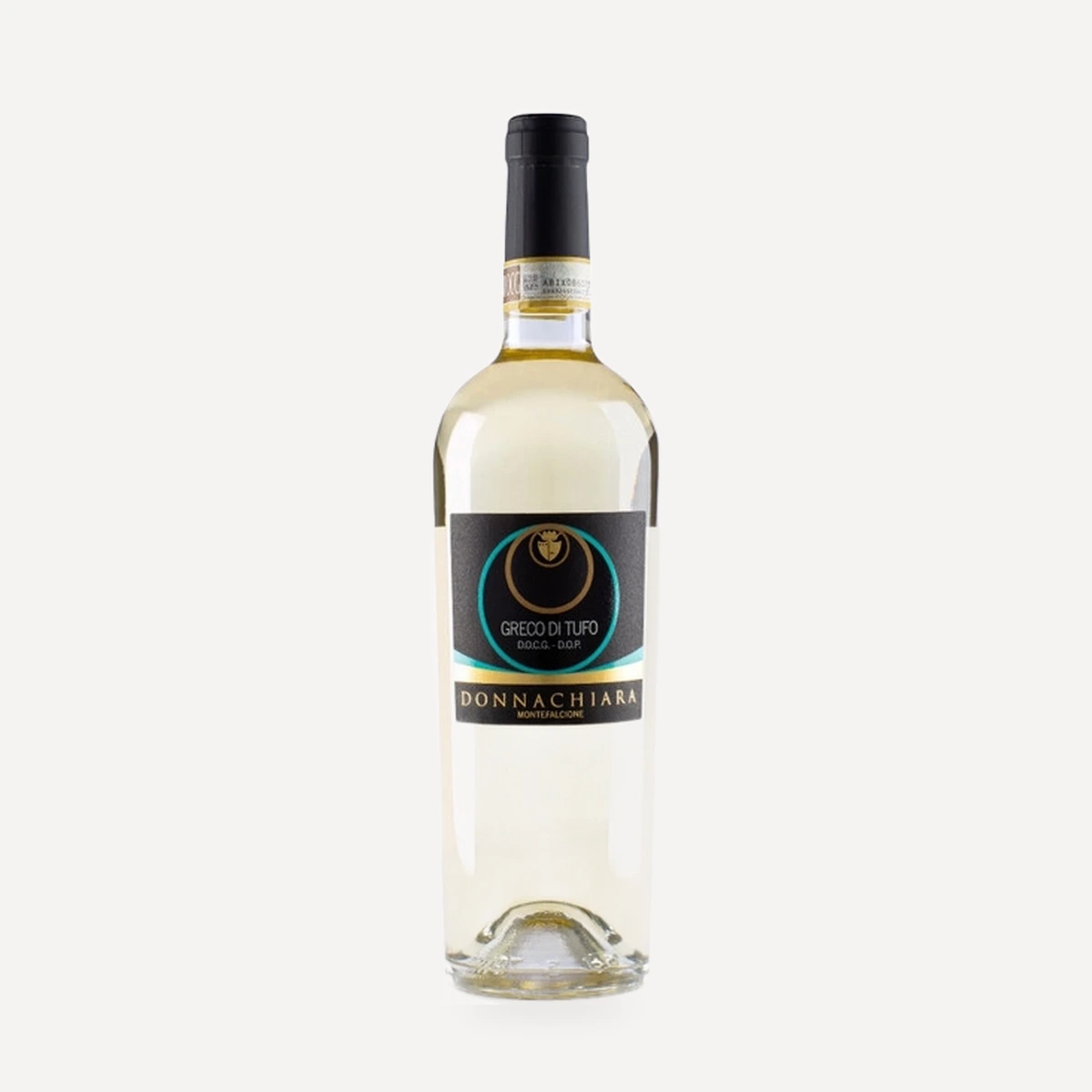
Greco di Tufo DOCG
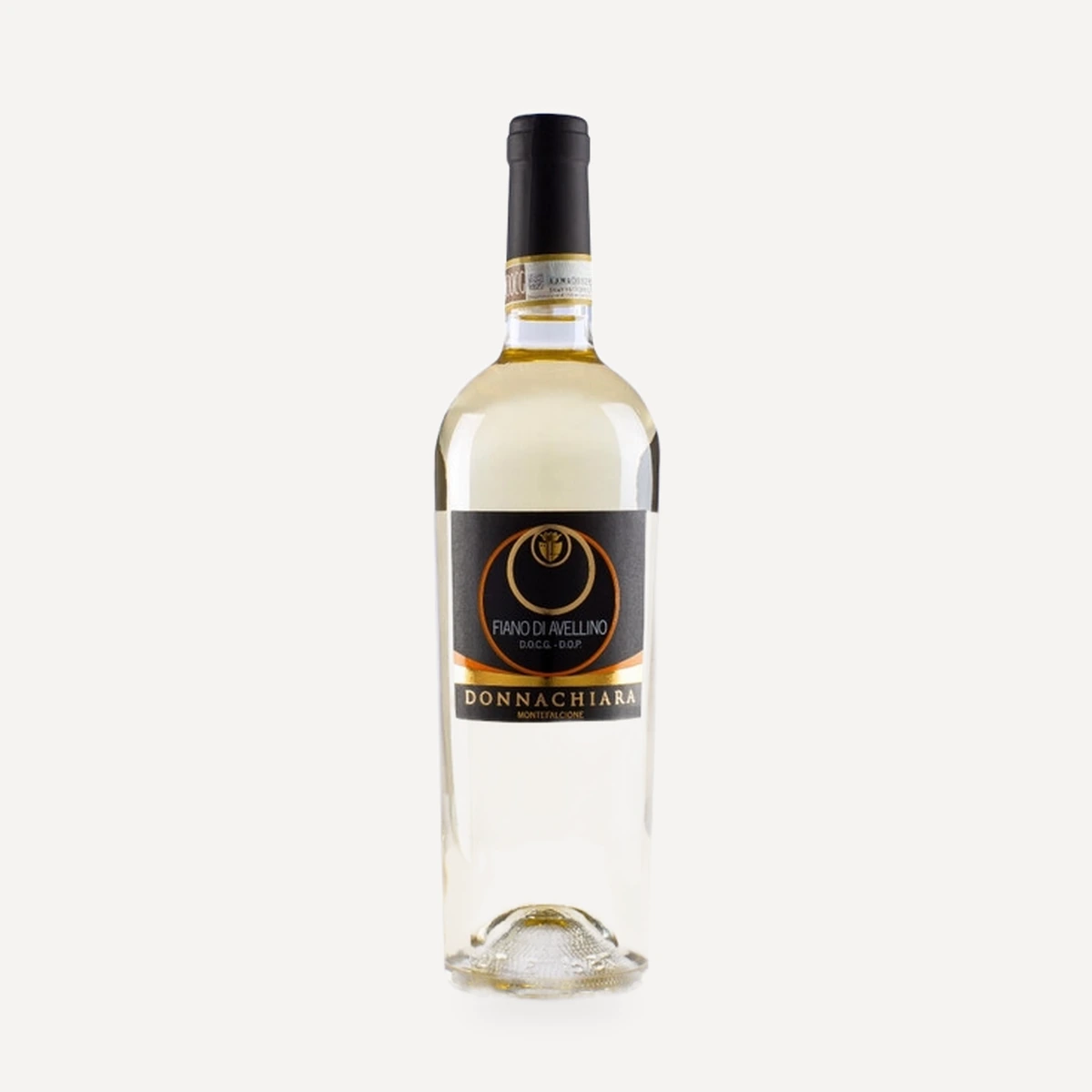
Fiano di Avellino DOCG
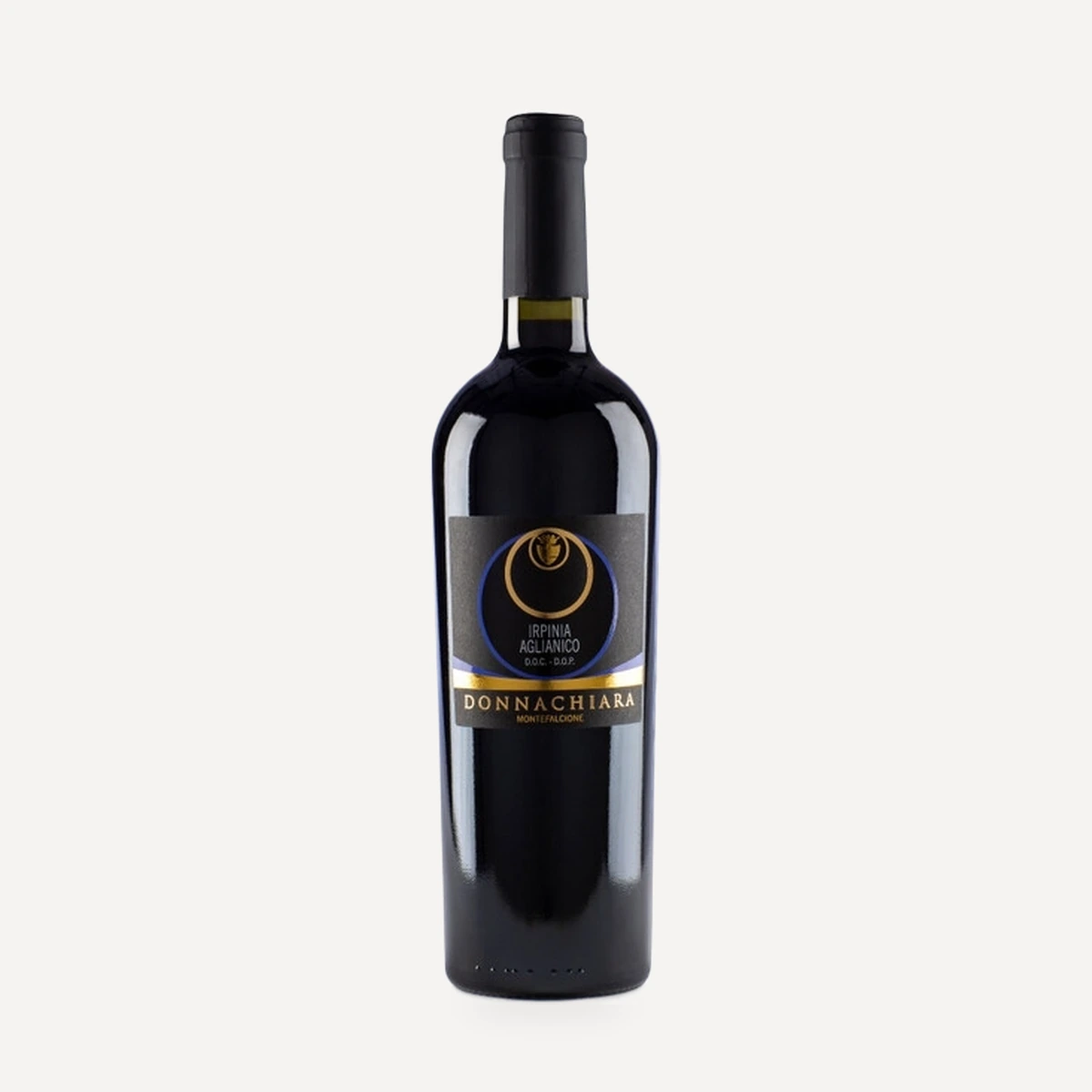
Irpinia Aglianico DOC
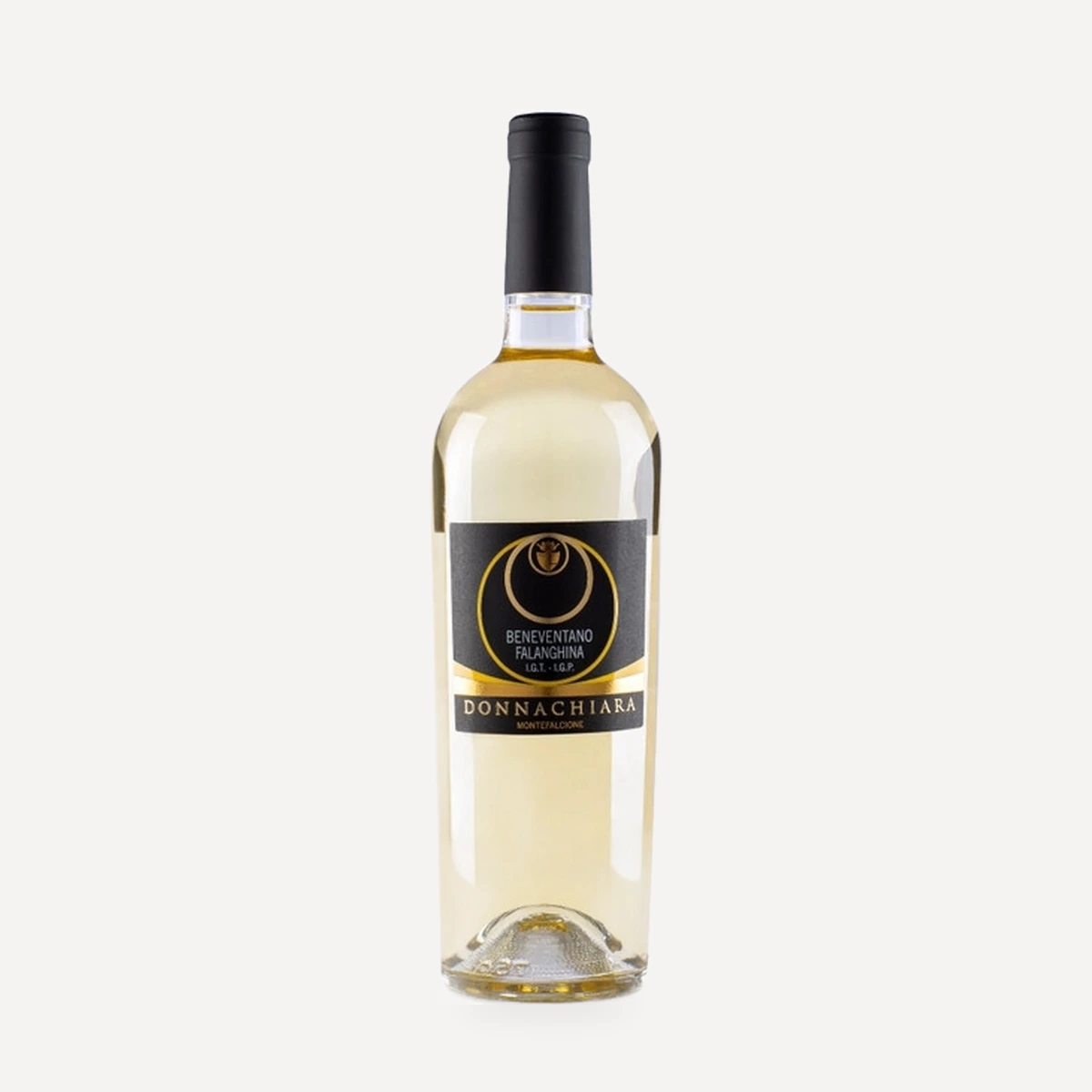
Beneventano Falanghina IGT