History
Family antecedents: 1805–1828
The family's agricultural and wine background predates the formal beginning of the winery. Giuseppe Apollonio, born in 1805, worked as a farmer. His son Tommaso, born in 1828, became a producer and wine merchant—described historically as an “industrialist”—and passed his experience to the next generation.
1870: Noè Apollonio and the beginnings in Aradeo
In 1870, Noè Apollonio planted a vineyard and made wine. He was born in Aradeo and operated a production facility on Via dei Pozzi Dolci, a street associated with wineries, factories and pasta makers. Assisted by his family and agricultural labourers, he produced and sold principally Negroamaro and Primitivo from grapes harvested around Aradeo, Neviano and Cutrofiano, in the clay-and-limestone lands known as the “Cafari.”
The venture began amid the upheaval caused by phylloxera, which forced European growers to replant vineyards. Wine at that time was treated not merely as a commercial drink but as food, care and relief. This context framed Noè's decision to establish the activity that became Apollonio Casa Vinicola.
1920: Marcello Apollonio and the second generation
Marcello Apollonio inherited the business and his father's commitment to wine. He moved to Maglie, acquired vineyards and worked with production facilities distributed across Salento, from Valle della Cupa and Arneo to sites as far away as Basilicata.
During the Second World War he travelled throughout Salento by horse-drawn carriage; after the war he travelled by car. His commercial network was concentrated particularly in northern Italy. At the time, the high alcoholic strength of Salento wine made it desirable as vino da taglio, or blending wine. Buyers from Piemonte, Veneto, Lombardia and Toscana purchased it in bulk for bottling.
Marcello also participated in the regional wine trade's weekly price-setting meetings. Producers gathered every Monday at the Caffè della Borsa, overlooking the recently excavated Roman amphitheatre in Lecce. His son Salvatore sometimes accompanied him.
1960: Salvatore Apollonio and modernisation
Salvatore Apollonio became the third-generation leader as post-war poverty gave way to economic expansion and changing markets. He introduced a more managerial structure and began a period of more modern, efficient production.
1975: bottling under the Apollonio name
In 1975, Salvatore began bottling higher-quality wines under the Apollonio brand. This marked a shift away from the earlier business centred on supplying bulk blending wine and established branded bottling as a central part of the company.
1995: Marcello and Massimiliano, the fourth generation
Brothers Marcello and Massimiliano Apollonio assumed leadership in 1995. They pursued commercial expansion beyond Italy, enlarged the distribution network, broadened the range and increasingly specialised the winery in wines intended for ageing.
The range is now distributed in 35 countries. Massimiliano provides technical leadership as oenologist, supervising grape growing, harvest, vinification, wine quality and bottling. Production remains organised as an integrated sequence extending from grape delivery through vinification and ageing to bottling.
Terroir
Salento between two seas
The winery's geographic frame is Salento, the eastern part of Puglia and the heel of the Italian peninsula. The peninsula lies between the rocky Adriatic coast and the gentler sandy shores of the Ionian Sea. Its agricultural landscape interweaves vineyards with olive groves, Mediterranean scrub and low dry-stone walls.
Relief and geology
The wider production territory is dominated by extensive plains with modest low hills. Its geological foundation is calcareous and generally of medium texture. More detailed descriptions of the regional ground identify widespread rocky layers and limestone banks. The historic “Cafari” lands around Aradeo, Neviano and Cutrofiano are specifically characterised as clayey and calcareous.
Sun, sea and wind
Three climatic forces define the territory: sun, sea and wind. Strong sunlight encourages sugar accumulation in the grapes; maritime influence is associated with the wines' mineral character; and persistent wind limits disease pressure. Summers are long, sunny and dry, with approximately 2,600 sunshine hours annually and rainfall of about 500–600 mm per year. The cold season is short and mild.
Conditions vary across the peninsula. The Adriatic side from Otranto to Santa Maria di Leuca receives more rain than the Ionian side toward Gallipoli, where winds from North Africa occur more frequently. Areas north of Otranto are slightly cooler under the influence of the Balkan Peninsula.
Winemaking
Massimiliano Apollonio supervises vine cultivation and harvest as part of his responsibility for the complete production chain. The winery places particular emphasis on varieties identified with Salento—principally Negroamaro and Primitivo, together with Malvasia nera, Susumaniello and Bianco d’Alessano.
Integrated production chain
The winery is organised to handle the complete sequence of production on site: grape delivery, vinification, maturation and bottling. Cultivation, harvest, vinification, quality control and bottling operate under the technical supervision of oenologist Massimiliano Apollonio.
Tradition, technology and maturation
Production combines methods inherited from the founders with modern technology and process optimisation. A defining focus is the production of wines capable of extended ageing. Wood types are selected carefully for long maturation, while the young, fresh part of the range is matured in stainless steel.
The move to estate-branded bottling began in 1975, when Salvatore Apollonio started bottling higher-quality wines under the Apollonio name.
Philosophy
Apollonio presents continuity and adaptation as complementary principles. Methods inherited from the founders remain part of its identity, while modern technology is applied to production and commercial organisation.
The family's priorities centre on varieties closely identified with Salento, particularly Negroamaro and Primitivo, alongside Malvasia nera, Susumaniello and Bianco d’Alessano. A close relationship with the territory and careful selection of wood for long maturation underpin the winery's conception of quality.
Since the fourth generation assumed management, this approach has included a stronger specialisation in ageworthy wines, a broader range and international distribution, while maintaining the family's stated commitment to territorial and family identity. The phrase “Passions grow from small seeds” condenses its view of continuity across generations.
Wines
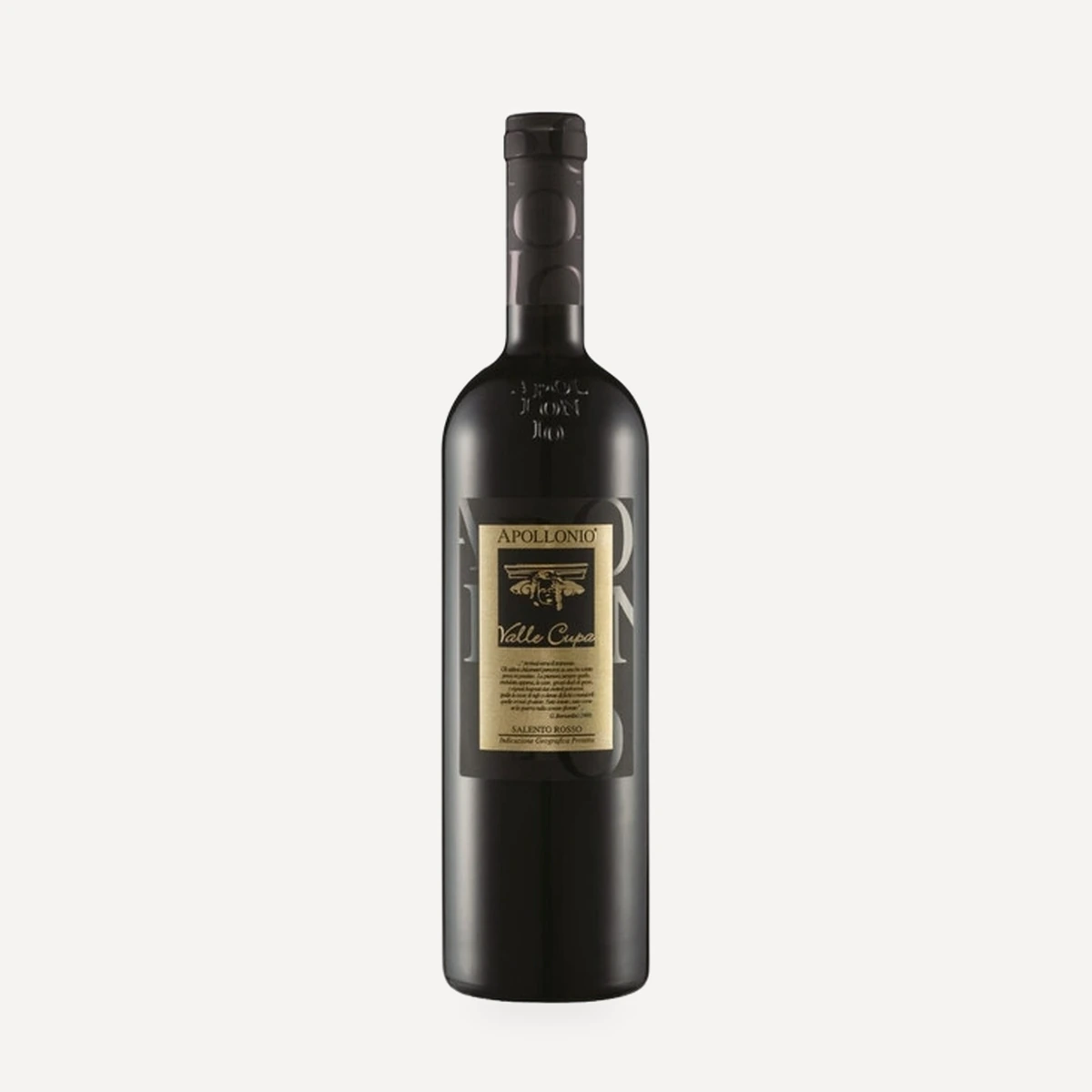
Valle Cupa
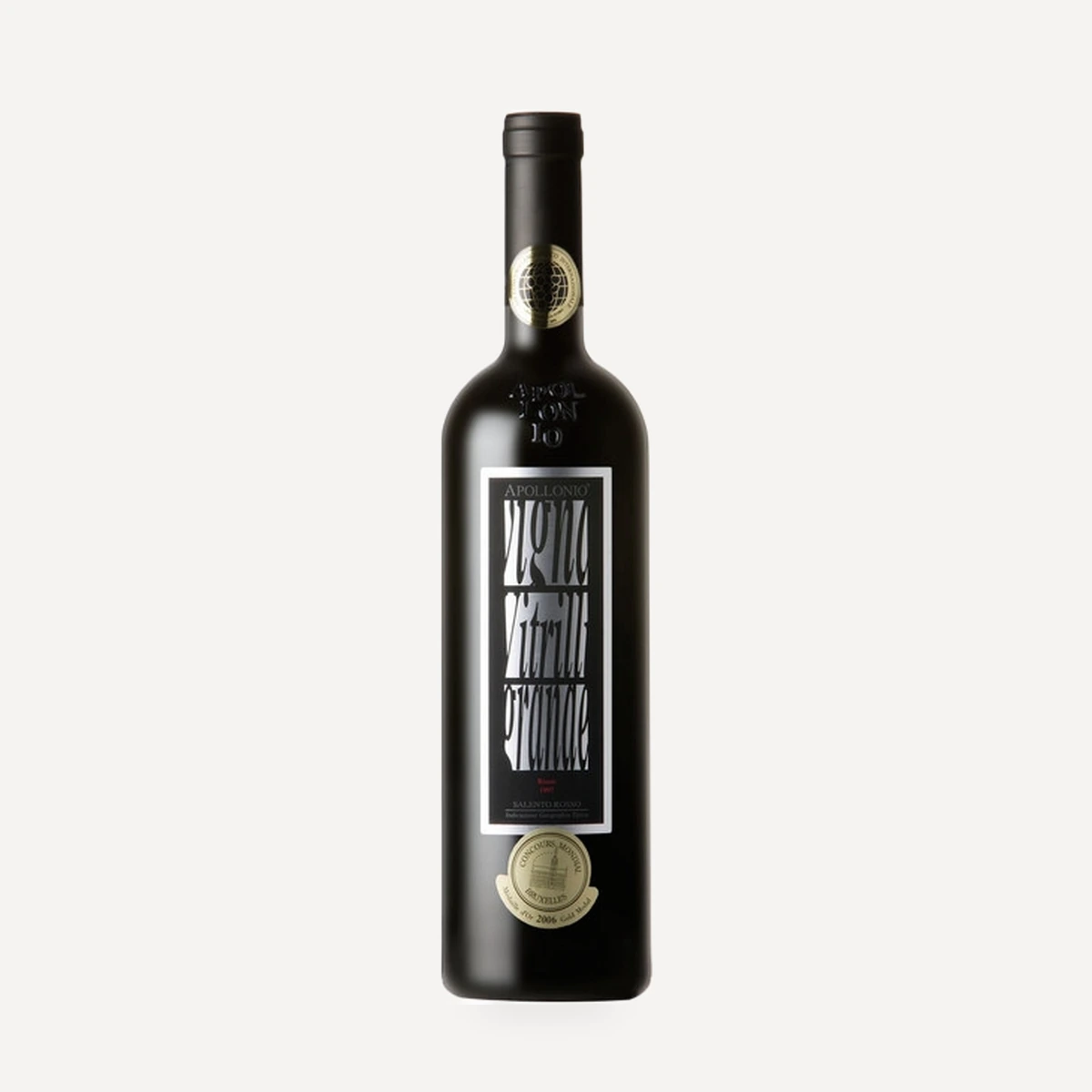
Vitrilli Grande
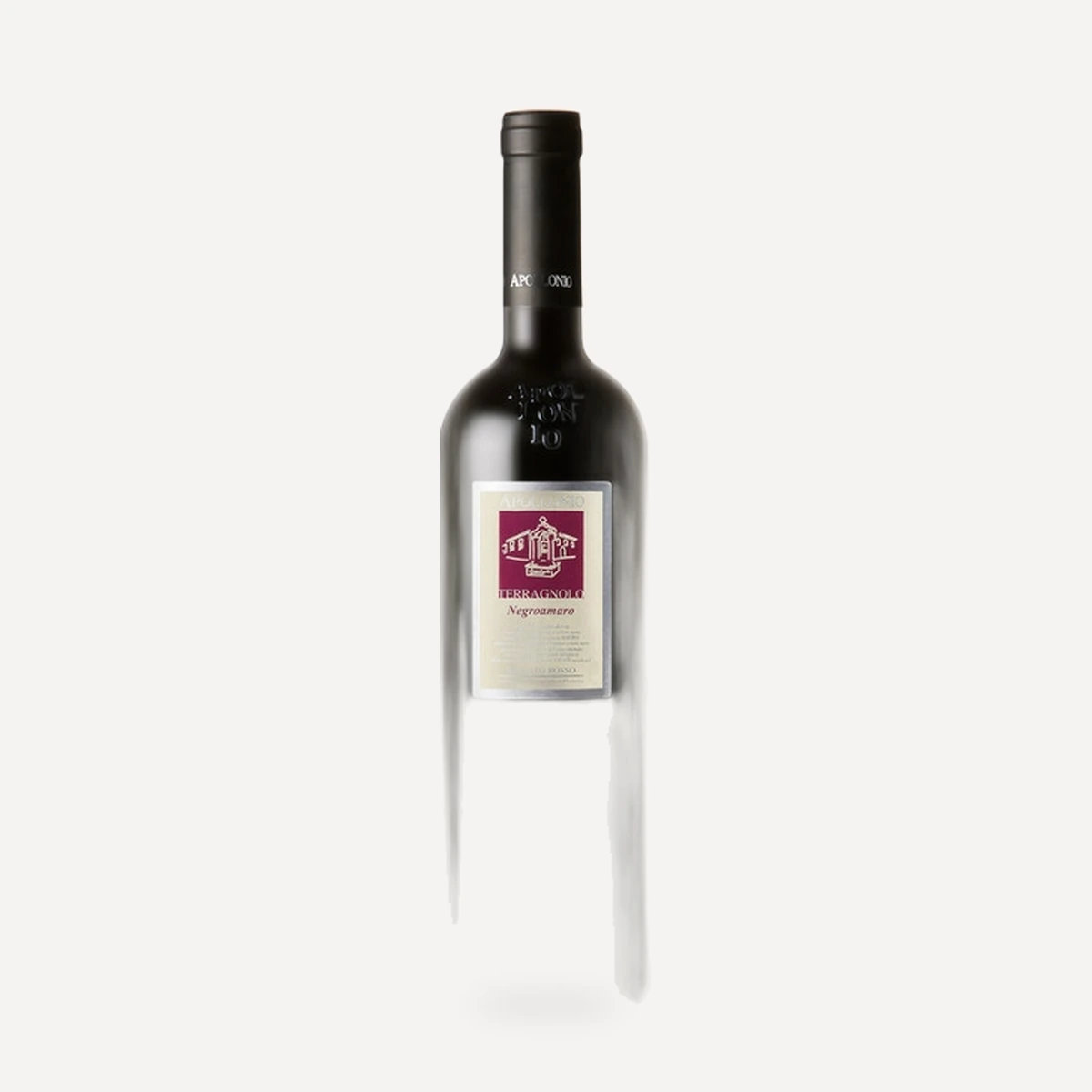
Terragnolo Negroamaro
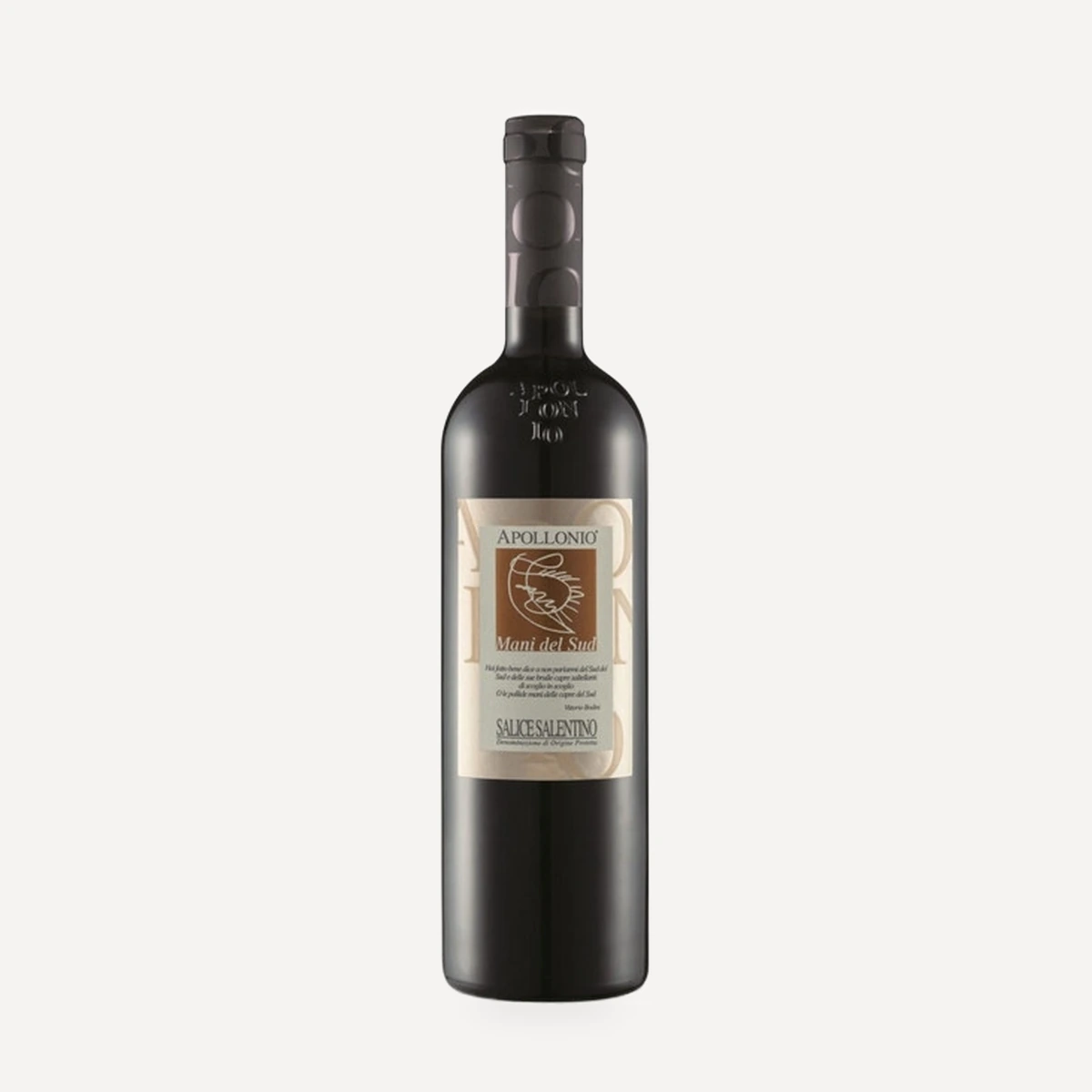
Mani del Sud Salice Salentino Rosso
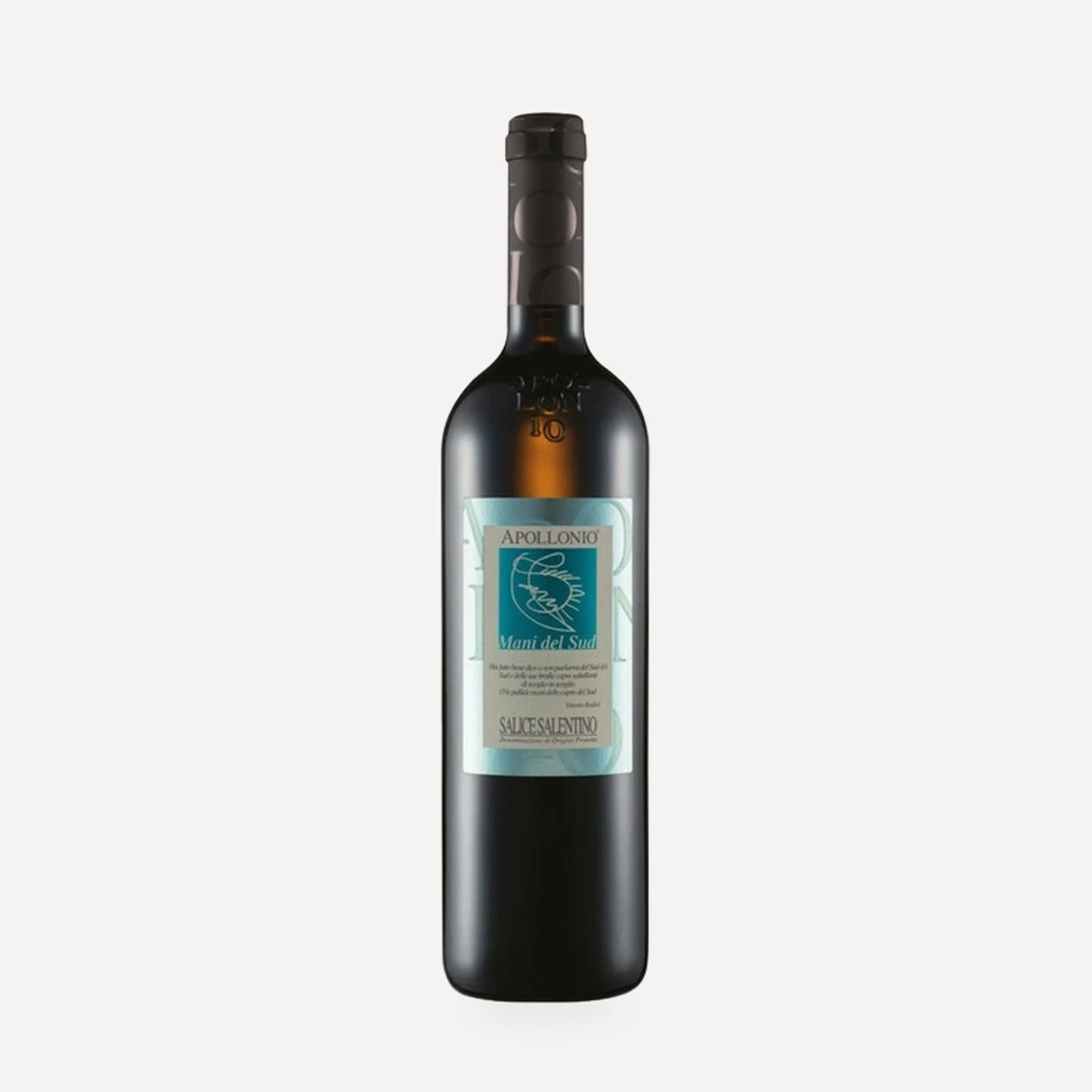
Mani del Sud Salice Salentino Bianco
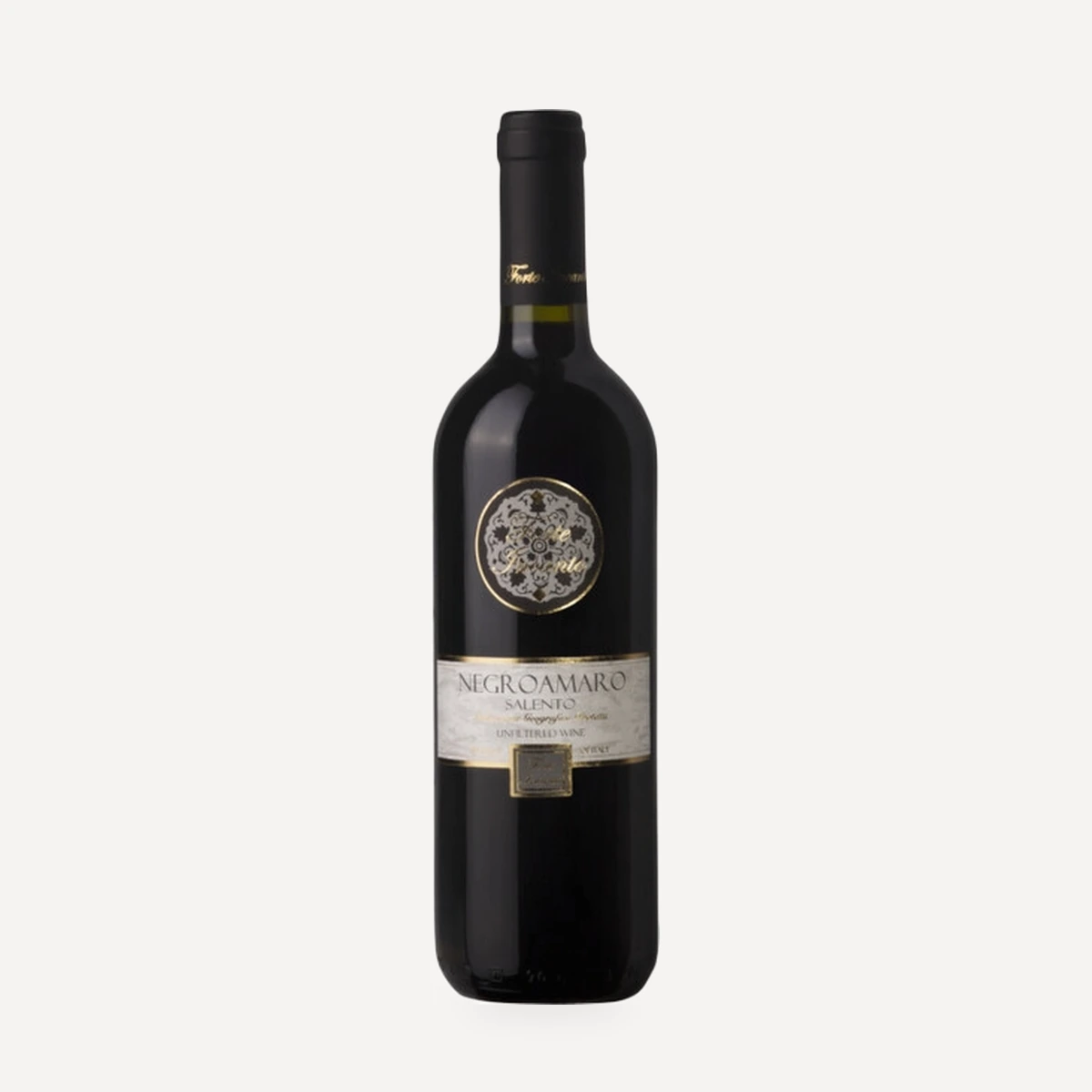
Forte Incanto Negroamaro Rosso
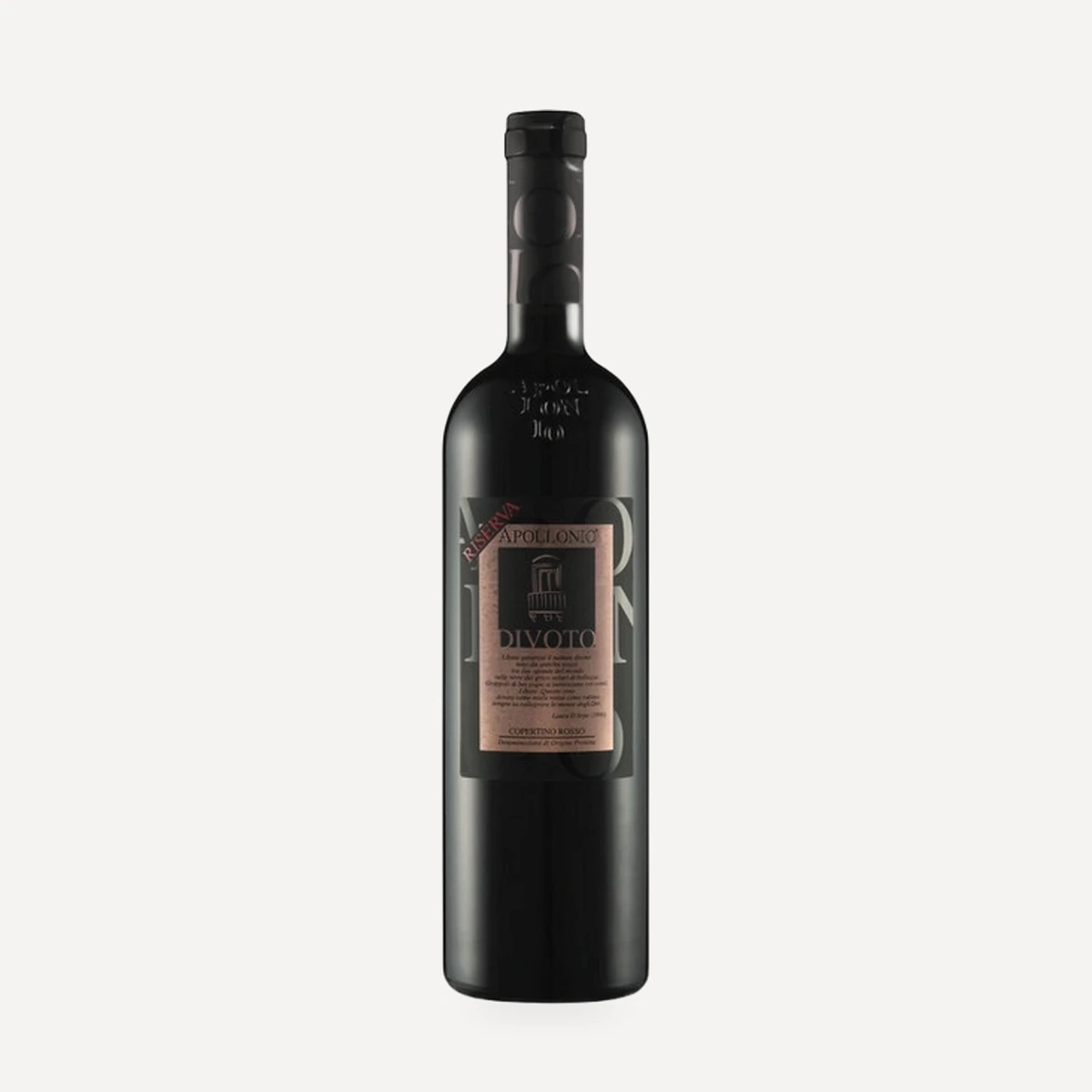
Divoto
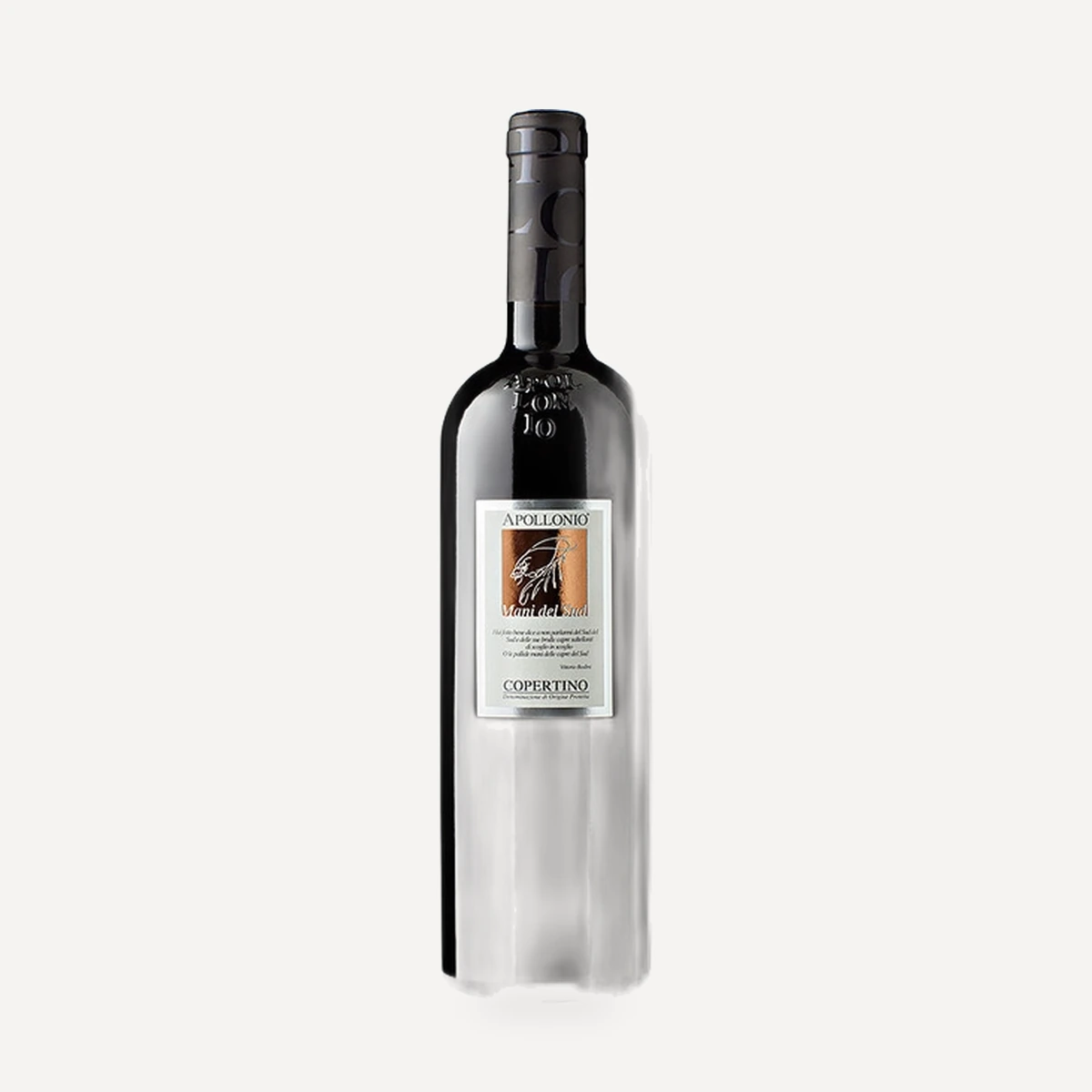
Mani del Sud Copertino
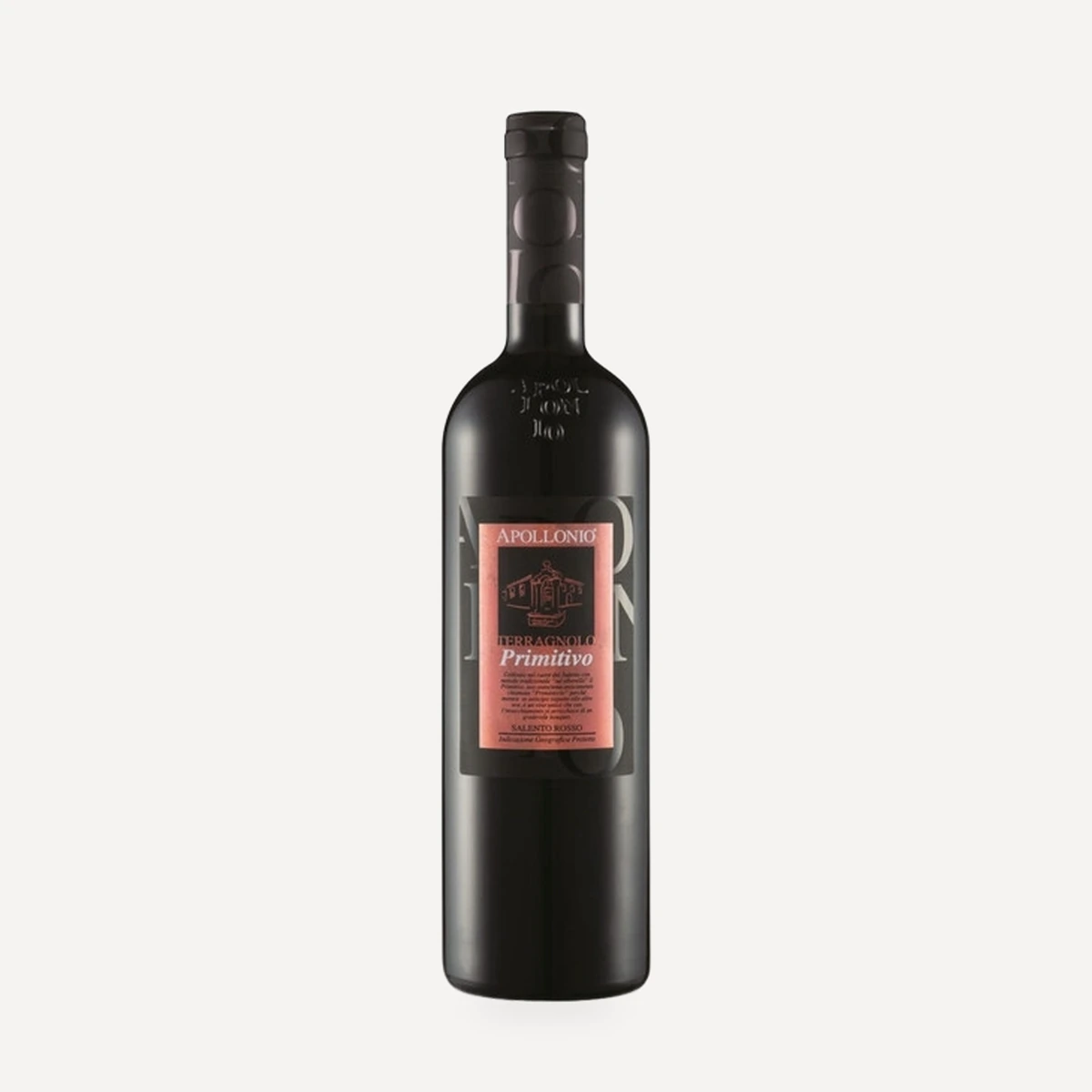
Terragnolo Primitivo
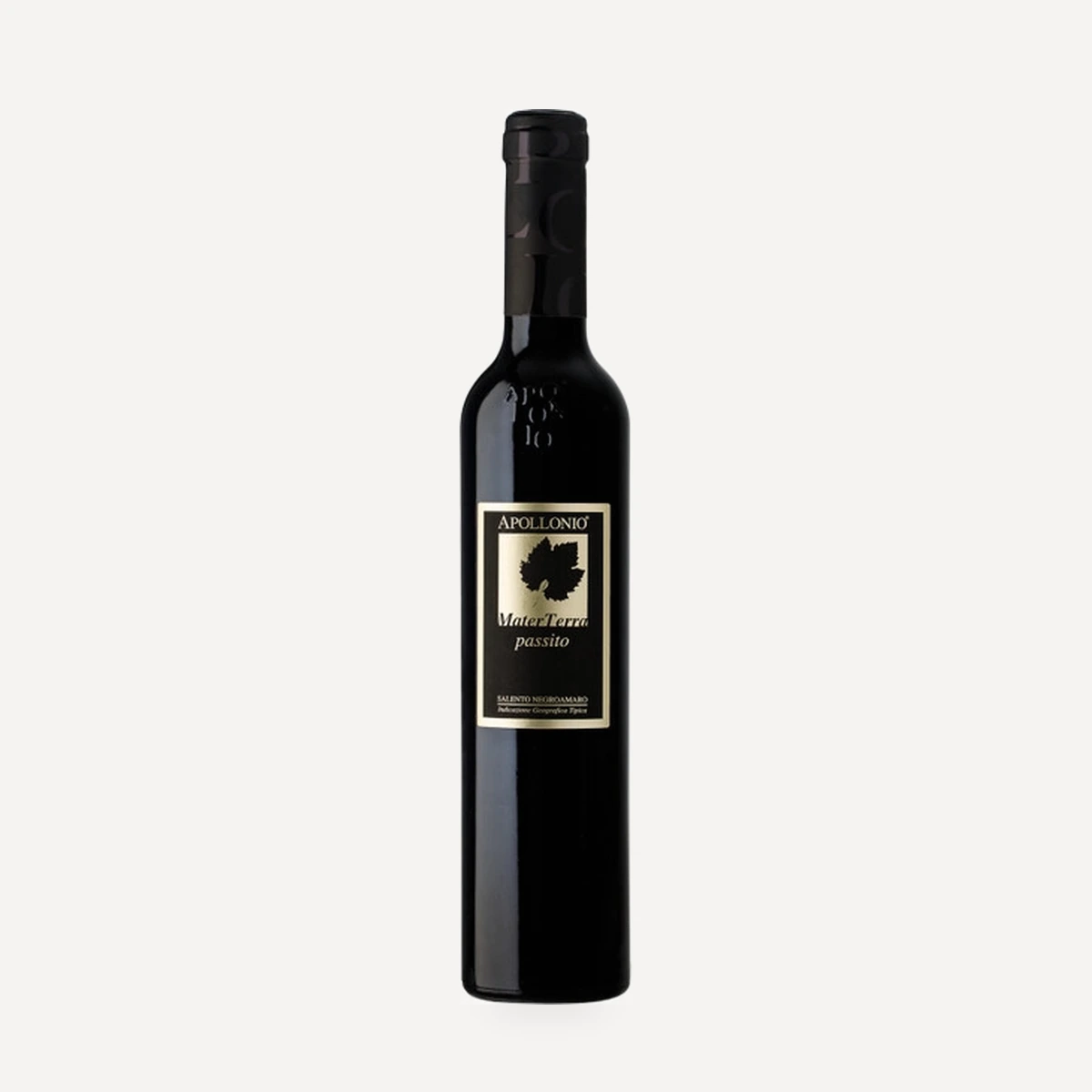
Mater Terra Passito
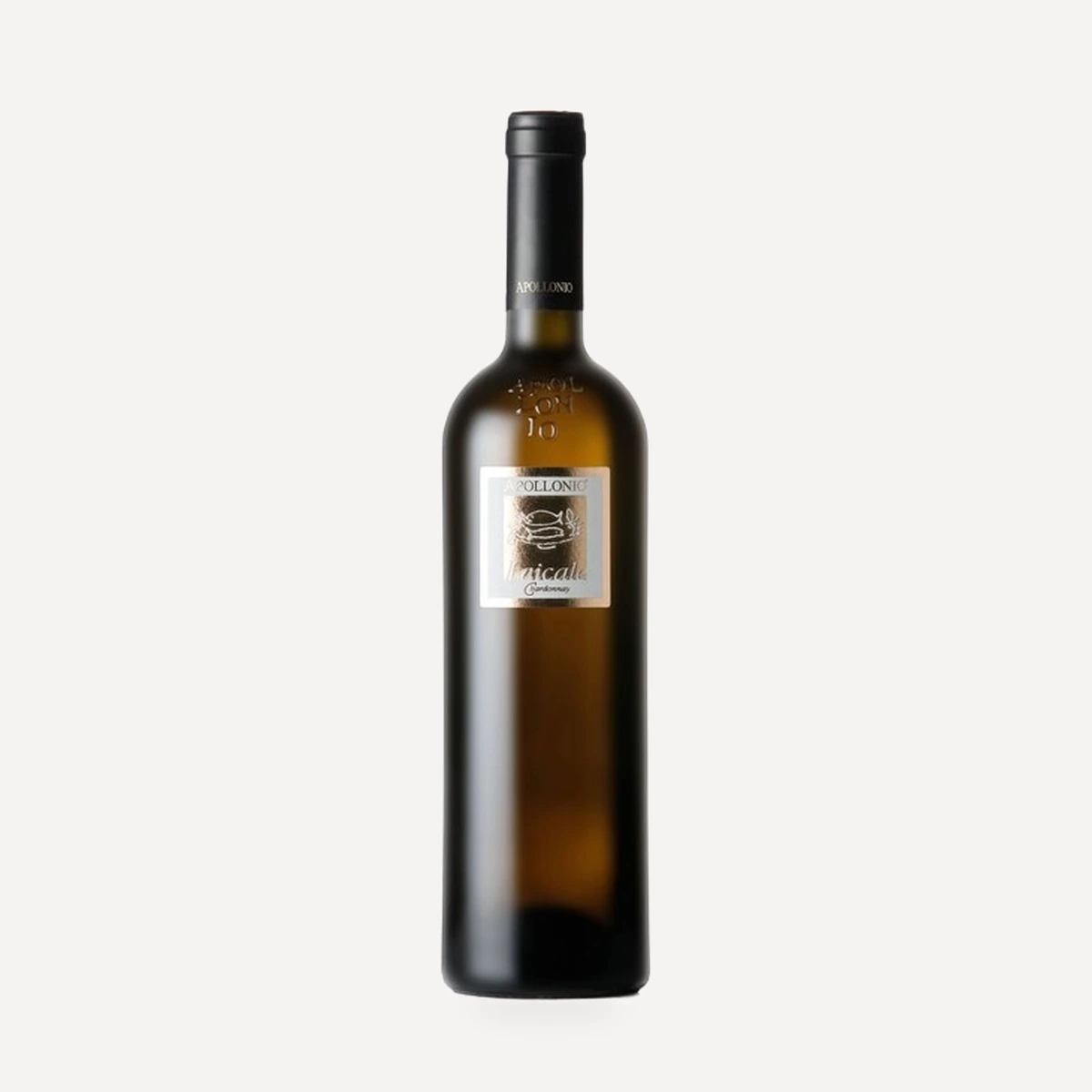
Laicale
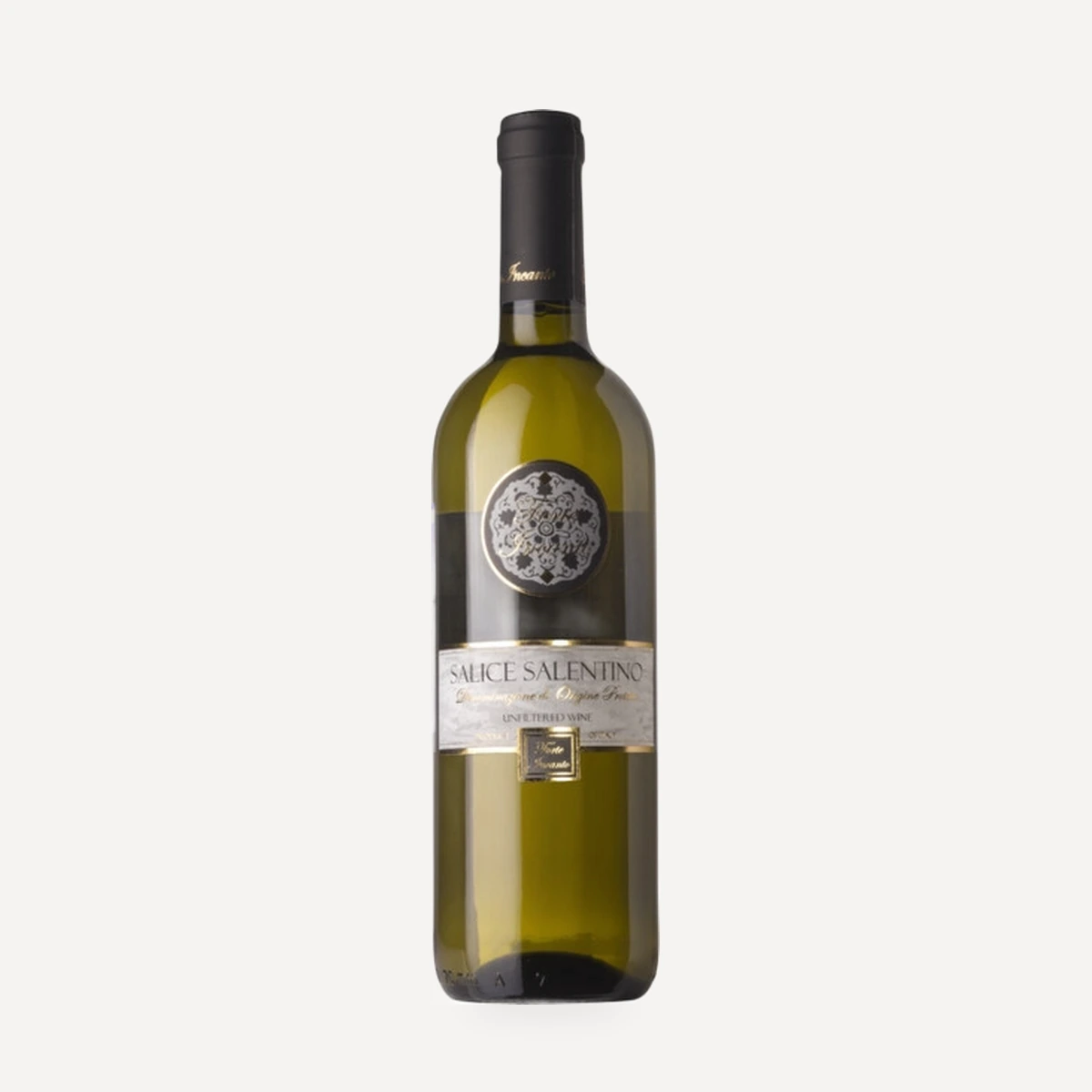
Forte Incanto Salice Salentino Bianco