History
1962 — The cooperative project
Cantine San Marzano was founded in June 1962 in San Marzano di San Giuseppe, a small town in the province of Taranto at the centre of the Primitivo di Manduria area. Nineteen winegrowers established a small cooperative winery before the denomination of origin existed and before Primitivo di Manduria had achieved international recognition.
1982 — Francesco Cavallo
Francesco Cavallo was appointed Chairman of the Board of Directors in 1982. He guided the cooperative through forty consecutive years of presidency, combining long-term planning with oversight of its day-to-day development.
1996 — From bulk wine to bottles
The members’ investment financed a modern bottling plant in 1996. The first estate-labelled bottles marked a structural change in the business: Cantine San Marzano began moving away from an economy centred on bulk wine and towards a recognisable brand with a direct relationship to consumers.
2000 — Sessantanni
Sessantanni Primitivo di Manduria DOP was introduced in 2000 from Primitivo grown on old, traditional Puglian alberello vines. It became the emblem of Cantine San Marzano’s relationship with Primitivo and a defining label in the international positioning of Puglian wine.
2020–2021 — Corporate recognition
In 2020 Cantine San Marzano was selected for Intesa Sanpaolo’s Imprese Vincenti programme, which recognised Italian small and medium-sized companies for territorial identity, investment in technology and innovation, employment of young professionals, international-market presence, distribution management and environmental attention.
In September 2021 the winery received the XXXVI Premio Industria Felix Alta Onorificenza di Bilancio. It was the second consecutive recognition and the third overall, awarded for management performance and Cerved-assessed financial reliability among Puglia’s leading wine-sector businesses.
In October 2021 Gambero Rosso’s Guida Vini d’Italia 2022 named Cantine San Marzano Cooperative Winery of the Year, recognising the collective and social development generated by the original cooperative initiative.
2022 — Sixtieth anniversary
The cooperative celebrated its sixtieth anniversary in San Marzano di San Giuseppe with members, friends and Italian and international customers. Zucchero Fornaciari performed in the courtyard of the production facility, which was converted into a concert venue for the evening. A limited-edition Sessantanni Rosé was also created for the anniversary. Conceived initially as a one-off 2022 release, it subsequently became a biennial project.
2023–2025 — Biodiversity and environmental projects
In spring 2023 Cantine San Marzano began a bee-protection project in collaboration with Apicolturaurbana.it. Two hives were installed on an estate already involved in biodiversity work, both to encourage pollination among the crops and to use the bee population as an indicator of environmental health. The first San Marzano honey was harvested after more than a year of activity and presented in 2025.
The winery also supported TERRAMIA – DUNE TERRA MARE with DUNE APS, organising repeated clean-ups of beaches, dunes, the Ionian hinterland and rural areas. By 2024 the programme had developed into twenty targeted interventions distributed through the year and expanded through cooperation with volunteers, local organisations and schools.
2026 — One More Dream
The Bali and Komodo journey of June 2026 inaugurated the San Marzano One More Dream Series. The programme turns the presentation of a wine into a wider cultural journey built around encounters, landscapes, discovery and shared experience; its first chapter was named Dream #1: Bali & Komodo.
Terroir
Between the seas
San Marzano di San Giuseppe lies in the centre of the Primitivo di Manduria DOP, within the strip of Puglia between the Adriatic and Ionian seas. The principal production area around San Marzano stands at approximately 100 m above sea level. It has high summer heat accumulation, generally medium-low to very low rainfall and, in several vineyard zones, a marked difference between daytime and night-time temperatures.
San Marzano and the central Salento vineyards
Soils around San Marzano are commonly shallow, medium- to fine-textured and clay-influenced, with a substantial stony component. Some vineyards have medium-textured clay soils; others are mixed and tend towards limestone. The dry, sunny climate extends well into the early autumn, while the normal lateness of autumn rain can favour full maturation and, where intended, slight overripening on the vine.
Contrada Monte la Conca
The three Negroamaro vineyards associated with F lie in Contrada Monte la Conca, between San Marzano and Francavilla Fontana. The climate is warm throughout the year, rainfall is very limited and the day–night temperature range is wide. Fine-textured loam is rich in iron oxides, which colour the surface red; beneath it lies a calcareous limestone subsoil with relatively few emerging rocks.
Coastal Salento and Brindisi
The coastal Susumaniello zone has shallow, dark, permeable and free-draining sandy-loam soil with a substantial rocky fraction. Around Brindisi, at approximately 100 m, proximity to the sea moderates the microclimate. The shallow, medium-textured soils used for Vermentino are predominantly sandy, and the coastal landscape is associated with dunes, Mediterranean scrub and maritime influence.
Alta Murgia
Nero di Troia is also sourced from Alta Murgia at approximately 180 m above sea level. Here the soil is deep, medium-textured and clay-rich, with a good proportion of rock.
Winemaking
Traditional alberello is central to the oldest Primitivo and Negroamaro vineyards. The system is a Mediterranean legacy associated with Greek colonisation and is preserved despite its high management cost, low yields and dependence on manual labour. Older alberello vines cannot be worked mechanically and produce less fruit than modern vertical systems, but their grapes are valued for concentration and extract.
Primitivo normally buds during the first ten days of April in the Manduria area and ripens from late August to the first week of September. Its medium-small, relatively loose bunches have thin, delicate, dark-blue, bloom-covered skins. Growers monitor pre-harvest rain closely because the thin skin can become vulnerable even though the variety is generally resistant to common moulds. Early ripening usually permits harvesting before autumn rain. The same thin skins, combined with the dry, sunny early autumn, allow grapes to remain on the vine for slight overripening or occasional late harvesting.
Harvest practices vary by vineyard and intended style. Old alberello parcels are worked and harvested manually, with fruit collected in small baskets in documented protocols. White grapes intended to retain acidity may be picked by hand in the cool morning and slightly earlier than full maturity. Other harvesting windows extend from early August for sparkling-wine bases through late September or mid-October for later-ripening red varieties.
Organic-agriculture principles are used in the vineyards supplying Naca Primitivo. The biodiversity programme begun in 2023 added two beehives to an estate. Bee activity promotes pollination between the rows, supports plant reproduction and soil fertility, and provides a biological indicator of environmental health.
Production changed decisively in 1996 with the installation of a modern bottling line, allowing Cantine San Marzano to move from bulk sales to bottled wines and direct brand development.
The portfolio employs distinct protocols according to grape and wine style. Red-wine production includes destemming and crushing, temperature-controlled maceration and alcoholic fermentation. Documented regimes range from fermentation at approximately 25°C through maceration and fermentation at 24–26°C for about ten days. Some lots receive a pre-fermentation cold soak at 8°C for 24–48 hours. Selected yeasts are used in several protocols, while autochthonous yeasts are used for the old-vine Negroamaro programme. Drawing off is followed by gentle pressing; malolactic fermentation may take place in stainless steel before maturation.
Rosé production can involve draining a portion of Primitivo must after a few hours of skin contact, followed by white-wine fermentation. White-wine techniques include short low-temperature skin contact or cryomaceration, gentle pressing, cold static settling and low-temperature fermentation. Fermentation vessels include stainless steel and French-oak barriques. Lees ageing with periodic or weekly bâtonnage is used for selected whites.
Ageing takes place in stainless steel and in French, American or Caucasian oak, according to the intended expression. Documented barrel periods extend from three or four months to eighteen months. The cellar also works with unroasted French-oak barrels for part of a rosé blend and combines oak-matured and steel-matured components.
Sparkling production covers both metodo classico and Charmat wines. In the documented Charmat process, whole grapes are gently pressed and only the first 55% of free-run must is used. After low-temperature fermentation, the base wine undergoes secondary fermentation in an autoclave, remains on its lees there for approximately one month and then rests in bottle under controlled temperature.
The cooperative also processes Sessantanni pomace into grappa and produces extra-virgin olive oil alongside its wine portfolio.
Philosophy
Cantine San Marzano’s identity is rooted in collective work: the original cooperative project and the continuing role of growers and their families frame vineyards as a shared community asset. The Talò name serves as a collective acknowledgement of farming families who care for each vineyard as though it were their own garden.
The winery presents Sessantanni as the clearest expression of its connection to Primitivo, old vines and the local genius loci. Preserving labour-intensive alberello vineyards is part of this position: their limited productivity and high manual costs are accepted for the concentration and character of their fruit.
Its declared cultural vocabulary is “Wine, Sharing, Beauty.” Wine is treated as a means of building relationships across geography, cuisine, fashion, music and visual art. The TramArt programme develops this idea through recurring collaborations between artists and a wine label conceived as a canvas. The One More Dream Series extends it into travel and encounter, using wine as the starting point for a shared cultural experience.
Environmental responsibility is expressed through vineyard biodiversity, protection of pollinators and repeated community action. The bee project links crop pollination with environmental monitoring, while TERRAMIA treats coastal and rural clean-ups as a continuous habit rather than an exceptional intervention.
Wines
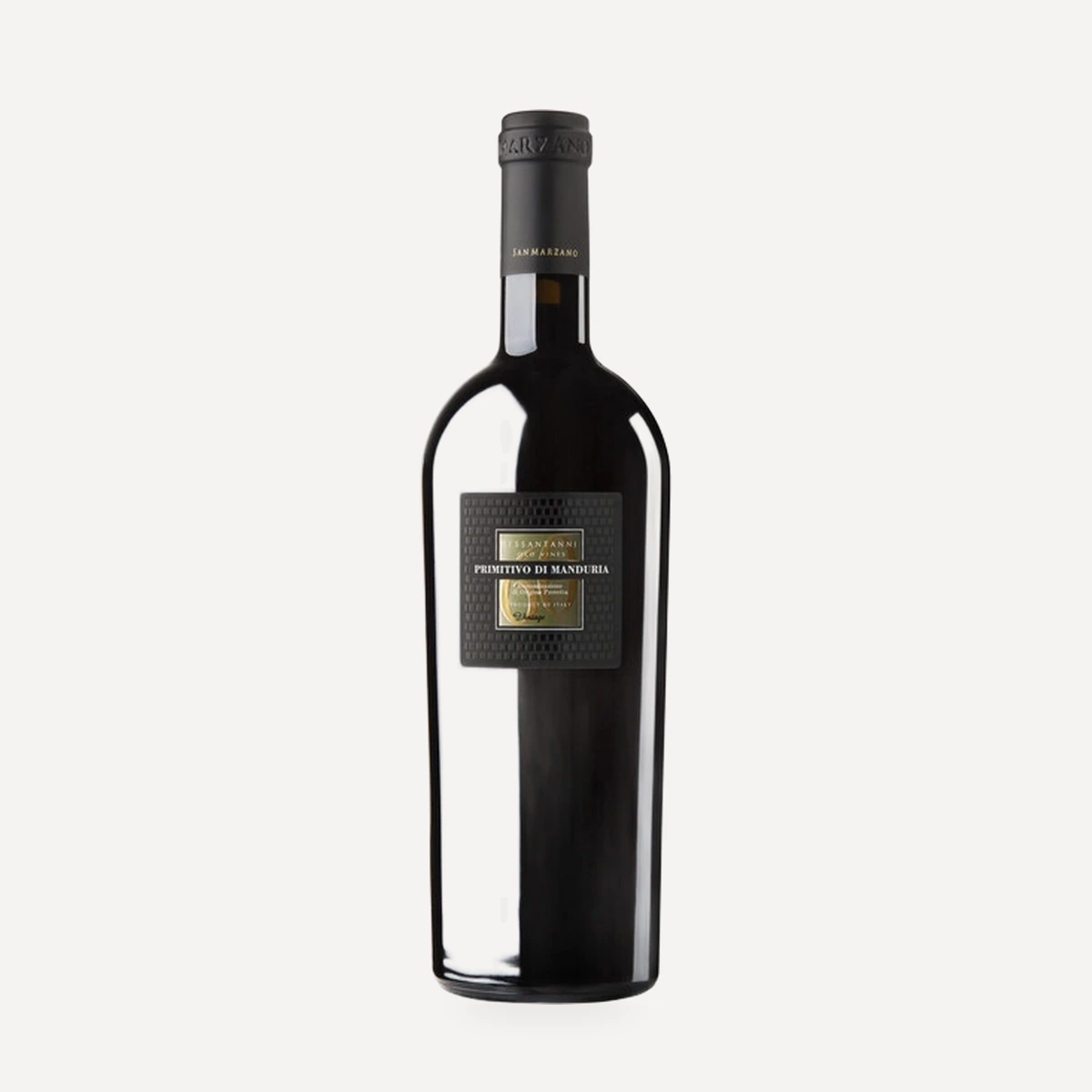
Sessantanni Primitivo di Manduria DOP
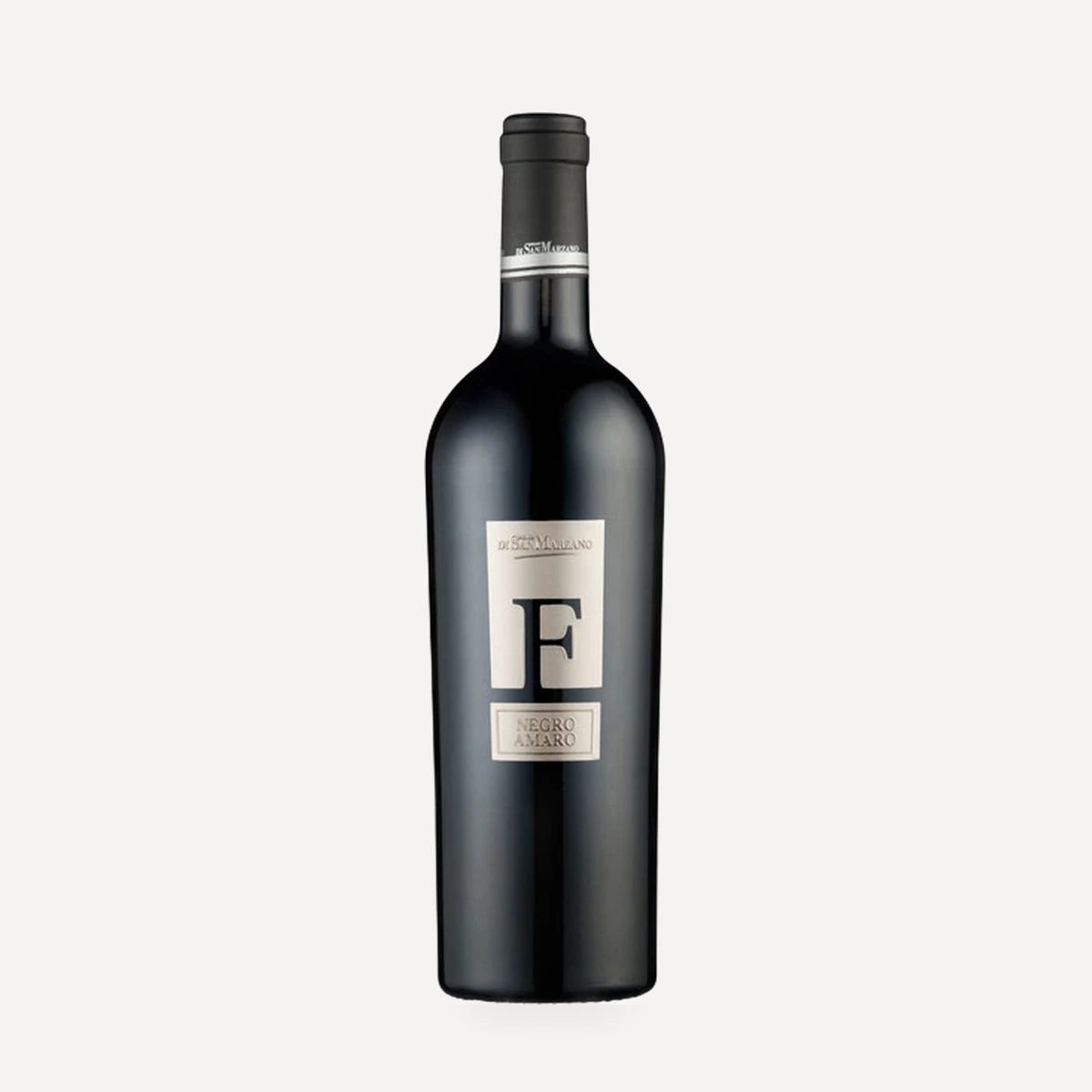
F Negroamaro Salento IGP
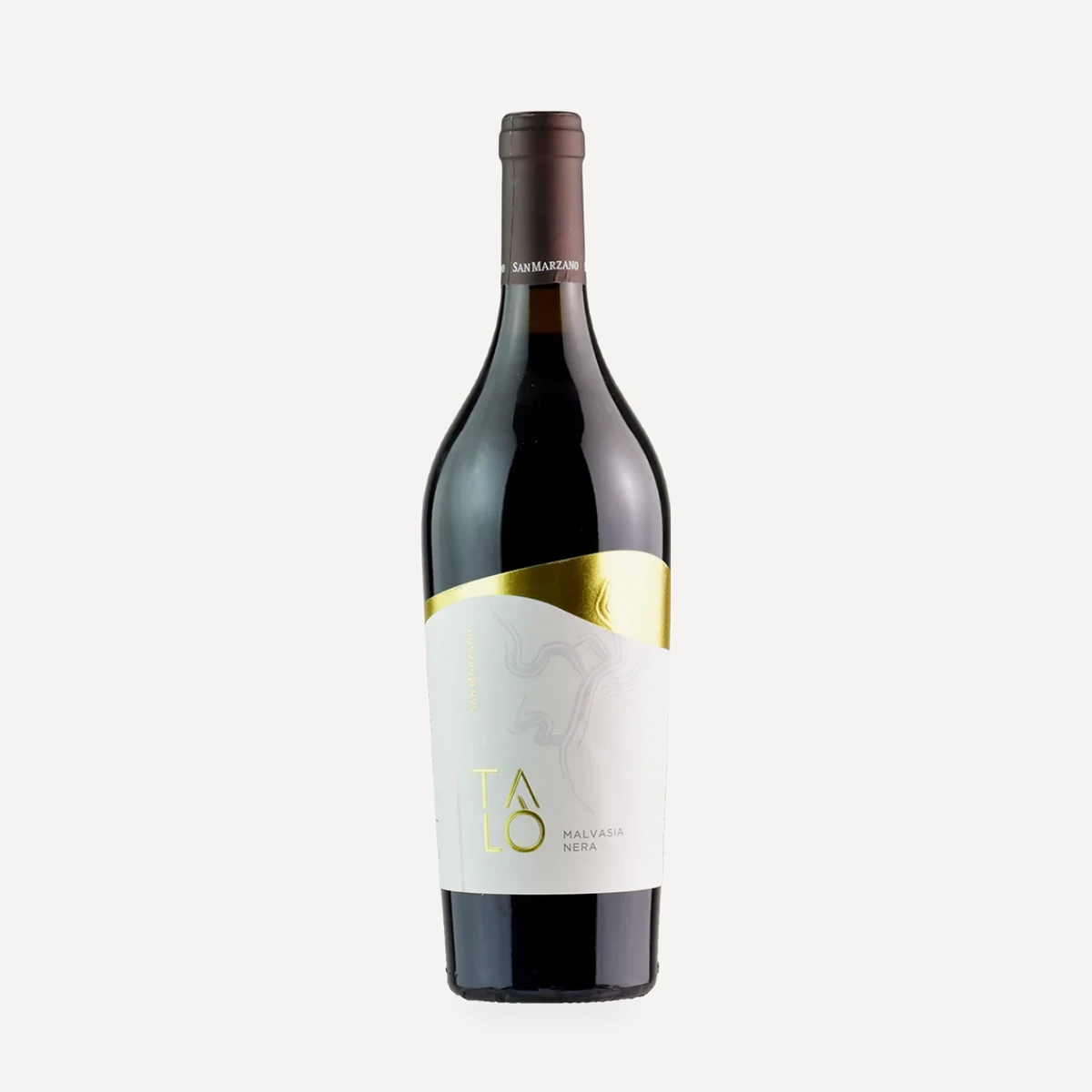
Talò Malvasia Nera Salento IGP
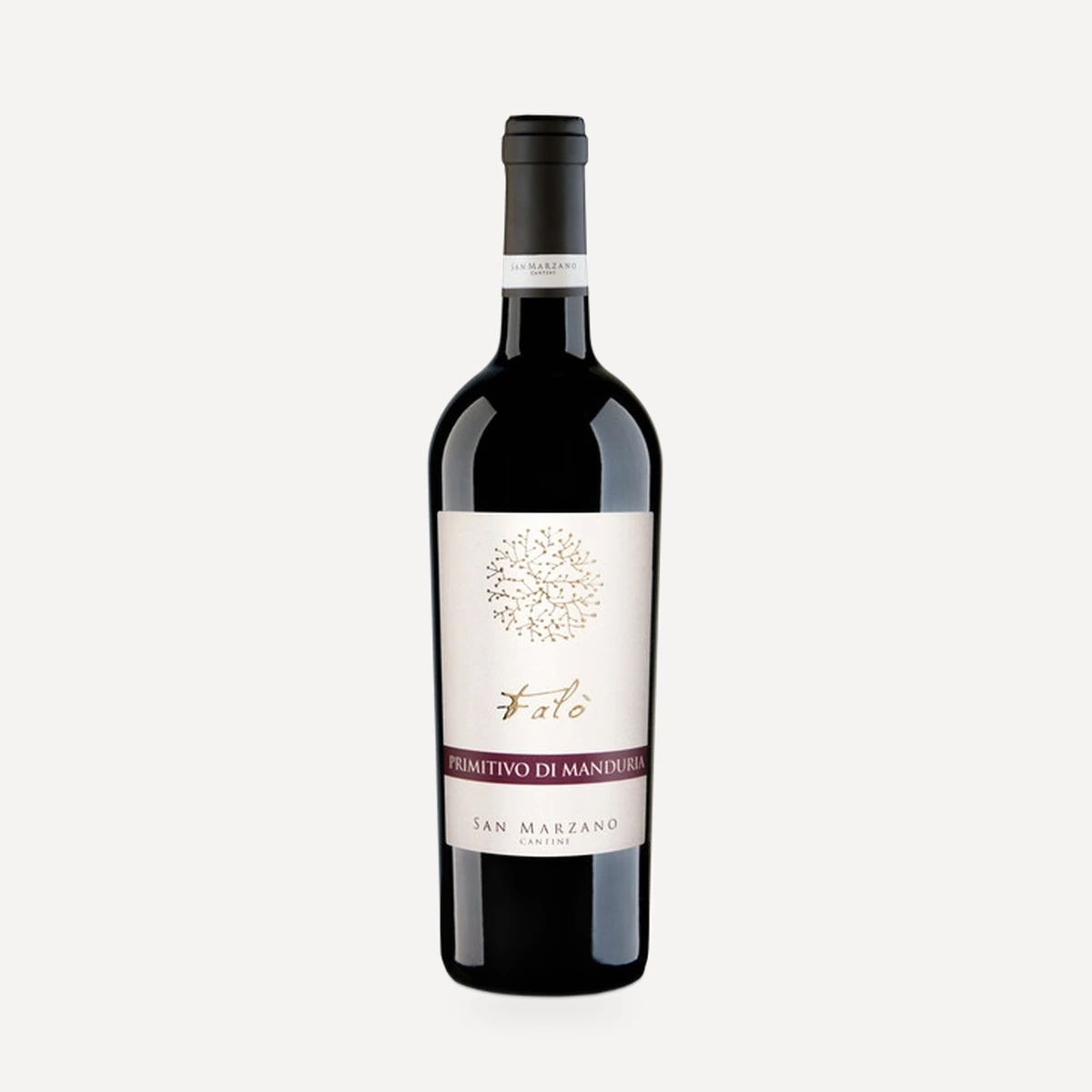
Talò Primitivo di Manduria DOP
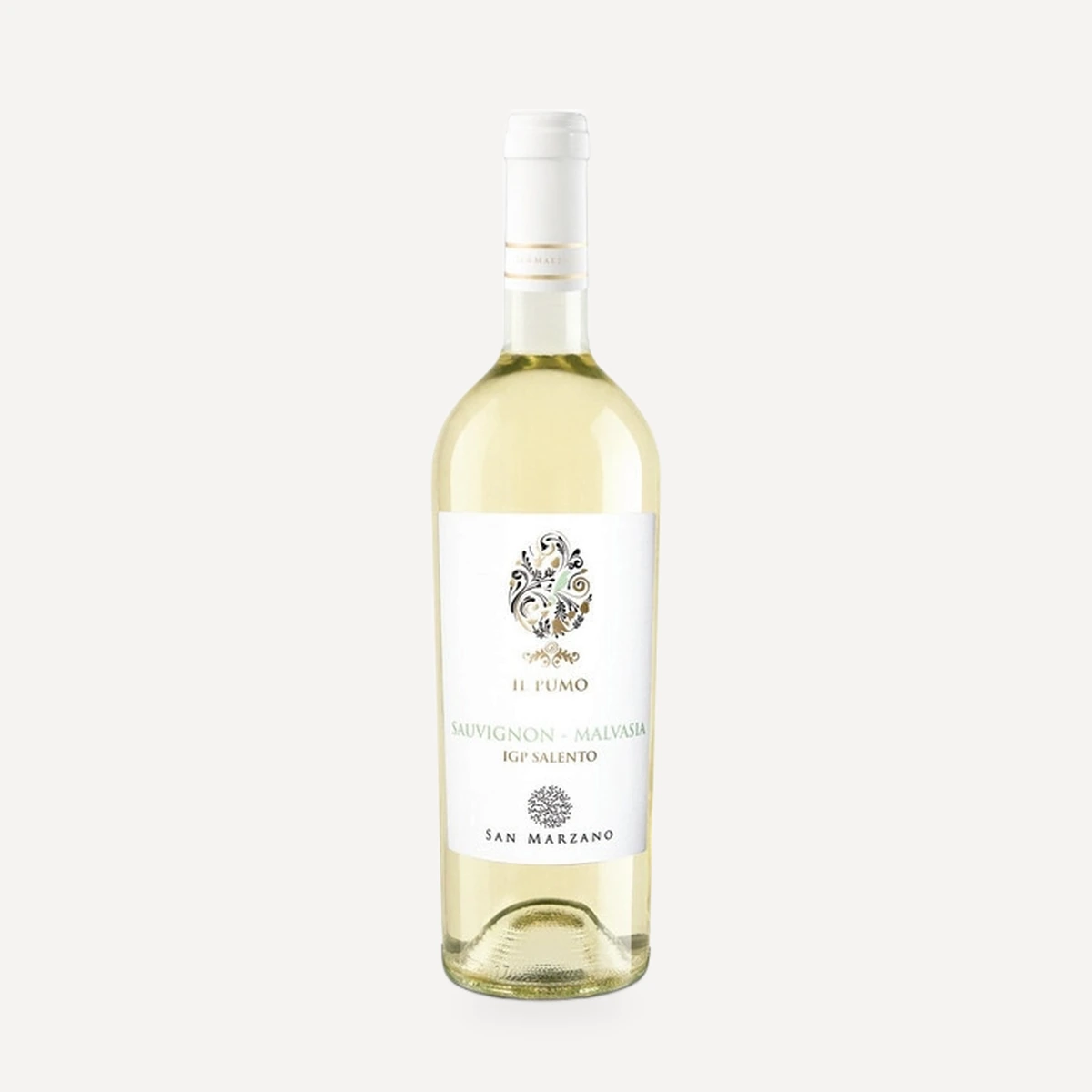
Il Pumo Malvasia Sauvignon Salento IGP
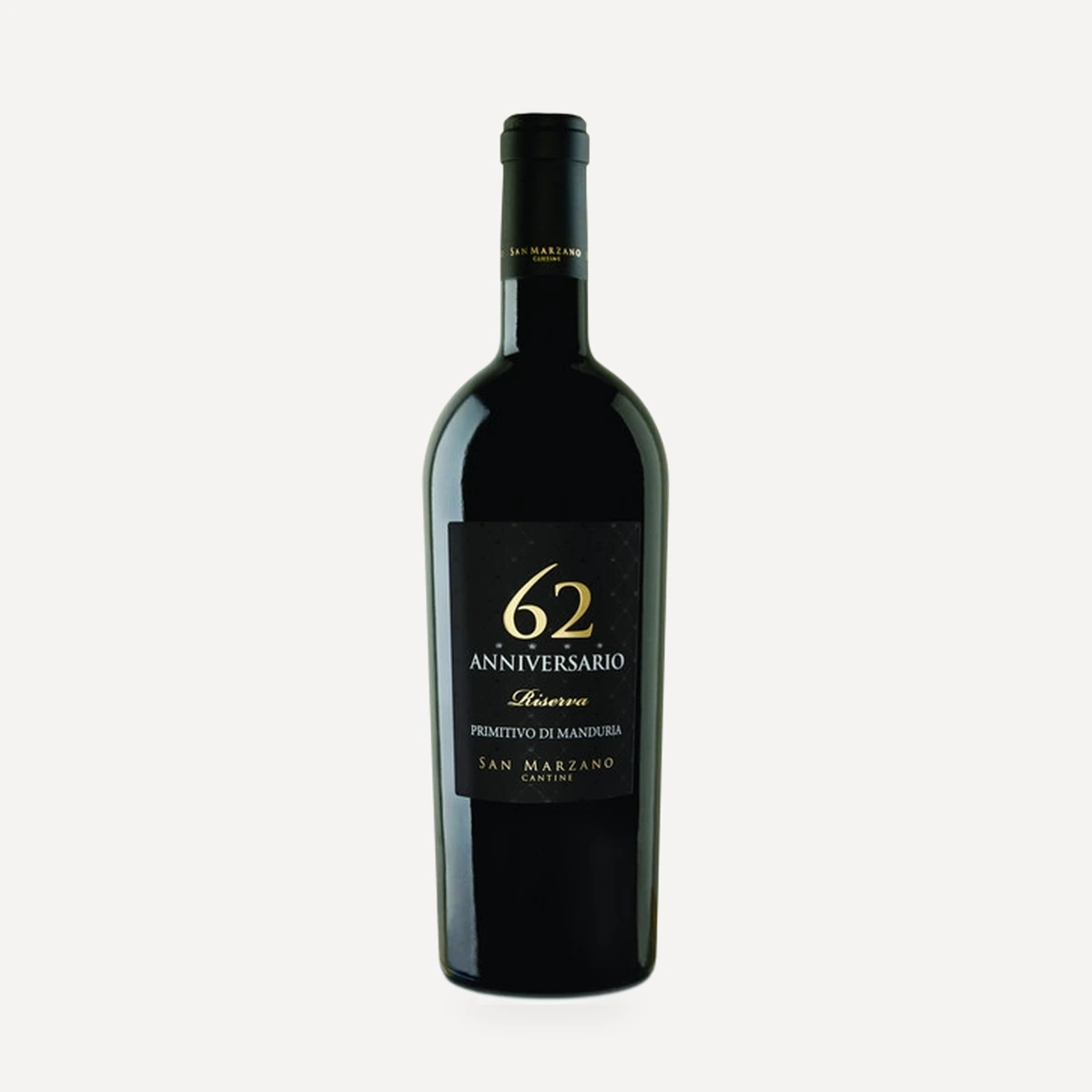
Anniversario 62 Primitivo di Manduria Riserva DOP
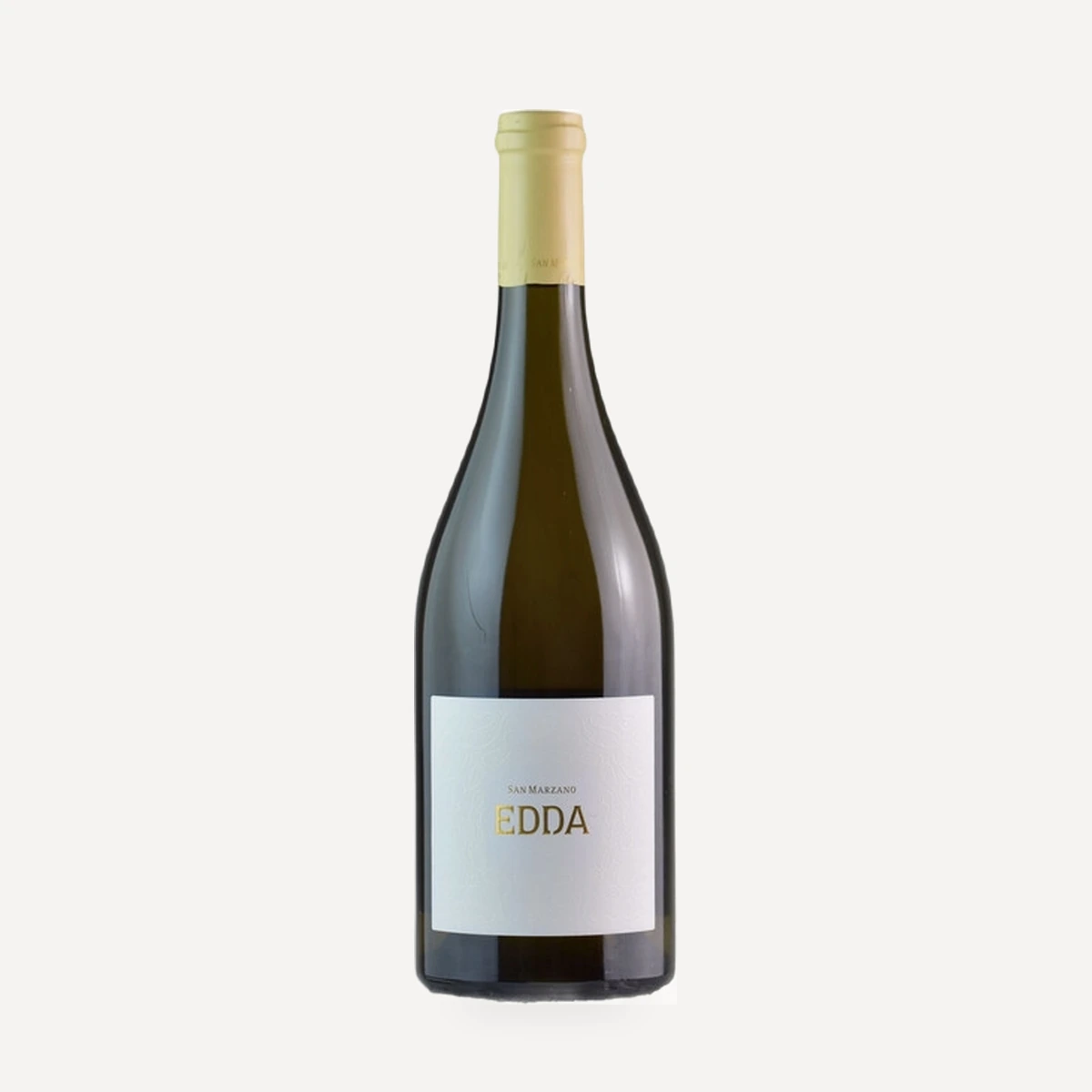
Edda Bianco Salento IGP
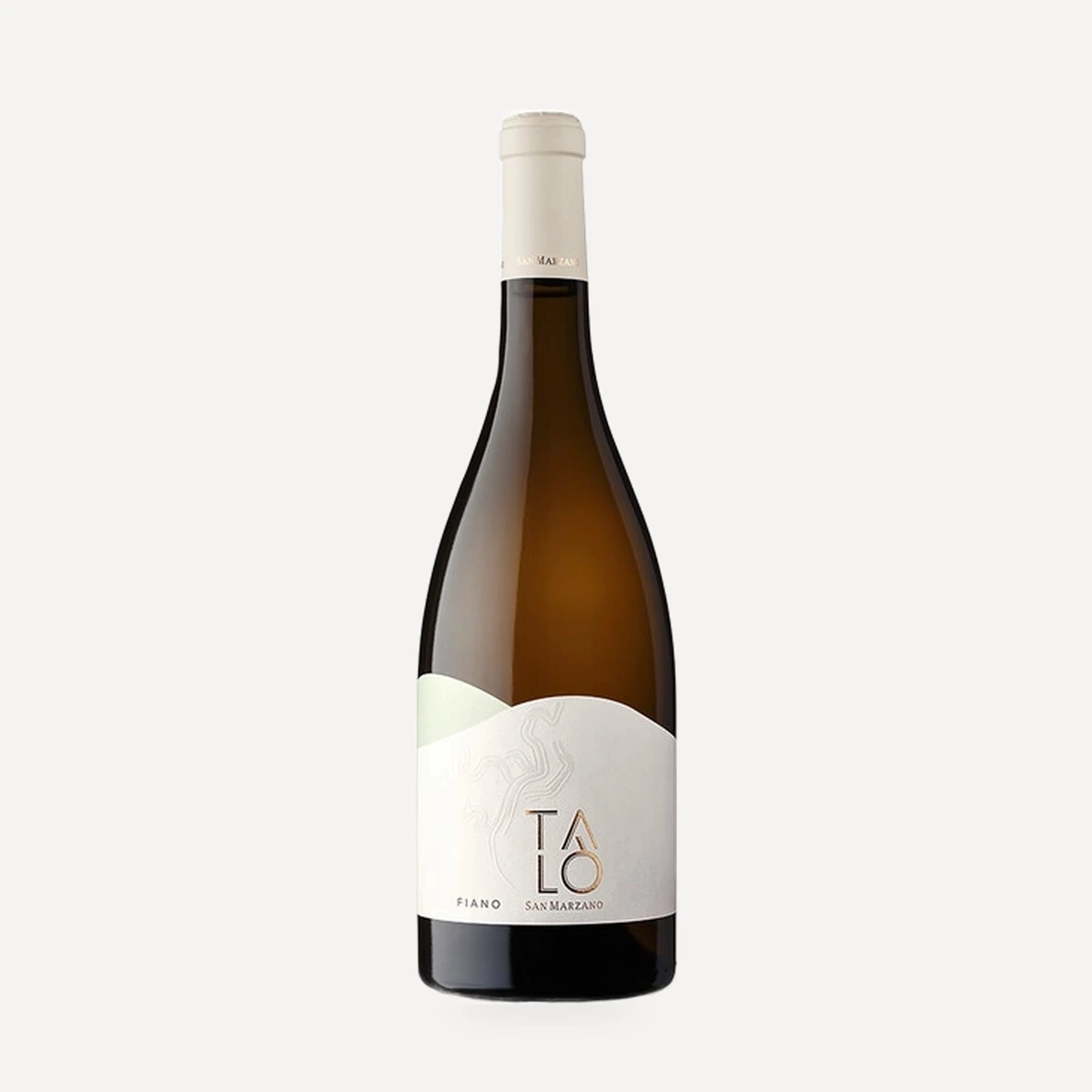
Talò Fiano Salento IGP
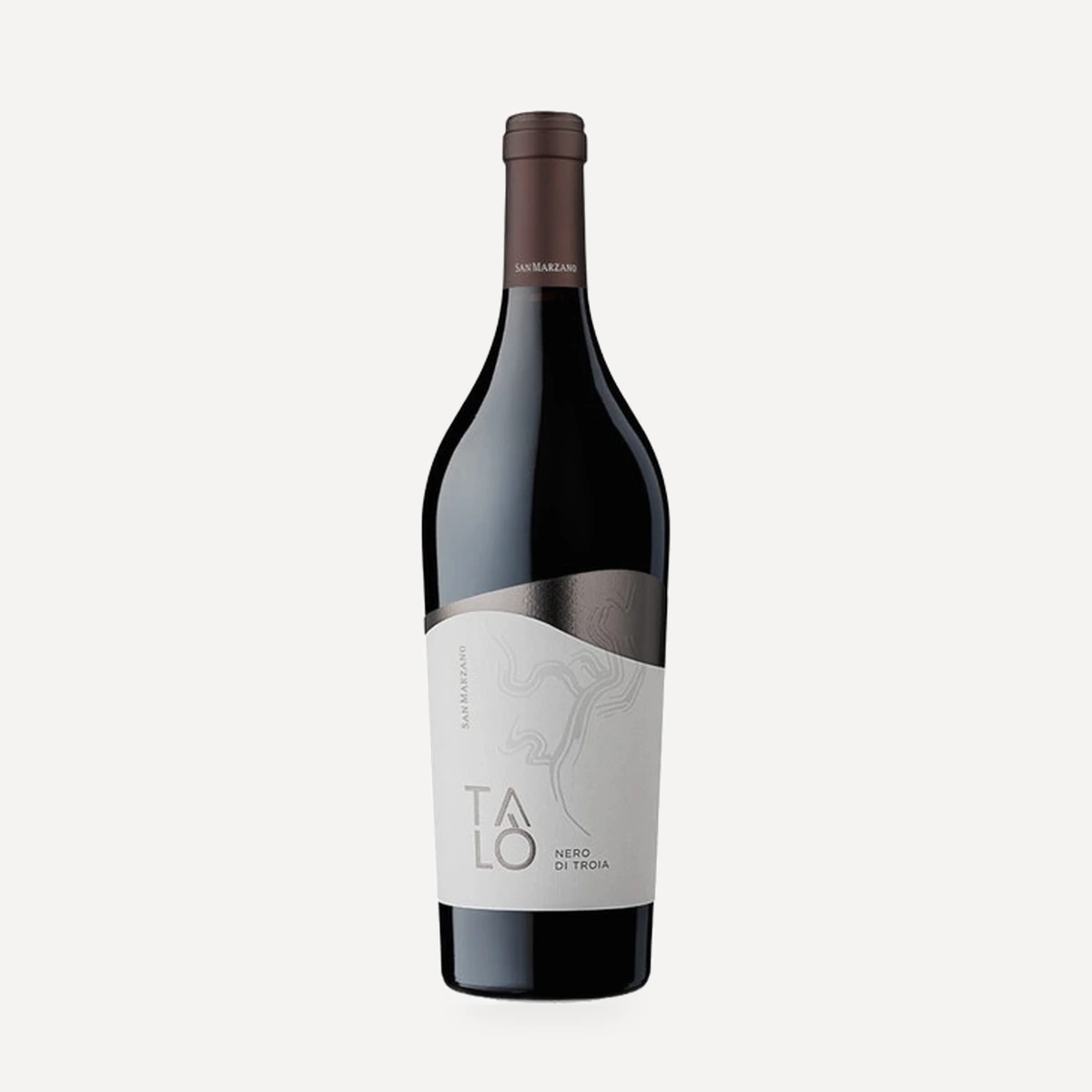
Talò Nero di Troia Puglia IGP
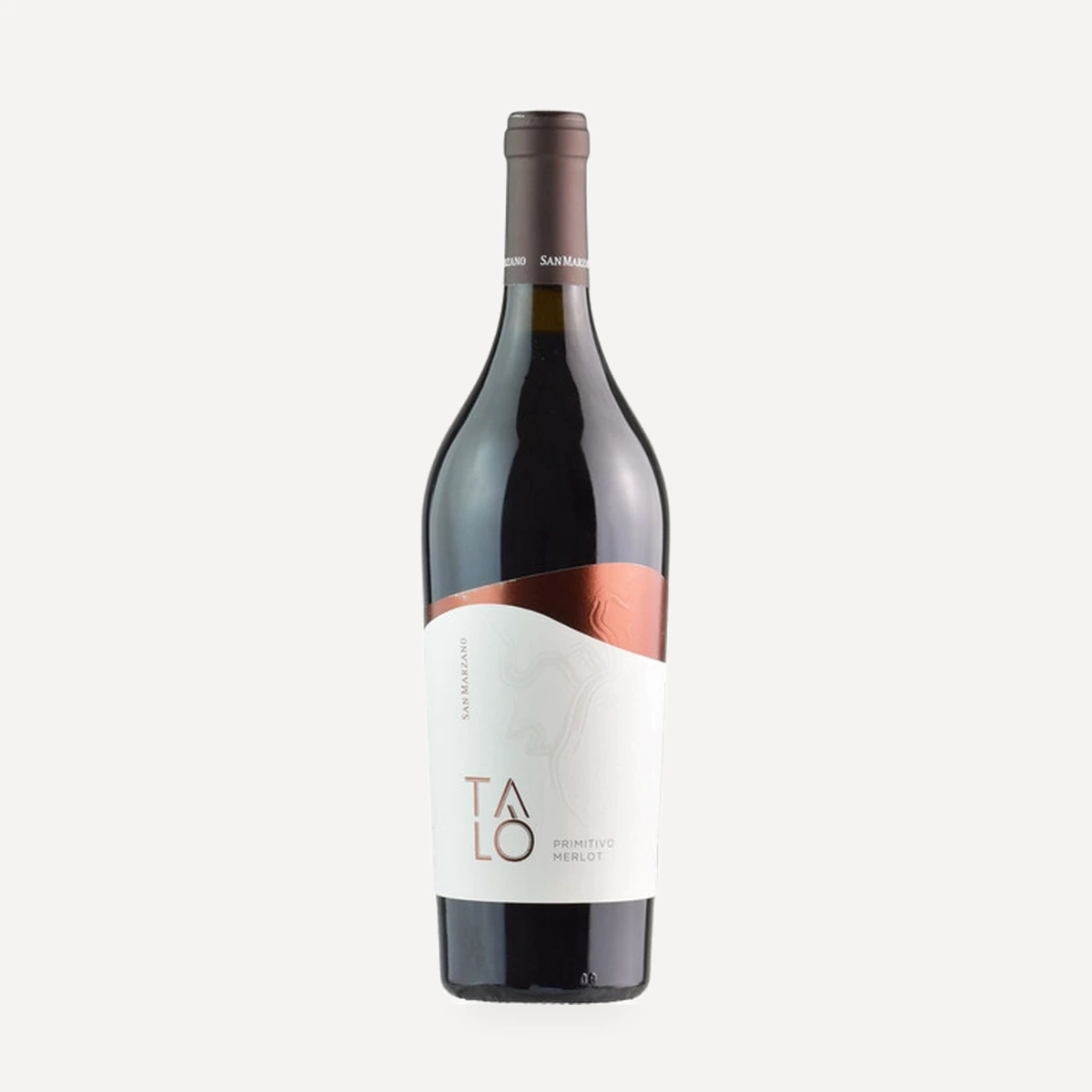
Talò Primitivo Merlot Salento IGP
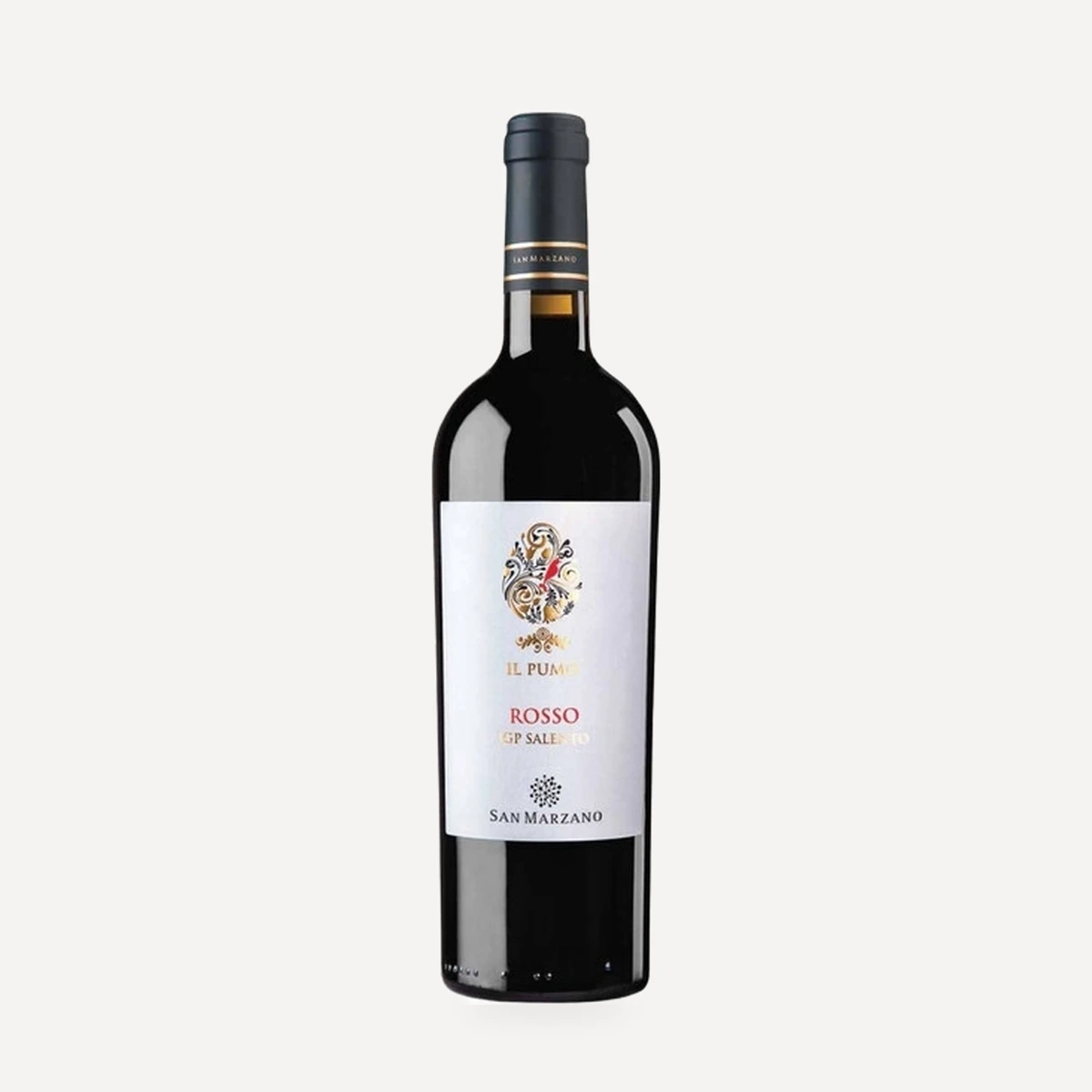
Il Pumo Rosso Salento IGP
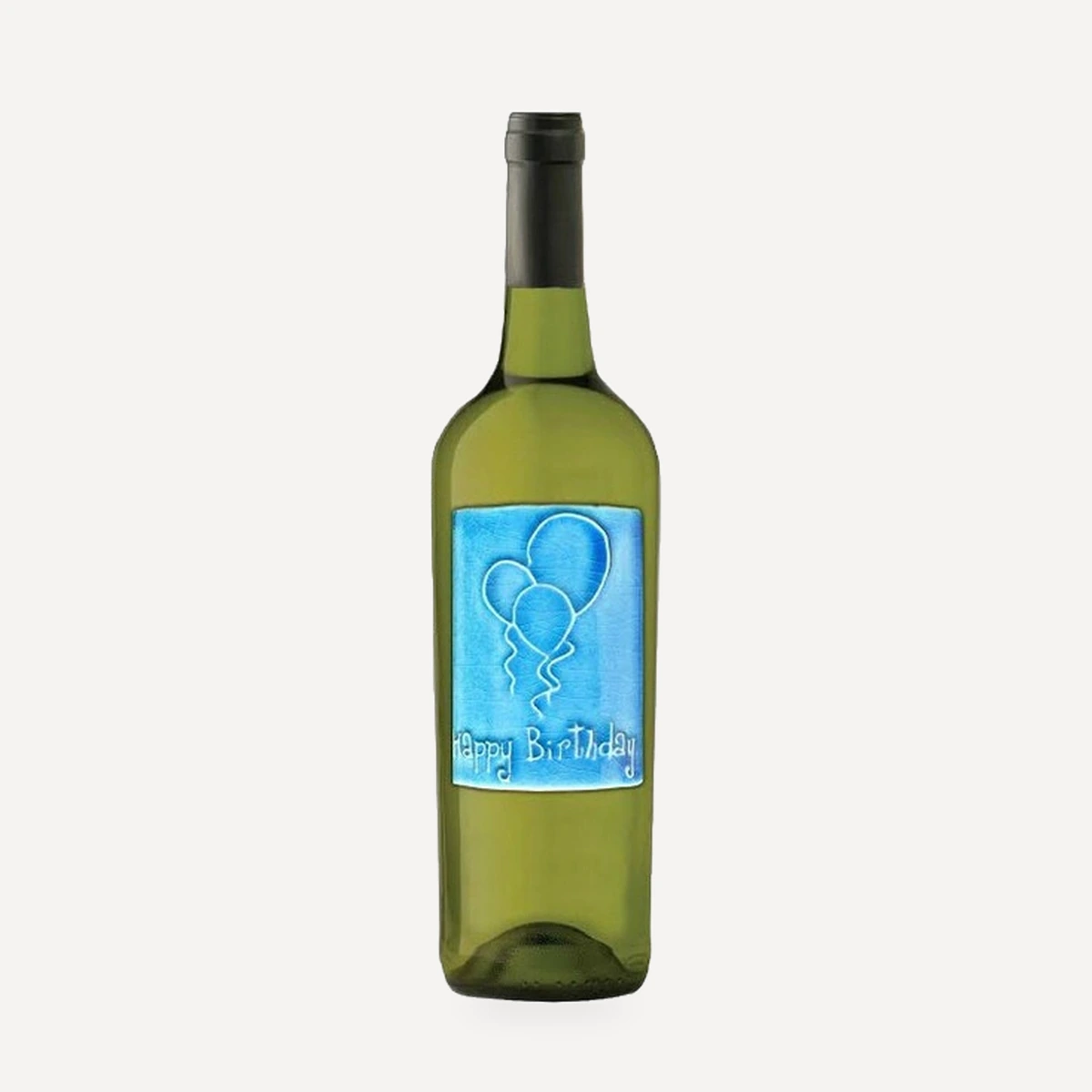
Happy Birthday Pinot Grigio Terre Siciliane IGT
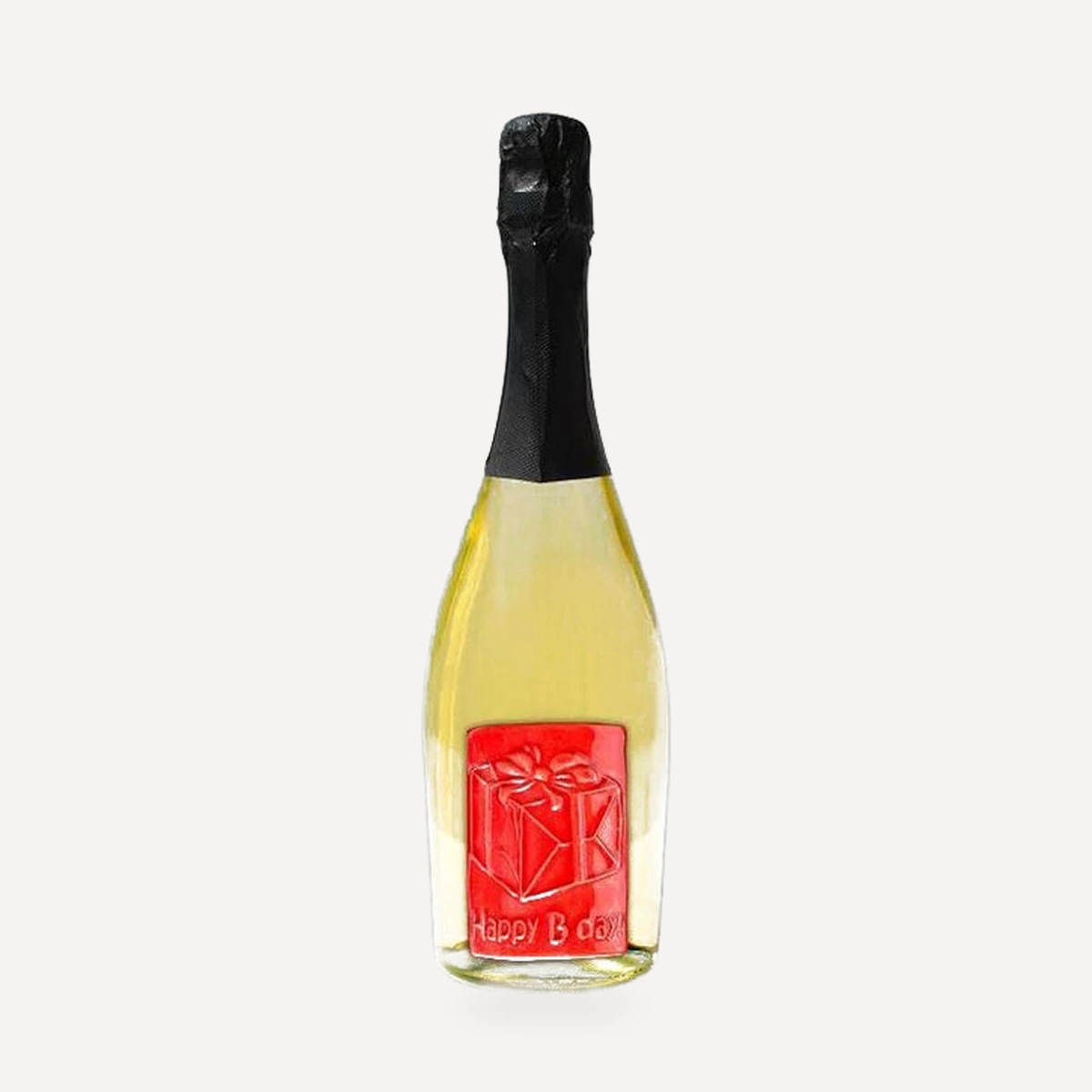
Happy Birthday Prosecco Brut Treviso IGT
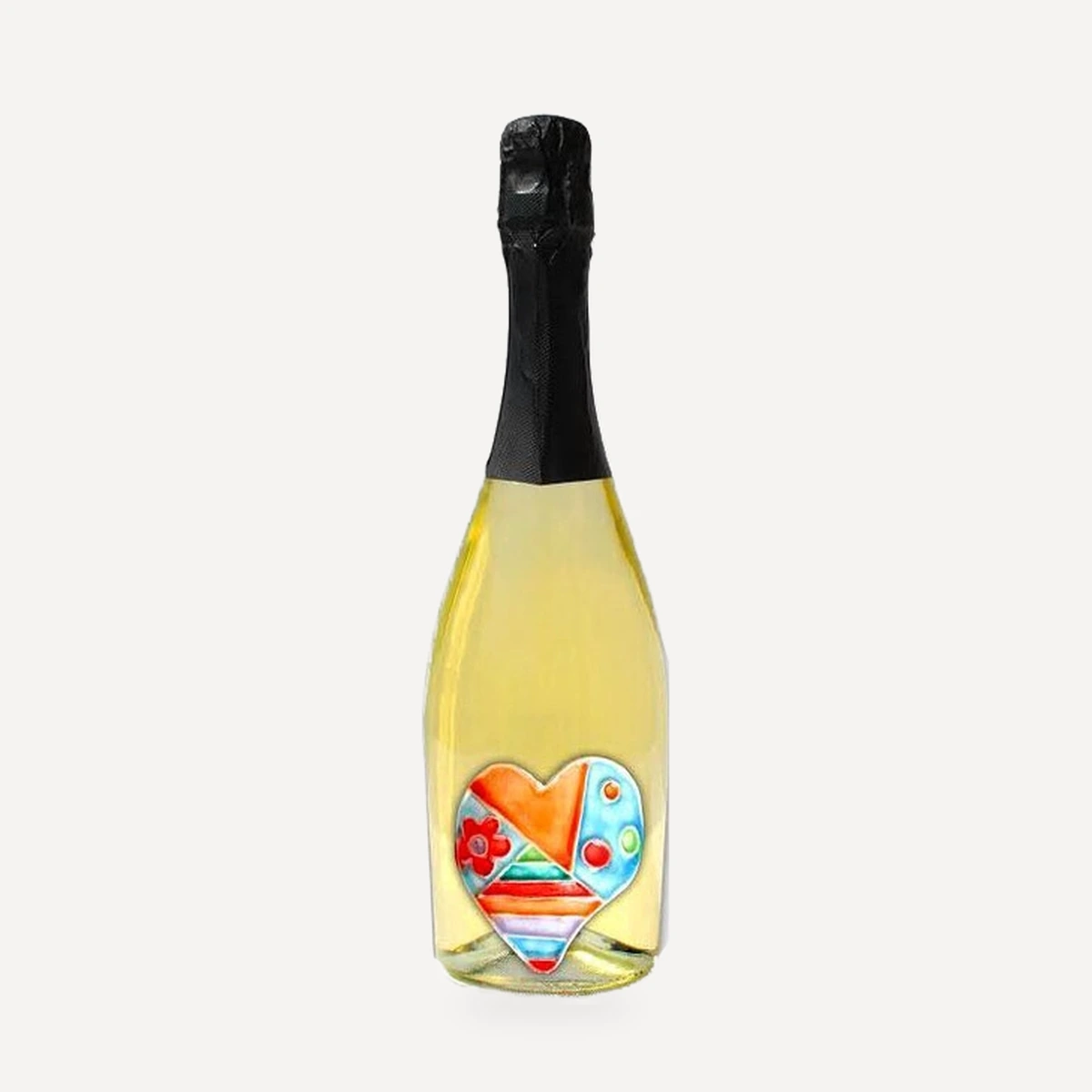
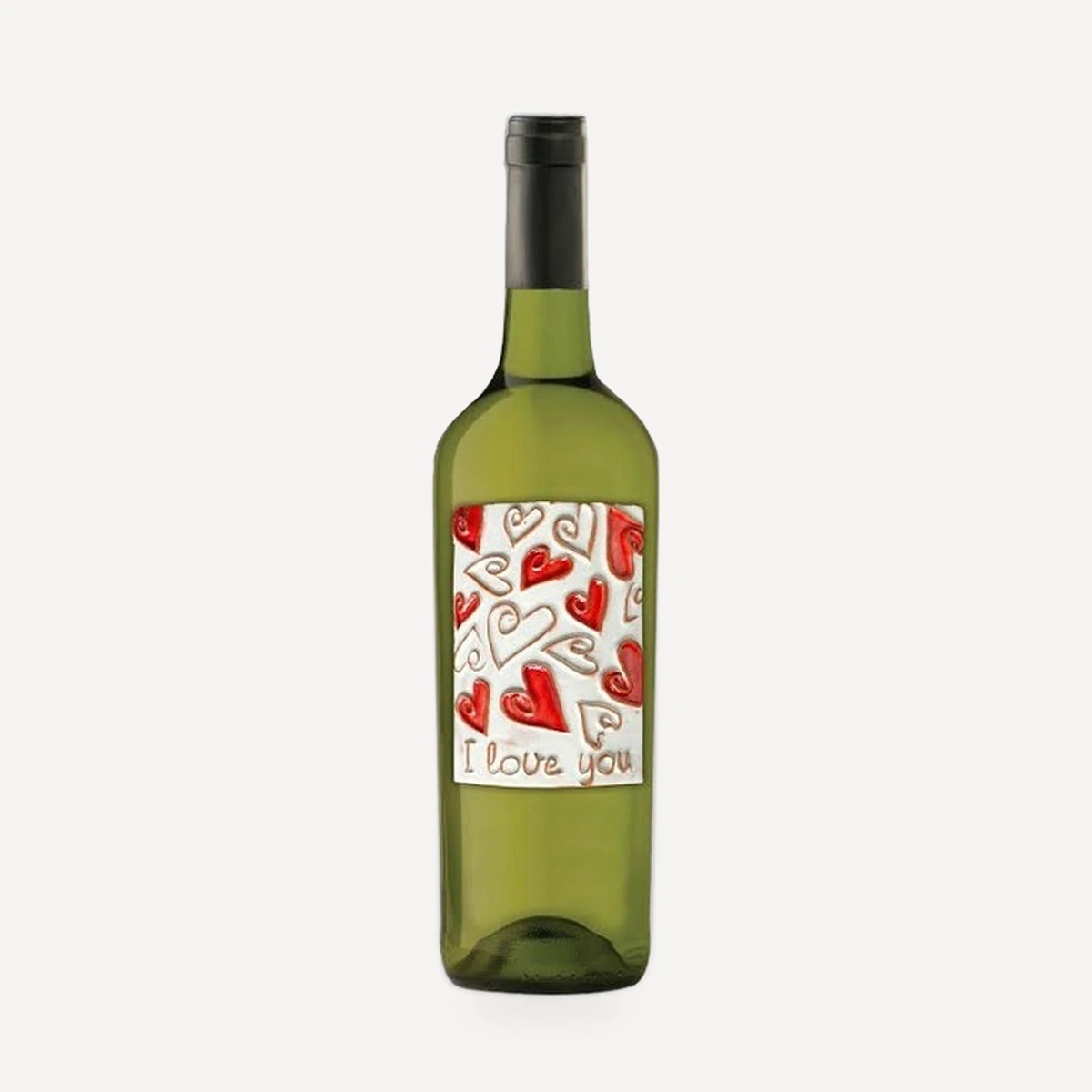
I Love You Prosecco Brut Treviso IGT
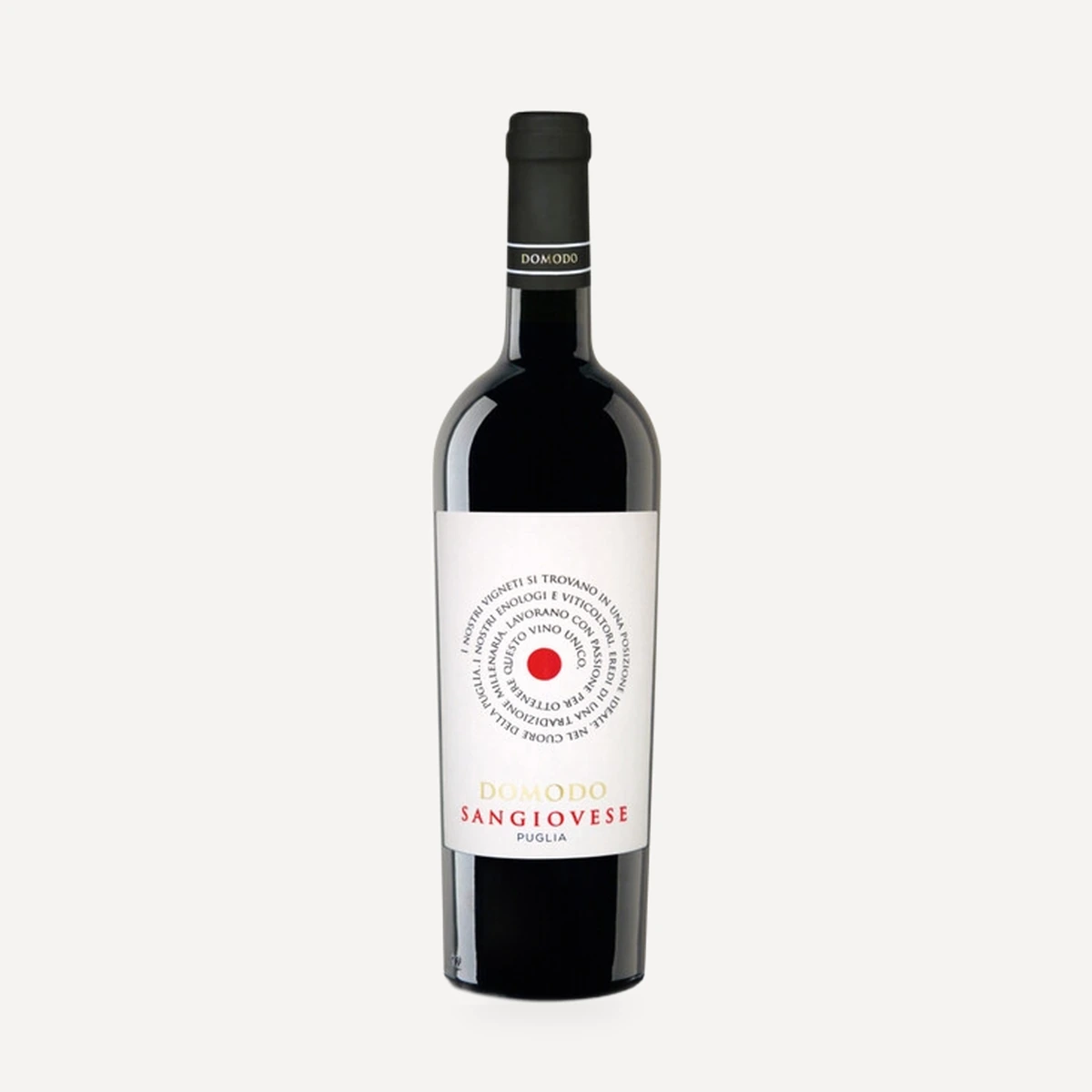
Domodo Sangiovese Puglia IGP
11 Filari Primitivo di Manduria Dolce Naturale DOCG
Il Pumo Primitivo Salento IGP
Tramari Rosé di Primitivo Salento IGP
Timo Vermentino Salento IGP
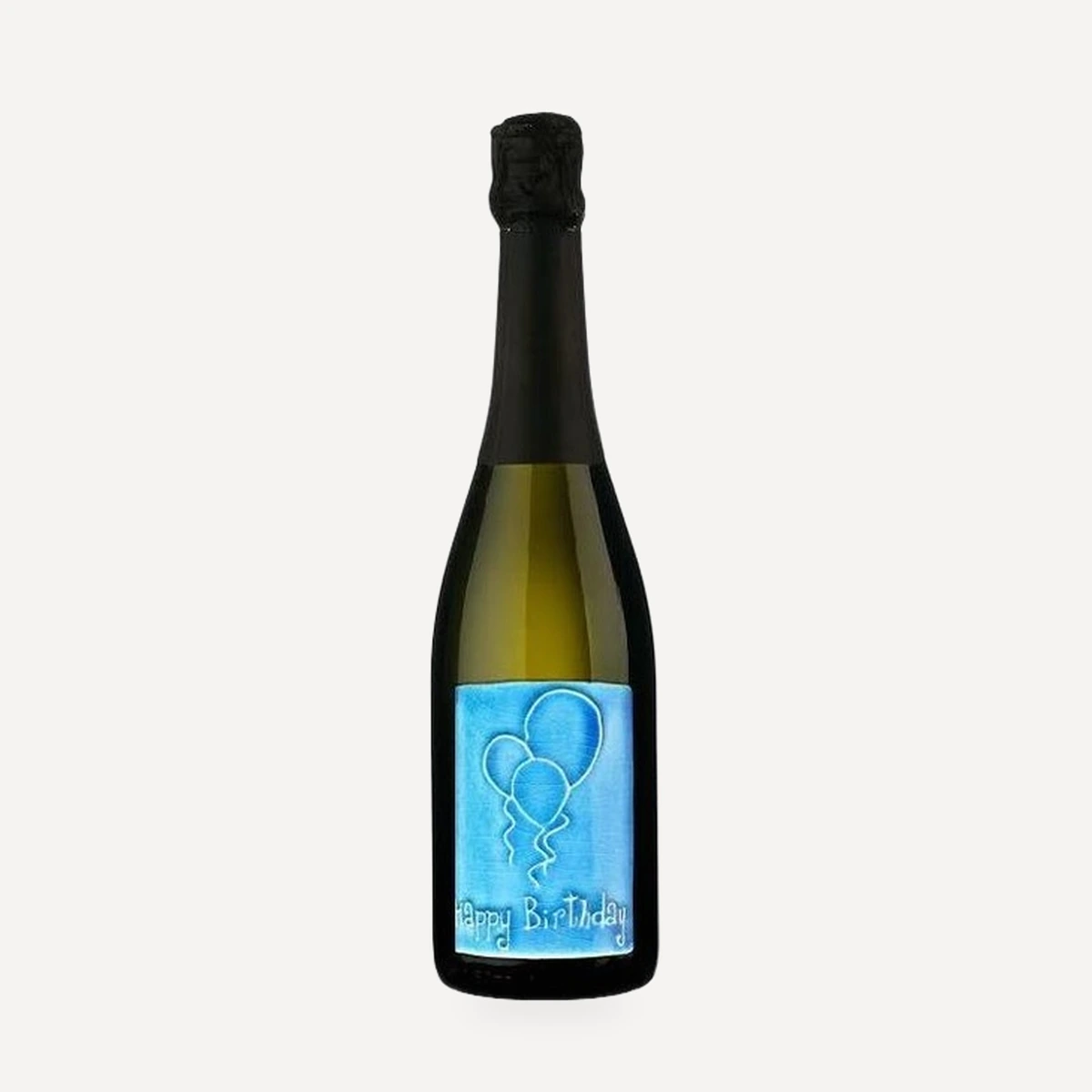
Happy Birthday Moscato Spumante di Qualita Aromatico IGT
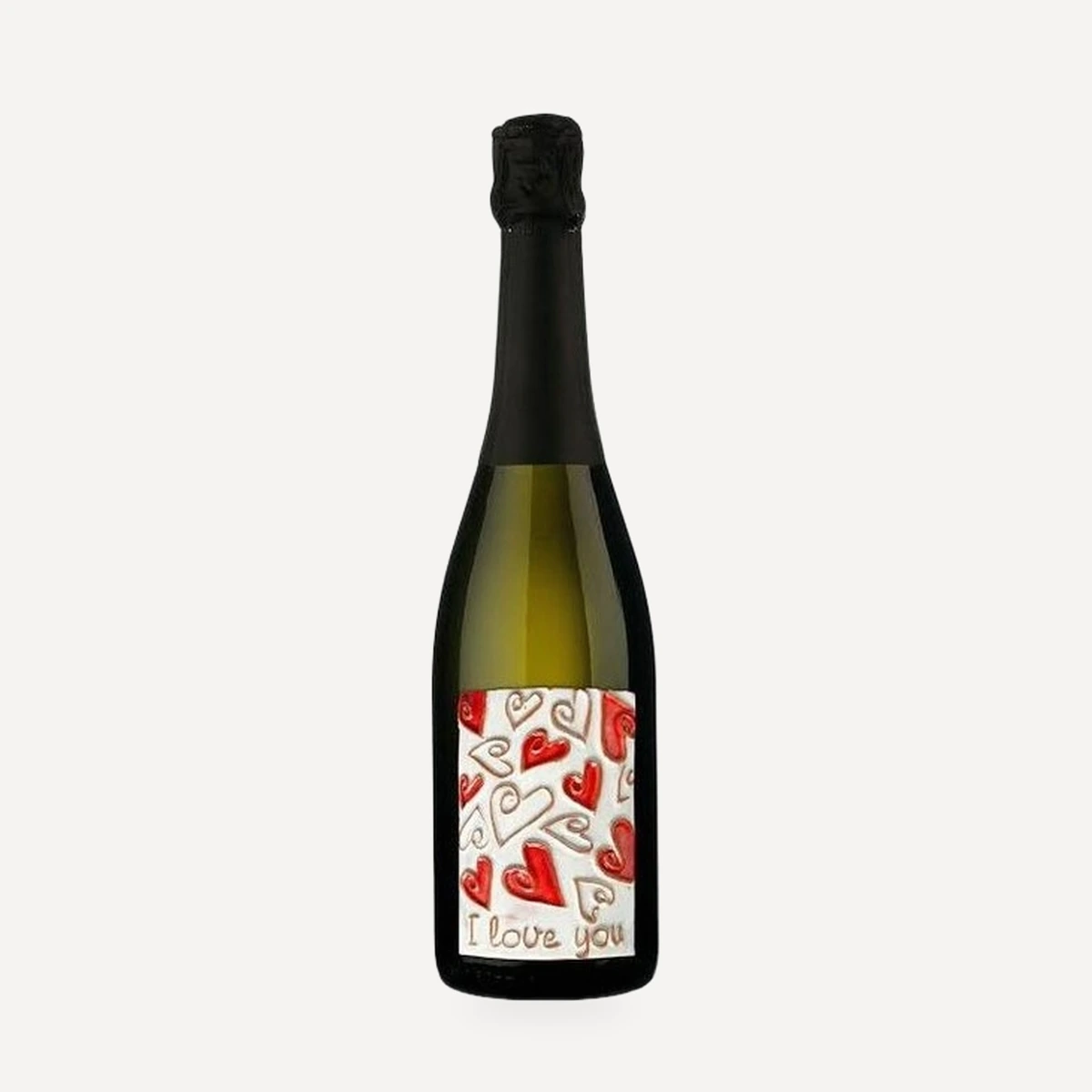
I Love You Moscato Spumante di Qualita Aromatico IGT
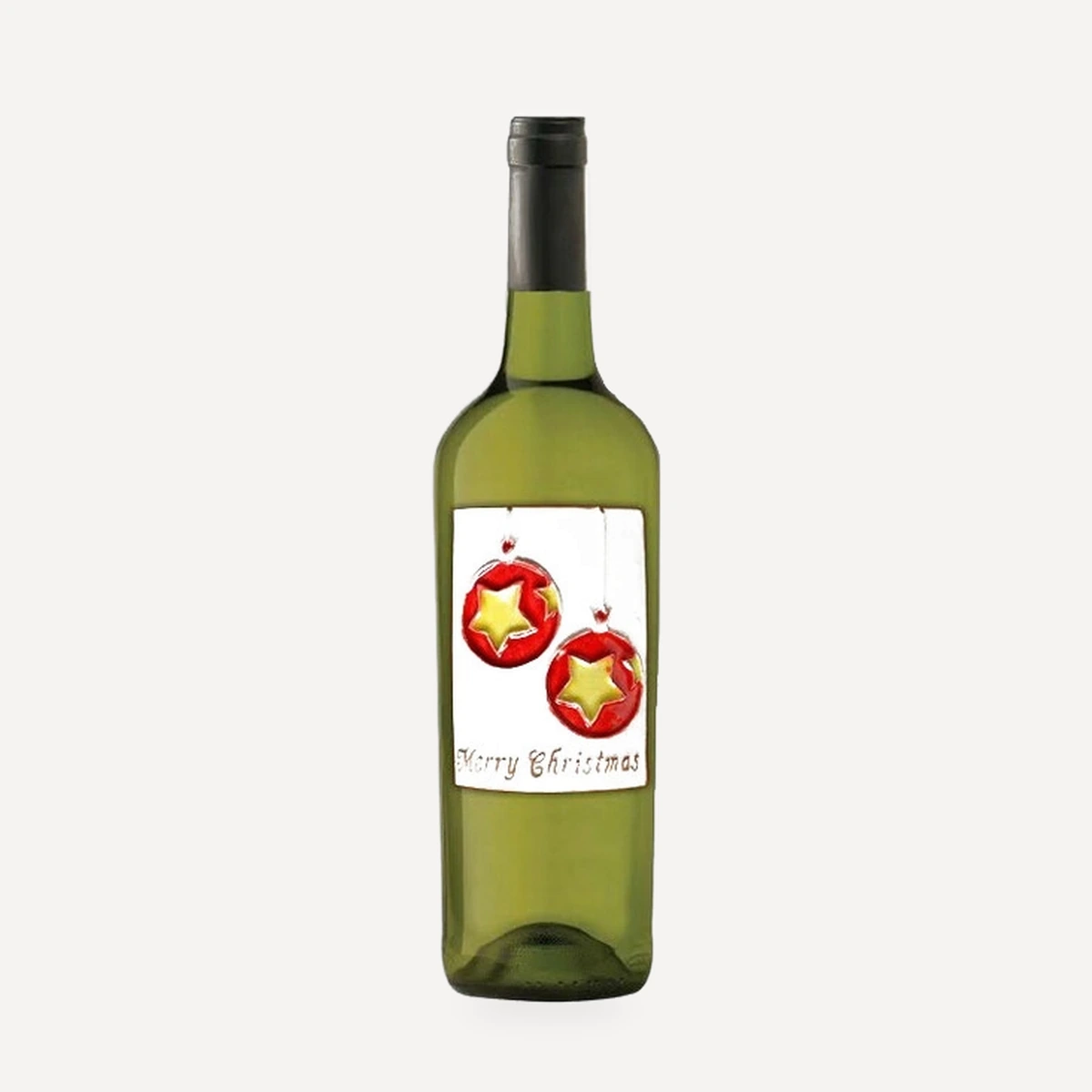
Merry Christmas Pinot Grigio Terre Siciliane IGT