History
Angelo Maci and the cooperative’s foundation
Cantine Due Palme was established in Cellino San Marco in 1989 by ten winegrowers led by oenologist Angelo Maci. Born in Salento in 1943, Maci represented the third generation of a winegrowing family and had inherited its cellar. His project was conceived at a time when much of the region’s production was still sold as grapes, bulk wine or must, frequently at prices that did not reflect its value. The new cooperative sought to unite growers, retain control of the production chain and build value around Salento’s indigenous varieties—particularly Negroamaro, Primitivo, Susumaniello and Malvasia Nera.
From its inception, the cooperative made quality, traceability, inclusion and a short supply chain central to its business model. It also committed itself to conserving the traditional alberello pugliese training system rather than allowing this part of the region’s viticultural heritage to disappear.
International development in the 1990s
At the beginning of the 1990s, while much of the Italian wine sector concentrated on the domestic market, Angelo Maci travelled internationally to develop export markets. That outward-looking strategy eventually placed the cooperative’s wines in more than 40 countries. By 2023, annual output had reached 17 million bottles, with Italy, Germany, the United Kingdom and the United States among the principal markets and a long-established presence in Scandinavia.
A territorial network of cellars
Growth brought several pre-existing local cooperative cellars into the Due Palme structure. The resulting network comprises the principal Cellino San Marco winery and five incorporated facilities: Cantina Produttori Agricoli di Cellino San Marco, founded in 1980; Cantina Cooperativa della Riforma Fondiaria di Cellino San Marco, founded in 1955; Cantine Angelini of San Pietro Vernotico, founded in 1961; Cantina San Gaetano of Lizzano, founded in 1959; and Cantina Arnesano Monteroni, founded in 1960.
The Cellino San Marco headquarters became the centre for vinification, maturation, bottling and storage. Its underground barrel cellar extends over 1,500 m² at a depth of 5 m, holds French and American wood and has a capacity of approximately 10,000 hl. The cellar adjoins an 800-seat congress hall used for regular technical and training meetings between the cooperative’s agronomists and member-growers.
Experimentation and technical investment, 2013–2016
In 2013, Cantine Due Palme began experimenting with a traditional-method sparkling wine based on Negroamaro. This was presented as the first trial of champenoise-style sparkling production with the variety. The protocol was subsequently refined to study how Negroamaro responds to this form of vinification.
In 2014, the Cellino San Marco facility became the setting for a pilot pruning school developed with Simonit & Sirch. Its Palmetta project realigned the traditional alberello pugliese along rows, seeking to retain the historic training form while permitting the use of machinery.
Two major investments followed in 2015. For Charmat-method sparkling production, the cooperative installed five 200-hl autoclaves, six 100-hl autoclaves and ten 50-hl autoclaves. Negroamaro was used for both white and rosé sparkling wines. In the same year, the traditional outdoor drying of Fiano and Aleatico grapes on racks was transferred to a purpose-built ventilated, temperature-controlled and humidity-controlled facility. The change improved control over passito production and enabled small quantities of dried-grape wine to be used in established blends to add intensity and complexity.
Cantina San Gaetano in Lizzano was acquired in 2016. This brought Primitivo di Manduria DOP into the cooperative’s production.
Integrated production and sustainability, 2019 onward
Cantine Due Palme joined the ministerial SQNPI system in 2019 and began applying the National Integrated Production Quality System guidelines to its agricultural land. Soil management, fertilisation, vineyard monitoring and plant protection were reorganised around integrated-production principles and coordinated by the internal agronomic service.
The cooperative issued its first sustainability report for the 2023 reporting cycle and adopted the Equalitas framework, integrating environmental, social and economic performance with quality management and food-chain traceability. In 2024, its 35th year, Cantine Due Palme had grown beyond 1,000 member-growers and more than 2,500 ha of vineyards in the provinces of Brindisi, Lecce and Taranto.
A three-year investment programme continued during 2024, including work on a new lees-filtration system and a company photovoltaic project. Plans commencing in 2025 include a 903.2-kWp photovoltaic installation intended to cover more than 60% of annual electricity consumption, further digitalisation of grape, lot, quality and sustainability traceability, expanded recovery of vinification residues and the progressive extension of Equalitas product certification to selected labels.
Terroir
The member vineyards extend through the Salento territory between the Ionian and Adriatic seas, principally across the provinces of Brindisi, Lecce and Taranto. The main winery at Cellino San Marco stands within the Salice Salentino DOP production area and close to the Brindisi, Squinzano and Primitivo di Manduria DOP zones.
The vineyard landscape is characterised by clay-limestone soils and red earth rich in iron oxides. The climate is dry and Mediterranean, with pronounced temperature shifts and persistent maritime winds from the two surrounding seas. These conditions support the cooperative’s historic indigenous varieties, especially Negroamaro, Primitivo, Susumaniello and Malvasia Nera.
Cellino San Marco lies in the area traditionally associated with the Limitone dei Greci, a stone work attributed to the end of the seventh century and traditionally interpreted as a boundary between Byzantine territories to the south and Lombard territories to the north. The surrounding landscape retains red soils, vineyards and the material traces of successive Messapian, Greek, Roman and Byzantine cultures.
Winemaking
Cantine Due Palme has operated under the ministerial SQNPI integrated-production framework since 2019. The cooperative’s internal agronomic service coordinates member-growers, while an internal technical protocol sets agricultural, sustainability and grape-quality parameters for deliveries.
More than 90% of processed grapes come from indigenous varieties. Vineyard management is designed to conserve the alberello pugliese training system, extend the longevity of indigenous vines and protect local agricultural biodiversity. The Palmetta project developed with Simonit & Sirch aligns alberello vines along rows so that machinery can be used without abandoning the traditional form.
Soil cultivation is intended to improve vine adaptation, retain a sound soil structure and use nutrients efficiently while reducing losses through leaching, runoff and water evaporation. Fertilisation plans are adjusted to soil type and the nutritional requirements of individual plants, with the combined objectives of maintaining fertility, safeguarding the environment and producing commercially sustainable quantities of high-quality grapes.
Disease and insect management relies on field monitoring and targeted control, minimising chemical inputs. Sexual confusion is used widely for pest control, replacing conventional pesticide applications in the relevant programmes. Conservative agricultural technologies are employed to protect soil fertility and endemic biodiversity.
Vineyards are not irrigated systematically; water is applied only as emergency support when required. The broader objective is to preserve vineyard health while limiting pressure on the environment and maintaining sustainable production.
All core vinification, maturation, bottling and wine-storage operations take place at the Cellino San Marco headquarters, giving the cooperative direct control over the chain from delivered grapes to packaged wine. An internal technical protocol governs grape acceptance through agronomic, sustainability and quality criteria, while quality and traceability controls follow the raw material from the bunch through production.
The underground barrel cellar covers more than 1,500 m² at a depth of 5 m. It contains both French and American wood and has an overall capacity of approximately 10,000 hl.
Cantine Due Palme has developed two sparkling-wine processes based on Negroamaro. Traditional-method experimentation began in 2013 and was progressively refined to understand the variety’s response to secondary fermentation in bottle. For Charmat production, the cooperative installed five 200-hl, six 100-hl and ten 50-hl autoclaves in 2015, supporting both white and rosé expressions of Negroamaro.
Passito production uses Fiano for white wines and Aleatico for red wines. Grapes were originally dried outdoors on racks. Since 2015, drying has taken place in a dedicated ventilated building with controlled temperature and humidity. This gives greater control over passito production and also supplies small quantities of dried-grape wine for established blends, increasing their intensity and complexity.
A three-year technology programme has included a new lees-filtration installation. Further expansion of sustainable filtration is intended to recover a larger proportion of vinification residues and reduce wastewater volumes. Digital systems planned from 2025 will strengthen control of grapes, lots, product quality and process-sustainability data.
Philosophy
Cantine Due Palme’s philosophy is built around collective action: individual growers retain their connection to their vineyards while sharing knowledge, infrastructure and commercial strength through the cooperative. Quality is understood as the result of cultivating people as carefully as vines, recognising the daily work of those responsible for the land and grapes.
The cooperative presents the conservation of alberello pugliese and the protection of indigenous varieties as both cultural responsibilities and quality measures. Tradition is not treated as incompatible with technology: the Palmetta training experiment, controlled grape drying, sparkling-wine research, digital traceability and renewable-energy investment all seek to modernise production without severing it from Salento’s agricultural identity.
Sustainability is organised around environmental, social and economic pillars. Environmental priorities include soil fertility, biodiversity, reduced chemical inputs, responsible water use, lighter packaging, lower-impact materials, renewable energy and the monitoring of carbon and water footprints. Social commitments encompass worker rights, equal treatment, health and safety, training, privacy and the prohibition of child, forced and discriminatory labour. The economic pillar centres on resilient cooperative governance, appropriate market-based payment for growers and the creation of durable value for member families and the local community.
The governance model is explicitly democratic: the members elect the board every three years, annual accounts are approved by the membership, and a board of statutory auditors provides oversight. Equalitas management is intended to make progress measurable and transparent, with continual training and annual reporting supporting ongoing improvement rather than treating certification as an endpoint.
Wines
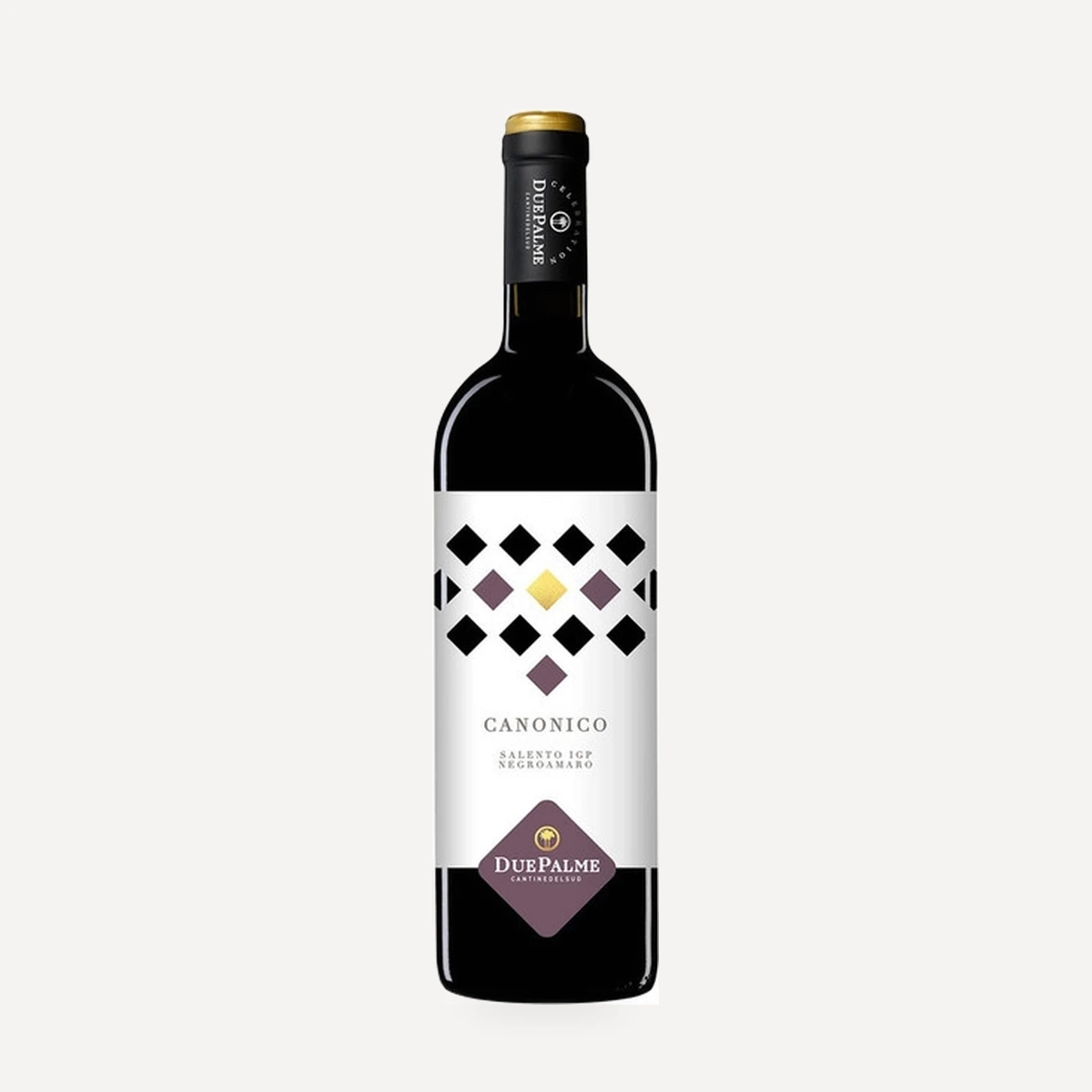
Canonico
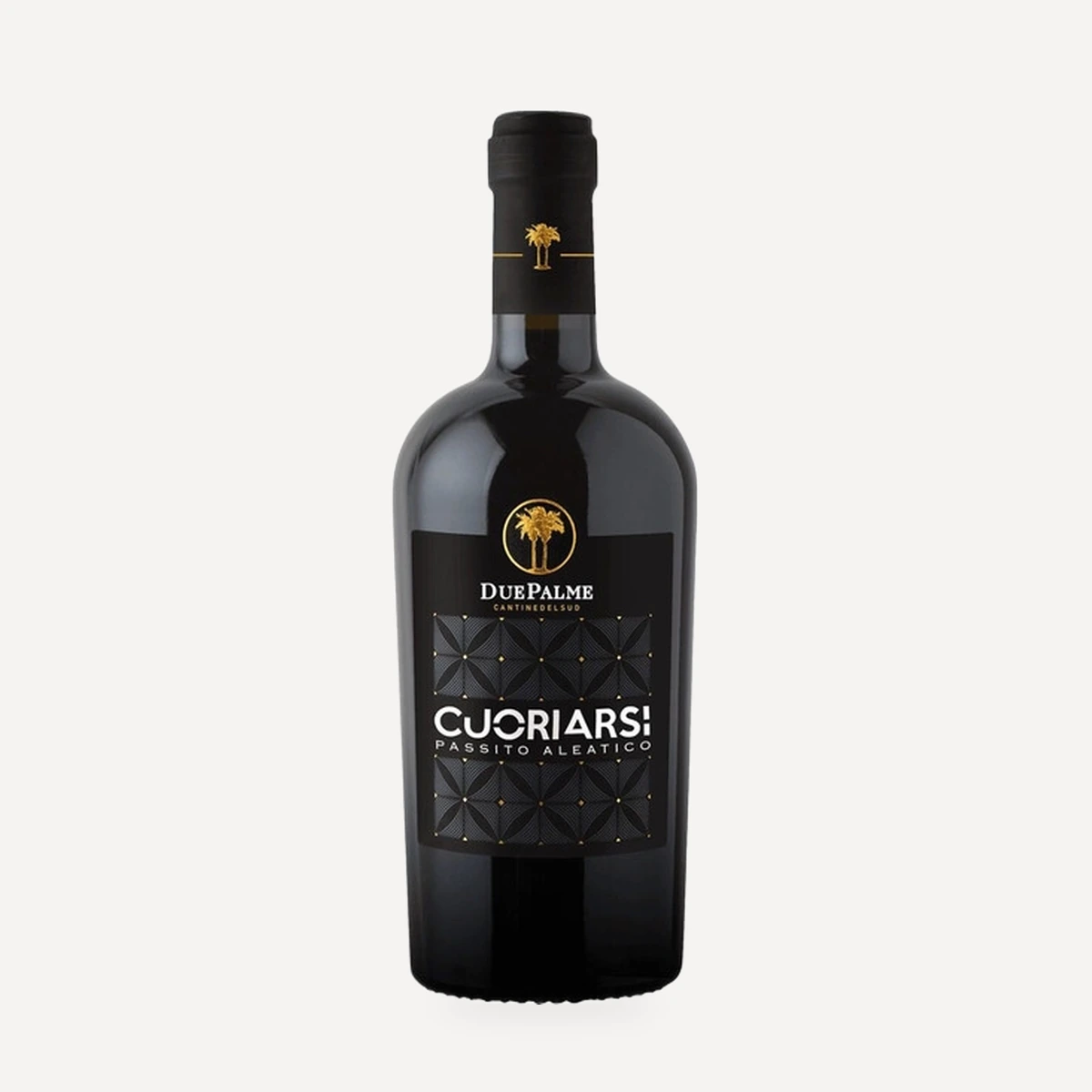
Cuoriarsi
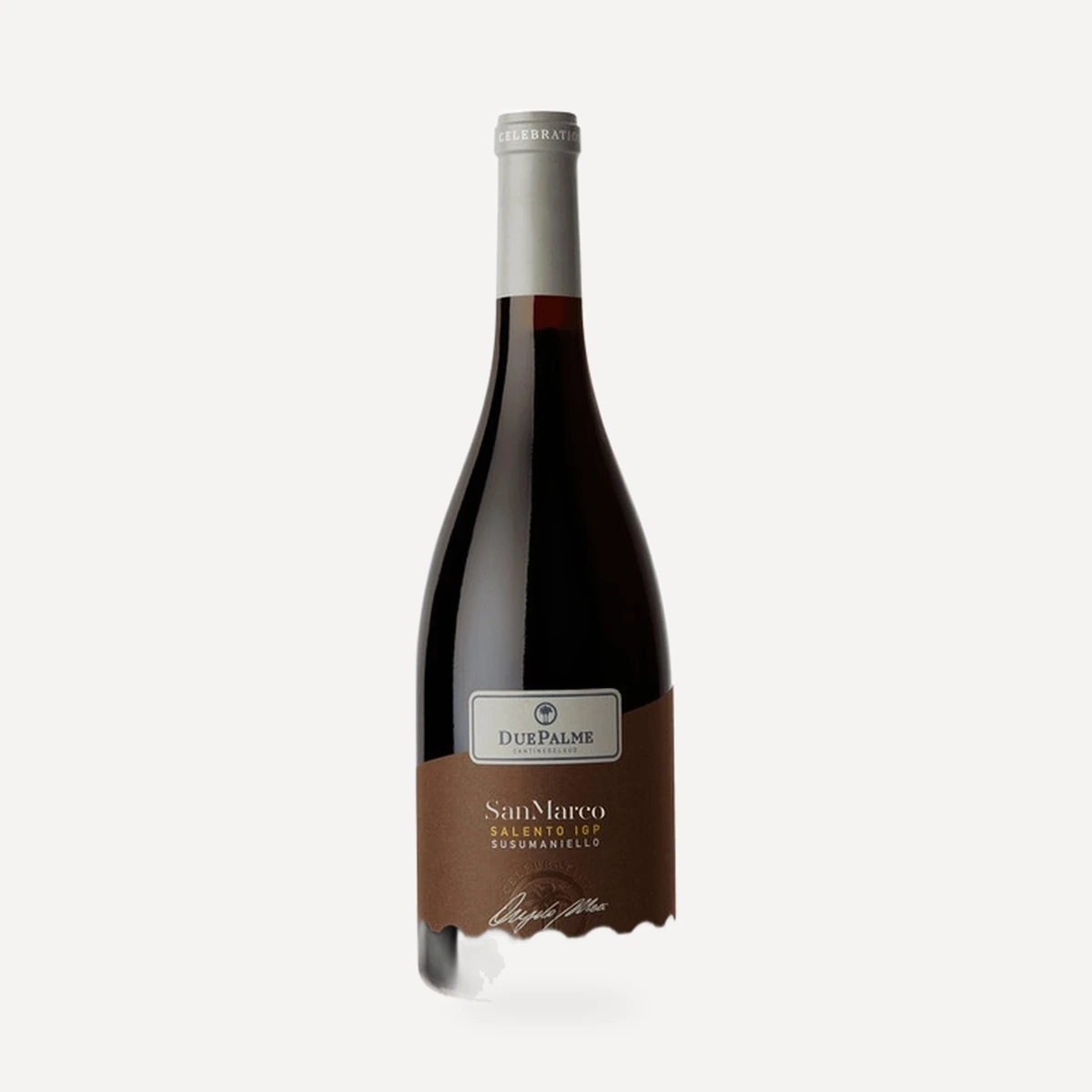
San Marco Susumaniello Salento IGT
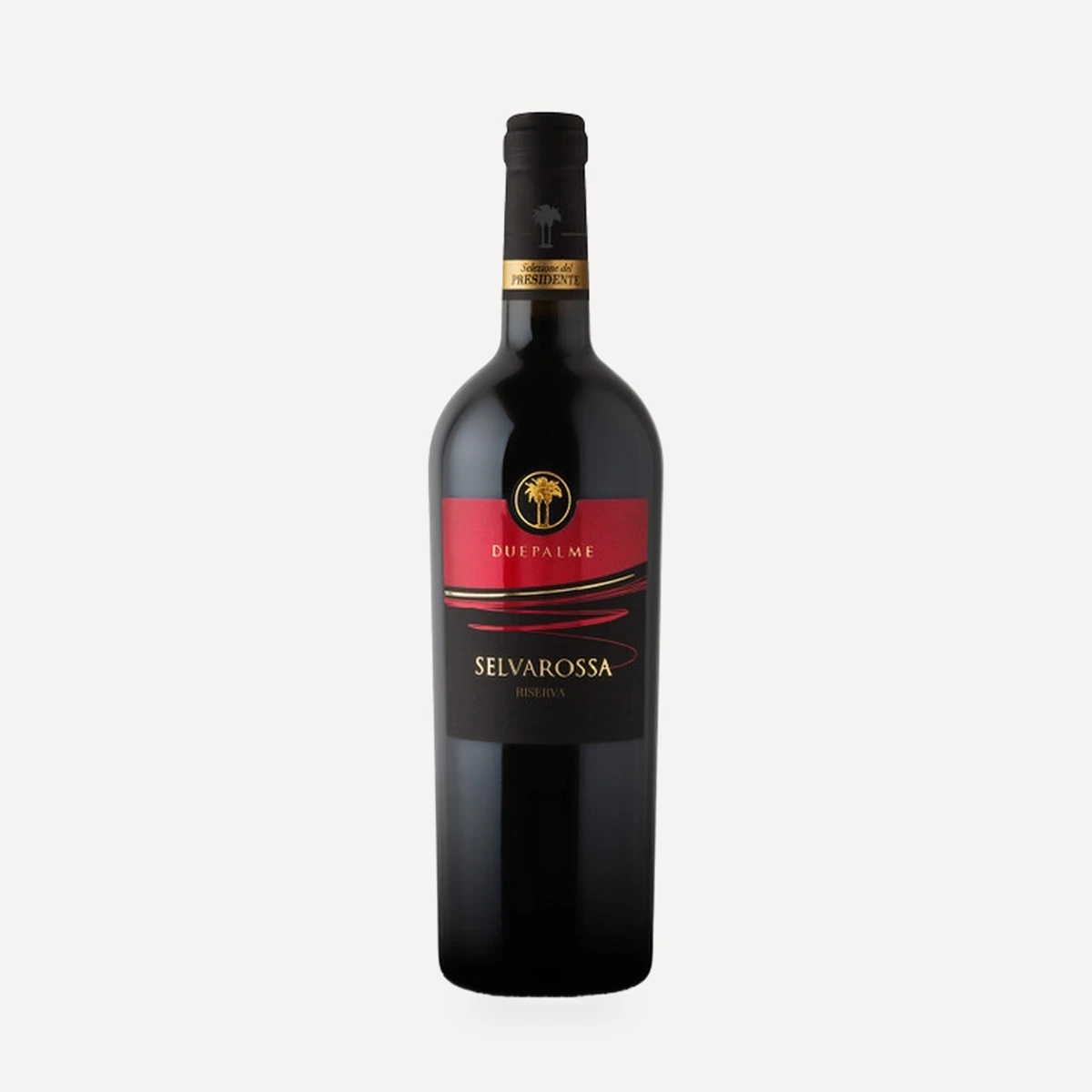
Selvarossa Reserve Salice Salentino DOC
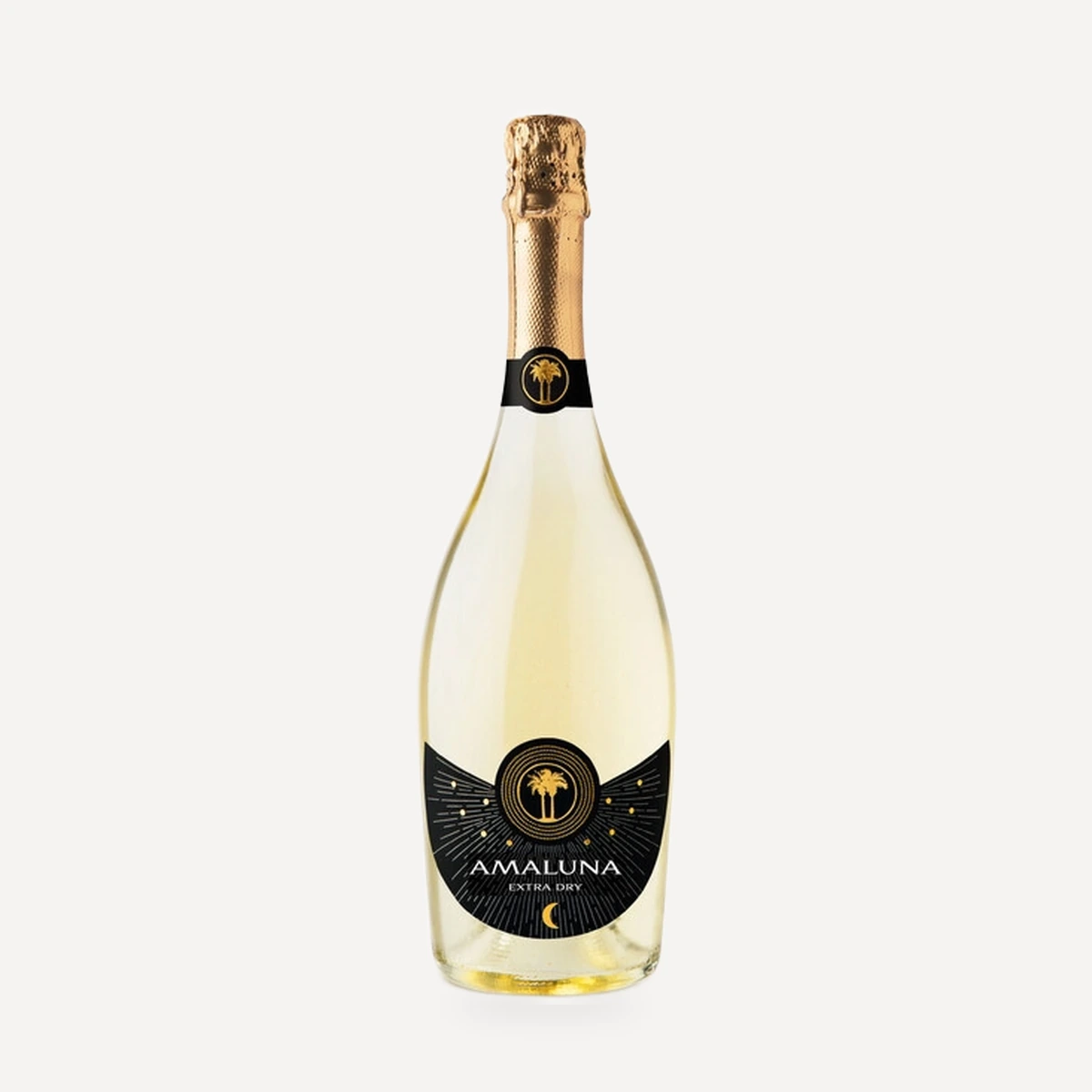
Amaluna
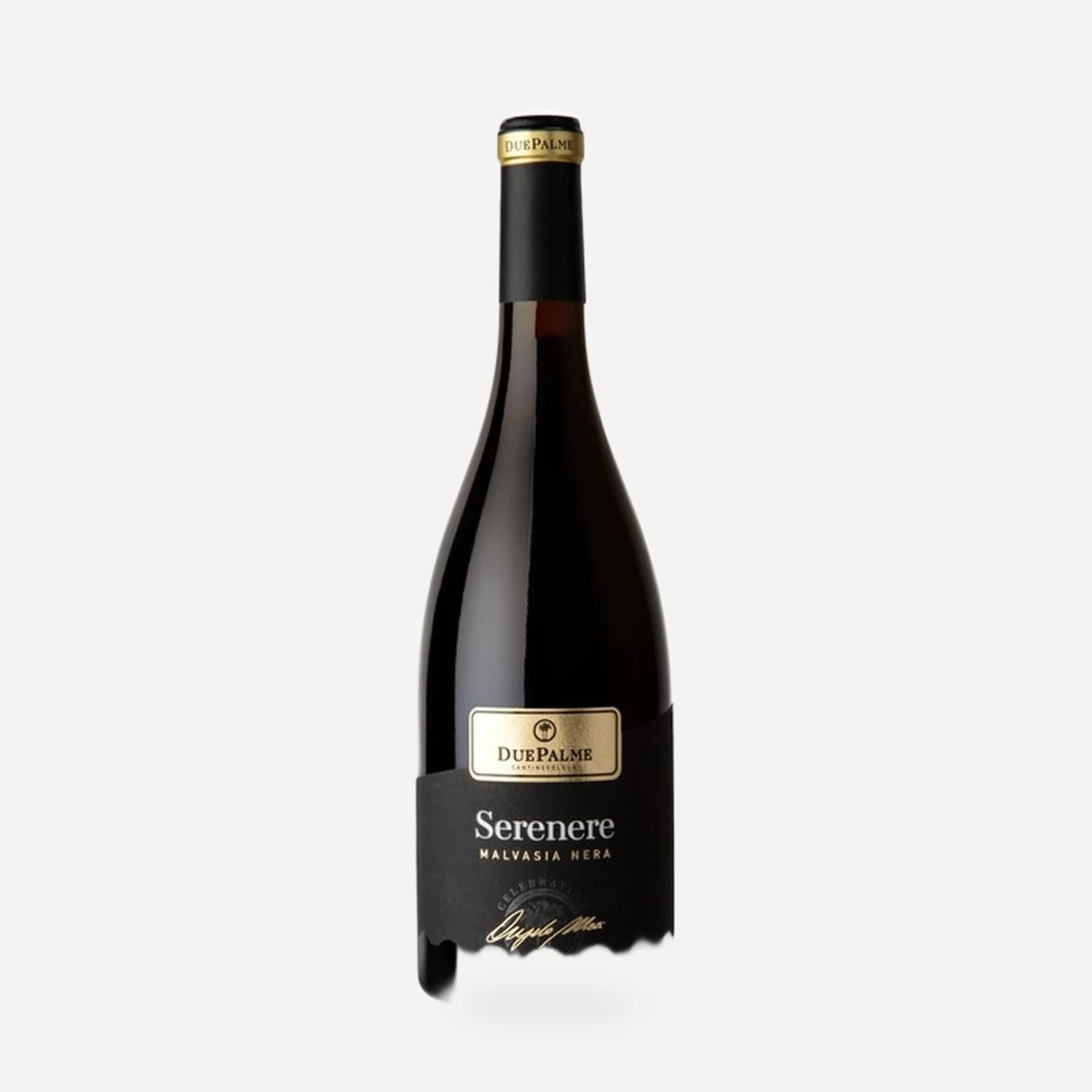
Serenere
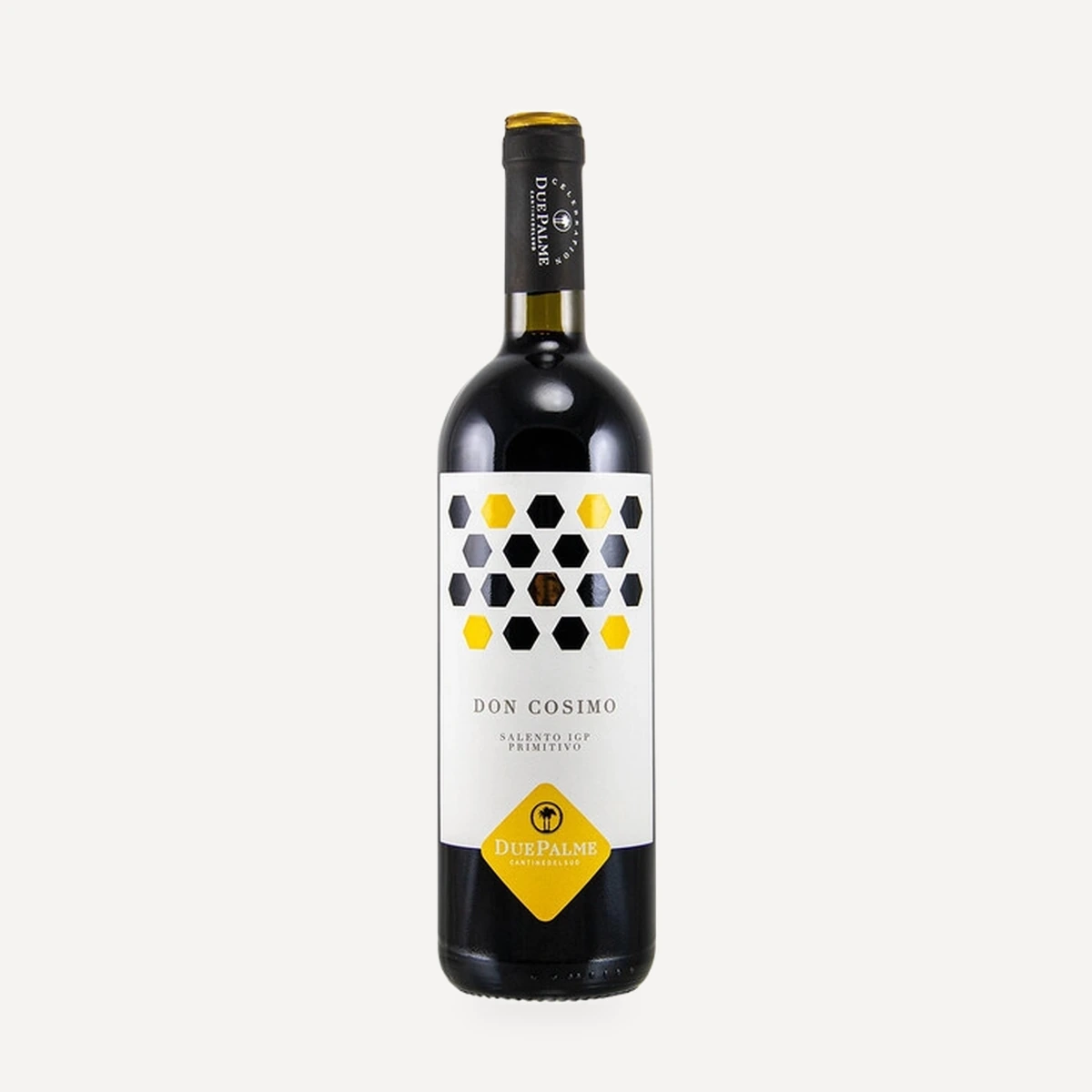
Don Cosimo
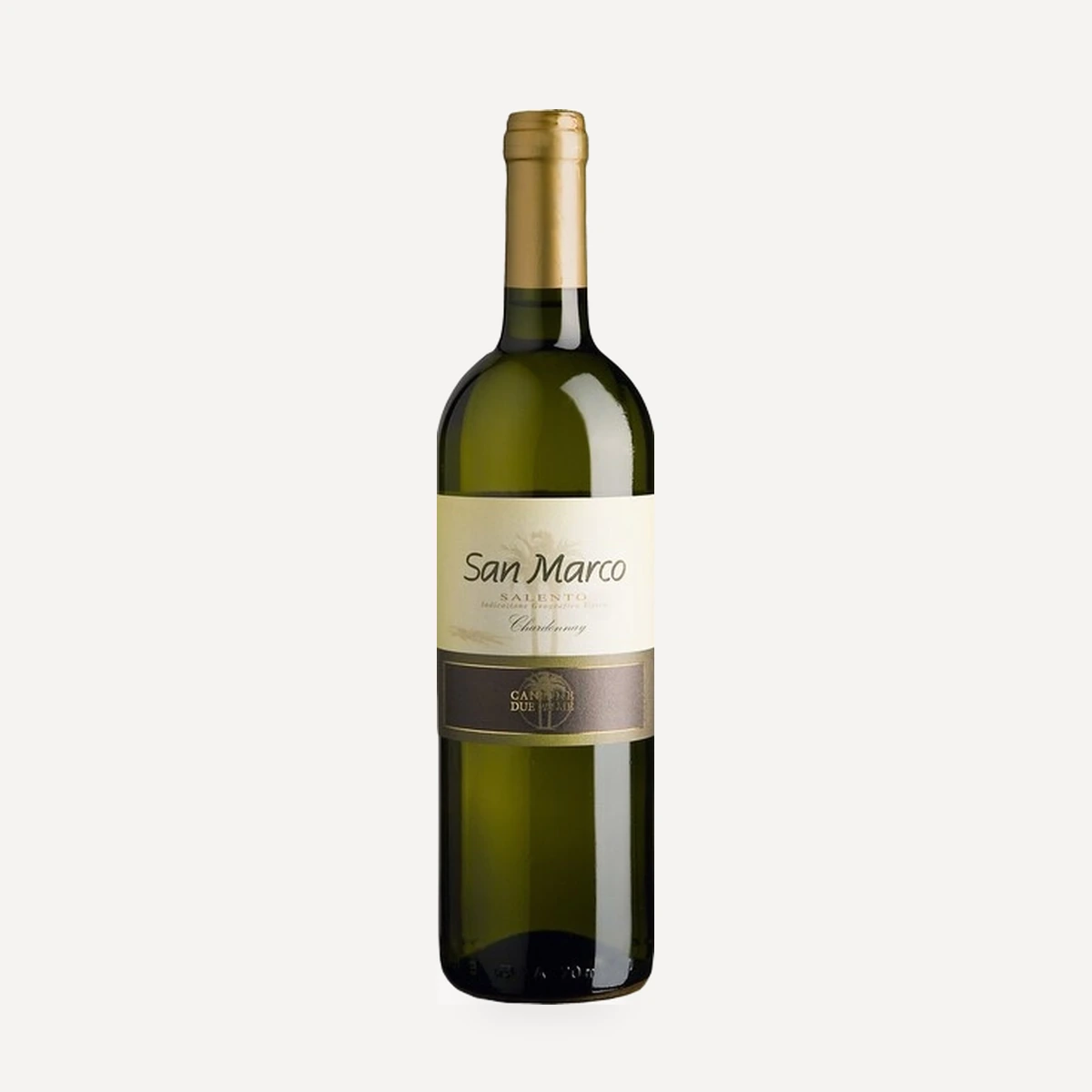
San Marco Bianco Salento IGT
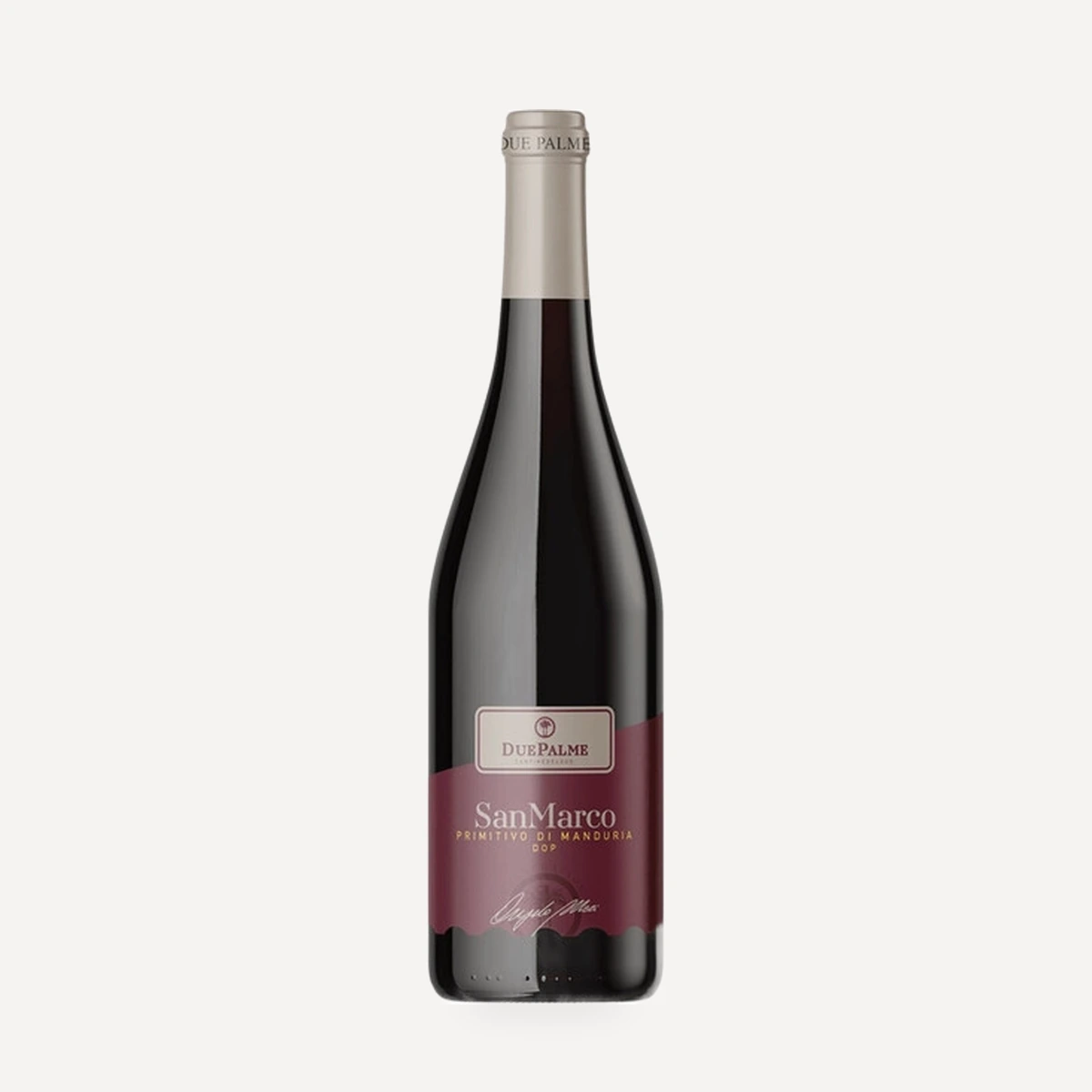
San Marco Primitivo di Manduria DOP
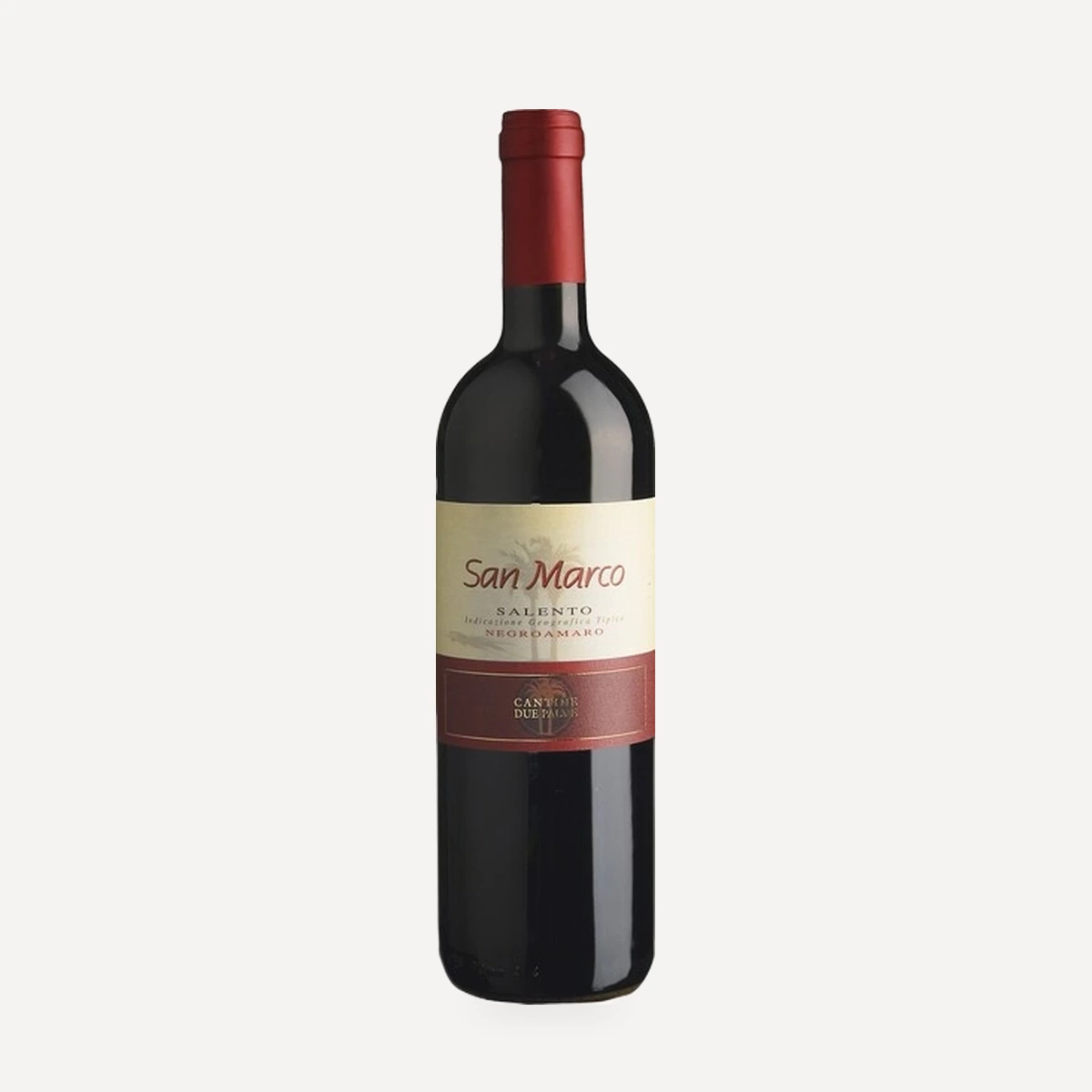
San Marco Rosso Salento IGT
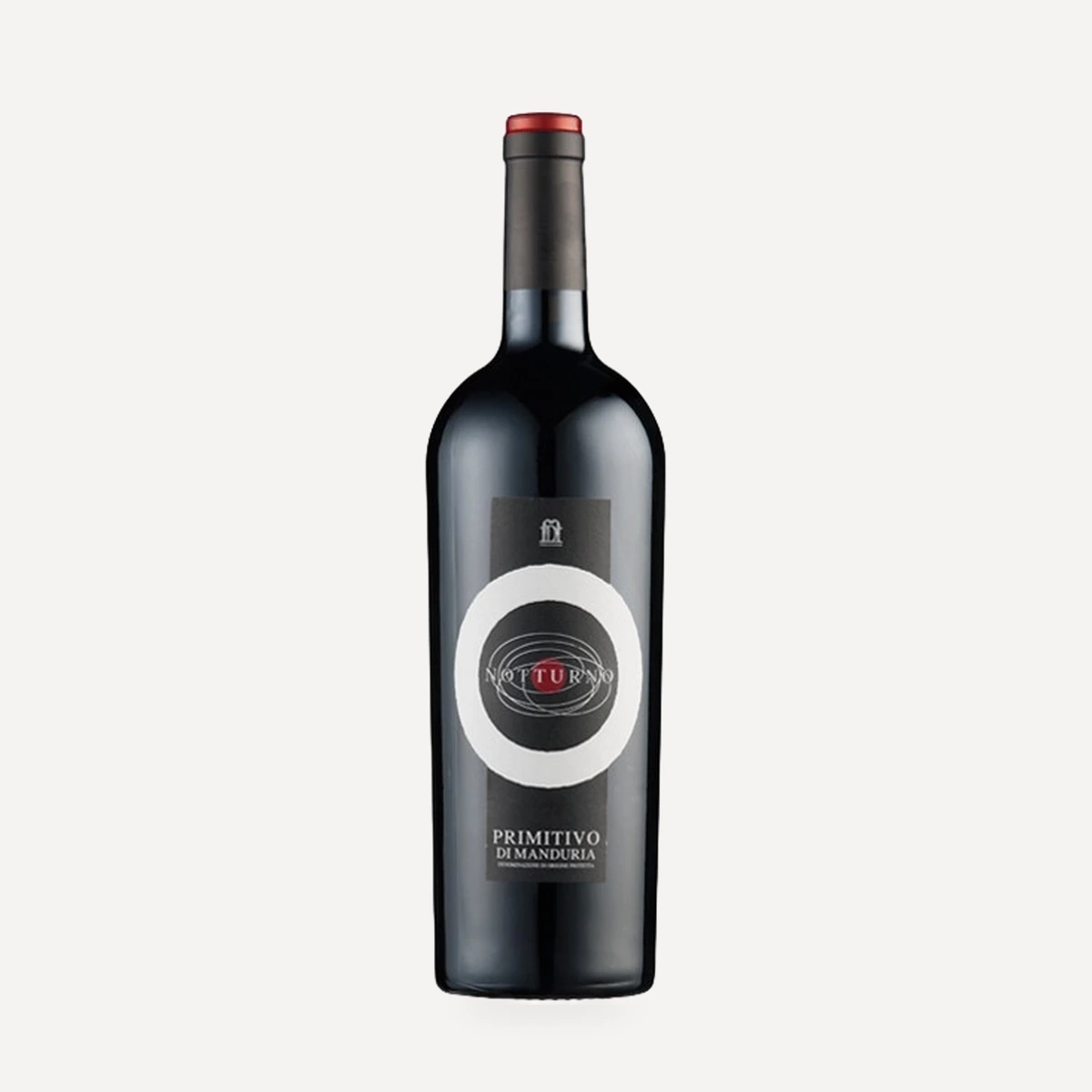
Notturno Primitivo di Manduria DOP
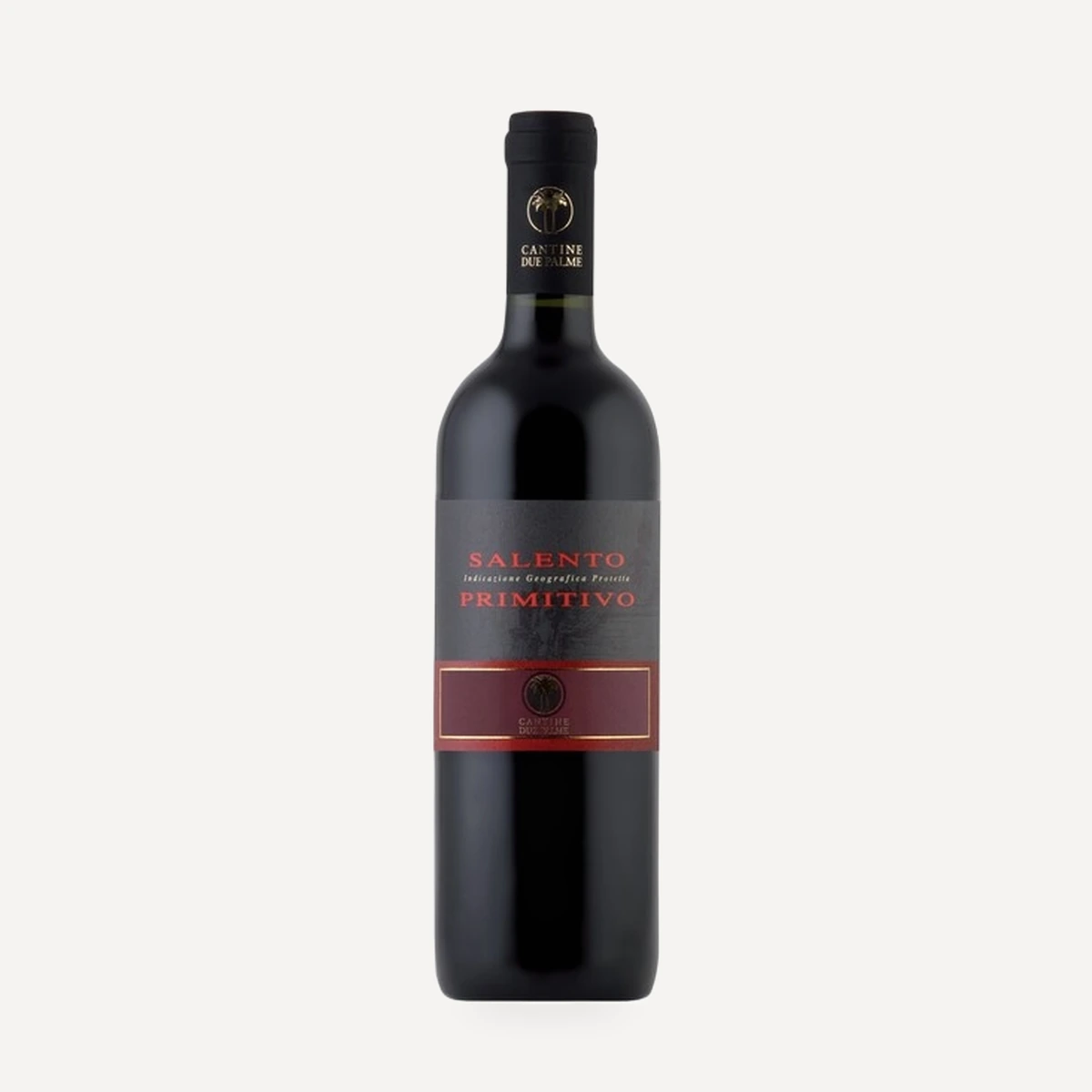
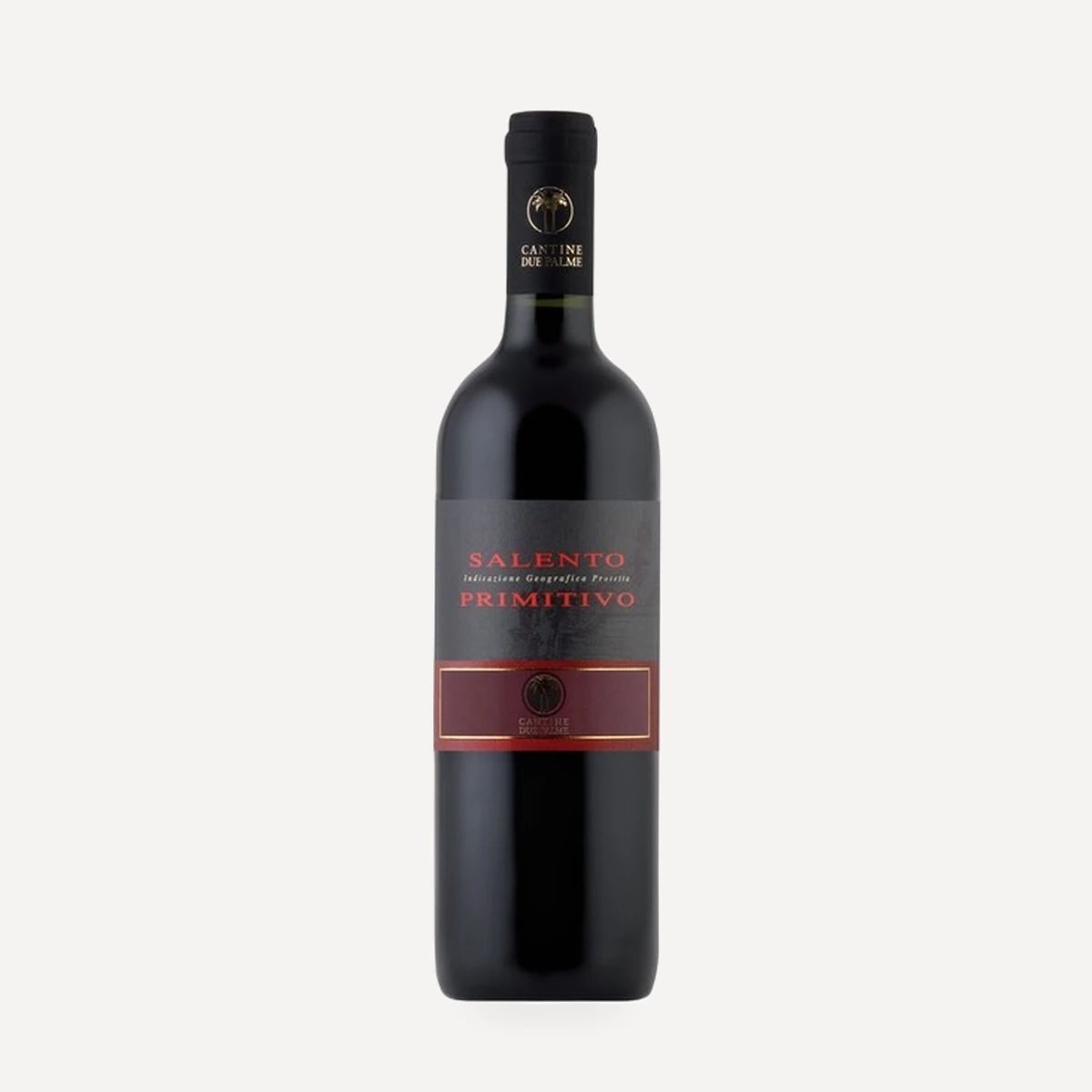
Primitivo Salento IGT
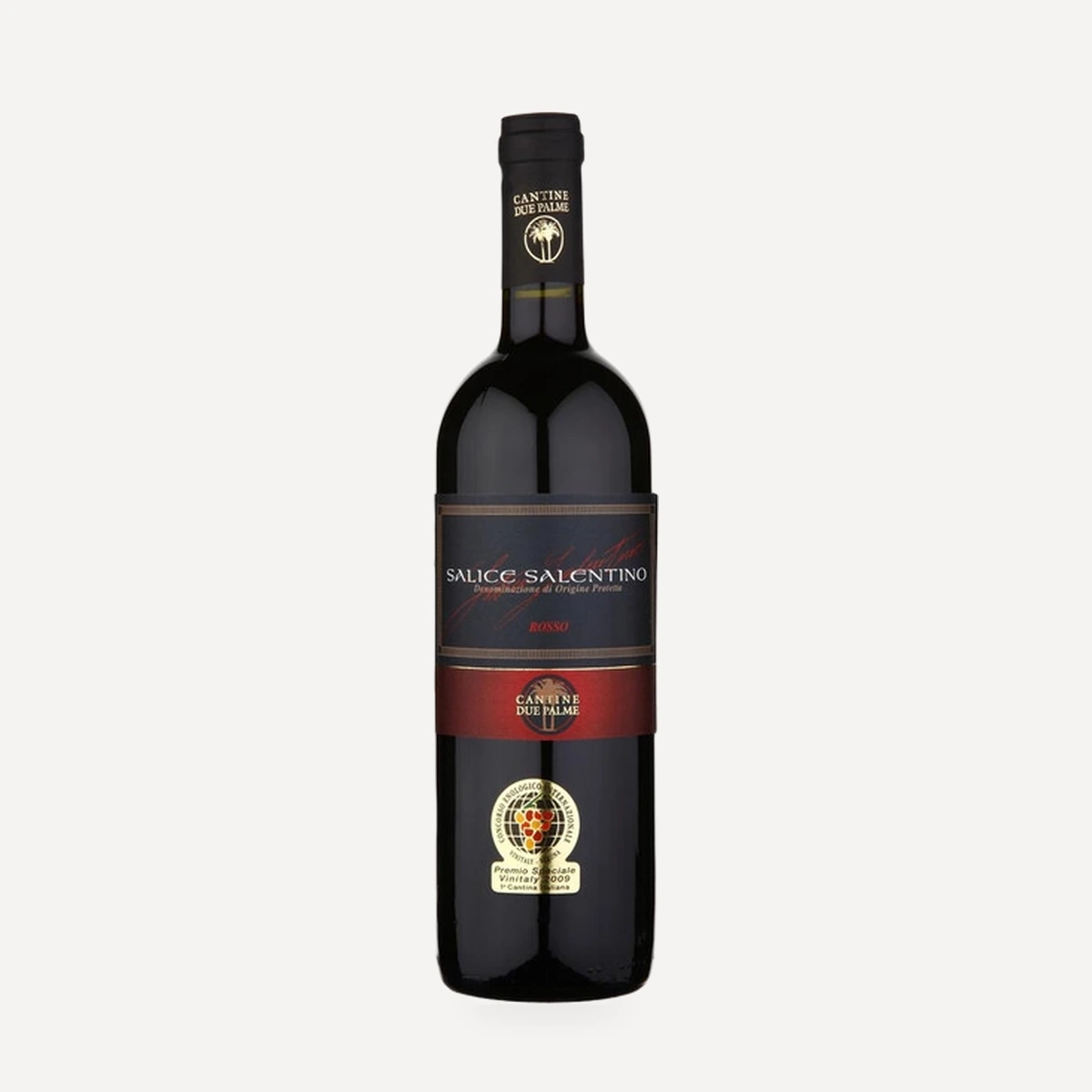
Due Palme Salice Salentino DOC
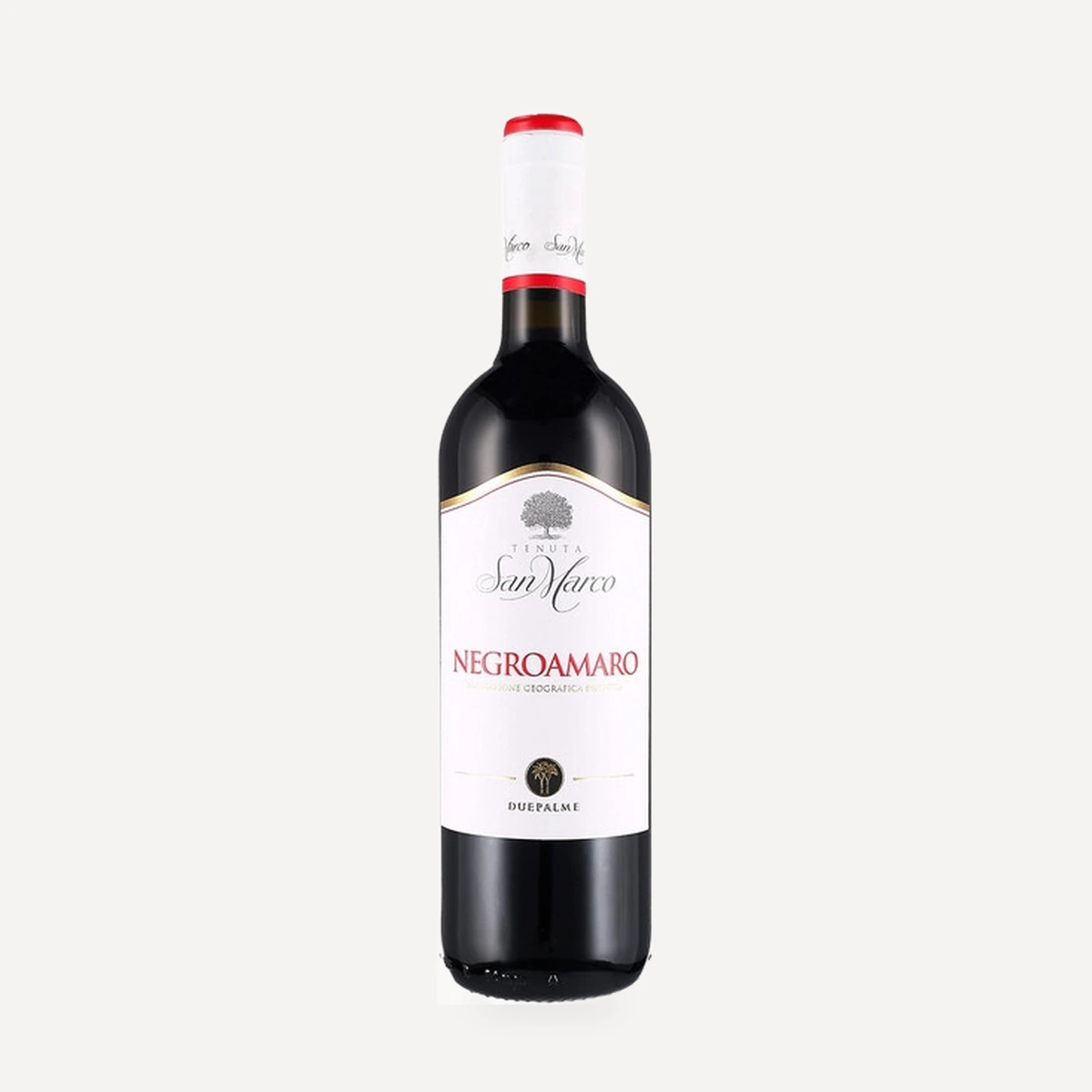
Tenuta San Marco Negroamaro Salento IGT
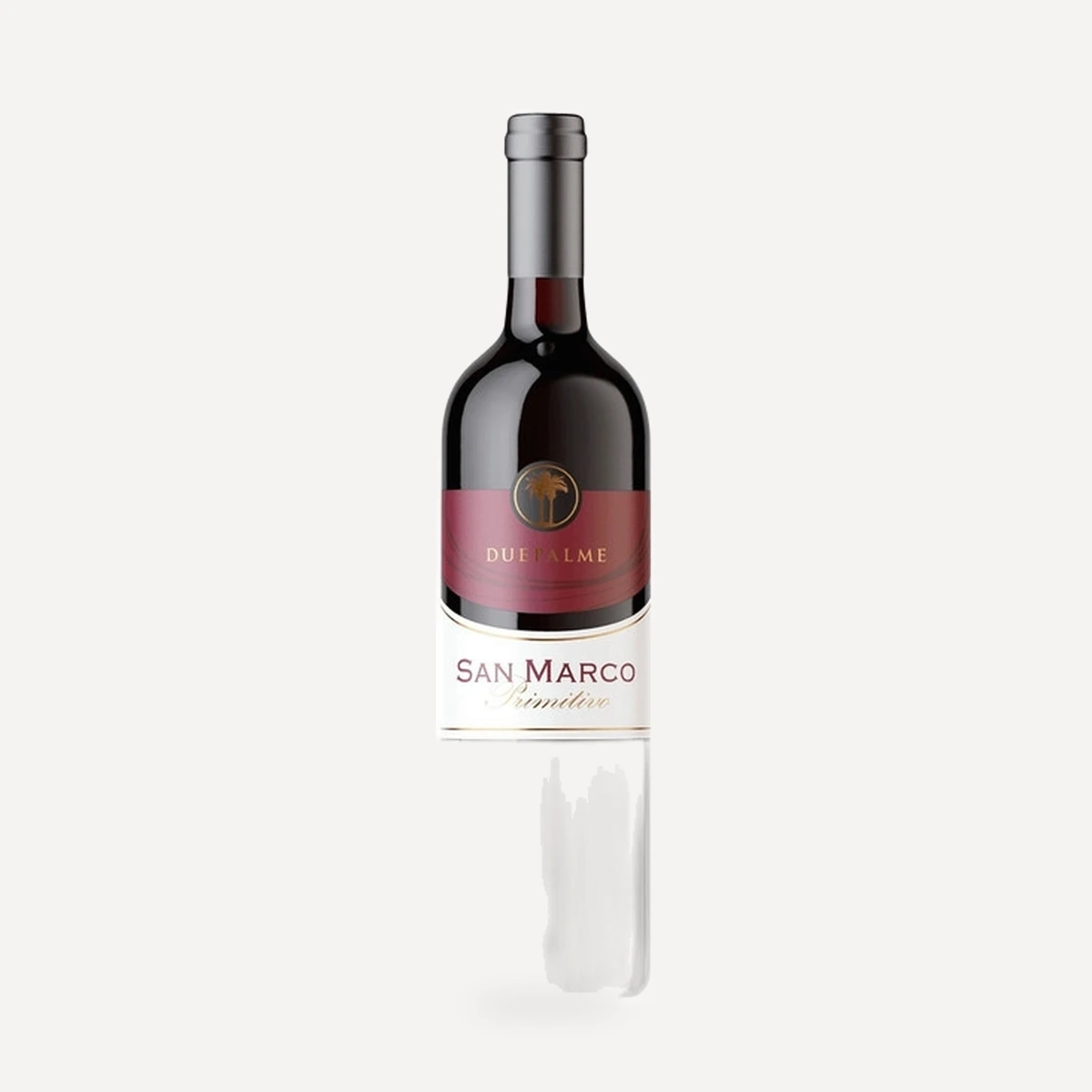
Tenuta San Marco Primitivo Salento IGT
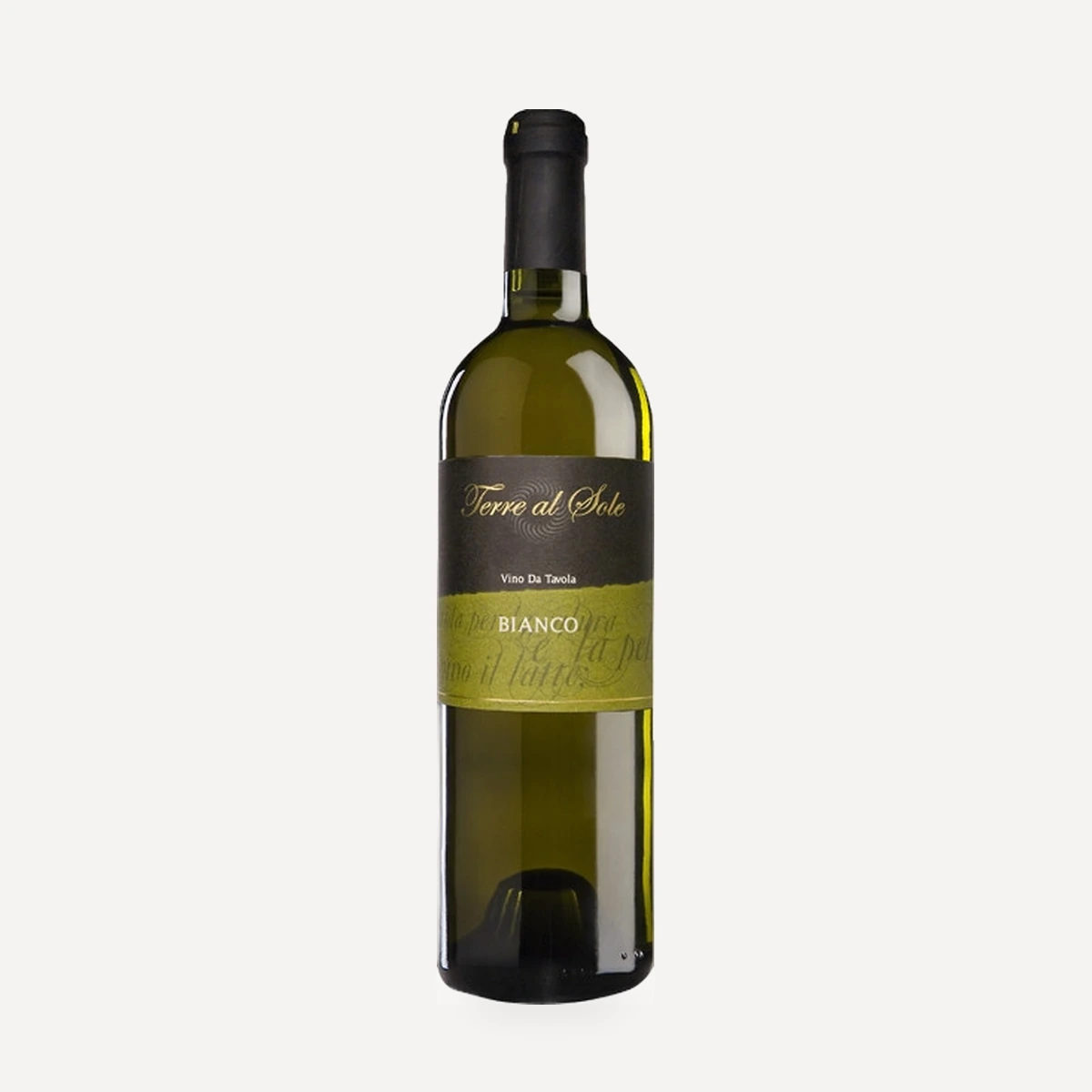
Terre al Sole Bianco VdT
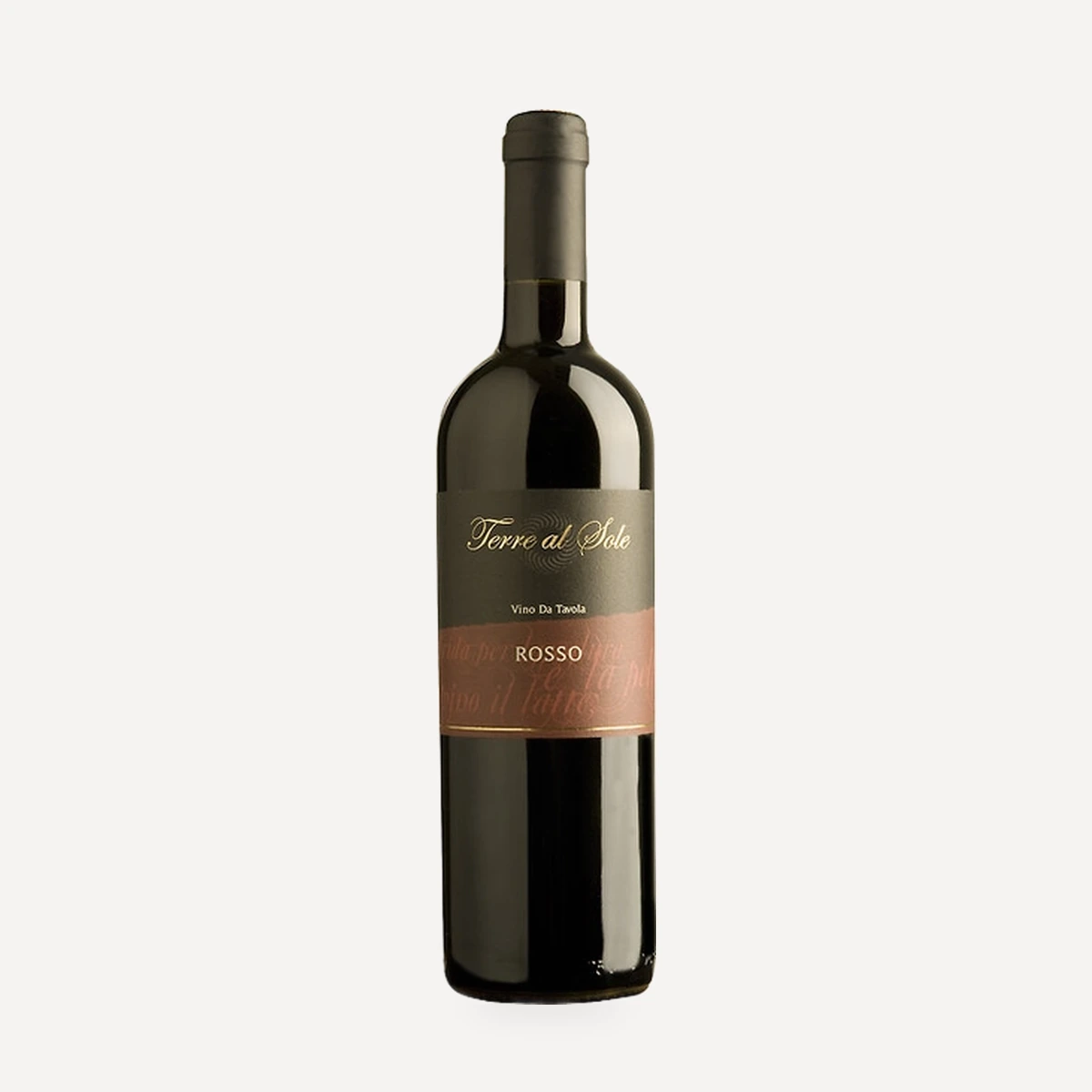
Terre al Sole Rosso VdT