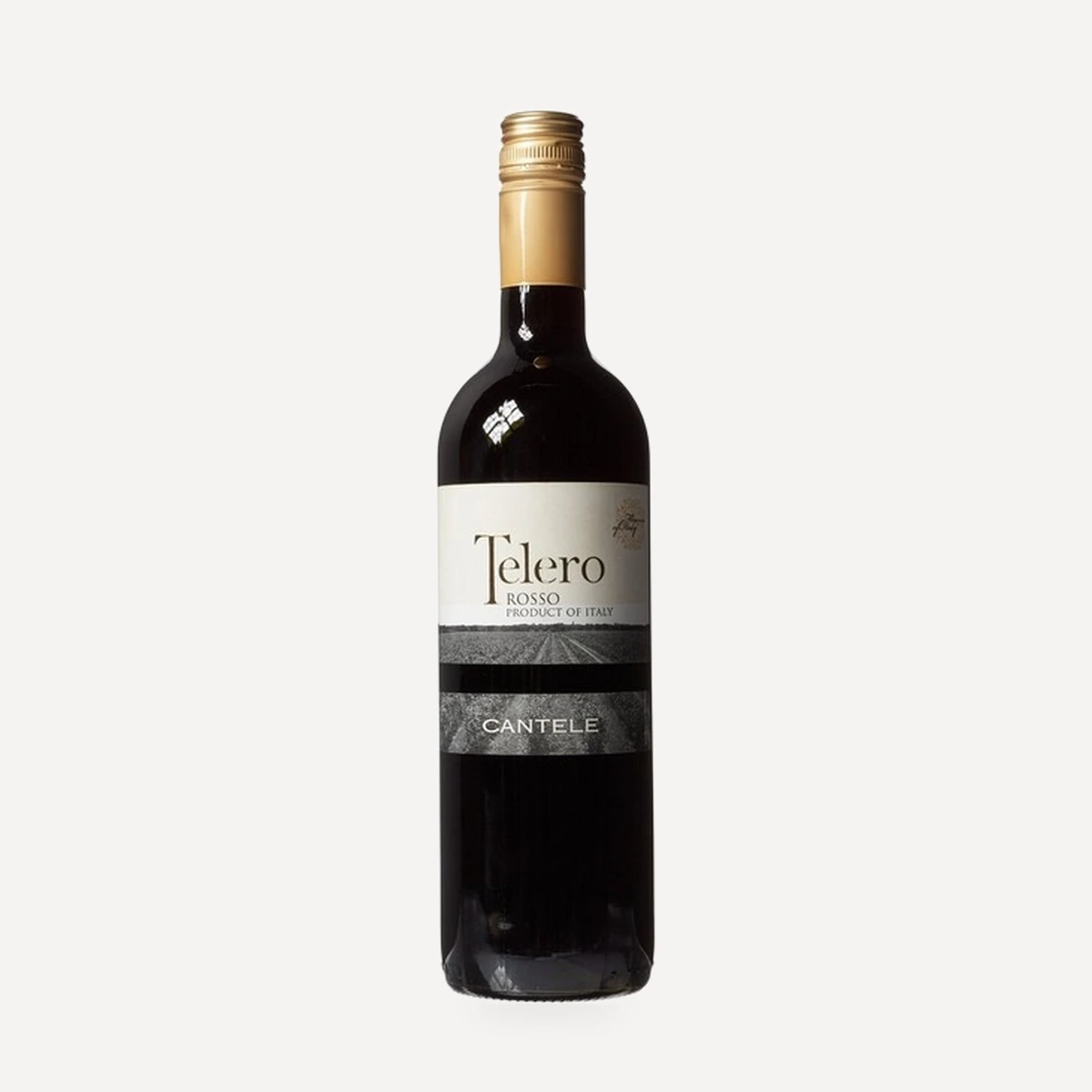
History
Northern roots and the move south
The family story began in northern Italy during the war years. Giovanni Battista Cantele, originally from Pramaggiore in Veneto, moved to Imola for work. There he met Teresa Manara, a woman from Romagna who would become his wife and the mother of Augusto and Domenico.
After the war, Giovanni entered the wine trade, buying bulk wine in Puglia and selling it in northern Italy. His repeated journeys allowed him to become familiar with the Salento countryside, its growers and its winemaking traditions. Teresa accompanied him on one of those trips and formed a strong attachment to Lecce and Salento. In 1950, at a time when migration within Italy was generally moving in the opposite direction, Giovanni and Teresa left Imola and settled permanently in Salento.
Education of the second generation
Augusto, the elder son, chose a technical path. Toward the end of the 1950s he left to study oenology in Conegliano Veneto, becoming the first member of the family to receive formal wine training. He subsequently worked in northern wineries and developed a particular interest in white wine, despite the prevailing view that Puglia was principally red-wine country.
Domenico studied economics. His commercial and organizational training later complemented Augusto’s technical knowledge and gave the family project its business structure.
During the 1970s Augusto returned to Puglia and worked as a technical consultant for wineries around Guagnano and Salice Salentino. He became convinced that careful work, technical precision and knowledge of the land could support a more quality-focused form of production in Salento.
1979: foundation of Cantele
In 1979 Augusto and Domenico founded Cantele with their father, Giovanni Battista. Augusto contributed winemaking expertise and Domenico the economic and entrepreneurial framework, while both drew on the local knowledge accumulated by Giovanni and Teresa.
Cantele initially owned no vineyards. Production depended on carefully selected grapes supplied by trusted local growers, with the emphasis placed on meticulous cellar work and a clean, linear style. The family gradually expanded the range and clarified a philosophy in which technical precision served the expression of the land rather than becoming an end in itself.
The first family vineyards
The first vineyard holdings were acquired over time, with the most important initial purchases taking place in the early 1990s. This marked the family’s transition from a business based entirely on growers’ fruit toward a combination of owned and managed vineyards, while preserving long-term relationships with Salento winegrowers.
Teresa remained a quiet but decisive influence on the family. A family recollection traces the inspiration for a serious Puglian white wine to a Sunday meal in the late 1950s, when she asked for a white instead of the customary red or rosé. Augusto retained the idea for roughly forty years. When he and Domenico eventually created the Chardonnay associated with that ambition, they named it Teresa Manara. She did not live to taste it.
2001: the third generation
The third generation entered the business in 2001: Gianni and Paolo, sons of Augusto, and Umberto and Luisa, children of Domenico. At that point Cantele had a single established range of four restrained, classically presented labels. The new generation expanded the range and introduced a brighter, more contemporary graphic language while retaining the direction established by Augusto and Domenico.
Leadership now rests with these four members of the third generation. Their work combines continuity with attention to changing markets, climate change and the evolution of wine culture.
2003: the new winery
A new winery was inaugurated in 2003. Its modern structure and technology were enclosed in architecture inspired by the Mediterranean masserie of Salento. The complex later became home to iSensi, a synesthetic laboratory devoted to wine, food, art, culture and multisensory experience.
Research and environmental management
Beginning with the 2004 harvest, Cantele participated in research with ISPA-CNR and the Faculty of Agriculture at the University of Bari. Projects addressed the reduction of mycotoxin risk, the isolation and propagation of indigenous yeast strains from Negroamaro grapes, and sensory deviations associated with Brettanomyces.
In the same year, the business began an agronomic-management program under Salento agronomist Cataldo Ferrari. Its goals were higher grape quality, reduced environmental impact and lower phytosanitary residues in wine. Owned and managed vineyards were placed under voluntary integrated-management principles, using monitored environmental and soil data in predictive models and prioritizing agronomic, physical, biological and biotechnological responses.
This approach has since developed into precision viticulture supported by remote sensors, satellite mapping, intelligent machinery, artificial intelligence and decision-support systems. Cantele’s current research partners include the University of Milan, the University of Salento, Italy’s National Research Council and the Euro-Mediterranean Center on Climate Change.
CNTL and the contemporary identity
The colorful visual language introduced after 2001 remained part of the range for approximately twenty-five years, receiving measured updates rather than radical redesigns. The shortened signature CNTL first appeared informally and without a formal launch, functioning as a more direct contraction of the family name. It was subsequently developed into the identity of the historic range. New labels designed by Elisa Costa retained the range’s chromatic memory while organizing it into a clearer, more restrained visual system. CNTL is positioned as a continuation of Cantele rather than a replacement for the family name.
Terroir
Setting and climate
Cantele is based at Guagnano in inland Salento, within the Salice Salentino DOC area and near Lecce. Salento occupies the southern part of Puglia between the Ionian and Adriatic seas. Its landscape is predominantly flat or gently rolling and is marked by vineyards, ancient olive groves, dry-stone walls and historic masserie.
The climate is warm, breezy and Mediterranean, with mild winters and long, dry summers. Marine breezes moderate heat and help limit excessive vine stress. Day–night temperature differences are modest but contribute to aromatic concentration and freshness. Rainfall is low during the growing season, favoring healthy, naturally concentrated fruit.
Soils
The vineyards stand on naturally fertile soils derived from upper Quaternary calcareous-clayey calcarenites. These soils are deep, moderately to highly permeable, moderately calcareous and slightly alkaline. Across the wider Salento setting, calcareous clay and marl occur with appreciable stone and mineral content.
Row orientation and wind
Rows are generally aligned north–south, corresponding to the directions of the prevailing tramontana from the north and scirocco from the south. The orientation balances sunlight between the two sides of the canopy and supports even ripening.
Winemaking
Vineyard partnerships
Cantele entered viticulture through collaboration with experienced Salento growers rather than through inherited vineyard ownership. Those relationships remain part of a team-based model combining local knowledge, technical training, environmental responsibility and precision technology.
Integrated crop protection
Owned and managed vineyards follow voluntary integrated pest-management principles. Agronomic, physical, biological and biotechnological measures take priority in the prevention and control of vine problems. Synthetic insecticides have been eliminated for several years and replaced with beneficial microorganisms and mating-disruption techniques.
Environmental and soil parameters are monitored continuously and incorporated into predictive models and DSS decision-support systems. Artificial intelligence helps translate large datasets into targeted protection strategies. The aim is to improve grape quality while reducing environmental impact, fertilizer use, water use and phytosanitary residues.
Precision viticulture and soil mapping
Remote sensors monitor temperature, humidity, vine health, pests and other threats. Satellite mapping and intelligent machinery help target interventions and reduce waste and vineyard-related CO₂ emissions.
INTERRA® Scan adds high-density soil characterization. A sensor operating approximately 60 cm above the surface detects natural isotopes without disturbing the ground. The resulting map guides targeted sampling. Field and laboratory measurements are then combined into meter-by-meter maps of texture, water-holding capacity, nutrients and pH. Prescription maps translate those findings into centimeter-precision instructions for machinery, allowing fertilization, irrigation and soil work to be adjusted to local needs.
Training, rootstocks and pruning
Old vines are trained as free-standing alberello without support structures. Young vines use vertical espalier systems. Medium- to low-vigor rootstocks are favored for their adaptation to the soils and their ability to sustain moderate, consistent yields.
Negroamaro and Primitivo on permanent cordons receive short-spur pruning, whether trained as alberello or spur-pruned cordon. Renewal-cane vineyards, including Chardonnay, are pruned to Guyot.
Research
Research partnerships currently involve the University of Milan, the University of Salento, CNR and the Euro-Mediterranean Center on Climate Change. The vineyards and winery function as testing environments for new knowledge and technology. Earlier work initiated with the 2004 harvest examined mycotoxin risk, indigenous Negroamaro yeast strains and Brettanomyces-related sensory deviations.
Winery and process control
The winery inaugurated in 2003 combines modern facilities and advanced technology with architecture inspired by traditional Salento masserie. Production equipment is monitored remotely through IoT systems, allowing machinery and process efficiency to be optimized.
Fermentation and bioprotection
Selected non-Saccharomyces yeasts are used to protect must microbiologically and permit a significant reduction in sulfite additions. Strains are selected to preserve varietal character. Their ability to ferment at temperatures 1–2°C above the customary target reduces the energy required for tank cooling.
Energy
Machinery and cellar equipment are powered primarily by electricity from renewable sources. Approximately 240 kW of photovoltaic panels are installed exclusively on building roofs, preserving agricultural land for vines and olive trees.
The general production philosophy joins process control, energy efficiency and microbiological research. Detailed cellar protocols vary among individual wines and projects.
Philosophy
Cantele’s philosophy developed from the combination of northern technical discipline and knowledge learned from Salento growers. Precision is treated as a means of expressing place, not as an objective detached from the vineyard.
The family places continuity, consistent work and long-term credibility ahead of shortcuts or aggressive promotion. Wine is understood as the result of people, relationships and accumulated knowledge: family experience, the craft of growers and dialogue among generations.
The present approach deliberately combines tradition, technological progress and environmental responsibility. Innovation and nature are regarded as complementary: soil mapping, sensors, artificial intelligence, microbiological research and renewable energy are adopted when they permit more informed decisions, conserve resources or preserve varietal character.
The third generation seeks to maintain the founders’ direction while responding to climate change, new markets and an evolving wine culture. The same principle informs the CNTL identity: contemporary design is used to clarify and continue the family name rather than to erase its history.
Hospitality follows a related idea. Wine is placed within food, art, music, storytelling and shared time, with visitors treated as participants rather than spectators.
Wines
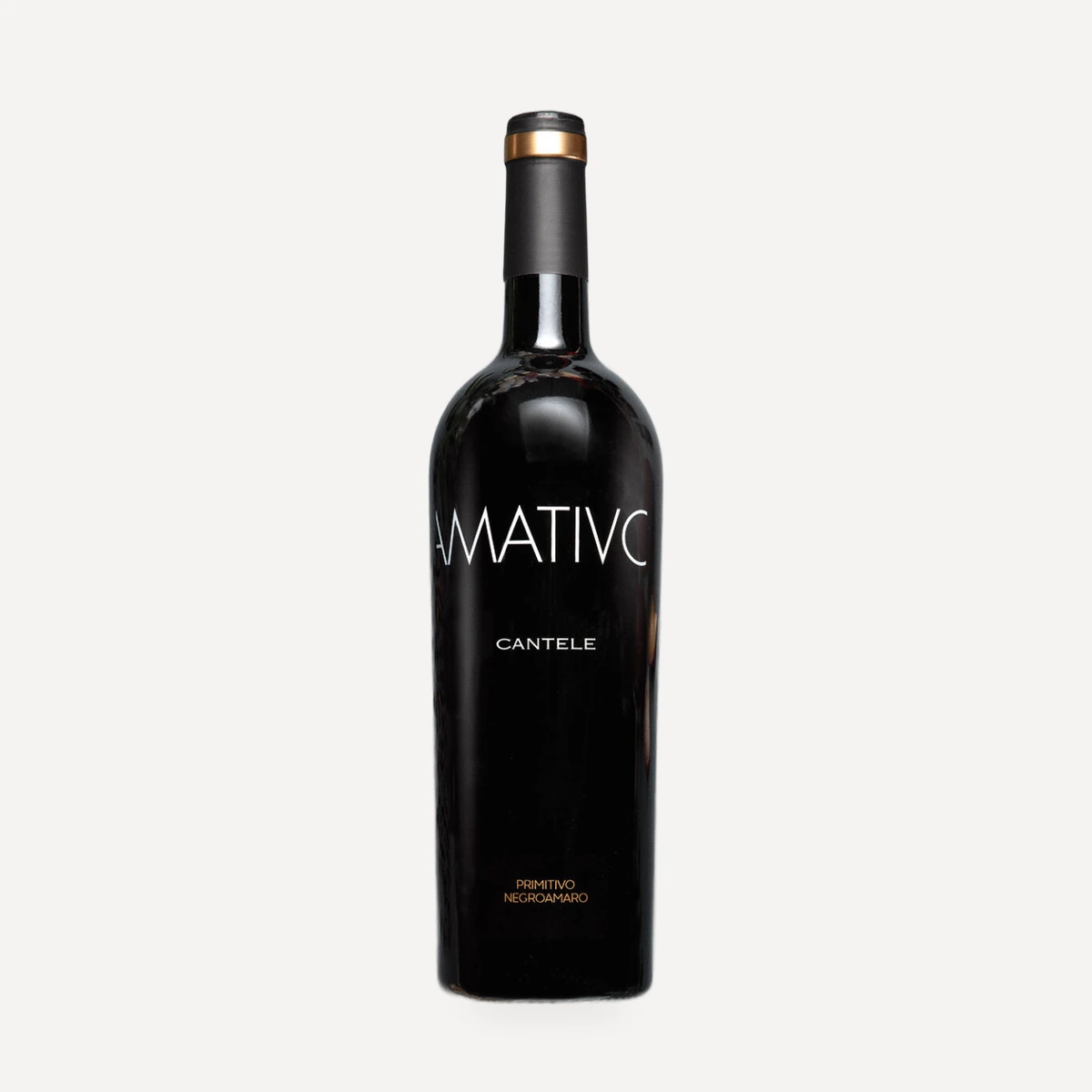
Amativo
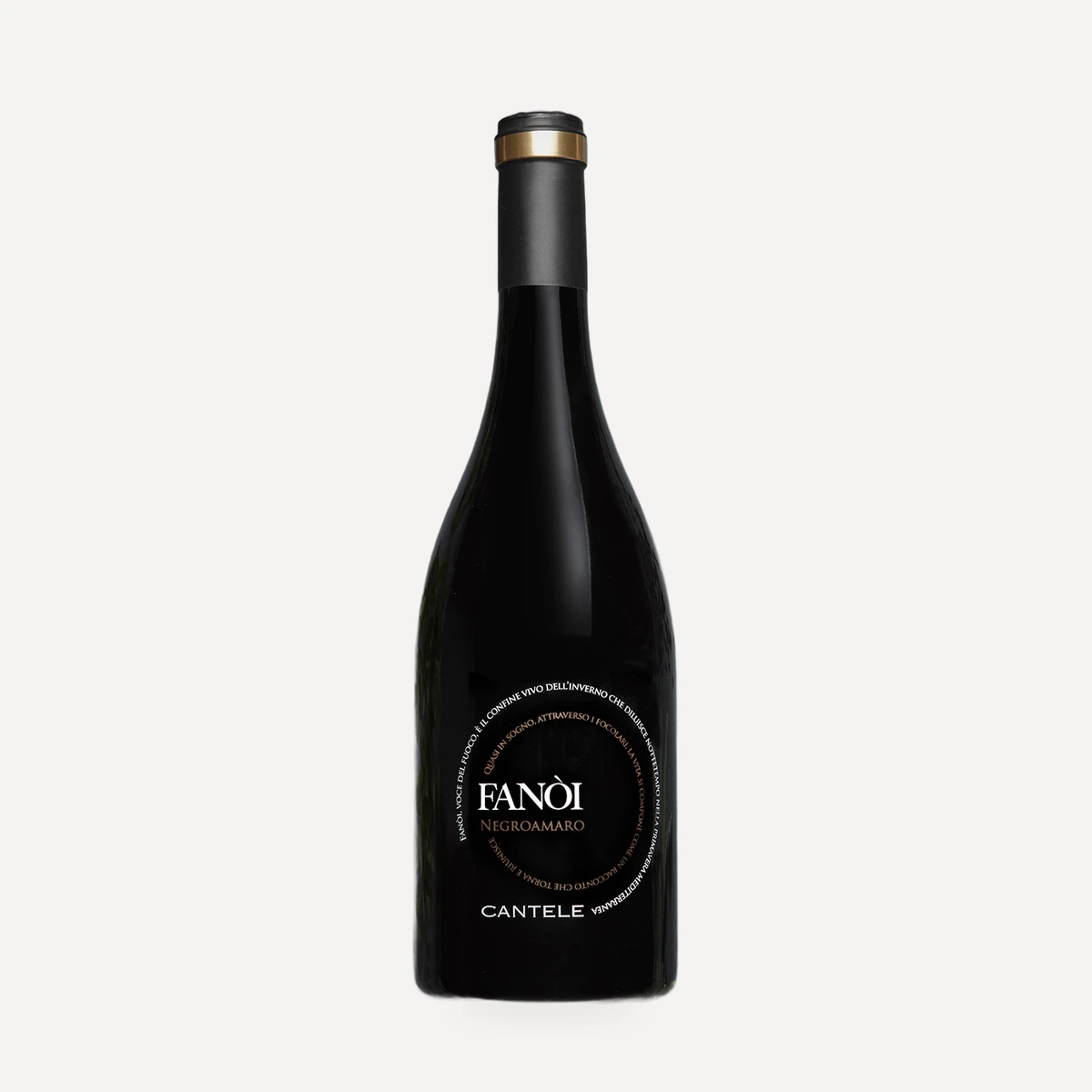
Fanoi Negroamaro
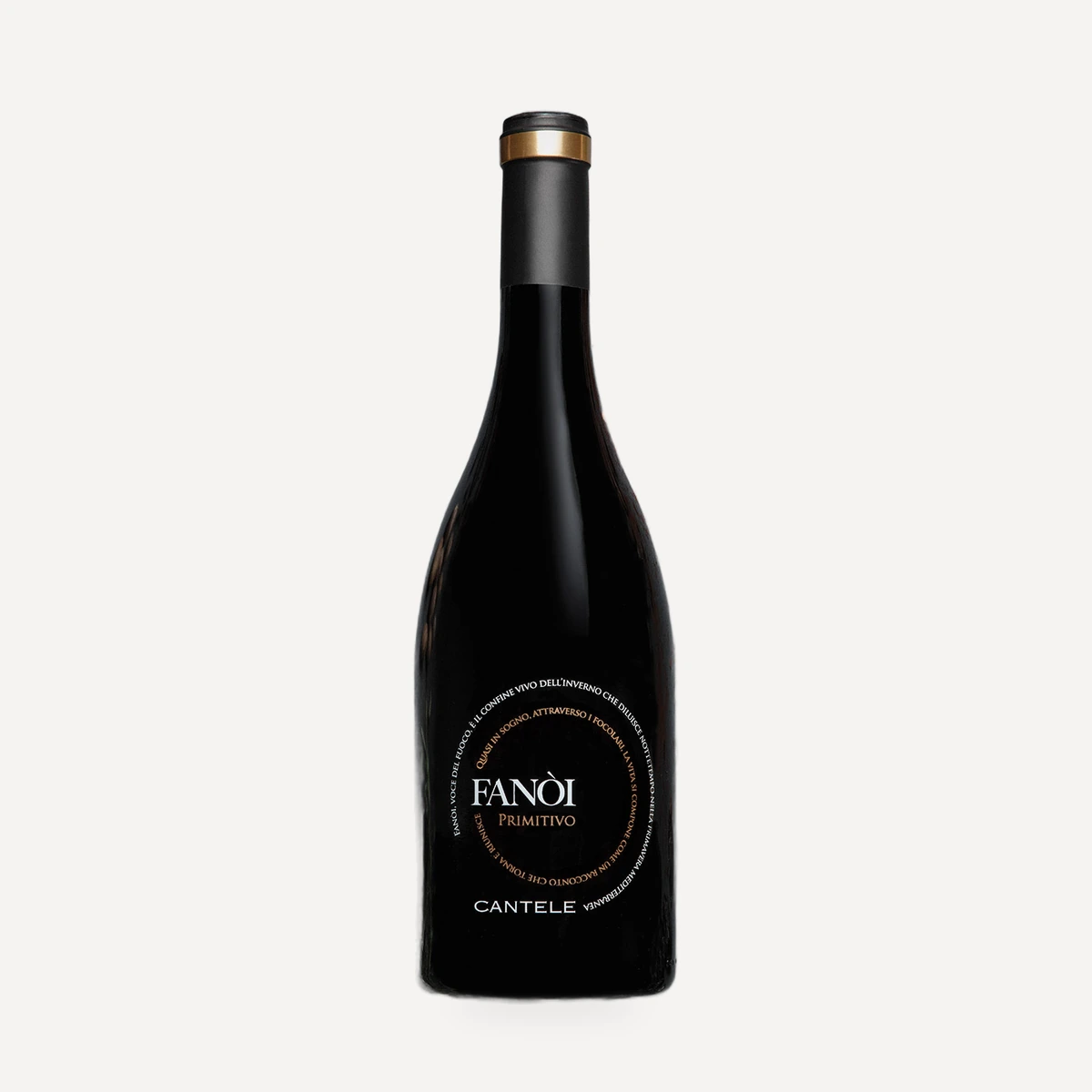
Fanoi Primitivo
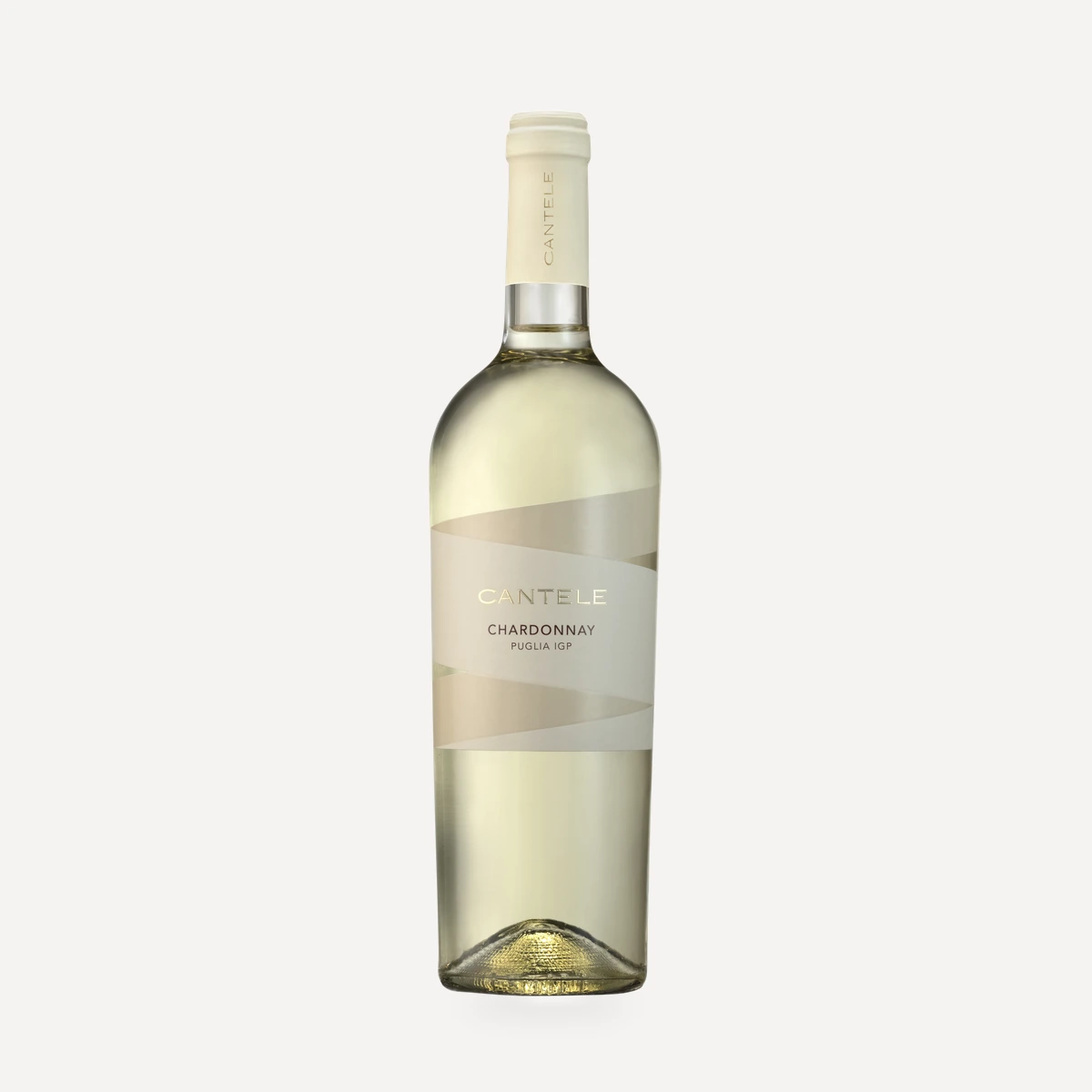
Chardonnay
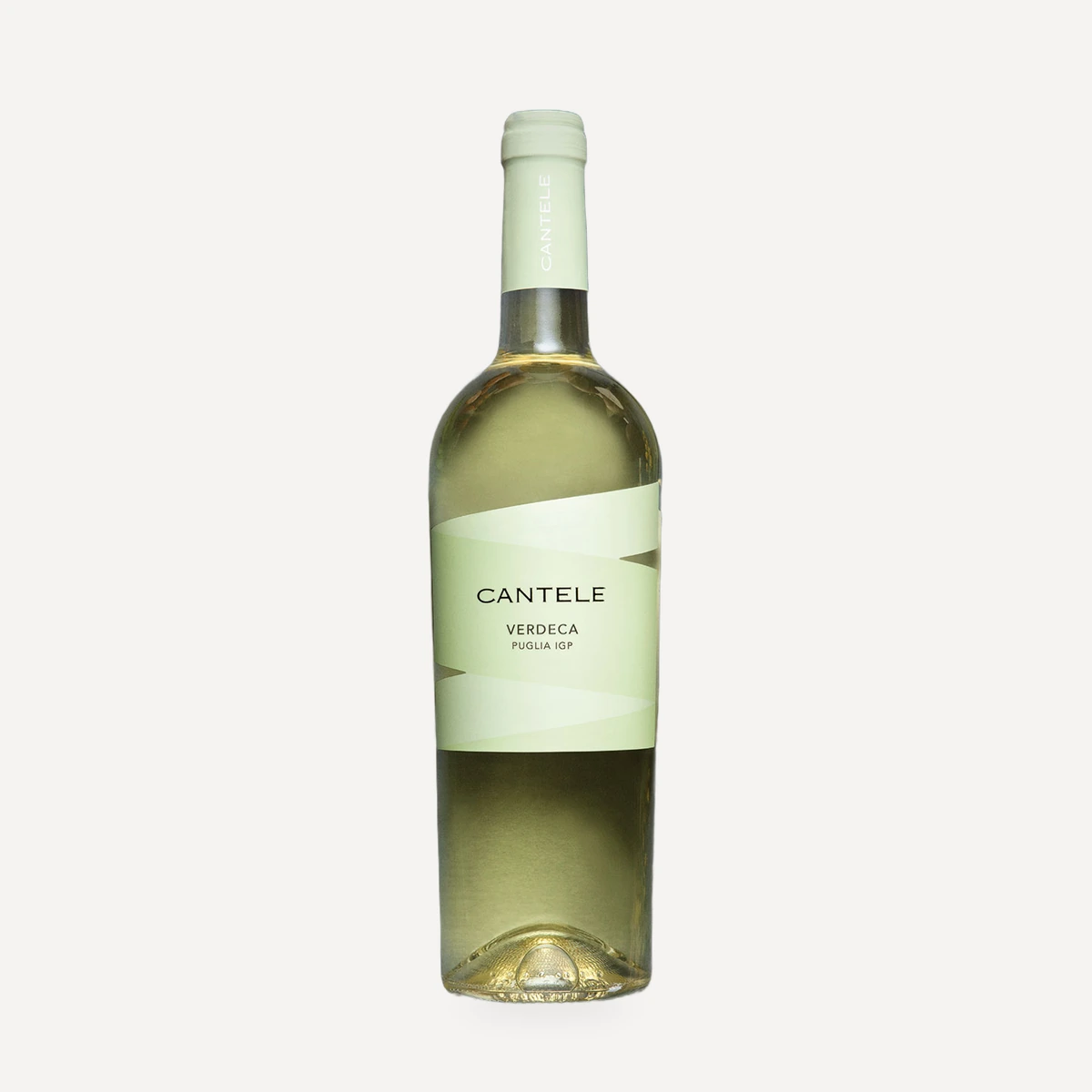
Verdeca
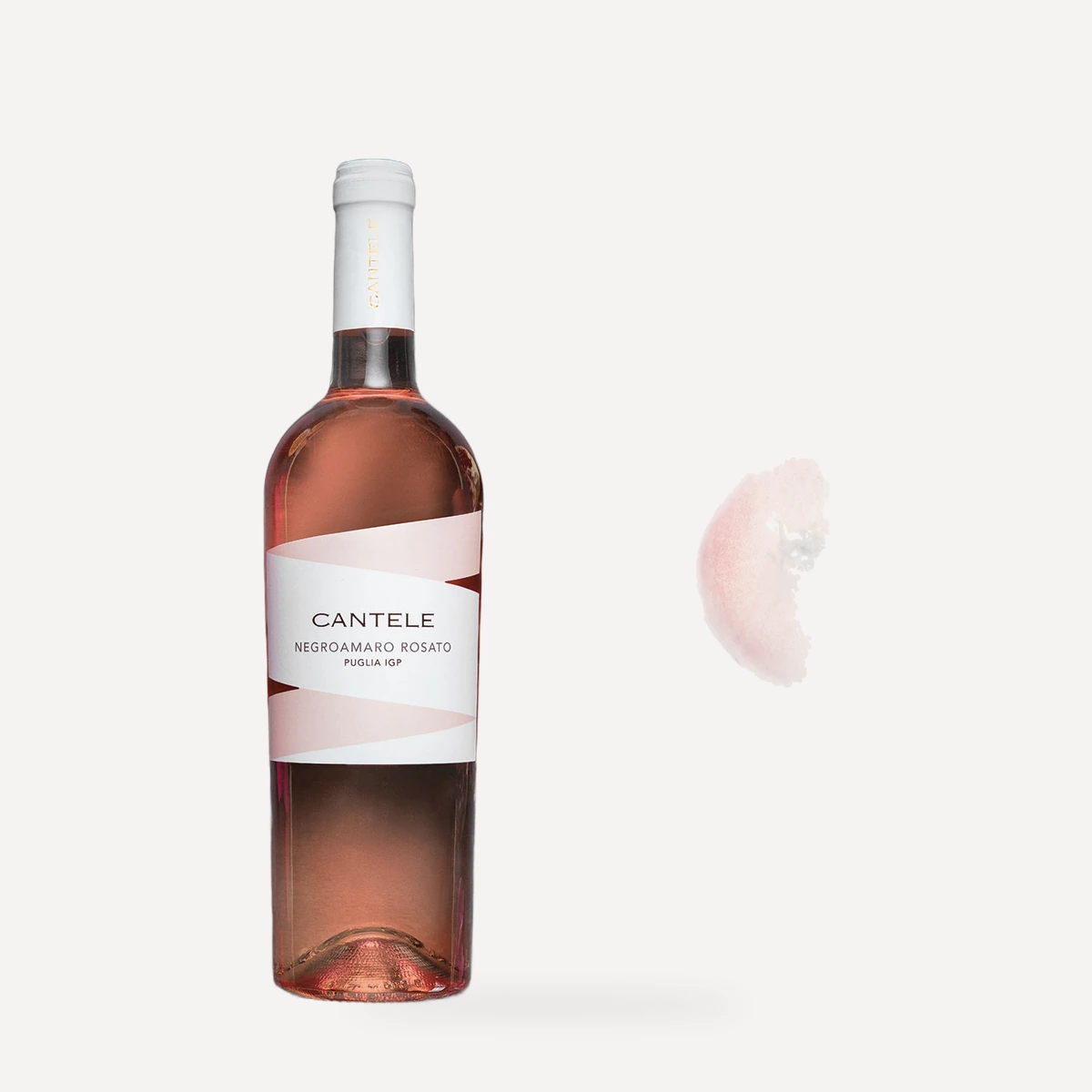
Negroamaro Rosato
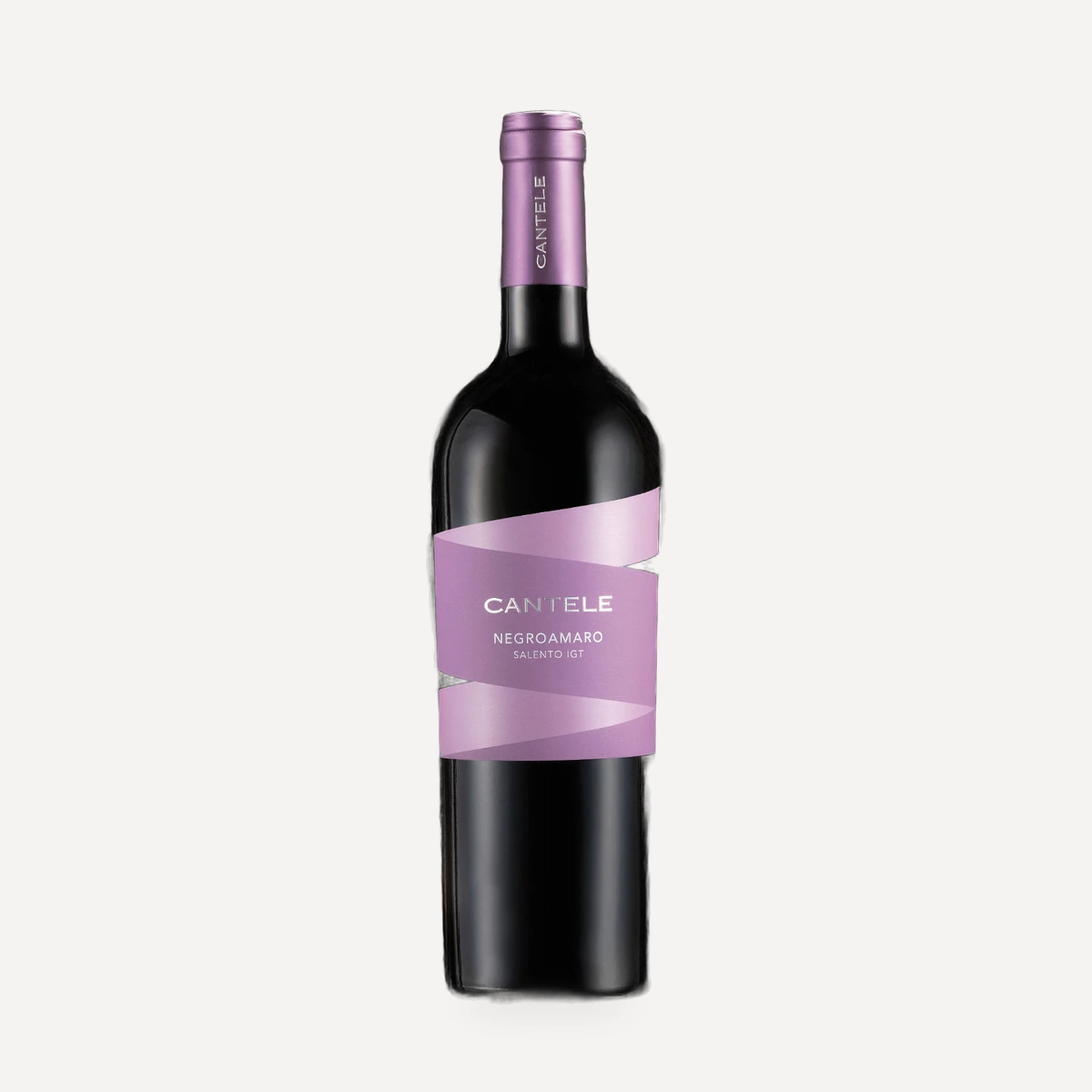
Negroamaro
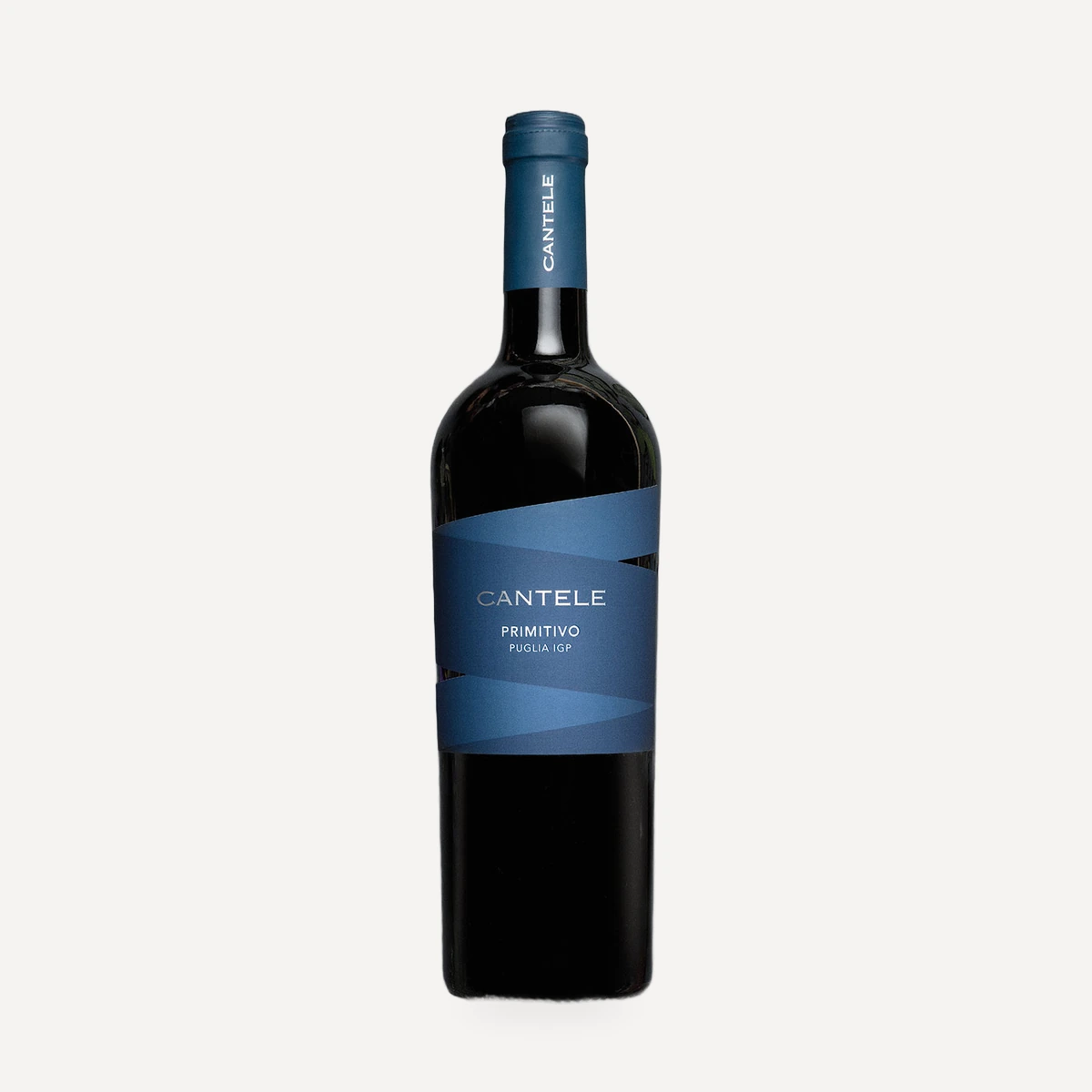
Primitivo

Salice Salentino
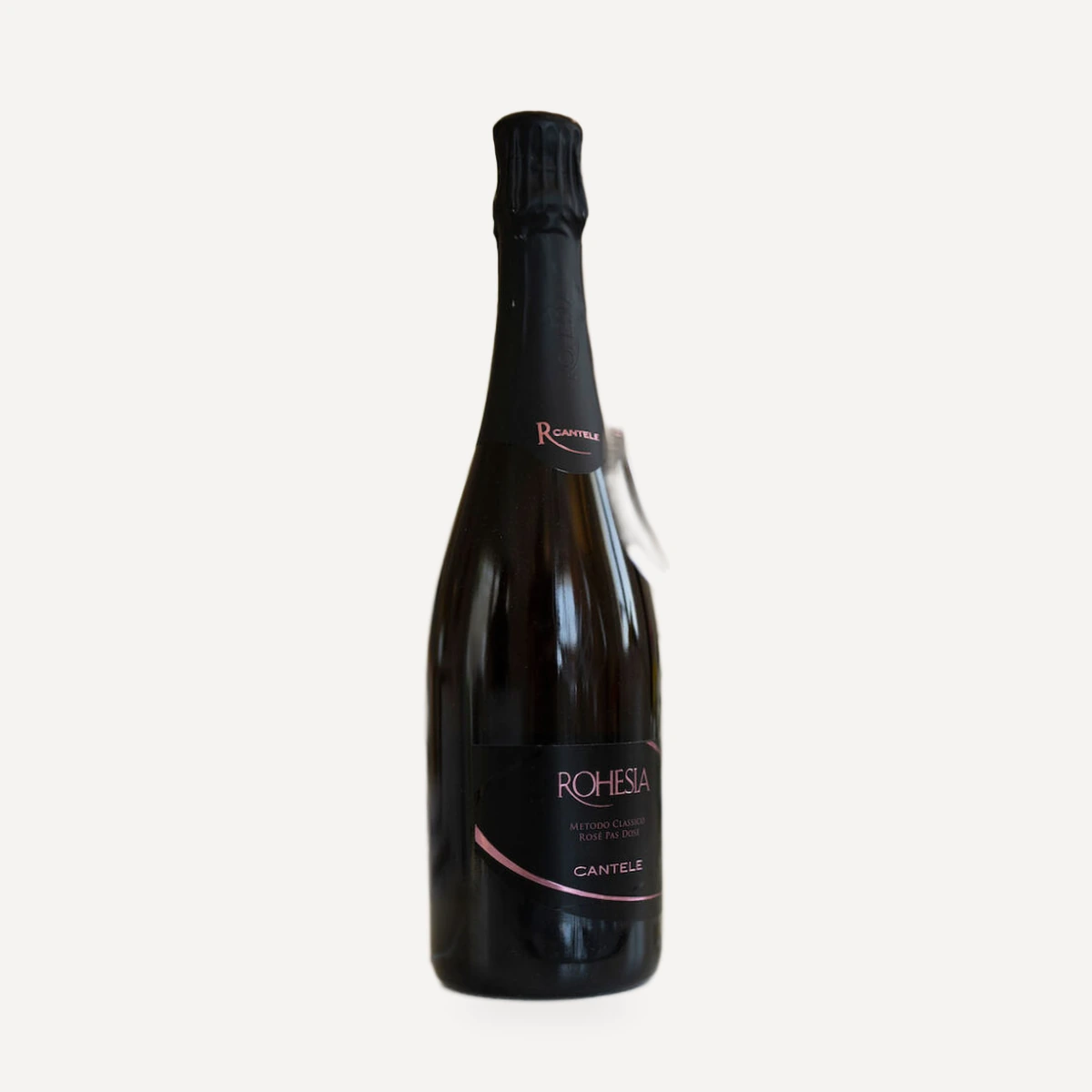
Rohesia Pas Dosé
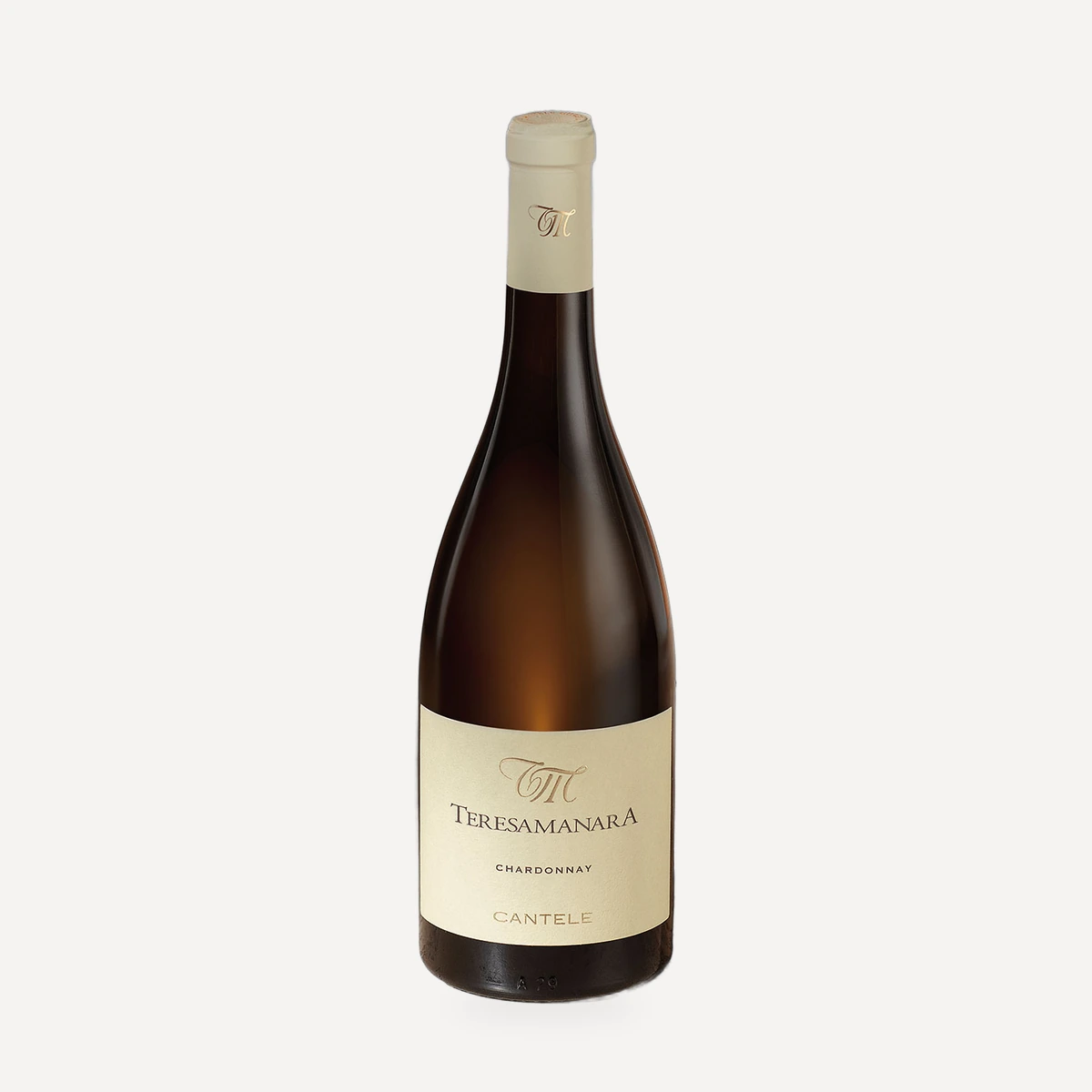
Teresa Manara Chardonnay
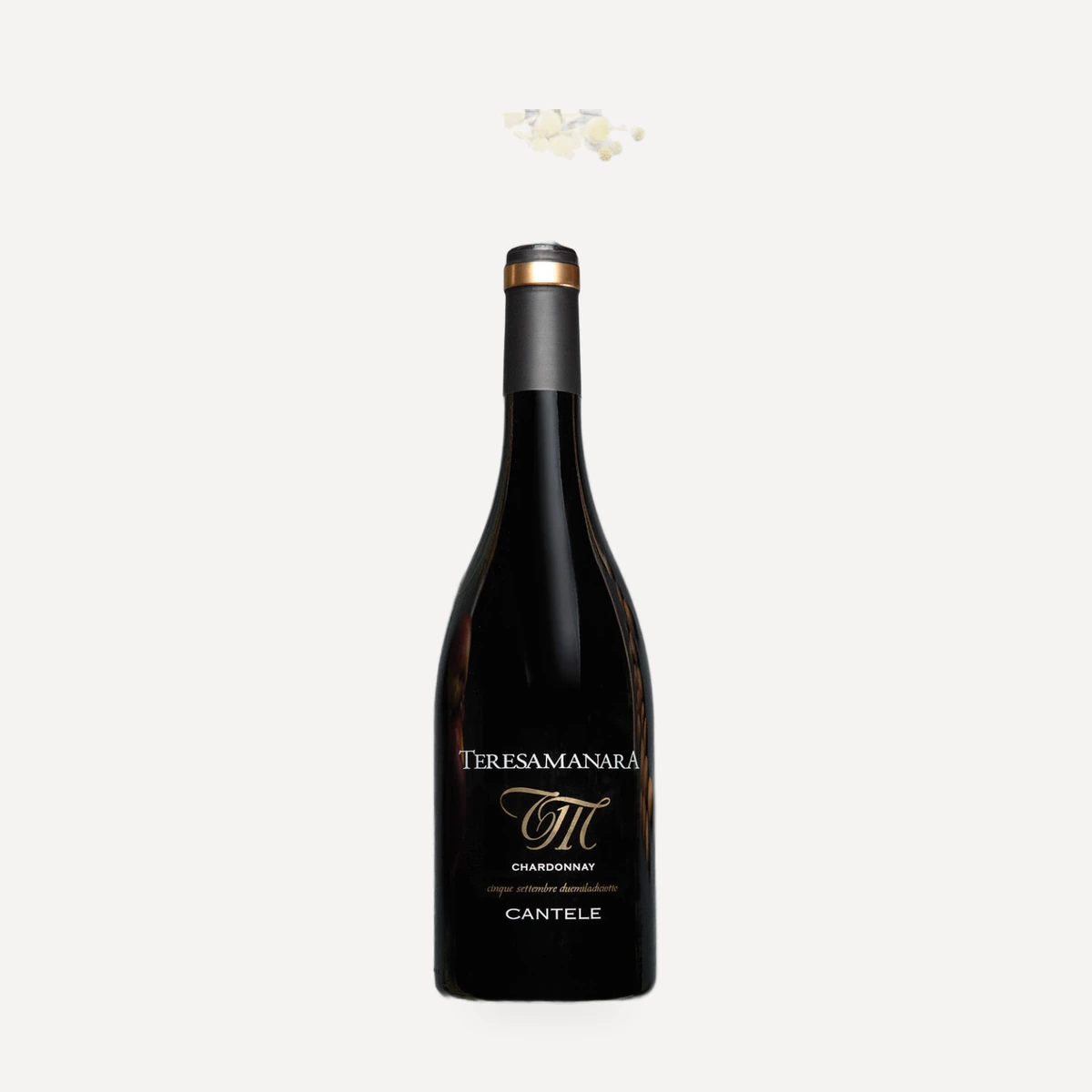
Teresa Manara Chardonnay VT
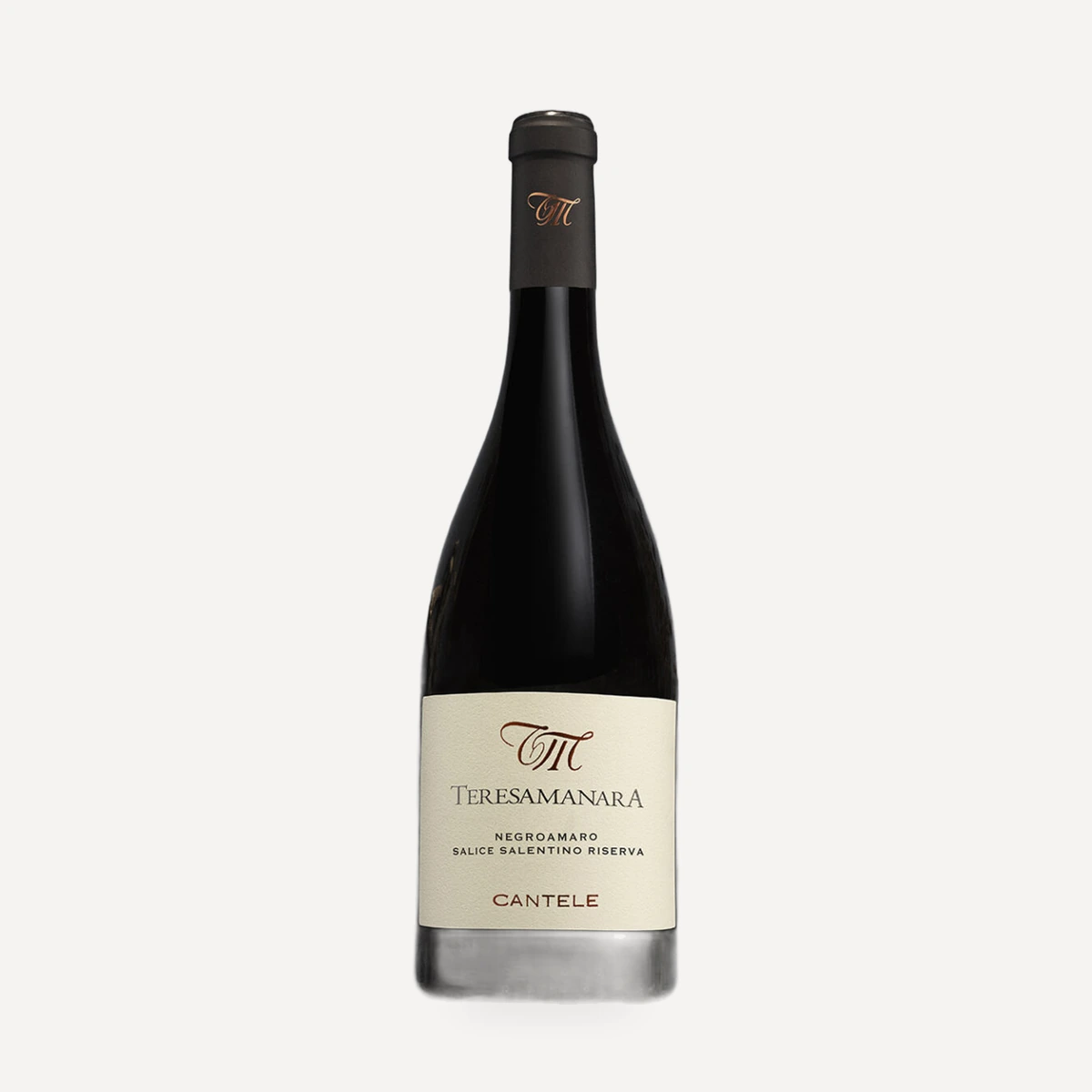
Teresa Manara Negroamaro
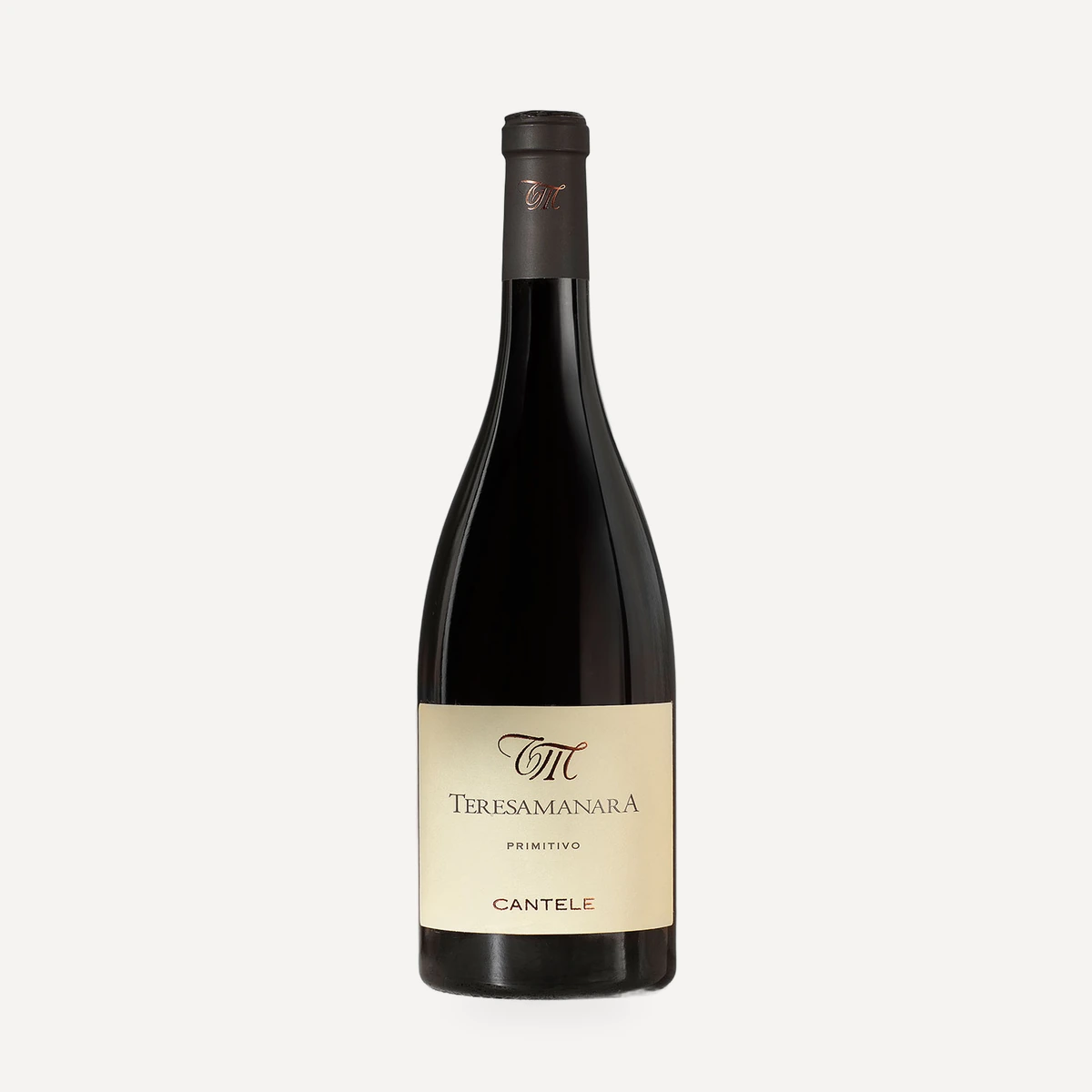
Teresa Manara Primitivo
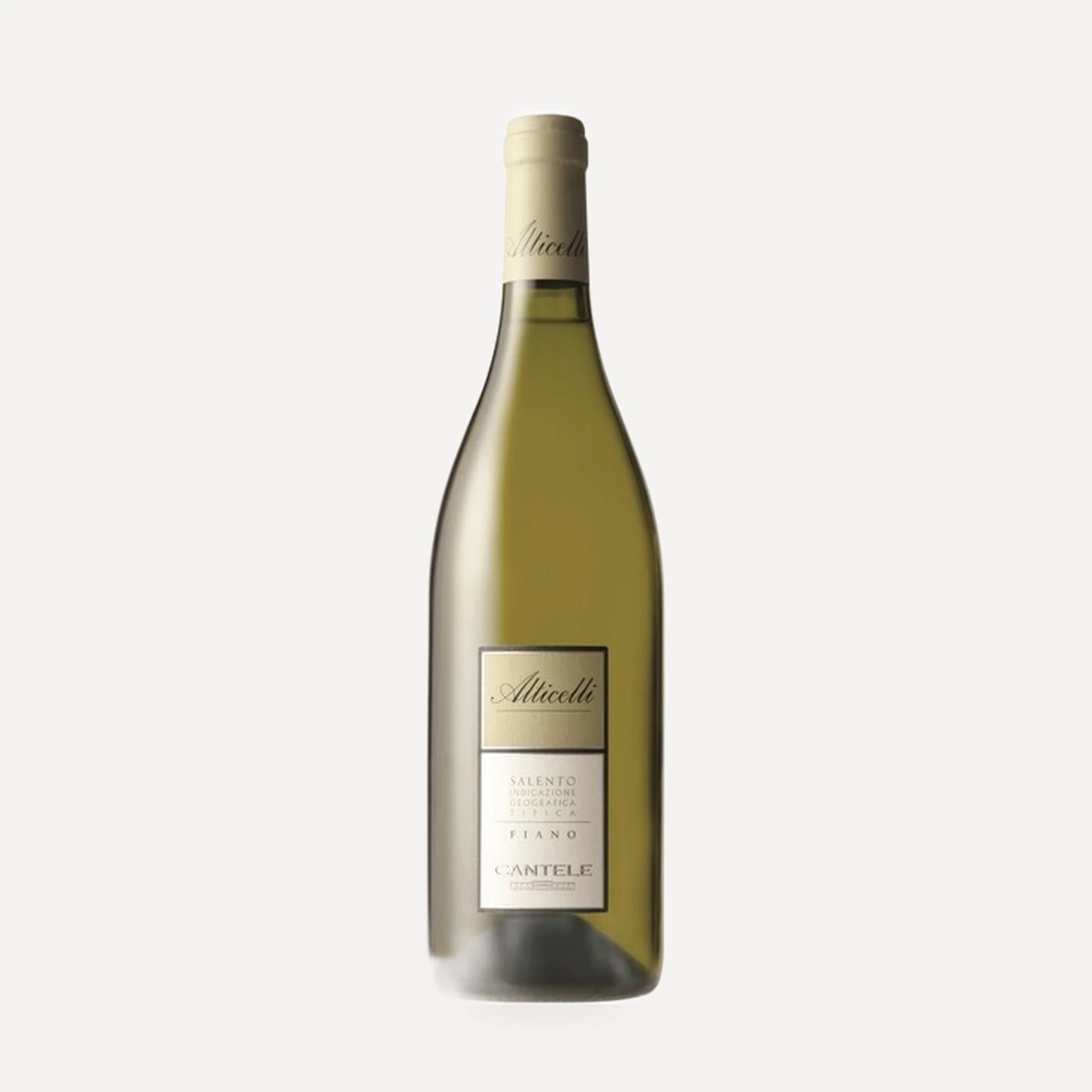
Alticelli Fiano Salento IGT
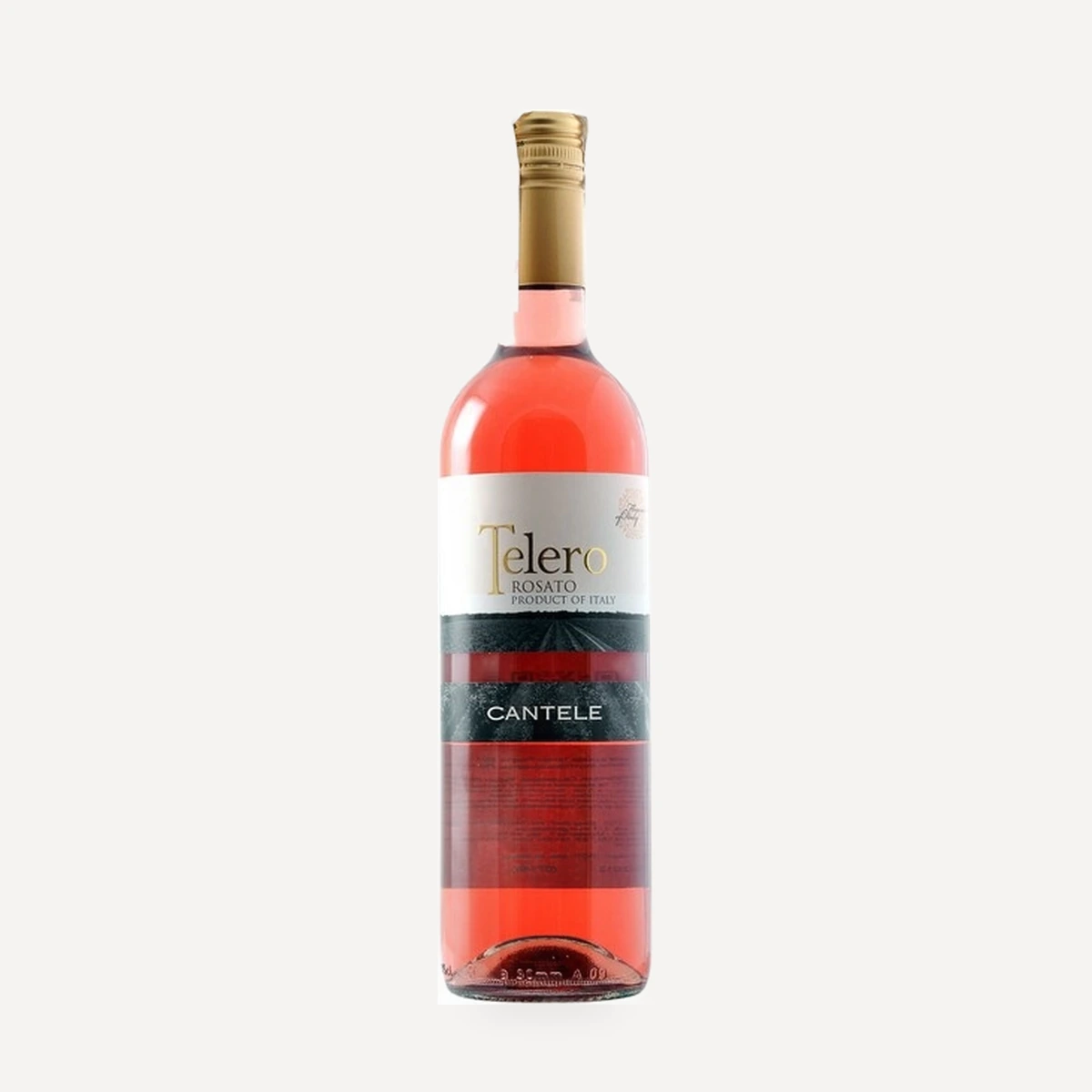
Telero Rosato Salento IGT
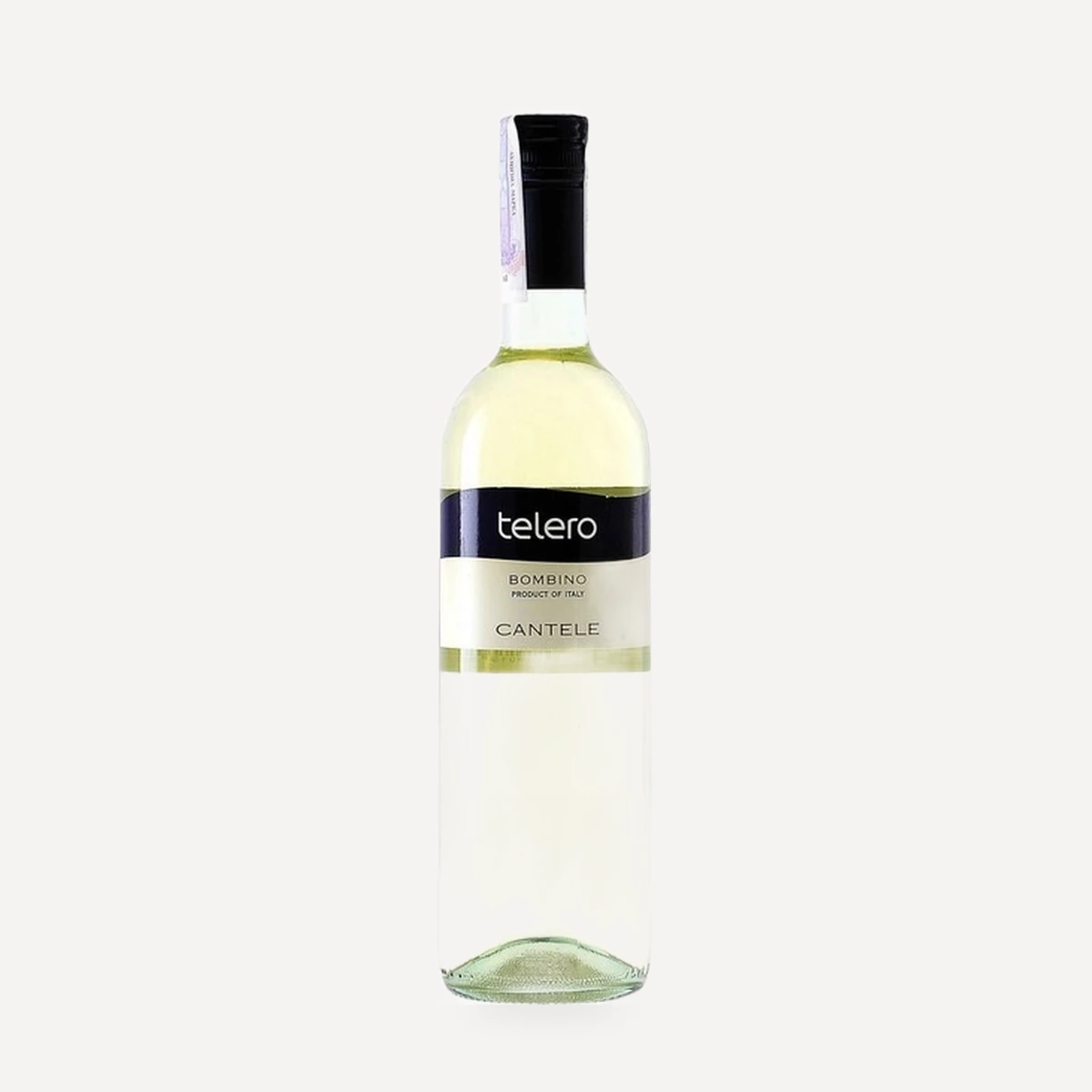
Telero Bombino Salento IGT